by 505 Outside | Jun 29, 2020 | Deciduous Trees, Trees
Exposure: Full Sun
Water: Low
Height and Spread: H 15-35’ X W 10-30’
Blooming Season: Flowers in Summer. Fruit in Fall
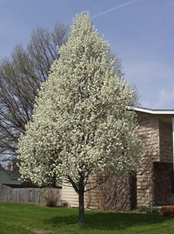
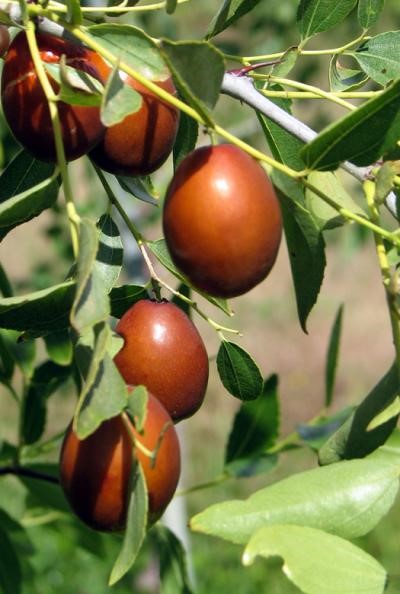
One of the easiest fruit crops to grow, jujube trees are tolerant of a wide range of temperatures and rainfall. The oval shaped leaves are dark green with a gleaming, wax like appearance. This tree grows upright, making it a good tree for screening in narrow spaces or even used in groupings. The fruit will change color from dark green to a reddish-brown color when fully matured. Jujubes can be an extraordinary substitute for apples in recipes.
by 505 Outside | Mar 1, 2020 | Deciduous Trees
Exposure: Full Sun
Water: Medium
Height and Spread: H 25’
x W 15’
Blooming Season: Spring
Region: All
areas
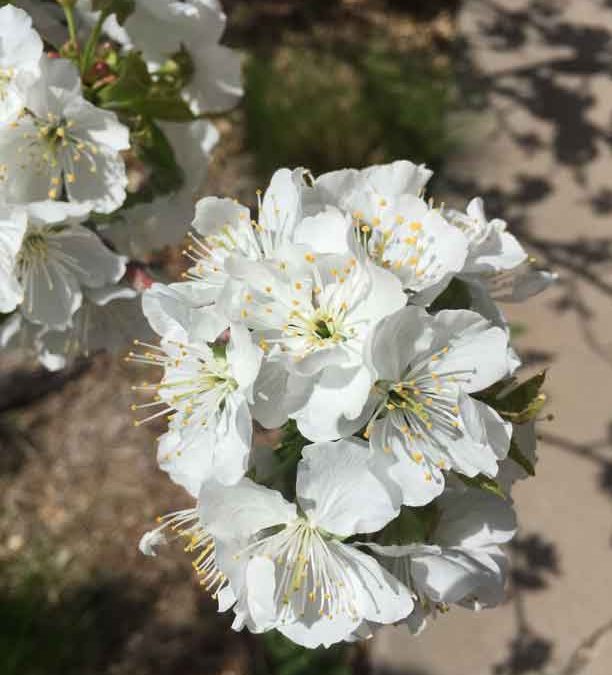
The Chanticleer Pear is a deciduous flowering tree that
produces profuse clusters of white flowers in early spring followed by small
round, hard, bitter fruits that can last into winter. Its shallow roots and
pyramidal form make it a great choice for a landscape with limited space. Other
advantages of the Chanticleer Pear are that it is favored by birds because of
its dense branch structure and that it provides food throughout the year for
birds, insects and bees.
by 505 Outside | Oct 1, 2019 | Deciduous Trees, Trees
Exposure: Full Sun
Water: Medium
Height and Spread: 30’ x 20’
Blooming Season: Summer
Region: All Areas
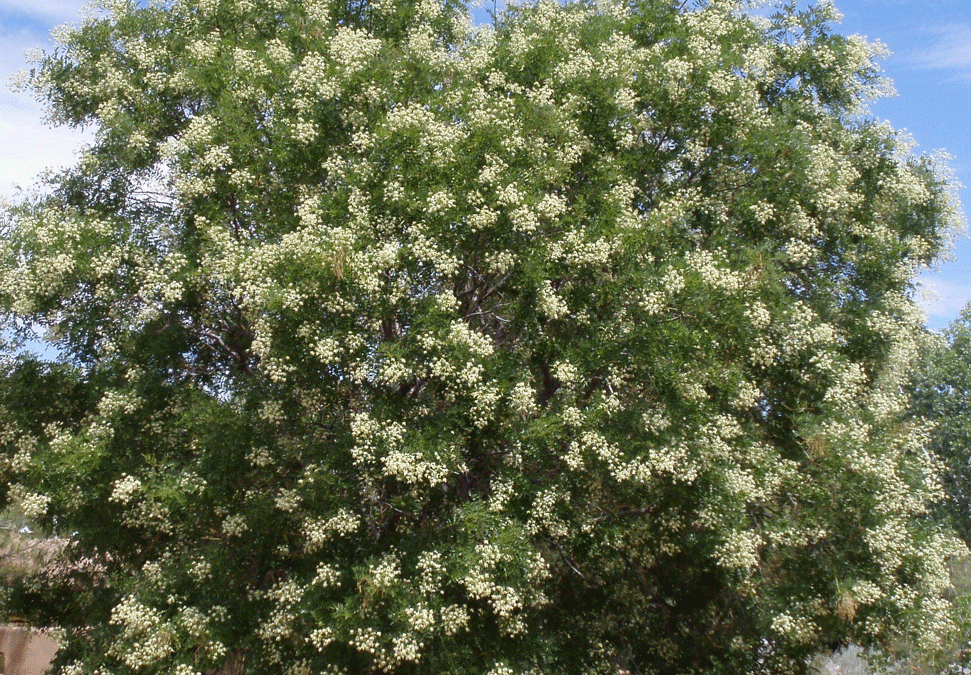
Japanese Scholar tree is also known as the
pagoda tree because it is planted in shrine gardens in Asia. It is a very arid
adaptive shade tree with small compound glossy dark green leaves and honey-scented
white flowers that bloom in summertime. A perfect sized tree for small patios
and outdoor living spaces, it provides dappled shade, making these spaces
comfortable during the summer.
However, this tree can be messy as it
drops flowers, seed pods and leaves in late summer through the fall. The debris
is easy to sweep away on smooth concrete surfaces, more difficult with
flagstone patios. Try the cultivar ‘Regent’ for earlier blooming and a narrower
canopy. Water weekly for the first few years of establishment during the hot
summers. Once established, water once or twice a month to keep it healthy.
by 505 Outside | Aug 1, 2018 | Deciduous Trees, Trees

Full Sun

Medium Water
Mature Size: 15-25’X 10-15’
Blooming Season: July-August
Flower Color: Blue-lavender.
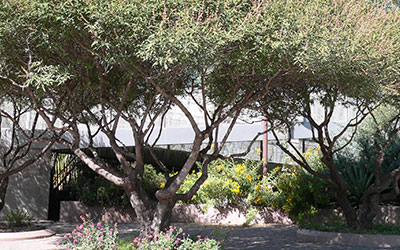
Multibranched, spreading, large shrub or small tree that features distinctive dark green palmate leaves. Its low, open form can be pruned to grow more treelike to create a small and lovely shade tree. In mid-summer a profusion of 7-inch-long blue flower spikes creates a sweet aroma that attracts bumblebees. Does best in hot areas.
by 505 Outside | Aug 1, 2018 | Deciduous Trees, Trees
Full Sun
Medium Water
Mature Size: 40’X 40’
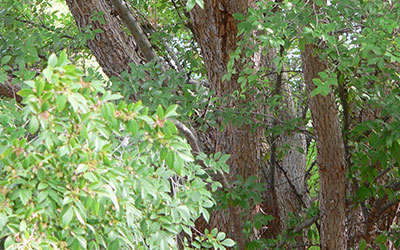
So called because of the patchy mosaic bark on their trunks as they mature, Lacebark Elms are moderate in size and growth rate with a majestic form that offers plenty of cool shade. With elm beetle-resistant leaves and no tendency to form a forest of weedy seedlings, this elm is a long-lived asset best planted in broad, shallow basins that capture rainwater.
by 505 Outside | Aug 1, 2018 | Deciduous Trees, Trees
Full Sun
Medium Water
Mature Size: 40’X 30’
Blooming Season: Mid- to Late-Spring
Flower Color: Reddish
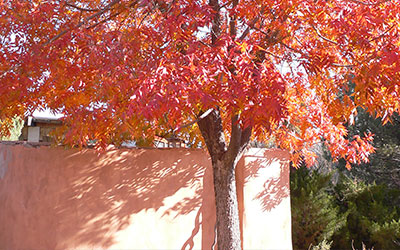
A wonderful shade tree when mature, the Chinese Pistache can handle hot, dry desert con- ditions because it roots deeply. Its glossy dark leaves put on a delightful fall show turning bright gold, orange or crimson. (Wait to se- lect your tree in autumn if red foliage is important.) The pea-sized red fruit of female trees add color in fall. Young trees may have a slightly awkward form when young, but the canopy fills out gracefully as trees mature. Tolerant of virtually all soil conditions except soggy clay.