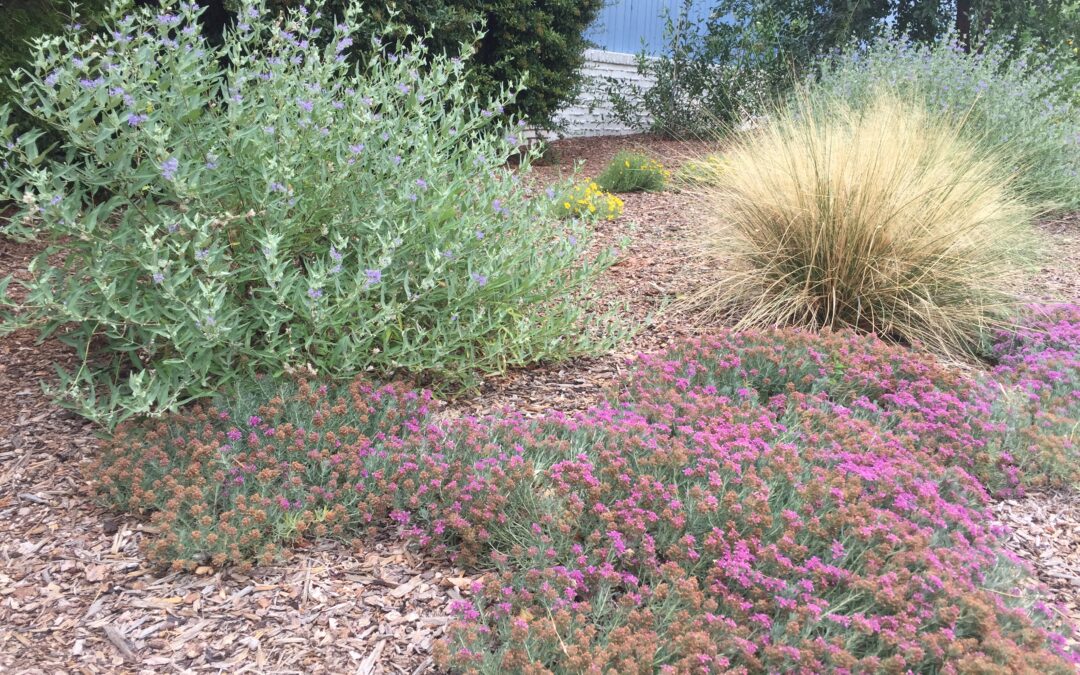
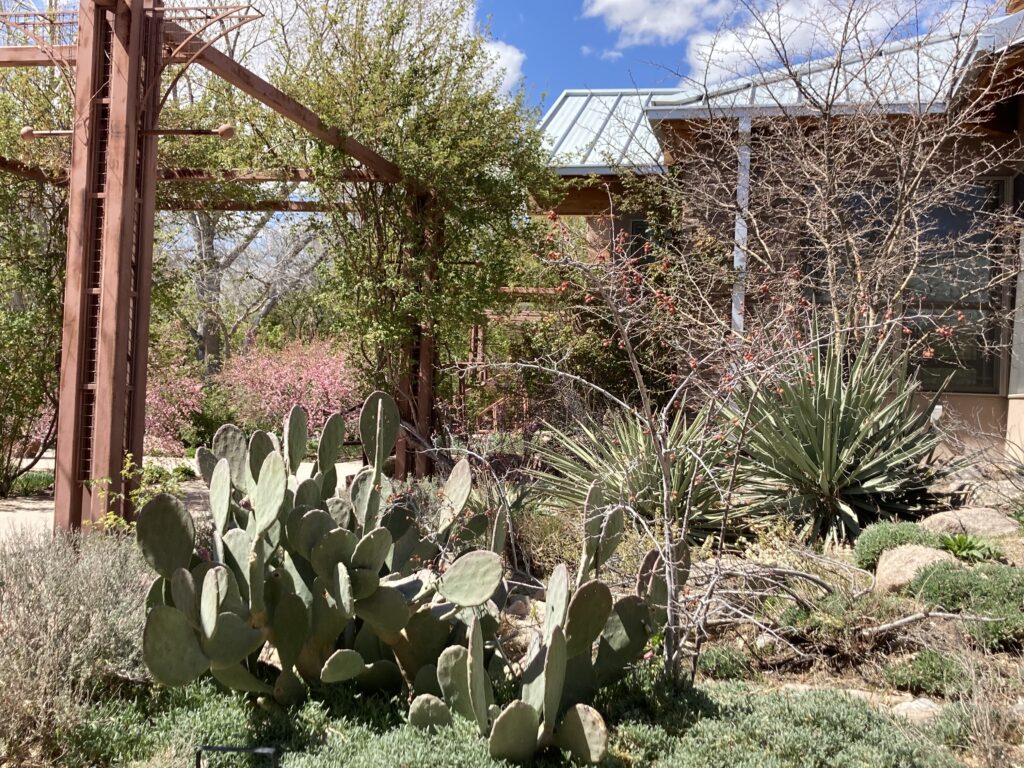
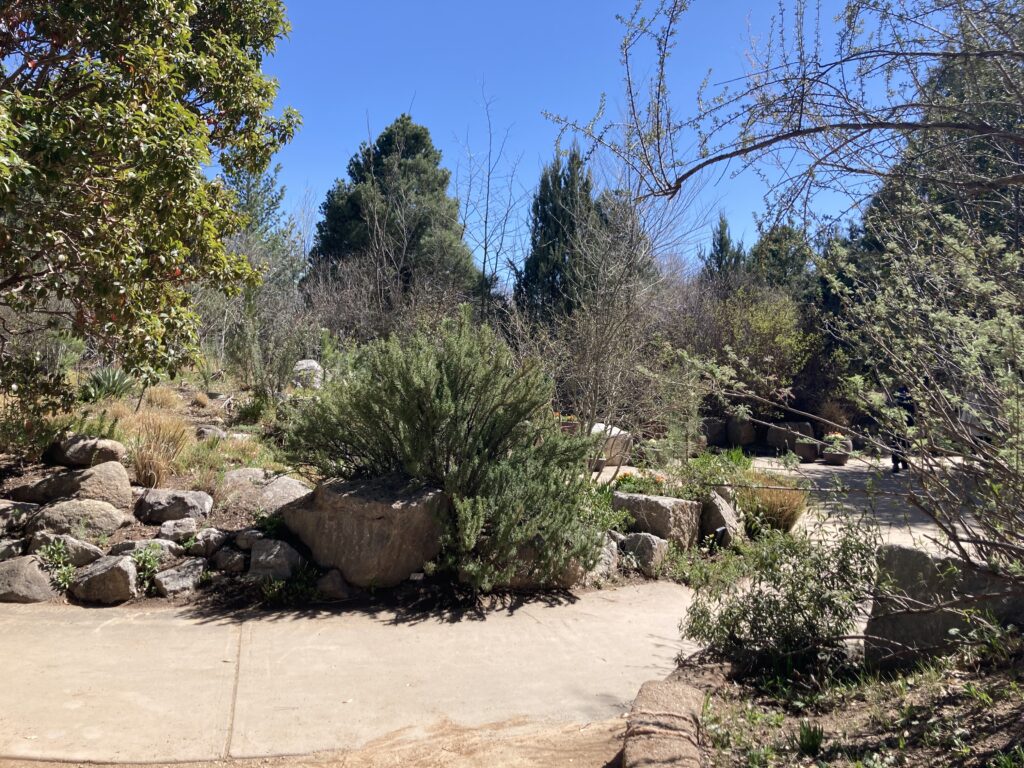
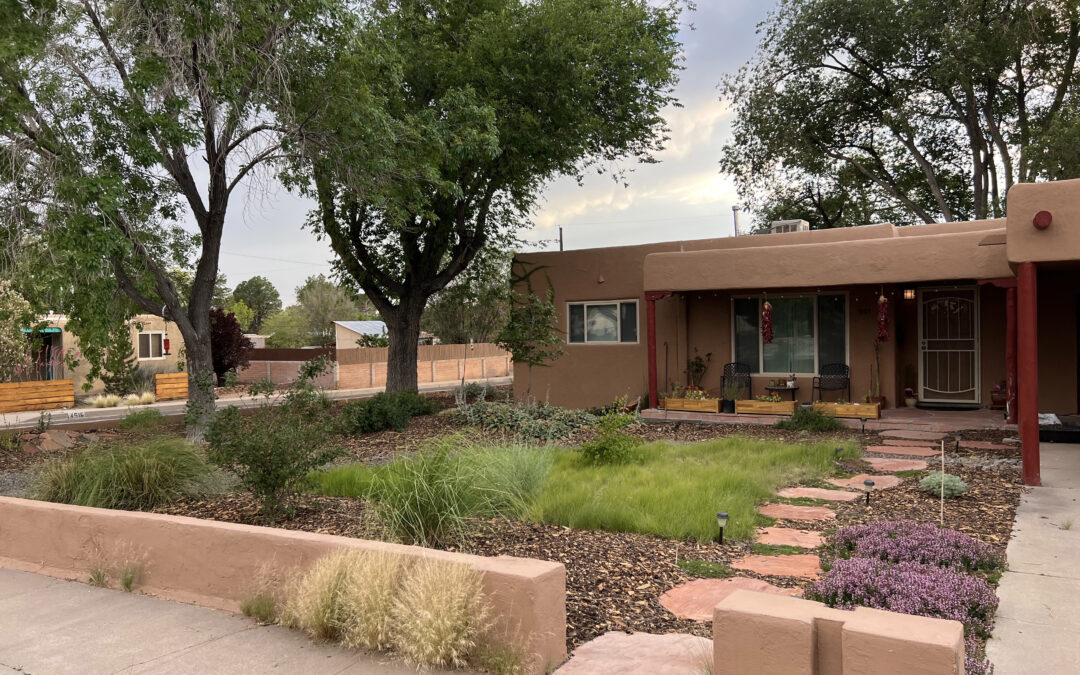
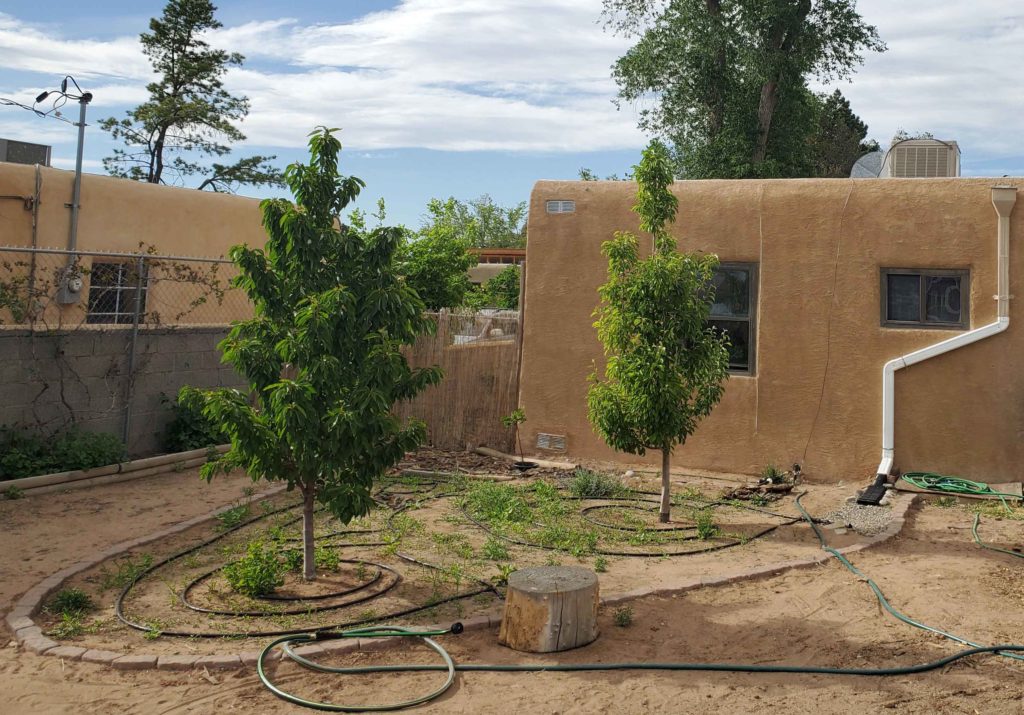
The ABQ Backyard Refuge Program is working with greater Albuquerque residents to create a mosaic of habitat across the city that will support a wide variety of both year-round and migrating wildlife. The program, which is managed by the Friends of Valle de Oro National Wildlife Refuge, was developed by more than 40 partners, including local government agencies, university departments and conservation organizations. The program provides resources for residents, including an introductory guide that features a list of plants that both thrive here and attract wildlife as well as a workbook for building and documenting your refuge. In addition to recruiting homeowners to build habitats in their yards, we are working with our partners to increase green space in the communities most affected by our changing climate.
Any space can be certified, including a front yard, patio, balcony, community space or, of course, a backyard. As of May 22, the program has certified about 166 acres with 629 individual and business participants. That surpasses the initial goal of certifying as many habitats as there are national wildlife refuges in the nation (572). Next, the program hopes to match Valle de Oro's 570 acres. Every bit of habitat counts!
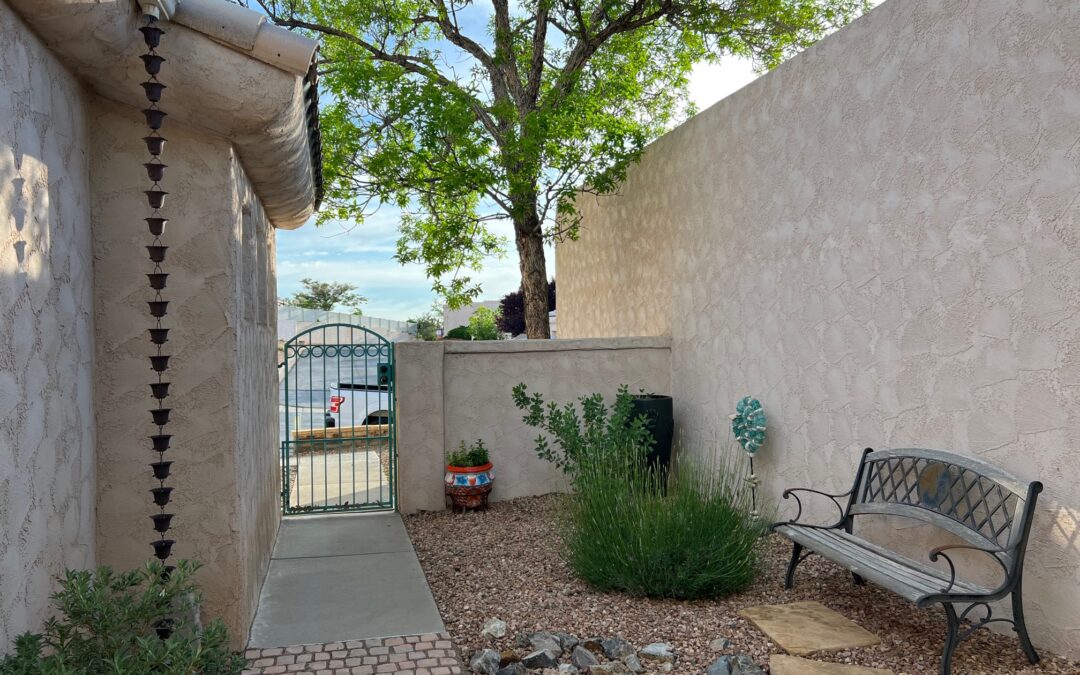
Whether you have a balcony, a patio (where you can put potted pollinator plants) or acreage at your home, you can make changes that benefit wildlife. Here are some tips:
Leave a few dead branches in your yard, as long as they don’t pose a safety hazard. They can provide great perches for birds and food sources or potential nesting sites for woodpeckers.
Allow some leaves to stay on the ground in the fall so more butterflies are attracted to your property in the spring.
Leave dried sunflowers and grasses in your yard because they provide food for wildlife during the winter.
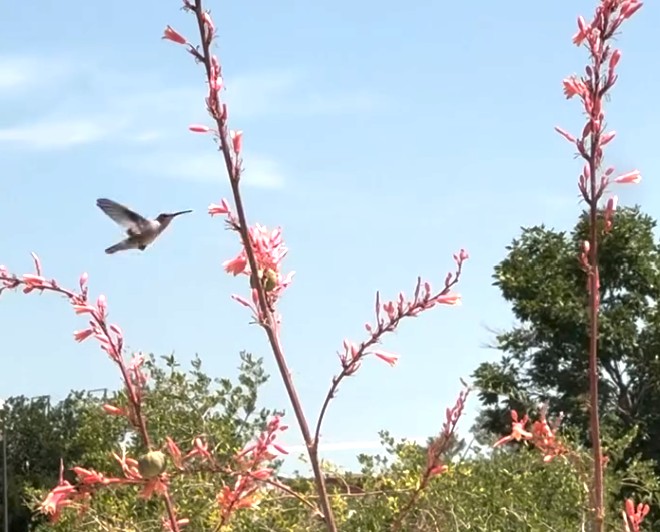
Plant pollinator friendly species such as sunflowers, mistflower, yarrow, beebalm, salvias, penstemon, oregano, fennel, whorled milkweed or native buckwheats.
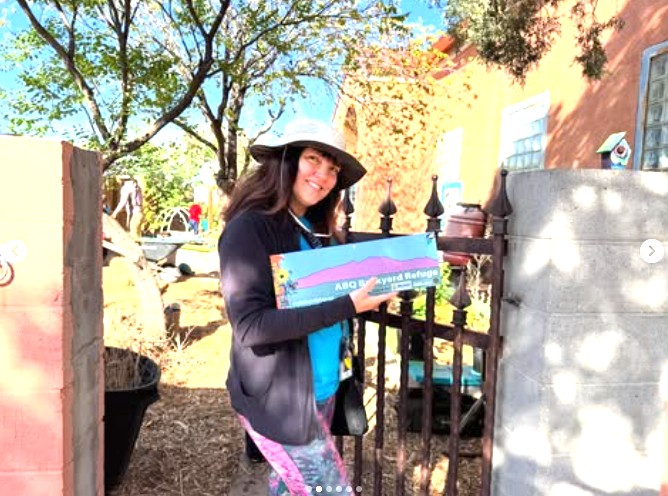
When you certify your space as an ABQ Backyard Refuge, you are helping to encourage neighbors to build wildlife habitats. As a member of the certification program, you will receive a metal sign with stickers that show your certification level.
The sign can be a conversation starter with your neighbors and help the program grow.
Passive rainwater harvesting allows you to collect rainwater runoff from roofs, patios and driveways as well as the overflow from rain barrels and cisterns (active rainwater harvesting sources) and direct it into the landscape. The water then gets stored in the soil where plants can take advantage of the moisture.
Several rainwater harvesting techniques can turn potential problems (i.e. erosion, flooding or excess moisture near foundations) into water for your plants. Rainwater contains extra nutrients not always found in potable water, so the plants receive additional benefits. Passive rainwater harvesting also helps filter out pollutants, increase infiltration to the aquifer and provide healthier ecosystem habitat.
Start by calculating the amount of water that flows from your potential runoff sources. For every 1,000 square feet of hard surface, 1 inch of rain will generate approximately 600 gallons of water. It’s easy to see why rain barrels or cisterns can quickly fill during medium to larger rain events, so a passive collection system for overflow is always a good idea. You want to make sure whatever system you create will be able to handle a
good-sized rain event (refer to the link above). It’s very important to create a directed overflow so that when there is a large rainstorm, the excess water will flow into a basin or other feature onsite or into the street (if your capacity is limited) without creating erosion.
There are many different techniques, and some can be used together to enhance the benefits. These techniques include rain gardens, swales, basins, soil sponges, curb cuts, French drains and pumice wicks, check dams and gabions. Study your site and these techniques to determine the best option for your garden. Watch your site during a rain to see where the runoff comes from and where it goes. You may want to take advantage of existing patterns.
Rain gardens are depressions to catch surface runoff from slopes and are best planted with native plants that can take occasional flooding.
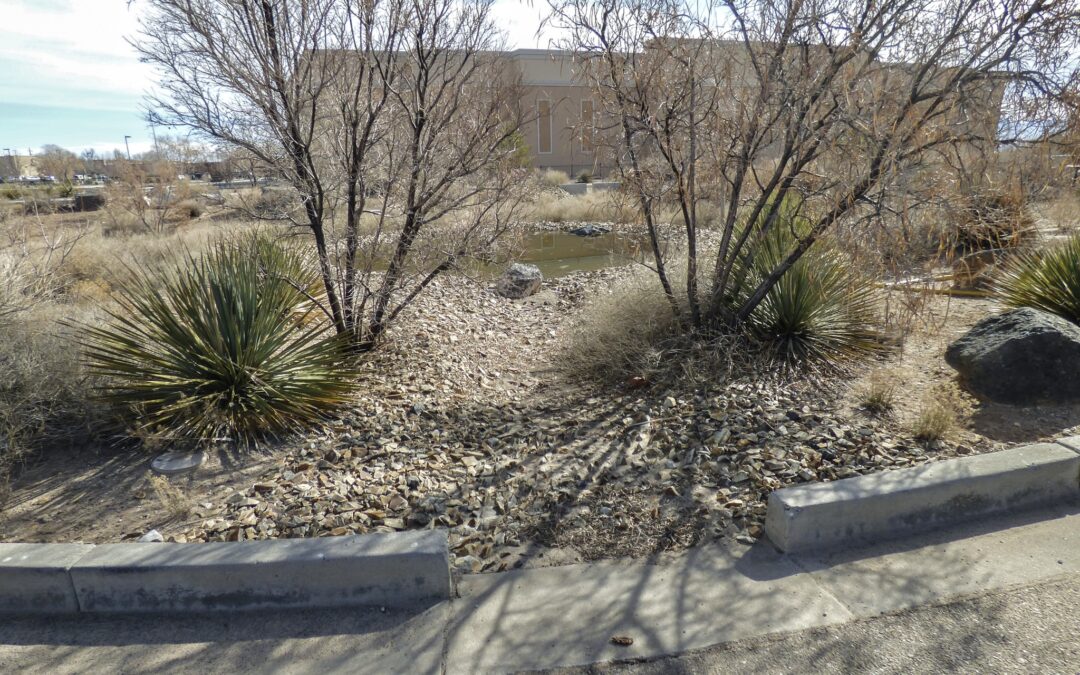
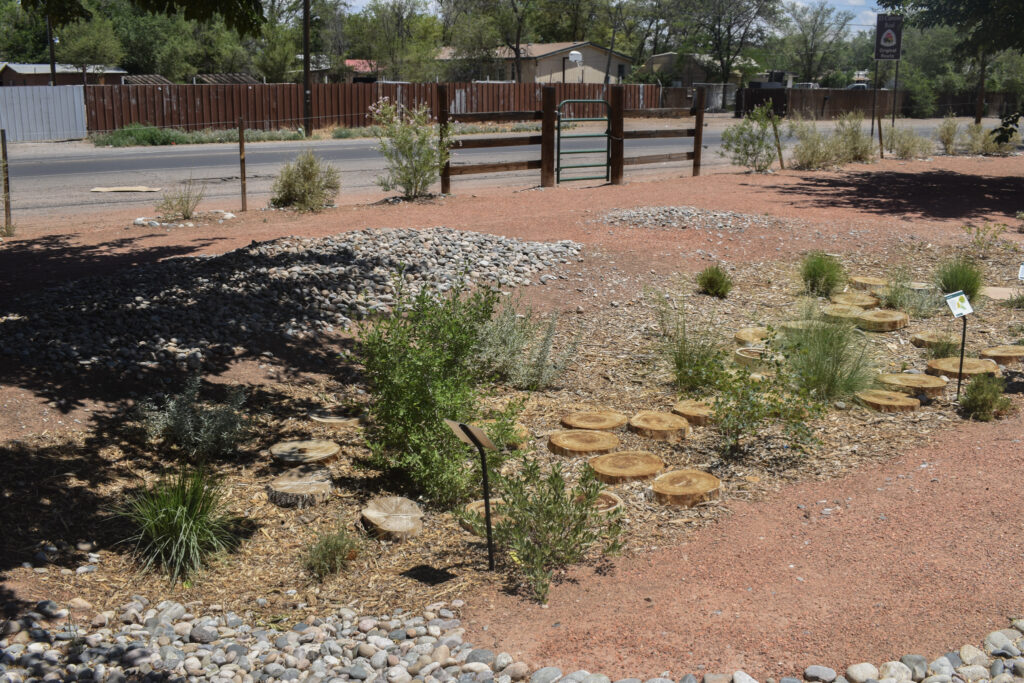
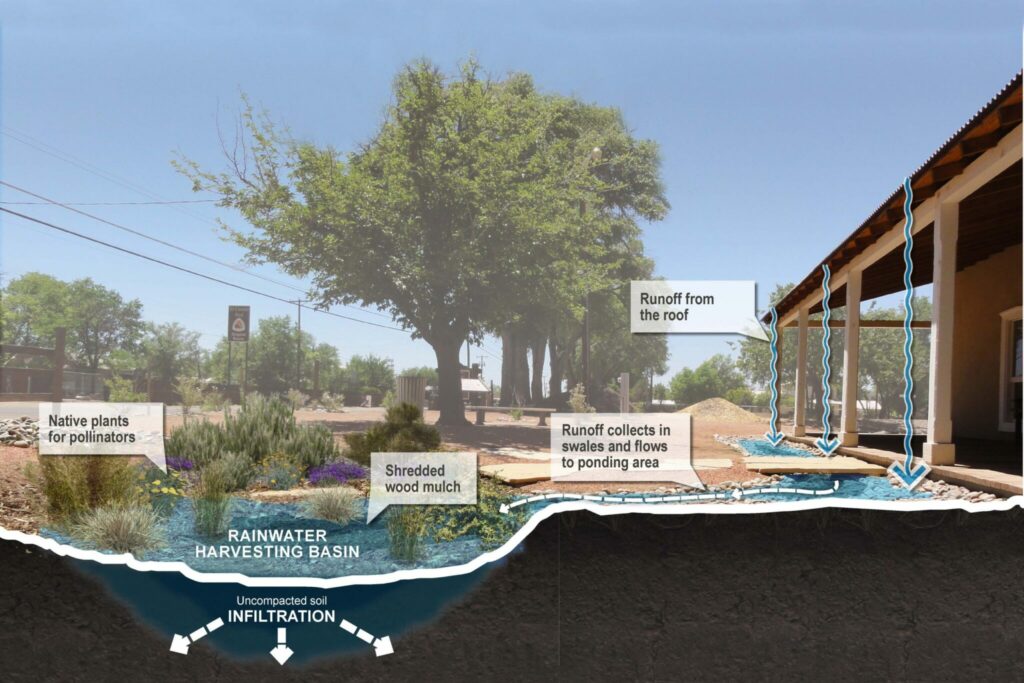
Swales are sloped depressions that convey water into basins or rain gardens from canales, downspouts or other drains. Make sure the slopes consistently move the water downhill and are large enough to not get overwhelmed. Swales are usually lined with large gravel or cobble to prevent erosion. If you have extra material onsite, this is a great recycling solution. Make sure that swales are designed to catch the slow drip of a light rain as well as the powerful flow of a heavy downpour.
Basins are catchment ponds designed to handle large rain events and provide a great place to plant trees and larger shrubs or heavy water use plants that can benefit from the extra water. Calculating the size to match your runoff is vital here. The area where the runoff from your swale(s) enters the basin will need gravel to dissipate the erosive forces. Shredded wood mulch works best in the bottom of the basin. The capacity of the basin and the health of the plants can be further enhanced by installing soil sponges (see below) in the low points. In larger yards, you may want to create a series of basins to increase capacity and opportunities for plantings.
Soil sponges are post holes dug and filled with a soil mix containing compost to increase infiltration and introduce organic matter and beneficial microbes to the soil sponge and surrounding soil. These also provide an avenue for plant roots to quickly grow deeper, improving health and drought tolerance.
Curb cuts are made with a concrete saw to channel runoff into a basin. This can be done on your own property, but permission is needed to cut into a public curb to direct excess water into the street.
French drains and pumice wicks are progressively deeper trenches lined with geotextile fabric (to prevent silting up) and filled with gravel or pumice. These are best used when you have existing trees or large shrubs and the base of those plants is on the same level or higher than where your runoff originates. Aim them directly at the tree or shrub to minimize root damage while still providing additional water to the plants’ root zone. The open space in pumice provides additional water capacity.
Check dams and gabions are small dams used in areas where existing runoff has started to erode and cut deeply into the soil. These small dams slow down the water so it infiltrates and lessens erosion. Gabions are a type of check dam constructed of riprap (oversize gravel/cobble) held together with a wire basket. Generally, both have an area of cobble below to prevent erosion.
Passive rainwater harvesting is a great way to lessen your use of potable water, reduce erosion and provide a supplemental water source for your garden. Remember, you still will need to water your plants (through irrigation or hand watering) to establish them and, in most cases, to maintain their health.
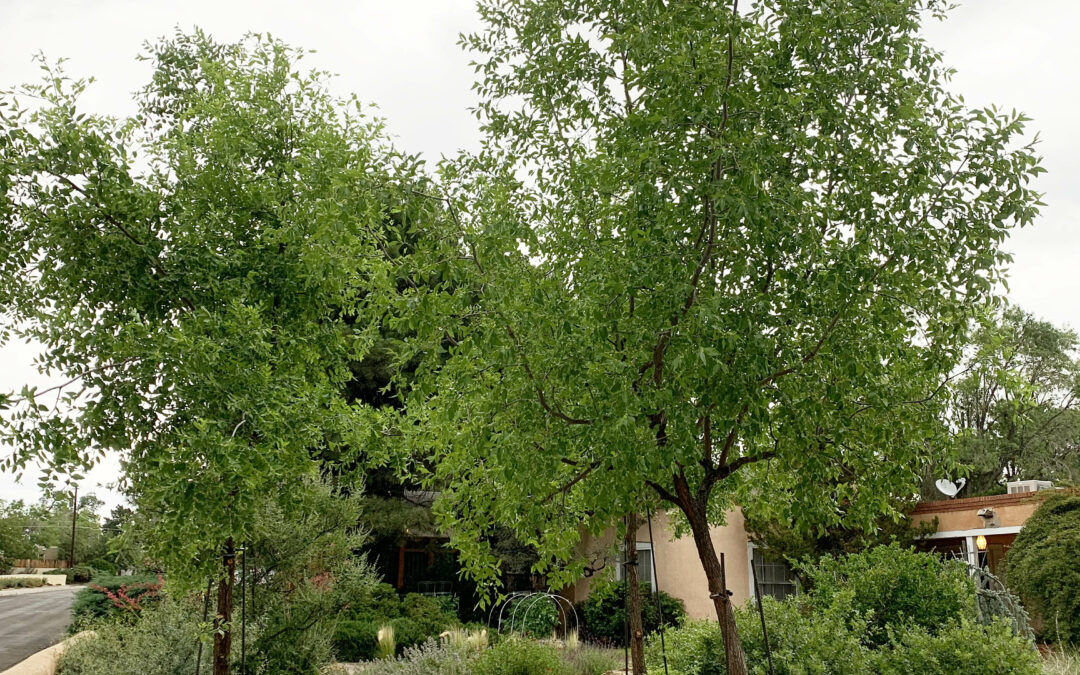
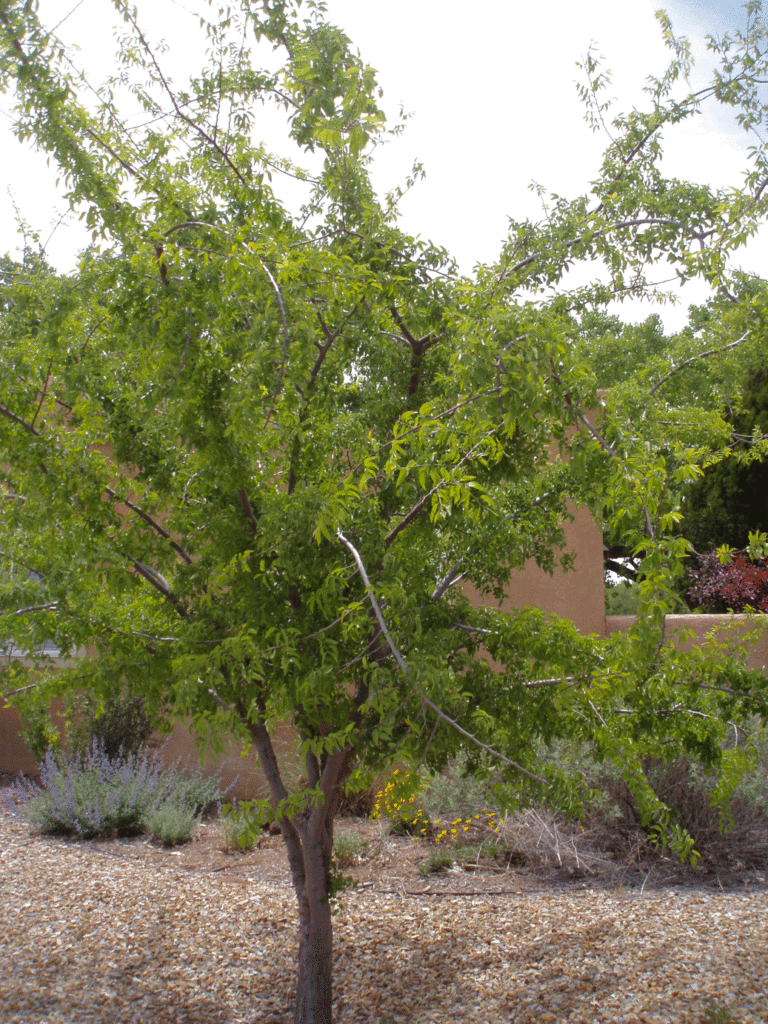
The jujube is just one of those trees that is extra! Extra fruitful, extra nutritious, extra hardy, extra beautiful. This medium sized tree comes in 400 varieties, many of which are being cultivated and taking root in Albuquerque.
The jujube tree, often called Chinese date, has been cultivated for thousands of years around the world, in Albuquerque for nearly 60 years and in the panhandle of Texas since 1875. Its small abundant fruits are high in fiber, vitamin C, potassium, antioxidants and phenolic compounds and have been used to support nervous system, cardiac and digestive health. Medicinally, it is used as a tonic sweetener in many supportive Chinese herbal remedies.
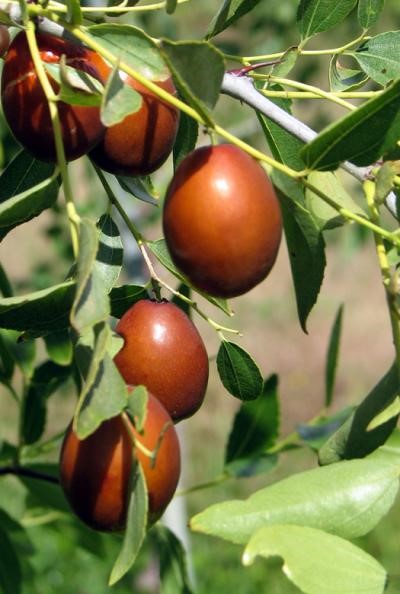
The fruit can be eaten raw, dried or cooked. Fresh from the tree, when they’re mature and a luscious mahogany brown, they have a crunchy refreshing taste, like a cross between an apple and a date. As they dry, they become sweeter and chewy. Dried, they are delicious in oatmeal, cookies, trail mix or anywhere you would use dried fruit. They make an excellent chai — just boil dried pieces with other ingredients, letting the earthy sweet flavor complement ginger, cinnamon, cardamom, pepper and other traditional chai ingredients. You also can find recipes from Korea, China, Vietnam, India, Italy and many Persian cultures that incorporate the jujube for both sweet and savory dishes.
The fruit is very easy to dry and, in fact, many that you miss harvesting will dry right on the tree. However, we do recommend bringing them inside to dry and cutting the pits out before drying so they are easier to eat and enjoy down the road. If you have a dehydrator, that will speed the process, but they will also dry if you place them on cookie sheets in a spare room, on top of a shed in the sun or even in a car and let our New Mexico dry air work its magic. Jujubes don’t bruise and spoil quickly like other stone fruits, so windfalls and bird-pecked fruits don’t make a mess and are still usable.
We love edible landscapes, so we’re naturally drawn to these fabulous trees. But even if you aren’t looking for food, the jujube is a wonderfully hardy tree for Albuquerque. This tough specimen hails from the buckthorn family, Rhamnaceae, and will grow in USDA hardiness zones 6-11, which is an extraordinary range for any tree! At the moment, Albuquerque is generally zone 7, but as we face climate disruption, landscapers and planners are encouraging planting with an eye to zone 8 or 9 so our shade and habitat trees can withstand increasing heat. Jujubes are deeply rooted and can tolerate drought and saline and alkaline soils. Once established they can survive with small amounts of water, though a strategic watering schedule will increase your yield. Because they’re so drought tolerant, we don’t recommend planting a veggie garden under them or they’ll drink up all the water intended for your zucchini. They do well in full sun or light shade. They can handle sustained days and weeks of 100 degree plus heat, 23 below zero in winter and anything in between. They must have a frost to produce fruit, which isn’t a problem here. Jujubes do sucker quite a bit from their roots, and this rootstock, if allowed to sprout, produces very small, almost inedible fruits that are mostly pit. So, we do suggest being vigilant in cutting down the root sprouts as they appear.
Jujubes make a beautiful addition to any landscape. They have an elegant zig zag branch growth pattern and bright green, shiny oval leaves that can even withstand severe hail. They can be trained to a traditional tree structure or allowed to be a little wild and shrubby. They provide cool shade and habitat for birds, pollinators and other wildlife. Speaking of wildlife, one of us has a friend whose small dog Kipper grabs himself a couple from the ground during ripening season, carrying them happily to his bed to snack on … he’s not wildlife, but that little dog seems to love a jujube even above his biscuit treats. These trees benefit from cross pollination so plant yourself two of these beauties!
Planting trees not only gives you the riches of your tree, but it is also a love letter to the future. As gardeners who are tending land and each other in the midst of climate chaos, we have the opportunity to cultivate healing, repair and hope. With every tree we plant, we can try to leave our small patch of earth a little better than how we found it — cooled with shade, brightened with birdsong and providing nutritious food via a resilient, prized and giving tree. The next time you’re sitting in your garden, allow yourself to dream of a future where someone is harvesting jujubes and appreciating the ancestors who cultivated and left these sweet trees for them.
Learn more about specific types of gardening here:
Author: Corva Rose is an arborist and founder of Tree School, and can be reached through treeschoolNM.com, Jennifer Gardner has been gardening in Albuquerque for 30 years, with an emphasis on residential scale food planting. Have a question about the article? [email protected]
Passive rainwater harvesting is a great way to optimize your landscape while minimizing water use. So you may ask, “What are active and passive rainwater harvesting?”
Active rainwater harvesting involves collecting rainwater runoff from roofs and other impermeable surfaces into containers such as rain barrels or cisterns for later use. These containers can vary from small (50 gallons or less) to very large (thousands of gallons). The saved water can be distributed with a hose or drip system for use in the garden.
Passive rainwater harvesting channels water from roofs, patios or driveways directly into the landscape via swales (channels) into basins (depressions in the landscape) or into French drains where the water will be stored in the soil for use by the plants. For every 1,000 square feet of hard surface, 1 inch of rain will produce about 600 gallons of water, so it’s easy to see how active systems will produce overflow and why it’s always recommended to send that overflow into a passive rainwater harvesting system. This will lessen the amount of potable water you will need for your landscape while improving plant health.
So, what plants should you choose for your passive rainwater harvesting garden? First you need to realize there will be three different zones with different amounts of water available to the plants.
1. The High Ground Zone is the area around the outside perimeter of your basin or swale where there will be limited amounts of extra water available to the plants. This will be your most xeric (low water use) zone. Plants for this area could include:
Desert willow (Chilopsis linearis)
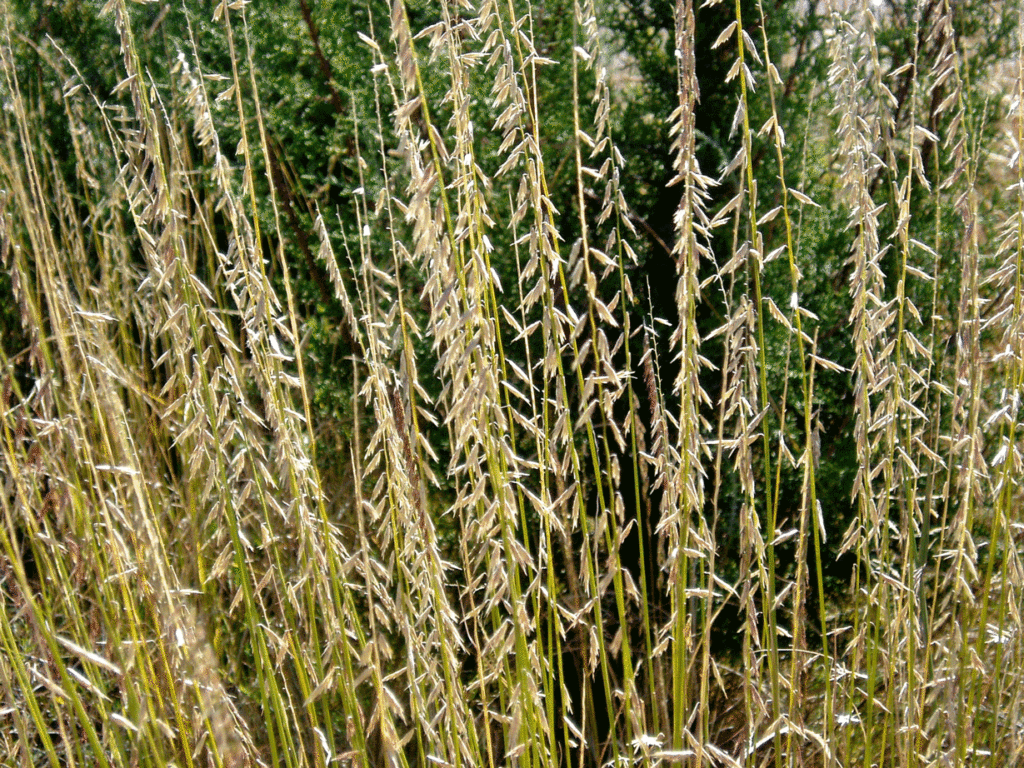
Grasses such as sideoats grama (Bouteloua curtipendula) or sand dropseed (Sporobolus crytandrus)
Desert four o’clock (Mirabilis multiflora) or blackfoot daisy (Melampodium leucanthum)
Sideoats Grama
2. The Transition Zone is partway up the sides of the swale or basin. Plants growing here will get some extra moisture but will not be at the low points of the basin or swale.
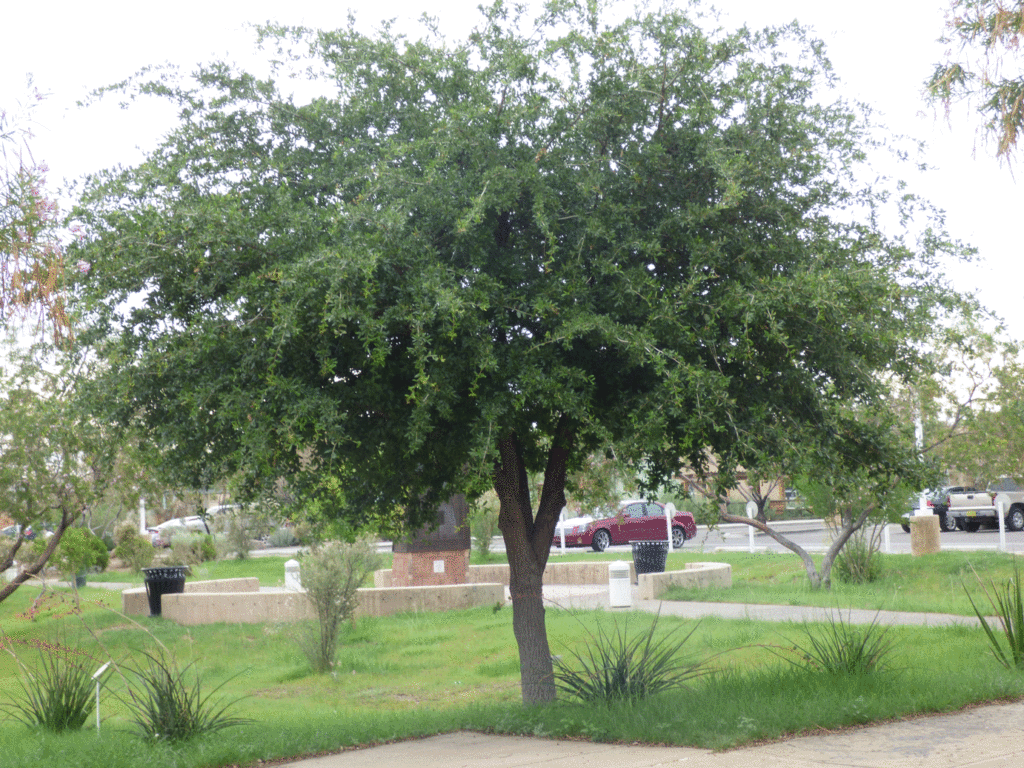
Escarpment live oak (Quercus fusiformus)
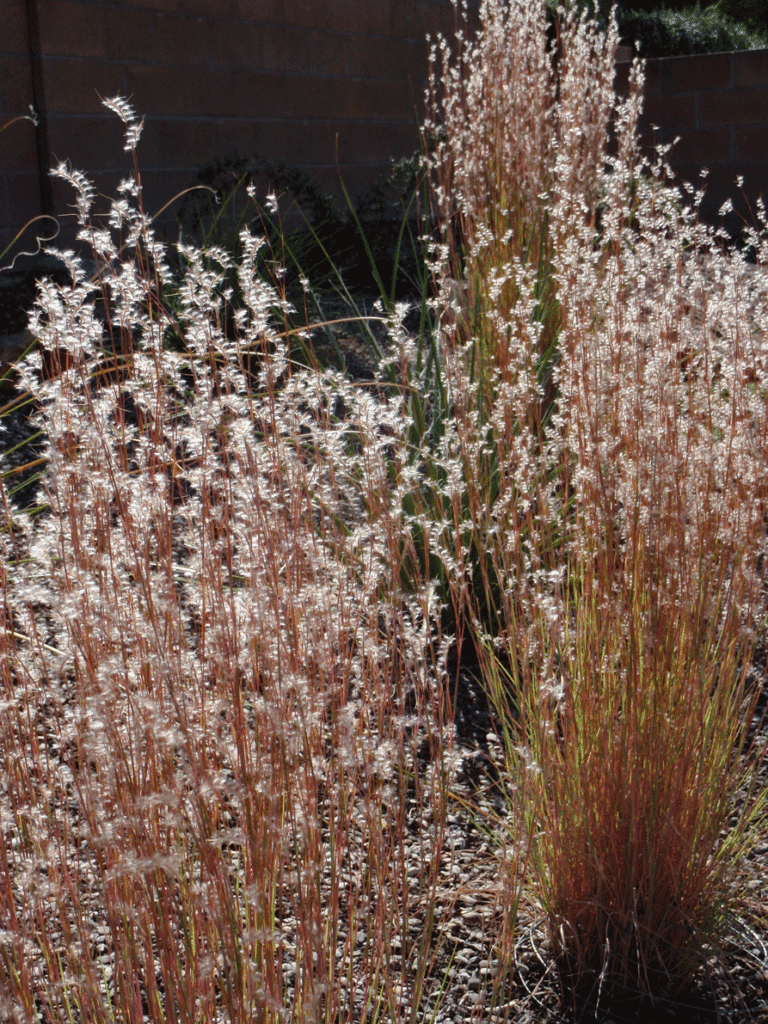
Grasses such as blue grama (Bouteloua gracilis) or little bluestem (Schizachryium scoparium)
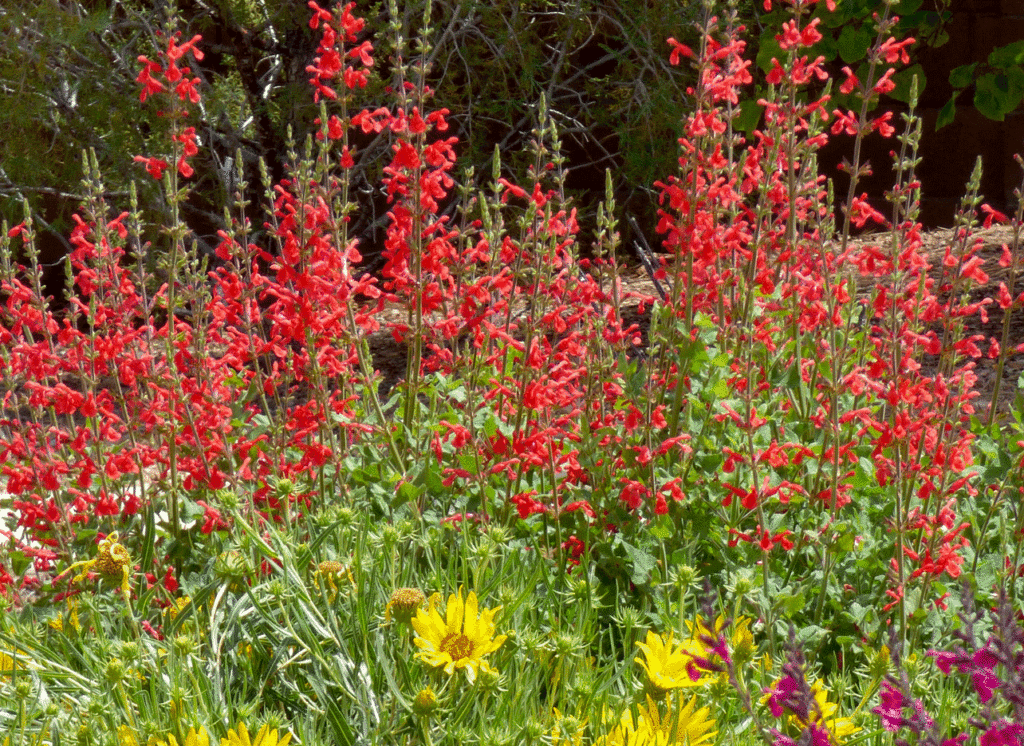
Salvias such as autumn sage (Salvia greggii), Mexican blue sage (Salvia chamaedryoides) or Mexican red sage (Salvia darcyii), or dwarf goldenrod (Solidago sp.)
Escarpment Live OakLittle BluestemSalvia darcyii
3. The Inundation Zone will be the wettest area during large rain events. Only plants that can tolerate periods of standing water will work here. The basins can be enhanced with soil sponges to increase storage capacity and soil quality.
Netleaf hackberry (Celtis reticulata)
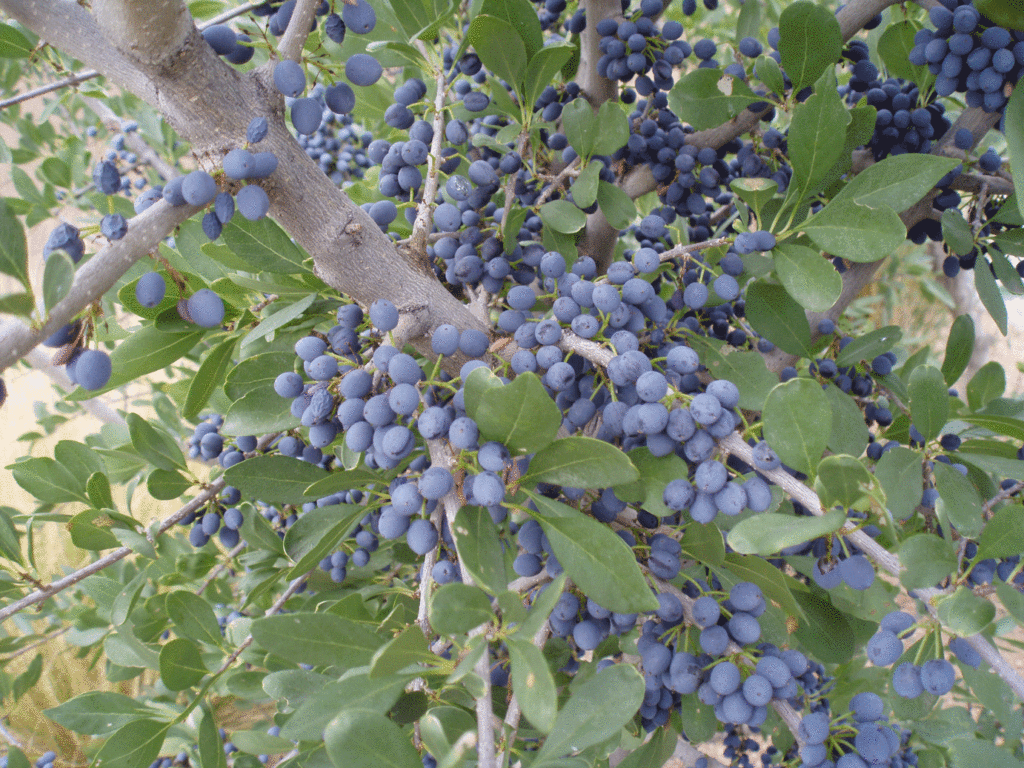
New Mexico olive (Forestiera neomexicana) or fernbush (Chamebatiaria milefolium)
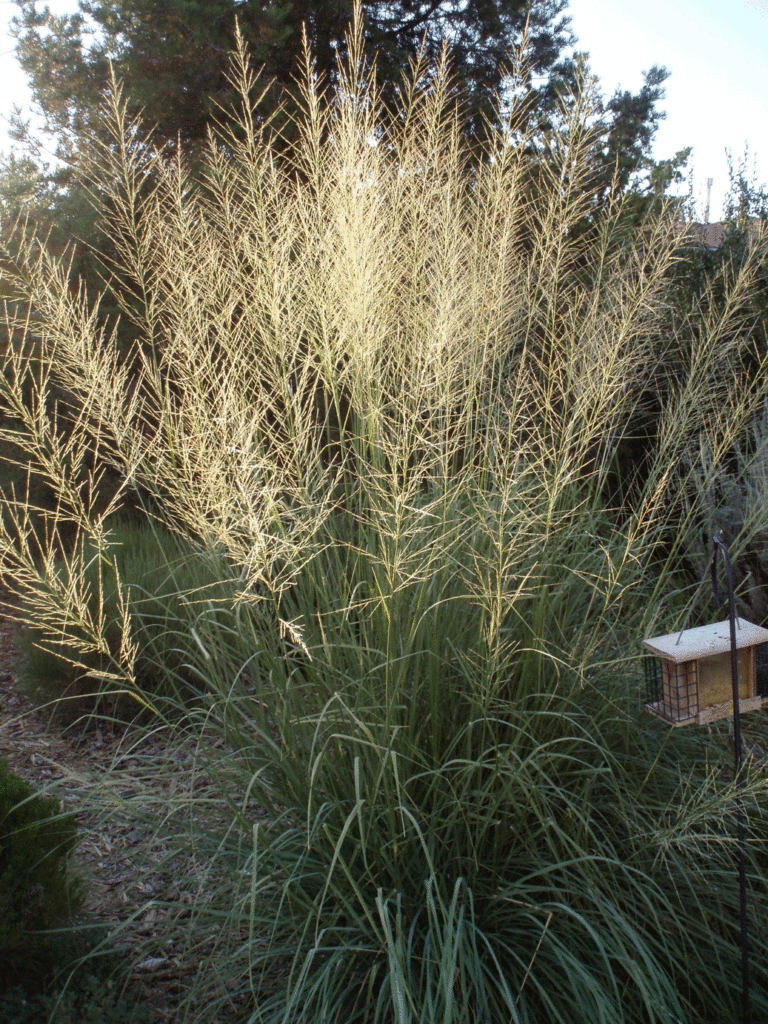
Grasses such as giant sacaton (Sporobolus wrightii) or Indiangrass (Sorghastrum nutans)
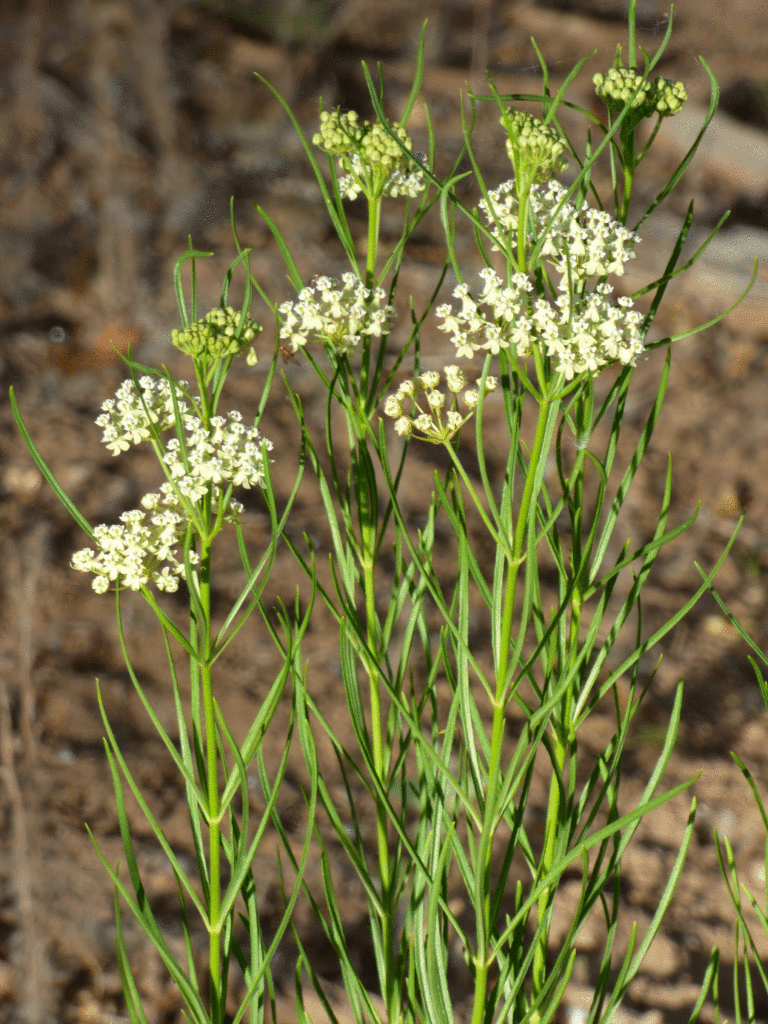
Horsetail milkweed (Asclepius) or creeping germander (Teucrium chaemadrys)
Always make sure the sun or shade exposure needs of the plant match your site and remember that you will need to water these plants at least until established.
The word Mediterranean may bring to mind rows of lavender in southern France, an Italian villa or maybe a Spanish courtyard or Greek olive orchard. These areas around the Mediterranean Sea all share unique plants and garden design methods that are part of their allure in movies, marketing and as tourist destinations. Luckily for residents of the Albuquerque area, the mediterranean climate is similar enough to that of our high desert home that many mediterranean plants can be successfully grown here. (Note: There are other coastal areas of the world that are climatically so similar to the area around the Mediterranean Sea that they are also known as having mediterranean climates. These areas include parts of South Africa, Australia, Chile and California. A capital “M” is used for the Mediterranean place in the world, while a lowercase “m” refers to the climate that includes all five regions.)
Albuquerque has hot and increasingly dry summers, just like the Mediterranean. This means that plants from both places do best with deep watering to reach their deep, drought-adapted roots and a good layer of organic mulch to keep moisture in the soil. Most mediterranean plants prefer full sun, although a few can tolerate some shade. Mediterranean places tend to have soils with good drainage, so make sure to keep mediterranean plants away from any areas with clay or caliche.
There are, however, a few very important differences between Albuquerque and mediterranean climates. The most significant of these differences is temperature: As coastal areas, mediterranean climates don’t get very cold. It is rare to have snow or anything other than a light freeze. Many mediterranean plants are not cold hardy enough to grow in the high desert. Others may require a protected area in a courtyard or along a south-facing wall for extra warmth. The mediterranean plants that are more cold hardy and generally do well here can still be killed by the combination of freezing temperatures and wet soil. So, as temperatures drop in the fall, stop watering your mediterranean plants and don’t start again until the chance of frost has passed in spring.
While selecting mediterranean plants for your landscape, you can also incorporate a few simple Mediterranean garden design strategies. The starting point for any Mediterranean garden is evergreen trees and shrubs. Think olive trees, Italian cypress and statuesque pines. However, since olive trees are not cold hardy in Albuquerque, instead try an escarpment live oak. Their glossy dark green leaves are a great substitute for an olive, and they are an important species for pollinators. Although Italian cypress can grow in Albuquerque (and was planted profusely in the 1970s), it is not particularly well-adapted here. A better choice is an upright juniper cultivar, such as Keteleeri. And while a Mediterranean stone pine or Aleppo pine would do well in a protected courtyard, Afghan pine is another option with better cold hardiness. Arizona rosewood, turpentine bush and manzanita hybrids are a few evergreen shrubs that will give your landscape a Mediterranean flavor.
Next, include some plants with light silvery-blue leaves to contrast with the evergreens suggested above. Silvery-blue foliage is a plant adaptation to intense solar radiation, so many mediterranean and locally native plants share this quality. Mediterranean natives with this striking color include lavender, gopher spurge and grey lavender cotton (which actually has yellow flowers), while silver-leafed native plants include sand sage, germander sage and chamisa. There are also many locally native plants with silvery leaves that provide contrasting shape as well as color: Agaves, desert spoon, blue Nolina and yuccas all can accent your landscape beautifully. Of course, these locally native plants will be easier to grow and will provide better pollinator habitat than mediterranean imports.
Edible plants and herbs have always been another important part of Mediterranean gardens. Rosemary, lavender, oregano, thyme, chives and culinary sage all hail from the Mediterranean and do well in Albuquerque. Mediterranean fruit trees, such as fig, pomegranate and apricot can flourish but do require a little extra water. This water need can be met by roof runoff if you plant them in a well-drained rainwater harvesting basin or swale. Fruits and herbs all provide flowers in addition to food. However, if you’re looking for an extra splash of color, red hot poker, moonshine yarrow and Bowle’s mauve are all mediterranean options.
Whatever mediterranean plants you choose, just remember to keep their roots dry when it’s cold out, make sure the soil drains well and give them a nice layer of wood mulch. They will repay you with a beautiful and low water use landscape for years to come.
Mediterranean plant options
Shade tree: Japanese pagoda
Evergreen trees: Keteleeri juniper, escarpment live oak
Small flowering trees: Vitex, crape myrtle
Large plants (5-8' tall/wide): Fernbush, blue Nolina, evergreen sumac
Medium plants (3-5' tall/wide): Rosemary, large agave (americana, ovata, havardiana), lavender, red hot poker, pink muhly grass
In celebration of five years of bringing you 505Outside, we’d like to share our most popular articles from the website. 505Outside is your resource for beautiful, desert friendly landscapes. Desert friendly landscapes are resilient, sustainable, enjoyable and inspiring.
The articles below are the ones our community keeps coming back to year after year, month after month.
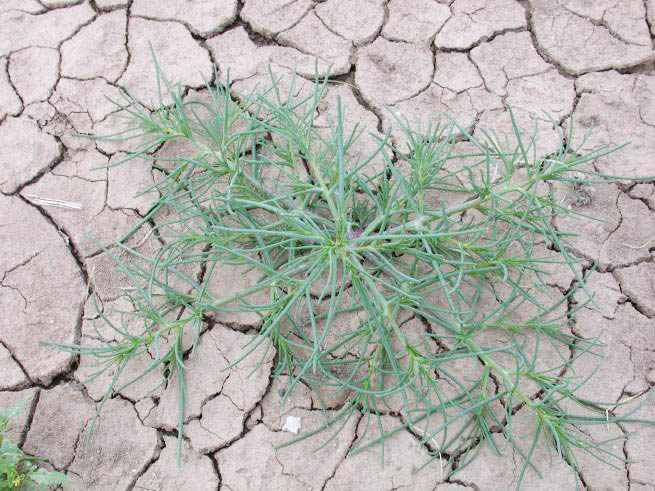
The Dirt on Albuquerque Weeds There are two times a year in the greater Albuquerque area when weeds can get out of hand. This happens typically in early spring after a wet winter and after a monsoon season in late summer. The first thing to do is to identify the plant and decide whether it is actually a weed. This article reviews the most common weeds in town.
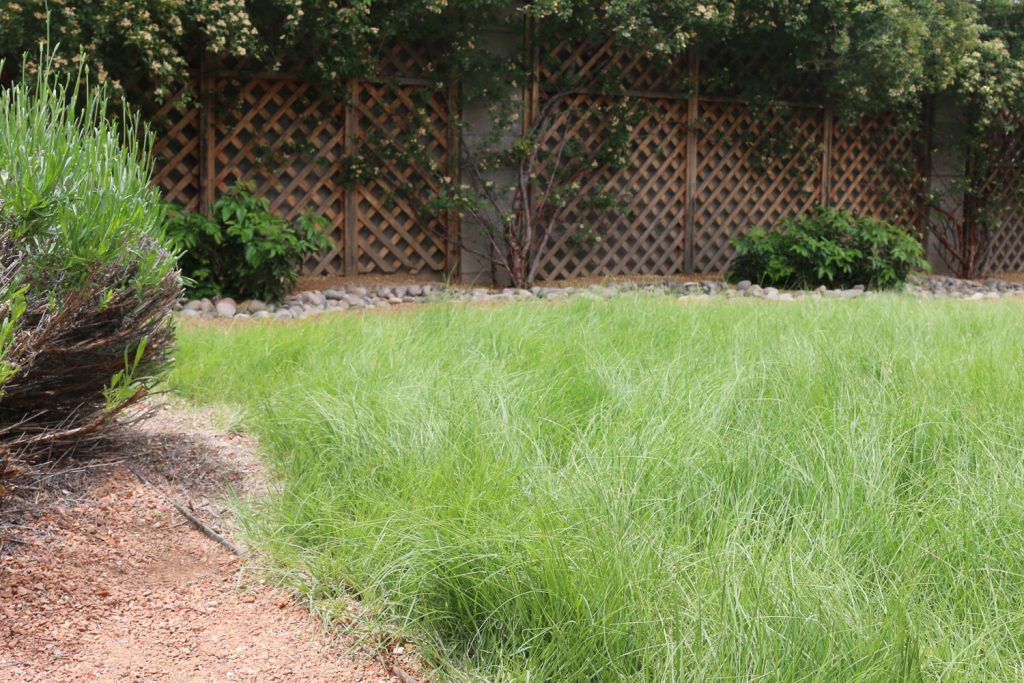
Basics about Turf Grasses in New Mexico Many homeowners would like a turf grass lawn, but might feel irresponsible watering a lawn in the arid Southwest. The key to choosing a turf grass is to determine the one most suited to the specific needs of your landscape. This article discusses four different grass types.
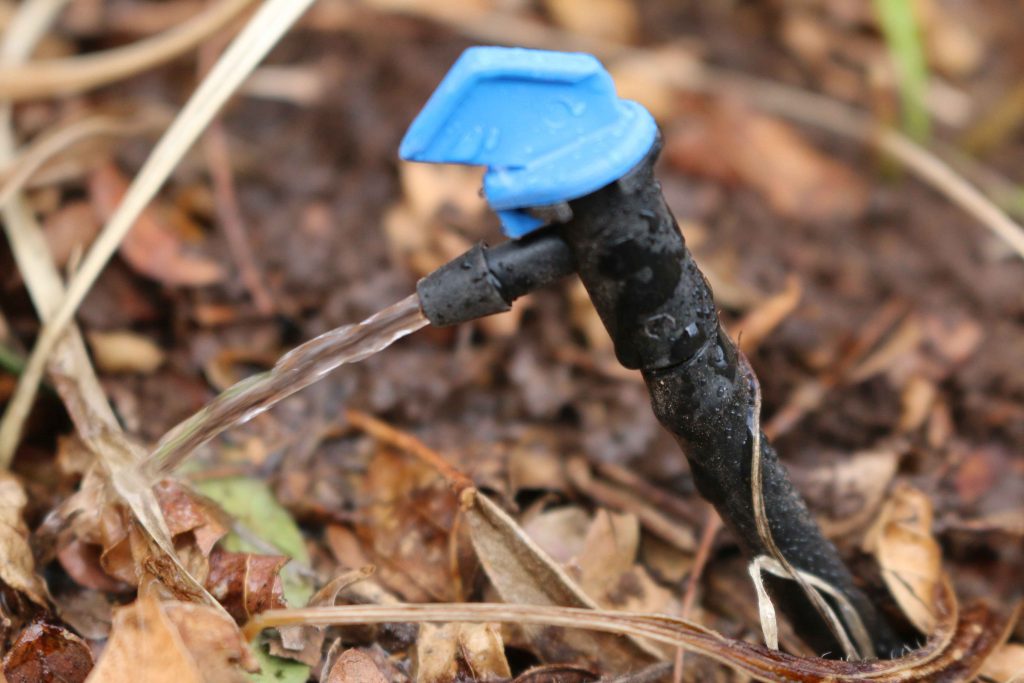
Use Drip Irrigation for Trees and Shrubs Drip irrigation is the recommended method of delivering water to shrubs, trees and all other plants that are not considered turf grasses. This article discusses the rules of thumb for irrigating trees and shrubs.
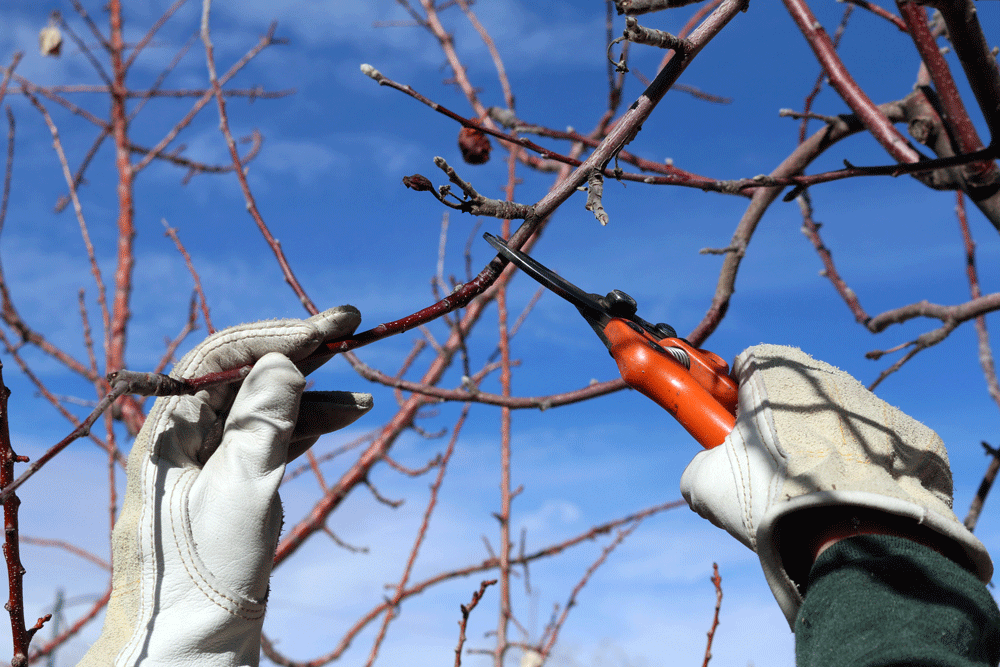
Basics of Fruit Tree Pruning All trees require some amount of pruning, especially when young, in order to set up good structure. Fruit trees have a few special considerations related to our intense sunlight, specific pests, and where on the tree the fruit is produced. This article covers the basics.
Three Ways to Water Established Trees. Trees are incredibly valuable and provide a wide array of benefits, from increasing home values to improving mental health. It’s more important now than ever to take care of your existing trees. This article outlines three strateties for watering your mature established trees.