Living with Mosquitos
Mosquitoes have been so very prominent here in the Albuquerque area over the last five years, and we’ve been learning a lot about how to live with them in our yards. Fortunately, Bernalillo County and the City of Albuquerque have been studying mosquito lifecycles, treatment and abatement for years.
There are three types of mosquitoes found in our area, including the Aedes vexans (floodwater mosquito) and the Culex quinquefasciatus (southern house mosquito). Additionally, the Aedes aegypti (yellow fever mosquito) has become firmly established in the Albuquerque area in recent years.
All these species are well adapted to the local environment, but they differ significantly in behavior, feeding habits and the types of risks they pose. Southern house mosquitoes primarily feed on birds but will bite humans and domestic animals. They are active at night and during dawn and dusk.
Floodwater mosquitoes prefer to host on humans, livestock and pets. They are highly aggressive and notorious for biting during the evening and nighttime hours. Floodwater mosquitoes are a nuisance because of their painful and frequent bites but not commonly associated with disease.
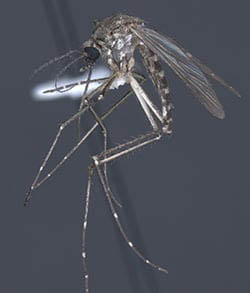 Floodwater Mosquito
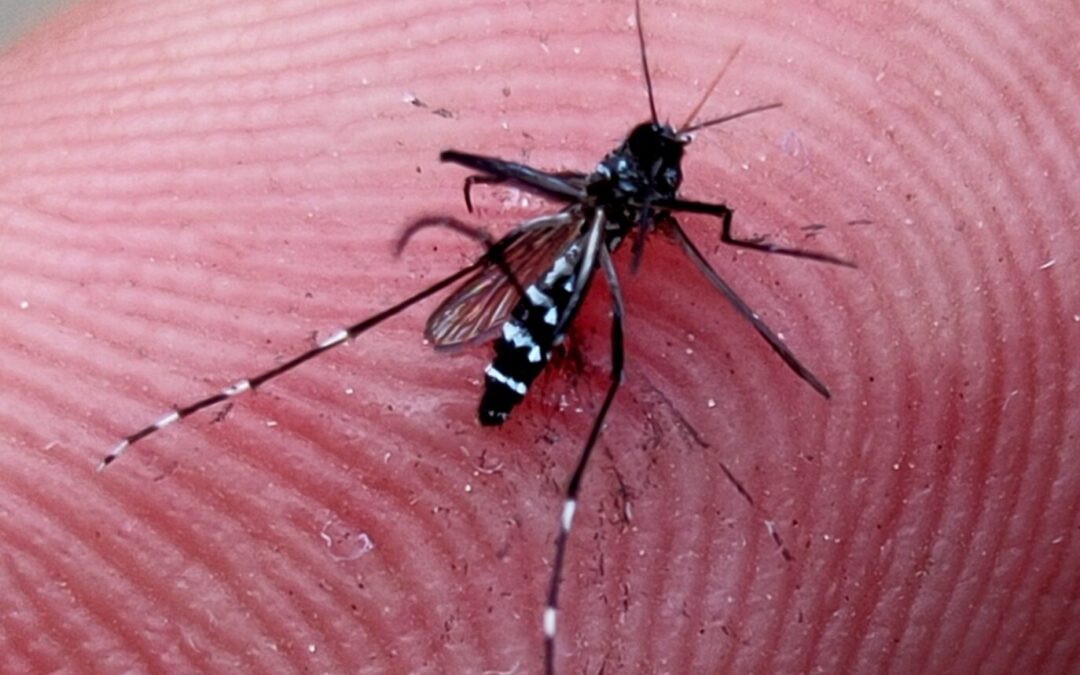
Yellow fever mosquitoes are specifically human-focused biters that actively hunt during the daytime. They are easily recognized by the distinct white, violin-shaped markings on their back and striped bands on their legs. They are the primary transmitters of critical mosquito-borne diseases, such as Zika, dengue fever and yellow fever. These diseases have not been found in the greater Albuquerque area and City-County prevention is underway to keep it that way. To learn more about the yellow fever mosquito, check out this useful flyer.
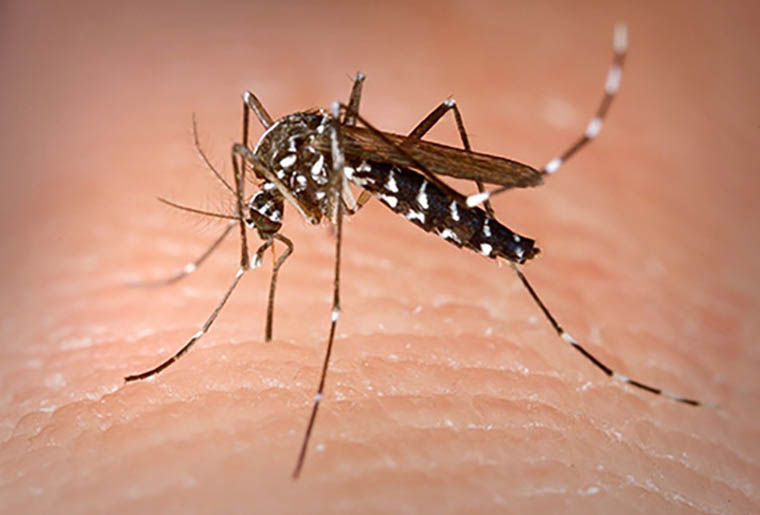 Yellow Fever Mosquito
Local mosquito control is conducted as a combined city-county effort. Mosquitoes are controlled at all life stages through a variety of methods, following the principles of integrated pest management. The goal is effective and efficient control designed to minimize the amount of pesticide released in the environment and to prevent pesticide resistance. Protecting public health and ensuring that outdoor activities can be enjoyed safely and comfortably is the City-County partnerships underlying mission.
Albuquerque and Bernalillo County residents can report mosquito issues by calling 311.
Residents who don't wish to have their property sprayed can register on the No-Spray List by calling 311.
The most important things you can do are reducing mosquito breeding habitat and preventing mosquito bites as per City of Albuquerque Environmental Health Department.
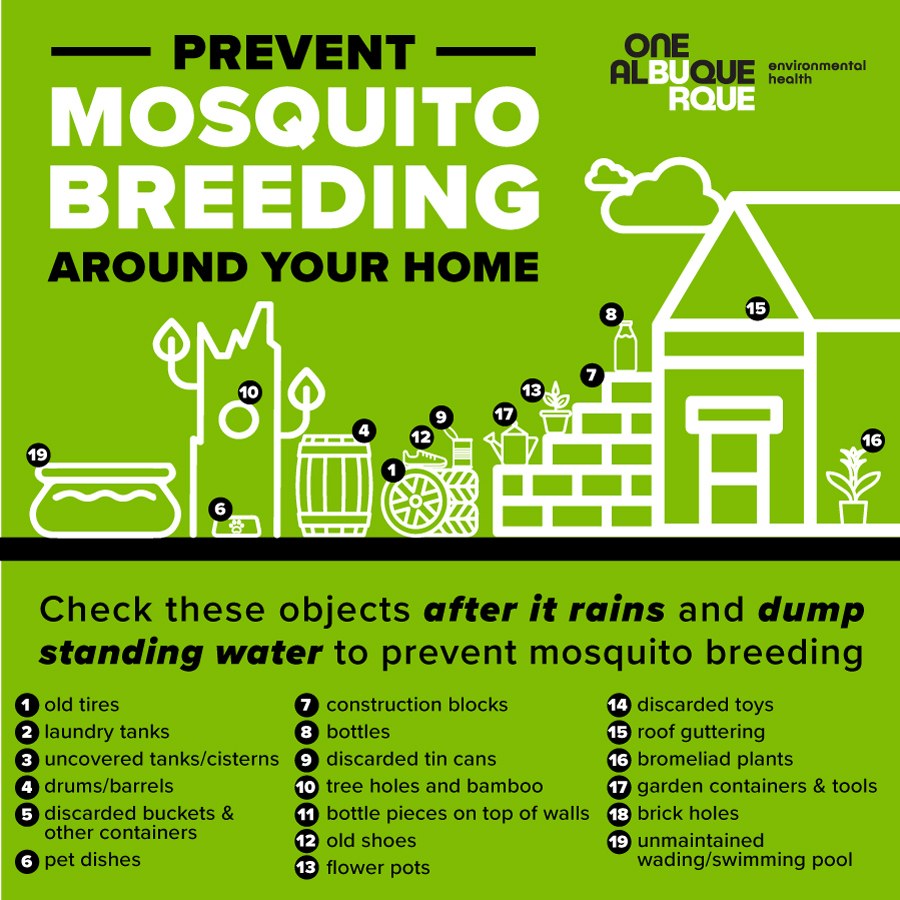
What you can do
Prevent mosquito breeding on your property
- Dump standing water found in trays beneath potted plants; used tires; trash, discarded buckets and other containers; children’s toys; and other places.
- Store containers that could hold water upside down.
- Keep your property uncluttered — mosquitoes can breed in the smallest pools of water even as small as a bottle cap.
- Clean pet water dishes regularly by emptying, scrubbing and replacing the water.
- Replace bird bath water regularly.
- Cover rain barrels with a fine mesh and treat with mosquito dunks. Mosquito dunks contain bacteria called Bacillus thuringiensis israelensis (Bti). Bti is a naturally occurring bacterium found in soils. It contains spores that produce toxins that specifically target the larvae of the mosquito. Bti has no toxicity to people and is approved for pest control in organic farming operations. It has been well tested and based on the studies EPA has concluded that Bti does not pose a risk to humans. The Bti mosquito dunks are sold at hardware, home improvement, and feed supply stores. They can be placed in standing water, and the bacteria will kill mosquito larvae.
- Treat pools with chlorine. If not in use, keep empty or treat with mosquito dunks
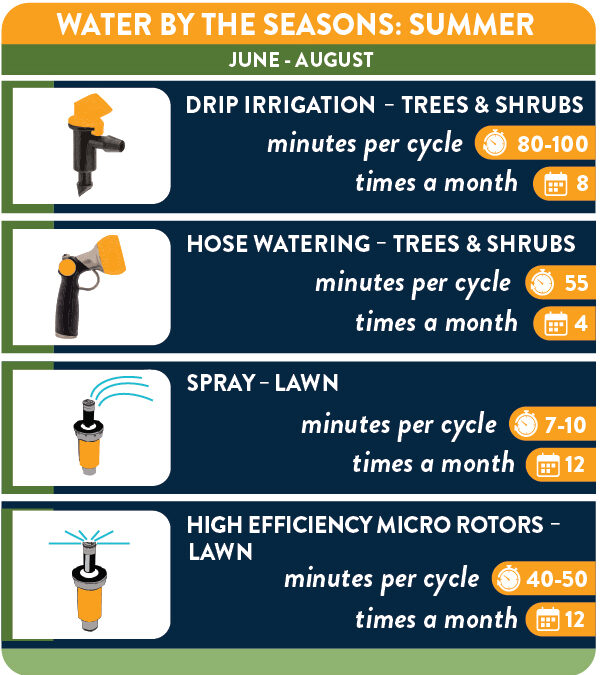
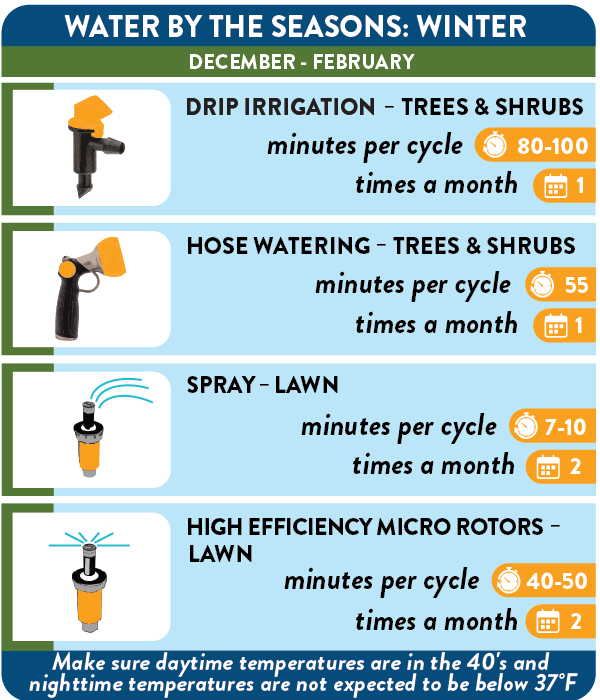
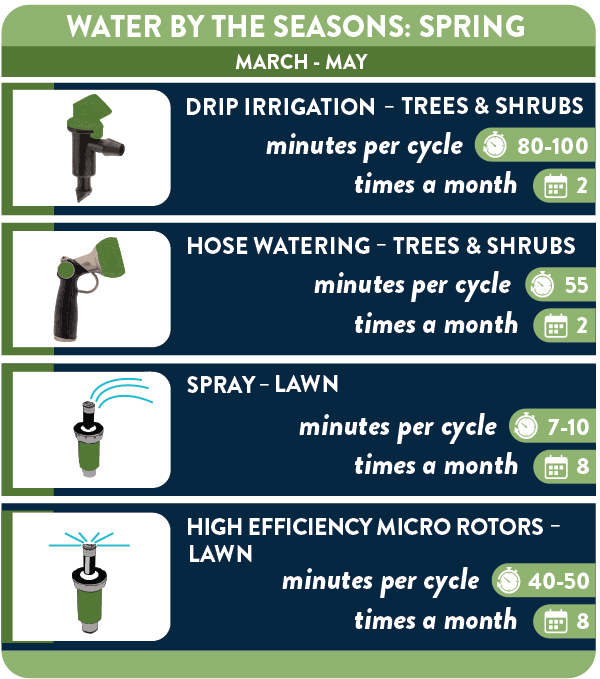
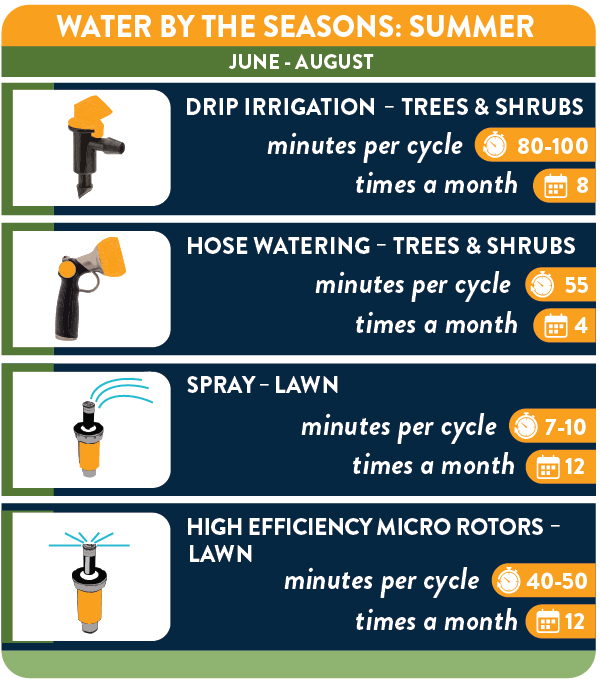
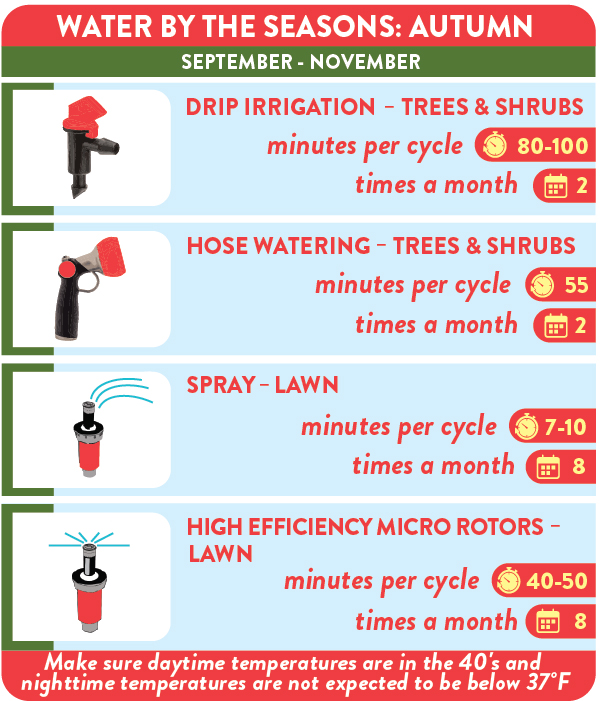
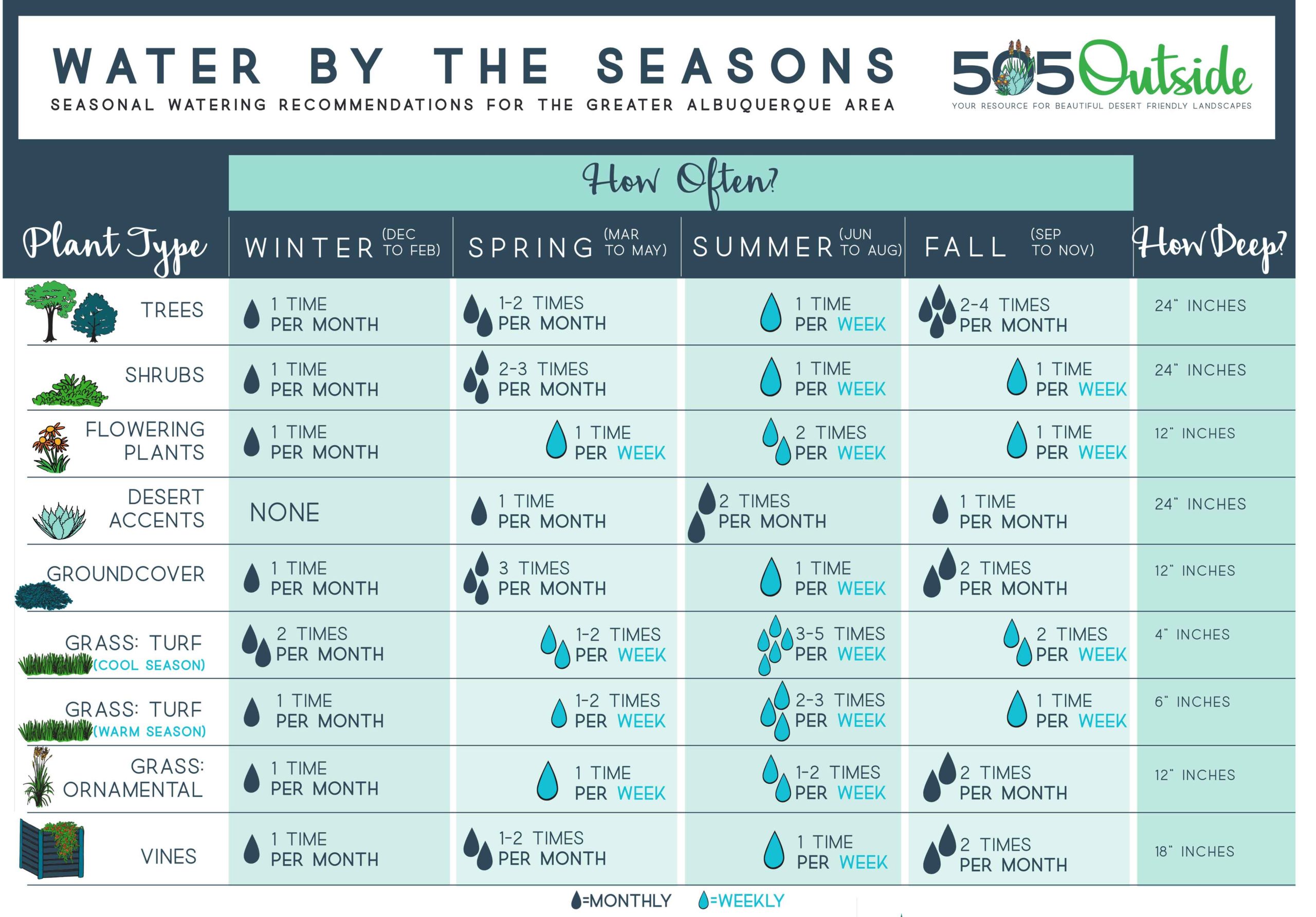
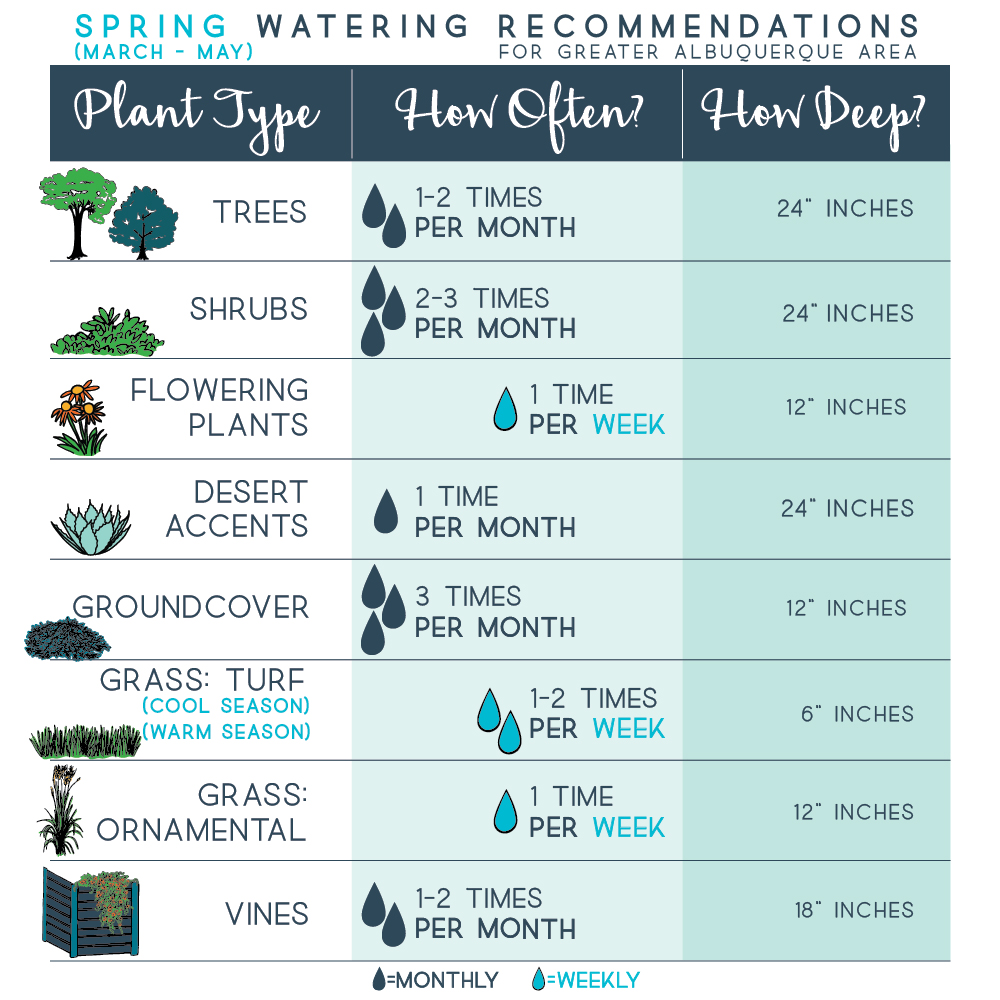
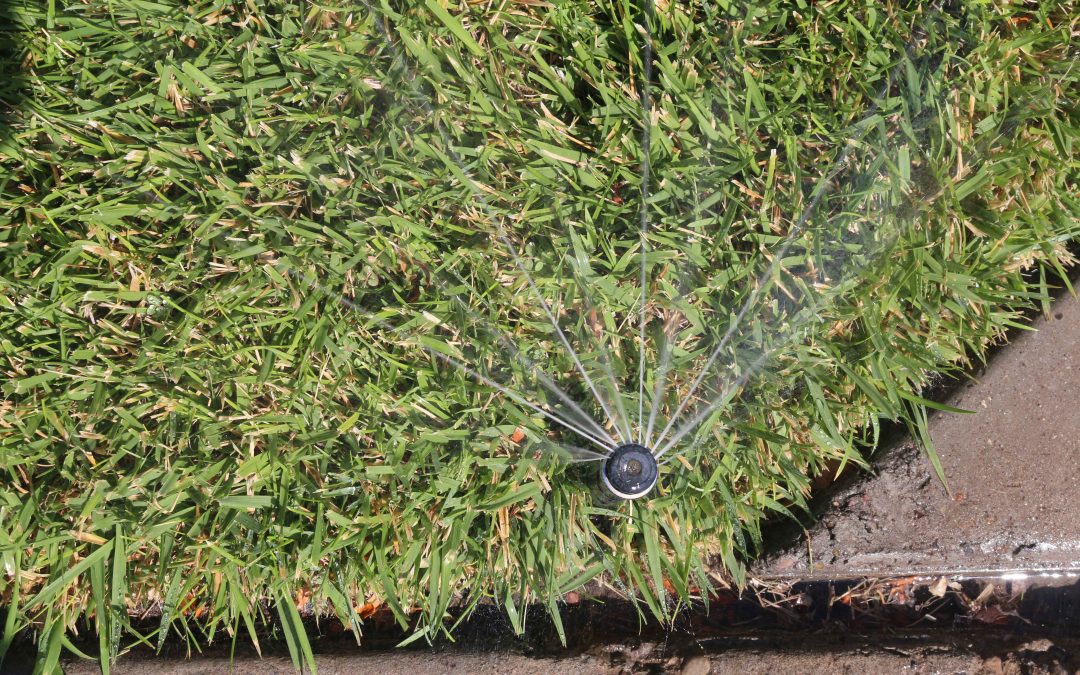
- Reduce moist collection areas in your grass lawn as mosquitos like to bread in these small moist spaces. Aim to space your sprinkler watering out so the wet areas dry up between irrigation days.
- Add mosquitofish, Gambusia affinis, to ponds and small water features (available free from the City of Albuquerque by calling 311).
- Check flat roofs for pockets of water in shaded areas and clogged rain gutters.
Prevent mosquitoes from entering your home
- Keep door and window screens in good condition.
- Check window screens and doors for holes and repair any holes with sticky screen tape.
Protect yourself when outdoors
- Environmental Protection Agency (EPA) approved insect repellents include those containing DEET, picaridin and oil of lemon eucalyptus.
- Follow the advice of the Centers for Disease Control and Prevention (CDC).
- Wear long sleeves and long pants, especially at dusk and dawn.
Report standing water and high adult populations to 311
Other home strategies
- Set out mosquito traps to reduce the number of mosquitoes in your yard or home. BG-sentinel traps use dry ice (which can be bought at a grocery store) and/or a scent bait to attract mosquitoes and are very effective. The City uses BG-Sentinel traps when conducting mosquito surveillance. Ovitraps can be used to attract females that are ready to lay their eggs. It is important to maintain ovitraps by adding a mosquito dunk or they will become breeding habitat.
- Repel mosquitoes with smell: Mosquitoes rely heavily on their sense of smell to locate their next meal. They are attracted to certain odors, such as carbon dioxide from our breath and lactic acid from our skin. Mosquitoes hate strong, pungent and herbaceous scents that mask the carbon dioxide and lactic acid humans emit. These can be distributed as sprays, diffused as essential oils or the plants can be crushed and rubbed onto your skin for a natural repellent. The smells they don’t like include:
- Lemon eucalyptus: Approved by CDC and World Health Organization, it is recognized as one of the most effective natural deterrents. It contains PMD(p-menthane-3,8-diol) which is extracted from the leaves of a lemon eucalyptus tree. This scent is known to block mosquitoes from detecting you.
- Citronella: The classic lemon-grass scent disrupts a mosquito's ability to find hosts.
- Peppermint and menthol: The intense smell of mint can overpower their sensory receptors.
- Lavender: Contains compounds like linalool that deter pests.
- Citrus: Citrus smells, such as those from lemons, oranges and grapefruits, are highly effective at repelling mosquitoes. You could place citrus peels in strategic locations to deter mosquitoes from coming too close.
- Rosemary: Rosemary is another herb that mosquitoes dislike. Plant rosemary bushes near outdoor seating areas then crush the leaves to release the smells and oils.
- Basil: Crush fresh basil leaves to release their scent.
- Garlic: Create a garlic spray by mixing crushed garlic cloves with water.
- Lemon balm: Rub crushed lemon balm leaves on your skin for added protection.
- Catnip: Catnip contains a compound called nepetalactone, which is highly effective at repelling mosquitoes. Plant catnip in pots or in your garden or crush the leaves and rub them on your skin for a natural repellent.
- Create DIY sprays: One of the easiest ways to use essential oils for mosquito control is by creating a DIY spray.
- Combine:
- 2 ounces of distilled water
- 1.5 ounces of witch hazel
- 30-40 drops of essential oils (Mix and match based on your preferences; effective options include citronella, lavender, peppermint, eucalyptus, lemongrass and tea tree.)
-
- Repel mosquitos with smoke: Incense sticks and smudge sticks have been used around town by local restaurants and in yards with some success.
- Repel mosquitos with a fan. The breeze of an outdoor fan can make it harder to trace the scents and harder for them to fly near the fan.
- Schedule a yard audit: According to a recent KRQE interview with City of Albuquerque Urban Biology Division Manager Nick Pederson, the city can help residents reduce mosquitoes on private property by performing an inspection. “We like to offer what we call a yard audit or a yard inspection where we’ll come out and actually look at a person’s yard with them and see if we can identify possible sources of mosquito issues,” Pederson said, explaining that these inspections can be requested by contacting 311.
Resources and Photography for this article:
https://kentuckypest.com/blog/smells-mosquitoes-hate
https://www.cabq.gov/environmentalhealth/urban-biology/mosquitoes/what-you-can-do
https://www.cabq.gov/environmentalhealth/urban-biology/pest-management/integrated-pest-management
https://www.bernco.gov/planning/consumer-health-protection/mosquito-control/
https://www.epa.gov/mosquitocontrol/bti-mosquito-control##1
Learn More Here:
How to DIY a Mosquito bucket trap
City Of Albuquerque Mosquito Tips

Have a question about the article or anything else? [email protected]