by 505 Outside | Oct 5, 2026 | Grasses, Home Page, Ornamental Grasses
Type: Evergreen
Exposure: Sun/Shade
Water Use: Medium
Mature Size: 18’ x 18’
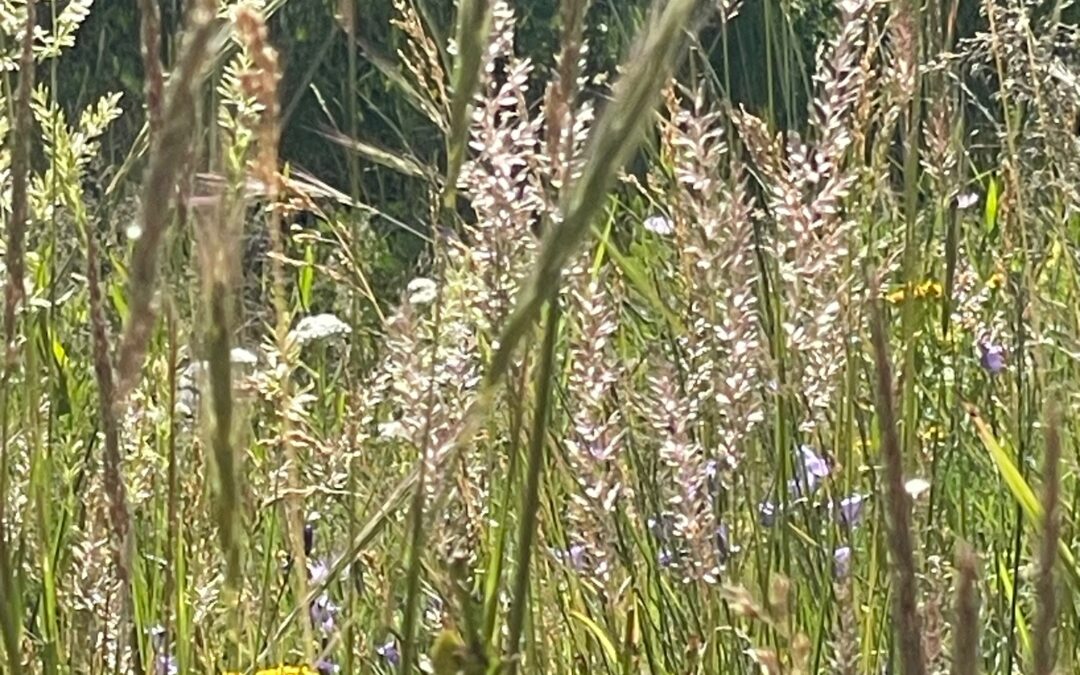
Junegrass (also known as prairie Junegrass) is a cool season native perennial bunchgrass that is drought tolerant and grows well in dry soils. It forms clumps of fine textured blue green leaves with spikes of feathery silver seed heads appearing in late spring to early summer and drying to a tan color as the seed matures. Junegrass can self-seed but not aggressively. The clumps are 10-24 inches tall and can grow to a foot across the spreading tops.
Junegrass is considered a low to moderate water use plant, adaptable to many soil types. It prefers well-drained sandy, rocky or dry soil, and does not do well with heavy clay or wet soil. It does not thrive in hot, humid conditions, and can go dormant in the heat of the summer. It is hardy in USDA zones 3-9.
A lovely specimen grass, Junegrass can be grown in containers. It also looks great in mass plantings or in meadows of mixed native grasses like blue grama, side oats grama and Indian rice grass, along with wildflowers such as asters, coneflowers and penstemons.
Like most grasses, maintenance consists of simply cutting the grass back to a few inches close to the base in early spring before new growth begins. Any seed left on the standing plant over the winter can provide food for birds.
This grass has a fine delicate appearance, and the fresh forming seed spikes are striking when the sun catches the small, feathery heads. You may come upon this grass while hiking on a mountain trail in sunny openings between the trees.

Author: Wes Brittenham, artist, gardener and writer.

by 505 Outside | Apr 1, 2026 | Grasses, Ornamental Grasses
Type: Deciduous
Exposure: Full Sun
Water Use: Low
Mature Size: 3’ H x 3’ W
Sand lovegrass is a wiry, fine bladed native grass tolerant of sandy well drained soils, full sun, drought, wind and heat. It forms a wide (2-3 feet), rounded mound. From late summer to autumn, seed heads appear on burgundy tinged panicles floating above the foliage. Airy and elegant, the seed heads are distinctive and lovely in dried arrangements. An individual showpiece, this grass looks great when planted in masses, too. A striking low maintenance plant in the landscape that reseeds well. Cut once a year in early spring, to about 2-3 inches high.
by 505 Outside | Sep 30, 2025 | Grasses, Ornamental Grasses
Type: Deciduous
Exposure: Full Sun
Water Use: Low
Mature Size: 4’ x 4’
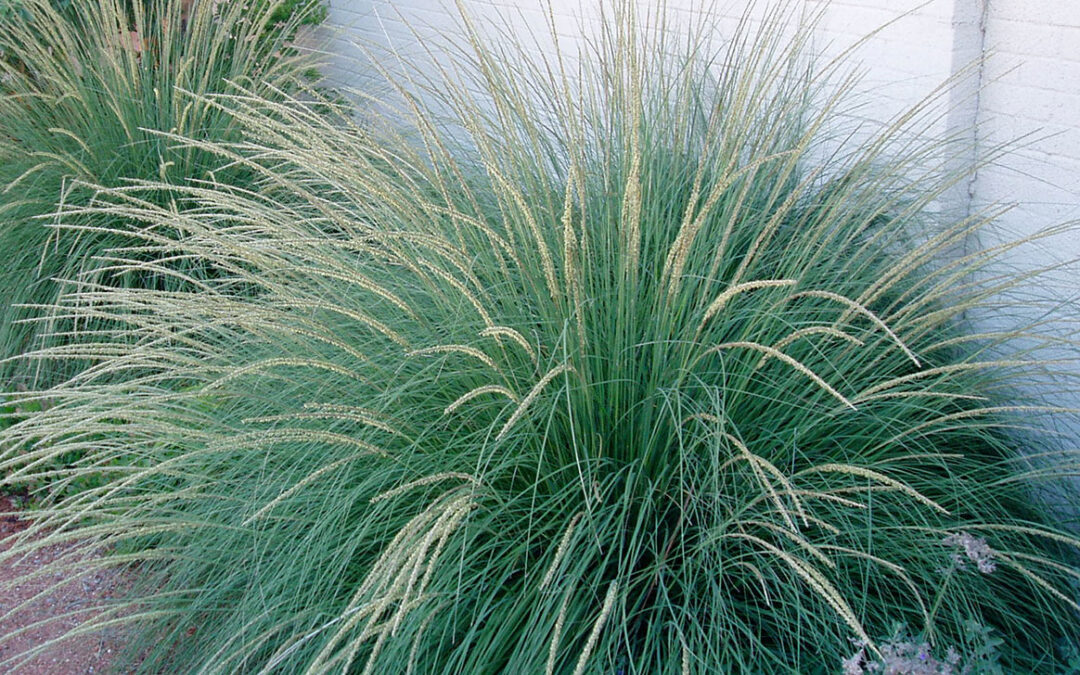
Deer grass is a striking grey green ornamental grass. In late summer and early fall, it produces flower stems that fan out from the base. It looks beautiful by itself, with lower growing perennials and with groupings of grasses as one big mass planting. It can take periods of drought and is low maintenance, only needing a trim about 6” from the ground in late February.
by 505 Outside | Jul 30, 2025 | Grasses, Ornamental Grasses
Type: Deciduous
Exposure: Full Sun
Water Use: Low
Mature Size: 2’ x 2’
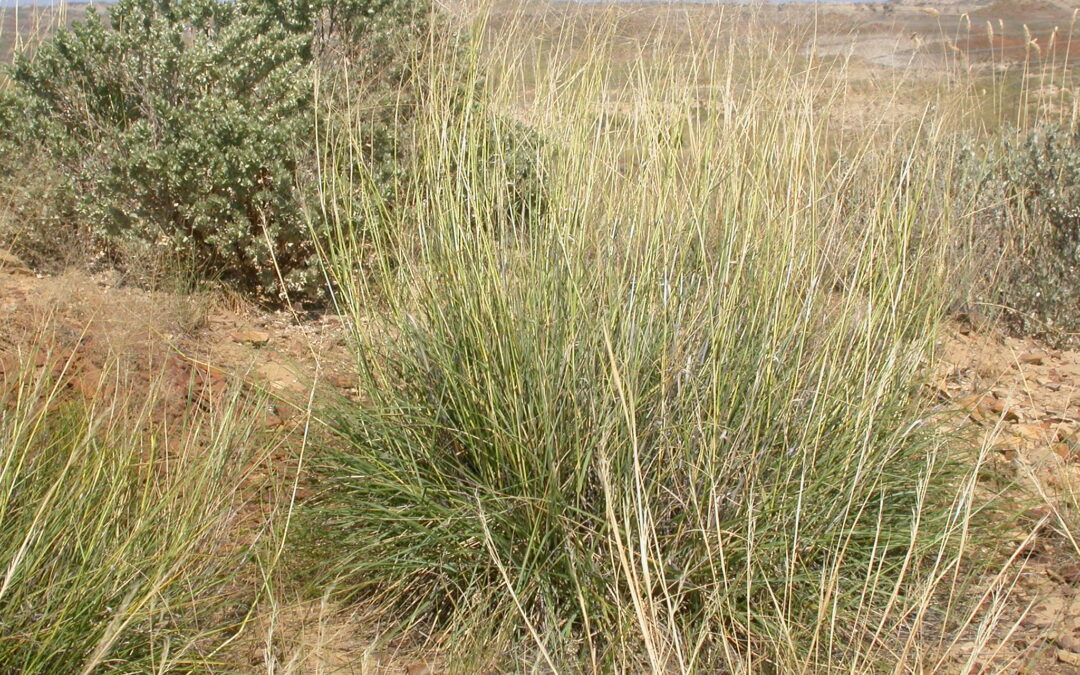
Alkali sacaton is an extremely drought tolerant warm season grass that adapts to most soils in our area, growing in sun or shade. It grows up to 2’ high and wide in tough clumps, putting out grey green leaves followed by graceful airy gold seedheads beginning in June. It’s perfect combined with bold plant forms as they contrast with its fine textured seed heads that create a soft glow at sunset. It’s a great grass to use for erosion control on large sites or to plant in a large group for a beautiful low water use grass meadow. Trim this grass down to about 4” of the ground in late winter.
by 505 Outside | Nov 1, 2022 | Grasses, Ornamental Grasses
Type: Ornamental grass
Exposure: Full sun
Water Use: Rainwater only
Size: 18” x 18”
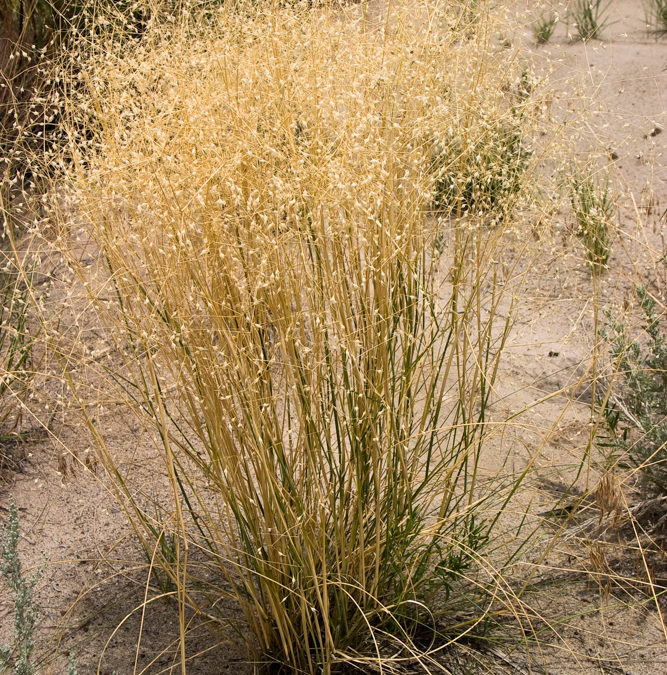
A cool season grass native to the Western Plains, ricegrass shines in the desert-friendly garden, bunched in masses and intermingled with other prairie bunchgrasses. Its elegant sage green leaves turn ivory in the fall and are crowned by a cloud-like constellation of seed heads that capture sunlight and provide striking visual interest throughout the winter. High in nutritional value, it has been a prized food source among many indigenous peoples of the West.
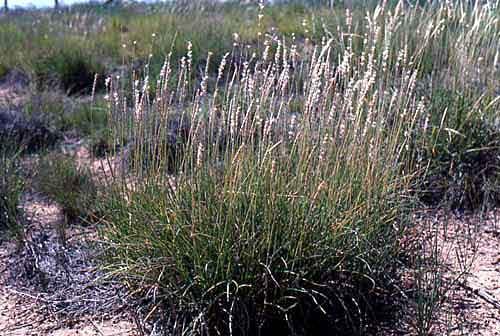
by 505 Outside | May 1, 2021 | Grasses, Ornamental Grasses, Uncategorized
Exposure: Full Sun
Water: Low
Height and Spread: 14" x 14"
Blooming Season: Fall
This bunchgrass is a warm season native grass used in reclamation plantings for erosion control in rural landscapes. It is recommended to seed with other prairie seed mixes because it is slow to establish. Once established it can withstand extreme temperature variations, drought and heavy traffic.
Photography Courtesy of Plants of the Southwest.