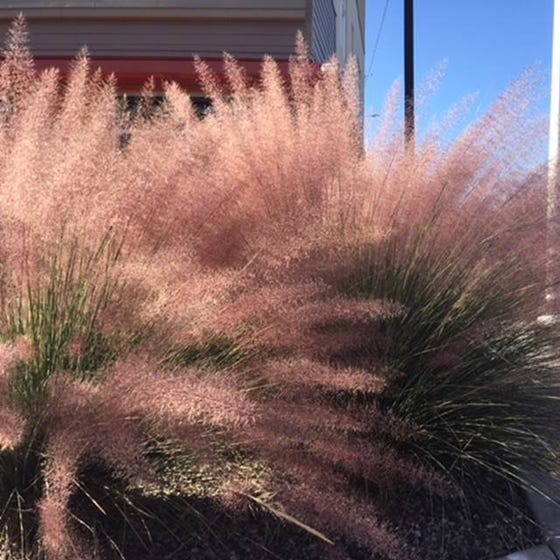
Pink Flamingo is a native grass that is heat, cold, and drought resistant. During late summer into mid-fall, wonderful soft pink airy flower spikes appear. This desert friendly grass is ideal to plant in mass or narrow locations. Add this to your garden to lighten it up with a pop of color!
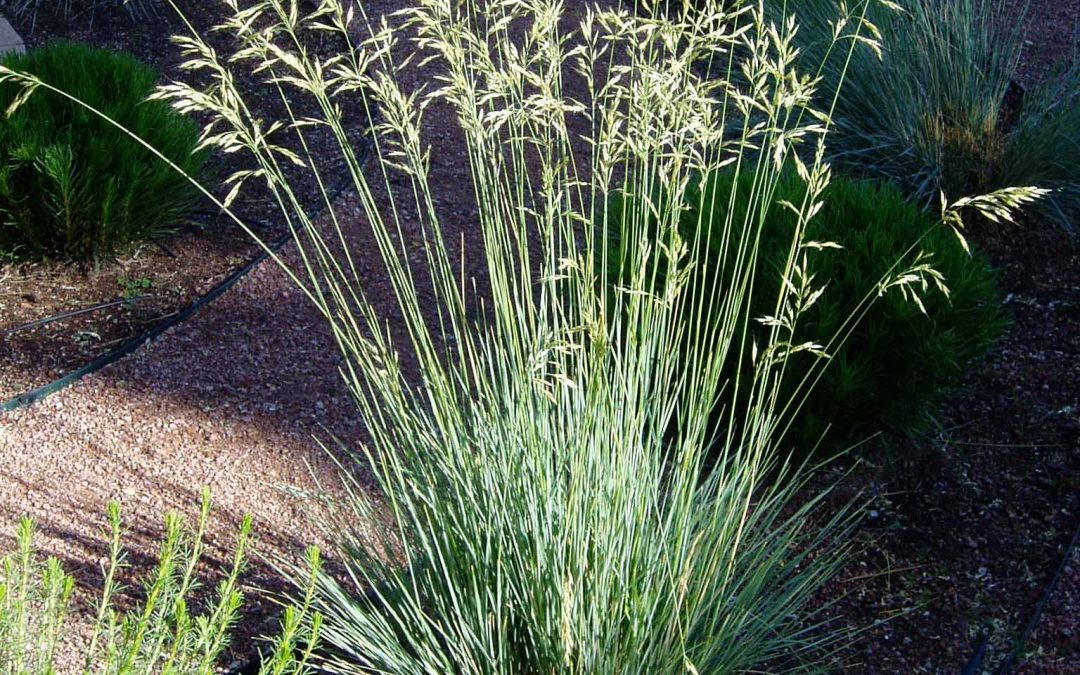
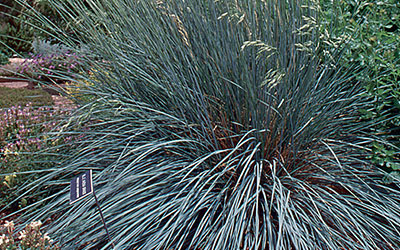
The blue-grey foliage of this evergreen plant grows in neat elaborate clusters that makes it a dependable and appealing accent for your landscape. May be planted in masses or as a beautiful centerpiece. If low-maintenance is in your landscape plan, consider using this drought-tolerant plant. Once established, you’ll hardly have to water it to keep it maintained.
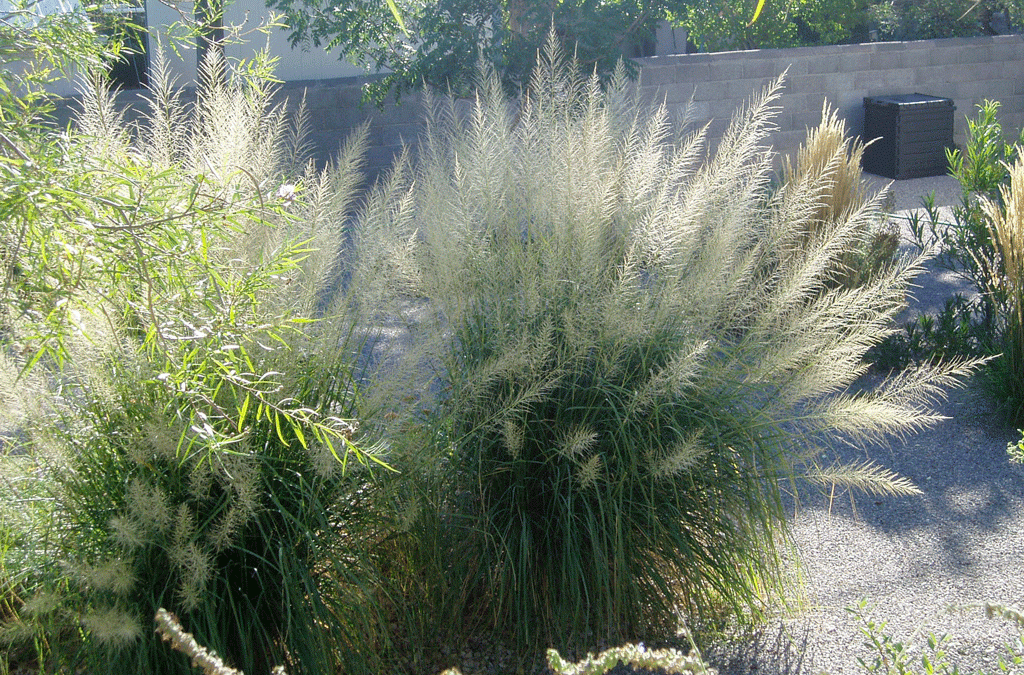
This deciduous warm season bunchgrass is
a delight in fall gardens. In the late summer, seed stalks appear, providing
beautiful visual interest when backlit by the sun and gently blowing in the
wind. This grass occurs naturally in floodplains and does well if deeply
watered twice a month in summer. Water monthly the rest of the year. Giant Sacaton
looks lovely when mass planted but can also stand alone when planted among late
blooming summer perennials. In late February, trim this grass to about a foot
from the ground so it will be ready for spring.
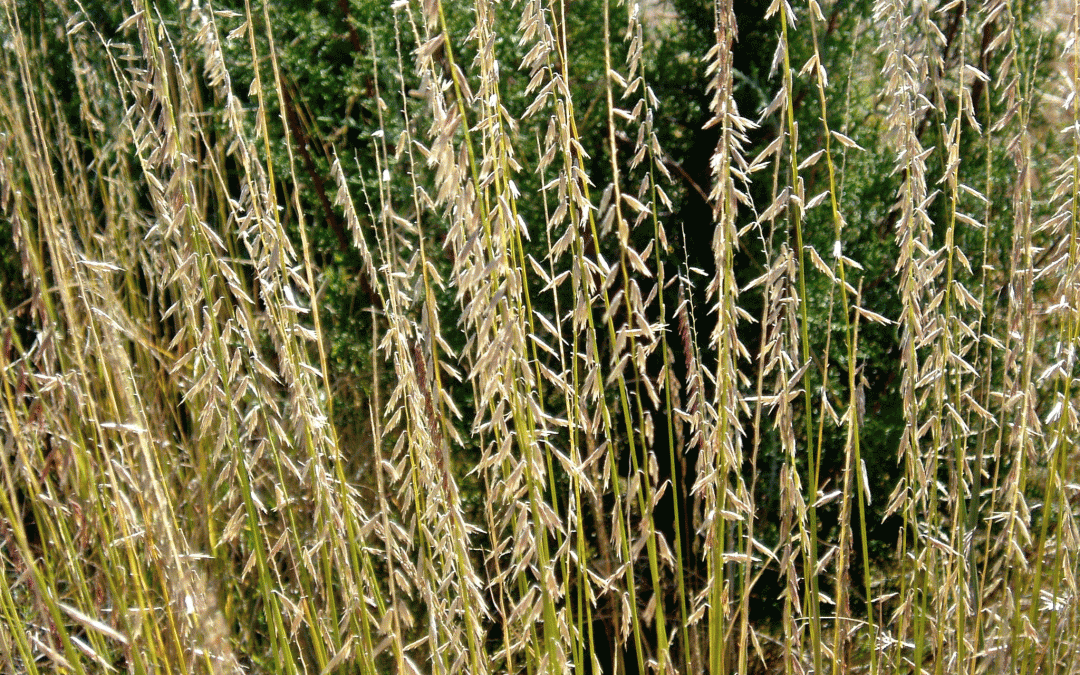
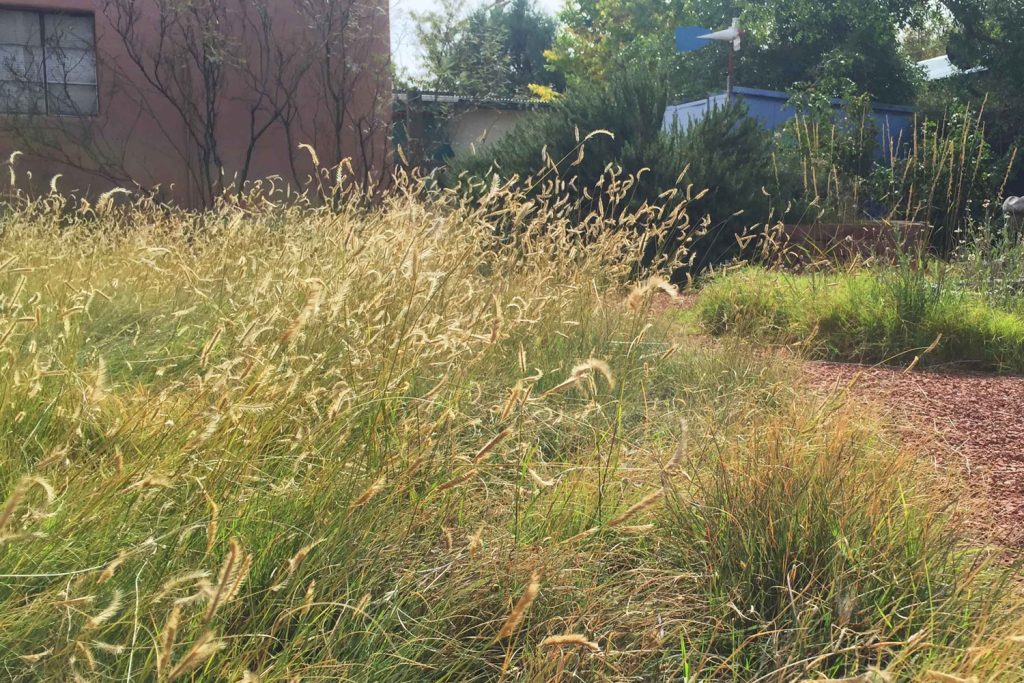
This long, wispy, coarse, medium blue-green grass looks lovely in late
summer when it sends out tall seed heads. These are little seeds that dangle
side-by-side on a stiff stalk. This plant is perfect to mix in and among a
meadow area, for use on slopes to control erosion or as accents in a perennial
bed. It is very heat tolerant, needing only a soaking twice a month in the heat
of the summer. This grass should be mowed 6 inches high or higher once a year
in the late winter.
Many homeowners would like a turf grass lawn, but might feel
irresponsible watering a lawn in the arid Southwest. The key to choosing a turf
grass is to determine the one most suited to the specific needs of your
landscape.
There are two different categories of turf grasses: cool season and warm season. Cool season grasses are Kentucky bluegrass, perennial ryegrass and tall fescue. These are cold tolerant, green most of the year, and hold up to extensive amounts of foot traffic. But they use a lot of water. Warm season grasses are Bermuda grass, blue grama, and buffalo grass. Warm season grasses have a shorter growing season. This means they green up in mid Spring, are low maintenance, and require less water than cool season grasses. But blue grama and buffalo grass can’t take extensive foot traffic.
Grasses should not be selected solely on perceived water use. Depending on the purpose and function of the turf area, traffic tolerance, recuperative ability, maintenance and aesthetic appearance should also be considered.
Four Turf Grasses for Albuquerque
Park Blend grass, a combination of Kentucky bluegrass, perennial ryegrass, and tall fescue
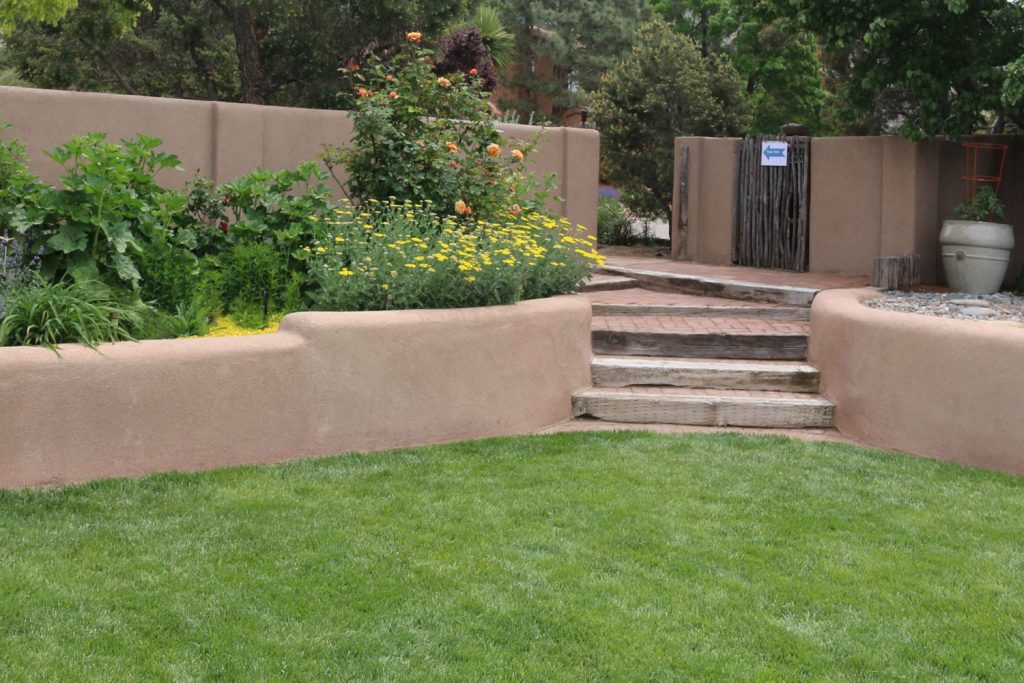
PARK BLEND: The most popular turf grass lawn here, used by the City of Albuquerque and homeowners alike, is Park Blend. Park Blend combines all the cool season grasses into a blend of Kentucky bluegrass, ryegrass and tall fescue, taking advantage of the positive attributes of all three grasses in one turf. Park Blend performs beautifully through warm summers and is especially well-suited to New Mexico's growing conditions. While it does need about 37"- 41" inches of water a year, this is a great choice for a lawn that will receive a lot of traffic. It does require regular mowing and weed control.
Buffalo grass, Bouteloua dactyloides
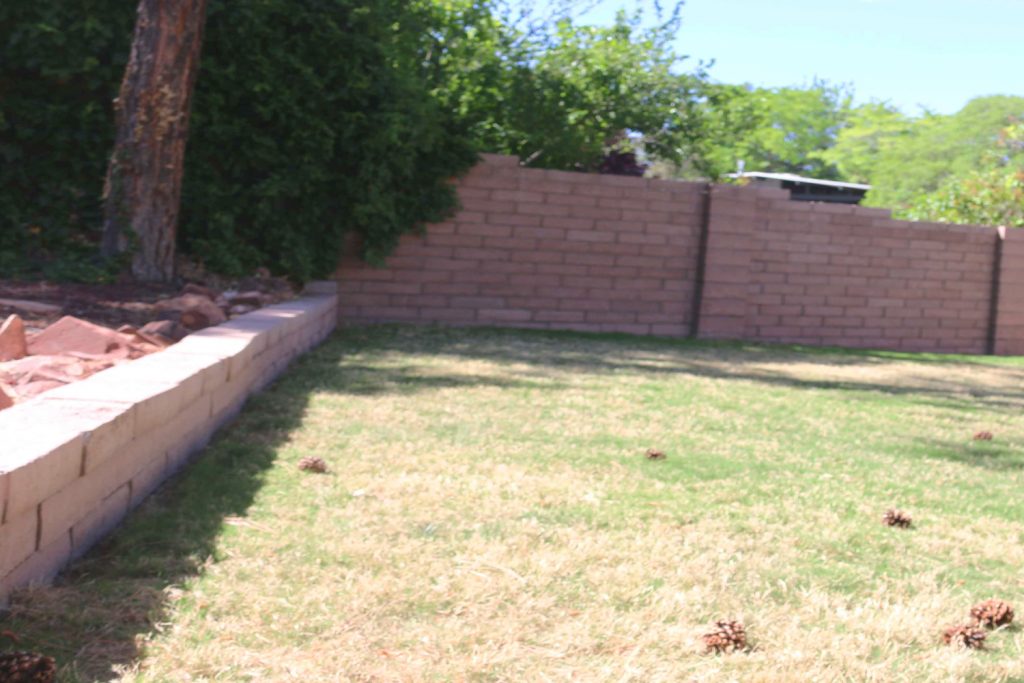
BUFFALO GRASS: Choose warm season buffalo grass for a beautiful low growing, low water and low maintenance grass. It will handle light traffic, rarely requires mowing and uses around 24" - 28" inches of water a year.
Bermuda grass, Cynodon ‘PWIN04S’ Dog Tuff
BERMUDA GRASS: Bermuda grass is a great choice for a low water, low maintenance grass with medium foot traffic. The downside is that it does spread prolifically via runners. It is best to surround this grass with an 8-inch-wide and deep edger to keep it in check. Bermuda grass uses about 22 - 26 inches of water a year and requires a few mowings a year.
Blue grama grass, Bouteloua gracilis
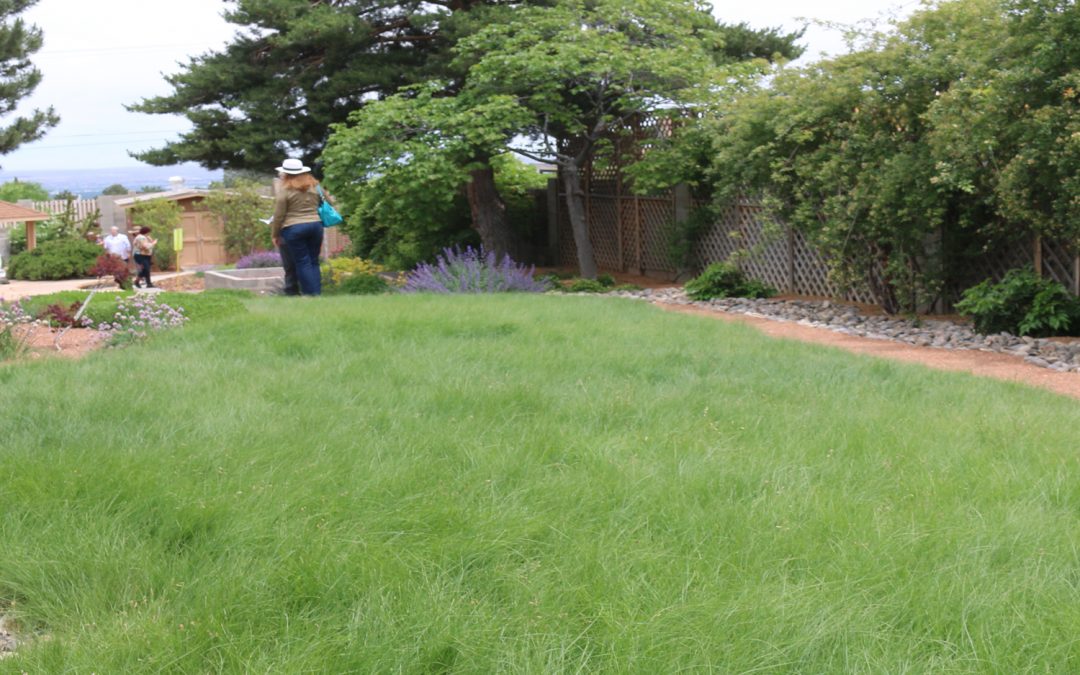
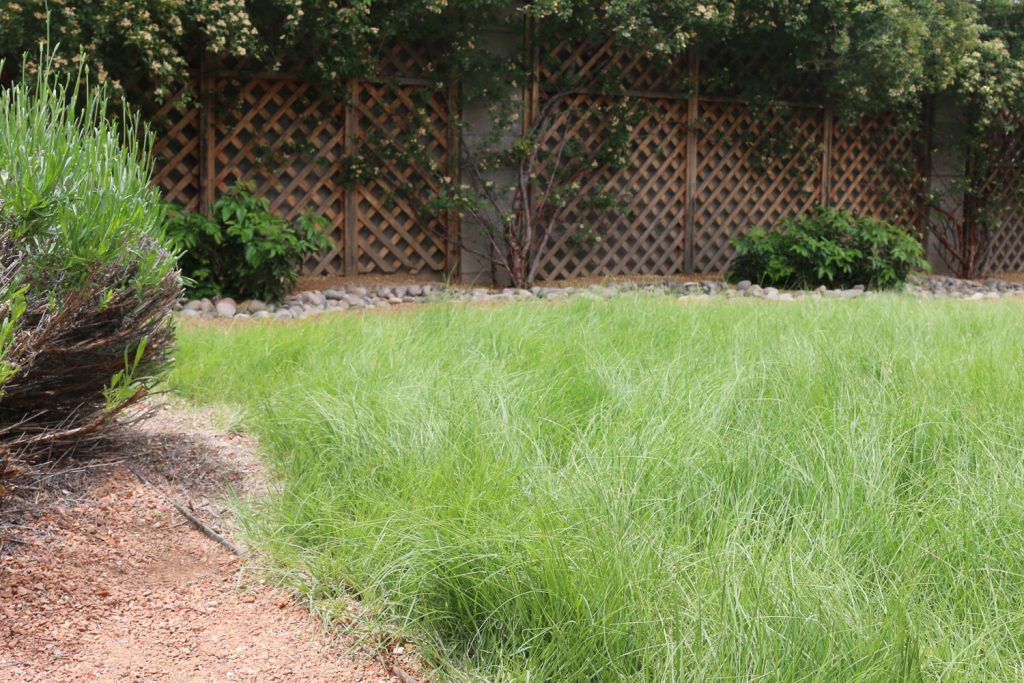
BLUE GRAMA GRASS: Choose blue grama grass for a stunning native meadow look. It can be seeded with wildflowers for a beautiful spring and summer appearance. Keep the eyelash like seed heads on the grass through the fall and winter for both aesthetics and wildlife appeal. This grass uses about 18 - 20 inches of water a year. Trim and dethatch once in late winter for best appearance.
PRO TIPS: prepare the soil well before planting turf grasses, water early in the morning or late evening, keep grasses to a mow height of 3-4" so the soil stays cooler, service the irrigation system regularly to check for efficiency.
Author: Jill Brown, ASLA Landscape Architect and owner of My Landscape Coach in Albuquerque, NM. Resources: Turfgrass irrigation Circular 660 Bernd Leinauer, Professor and Extension Turfgrass Specialist NM State University, Growing the Southwest Garden by Judith Phillips, High Country Gardens, Plants of the Southwest. Even more resources about turfgrasses can be found over at NMSU.
This evergreen plant adds texture and color over the entire growing season. The stiff grayblue leaves are very striking and provide the foundation for the ornamental 4-foot-tall flower spikes that shoot up and ripen to a soft brown by mid-summer. Cut back in April to encourage vigorous new growth.


 Full Sun, Part Shade
 Medium Water