Pinyon-juniper woodlands are the largest forest cover type in NM, comprising 14.6 million acres and representing 65% of NM forests (according to USGS Gap Analysis Program–Land Cover Data). In contrast, the next largest forest cover types in NM are ponderosa pine at 5.2 million acres (23%) and mixed conifer at 1.5 million acres (7%). When it comes to junipers, New Mexicans either love them or hate them.
Those who dislike them talk about allergens and how junipers are overused, get sheared within an inch of their life and smell like urine. Those who like them appreciate their low water needs, climate adaptation, long lifespans and evergreen qualities.
Hate them or love them, Junipers are here to stay. They have so many useful qualities in our New Mexican gardens that they should be on everyone’s plant list. Choose females for no pollen, which is what is sold in local nurseries.
Below are some of the local favorites:
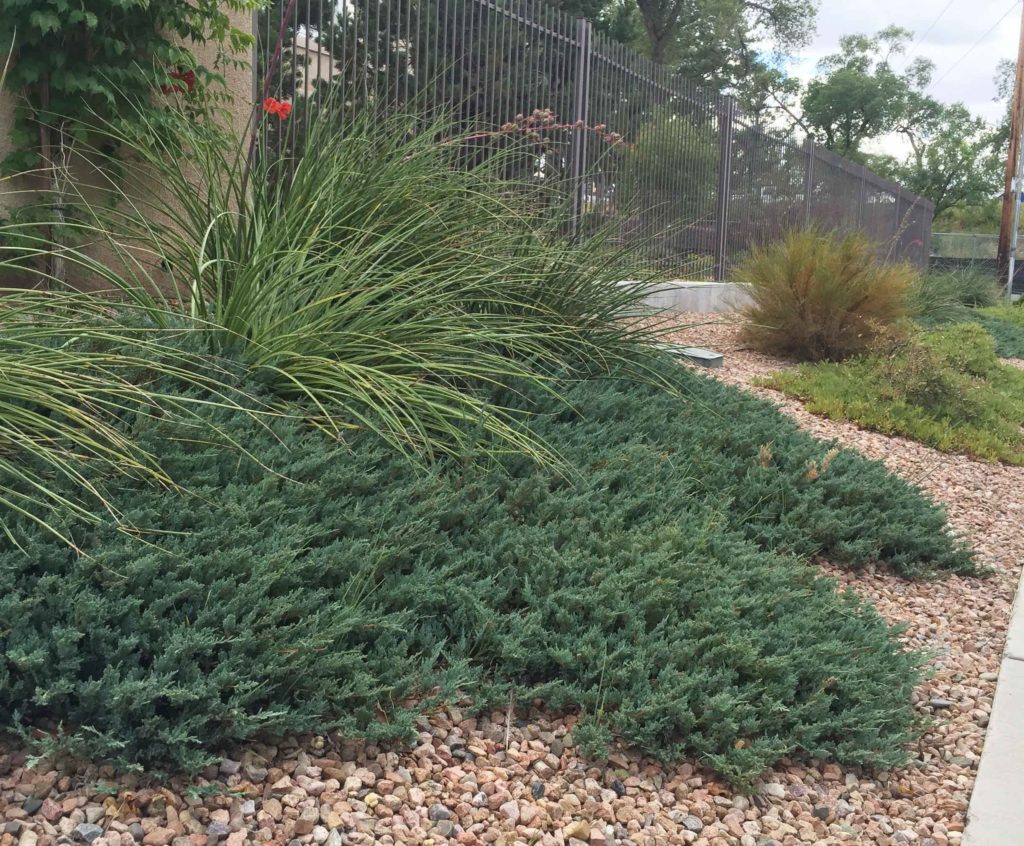
Carpet Juniper, Juniperus horizontalis. Blue chip, low allergen, beautiful color, low growing, does best in part shade. The species Juniperus horizontalis “Plumosa Compacta’, Andorra Juniper, is low growing 18”-20”, spreads 8’-10,’ green during growing season, burgundy in winter, looks great when planted in mass. Blue Chip is another great spreader that has beautiful year-round silver-blue foliage.
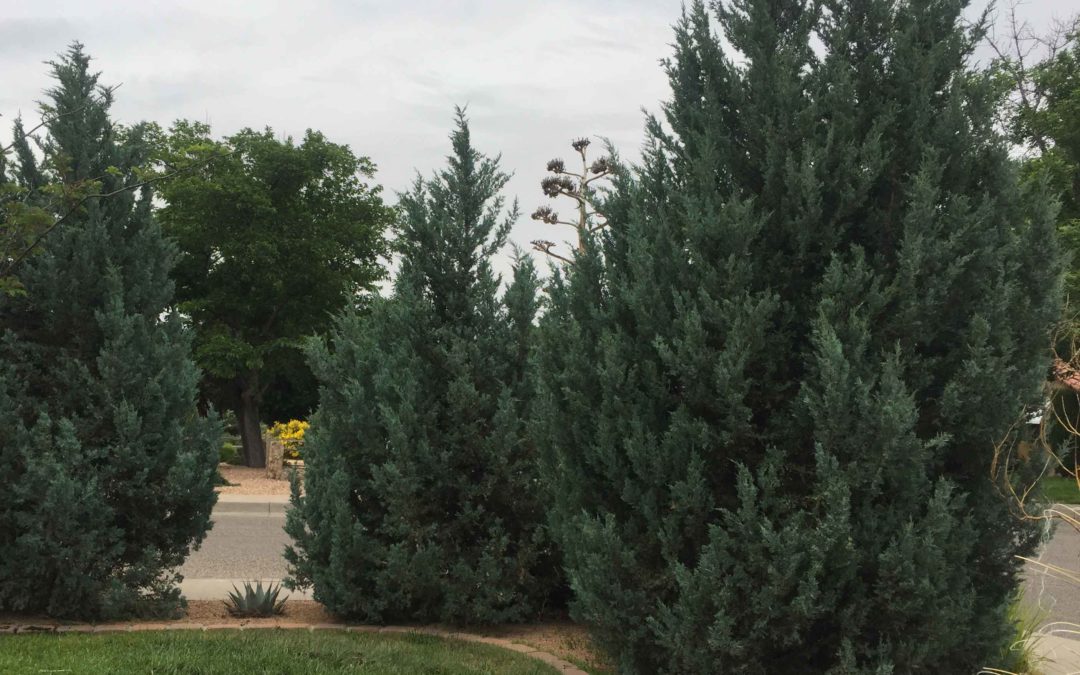
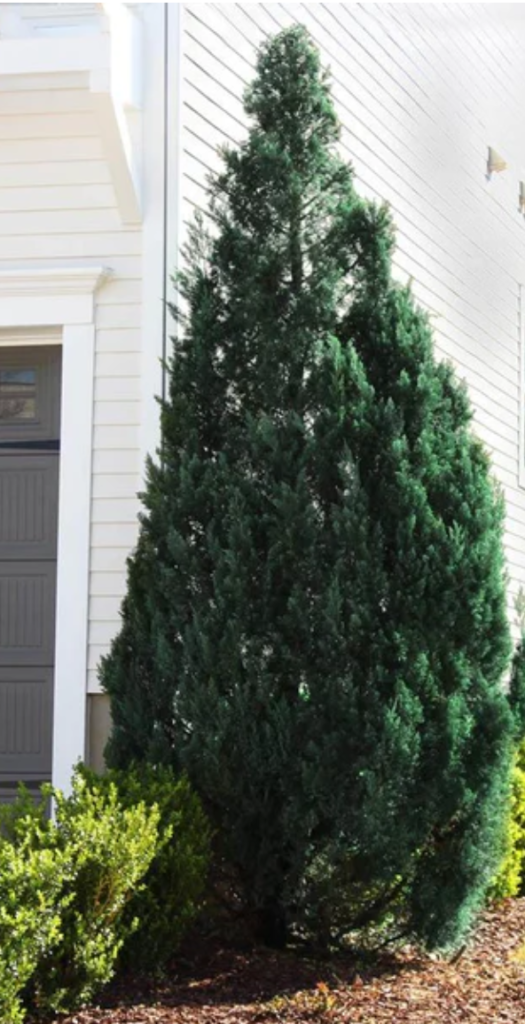
Blue Point Juniper, Juniperus chinensis Blue Point. This blue-green stately tree is pyramidal in form and has dense evergreen foliage. It makes a great windbreak when planted in lines and is a very nice front lawn Christmas tree, perfect for winter lighting. It reaches 12’ tall and is 8’ wide.
Rocky Mountain, Juniperus scopulorum, tall and narrow, dark green, tall. Pruning destroys the natural shape so it’s best to plant this in a place where it has room to grow up to 40’ tall and 20’ wide. There are many beautiful cultivars. Whichita Blue Juniper, Juniperus scopulorum ‘Whichita Blue’ is a beautiful shade of steely blue, year-round growing 10’-15’ tall and only 4’-6’ wide. ‘Skyrocket’ is a bluish-green narrow columnar tree growing 15’ tall and only 4’ wide, making it the narrowest of the juniper trees.
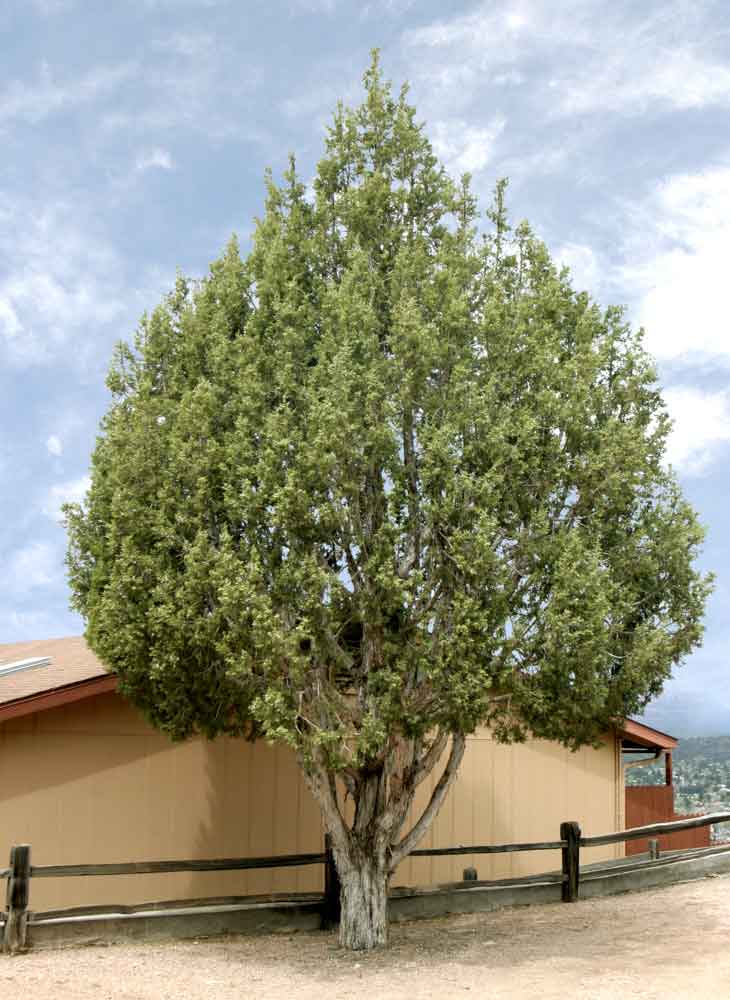
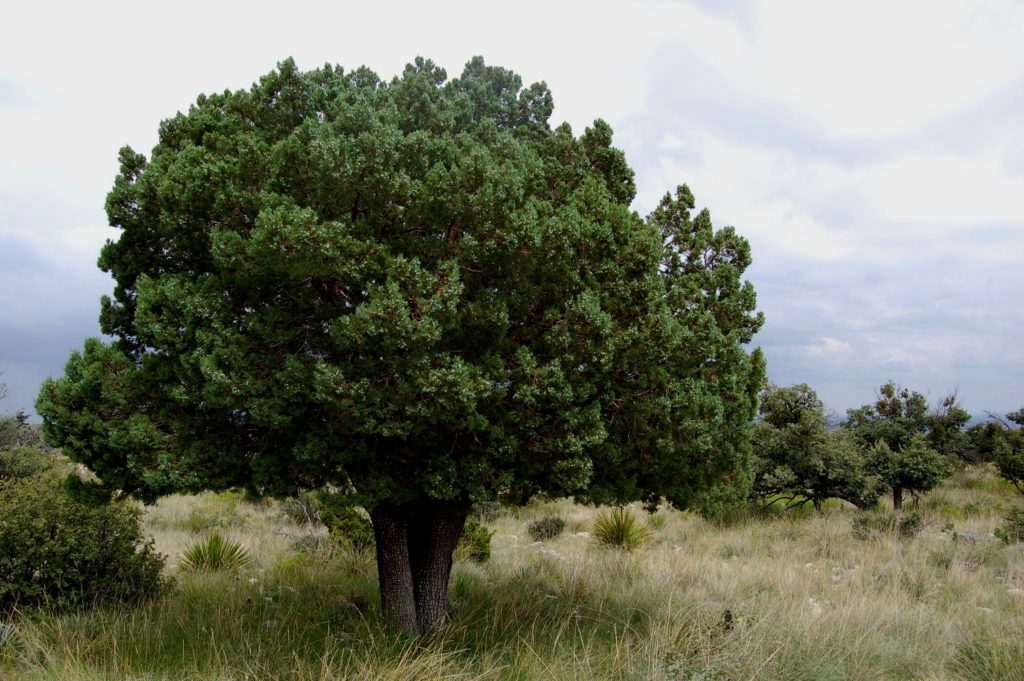
Alligator juniper, Juniperus deppeana, has blue-gray leaves. This tree has a thick trunk with bark that resembles that of an alligator. Unlike most junipers it has a stout, not conical, shape with great character and color. It can tolerate pruning.
Let’s give junipers a chance. If we let them follow their natural shape, these adaptable conifers are attractive, evergreen and sustainable survivors that provide habitat for birds and are quite useful in our landscapes.
Author: Jill Brown, ASLA, is a Landscape Architect and owner of My Landscape Coach in Albuquerque, NM. Have a question about the article? AskAnExpert@abcwua.org
All species are in constant need of habitat in which to dwell that gives the next generation a chance to thrive. It is easy to share your space with wildlife and provide crucial habitat for birds. If you have a yard with non-native grass (or one full of gravel), you have a blank slate for making your yard a bird and pollinator paradise. By planting xeric and native plants and using natural mulch, you can make your yard cooler, reduce water usage and actively care for birds.
If the thought of converting an entire yard seems daunting, dig out the grass (or pull back the rocks and weed cloth) from one section at a time. Adding pollinator plants to a sunny patch is a great way to start. Many pollinator plants produce fruits or seeds for birds.
Providing both food and cover is important for birds. If you already have mature shrubs and trees, you can focus on adding food sources. If your yard is bare, plan to add different levels of habitat with trees, shrubs, perennial flowering plants and native grasses. Plant wildflowers in clusters of three or more so that birds and pollinators will notice them when flying by and be able to have a hearty meal once they find the food source. For information about the size and needs of each plant you want to put in your yard as well as its habitat value, search for “bird” in The ABQ Backyard Refuge plant list.
In the desert, providing a clean water source is beneficial to birds. A dinner plate with fresh water will be as welcome as a fancy bird bath!
Another easy way to make a bird-friendly yard is by employing these simple practices:
Keep birds safe by trimming trees after nesting season ends in late September. Bird nests are inconspicuous by design and can be easily overlooked. Trees with dead or diseased branches also provide perches, food, shelter, and nesting sites. If they don’t pose a safety risk, consider leaving dead branches for the birds.
Plants that provide seeds for birds can only do so if you leave the dried seed heads over winter instead of cutting them off in autumn. Leave them standing until spring and then remove last year’s stalks to make room for new growth.
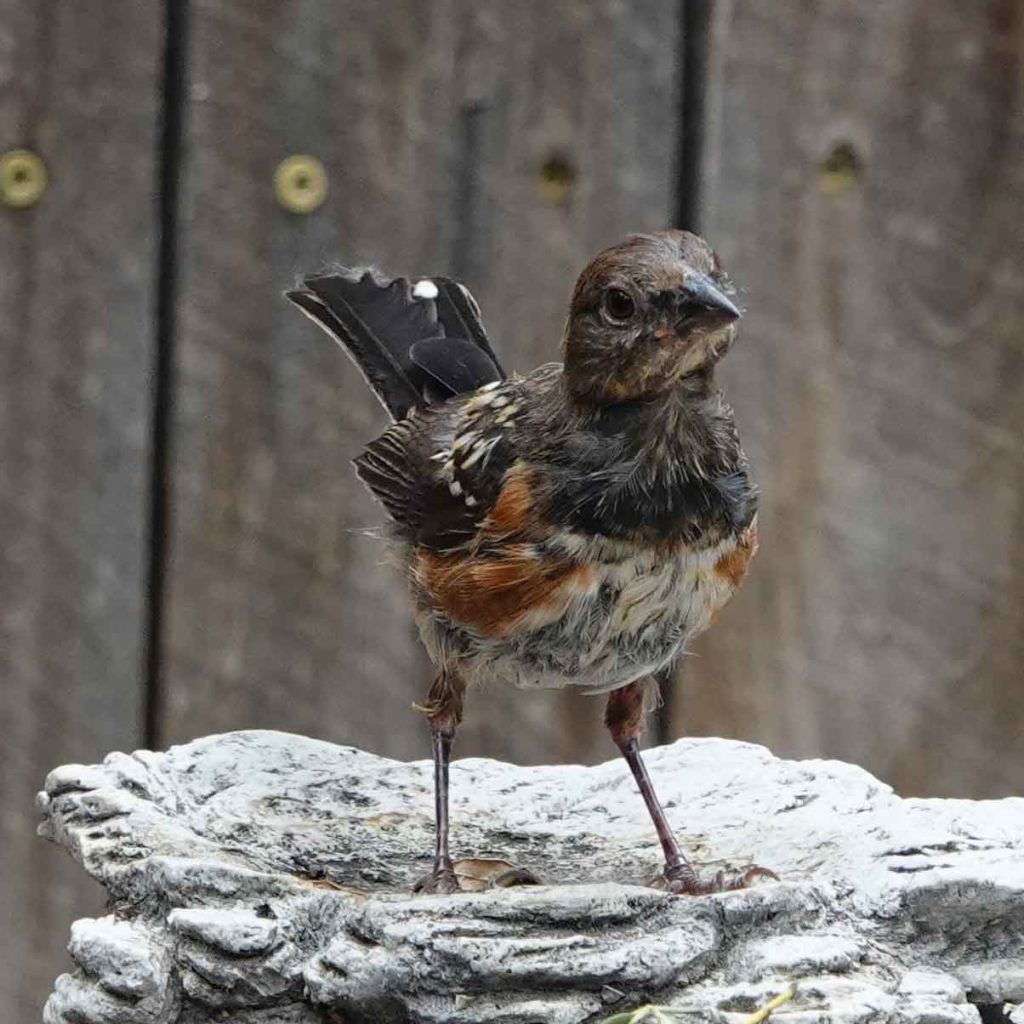
Leaving even just a small patch of leaves where they fall supports insects and the birds, like Spotted Towhees, that rely on them.
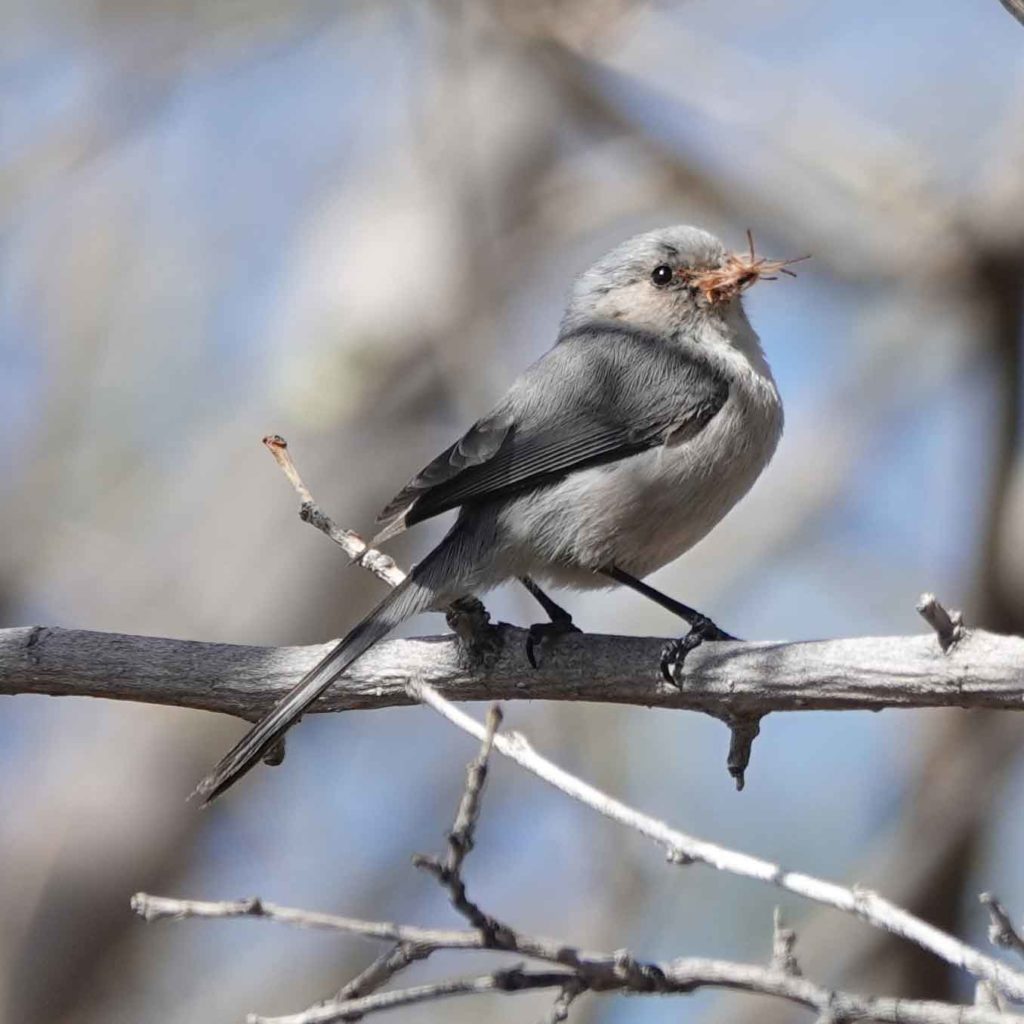
Challenge yourself to develop a tolerance for “pests." Insects are the primary food source for many species of birds. Hummingbirds use spider webs to build nests that hold fast to branches and expand around their growing nestlings. Avoid using chemical controls so you do not harm the wildlife you’ve invited into your yard.
Love your dandelions! In addition to supporting pollinators, hummingbird mamas use aster fluff to build cozy nests.
Owls and other raptors keep rodent populations in check and die if they eat a poisoned rat or mouse. Never use rodenticides! If you have a suitable tree, consider installing an owl box as well.
Domestic cats are part of the ecosystem when outdoors. They are both predators and prey, killing millions of birds and mammals each year, and in danger of being eaten by a coyote or owl. Keeping your cat indoors, or in a catio, will protect your cat and wildlife at the same time.
The ABQ Backyard Refuge Program introductory guide, workbook and plant list can be very helpful in designing a habitat that includes all the necessary habitat elements (food, shelter, water), or you can simply begin by managing your yard in bird-friendly ways.
Supporting birds in our urban area starts with focusing care and attention on our wild neighbors and taking their well-being into consideration when managing our yards. By supporting birds you will have opportunities for observing how our wild neighbors live and discovering new ways of sharing your space. Sharing our resources and growing habitat that benefits both you and wildlife can make our city a better place for the entire living community.
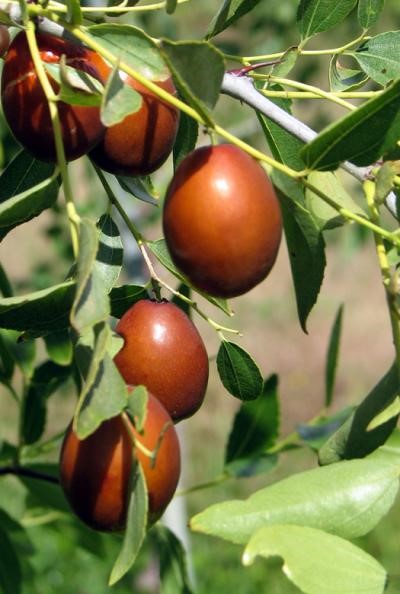
One of the easiest fruit crops to grow, jujube trees are tolerant of a wide range of temperatures and rainfall. The oval shaped leaves are dark green with a gleaming, wax like appearance. This tree grows upright, making it a good tree for screening in narrow spaces or even used in groupings. The fruit will change color from dark green to a reddish-brown color when fully matured. Jujubes can be an extraordinary substitute for apples in recipes.
Many homeowners would like a turf grass lawn, but might feel
irresponsible watering a lawn in the arid Southwest. The key to choosing a turf
grass is to determine the one most suited to the specific needs of your
landscape.
There are two different categories of turf grasses: cool season and warm season. Cool season grasses are Kentucky bluegrass, perennial ryegrass and tall fescue. These are cold tolerant, green most of the year, and hold up to extensive amounts of foot traffic. But they use a lot of water. Warm season grasses are Bermuda grass, blue grama, and buffalo grass. Warm season grasses have a shorter growing season. This means they green up in mid Spring, are low maintenance, and require less water than cool season grasses. But blue grama and buffalo grass can’t take extensive foot traffic.
Grasses should not be selected solely on perceived water use. Depending on the purpose and function of the turf area, traffic tolerance, recuperative ability, maintenance and aesthetic appearance should also be considered.
Four Turf Grasses for Albuquerque
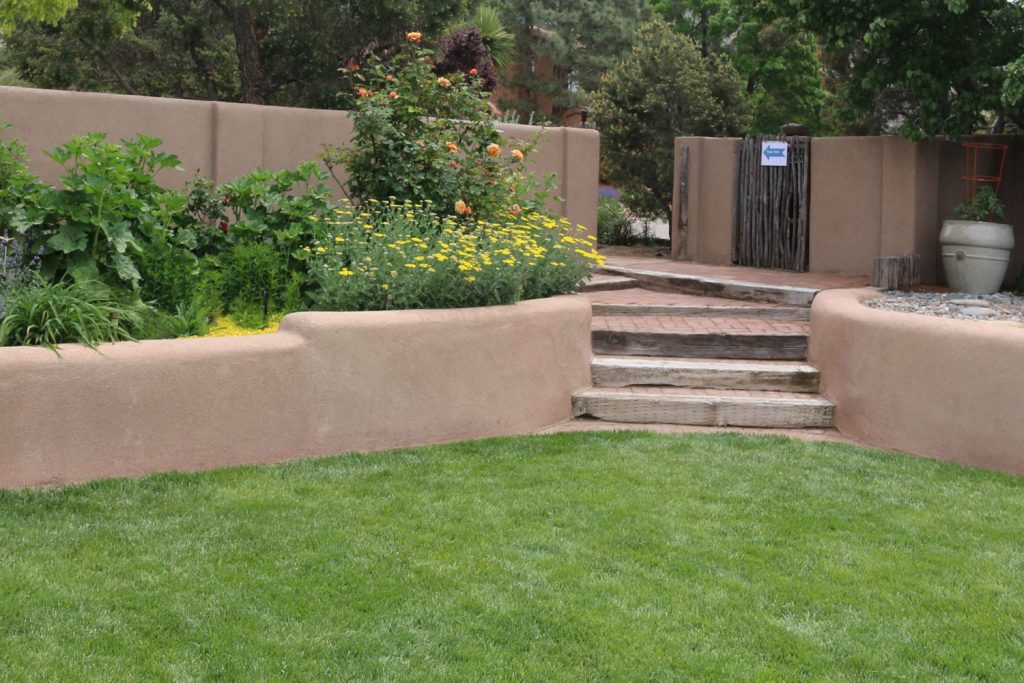
Park Blend grass, a combination of Kentucky bluegrass, perennial ryegrass, and tall fescue
PARK BLEND: The most popular turf grass lawn here, used by the City of Albuquerque and homeowners alike, is Park Blend. Park Blend combines all the cool season grasses into a blend of Kentucky bluegrass, ryegrass and tall fescue, taking advantage of the positive attributes of all three grasses in one turf. Park Blend performs beautifully through warm summers and is especially well-suited to New Mexico's growing conditions. While it does need about 37"- 41" inches of water a year, this is a great choice for a lawn that will receive a lot of traffic. It does require regular mowing and weed control.
Buffalo grass, Bouteloua dactyloides
BUFFALO GRASS: Choose warm season buffalo grass for a beautiful low growing, low water and low maintenance grass. It will handle light traffic, rarely requires mowing and uses around 24" - 28" inches of water a year.
Bermuda grass, Cynodon ‘PWIN04S’ Dog Tuff
BERMUDA GRASS: Bermuda grass is a great choice for a low water, low maintenance grass with medium foot traffic. The downside is that it does spread prolifically via runners. It is best to surround this grass with an 8-inch-wide and deep edger to keep it in check. Bermuda grass uses about 22 - 26 inches of water a year and requires a few mowings a year.
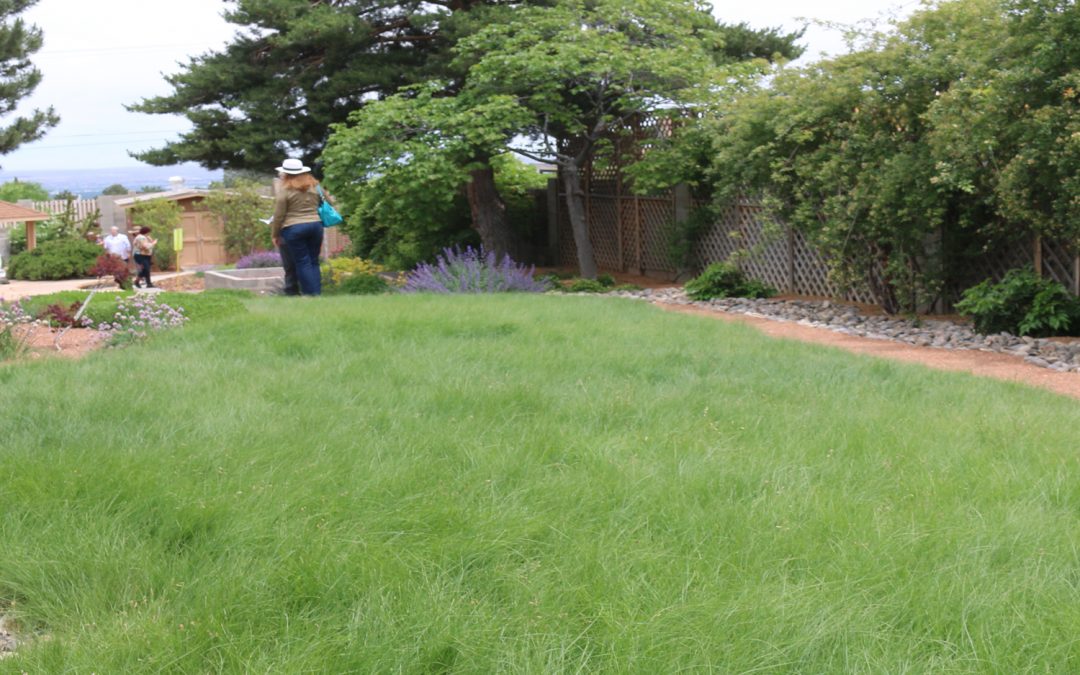
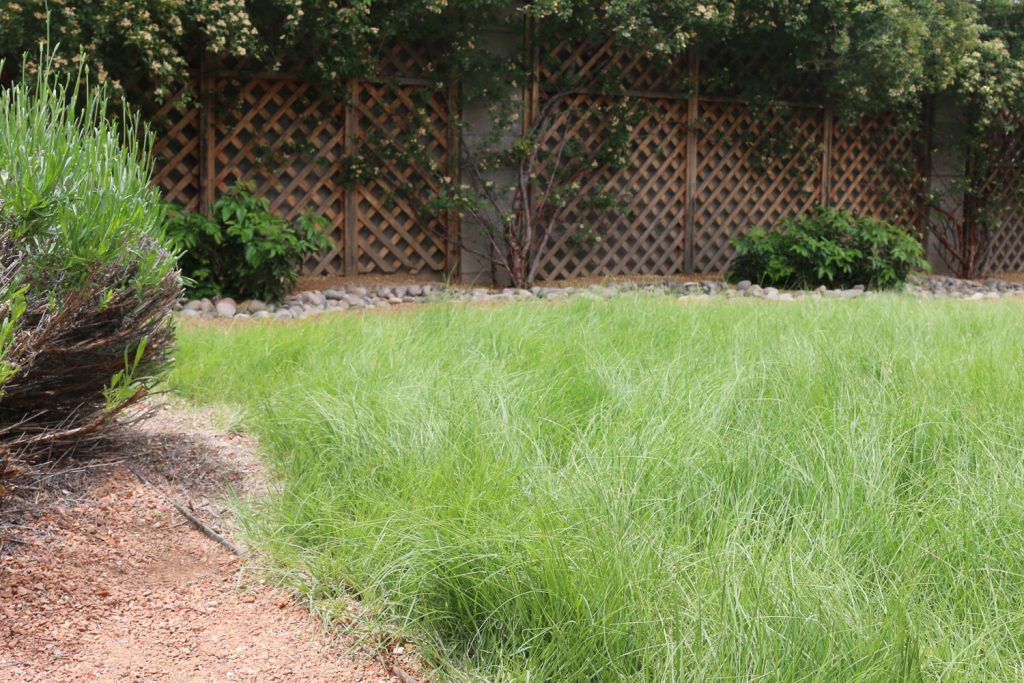
Blue grama grass, Bouteloua gracilis
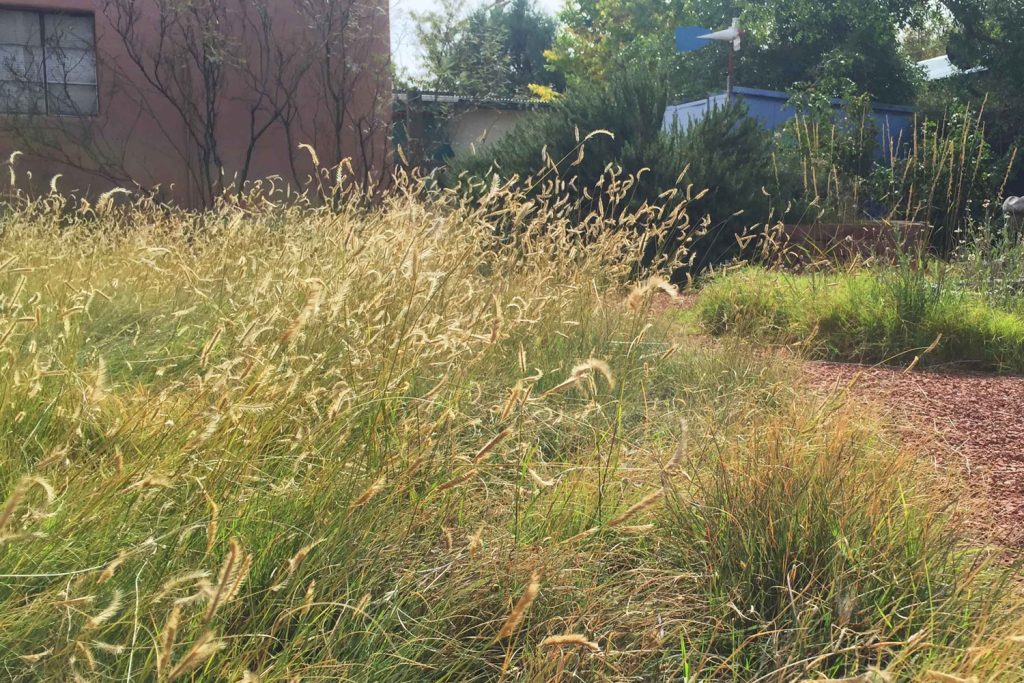
BLUE GRAMA GRASS: Choose blue grama grass for a stunning native meadow look. It can be seeded with wildflowers for a beautiful spring and summer appearance. Keep the eyelash like seed heads on the grass through the fall and winter for both aesthetics and wildlife appeal. This grass uses about 18 - 20 inches of water a year. Trim and dethatch once in late winter for best appearance.
PRO TIPS: prepare the soil well before planting turf grasses, water early in the morning or late evening, keep grasses to a mow height of 3-4" so the soil stays cooler, service the irrigation system regularly to check for efficiency.
Author: Jill Brown, ASLA Landscape Architect and owner of My Landscape Coach in Albuquerque, NM. Resources: Turfgrass irrigation Circular 660 Bernd Leinauer, Professor and Extension Turfgrass Specialist NM State University, Growing the Southwest Garden by Judith Phillips, High Country Gardens, Plants of the Southwest. Even more resources about turfgrasses can be found over at NMSU.