
Just as we take shelter when the weather turns colder, so does your yard. Below are our DIY tips for how to prepare your yard for winter.
WATERING
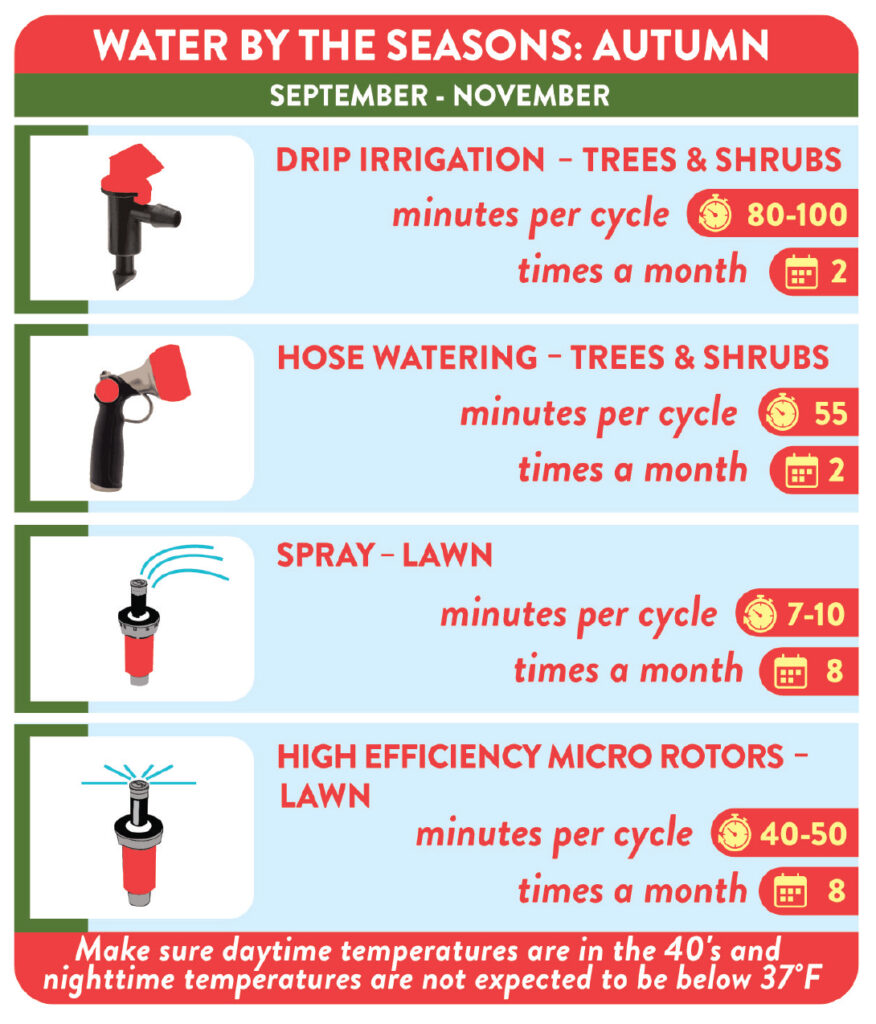
- Water on warm days (daytime temperatures above 40 degrees and nighttime temperatures above 37 degrees).
- For drip irrigation on trees and shrubs, water twice a month for 80-100 minutes per cycle.
- For hose watering trees and shrubs, water twice a month for 55 minutes per cycle.
- For spray watering a lawn, water eight times per month for 7-10 minutes per cycle.
- For high efficiency micro rotors on a lawn, water eight times per month for 40-50 minutes per cycle.
- Skip watering if it rains more than ½ an inch or snows more than 6 inches.
Special Exceptions
- Newly installed plants (shrubs planted within one year) and trees (trees planted within three years) are more susceptible to damage from dry conditions and should be watered more frequently than established plants. Water new shrubs to a depth of 18” three times a month in the winter. Try watering trees to a depth of 24 inches twice a month in the winter.
- Evergreen trees lose water through their needles in cold, dry winter winds faster than their roots can absorb it. They need more stored-up water going into the winter season to make up for that so, it is especially important to provide enough water in the fall and during dry, warm spells in the winter.
- When watering any tree, remember to apply water out to the edge of the tree’s canopy drip line and beyond. Most established trees have a root spread equal to their height and beyond. Water deeply and avoid spraying foliage. Watering to the right depth depends on your specific soil, so you will want to measure how much time it takes water to reach 24 inches deep in your soil. Read this article for tips on measuring watering depth.
LAWNS
Cool Season Grass
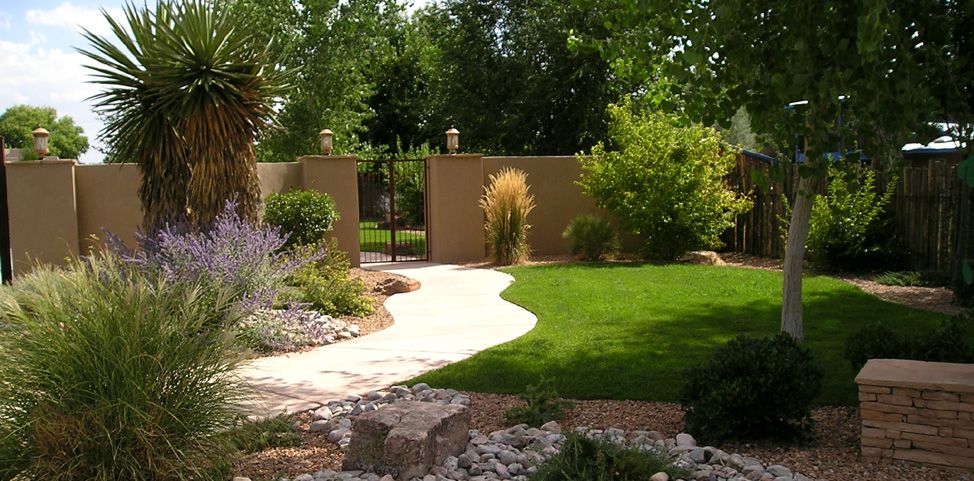
- Mow your lawn to 3-3.5 inches. Grass left too long over the winter can develop brown patches. Dethatch your lawn by raking it through to remove built up debris.
- Rake or blow off leaves that have fallen on your lawn to avoid brown spots. Save those leaves to use as mulch around your garden and trees.
- Aerate next time it is warm. Before aerating, run the irrigation and flag all your spray heads or rotors. This prevents inadvertently creating the need for sprinkler repairs! Aerate the whole lawn in one direction and then again perpendicular to the first pass.
- Top dress with compost. Compost acts as a fertilizer, adds moisture retention capacity and improves overall soil and root health.
Warm Season Grass
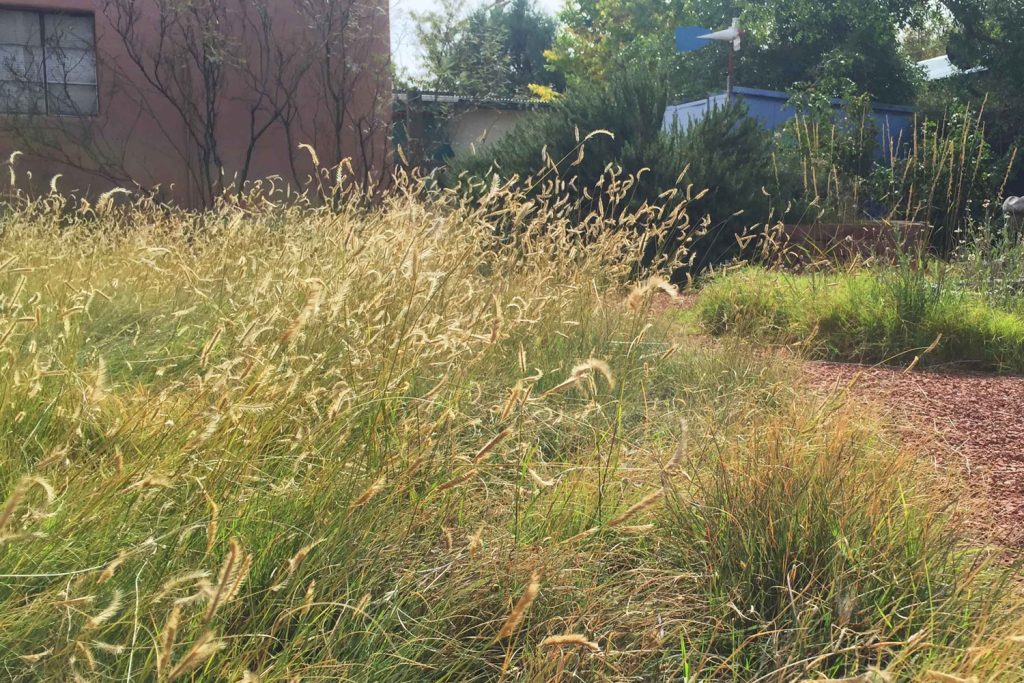
- Grass can be left at full height during winter to provide habitat.
TREES
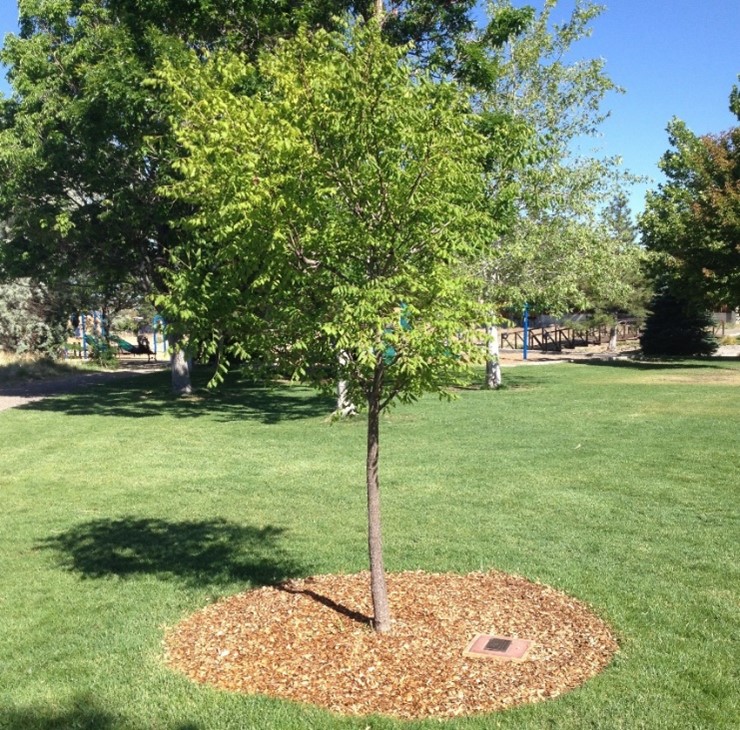
- Apply a thin layer of compost, about ½ inch, to provide nutrients.
- Add 3"-4" of shredded wood chip mulch around the trees drip line but keep away from the trunk base, about 6". Mulch helps insulate the soil from temperature extremes, retains soil moisture and keeps weeds out. Treebates for bulk organic mulch are available.
IRRIGATION
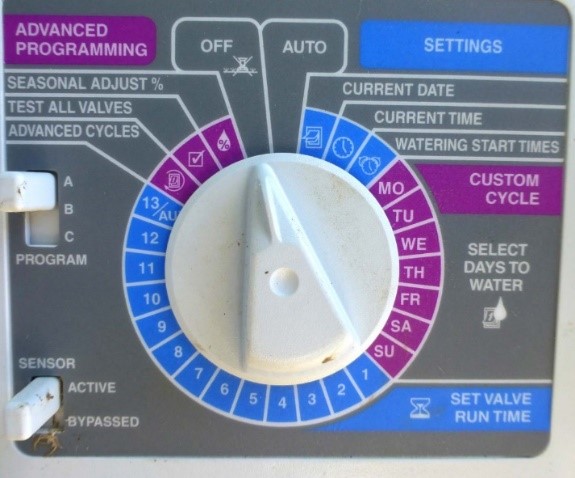
- Turn off your irrigation system. Cold temperatures 40 degrees or lower mean it is time to give your irrigation system a rest. To avoid damage to your system, we recommend setting it to the OFF position. Since it is important to make sure your landscape stays healthy in the winter, find a warm day once a month to irrigate. After watering, set your system to the OFF position again. Skip watering if it rains more than ½ an inch or snows more than 6 inches.
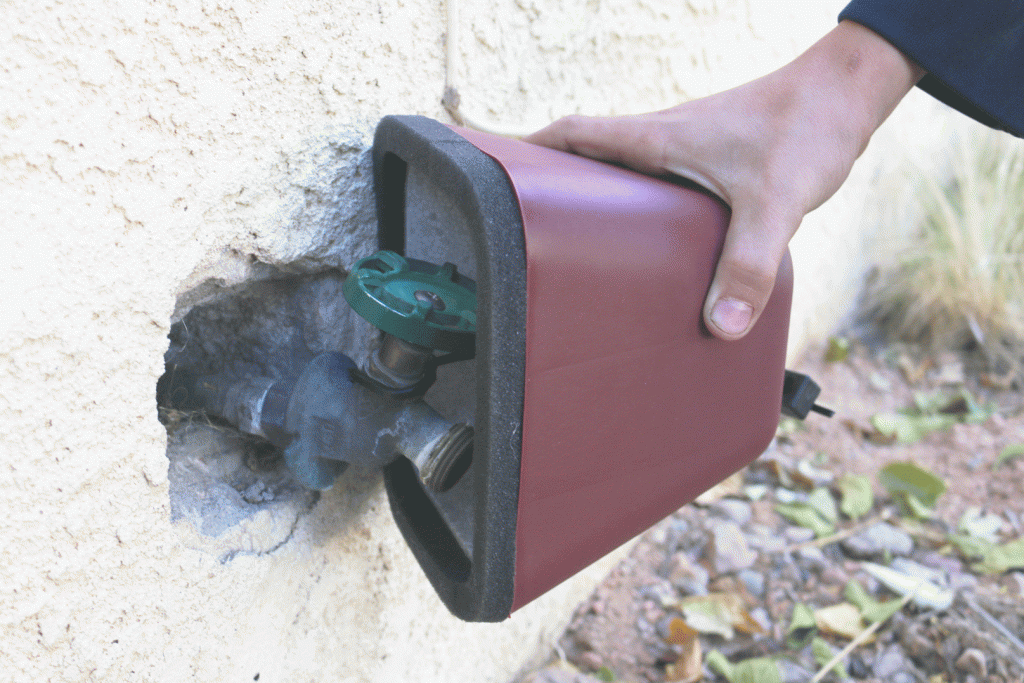
- Insulate pipes and faucets in unheated areas.
Wrap exposed water pipes in unheated areas (such as a garage, basement, crawl space or space beneath your mobile home) with insulation or heat tape. Be sure to follow the manufacturer’s instructions carefully.
Learn more here:
The Balancing Act of Watering Trees in the Fall and Winter
Keep Your Trees Happy: Build a Tree Irrigation Watering System
Great Natural Areas to Visit This Winter for Respite and Inspiration
