Most irrigation work can be done by the homeowner, except for one component. Tapping into your home's main water line needs to be done by a licensed contractor to ensure it is completed safely. To help homeowners know how to select and work with a contractor, we have provided the Irrigation Association's Irrigation Consumer Bill of Rights in the Appendix.
To make sure you have an efficient system, we highly recommend that you hire a professional irrigation designer to create a custom plan. Having a custom plan minimizes water waste and the chance of problems in the future and also helps ensure an efficient distribution of water, which reduces water usage. We also recommend asking a designer to produce a "call-out" list of all the parts required for the installation or renovation. This helps homeowners decide whether to DIY or hire a contractor.
SEPARATINGIRRIGATIONZONES&HYDROZONING
When you begin to plan a drip system, whether you’re installing a new system or retrofitting an existing system, it is imperative to design it so the drip valves are separate from your lawn valves. If you plan to grow a vegetable garden or water annual beds with a drip system, those areas also need to be on separate valves.
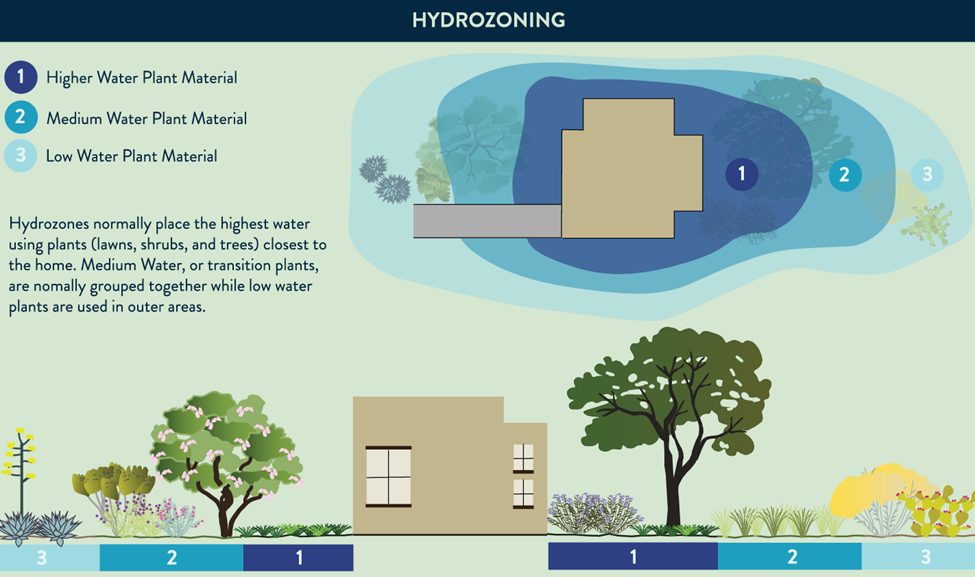
The next thing to do is organize your drip zones by plant watering needs. This means that higher water plants and lower water plants should be on separate valves (hydrozoning) whenever possible, so watering is much more efficient. Hydrozoning is not always possible when retrofitting an established landscape. In that case, you can adjust your water delivery with various sized drip emitters so plants with higher water needs receive more water per hour.
Check out our New Irrigation Efficiency Guide: Beautiful Landscapes with Less Water. Download the guide here.
Does the thought of making changes to your yard seem costly? Can you still get reasonable benefits from just changing a few things instead of your whole yard? Do you feel overwhelmed because you don't know where to start? Do you feel like you don't know enough about irrigation systems to know what to do?
Having an efficient automatic irrigation system can be financially affordable for homeowners, especially with help from our rebates. Homeowners can choose to install or update a spray or drip irrigation system. To figure out your budget using our rebates, consider the following questions: How much can I spend on irrigation updates this year? It's important to be realistic about what you can spend and stick to your budget. You don't necessarily need to spend thousands of dollars to begin saving water. We offer rebates to help you cover some of the costs. Upgrades don’t have to be completed all at once. They can be done in phases.
Check out our New Irrigation Efficiency Guide: Beautiful Landscapes with Less Water. Download the guide here.
Just as we take shelter when the weather turns colder, so do your plants. This time of year, plants store most of their nutrients in the roots and find shelter in the ground. We can support this transition to help plants thrive during the entire winter season.
Also, it is time to give your irrigation system a rest. The recent storm brought much-needed precipitation and along with the snow came freezing temperatures. To avoid damage to your irrigation system we recommend setting it to the OFF position. Your next step will be to wait for a warm day, to deeply water one more time and then take steps to winterize your irrigation system.
Follow this advice to ensure landscape success:
How much should I water this November?
1-2 more times this month
Give individual trees 100 gallons to a depth of 24”
Skip watering if it rains or snows
Water turf to ½ inch, 7-10 minutes
Your outdoor water usage should be 80% less than in the summer season
How can I keep my landscape healthy this winter season?
Turf
Mow your lawn to 2-2.5 inches. Grass left too long over the winter can develop brown patches.
Aerate next time it is warm. Aerating your lawn will give it a chance to breathe before the grass goes completely dormant. This also provides relief of any compaction that has built up during the warmer months.
Rake or blow off the leaves that have fallen on your lawn. Leaves that are left on the lawn could become moldy, which invites disease.
Top dress with compost. Compost acts as a fertilizer, adds moisture retention capacity, and improves overall turf health.
Trees
Apply a thin layer of compost, about ½ inch, to provide nutrients.
Add mulch away from the trunk base, about 2 inches thick. Mulch helps maintain your ground at a constant temperature and helps retain moisture.
Water your trees thoroughly once a month, if needed, to support your plants' winter hardiness. Withholding water will not aid the plant in acclimating itself to winter.
How do I avoid irrigation and other plumbing system damage? To avoid costly repairs, we recommend that homeowners take the following steps:
Find the master shutoff valve. The master shutoff valve turns off the water to the entire house. If you have one, learn its location. This could be critical if a pipe should burst. Need an emergency turn-off? Call 842-WATR and select Option 1.
Insulate pipes and faucets in unheated areas. Wrap exposed water pipes in unheated areas (such as a garage, basement, crawl space, or space beneath your mobile home) with insulation or heat tape. Be sure to follow the manufacturer's instructions carefully.
Seal off access doors, air vents, and cracks. Winter winds whistling through overlooked openings can quickly freeze exposed water pipes. DO NOT plug air vents used by your furnace or water heater.
Author: Carlos A. Bustos, Water Conservation Program Manager with the Water Resources Division for the Water Authority. Have a question about the article? AskAnExpert@abcwua.org
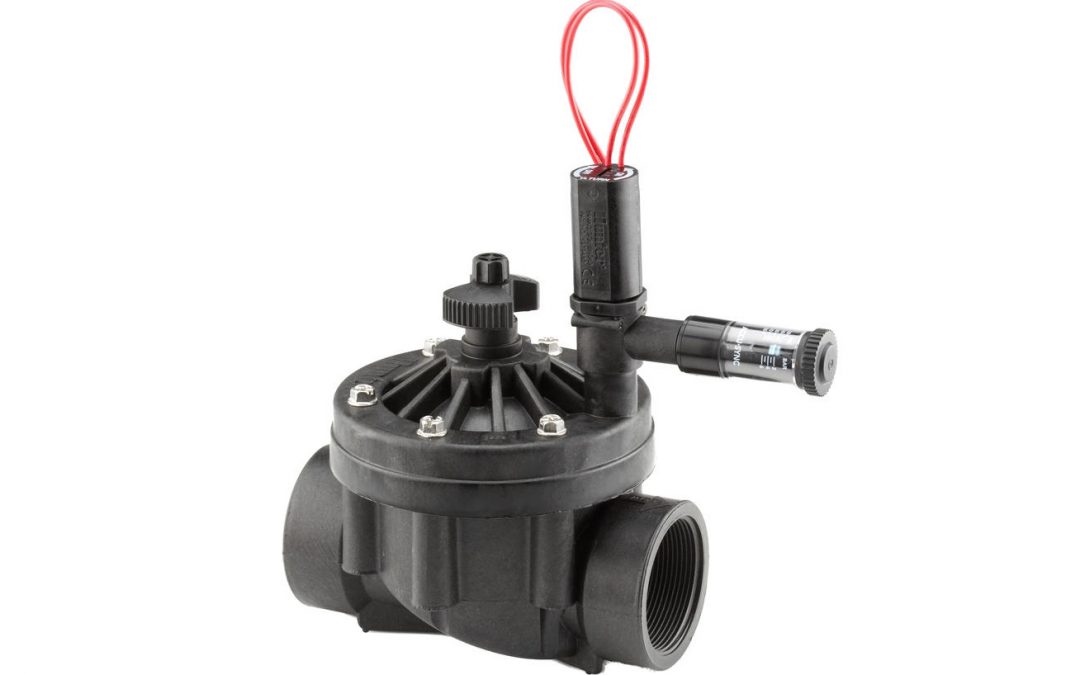
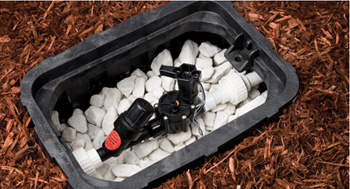
Pressure regulators are another essential technology for improving the efficiency of your irrigation system. They are an integral part of keeping your system running in peak condition. Pressure regulators come in two basic styles: inline or valve fitted. An inline regulator attaches within the piping on a lateral line and is most used with drip irrigation. A pressure-regulated valve fitting is used more often with turf irrigation where the pressure is high.
These fittings can either reduce pressure or provide sustained pressure. Valve fittings are brand specific, so we suggest visiting a local irrigation supplier to see if they are available for your brand of valve. Pressure regulators provide the following benefits:
Avoid underwatering or overwatering by maintaining a set, optimal pressure.
For lawn irrigation, they reduce misting and excessive evaporation.
With a drip system, they help keep the emitters’ water output accurate and keep them from “blowing” or “popping” off the drip line due to excessive pressure.
Earn rebates of 25% up to $100 including purchase and professional installation. Visit irrigation efficiency rebates to apply for your rebate today.
Pro Tip: Jim from Site One irrigation supply store in Albuquerque says, “An inline pressure regulator is a must in any irrigation installation in Albuquerque. They reduce the chance of blowing out your drip emitters and even out the water delivery.”
Pressure Regulator Photography courtesy of Hunter Industries
Author: Richard Perce, Irrigation Efficiency Specialist with the Water Resources Division for the Water Authority. Pro tip:Site One Irrigation. Have a question about the article? AskAnExpert@abcwua.org