
As gardeners or homeowners, we plant what we plant for a wide variety of reasons: Our neighbors have it. The homeowner’s association list includes it. We see it around town or in the nurseries or garden centers that we visit. Though often big box stores order the same plants for New Mexico as they do for Arizona and California. Unless we are a landscape or horticulture professional, we often make choices based on what we see around us.
We live in a desert environment where water is precious and getting more so as the population grows and resources shrink. Climate and soil conditions that are poor and alkaline also affect what plants thrive in our area. Forty to fifty years ago the plants listed below were commonly used because they were the only plants available at the nurseries. Today through the diligent work of the local horticulture industry and local demand we now have many more plant alternatives that are better suited, less finicky and require less water.
Here are a few plants we may want to reconsider before adding them to our landscapes.
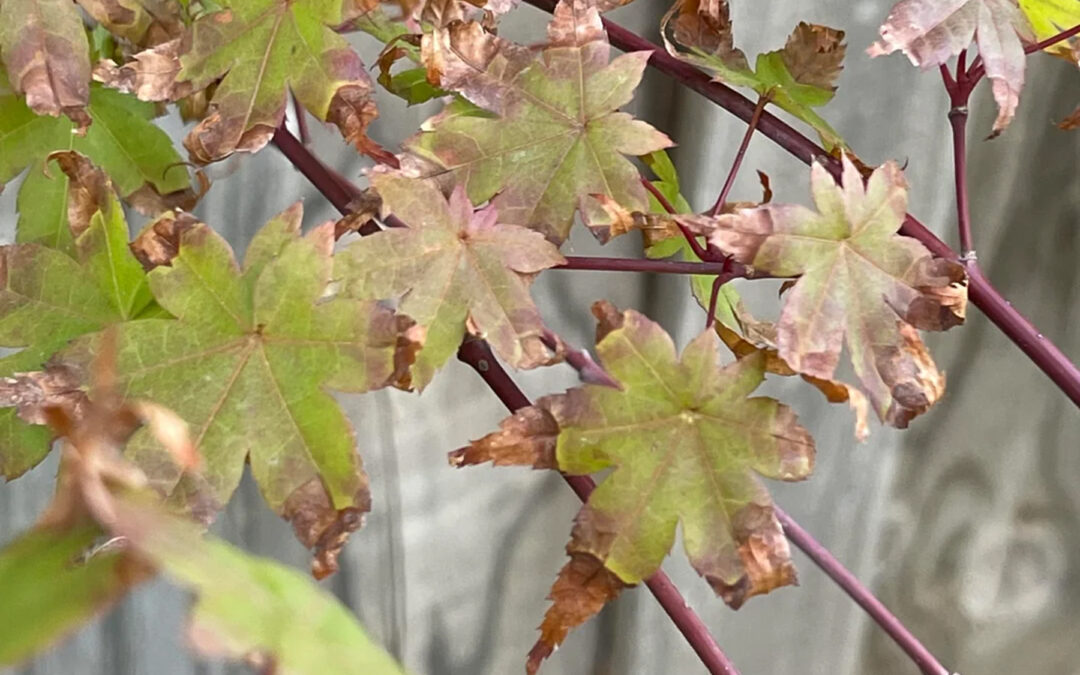
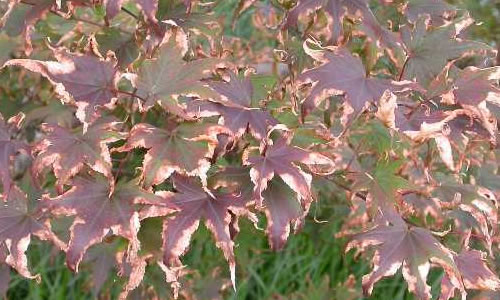
- Japanese maple: Who doesn’t love the graceful form and fine texture of this beautiful small tree? However, this plant needs shade and quite a bit of water, which many of our gardens have in short supply. They prefer acidic soil, while ours is alkaline. Without adding lots of organic material and copious amounts of irrigation, they struggle in most gardens, with leaf margins burned and dry by summer’s end. Alternatives: Purple Smoke Tree, Mexican Elderberry
- Aspen: These belong in the high mountains, where temperatures are cooler, moisture is more plentiful and eons of leaf litter have enriched the soil. It is not fond of heat and likes lots of water. This tree looks best in its naturally occurring zone. Some aspen 30-plus years old can be found around town, but they are few and far between. Alternatives: New Mexico Olive (white bark) or the Jujube (multi trunked tall and skinny)
- Boxwood: While an old favorite for clipped hedges (which we don’t recommend doing for any shrub) and its evergreen presence, boxwood is out of place in our high desert climate. Like many frequently used plants, this one was brought here by transplanted humans who longed for what they knew from a home somewhere else, with soil and water conditions much more favorable to this species, like England. Alternatives: Leucophyllum, lavender, Turpentine bush, rosemary
- Barberry: Like boxwood, this is another old favorite from the East Coast. With many varieties, it has been long used, but ultimately not always long lived due to its soil and water preferences that don’t match ours. Alternatives: Fernbush, Ephedra, winter Jasmine, cotoneasters, leucophyllum.
- Euonymus: Used for its mostly evergreen nature and variety of color and form, this plant can struggle here. Prone to scale insect infestations and drought dieback, this plant can be more demanding of care and chemicals than many people wish to offer. Alternatives: Greenleaf santolina, Turpentine bush, Pancho manzanita.
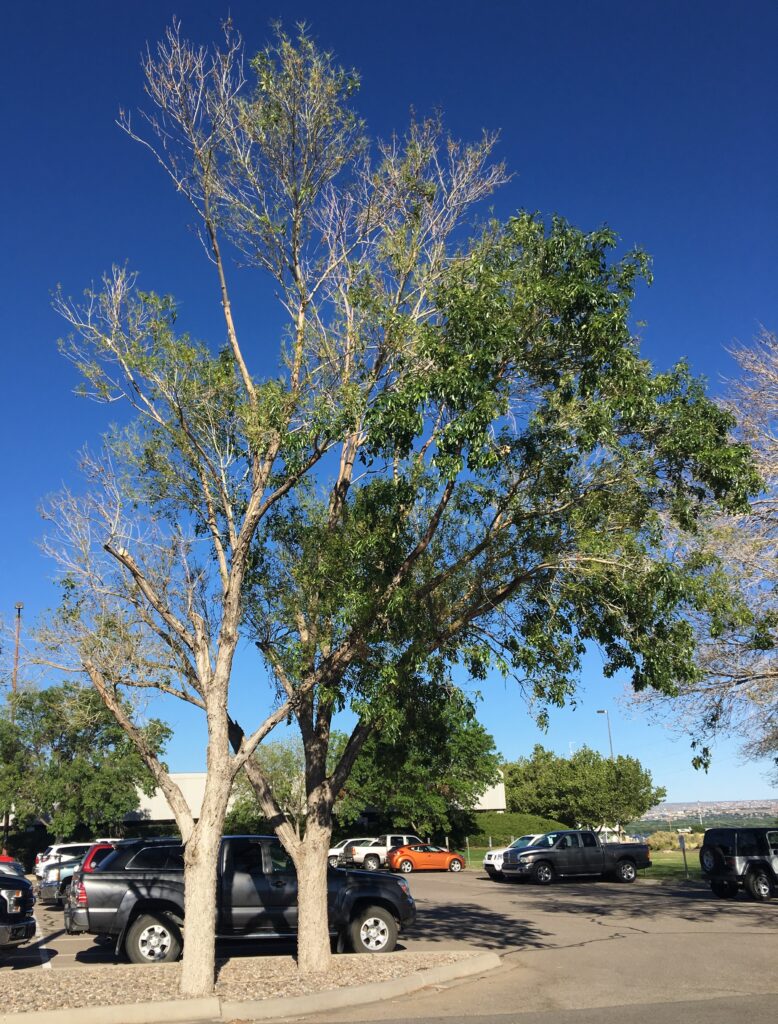
- Green ash (or ash in general): Ash trees became one of the most widely planted species in the 1970s and 1980s. We have since learned that not all are hardy to the infrequent but deadly low temperatures that some winters bring. Worse, though, is the increasing threat from the invasive emerald ash borer, a beetle that is devastating this tree species across the country. Preferring plentiful water and improved soil, this tree is not happy here for long. Alternatives: Common Hackberry, Frontier elm, Lacebark Elm
- Magnolia: This tree is happiest in warmer, milder climates where rich soil, nutrition and rainfall are in good supply, none of which is the norm here. It prefers acidic soils so existing ones may need acid treatment to keep healthy. Alternatives: Arizona Rosewood
- Heavenly bamboo: Often not given the water it needs to be happy, this plant can look sparse and burned at the edges. If not pruned regularly, it can become straggly and top heavy. In some parts of the country, the berries appear to be toxic to birds that feed on them. Alternatives: Big Bluestem, Maximillian sunflower, Indian ricegrass
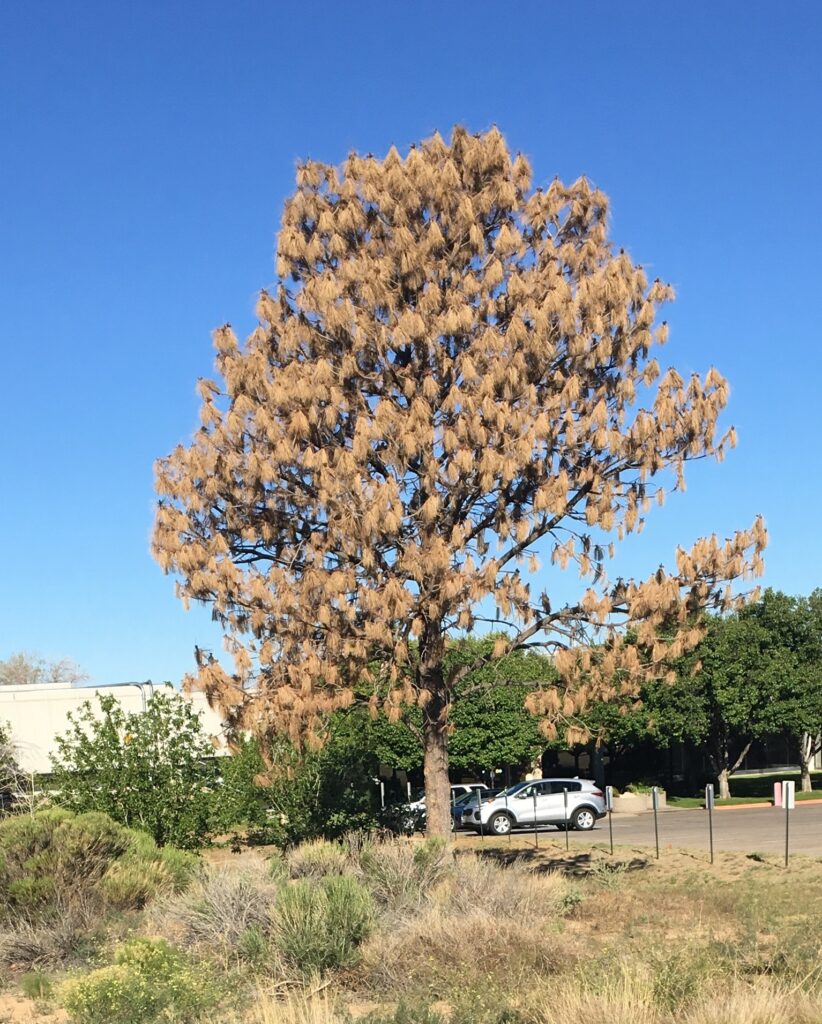
- Ponderosa pine: This native mountain tree can struggle at our elevation without lots of water, and the heat of the city can result in browning and drying of the needles. Requiring thick organic mulch under the canopy, this tree needs care and attention to succeed out of its habitat. There are great existing specimens around town. To keep existing ponderosas healthy direct rainwater towards root zone, add organic mulch, add adequate fall and winter watering in our now warm and dry winters and do not prune when the tree is stressed. Alternatives: Stone pine, Afghan pine
While many of the plants mentioned in this article can be found in local landscapes and gardens, it is usually because they were planted long ago when it was cooler and grass lawns were plentiful. Many are now receiving special care, lots of water beyond what any xeriscape would require.
There are plenty of native or desert adapted plants with similar shape, form, autumn color and pleasing texture that thrive in our specific climate that can be used in place of the plants reviewed here.
There are many sources of information, and the internet can be a dangerous place. When you look up a plant, chances are the article is based on research from the Midwest, East Coast or Pacific Northwest so it does not represent our local conditions.
Instead, look for books by local authors. Compare notes with neighbors. Check out our Xeriscape Guide for information and plant lists that are updated as we learn more about our wonderful desert home. A high desert landscape can be colorful, lovely and a home for birds, bees, butterflies and us humans who live in and care for them.
Learn more here:
The Balancing Act of Watering Trees in the Fall and Winter
Keep Your Trees Happy: Build a Tree Irrigation Watering System
The Life and Dry Times of 505 Trees
