
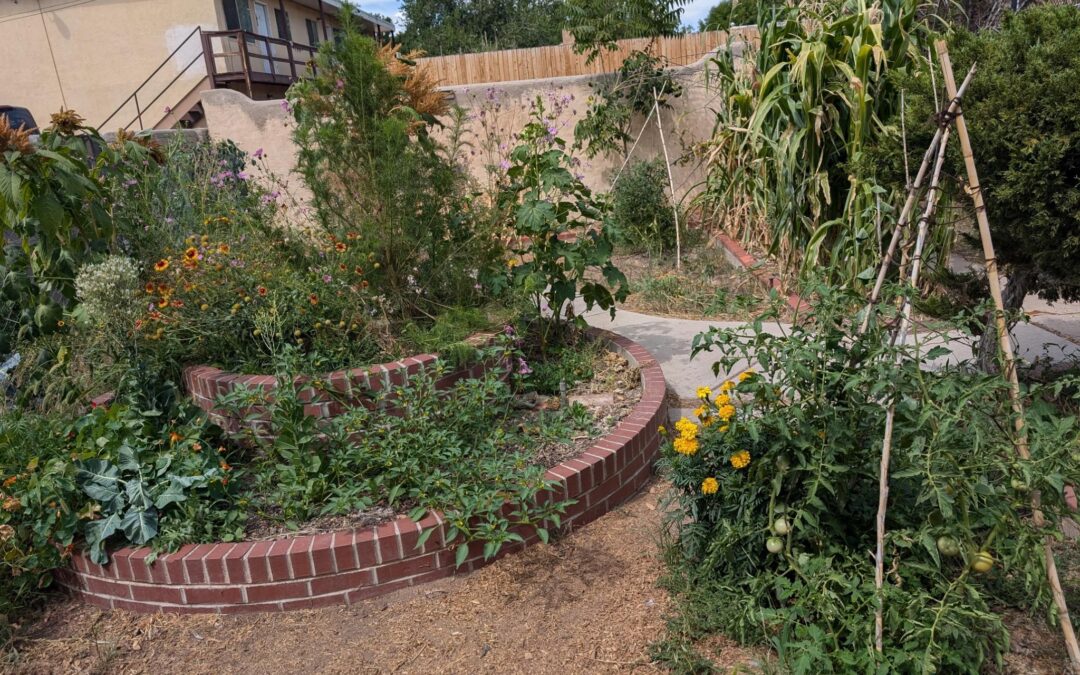
Growing vegetables successfully in the hot, arid climate of New Mexico can be tough. My partner and I have extensive farming experience and education in permaculture from the mid-west and we found that it took us several seasons of observations, learning and adjustment before we could have a thriving food garden in Albuquerque.
Success came when we stopped fighting the environmental conditions and started working with them. Instead of forcing plants to survive in habitat they weren’t adapted to, we began focusing on supporting natural systems that already exist in the Southwest. Observing the flow of energy across the land — the movement of sun, wind, water and heat — taught us a great deal. We started paying attention to where water naturally collected, where afternoon shade formed, how soil stayed cooler under plant cover, and how native plants thrived with little care.
It is important to begin not by digging in (literally or metaphorically) but by observing what is already happening in the area where you want your garden. Some questions to ask yourself are Where do I get sun? How does water flow in the garden? How can I get the best energy storage in my garden? How is my soil? What plants do I want to grow? What other things might affect them (animals, wind, etc.)?
SUN: Look out for the sun!
The Southwestern sun is not only harsh but ever present in the landscape. Always observe how sunlight enters your garden, areas that have full sun, partial shade or full shade. This will be very helpful in designing where to grow specific plants or vegetables. Have a dedicated notebook for this and make your observations by seeing where other plants are already growing. Ask your neighbors what works for them!
Observing sun patterns and learning from native plants — many of which grow beneath partial shade or alongside rocks and shrubs — can help guide crop placement and shading strategies. While most vegetable crops require six to eight hours of sunlight, prolonged afternoon sun in the Southwest can be damaging. Timing is critical. Heat- and drought-adapted crops benefit from being planted early enough to establish deep root systems before peak summer temperatures or timed to take advantage of late-summer monsoon moisture.
Reduce heat stress with shade.
If your observation diary is telling you that you have almost full sun in most of the garden, then it may be time to think about how you can use simple solutions to add shade.
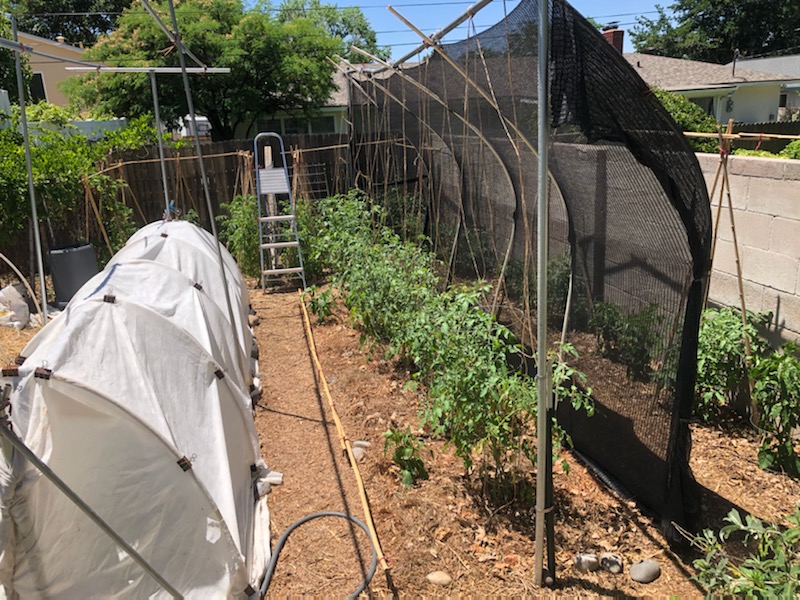
- A shade cloth rated between 30% and 50% lowers temperatures while still allowing sufficient light for photosynthesis. When installed over beds during the hottest months, shade cloth helps prevent sun scalding, reduces moisture loss and minimizes flower and fruit drop.
- Create shade with native plants like ocotillo, mesquite and rabbitbrush. Living fences can also be used to create beneficial microclimates by providing afternoon shade, reducing drying winds and moderating temperature extremes.
SOIL: Essentially, all life depends upon the soil. It is the home for your seeds.
Healthy soil is the foundation of any successful vegetable garden. In the Southwest soil is usually low in organic matter and exposed to intense heat along with not having any cover during the harsh summer months. Living soils — those rich in organic matter and biological activity — retain moisture more effectively, cycle nutrients efficiently and buffer plants against temperature extremes.
To get living soil, start by saving your food scraps from the kitchen! They have nutrients that your soil needs. Building organic matter through compost (made from your kitchen scraps), mulch (from dried fallen leaves, straw, etc.) and continuous root growth (from growing cover crops like winter wheat, rye or barley) supports fungi, bacteria and other organisms in your soil that make nutrients available to plants.
Many native Southwestern plants thrive in undisturbed soils, offering a useful model for garden management. Soil, when protected and undisturbed, can be naturally rich in nutrients, living organisms and living roots. This creates soil that stores water longer, resists erosion and supports plants through heat and drought. Tilling or digging deep can expose these living organisms to the harsh sun, killing all the healthy parts of the soil. Reducing tillage helps preserve soil structure, fungal networks and pore spaces, allowing water to infiltrate deeply rather than evaporating or running off. Most vegetables prefer soil that drains well while still retaining moisture. Improving soil aggregation through organic matter allows soil to hold water like a sponge while maintaining adequate airflow to plant roots.
How to keep your soil full of nutrients and moisture.
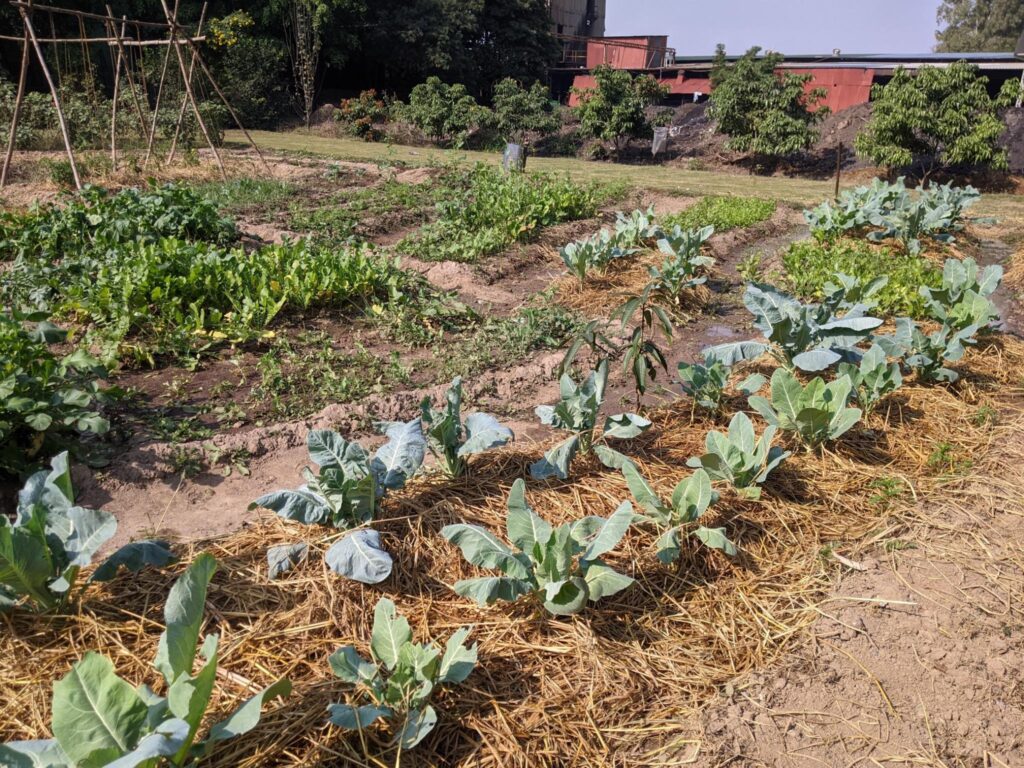
- Heavy mulching: In urban areas, we have the bad habit of raking all our leaves into plastic bags, but that is quite counterproductive. These leaves actually serve a very important function: They provide natural mulch and keep the soil from getting too hot or losing too much moisture. They also provide homes to bees and other insects that burrow in them for the winter. Heavy mulching is central to water conservation, weed suppression and living-soil management. A thick mulch layer — typically 3-4 inches — keeps soil covered, reduces evaporation and moderates soil temperatures. Use organic mulches such as straw, shredded leaves, wood chips, compost and grass clippings. Mulch can be easily attainable for free. Grab the neighbors’ bags of fall leaves, ask local tree pruning companies for their woodchips, or use your backyard compost. Other options are corn and rice husks and straw waste from mushroom growers.
- High-density plantings: Planting really close together protects soil by shading the surface and reducing moisture loss. As plants transpire, they release moisture into the surrounding air, creating a cooler, more humid microclimate near the soil surface that benefits both crops and soil life.
- Continuous soil cover: Don’t leave your soil bare; after a harvest, plant a cover crop. It could be something that helps give different nutrients to the soil in winter such as winter wheat or barley or let the skeletons of the previous plants stay. Try the chop and drop method which uses the unused part of the plant harvest as cover during non-planting months.
Ultimately, it is important to remember that feeding the soil food web with a variety of materials/food and rotating what you grow in that soil is important. When they break down, they improve soil structure and fertility over time.
WATER: Oh Water! What would we do without you?
Water is one of the most important elements and energy systems that you need to plan for in your garden. Water might feel like a renewable, ever-present resource, but we know it is limited in the Southwest. Efficient irrigation is essential for vegetable production in water-limited environments.
Three Types of Watering Methods
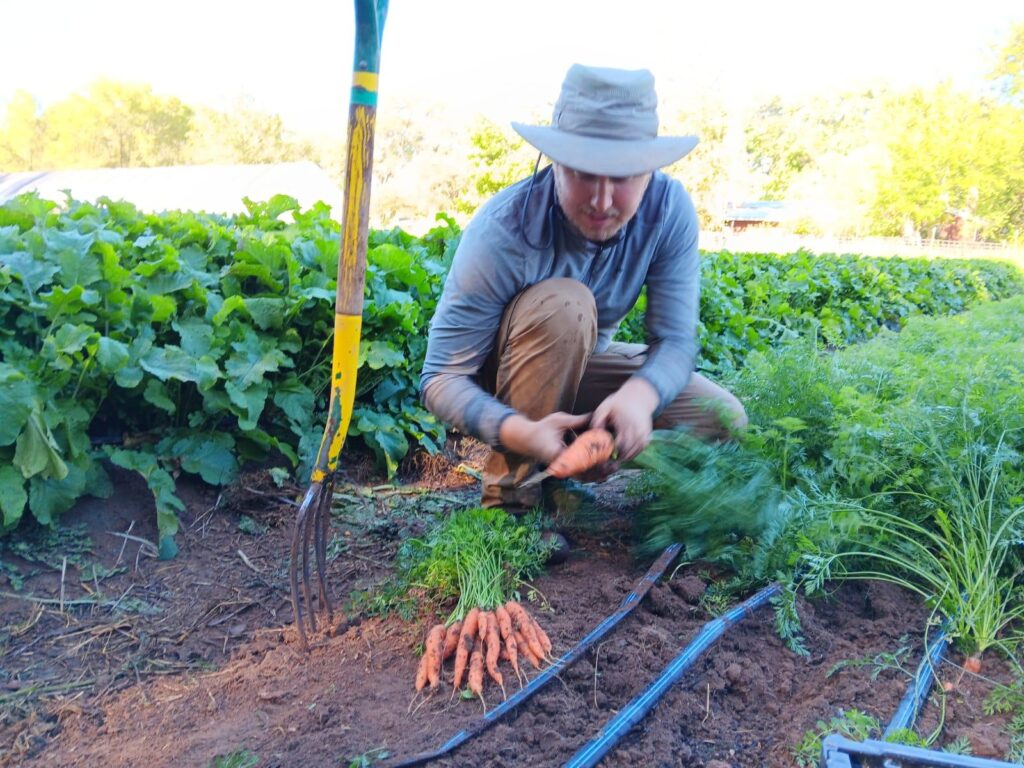
- Drip irrigation systems are widely recommended because they deliver water directly to the root zone, minimizing evaporation and runoff. ¼-inch in-line drip tubing is particularly well suited for vegetable beds. These lines feature evenly spaced 6” or 12” emitters that provide consistent moisture along plant rows. When installed beneath mulch, they offer precise water delivery while keeping foliage dry, reducing the risk of fungal disease.
- Olla means “pot” in Spanish, but the concept of using ollas as an irrigation system goes back thousands of years in many cultures. An olla watering system is basically any type of unglazed clay pot that is buried beneath the soil with only a small amount sticking up above the surface and filled with water. You can tell that a pot is unglazed because it will be that classic terracotta red color with no shiny finish or paint. The water then leeches out of tiny holes or pores in the clay and is pulled through the soil to the roots of your thirsty plants using a process called soil moisture tension. This functions much the same way as osmosis in that the water is trying to equalize to a certain level of moisture within the soil. This means your soil will never become overwatered either — if the soil is moist, the water stays in the pot until it is needed.
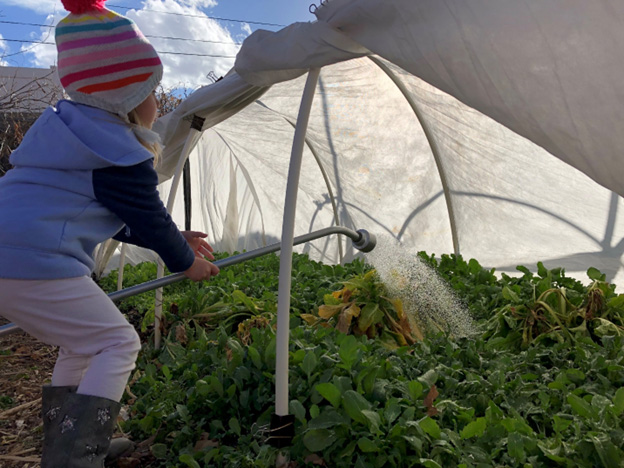
- Other irrigation options include soaker hoses, overhead sprinklers and hand watering. Soaker hoses are affordable but clog, degrade in the sun and use more water, while sprinklers tend to waste water and increase disease pressure by wetting leaves. Hand watering is flexible but time-consuming and often inconsistent. For most gardens, a hose attached irrigation system combining a 3/4-inch main line with ¼-inch drip tubing offers the best balance of efficiency and control. Learn how to make one here.
BIODIVERSITY: Beneficial insects and ecological balance
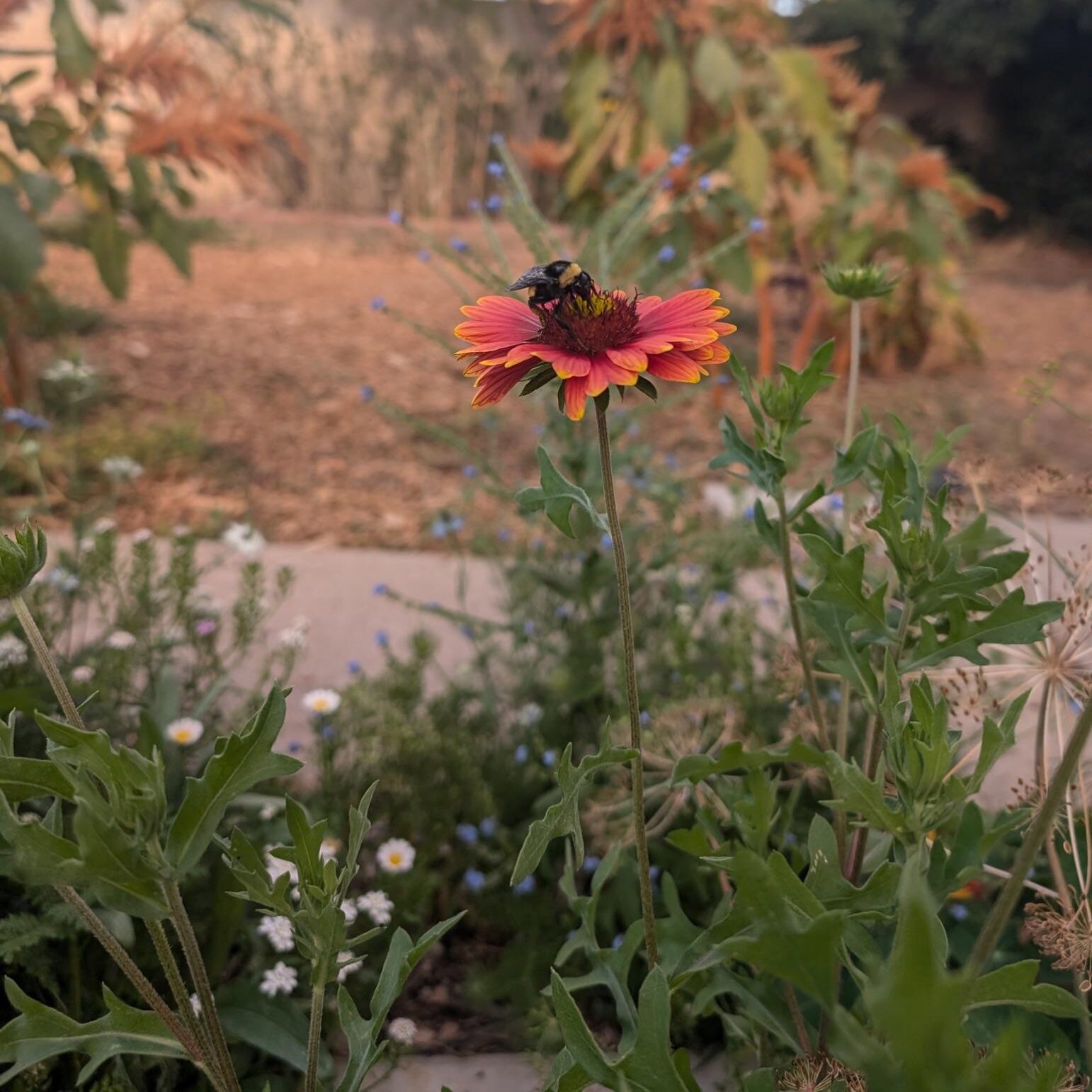
A healthy vegetable garden is supported not only by sun, soil and water, but by insects that help regulate pest populations naturally. When gardens provide habitat for beneficial insects — such as lady bugs, spiders, green lacewings, parasitic wasps, native bees and predatory beetles — many common garden pests never reach damaging levels. And larger species like lizards and birds can minimize pests such as grasshoppers.
Diverse plantings of varying flowering herbs, native plants, mulch and undisturbed soil create food and shelter for these beneficial species. In a balanced ecosystem, predators and parasitoids feed on aphids, caterpillars, mites and other pests, preventing outbreaks before they occur. Rather than eliminating insects entirely, successful gardens support a web of life where no single species dominates.
Avoid broad-spectrum chemical pesticides. These products often kill beneficial insects before controlling pests and will harm your health, the soil's health and anything that feeds from your garden. When the right insects are present and the ecosystem is healthy, troublesome pests are rarely a serious problem and intervention is often unnecessary.
RESILIENT CROPS: Some crops and seed to consider
Heirloom and regionally adapted crops are especially well suited to the Southwest’s heat and low-water conditions. Chiles such as Chimayo, Española Improved, and New Mexico No. 9 tolerate high temperatures and are ideal for roasting or drying. Beans including tepary, Zuni gold and Anasazi are extremely drought-tolerant and improve soil fertility through nitrogen fixation.
Squash and pumpkins, including calabacita and Navajo pumpkin, require minimal care once established and naturally shade the soil, helping conserve moisture. Onions such as New Mexico 6-4 handle heat well and are a flavorful staple in Southwestern kitchens. Hopi red, golden and yellow amaranth is an ancient grain that is nutrient dense, and you can eat its leaves and seeds that are high in calcium and iron. These plants require less water and fertilizer than modern hybrids and form the backbone of resilient, climate-adapted gardens.
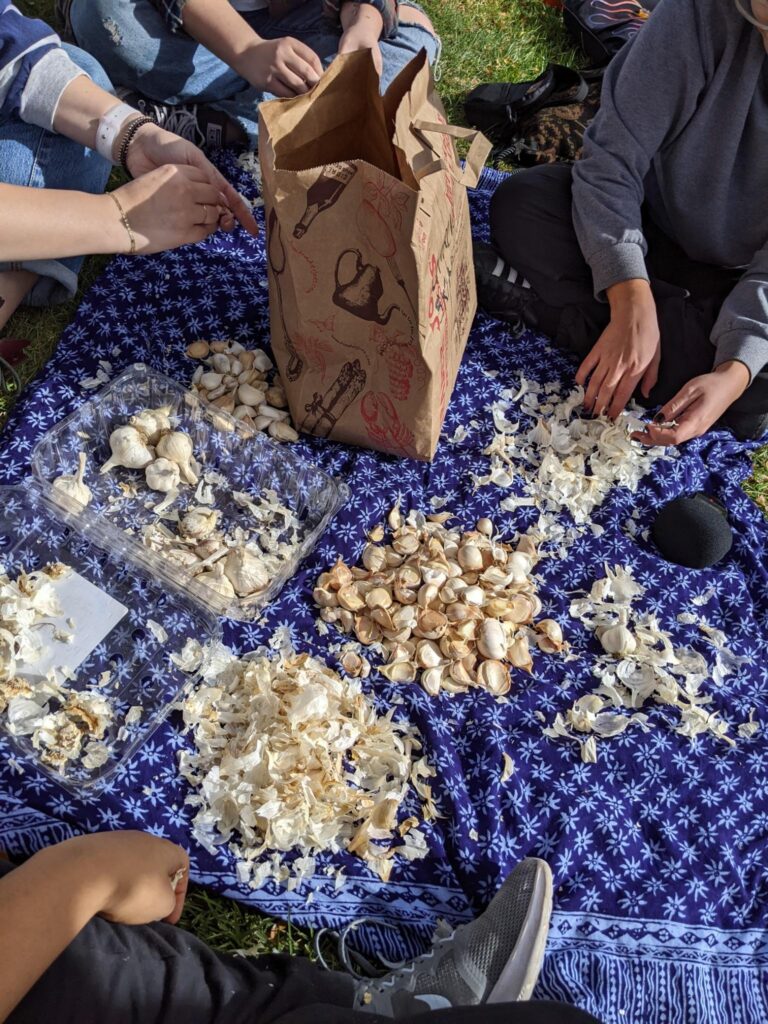
Buy non-GMO seed that supports organic farmers. Then plan to save your own seeds and grow your collection. There is a beautiful sense of accomplishment that comes not only from harvesting what you grew from seed, but also saving your best harvest’s seed so those plants can grow next year and the year after. Seeds pass on what they learned about their surroundings to the next generation, so if you save your seed, your plants will be stronger, happier and more adapted.
By observing local environmental patterns, managing the sun, building healthy soil, conserving water, fostering biodiversity and choosing resilient crops, you can grow a thriving vegetable garden even in the tough conditions of the Southwest.
Water-Wise Vegetable Gardening Webinar
With our hot summers and low precipitation, growing vegetables in NM can be challenging. This talk will provide strategies and recommendations for growers to cultivate a thriving vegetable harvest in the region. Discussion will include irrigation and infrastructure suggestions, as well as selection of vegetable varieties that are well-adapted to the area.
Instructor: Stephanie Walker, PhD. Professor and Vegetable Specialist, New Mexico
State University, Extension Plant Sciences Department.
Learn more here:
Vegetable and Herb Gardening in Small Spaces
Vegetable Gardening in the Southwest
Easy Edible Plants for First-Time Growers
