
Type: Evergreen
Exposure: Sun/Shade
Water Use: Medium
Mature Size: 18’ x 18’
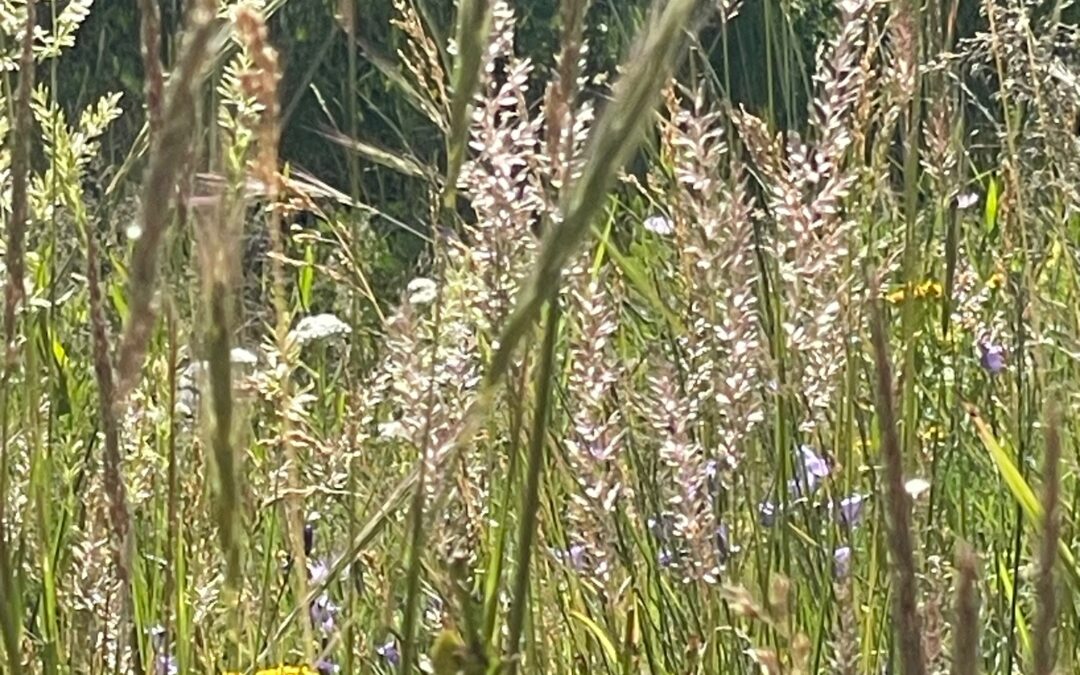
Junegrass (also known as prairie Junegrass) is a cool season native perennial bunchgrass that is drought tolerant and grows well in dry soils. It forms clumps of fine textured blue green leaves with spikes of feathery silver seed heads appearing in late spring to early summer and drying to a tan color as the seed matures. Junegrass can self-seed but not aggressively. The clumps are 10-24 inches tall and can grow to a foot across the spreading tops.
Junegrass is considered a low to moderate water use plant, adaptable to many soil types. It prefers well-drained sandy, rocky or dry soil, and does not do well with heavy clay or wet soil. It does not thrive in hot, humid conditions, and can go dormant in the heat of the summer. It is hardy in USDA zones 3-9.
A lovely specimen grass, Junegrass can be grown in containers. It also looks great in mass plantings or in meadows of mixed native grasses like blue grama, side oats grama and Indian rice grass, along with wildflowers such as asters, coneflowers and penstemons.
Like most grasses, maintenance consists of simply cutting the grass back to a few inches close to the base in early spring before new growth begins. Any seed left on the standing plant over the winter can provide food for birds.
This grass has a fine delicate appearance, and the fresh forming seed spikes are striking when the sun catches the small, feathery heads. You may come upon this grass while hiking on a mountain trail in sunny openings between the trees.

Author: Wes Brittenham, artist, gardener and writer.