
Autumn brings many changes to our landscapes and gardens. Certainly, we are enjoying the cooler temperatures and changing light. It is more inviting to spend time outside, and we may find ourselves more inclined to do some of that yardwork that was unbearable in the heat of the summer.
But what is necessary work in the fall garden? Some of us have a tidy streak and find ourselves compelled to rake up the leaves as soon as they begin to fall or cut back the flowers and grasses that mere weeks ago swayed in the breeze and lured in the pollinators. Hold your horses. Your sense of neatness, or perhaps the need to control or tame the wildness going dormant before you, may not be what is best for the garden.
You may have heard the phrase “Leave the leaves.” Increasingly, we are understanding the benefits of letting the fallen autumn leaves lie and, along with that, holding back on some of the pruning, deadheading and raking that may have been your fall garden ritual. There are good reasons to let your landscape and garden remain a bit messy, and science can help you understand why.
Leaves store nutrients for the plant they are attached to throughout the growing season, releasing them into the vascular system as the plant requires. When autumn arrives and leaves fall to the ground, these stored nutrients are slowly released back into the soil, even as the decaying foliage enriches the ground beneath it, adding to the organic profile of the earth and creating systems for all the beneficial microorganisms to flourish. Healthy bacteria, fungi and mycorrhizae thrive in the soil beneath a mulch of decaying organic matter, and the blanketed soil also holds moisture, insulates the soil and reduces the need for supplemental irrigation.
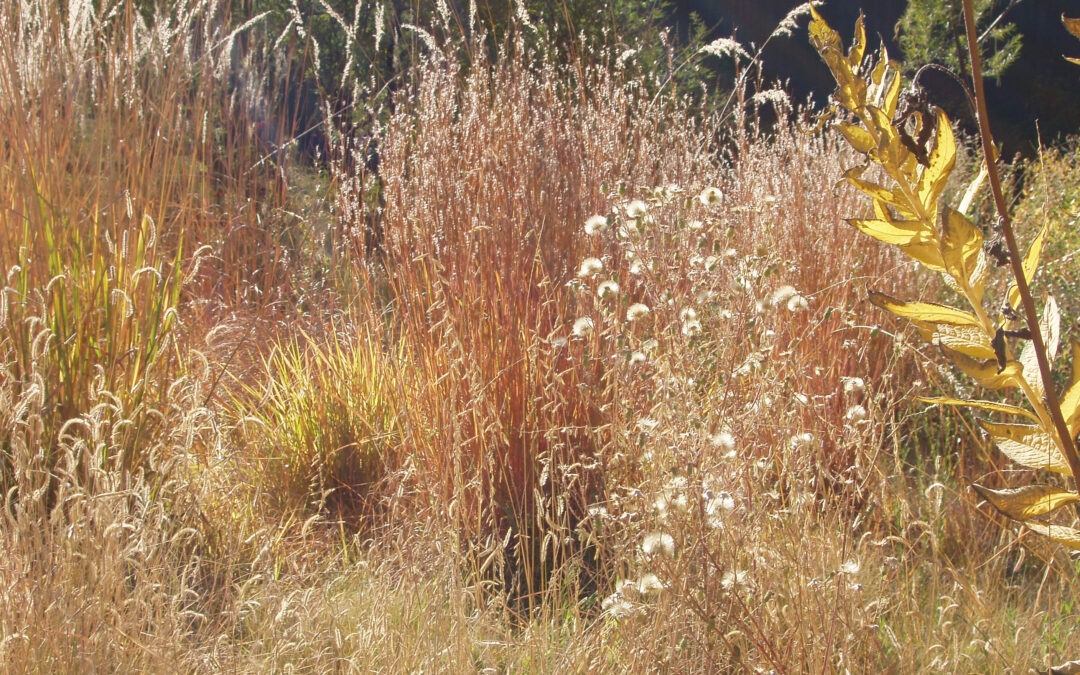
There are also many wildlife benefits to leaving a bit of messiness in the garden over the winter, especially for creatures that may be searching for natural food or nice hiding places to overwinter in, protected from the elements. In addition, there are ornamental benefits. For example, a native grass meadow can take on subtle color shifts, from greys to golds to russet tones, especially if graced with winter precipitation.
If we are fortunate enough to have precipitation in any form, the organic material left in the garden can act as a sort of sponge, soaking up moisture and slowly releasing it into the soil.
For a maintained appearance, rake the leaves and pine needles from patios and walkways if you wish, but let them accumulate and remain as free mulch in your flower beds, under trees and shrubs, on top of organic mulch such as bark or shredded wood, and on the soil surface between grasses in your meadows. You can add any excess to your compost pile if you have it. The exception would be if you had an issue with a fungus, such as powdery mildew. You should dispose of those leaves. If you have gravel or crusher fine mulch, you may want to rake the debris from those surfaces and recycle in appropriate areas of the garden or landscape.
If you have native and ornamental grasses, wait until spring to cut them back. Aesthetically, our plants go through a fall transition fading from red into russet browns and greys. This change signals the changing of the seasons, helping us align with Mother Nature. Erect stems and plump leaves will fade and crumble, setting up a beautiful contrast to the bright green growth of early spring and the tidy appearance after your spring clean-up and cut-back. The faded growth adds visual winter interest to the landscape, seeds for birds and protection for overwintering insects (even butterflies) as well as helping to hold soil moisture. The same goes for perennial flowers, like coneflower, penstemon, gayfeather and bee balm. These plants provide natural winter sustenance for birds and other wildlife and protect the sensitive crown of the plant from potential damage from freezing winter temperatures.
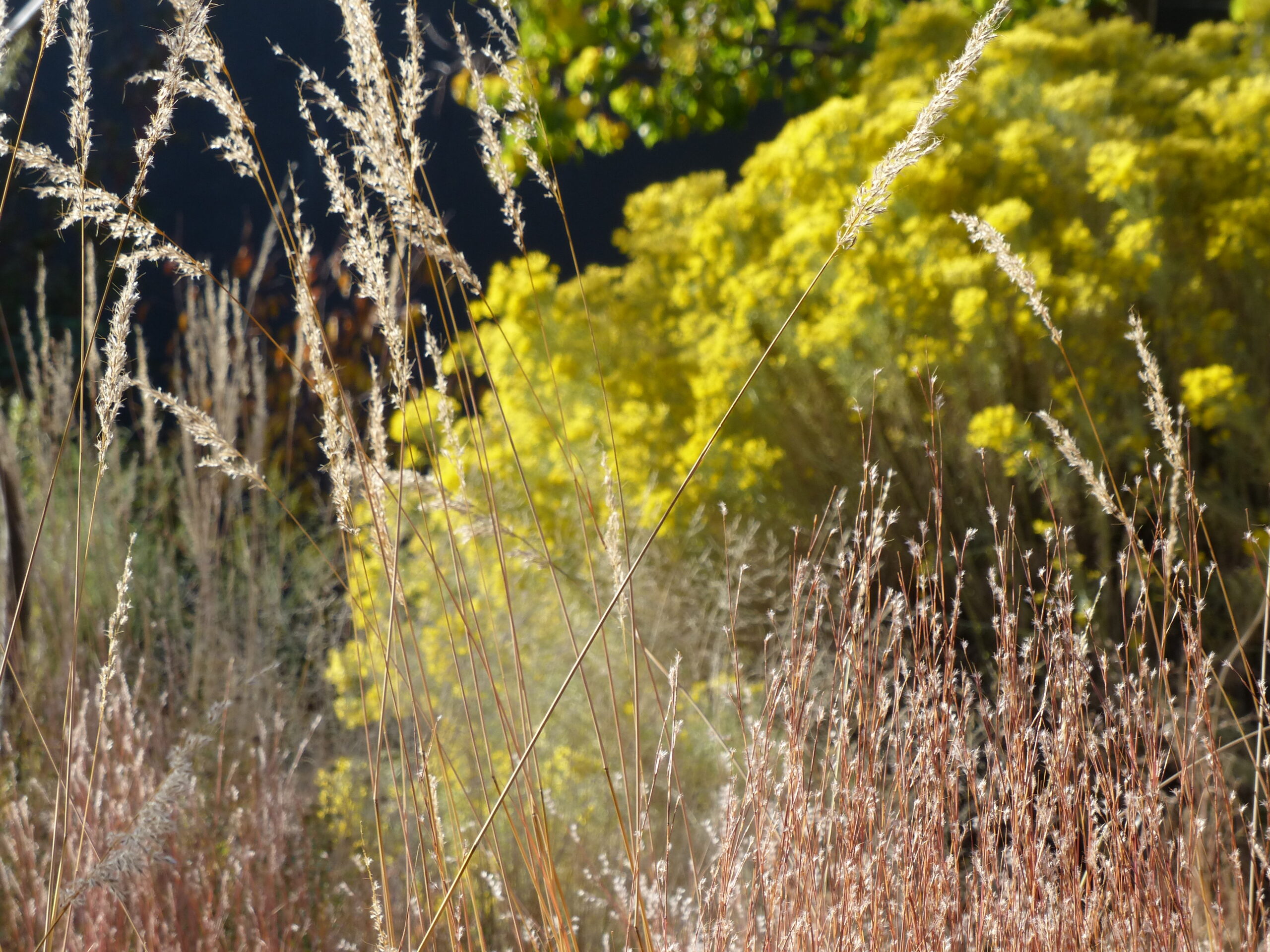
Ornamental Grasses in Fall, Photo by Wes Brittenham
As for fall pruning of shrubs, there are several reasons to hold off on using your hedge trimmers and hand pruners there, too. One reason is that the spent flowers and seed heads on some shrubs such as blue mist spirea or chamisa also provide visual winter interest and food for birds. Some common landscape plants — like autumn sage, Texas sage and lavender as well as herbs like garden sage, rosemary, thyme and oregano — benefit from being left alone in the fall. The older outside growth acts as insulation to the more tender interior of the plant, protecting it from freezing temperatures. If you cut these back in the fall, you may find that winter damage has killed back much of the plant come spring.
There is something peaceful and restorative when looking at a winter landscape. You feel the earth resting after a season of heat and growth, the stored energy in slumber and silence, waiting for the shift in seasons to spring forth in renewal.
Rest with your garden. Let the quiet, meditative nature of the dormant period reset your own seasonal clock. Enjoy the cooler autumn days and the changing of the color, texture and mood of the landscape. Feel the gentle ebb of the need to do something and allow yourself to just sit with the slow season. You deserve a rest, too.
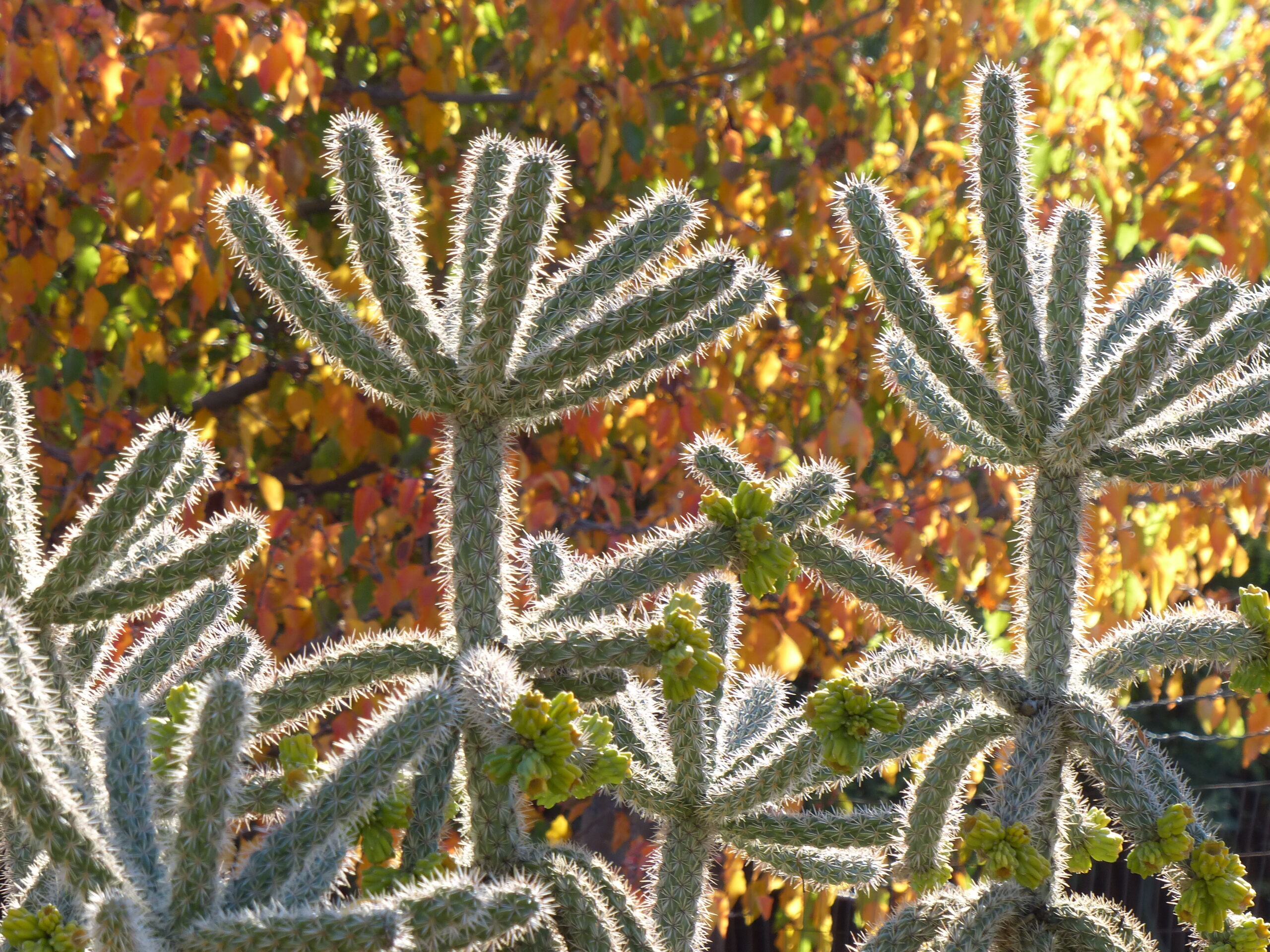
Photo by Wes Brittenham
Learn More Here:
Ornamental Grasses and How and When to Use Them
Great Natural Areas to Visit this Fall for Respite and Inspiration

Author: Wes Brittenham, artist, gardener and writer. Have a question about the article or anything else? [email protected]