Low-Water-Use Plants

Low-Water-Use Plants

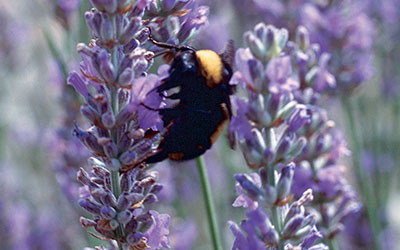
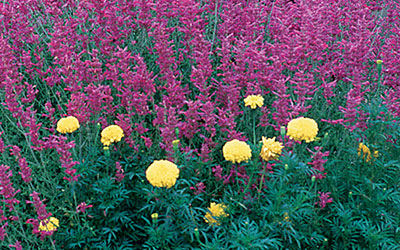
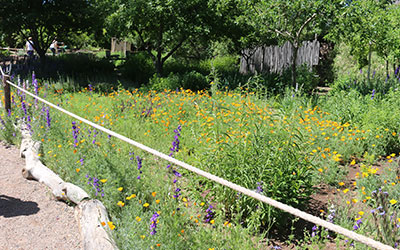
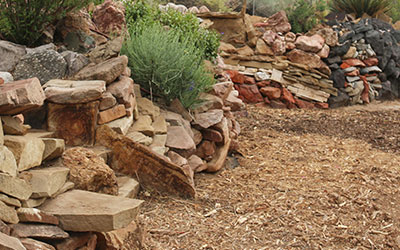
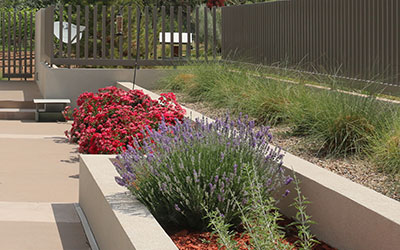
Choose native and low-water-use plants whenever possible. From the low desert of southern New Mexico to the foothills of the northern mountains, there is an amazing diversity of water-wise plants that we can use in our gardens. Whether you want to have year-round green, blazing flowers or a subtle blend of texture and color that changes through the seasons, there are well-adapted plants that can fill the space on a modest water budget. Grouping plants of like requirements also makes zoning irrigation easier and more efficient.

Rethinking Our Lawns

Rethinking Our Lawns

New Mexico is the land of enchantment. The blue- grass state is Kentucky. People love our sunny skies and low humidity; bluegrass does not. How much thirsty lawn is appropriate here? Kentucky bluegrass is a cool season grass that requires a minimum of 40 inches of rainfall a year to stay lush and green. Many cities in New Mexico average 8 inches or less precipi- tation annually. That’s why we have to water bluegrass so much here in the high desert.

If we’re going to be serious about saving water, we have to rethink our lawns. The greatest value of cool season turf is its resilience as a play surface. Com- munities maintain public parks and playing fields with taxpayer dollars, and these cool amenities serve the citizens well. Homeowners generally don’t need a soccer field of turf in their backyards, and no one needs a huge expanse of water-guzzling turf in their front yard where its main use is outdoor carpeting.

There are hundreds of plants recommended for their medium and low water use in this guide including native grasses that can create a lush-looking green cover or gorgeous tapestry of color with less than half the water it takes to maintain a lawn.

Digging the Dirt

Digging the Dirt

If you’re planting a lawn, a vegetable garden or fruit trees, you may need to add generous amounts of compost to your soil before you plant so that the soil absorbs and holds water more efficiently. If you’re landscaping with native and xeric plants, you probably don’t need to add any organic matter to the soil as these plants prefer lean soils. For arid-adapted plants, usually all you’ll need to do is loosen the soil well before you plant, and water deeply enough to encourage them to root extensively.

Save Water Outdoors

Save Water Outdoors

We encourage our customers to follow these outdoor water-saving recommendations.

  • Plant drought-resistant landscapes
    Click here for information on xeriscaping.
  • Put your irrigation system on an automatic timer
    A lot of water can be wasted in a short period of time if you forget to turn your sprinklers off. Rebates for sprinkler timers are available.
  • Don’t water when it rains
    An automatic rain sensor can shut down your sprinkler system for you. Rebates are available.
  • Use a cistern or rain barrel to collect rainwater
    1,000 square feet of roof or pavement can collect 420 gallons of water from 1 inch of rain. Rooftops or any sloping surface such as a driveway are prime “catchment” areas for rainwater. Store the collected water in a cistern or rain barrel, then siphon it off to water your garden or wash your car.  Rebates for rainwater harvesting are available.
  • Spot water
    Drier areas require more water than areas where water settles. If necessary, water dry areas by hand.
  • Use a soil probe to test soil moisture
    Water only when a soil probe shows dry soil or a screwdriver is difficult to push into the soil.
  • Water the lawn only when needed
    Step on the grass; if it springs back up when you move your foot, it does not need water.  The Water Authority recommends watering just one day per week in March, two days per week in April and May, three days per week in the summer, two days per week in September and October, and one day per week in November.  Click here for more information on the Water by the Numbers program.
  • Don’t water the pavement
    Position sprinklers so that water lands on the lawn or garden, not in areas where it is not needed. Also avoid watering when it is windy. Wind causes water to evaporate quickly and blows water onto areas where it is not needed. Remember, if it doesn’t grow, don’t water it!
  • Water without waste
    Interrupt watering when puddles or runoff occur. This allows the water to penetrate into the soil before resuming irrigation.
  • Consider drip irrigation systems around trees and shrubs
    Drip systems permit water to flow slowly to roots, encouraging strong root systems. These systems will also cut down evaporation.
  • Keep lawns free of weeds
    Weeds are water thieves and will rob your plants of water and nutrients. Spot spray or remove weeds as they appear.
  • Accept a less-than-lush lawn
    Grass will naturally go dormant during periods of drought, but will readily regenerate when water becomes available. Reduce traffic on stressed turf areas if possible.
  • Match fertilizer to the plant requirement
    Fertilizer applications require additional water. Excess fertilizer stimulates top growth, often to the detriment of the root system. Learn to accept turf grasses with low water needs.
  • Mow as infrequently as possible
    Mowing puts the grass under additional stress that requires more water.
  • Mow higher than normal
    Longer leaf surfaces promote deeper rooting and shade the root zone. Never remove more than 1/3 of the leaf blade in one mowing. Return mulched clippings to the lawn.
  • Use a broom to clean the driveway and sidewalk
    Sweeping the driveway and sidewalk will get them clean enough without wasting gallons of water.
  • Use a commercial car wash
    They’re more efficient than watering by hand, and some of them recycle their water.
  • Don’t use the sprinklers just to cool off or for play
    Running through water from a hose or sprinkler is fun but wastes gallons of water.
  • Check for leaks in pipes, hoses, and faucets
    All leaks cause water to be wasted. Repair or replace any equipment leaking water.
  • Cover your swimming pool
    Covering a swimming pool will help reduce evaporation. An average sized pool can use about 1,000 gallons of water per month if left uncovered. A pool cover can cut the loss by up to 90%.
  • Recycle your pool water
    Use your pool water to irrigate your lawn, plants, trees, and shrubs. Once you have recycled as much water as possible, drain pool water into the sanitary sewer clean-out—NOT into the street.
  • Use shut-off nozzles on hoses
    Shut-off nozzles completely turn off the water when you are not using it.
    Move sprinkler heads away from curbs or sidewalks.
  • Design for savings
    A mulch, bark, or rock area at least 8 inches wide adjacent to sidewalks and curbs will help eliminate water waste.