Creating Habitats That Attract Wildlife
There are several garden amenities that both wildlife and people find especially important:
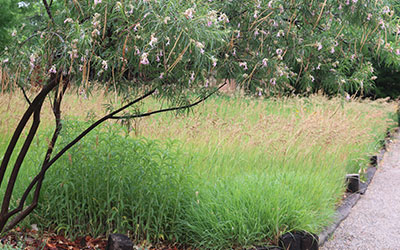
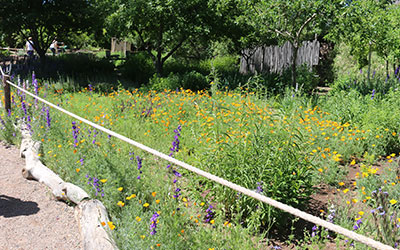
Layers of planting from tall tree canopies to low- growing groundcovers. The protection of dense vegetation in some areas and open spaces in others: groups of shrubs, flowers and grasses of different heights clustered along the edges of open space. A diverse community of plants with colorful, fragrant, nectar-rich flowers, edible fruits and seeds.
The cooling presence of water — a small water feature, especially one located in a shady spot that trickles water into a covered reservoir so evaporation is minimized, will attract wildlife and people without wasting water.
Gardens that serve wildlife are maintained a bit differently:
Bird seed and nectar feeders should be refilled and cleaned regularly.
Nectar and seed-producing plants provide sustenance with a modest amount of water and seasonal pruning/dead-heading after the birds have taken all the food.
Learn to manage with little or no pesticide use, which is good for your health and your pets as well as that of your wild guests.
Occasionally wash away bird droppings (free fertilizer—think of it as their way of saying thanks).
Weed out some plants that germinate too successfully after being processed by our feathered friends.