by 505 Outside | Dec 12, 2018 | Blog, Planting, Planting Tips, Tree Care, Xeriscape
There are so many types of trees to choose from. We don’t blame you for being confused. Here are some of our favorites, just a small list of the many trees available here in New Mexico. Before you head out to buy your tree, though, let’s chat a little bit about them.
As you look around town, you’ll notice trees come in all shapes and sizes. The key to choosing the perfect tree for your yard is picking the right tree for the right place. In fact, this phrase is popular among arborists.
When deciding what tree to plant, think about the tree size now and at maturity. It may look small now, but how big will it grow once it’s mature? Make sure you provide enough room for future growth. No one wants branches growing into power lines, roots disrupting your foundation or leaves blocking the solar panels on your neighbor’s house.
Learn about the rate of growth of the tree, too, so you know how long it will take to get to mature height. Other key factors in choosing the perfect tree are understanding what sun exposure the tree likes. Does it like full sun all day? If so, plant it on the south side of the house or in a location where buildings will not block its access to sunlight. Cold hardiness, heat tolerance, soil preference and irrigation needs should all be considered when choosing a tree species.
Trees are also a long-term investment. Take the time now to choose the right tree for the right place and you’ll save money in the long run.
This list of recommended trees is broken into deciduous and evergreen trees.

A deciduous tree loses its leaves annually in the fall.

Evergreen trees shed their leaves or needles periodically, but usually remain green throughout the year.
Large Deciduous Trees
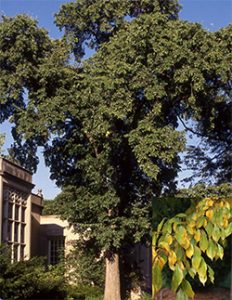
‘Accolade’ Elm, Ulmus japonica x wilsoniana ‘Morton’
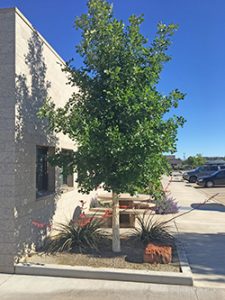
Burr Oak, Quercus marcrocarpa
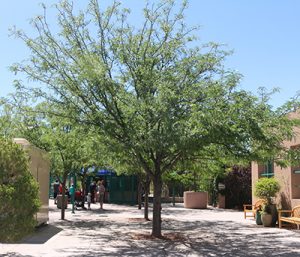
‘Shademaster’ Honeylocust, Glenditsia triacanthos ‘Shademaster’
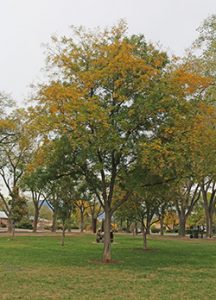
Japanese Pagoda Tree, Sophora japonica
Medium Deciduous Trees
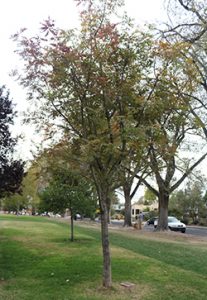
Chinese Pistache, Pistacia chinensis
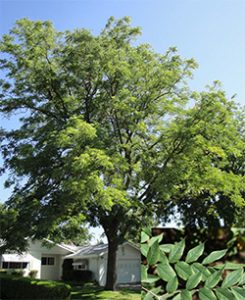
‘Expresso’ Kentucky Coffee Tree, Gymnocladus ‘Espresso-JFS’
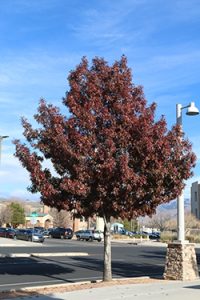
Texas Red Oak, Quercus buckleyi
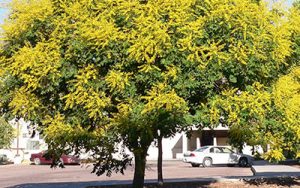
Goldenrain Tree, Koelreuteria paniculata
Small Deciduous Trees
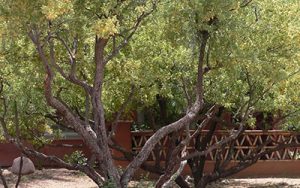
Mesquite, Prosopis pubescens
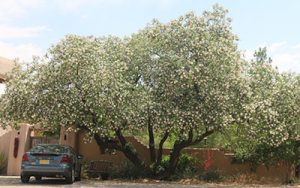
Desert Willow, Chilopsis linearis
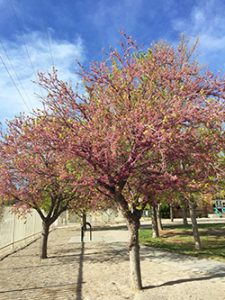
Oklahoma Redbud, Cercis candensis var. Texansis ‘Oklahoma’
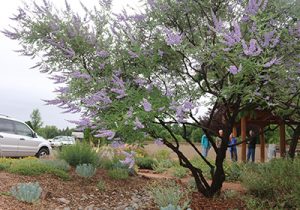
Purple Chastetree, Vitex agnus-castus
Evergreen Trees
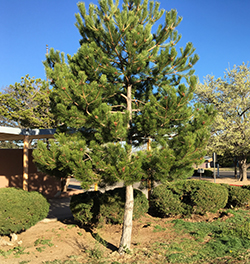
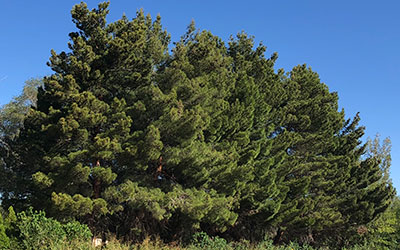
Austrian Pine, Pinus nigra
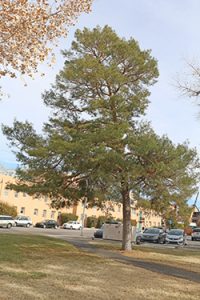
Scotch Pine, Pinus sylvestris
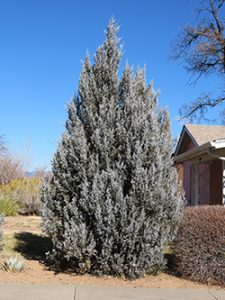
Whichita Blue Juniper, Juniperus scopulorum ‘Wichita Blue’
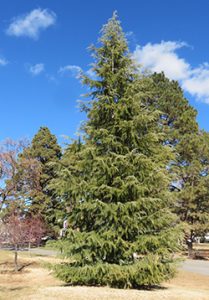
Deodor Cedor, Cedrus deodara

Photography Courtesy of: Trees of Corrales, Waterwise Landscapes, My Landscape Coach, and The University of Minnesota
by 505 Outside | Nov 14, 2018 | Blog, Fall, Planting, Planting Tips, Tree Care
Three reasons why fall is a great time to plant trees:
- Trees planted in the fall perform better come spring, compared to those planted in the summer, because tree roots are still active over the winter. This winter root development of newly planted trees, prepares it for spring, allowing its roots to spread out and then help the tree become established faster when temperatures begin to warm again.
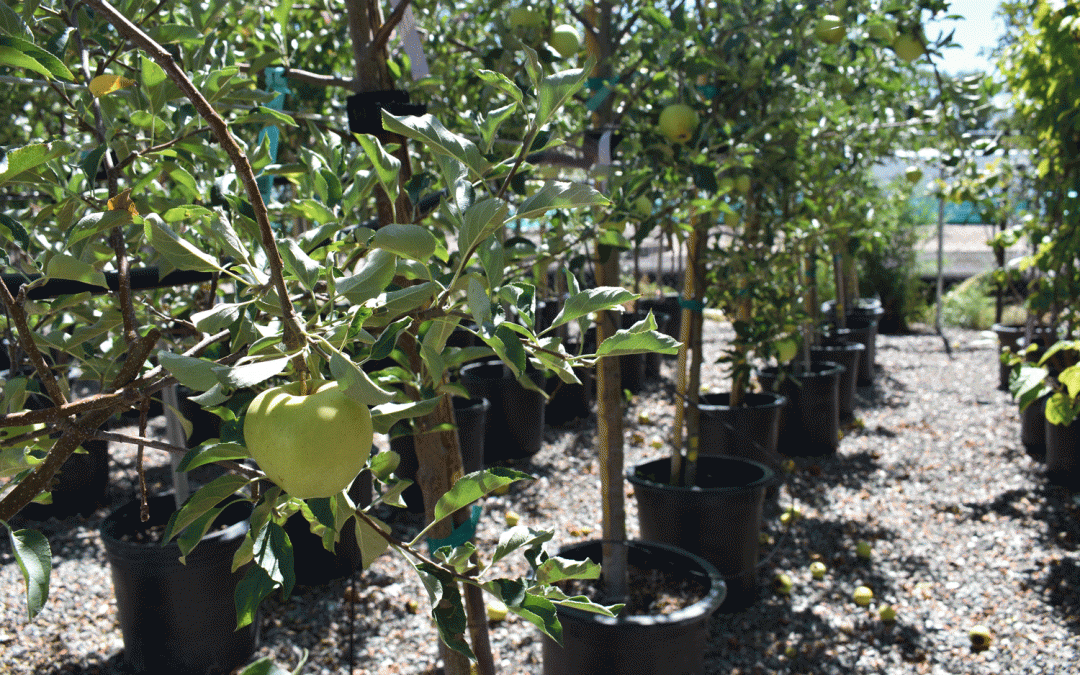
- If planting a large ‘ball and burlap’ tree, fall offers the best choice for getting the tree species you want. This is when local tree nurseries dig up their trees from the fields and get them ready for sale. If planting a smaller containerized tree (nursery pot), be careful about selecting a tree that has been drought stressed all summer or has been in a container for too long and is too root bound. See this handy cue card for more information about selecting a good quality tree from your local nursery. https://www.urbantree.org/pdf/treequalityonsheet.pdf
- Less watering is required in the fall because the soil retains more moisture than in the summer, due to lower temperature, shorter days, and the fact that plants are not transpiring as much water. For tips on watering and caring for a newly planted fall tree, check out our other articles on trees.
Take advantage of our TREEBATES! The Water Authority offers money back on the purchase of new trees and for the care of existing trees such as professional pruning or mulch. Learn more here.
by 505 Outside | Aug 2, 2018 | Blog, Edibles, Planting, Planting Tips
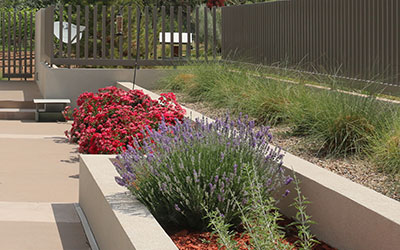
Many homeowners are interested in planting in raised beds. It can be great for homeowners who worry about their soil. Planting in raised beds allows you to add the exact soil you want. Another popular reason is the interesting visual element the raised bed will provide in your yard. A few other tips about planting in raised beds are listed below.
- Planting desert accents, like agave and prickly pear, in raised beds gives them the good drainage they prefer. It allows leaf litter from nearby plants to collect at the base of the bed instead of between the prickly leaves and stems making it much easier to maintain.
- When planting in raised beds always remember to include at least 3″ of an organic mulch. Organic mulches help to retain moisture around plant materials. This prevents water waste.
- Don’t forget to plan out your irrigation system prior to installing your raised bed. You may find you’ll need to plan in some openings to bring the irrigation up into the bed.
- We recommend installing drip irrigation for raised beds. It will provide just the right amount of water to your plants and decrease the likelihood of over watering your garden.
by 505 Outside | Aug 2, 2018 | Blog, Planting, Planting Tips, Pollinators and Wildlife, Summer
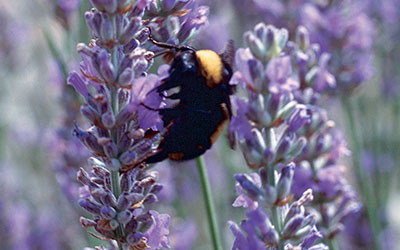
The genus Lavandula is a favorite group of ornamental herbs native to southern Europe and the Mediterranean. These are sun-loving plants that thrive in hot weather and grow well in the West in a wide range of soils, even compost-enriched garden loams, as long as they are well drained. Heavy, poorly drained clay soils can be fatal to lavenders.
In spring, before the plants begin to show signs of new growth, cut back the old stems by one-third to
re-invigorate the plant and encourage a good show of summer flowers. Lavender plants require two to three growing seasons to reach mature size.
The two major groups of Lavenders include the English Lavenders (L. angustifolia varieties) and the Lavandins (L. x intermedia varieties), which are hybrids between English lavender and another species, Lavandula latifolia. Generally speaking, the English lavenders have the deepest flower color, while the Lavandins are taller plants with larger flowers and longer flower stems.
The English lavenders are often preferred as a source of dried flowers while the Lavandins are typically used for oil production, potpourris and lavender wands.
by 505 Outside | Aug 2, 2018 | Blog, Planting, Planting Tips, Spring, Summer
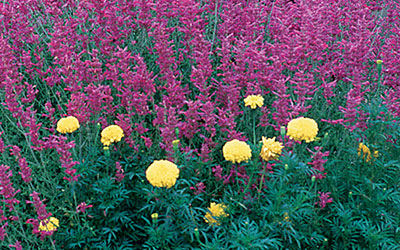
Many flowers will bloom longer or bloom again after a short rest if the spent flower stems are removed once the blossoms fade.
Wildflowers such as Penstemon may be longer-lived if the spent flower stems are removed before the plants put energy into producing seeds.
Unwanted self-sowing can also be prevented by cutting back plants after they bloom but before they form seeds.
Flowers in habitat gardens may be allowed to set seeds to provide food for wildlife and cut back after the banquet is over.
An extra deep watering or two may keep plants in bloom longer, especially if the weather has been hot and windy with little rain.
by 505 Outside | Aug 2, 2018 | Blog, Planting, Planting Tips, Pollinators and Wildlife
There are several garden amenities that both wildlife and people find especially important:
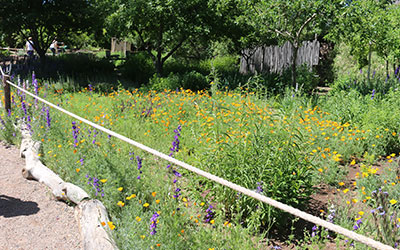
Layers of planting from tall tree canopies to low- growing groundcovers. The protection of dense vegetation in some areas and open spaces in others: groups of shrubs, flowers and grasses of different heights clustered along the edges of open space. A diverse community of plants with colorful, fragrant, nectar-rich flowers, edible fruits and seeds.
The cooling presence of water — a small water feature, especially one located in a shady spot that trickles water into a covered reservoir so evaporation is minimized, will attract wildlife and people without wasting water.
Gardens that serve wildlife are maintained a bit differently:
Bird seed and nectar feeders should be refilled and cleaned regularly.
Nectar and seed-producing plants provide sustenance with a modest amount of water and seasonal pruning/dead-heading after the birds have taken all the food.
Learn to manage with little or no pesticide use, which is good for your health and your pets as well as that of your wild guests.
Occasionally wash away bird droppings (free fertilizer—think of it as their way of saying thanks).
Weed out some plants that germinate too successfully after being processed by our feathered friends.