Many homeowners would like a turf grass lawn, but might feel
irresponsible watering a lawn in the arid Southwest. The key to choosing a turf
grass is to determine the one most suited to the specific needs of your
landscape.
There are two different categories of turf grasses: cool season and warm season. Cool season grasses are Kentucky bluegrass, perennial ryegrass and tall fescue. These are cold tolerant, green most of the year, and hold up to extensive amounts of foot traffic. But they use a lot of water. Warm season grasses are Bermuda grass, blue grama, and buffalo grass. Warm season grasses have a shorter growing season. This means they green up in mid Spring, are low maintenance, and require less water than cool season grasses. But blue grama and buffalo grass can’t take extensive foot traffic.
Grasses should not be selected solely on perceived water use. Depending on the purpose and function of the turf area, traffic tolerance, recuperative ability, maintenance and aesthetic appearance should also be considered.
Four Turf Grasses for Albuquerque
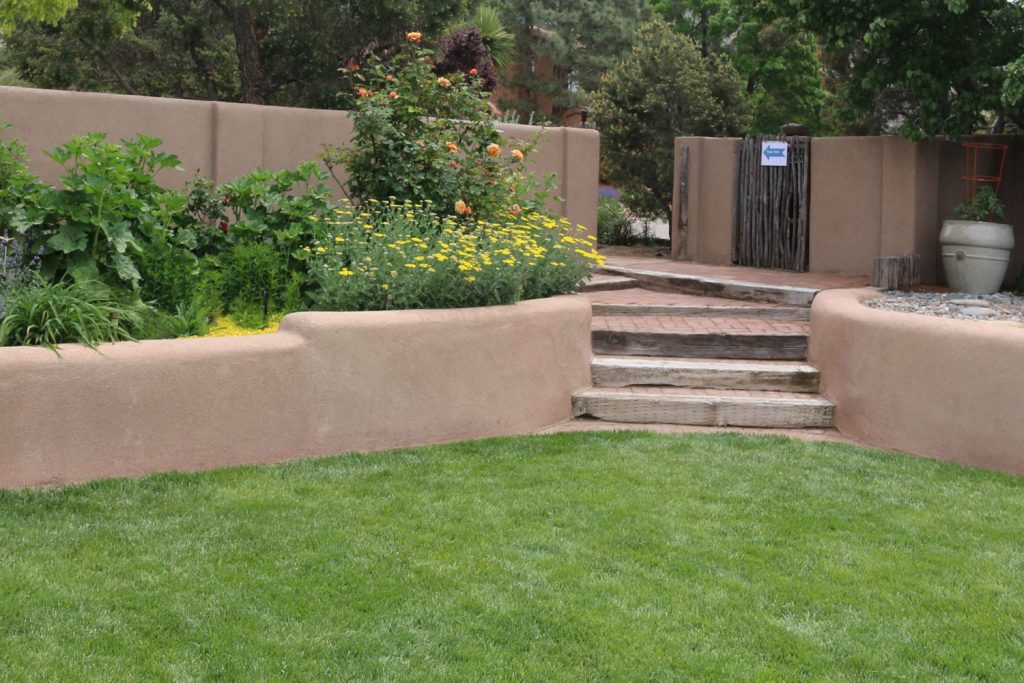
Park Blend grass, a combination of Kentucky bluegrass, perennial ryegrass, and tall fescue
PARK BLEND: The most popular turf grass lawn here, used by the City of Albuquerque and homeowners alike, is Park Blend. Park Blend combines all the cool season grasses into a blend of Kentucky bluegrass, ryegrass and tall fescue, taking advantage of the positive attributes of all three grasses in one turf. Park Blend performs beautifully through warm summers and is especially well-suited to New Mexico's growing conditions. While it does need about 37"- 41" inches of water a year, this is a great choice for a lawn that will receive a lot of traffic. It does require regular mowing and weed control.
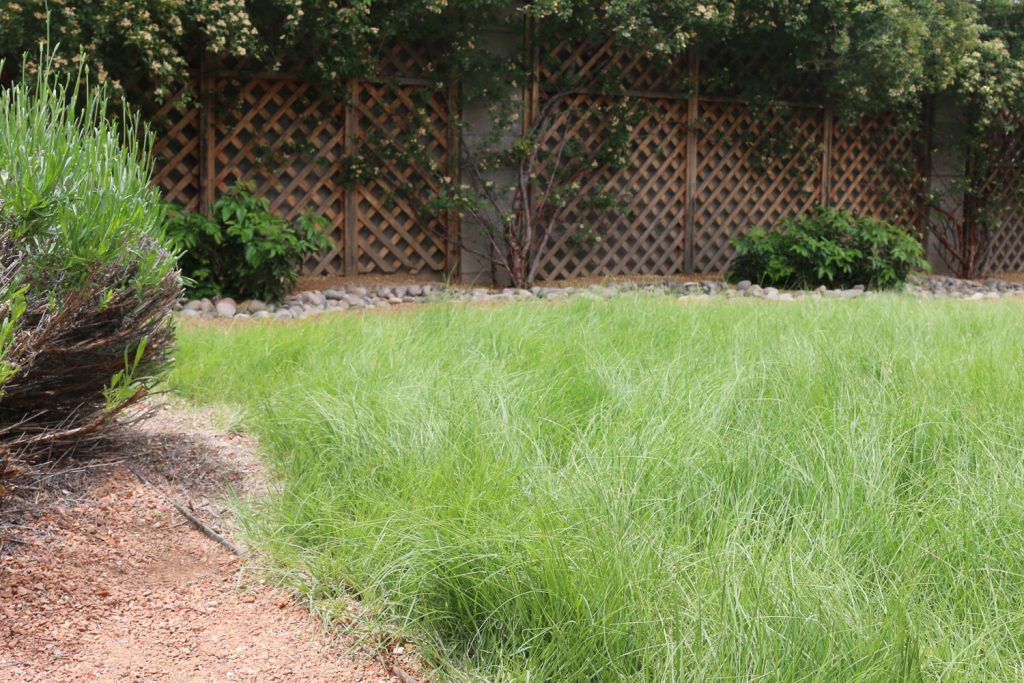
Buffalo grass, Bouteloua dactyloides
BUFFALO GRASS: Choose warm season buffalo grass for a beautiful low growing, low water and low maintenance grass. It will handle light traffic, rarely requires mowing and uses around 24" - 28" inches of water a year.
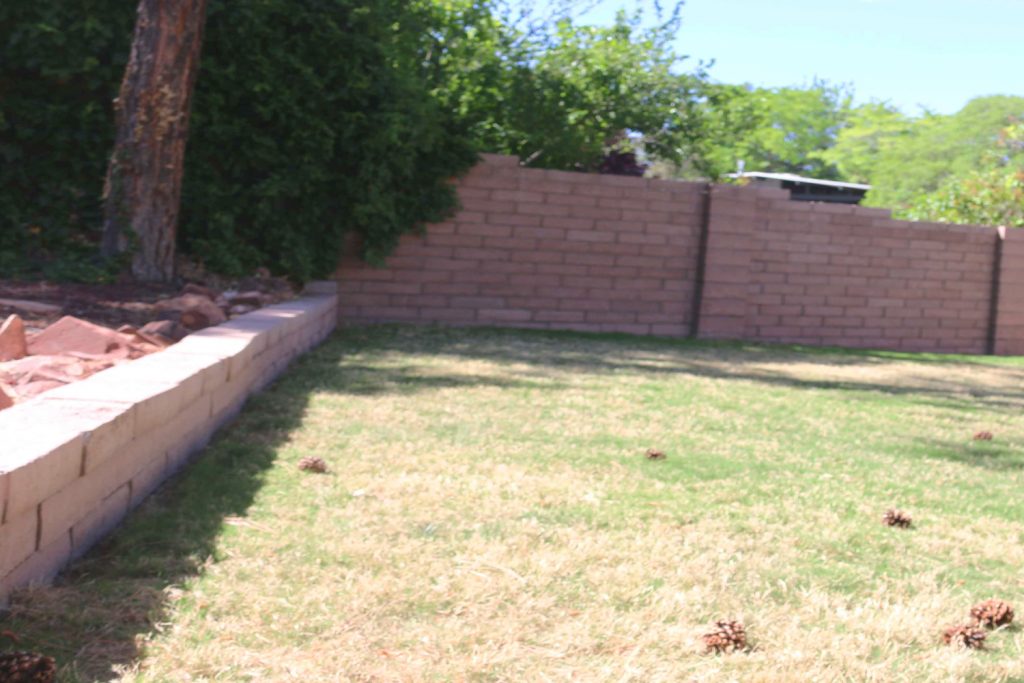
Bermuda grass, Cynodon ‘PWIN04S’ Dog Tuff
BERMUDA GRASS: Bermuda grass is a great choice for a low water, low maintenance grass with medium foot traffic. The downside is that it does spread prolifically via runners. It is best to surround this grass with an 8-inch-wide and deep edger to keep it in check. Bermuda grass uses about 22 - 26 inches of water a year and requires a few mowings a year.
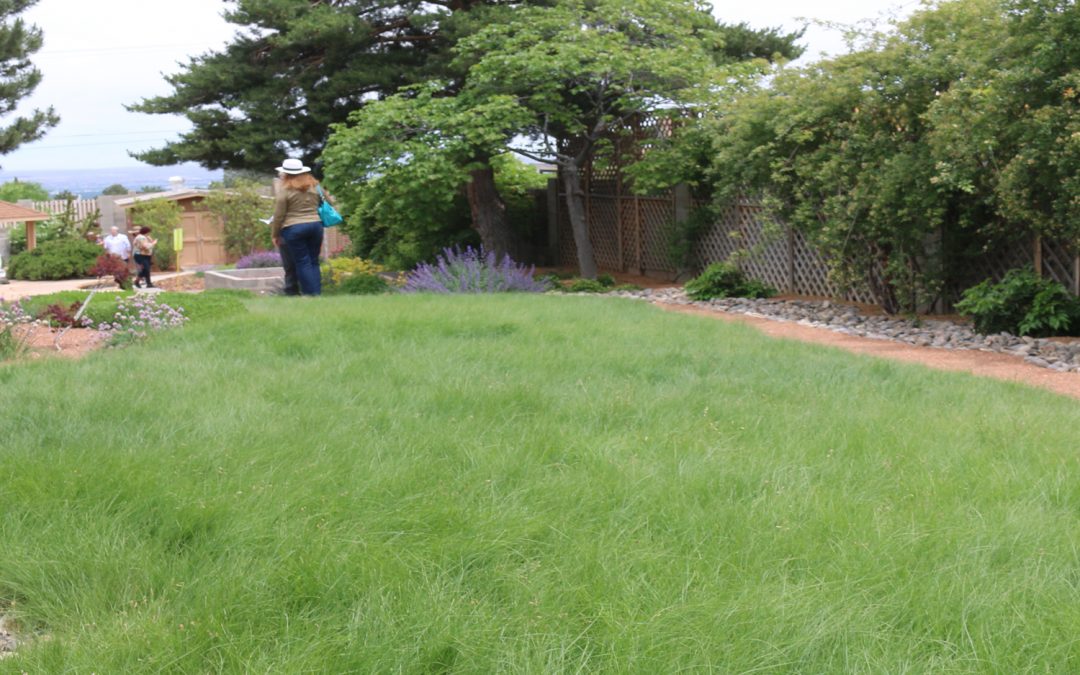
Blue grama grass, Bouteloua gracilis
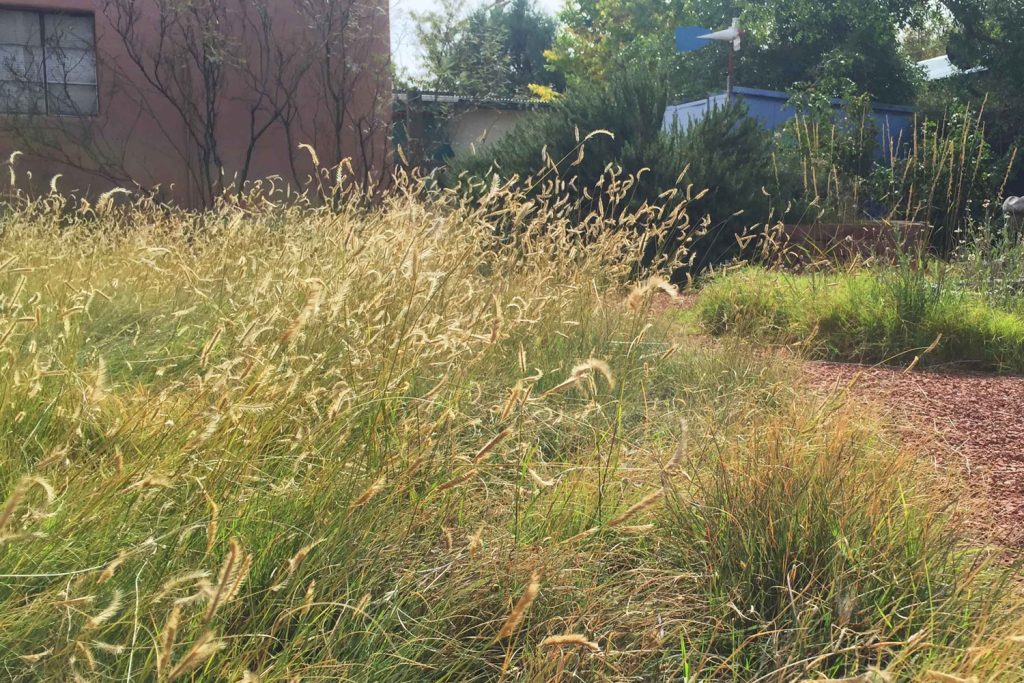
BLUE GRAMA GRASS: Choose blue grama grass for a stunning native meadow look. It can be seeded with wildflowers for a beautiful spring and summer appearance. Keep the eyelash like seed heads on the grass through the fall and winter for both aesthetics and wildlife appeal. This grass uses about 18 - 20 inches of water a year. Trim and dethatch once in late winter for best appearance.
PRO TIPS: prepare the soil well before planting turf grasses, water early in the morning or late evening, keep grasses to a mow height of 3-4" so the soil stays cooler, service the irrigation system regularly to check for efficiency.
Author: Jill Brown, ASLA Landscape Architect and owner of My Landscape Coach in Albuquerque, NM. Resources: Turfgrass irrigation Circular 660 Bernd Leinauer, Professor and Extension Turfgrass Specialist NM State University, Growing the Southwest Garden by Judith Phillips, High Country Gardens, Plants of the Southwest. Even more resources about turfgrasses can be found over at NMSU.
Water the lawn only when needed
Step on the grass; if it springs back up when you move your foot, it does not need water. The Water Authority recommends watering just one day per week in March, two days per week in April and May, three days per week in the summer, two days per week in September and October, and one day per week in November.
Accept a less-than-lush lawn
Grass will naturally go dormant during periods of drought but will readily regenerate when water becomes available. Reduce traffic on stressed turf areas if possible.
Mow as infrequently as possible
Mowing puts the grass under additional stress that requires more water.
Mow higher than normal
Longer leaf surfaces promote deeper rooting and shade the root zone. Never remove more than 1/3 of the leaf blade in one mowing. Return mulched clippings to the lawn.
Match fertilizer to the plant requirement
Fertilizer applications require additional water. Excess fertilizer stimulates top growth, often to the detriment of the root system. Learn to accept turf grasses with low water needs.
Keep lawns free of weeds
Weeds are water thieves and will rob your plants of water and nutrients. Spot spray or remove weeds as they appear.
Don’t water the pavement
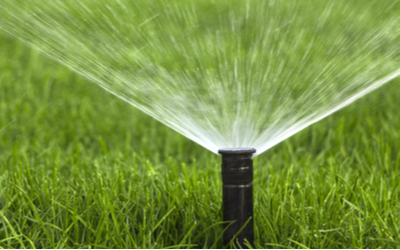
Move sprinkler heads away from curbs or sidewalks. 12” or more away from a paved service is a good rule of thumb.
Signs of under watering your grass:
Turns bluish-grey
Grass doesn’t spring back after being stepped on
It is difficult to push a screwdriver into the soil
New Mexico is the land of enchantment. The blue- grass state is Kentucky. People love our sunny skies and low humidity; bluegrass does not. How much thirsty lawn is appropriate here? Kentucky bluegrass is a cool season grass that requires a minimum of 40 inches of rainfall a year to stay lush and green. Many cities in New Mexico average 8 inches or less precipi- tation annually. That’s why we have to water bluegrass so much here in the high desert.
If we’re going to be serious about saving water, we have to rethink our lawns. The greatest value of cool season turf is its resilience as a play surface. Com- munities maintain public parks and playing fields with taxpayer dollars, and these cool amenities serve the citizens well. Homeowners generally don’t need a soccer field of turf in their backyards, and no one needs a huge expanse of water-guzzling turf in their front yard where its main use is outdoor carpeting.
There are hundreds of plants recommended for their medium and low water use in this guide including native grasses that can create a lush-looking green cover or gorgeous tapestry of color with less than half the water it takes to maintain a lawn.