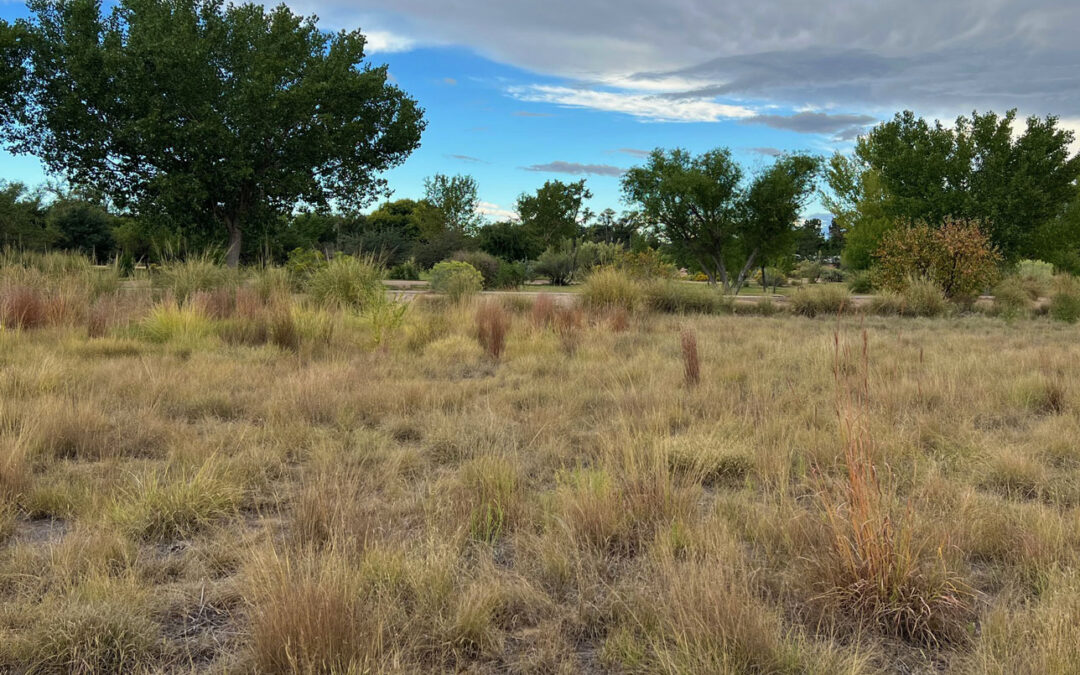
In the heart of Albuquerque, the Rio Grande Bosque includes 4,300 acres of protected cottonwood gallery forest. It’s a great natural space to find inspiration for your own landscape. The bosque is just one of many beautiful open space areas in the greater Albuquerque area that provide recreation, conservation, education, heritage and design inspiration. The plants you see in these natural areas are likely to do well in yards in that same part of town. Plants that are growing near each other will make good combinations in yards as well.
Today, we are highlighting a couple of beautiful natural areas to visit along the Rio Grande, all offering educational opportunities and recreational trails.
Paseo del Bosque Trail
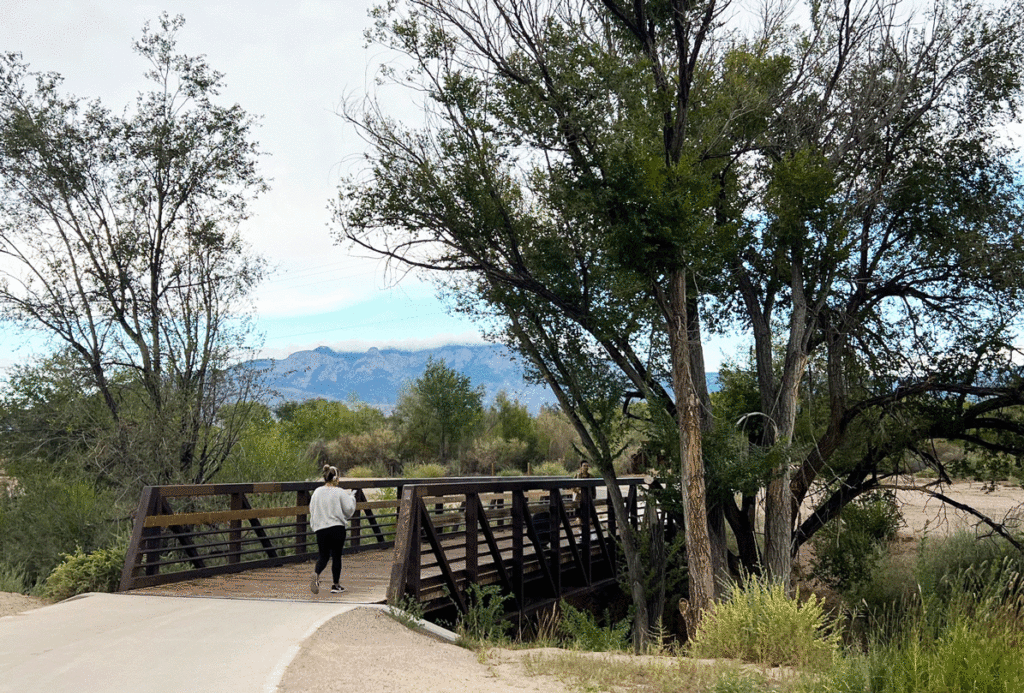
This 16-mile long uninterrupted trail connects Albuquerque’s North and South valleys, starting at Alameda NW next to the Bachechi Open Space. Heading south, the paved trail passes the Rio Grande Nature Center State Park and the Albuquerque BioPark near Central Avenue before ending south of the National Hispanic Cultural Center. Because this is a multiuse trail, you are likely to encounter more than bicyclists, walkers and runners. The trail also is used by people with wheelchairs, in-line skaters, equestrians, families with strollers and others. The City Parks and Recreation Department reminds users to remember that “courtesy and caution are a part of having an enjoyable and safe experience on Open Space trails.”
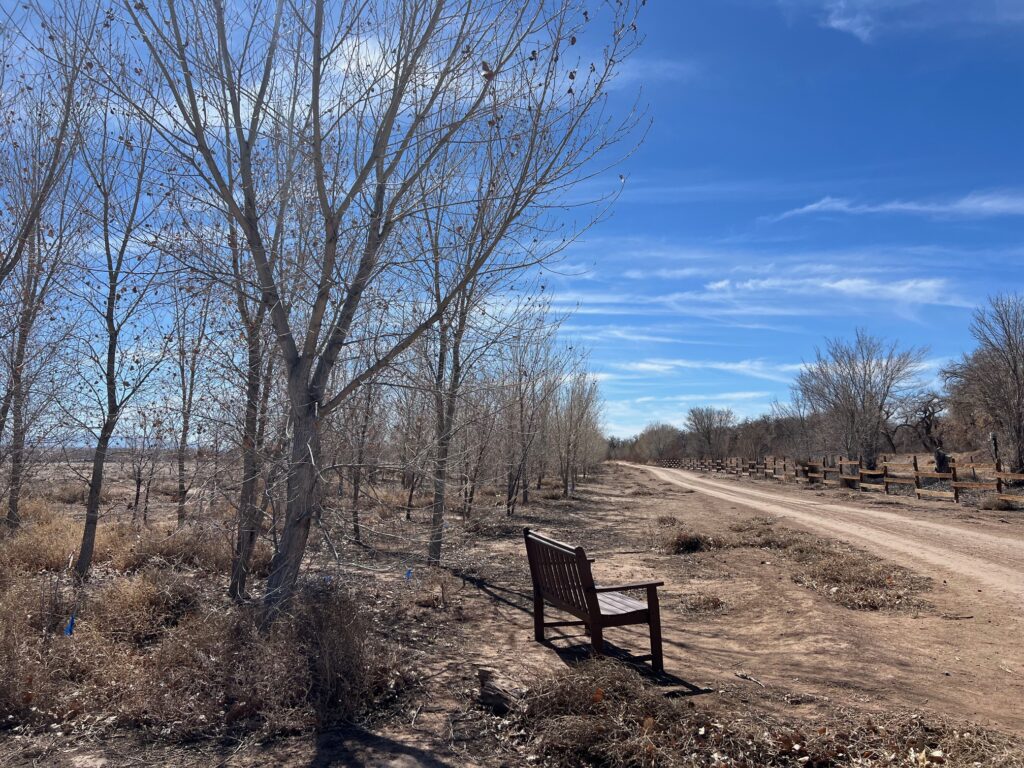
Paseo del Bosque multi-use trail
Bachechi Open Space
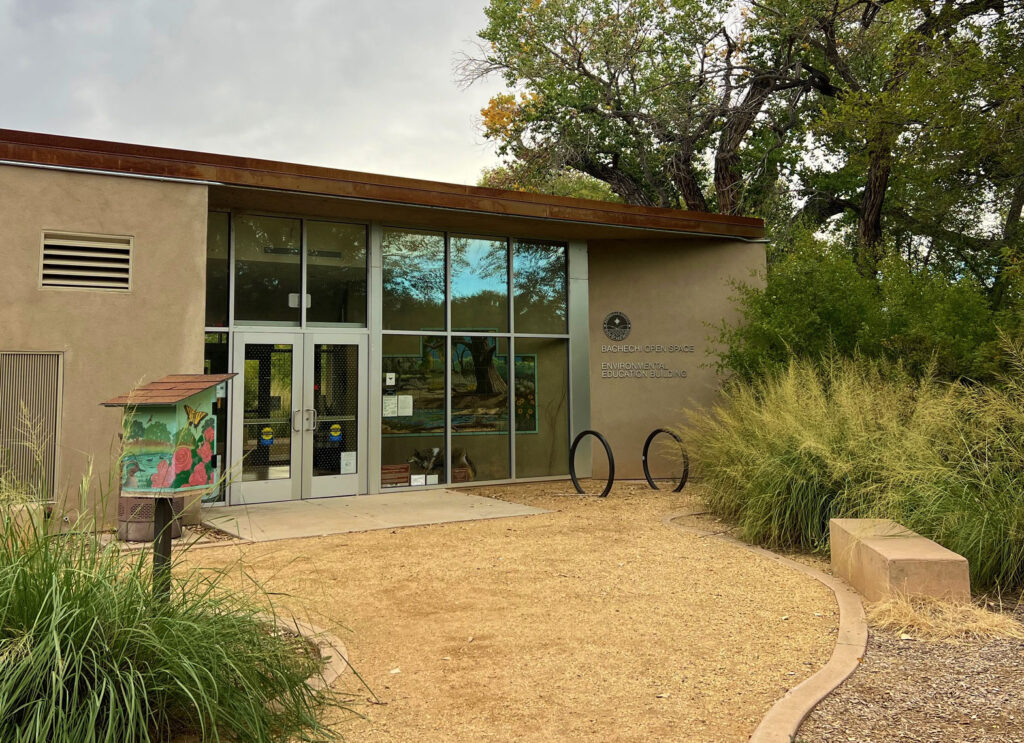
Brought to you by Bernalillo County and located along the Paseo del Bosque Trail south of Alameda NW, Bachechi is a 28-acre open space area with an Environmental Education Building that includes an indoor interpretive area and an outdoor classroom. Here, kids can grab Nature Packs, kid-sized backpacks filled with guides, hands-on supplies and activity sheets to teach kids how to explore the open space area. There are a variety of interpretive trails through native landscaping and migratory waterfowl habitat, which includes blinds for viewing the birds and other wildlife. An arboretum on the northern 8 acres of the property shows off many specimens of trees.
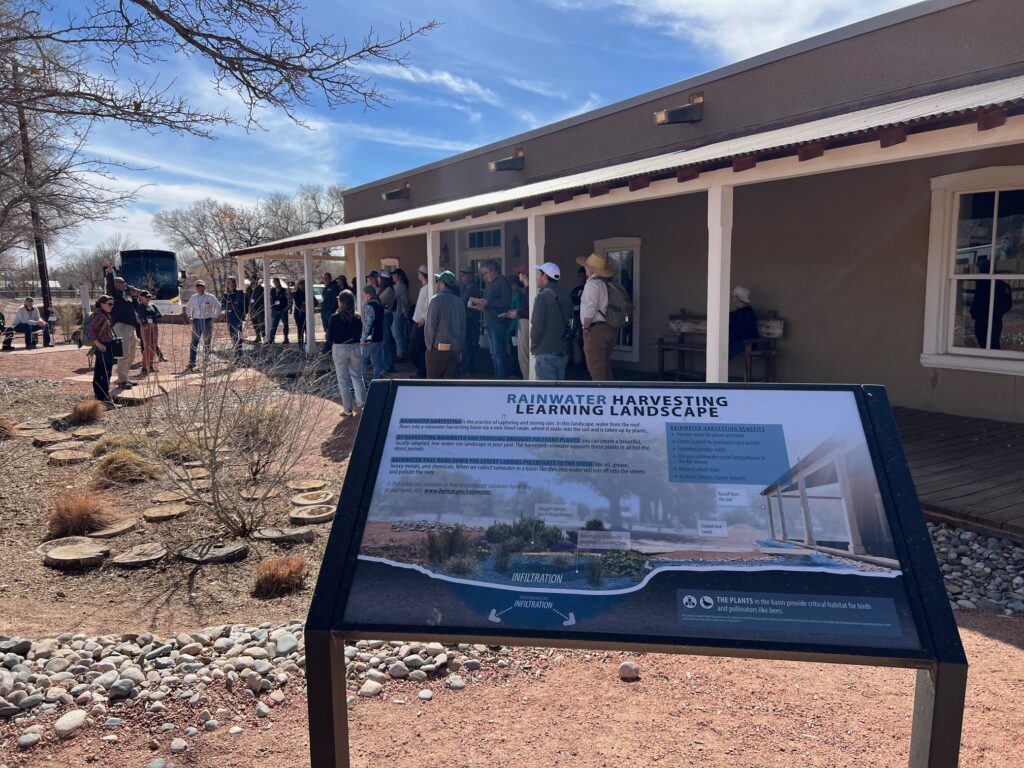
Environmental Education Building at Bachechi Open Space
Rio Grande Nature Center State Park
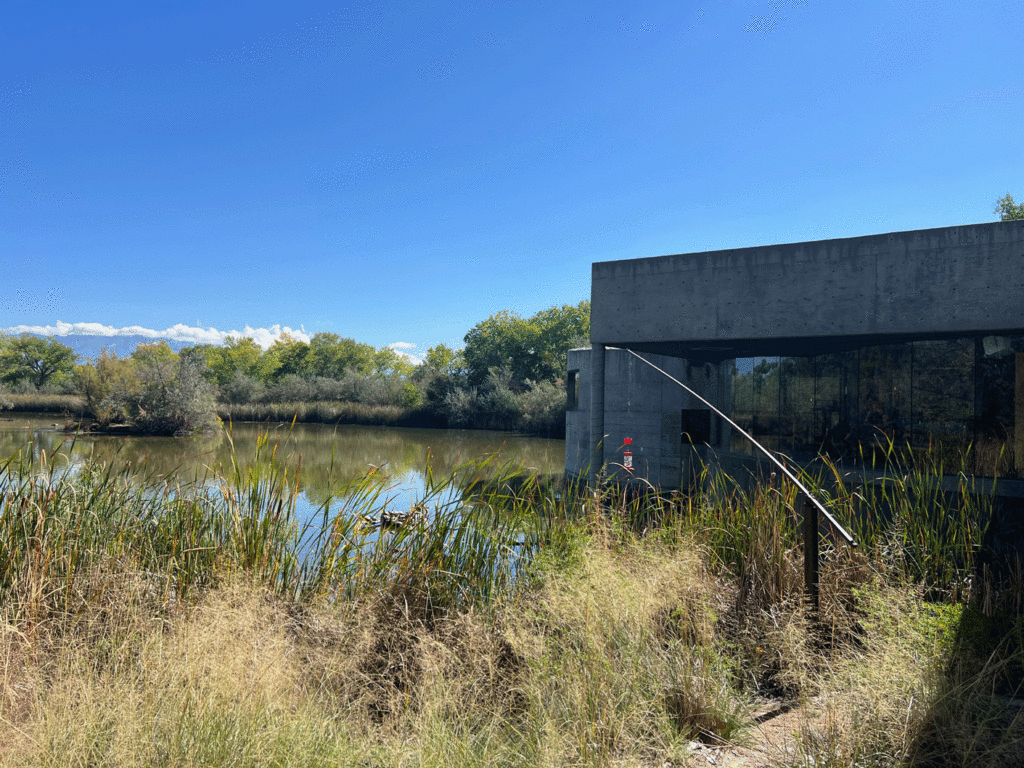
A New Mexico state park located in the middle of the city, the nature center focuses on bird watching with many wildlife viewing areas overlooking native gardens and ponds. The park also offers many trails, including loop hiking and interpretive trails plus access to the Paseo del Bosque multiuse trail.
Rio Grande Nature Center State Park
Open Space Visitor Center
The City of Albuquerque visitor center has exhibits interpreting the natural and cultural resources the Open Space Division protects. Rotating exhibits feature local artists highlighting New Mexico landscapes. Spacious indoor and outdoor bird viewing areas allow visitors to watch sandhill cranes, Canada geese and other migratory birds during the fall and winter.
A short walk leads to an agricultural demonstration garden that shows off different farming methods and the foods that were collected and cultivated in New Mexico. A longer walk goes to the LAND/ART exhibition pieces in place since 2009.
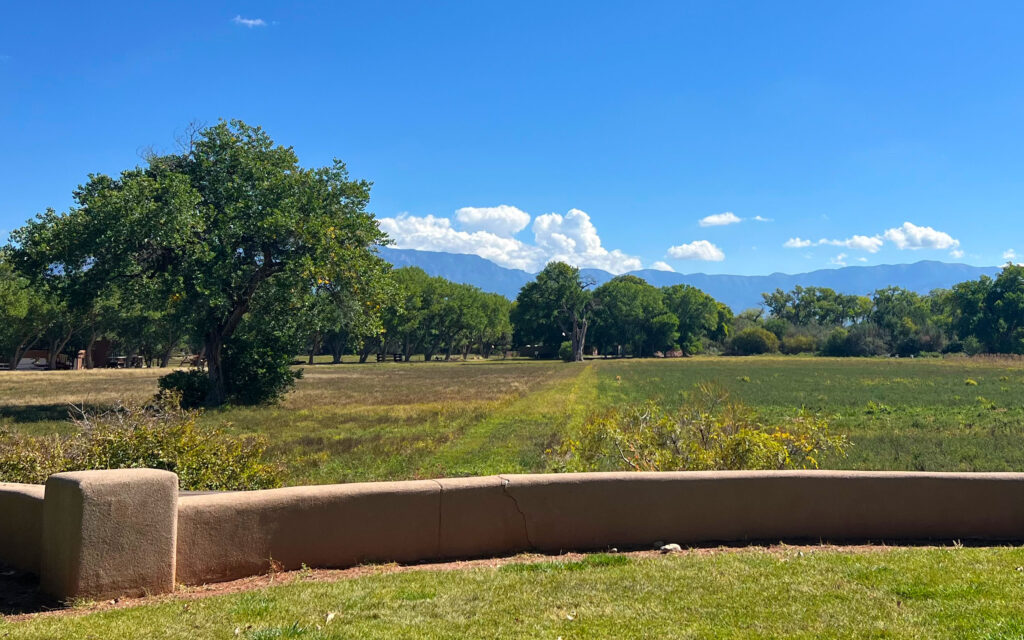
Open Space Visitor Center Bird Viewing Across the Farm Fields.
Natural areas and community gardens are great places to find inspiration for your landscape. We often look to neighbors’ yards, books, magazines or plant nurseries to get ideas, but those aren’t the only options. The greater Albuquerque area is home to beautiful open space areas that offer us places for recreation and conservation, but also are great sources of education and design inspiration. The plants you see in these natural areas are likely to do well in yards in that same part of town. Pay attention to what plants grow near each other as these will make good combinations in your yard as well.
Today, we are highlighting a couple of beautiful natural areas to visit in and around the South Valley.
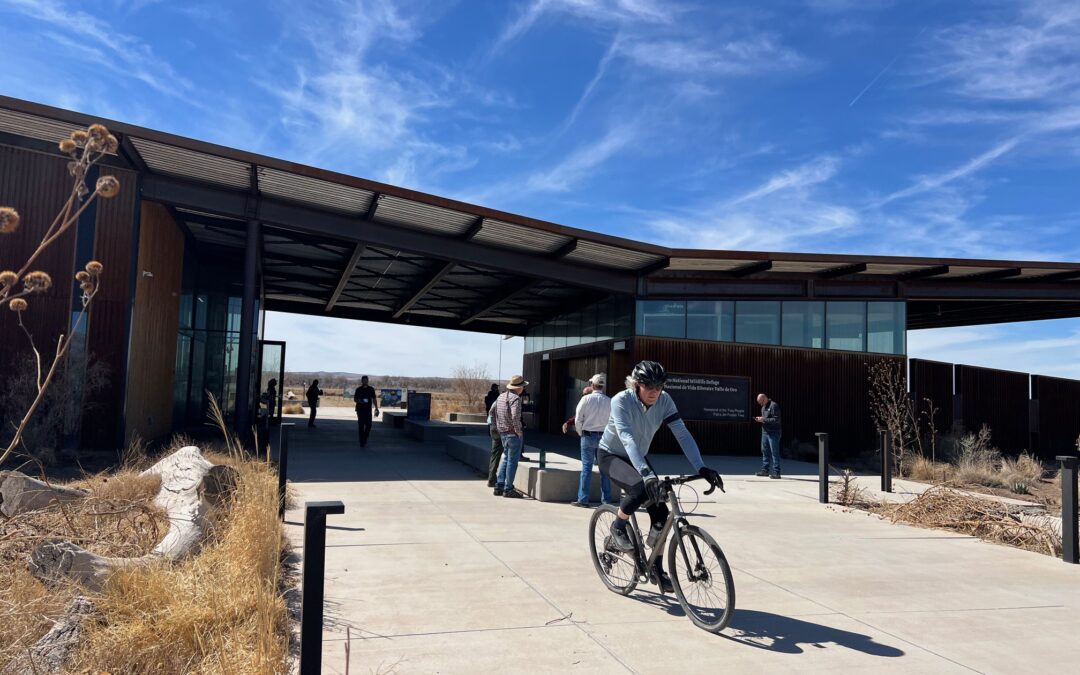
Valle de Oro National Wildlife Refuge
Did you know that within our great city, there is a national wildlife refuge? It was established in 2012 and is one of the most ambitious urban conservation projects in the nation. Tucked behind an industrial zone in the South Valley, the Valle de Oro National Wildlife Refuge provides an escape from the city. Enjoy a peaceful wetland demonstration pond, beautiful sunsets, and walking trail loops that mark the beginning of extensive transformation plans. Stop by the visitor center to learn about upcoming events and how you can help re-wild the land both on the refuge and in your community.
Valle de Oro offers a diversity of activities, including bicycling, bird watching, photography, horseback riding, dog walking, hiking, jogging, picnicking, education and interpretation. There are loop trails of all lengths available with the longest trail bringing you to the Rio Grande Bosque.
Gutierrez Hubbell House History and Cultural Center
Nearby and located on the original path of the El Camino Real de Tierra Adentro National Historic Trail is the Gutierrez Hubbell House History and Cultural Center. Located at 6029 Isleta SW in Albuquerque, it is run by Bernalillo County and noted for its state and national historic status.
The Gutiérrez-Hubbell Open Space is an approximately 16-acre property that features the restored Gutiérrez-Hubbell House, courtyard, kitchen garden, heritage orchard, historic acequia and several actively farmed agricultural fields.
The house, a 5,700-square-foot earthen/adobe structure, is listed on the National Register of Historic Places and is a National Park Service certified site. Once a private residence of the prominent Gutiérrez and Hubbell families, it was also the location of a stagecoach stop, trading post and post office from the late 1860s to 1929. In 2000, the property was purchased by Bernalillo County and is managed as a Bernalillo County Open Space. Curated as a museum and educational center, the house also has community and gallery space and host several large events annually. Check the free backyard farming workshops and quarterly composting series that are held at the property.
Author: Jill Brown, ASLA, is a landscape architect and owner of My Landscape Coach in Albuquerque. Have a question about the article? [email protected]
Inspiration for your yard can come from a multitude of places — neighbors’ yards, books, magazines or visits to plant nurseries and botanic gardens — but it can also come from experiencing nature. The greater Albuquerque area is surrounded by beautiful open space areas that provide recreation, conservation, education, heritage and design inspiration. The plants you see in these natural areas are likely to do well in yards in that same part of town. Plants that are growing near each other will make good combinations in yards as well.
Today, we are highlighting some beautiful natural areas to visit on the West Side of Albuquerque.
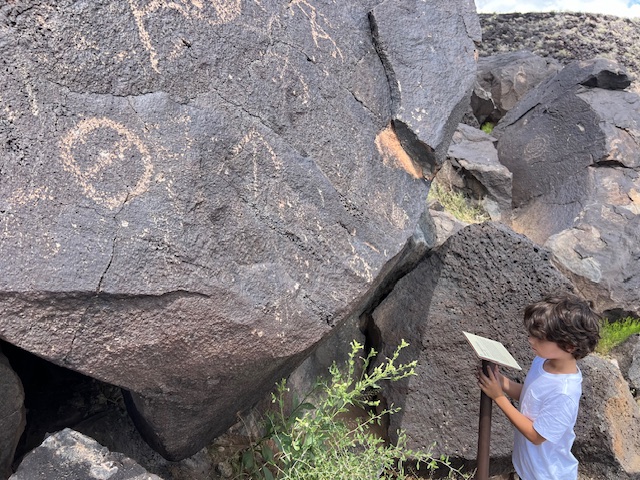
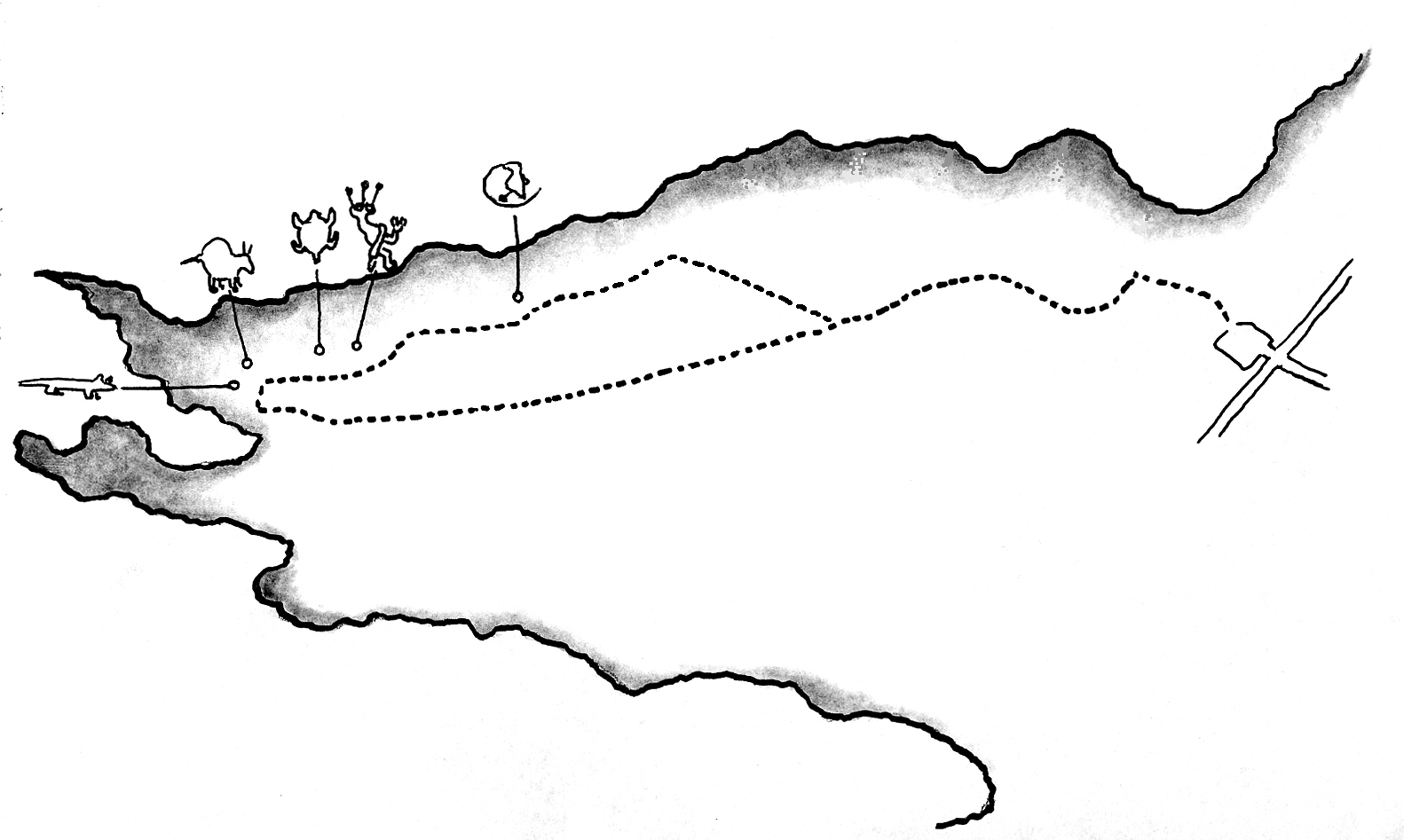
One of the largest petroglyph sites in North America is located right here. Petroglyph National Monument is a short drive from the center of town. It features designs and symbols carved onto volcanic rocks by Native Americans and Spanish settlers 400-700 years ago. According to the National Park Service, “These images are a valuable record of cultural expression and hold profound spiritual significance for contemporary Native Americans and for the descendants of the early Spanish settlers.”
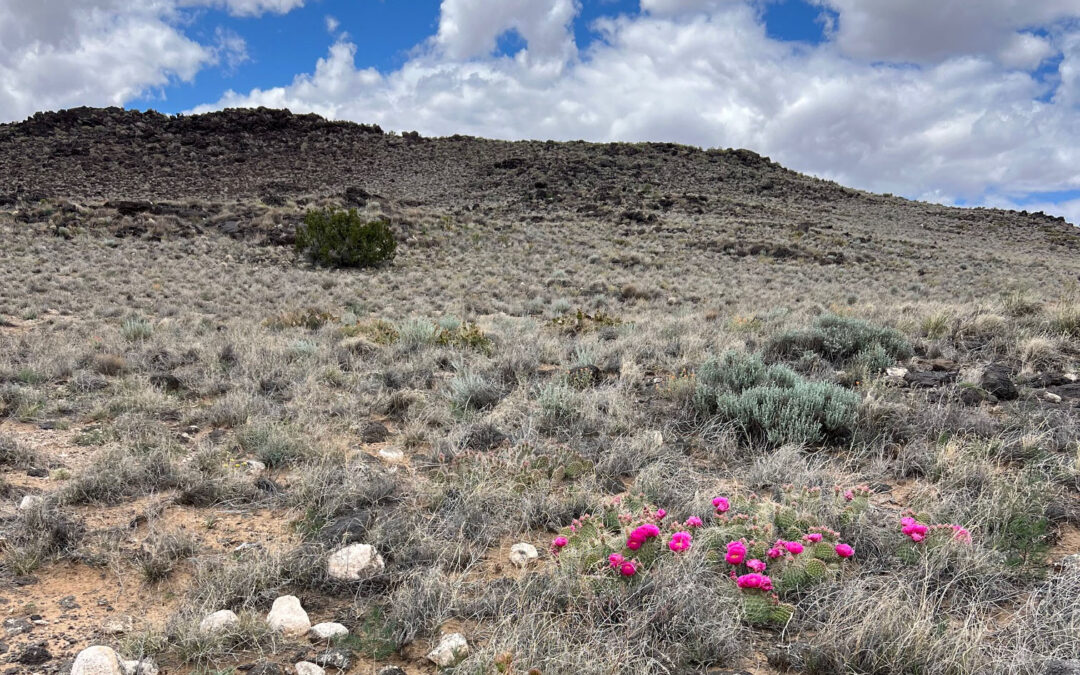
The West Mesa escarpment, where the petroglyphs are located, is a 17-mile-long cliff of dark basalt boulders. It was created over 200,000 years ago by six volcanic eruptions. There is a thriving habitat of plants, birds, reptiles and insects here. Common plants include sand sage, four-wing saltbush, rabbitbrush, indigo bush, snakeweed, Indian ricegrass and a multitude of wildflowers. Above, you’ll find many bird species such as flycatchers, roadrunners, hawks, owls and turkey vultures.
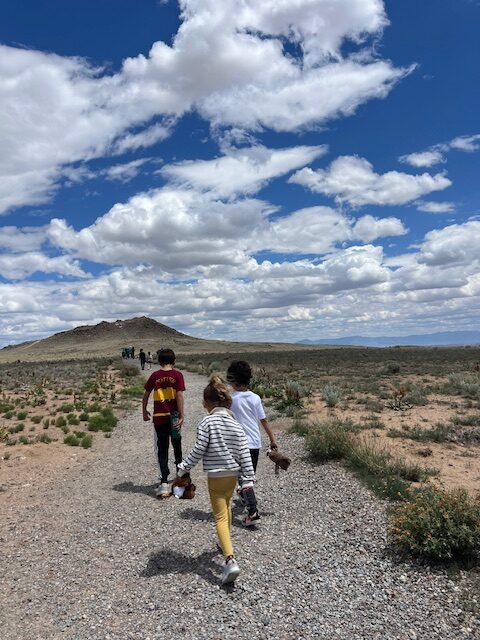
There are five areas to visit, with four of them offering trails.
Visitor Center: The visitor center and park store are open daily. Staff are available to answer questions and provide information and brochures. On the patio, there is a self-serve information table stocked with brochures and trail guides. The short walk to the center offers a look at various labeled native plants that you may see on your adventures. No trails are available at the Visitor Center; these are all located 1-6 miles away.
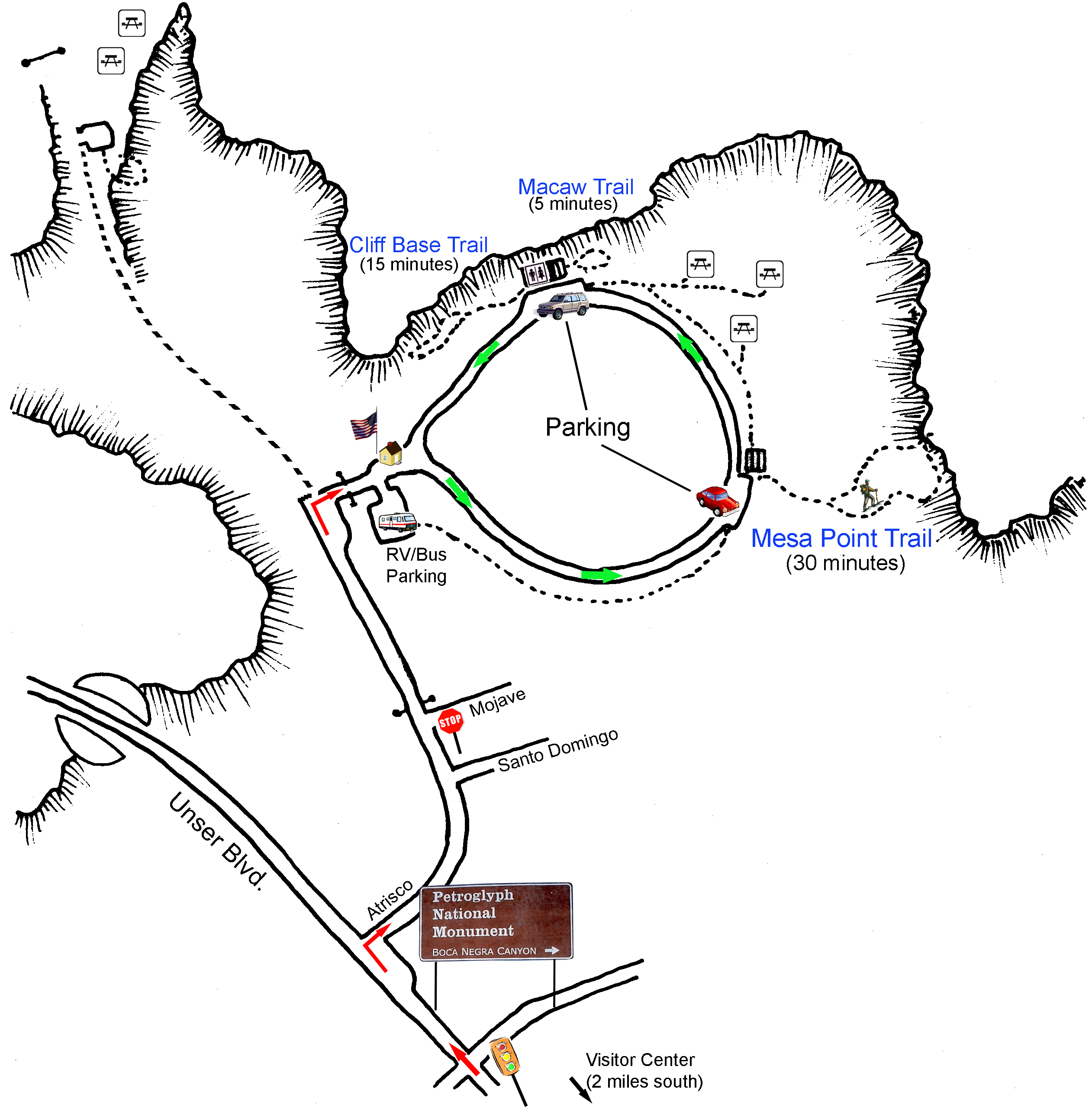
Boca Negra Canyon: Access three short self-guided trails from this area: Mesa Point, Macaw and Cliff Base. These trails only take about an hour to walk but they pack a punch with over 100 petroglyphs to view. Bring a picnic lunch and enjoy the multiple shaded picnic tables, each offering a beautiful vista. This area is run by the City of Albuquerque Open Space Division. For a trail map, click here.
Rinconda Canyon: The longest trail in the monument, this two-hour 2.2-mile round trip trail takes you past 200-300 petroglyphs. This hike goes deep into the canyon following the northern escarpment, a beautiful quiet escape from the city. For a trail map, click here.
Piedras Marcadas Canyon: Take one of the two short trails or combine them for a 2.5-mile round trip trail that takes you up onto the escarpment, offering expansive views of the city and the Sandia Mountains. View trail map here.
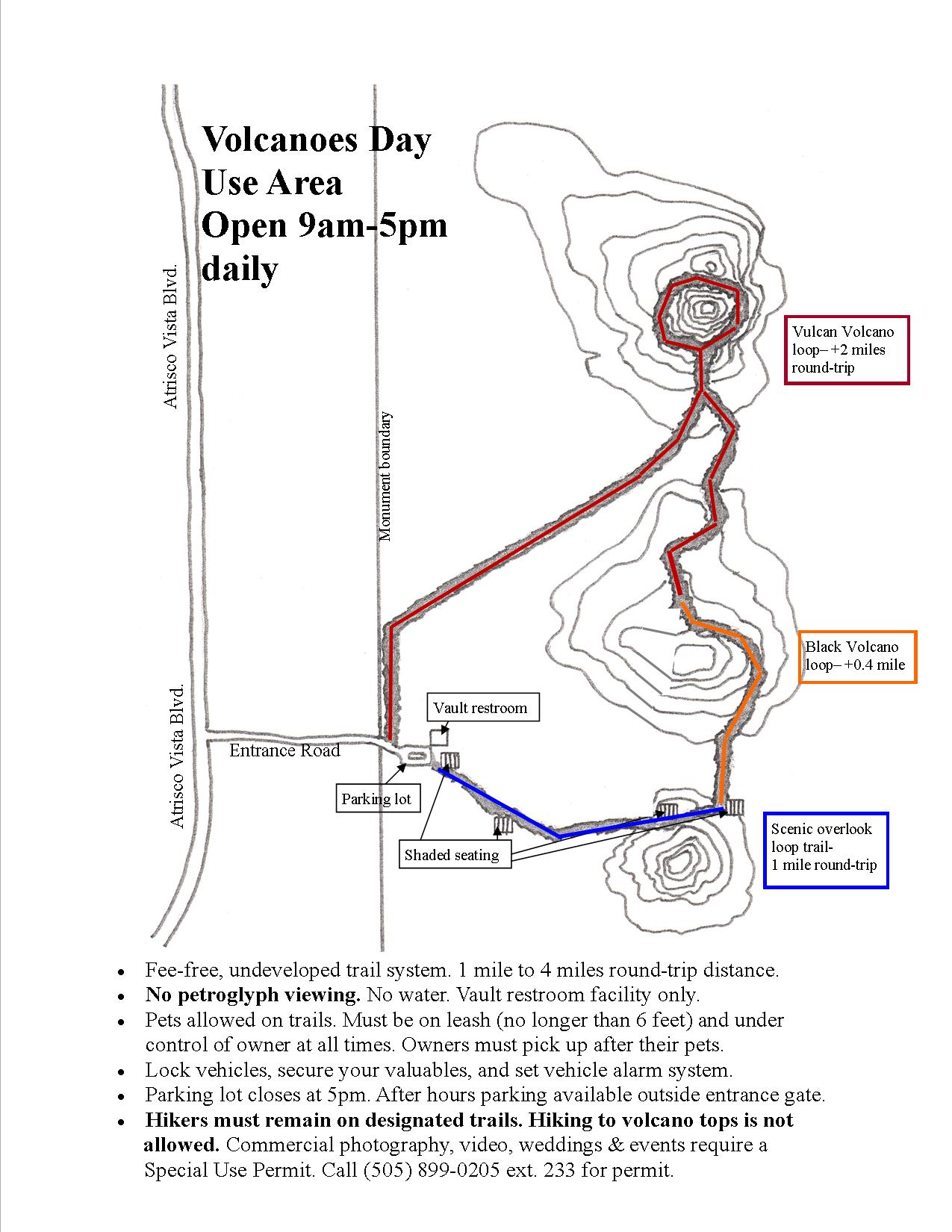
Volcanoes Day Use Area: You’ll find this trail up on the escarpment about 5 miles north of Interstate 40. Hike 1 or 4 miles on trails that take you up and around three cinder cones. Take a break at the shaded scenic overview which gives you views of the city, the Rio Grande Valley and many local mountain ranges. Experience large expanses of grasslands. Plan your visit with the map here.
Have you wondered what the City of Albuquerque is doing to support sustainability? The Sustainability Office is leading the city government’s efforts to reduce greenhouse gas emissions while growing our economy and protecting residents’ health.
What does the Sustainability Office do?
The Sustainability Office was created by Mayor Keller in 2019 and is housed in the Environmental Health Department. The office focuses on implementing projects and policies to equitably address climate change and environmental impacts across Albuquerque. One of the office’s major undertakings includes the development of the 2021 Climate Action Plan (CAP), whose core authors are 19 task force members representing frontline communities in Albuquerque. The 2021 CAP includes 50 strategies organized into seven categories. It is both a response to City Resolution R-19-187’s declaration of a climate emergency and an update of the city’s 2009 Climate Plan.
The office is headed by Sustainability Officer Kelsey Rader and has expanded to include Sustainability Specialist Denise Gonzalez, Sustainable Transportation Specialist Albert Lee and Sustainable Waste Specialist Sandra West. These staff members help implement the 2021 CAP goals and track progress for the public while taking guidance from community members. The office detailed recent progress in the first-ever CAP Implementation Report, which describes projects such as the expansion of publicly accessible, city-owned electric vehicle (EV) charging stations from two charging ports (aka plugs) to 36 ports as of July 2022. Other recent sustainability wins for Albuquerque include:
The Sustainability Office’s staff is looking forward to a year full of progress and new projects. For example, the office recently released heat-impact data collected in collaboration with NASA. The data will help staff decide where siting projects are most needed and better understanding the impact of heat-mitigation projects. In the transportation sector, residents can look forward to hearing more about EV rideshares and public transit access. In terms of waste reduction, the office is focusing on reducing food loss and waste and supporting community composting. Learn more about the Sustainability Office’s work.
Why are partners including the Water Authority important?
The success of citywide initiatives and goals rely on collaborations with partner organizations and support from the community. The Water Authority is a particularly important partner as water and waste are an integral part of many sustainability initiatives, including the mayor’s tree planting goal. The work that residents, the Water Authority, other like-minded organizations and the city are doing to reduce water waste and strategically utilize water in our homes and landscapes is an integral part of creating a healthy, resilient and equitable Albuquerque for all.
How can I stay informed or get involved?
To hear updates directly from the Sustainability Office, sign up for the Sustainability Office newsletter by emailing [email protected]. The office wants to hear from residents during quarterly CAP community engagement meetings and public surveys and is now asking for input on public transit and traffic safety issues. To share your input, please complete the survey this month (available in English and Spanish) and encourage your friends and neighbors to do the same. For those who want to dive into more information, please explore resources on the city’s website at www.cabq.gov/sustainability.
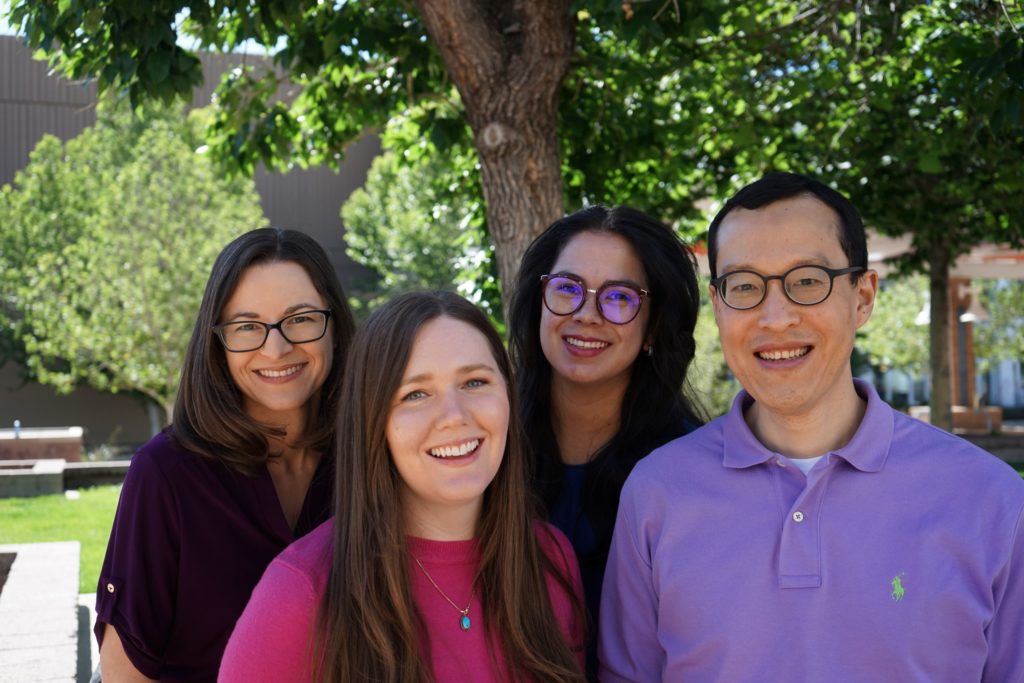
Albuquerque’s Sustainability Office (left to right) includes Sandra West, Kelsey Rader, Denise Gonzalez and Albert Lee.
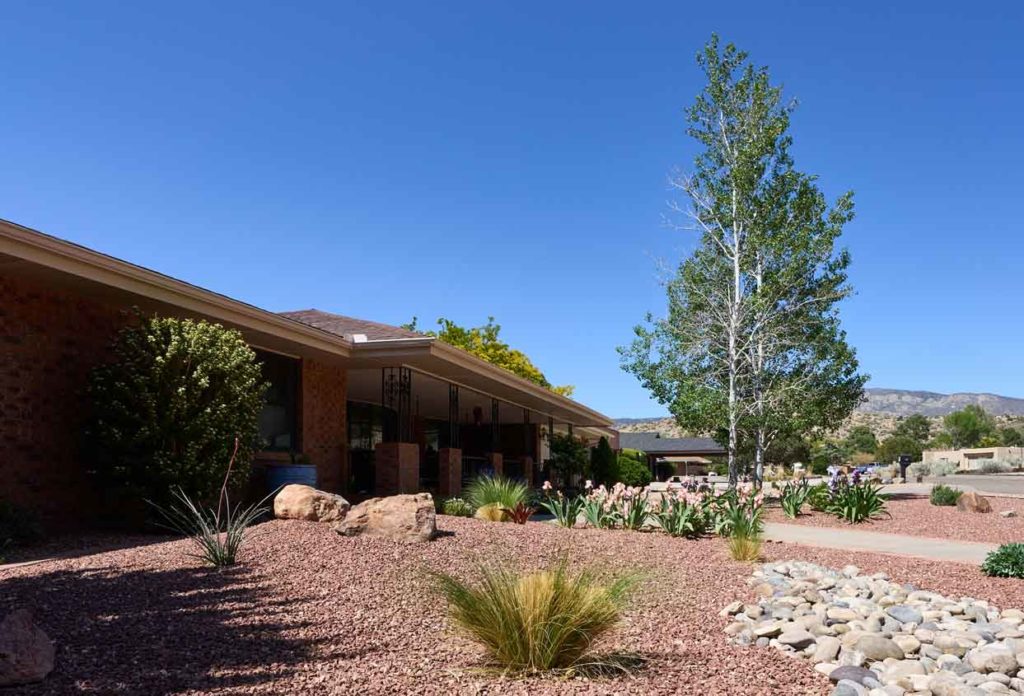
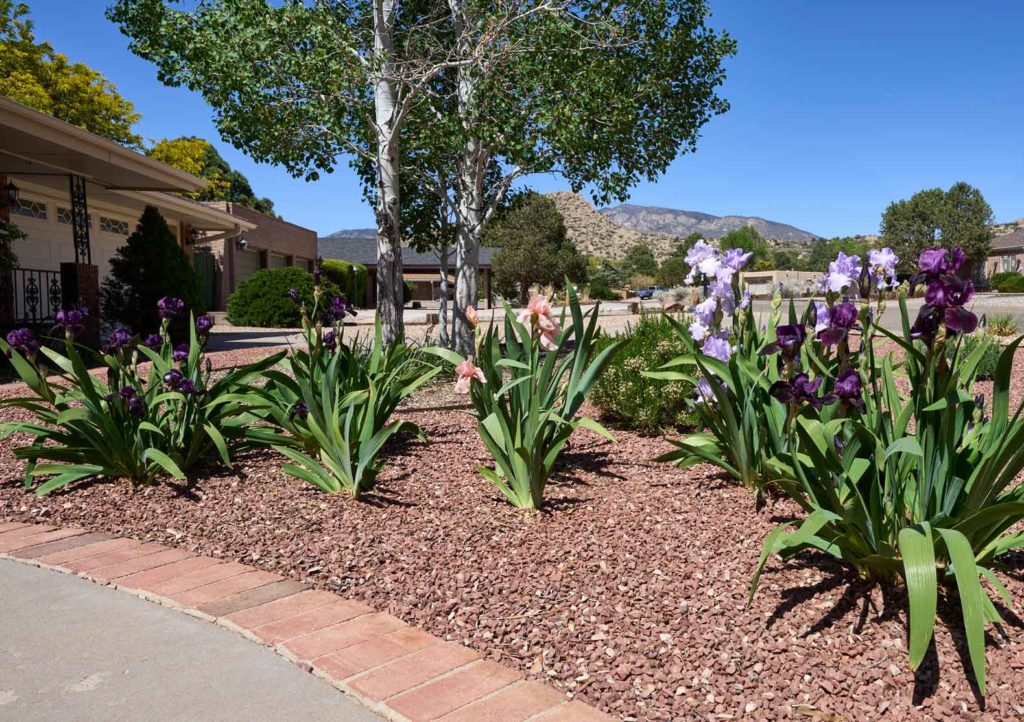
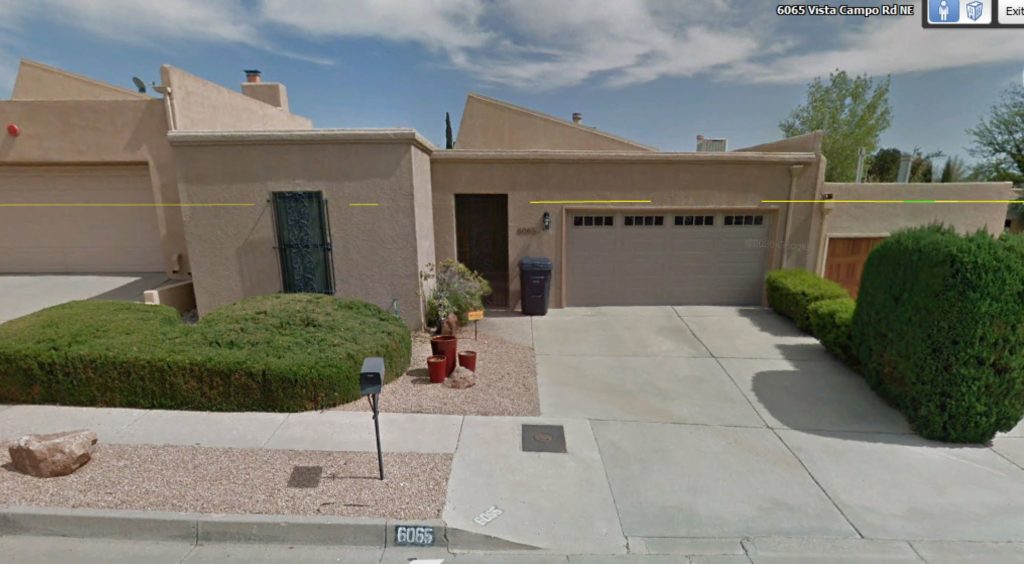
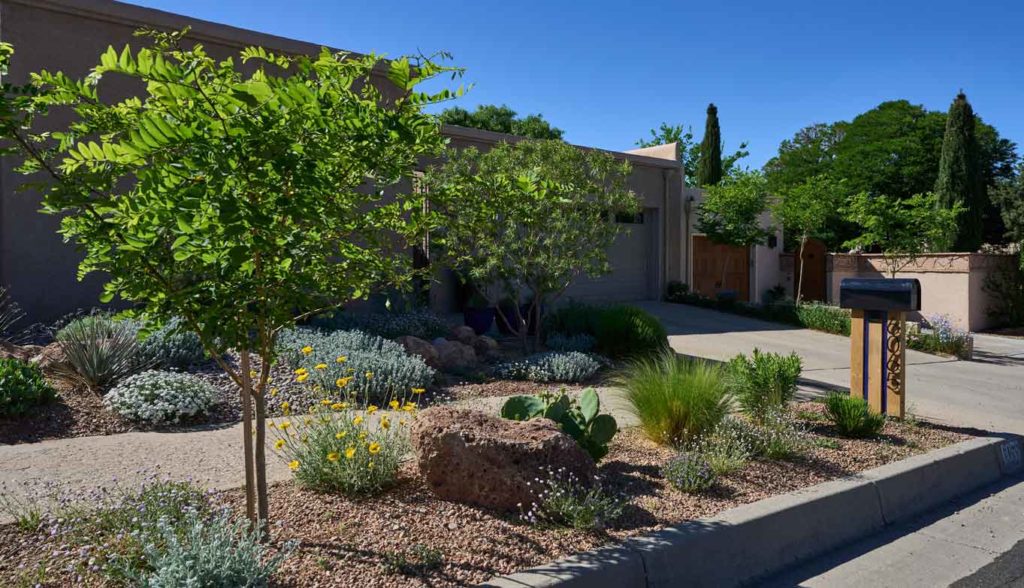
Congrats to the ten winners of our first annual Water Authority Desert Friendly Landscape Contest! Thank you for sharing your beautiful gardens with us. They will be an inspiration for others to make the switch to desert-friendly landscapes.
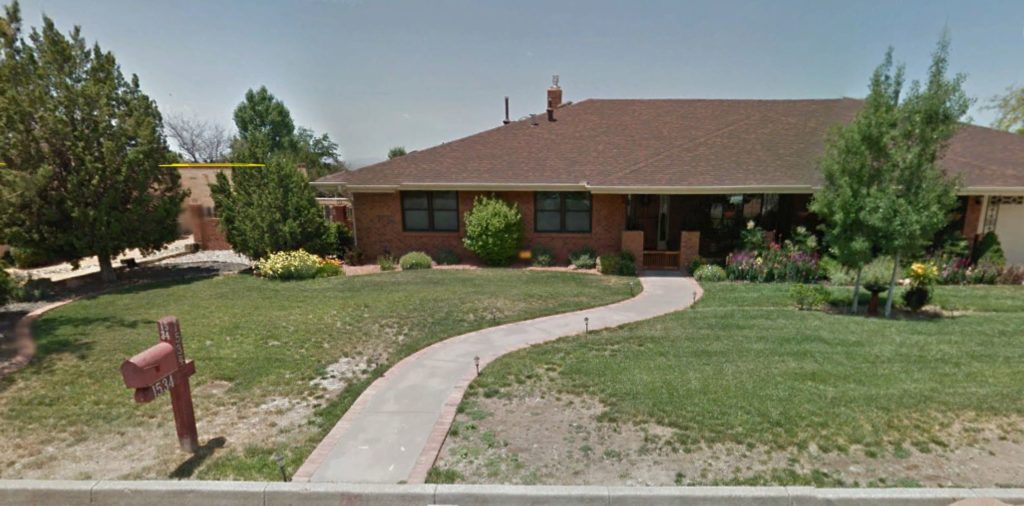
A transformation from an unhealthy-looking, high-water use turfscape to a colorful xeriscape medley.
Before
This family was ready to change out their high-water and high-maintenance front lawn grass to a desert-friendly landscape. Their new low-water and low-maintenance yard features 94 desert-friendly xeriscape plants. They worked with a professional company on the design, to remove the sod and to install the drip system and new plants. Plants were selected from the Xeriscape Guide provided by their contractor.
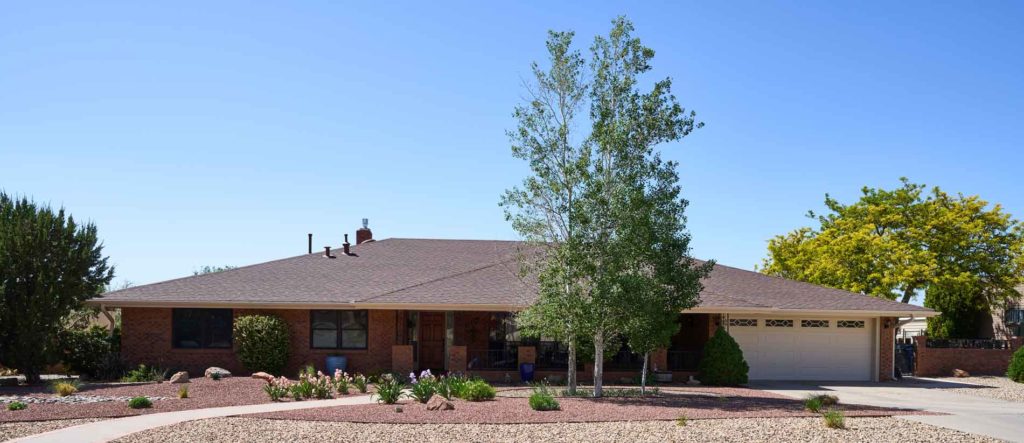
After
By transforming their yard to a xeriscape, they were able to save a total of 156,000 gallons of water within the first year and get a $1,300 rebate from the Water Authority for the conversion. They saved even more money because the contractor was able to reuse existing irrigation valves to convert the spray to a drip system. The best part, they say is “the variety of colors from the plants and the birds and butterflies the landscape attracts”. They also receive many compliments from neighbors and friends, which makes them feel proud.
AfterAfter
Talk about creating a diverse and lush yard! This desert-friendly landscape has all the right elements.
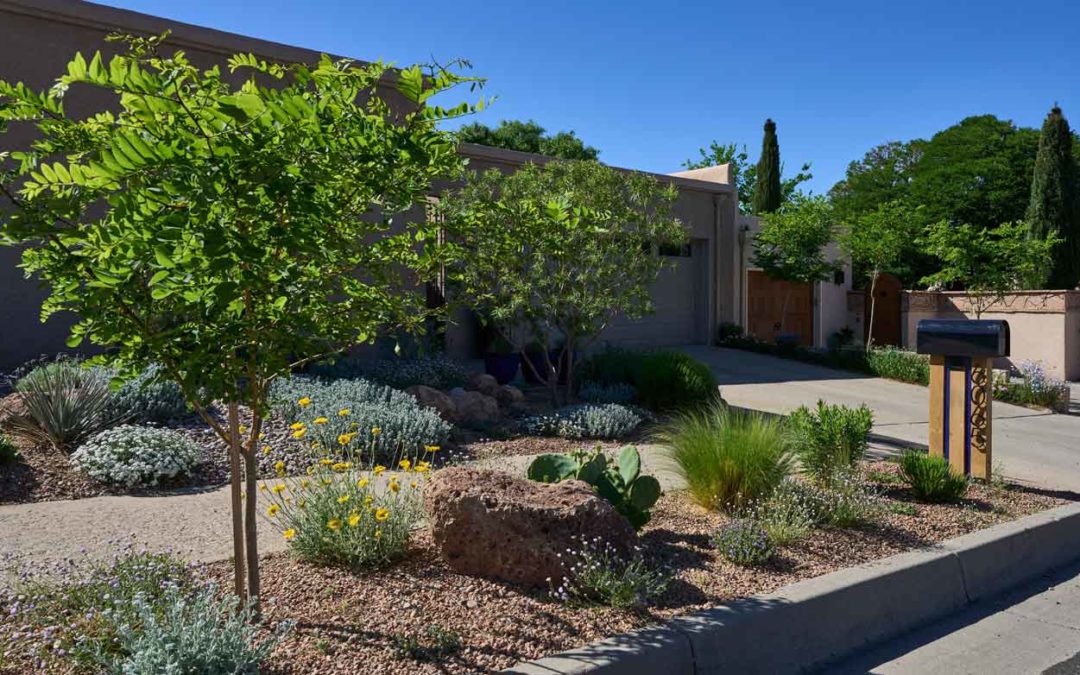
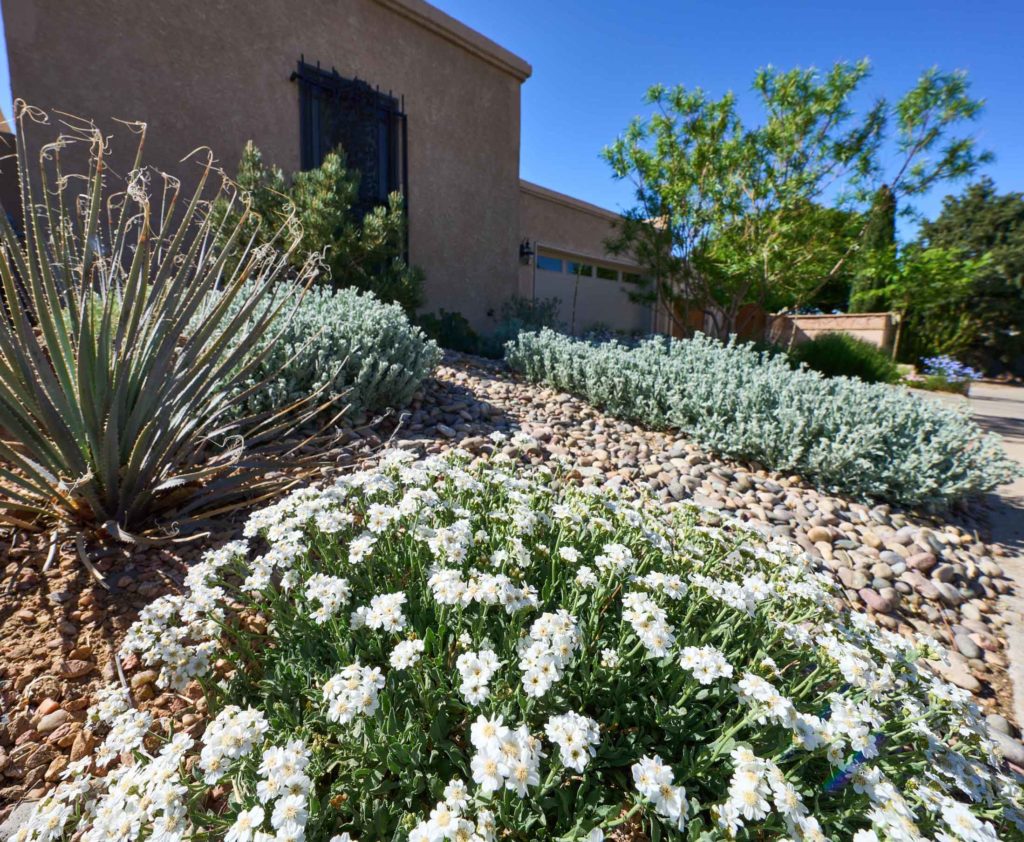
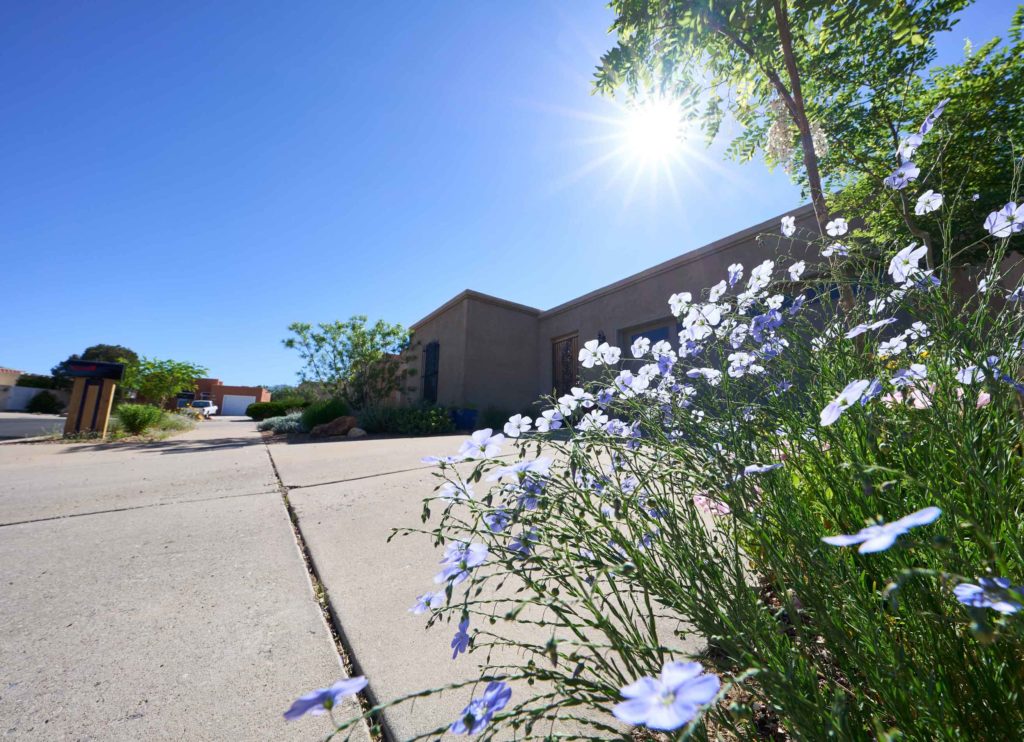
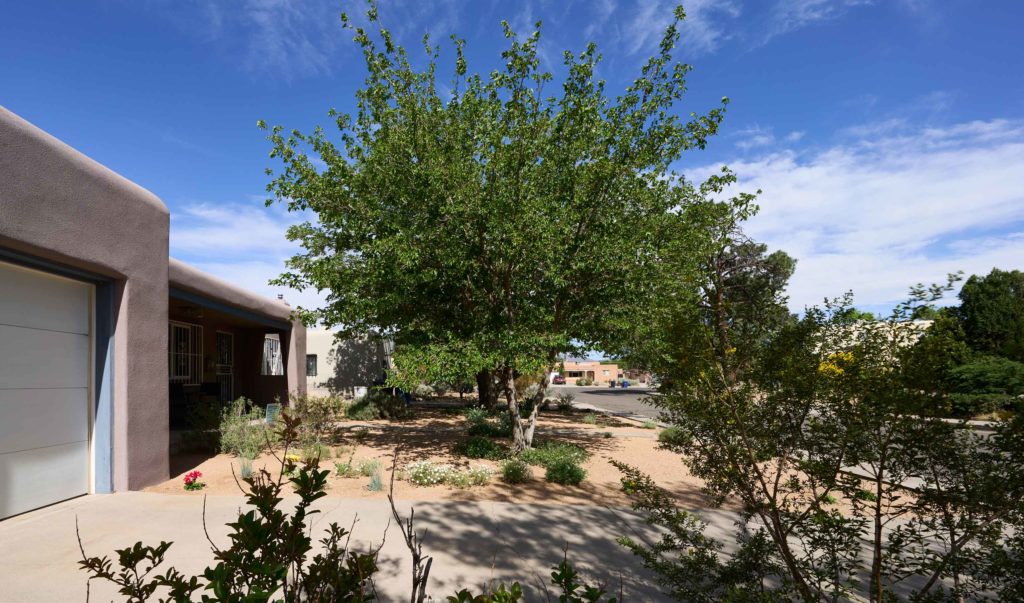
As a retired landscape architect Richard Bumstead had the pleasure of designing and installing his own landscape during the beginning of the pandemic. Like many Albuquerque yards, his front yard located in the center of the city was covered with junipers and gravel. Removing them opened up a large area, creating a blank slate and the opportunity to diversify his landscape. Having spent most of his career in Chicago, Richard was not very familiar with the local plants. He read many New Mexico plant books, including Judith Phillips, “Growing the Southwest Garden” and the “Down to Earth” guide from Albuquerque Master Gardeners. The staff at Plants of the Southwest and Jericho were also a big help as he prepared his landscape plan. His visible front yard is now full of native pollinator plants along with three trees that are local favorites: Pinon Pine, Desert Willow and New Mexico Locust.
Richard waters his established plants once a month in the winter and only once a week during the irrigation season. He says the key to having a good-looking landscape is to prepare the soil and water plants to the right depth.
Since he has a more protected backyard, Richard was able to add many shade-loving plants as well as foraging plants like strawberries, rhubarb, tomatoes, an apricot tree and a variety of herbs. Find his extensive plant list here.
BeforeAfterAfter: Close up of Fleabane Daisy, with Grey Desert Spoon and Silver Mound artemisia in the background. After: Close up of Purple Flax
From Bermuda Grassland to a Desert Friendly Landscape!
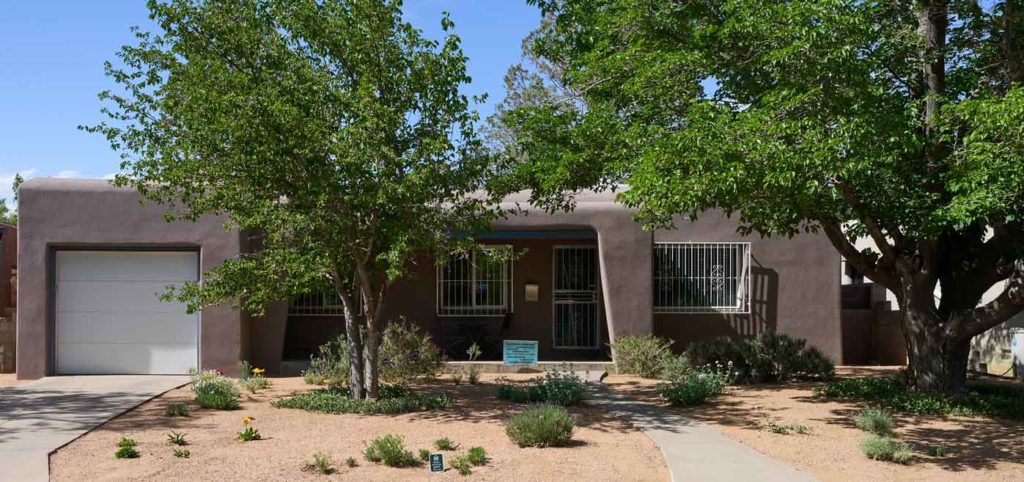
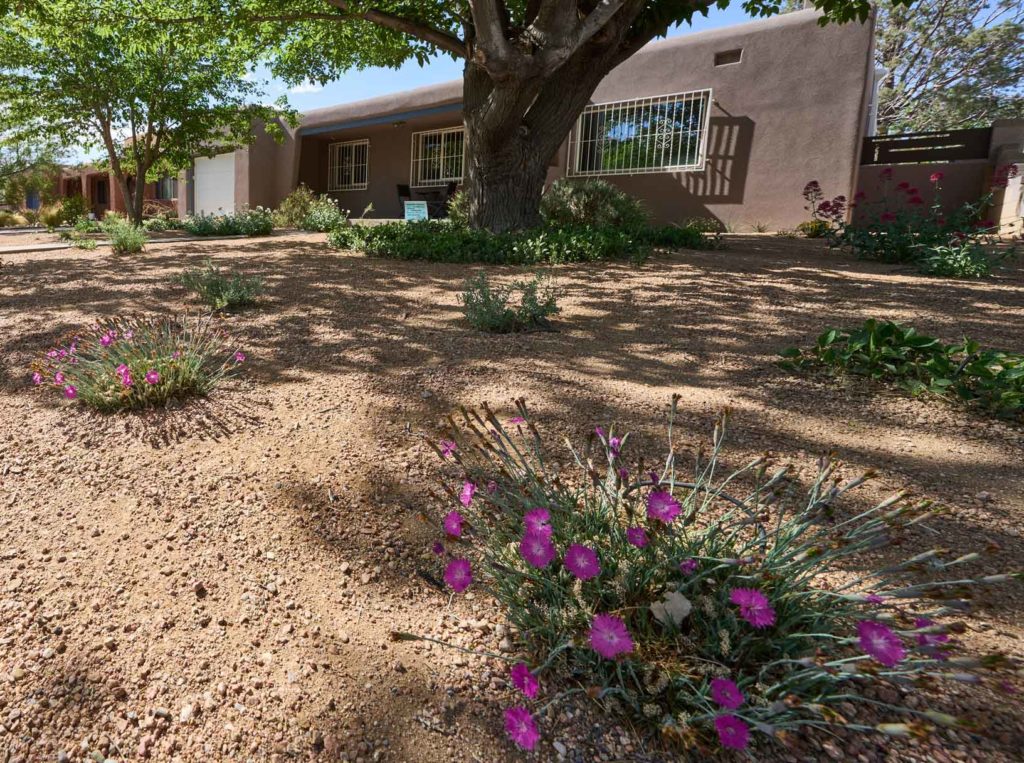
Geri Martinez’s property, which is located in one of the older areas of town surrounded by large established trees, had the kind of yard that’s typically found in Albuquerque’s UNM and Ridgecrest neighborhoods. It was covered in Bermuda grass and had a large mulberry tree. Geri was ready to refresh the front yard of her 60+ year-old home. With the help of a landscape designer, she came up with a planting design plan.
After
Geri, an avid DIY’er, installed her own plants and irrigation system. To help her figure out what to plant and how to set up the irrigation system, she read local publications from nurseries, attended workshops and used a professional landscape design to determine plants locations.
Geri loves sitting outside and watching the birds and bees that are attracted to her landscape. Saving water has been her goal. She’s not only reduced her front yard water use but also the amount of water she uses indoors. She has low-flow fixtures inside the home and utilizes rain barrels to supplement her landscape’s irrigation during the rainy season. Geri is proud to have a visually-appealing landscape that conserves water.
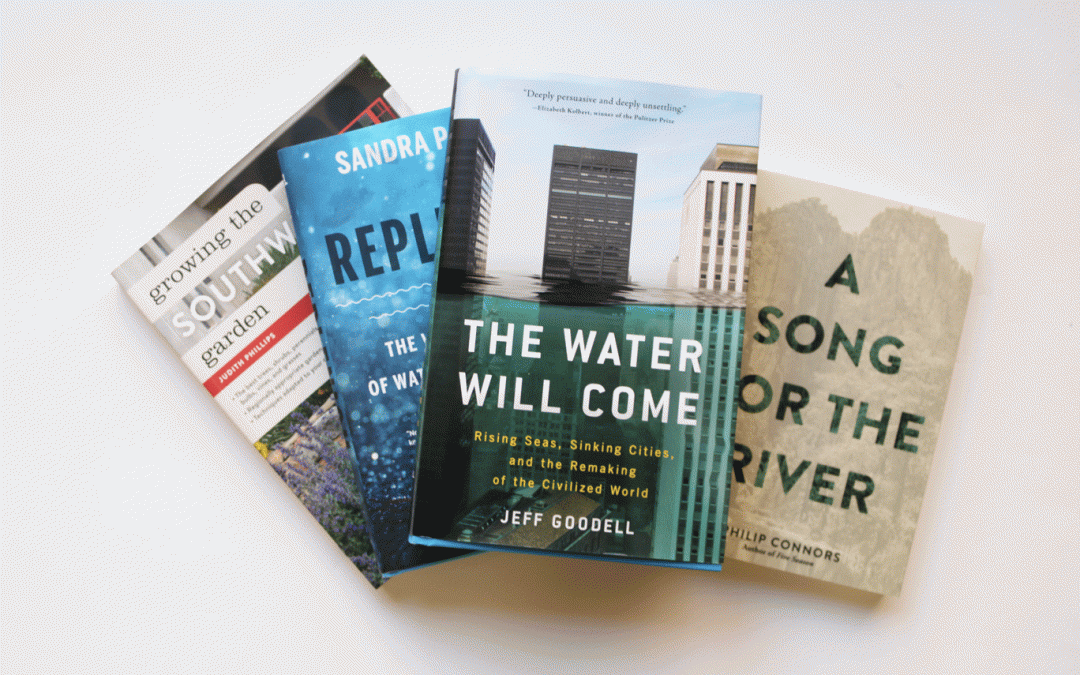
Now that the weather is colder, curl up with a book and
learn more about our global and local water resources.
Here are a few of my favorites to get you started. If you’ve
got a water book to recommend for future newsletters, please email me at [email protected]
For a thought-provoking read about the effect of rising sea
levels throughout the world, pick up The Water Will Come: Rising Seas,
Sinking Cities And The Remaking Of The Civilized World by Jeff Goddell. He
uses a blend of science and first-person accounts to create an engaging and
informative read. This book made many top book lists when it was released in
2017.
Replenish: The Virtuous Cycle of Water and Prosperity by
Sandra Postel explores many projects, including some in New Mexico, that work
with nature to enhance and preserve the earth’s water resources. Ms. Postel is
a world-renowned water expert we’re lucky to have living with us here in New
Mexico.
Another New Mexico book is A Song for the River by
Philip Connors. This is beautiful, meditative exploration of his time in the
Gila National Forest and of the Gila River. Those who want more of Mr. Connors’
writing on the Southwest should also pick up the multiple award-winning Fire
Season: Field Notes from a Wilderness Lookout.
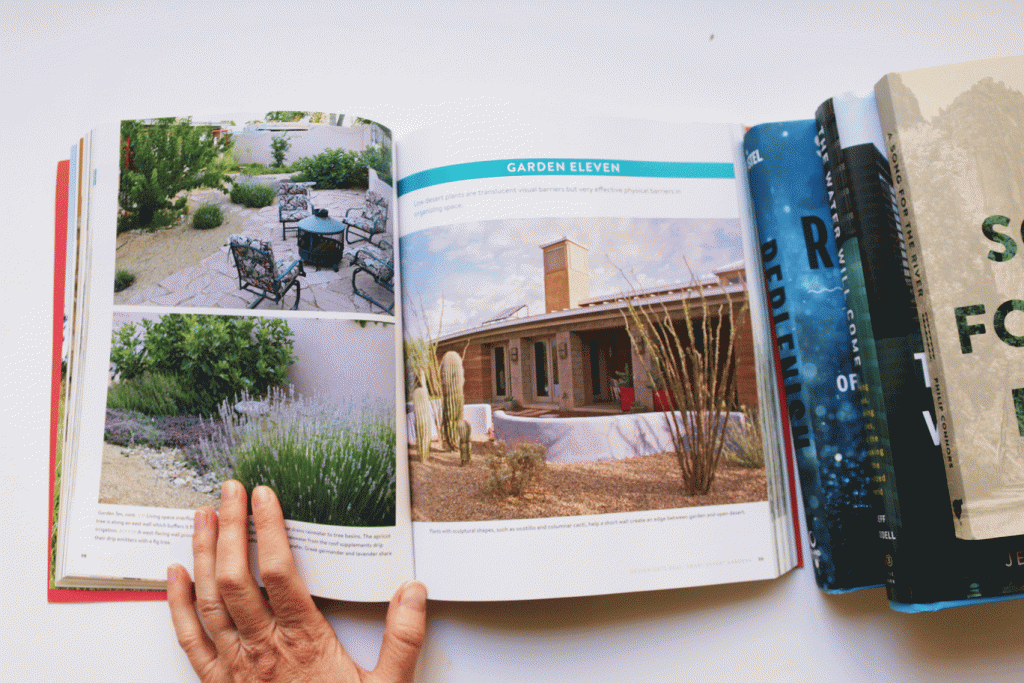
Finally, for those who want to get started dreaming about their
spring garden, try Growing the Southwest Garden: Regional Ornamental
Gardening or any of the other gorgeous, picture-laden titles by Judith
Phillips, another author we are lucky to call our own. Her beautiful books can
be found at local bookstores and libraries.
Author: Katherine Yuhas, Water Resources Division Manager with Albuquerque Bernalillo Water Utility Authority