Residential Landscape Design Trends for 2026

Residential Landscape Design Trends for 2026

Local landscape architect Sara Zahm shares what she sees as trends coming to residential landscapes in Albuquerque.


As we move into 2026, I’m seeing a meaningful shift in how homeowners are approaching their outdoor spaces. Many previously popular landscape elements are still in demand, including raised garden beds, comfortable seating areas, fire pits, outdoor dining spaces and fully equipped kitchens, but the purpose behind these features is transforming. Today’s outdoor spaces go beyond aesthetics, focusing on creating environments that promote relaxation, restoration and well-being.

More than ever, people want their yards to function as personal sanctuaries. In a world that often feels noisy and unpredictable, home has become a place to reset and recuperate. Outdoor spaces in particular are being designed intentionally as environments where families can decompress, recharge and reconnect.

The strongest trend I’m seeing this year centers around wellness. This isn’t a surprise as more and more studies are showing the profound benefits nature has on both physical and mental health. In Japan, physicians are writing prescriptions for “forest bathing” and “nature therapy.” Dr. Kathleen L. Wolf from the University of Washington has learned from her research that “exposure to trees and forests can have profound benefits for psychological health. Whether climbing a majestic old-growth tree or simply walking through a foliage-filled park, people who spend time in nature often report they feel less stressed, are better able to concentrate and generally experience a lift in mood. Some even say it helps heal trauma.” *

Homeowners are incorporating outdoor saunas, cold plunges and hot tubs into their landscapes — not simply as luxury additions, but as tools for physical and mental well-being. These elements create a spa-like experience at home, offering daily opportunities to relax, improve circulation, reduce stress and recover from busy schedules. When thoughtfully integrated into the design, they feel cohesive and purposeful rather than over-the-top.

I’m also designing more dedicated spaces for mindfulness and quiet reflection. Sometimes that looks like a tucked-away seating area framed by lush plantings. Or it’s a shaded pergola with comfortable furniture positioned to catch the morning light. These spaces don’t have to be elaborate to be effective. What matters most is how they feel. I pay close attention to texture, sound, scent and movement, like the rustle of ornamental grasses, the fragrance of blooming plants and the grounding feel of natural stone underfoot. These subtle details shape an experience that encourages people to slow down and reconnect with nature.
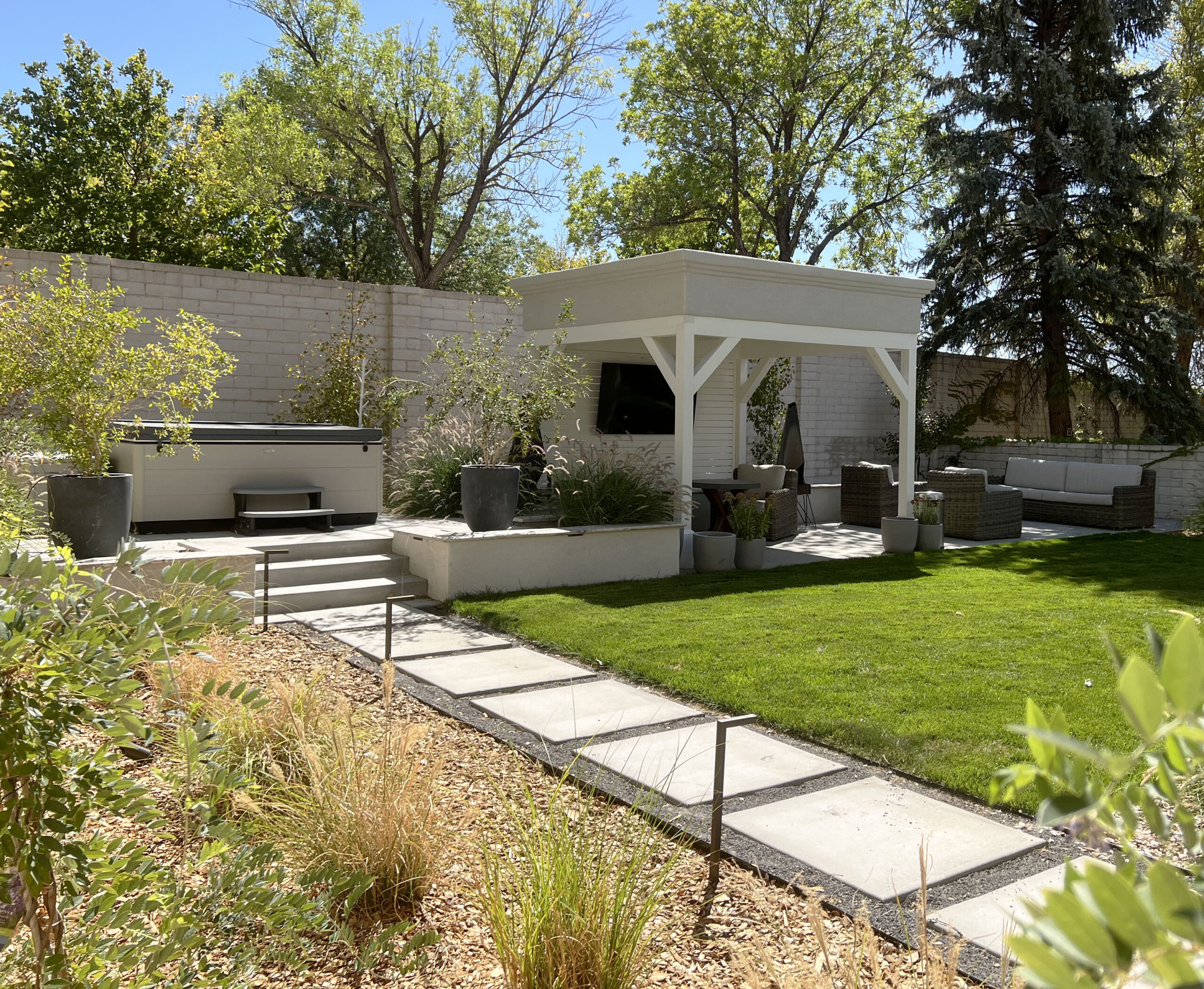
 

Backyard hot tub, outdoor entertainment and lounge area.


Water features continue to play a significant role in designs as well. Beyond their visual beauty, they serve a practical function, especially for homes near busy streets or close neighbors. The sound of moving water helps mask unwanted noise and creates a sense of privacy. There’s something inherently calming about the steady rhythm of a fountain. Having a source of water is important for supporting and attracting wildlife in yards and they can be very modest and water-efficient.
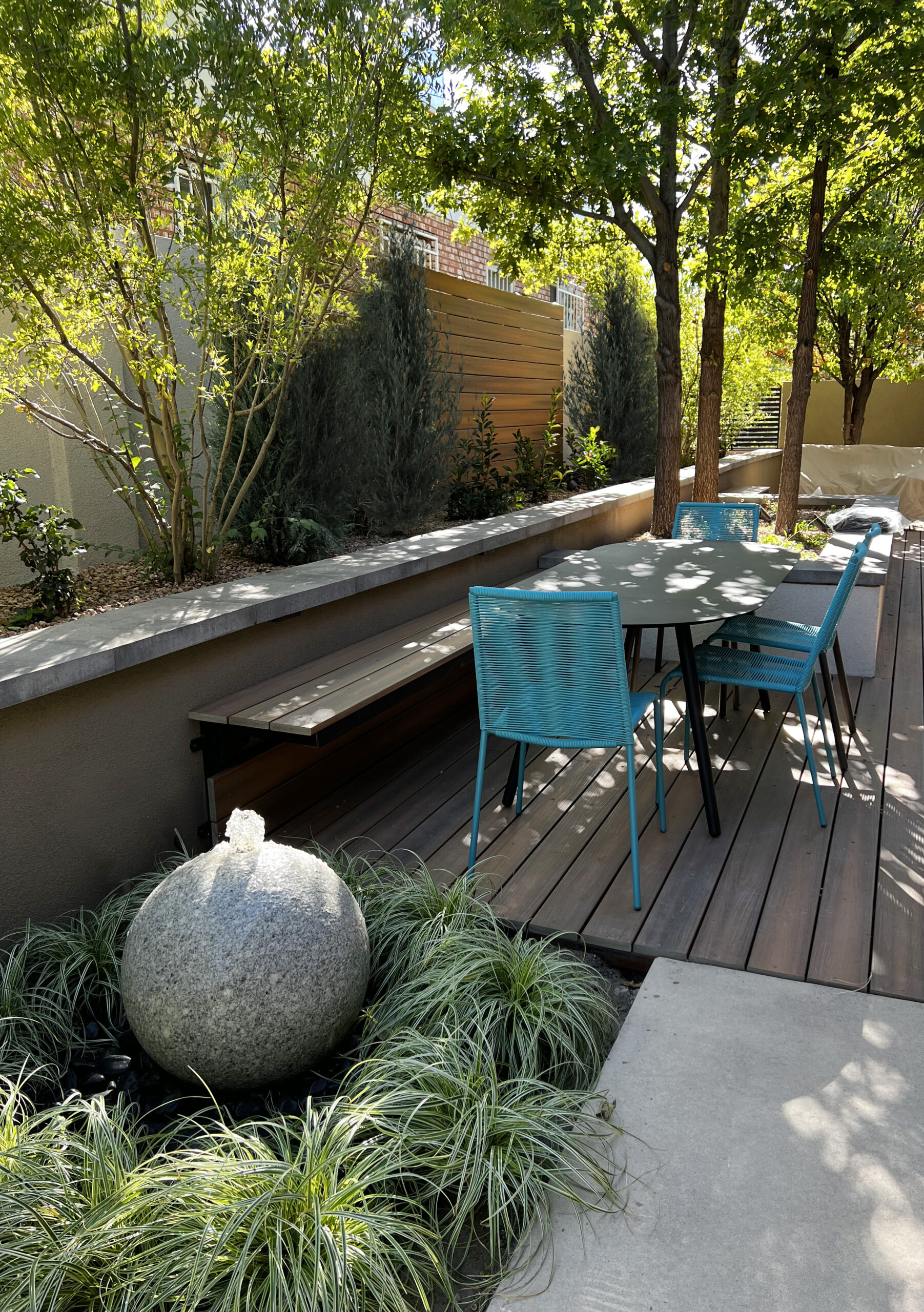
Water Feature in side yard.

Sustainability is also front and center in the conversations I’m having with clients. Many homeowners are choosing native plantings, drought-tolerant landscapes and pollinator-friendly gardens that support the local environment and our wild neighbors. Raised garden beds are especially popular, giving families the opportunity to grow their own herbs and vegetables while maintaining a tidy and intentional look. I love incorporating edible gardens into designs because they encourage people to engage with their space regularly — to plant, cultivate, harvest and spend time outdoors in a meaningful way.

Lighting design is another area where I’m seeing a shift. Clients are gravitating toward layered, ambient lighting that creates warmth and depth. Subtle pathway lights, gentle uplighting on trees and soft illumination around gathering areas make a yard feel inviting long after the sun sets. The goal isn’t to flood the space with light, but to enhance the atmosphere and extend its usability.

Even traditional gathering spaces are being approached more intentionally. Fire pits are arranged to encourage conversation. Dining areas are designed for lingering meals rather than quick get-togethers. Outdoor kitchens are integrated so hosts can cook and connect at the same time. These spaces aren’t just about entertaining; they’re about fostering genuine connection between people and nature.

If there’s one defining theme I see shaping outdoor design in 2026, it’s intentional living. Backyards are becoming immersive retreats, places designed not just to look beautiful, but to support how we want to live. They give us space to unplug, reflect, gather and restore. As a landscape architect, that’s what excites me most. Incorporating elements in your yard that allow you to connect with nature and slow down. The escape from the unrelenting digital world of screens doesn’t have to be expensive or time consuming and can have significant health benefits. Creating outdoor environments that truly enhance daily life isn’t just a trend, it’s a lasting shift, and I believe it’s one that will continue to shape the way we design our homes for years to come.
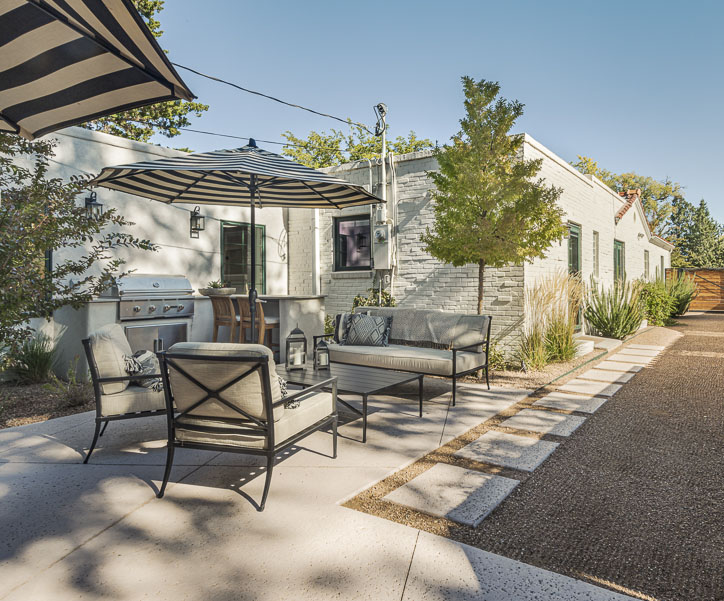
 

Outdoor kitchen, grill and dining area.

*Catherine Arnold https://www.americanforests.org/article/tree-think/


Learn more here:

Common Planting Design Mistakes

High Desert Landscape Design Template

Simple Steps to Get Started Designing Your Yard

Nature and Health – Research to Practice


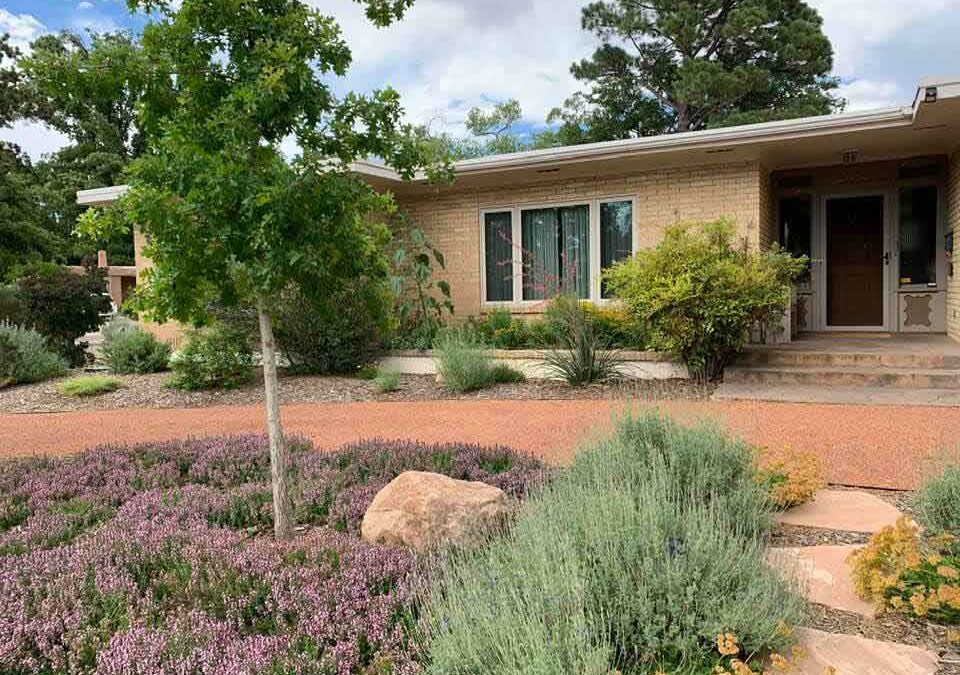
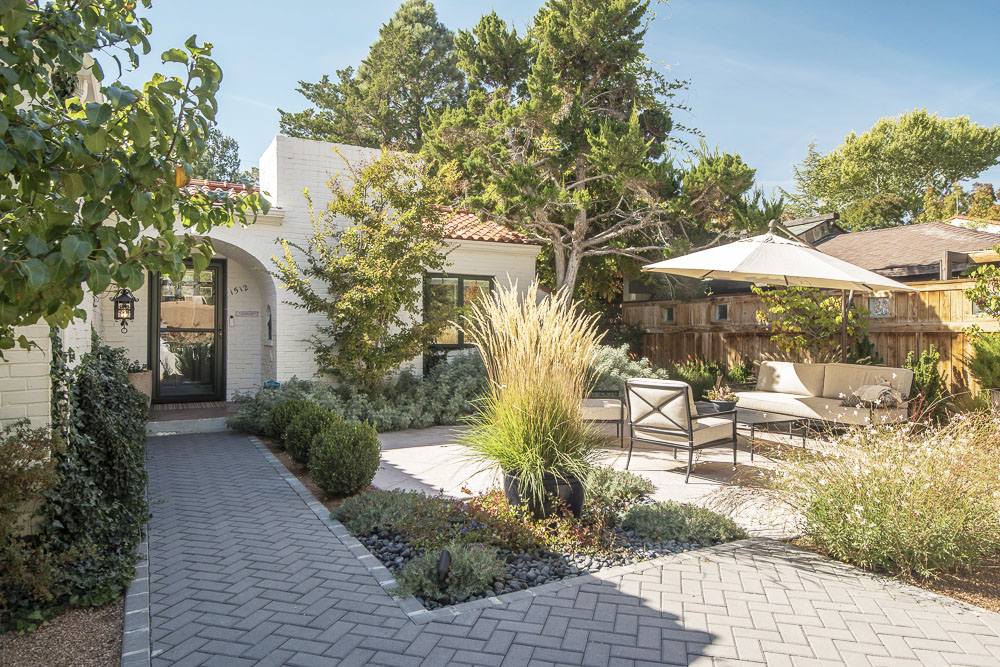
See below for plants shown in the photos:

Gaura

Karl Forester

Greek Germander

Hardy Plumbago


Author: Sara Zahm, Owner of Sara Zahm Landscape Architect. Have a question about the article or anything else? AskAnExpert@abcwua.org
 

Common Planting Design Mistakes

Common Planting Design Mistakes

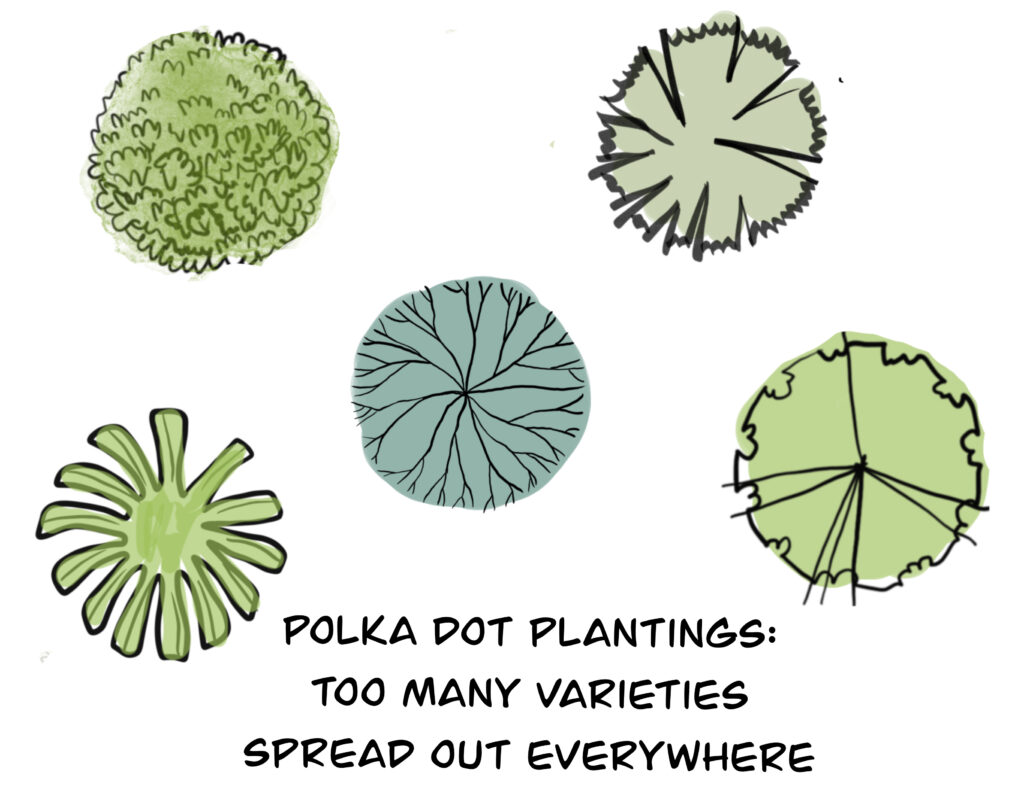
1. Too many different plants spread out like polka dots

Often when homeowners begin to design their yard, they get excited by the variety of plants in our Xeriscape Guide. Similarly, going to a well-stocked nursery in the spring can be like going to a candy store — you might say to yourself, ‘I’ll take one of everything!’ However, it’s good advice to resist that urge and instead attempt a more cohesive ensemble of plants and trees. Grouping plants, especially smaller ones or perennials that have less dense forms, can maximize their effect by creating masses of various sizes and contribute to the feeling of a more natural landscape. 

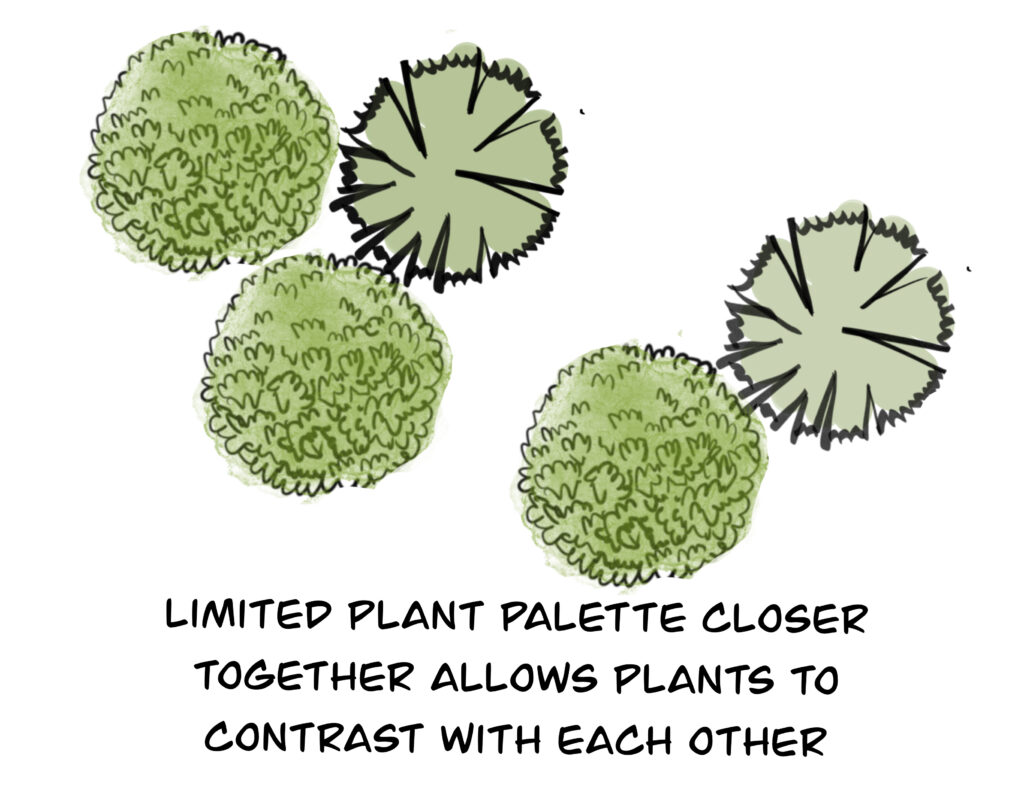
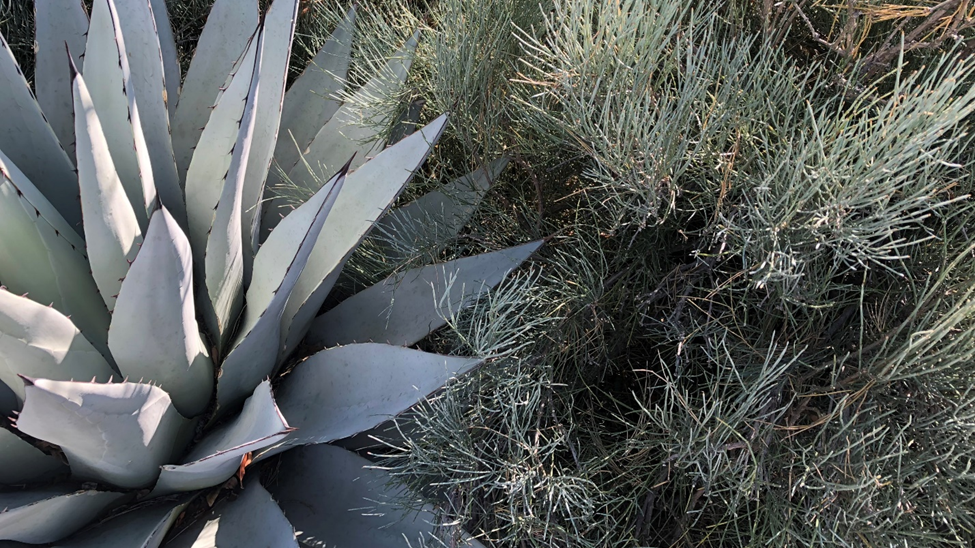
In these instances, you can pair plants that have widely different leaf shapes, like the agave and ephedra pictured below. The effect is something you wouldn’t appreciate if there was a large gap between the plants. A lot of flora have distinctive attributes like bark patterns, seedheads, dried flowers or an overall shape that allow them to stand out when accompanied by contrasting plants.

If you’re not sure where to start on your own yard design, check out our landscape templates here. You’ll notice there is a lot of variety in each design, but the same plant symbols appear next to each other throughout the yards. The three landscape architects and designers who contributed these templates have tons of combined experience designing beautiful and sustainable landscapes in New Mexico, and their templates are worth checking out!

Benefits of installing multiple plants of the same variety

  • Visual impact: Let’s take a really great flowering perennial like Gaura or whirling butterflies (Oenothera lindheimeri) as an example. It has airy small white (or light pink) flowers less than an inch wide atop thin branches that sway in the breeze — visually it doesn’t stand out unless you’re right in front of it. If you were to plant a single specimen of Gaura in the middle of a yard it could almost disappear.  Instead, we suggest a group of three in a triangle or row closer to paths or windows to maximize their impact — just like they’ve done in this photo taken at Presbyterian Rust Medical Center on the West Side.
  • Attracting pollinators: Grouping flowering plants that attract pollinators can really make it worth the effort for them to visit. Perennials bloom at different times from spring to fall, and in a small yard you may have only one type of plant flowering at a given time. A group of at least three of the same perennial will be hard for pollinators to miss as they go about their business of collecting pollen and nectar. Then they’ll be able to save their energy for building nests and breeding.
  • Reduced maintenance: If you’re new to xeriscaping or gardening, having fewer varieties of plants in groups can make maintaining them (and learning names and growth habits) less overwhelming. Instead of starting out with a mishmash of plants installed everywhere, you’ll be able to get your head around the maintenance more easily because the yard is divided into manageable areas. Also, if you pay someone for yard care, you may need to explain to them when, how (and if) to do the work. A smaller plant palette grouped by variety can help simplify the job. You could say to them: “This year for all the woody evergreen shrubs next to the sidewalk, don’t use hedge trimmers but do remove one-third of the oldest branches at the base.” 

So if you head to the nursery to buy 10 plants this spring, consider coming home with just two or three varieties that together will make a real impression.

2. Symmetrical vs. informal plant layout

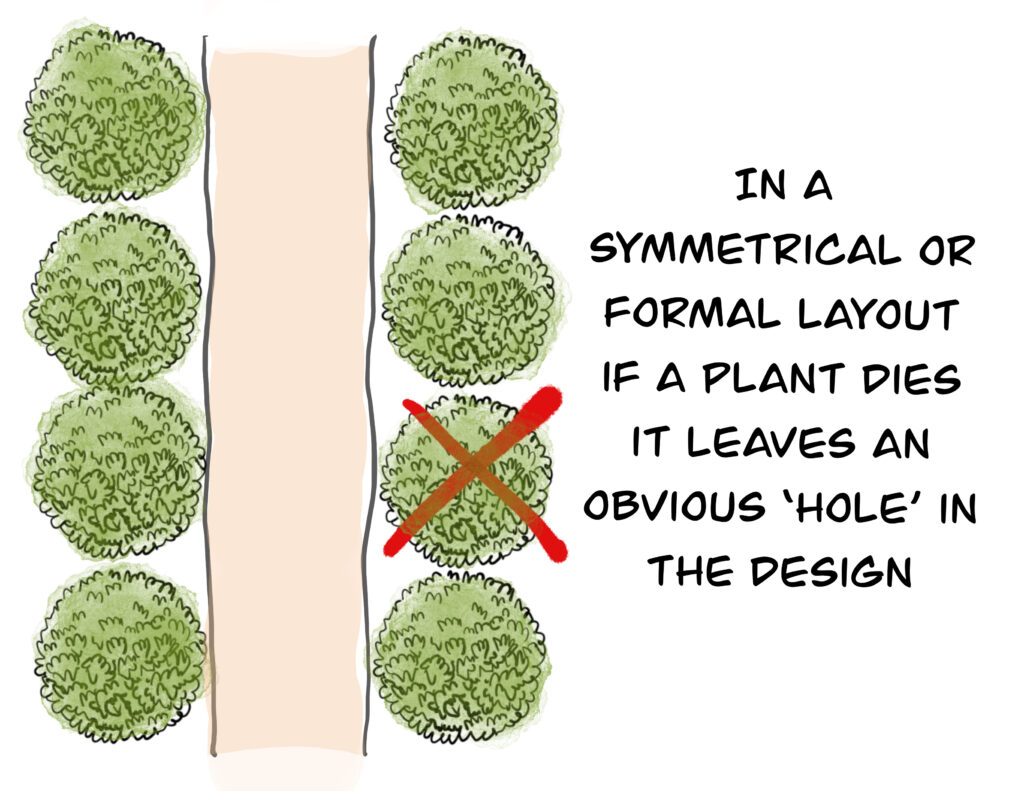
Another mistake DIYers sometimes make when designing landscapes is opting for a symmetrical layout for the new plants. For instance, they will have corresponding rows of evergreen shrubs on either side of a path as shown below. There are a couple of reasons why this is less than ideal. One is that an unhealthy plant (or worse, one that is dead) is immediately noticeable. Also, in a formal layout, you’re anticipating that the plants will grow to a uniform size and shape. However, this is not the case with native and xeric-adapted plants (and most plants, really). Once in the ground, they’ll be responding to all sorts of different conditions. Too much shade from a nearby tree limits a plant’s mature size, or extra water from the roof causes one to get larger than the others, for example. And if you did need to replace one plant in a formal layout, it could take a while for the new one to catch up to the others (assuming you able to find the same variety as the originals).  

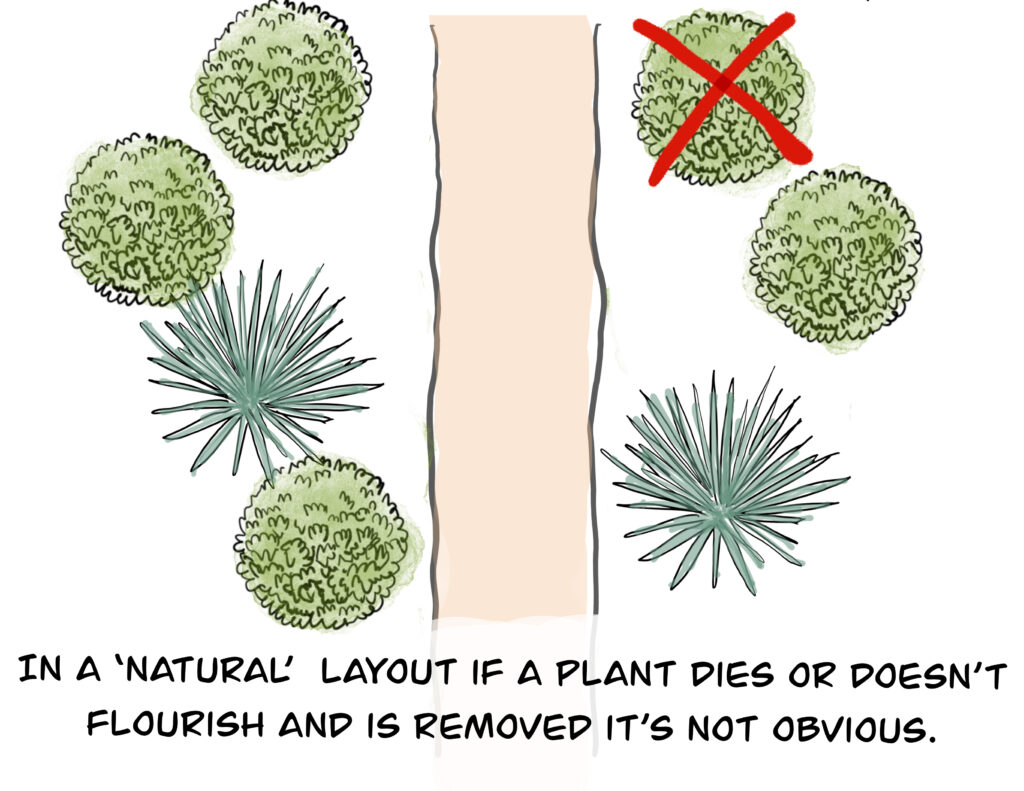
In an informal or “naturalistic” layout, a missing plant is not an issue because there’s not an expectation for that space to be filled. It also allows flexibility in the design — shade-loving plants near the tree, plants that can handle more water under the downspout. If a particular plant isn’t doing well, you can transplant it to another location. Using an informal or naturalistic planting design allows you to add to your garden over time as it matures and changes for years to come. 

Selecting plants for your yard can feel overwhelming to a new gardener. We hope these tips help you avoid common mistakes, and remember that we’re always here to support you. If you have questions about plant selection, feel free to send photos and details of your yard to askanexpert@abcwua.org — we’ll be happy to help.

Learn more here:

Let’s Plant Albuquerque

Simple Steps to Get Started Designing your Yard

Desert Friendly Design Templates

Author: Carl Christensen, Xeriscape Inspector. Have a question about the article or anything else? AskAnExpert@abcwua.org
Mountain Design Template for Fall

Mountain Design Template for Fall

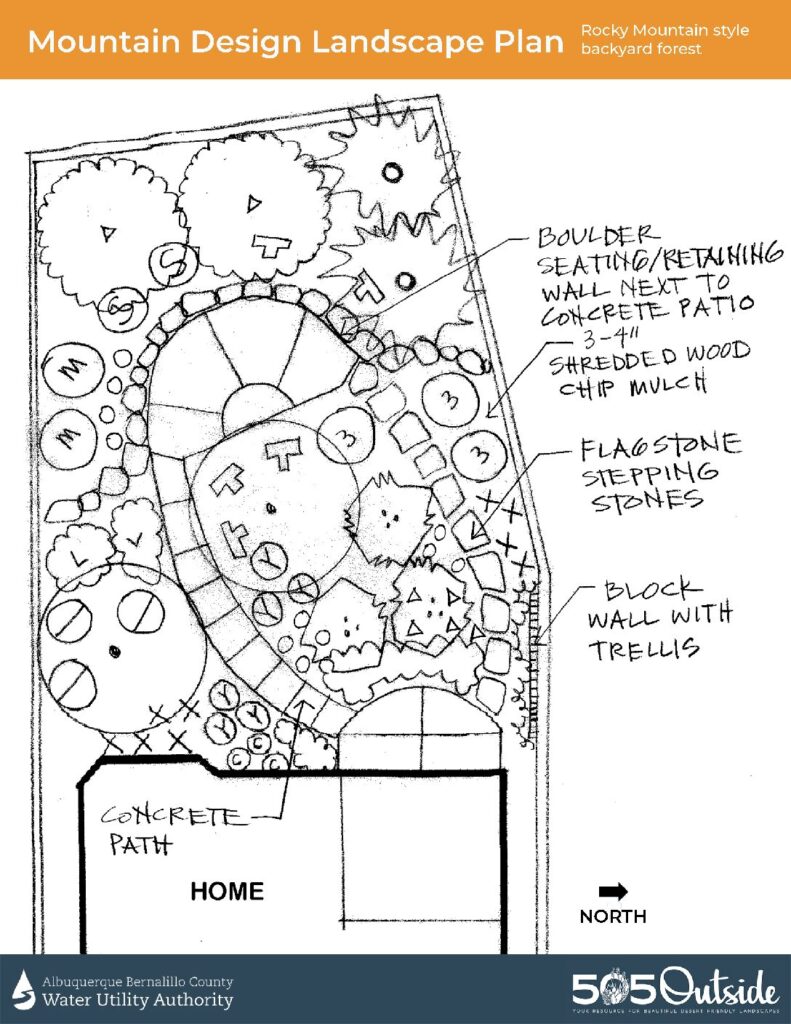
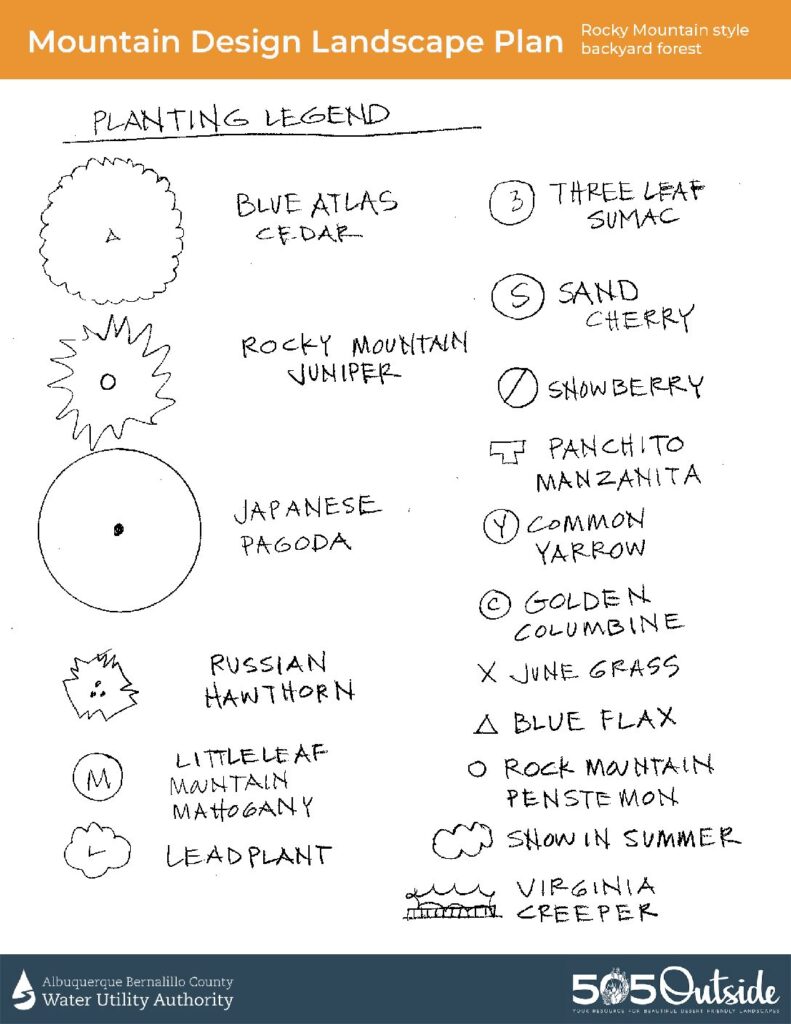
All good things start with a solid plan. Developing a landscape plan saves you not only time and money but also makes it more likely you’ll end up with a beautiful yard. A few generous local landscape architects donated their time and put together some design templates for a typical front yard for our 505Outside subscribers. This month, we’re sharing a mountain-inspired landscape.

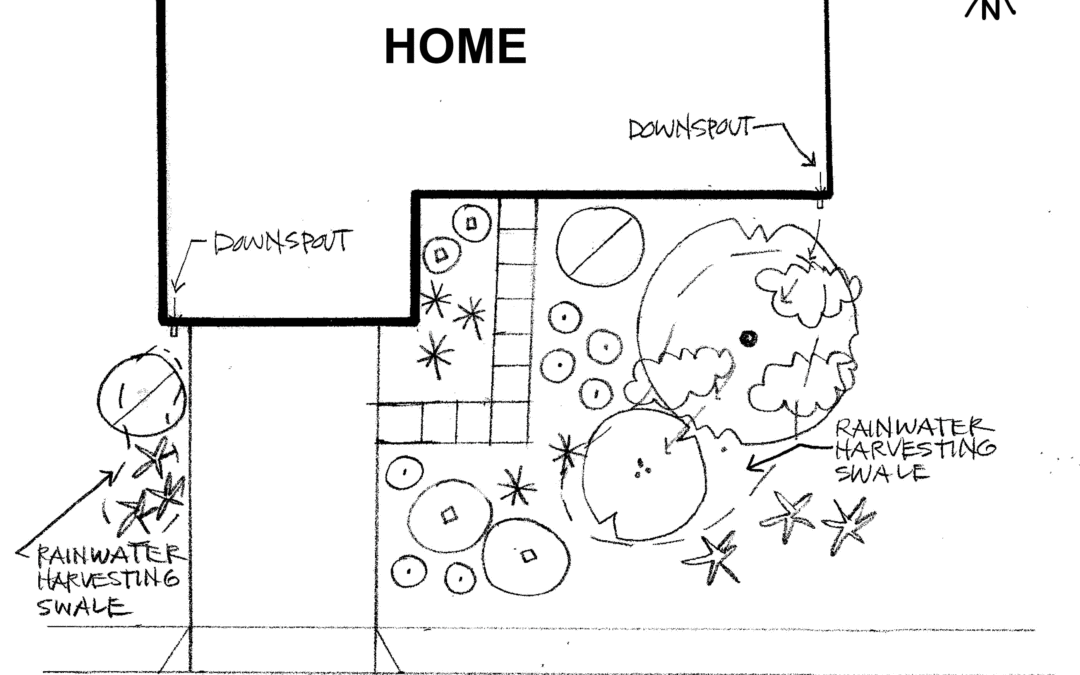
The example landscape template below is for a north or east facing yard and creates the effect of a Rocky Mountain forest while using heat and drought tolerant plants that grow well in town. Take a look and get inspired to recreate this in your own yard.

Shade Tree

Japanese Pagoda, Styphnolobium syn Sophora japonicum

Evergreen Tree

Blue Atlas Cedar, Cedrus atlantica

Rocky Mountain Juniper (female), Juniperus scopulorum

Deodar Cedar, Cedrus deodara

Small/Flowering Tree

Russian Hawthorn, Crateagus ambigua

Large Plant

Western Sand Cherry, Prunus besseyi

Littleleaf Mountain Mahogany, Cercocarpus ledifolius

Medium Plant

Three leaf sumac, Rhus trilobata

Leadplant, Amorpha canescens

Snowberry, Symphoricarpos albus

Small Plant

Common yarrow (millefolium)

Rocky Mountain penstemon

Blue Flax

Groundcovers (less than 2′ tall, spreading more than 3’wide)

Panchito manzanita, Arctostaphylos x coloradensis ‘Panchito’

Snow-in-summer, Cerastium tomentosum

Golden columbine, Aquilegia chrysantha

June grass, Koeleria macrantha

Vine

Virginia creeper, Parthenocissus quinquefolia

Clematis, Clematis ligusticifolia

Learn more here:

Lucious Landscape Design Template

High Desert Landscape Design Template

Desert Friendly Design Templates

Have a question about the article? AskAnExpert@abcwua.org
I’ve Xeriscaped My Yard, Now What?

I’ve Xeriscaped My Yard, Now What?

Your new xeric plants are in, and everything is looking good. What do you need to do to keep it that way? Start by looking at your irrigation controller. It may be programmed to apply water too frequently and/or for too long in order to get the plants started. If you hired a contractor, they may have set the controller to water every day because it’s easier than getting a call about a plant that doesn’t look great.

Many desert-friendly plants and trees evolved to survive on very little precipitation but also to make the most of abundant rainfall when it does happen. They’ll store the water in their roots or grow larger (and produce more seed for dry years) than they would with only adequate water. A xeriscaped yard doesn’t automatically “save” water — it is up to the homeowner to do the actual water saving by adjusting their irrigation controller. My dog would be “happier” if I fed her as much as she wanted, but it’s wasteful (among other things) to do so. Watering your desert-friendly plants too much may cause them to outgrow the space they were designed for, which might mean pruning them more than they need so they don’t grow against the house or over a path or outcompete other plants. Overwatering also creates lush, tender growth that is more attractive to pests and susceptible to frost damage.

A recent study in Arizona found that xeriscaped yards didn’t have reduced water usage because the homeowners applied the same amount of water as they would for a traditional yard with a lawn and non-natives.   

Here are steps you can take to make sure you’re watering correctly for your new landscape and keeping your plants healthy:

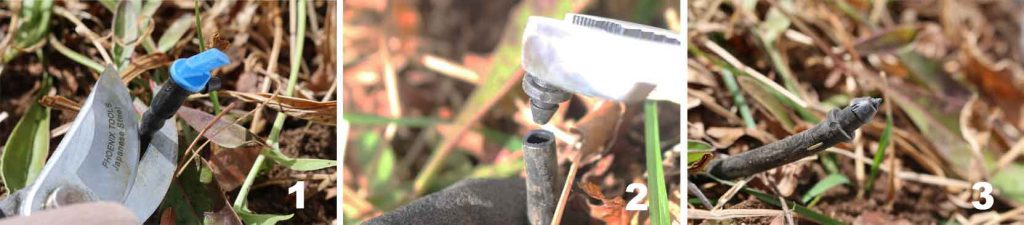
  • Reduce the number of emitters if needed: The best way to do this is by cutting off the drip emitter and installing a “goof” plug in the end of the ¼ inch tubing. This is preferable to trying to pull the ¼” coupler out from the larger line, which creates a larger hole that can’t be easily plugged.
  • Check your irrigation controller: You’ll want to keep the soil moist around the newly installed perennials, shrubs and trees for the first week, and that might mean watering every day if it’s above 90 degrees. After the first week, switch to watering every other day. Then on week three, switch to twice a week. Exceptions would be for cacti, which I would soak once when planting and then water once a week for the first month before tapering off to once or twice a month until established. (Perennials / grasses – 8-10 weeks, Shrubs – 1 year, Trees – 1-3 years.)
  • Check that drip emitters are working properly, especially if a plant looks wilted: Drip emitters often get clogged after a repair is made in the larger ½” or ¾” poly tubing. If you’re using “flag”-shaped emitters and one is not flowing, you’ll want to grasp the body of the emitter while you turn the top “flag” shape counterclockwise 90 degrees to allow the top to separate from the rest. You should do this while the zone is running so that you can see if any emitters aren’t working and so that the water pressure can clear the clog. Once you’ve twisted off the top, you should have a strong flowing stream of water coming out. Hold your finger over the water stream, forcing it into the drip outlet, which clears the clog. 

If you’re using “button”-shaped emitters and one is clogged, you’ll need to cut it off and replace it. Don’t try to pull it off the ¼” tubing, just cut it off and plug in a new one so that the barbed insert has fresh (not stretched out) tubing to fit into.

  • Keep up with plant growth: As your desert-friendly plants grow larger, you can move the emitters farther away from the base of the plant and add new ones if needed; larger plants require more water. There are several ways to do this. You can poke a new hole in the nearby larger poly tubing, insert a ¼” coupler, run an additional ¼” line to the plant and add an emitter. However, if the main poly line is more than a couple of feet away, install a ¼” “T” in the spaghetti tubing and go from there. It saves time and means fewer holes in the main poly line. Remember, when installing ¼” couplers into the main poly, always poke the hole in the side, not the top; that way if you step on them by accident, they won’t break off. Also, if your plants are on a slope, the emitter should be on the uphill side, so water flowing downhill will cover more of the root zone. Check that water wells are still in place and holding water around the plant.
  • Inspect your trees: Check the leaves for any insect damage and the underside of leaves for insect infestations. Also make sure the mulch or gravel isn’t covering up any of the tree trunk above the root flare, which traps moisture that can cause decay or rot. Particularly in fruit trees, this can also allow detrimental insects access to the trunk where they could bore into it.
  • Check the soil around the base of your plants: Often during initial watering, the soil will settle into the planting hole and can expose the root ball, which causes it to dry out quickly. If you observe or suspect this, kneel in front of the plants, move the mulch out of the way and scrape the surrounding soil back around the plant to cover up the root ball. Then replace the mulch and reposition the drip emitter as necessary.
  • Learn the common or scientific names of your plants: If you don’t have a list, plant tags or a detailed landscape plan, some newer smart phones have a plant identifier built into the camera app (no need to remember the app store password and download another app).  The closer you can get to the plant — showing leaves, branch shapes and flowers (if any) — the better the app will work. The phone (as we all know) can be wrong, but it will give you a place to start. Alternatively, send an email with photos to askanexpert@abcwua.org and we can help you identify

Once you know the plant names you can look them up in our xeriscape guide to reacquaint yourself with their water needs and mature sizes. Need help remembering the plant names? Often the plants themselves can tell you. Is it a catmint? Rub the leaves and smell the minty aroma. Turpentine bush? Lemony pine smell, for sure. Maybe it’s the shape of the leaves. Fernbush? Examine the leaves closely and see how they resemble an actual fern from a rainier climate.

Learn more here:

Easy Pollinator Gardening 

Xeriscape Conversions on the West Side that Use Wood Chip Mulch

DIY Xeriscape Conversions that Use Wood Chip Mulch

Author: Carl Christensen, Xeriscape Inspector. Have a question about the article? AskAnExpert@abcwua.org
High Desert Landscape Design Template

High Desert Landscape Design Template

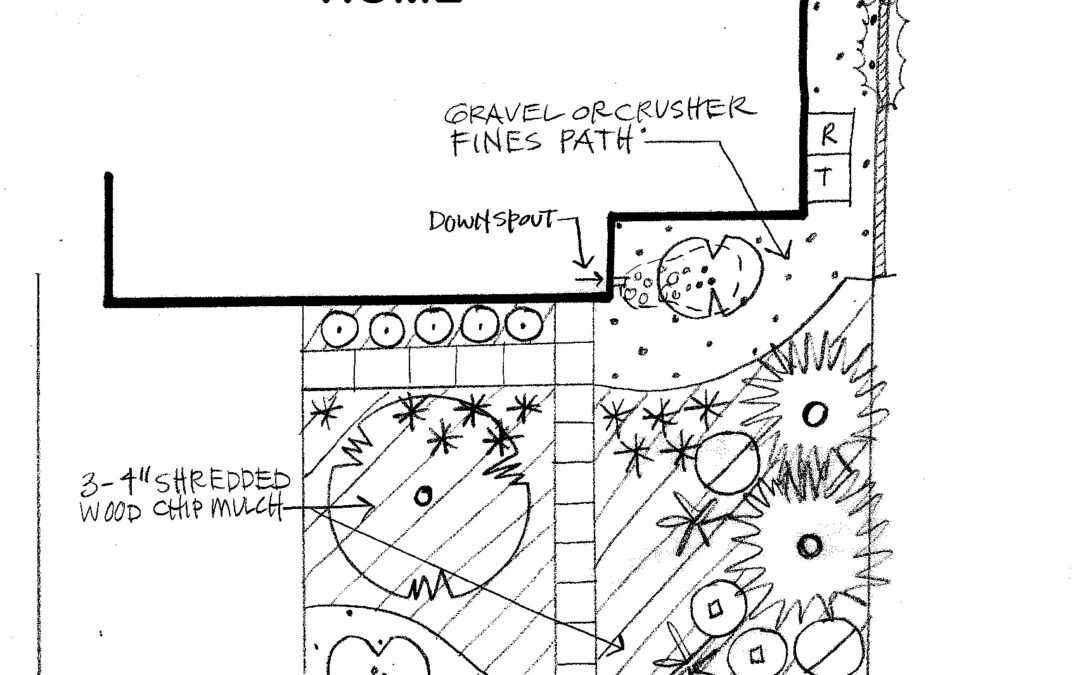
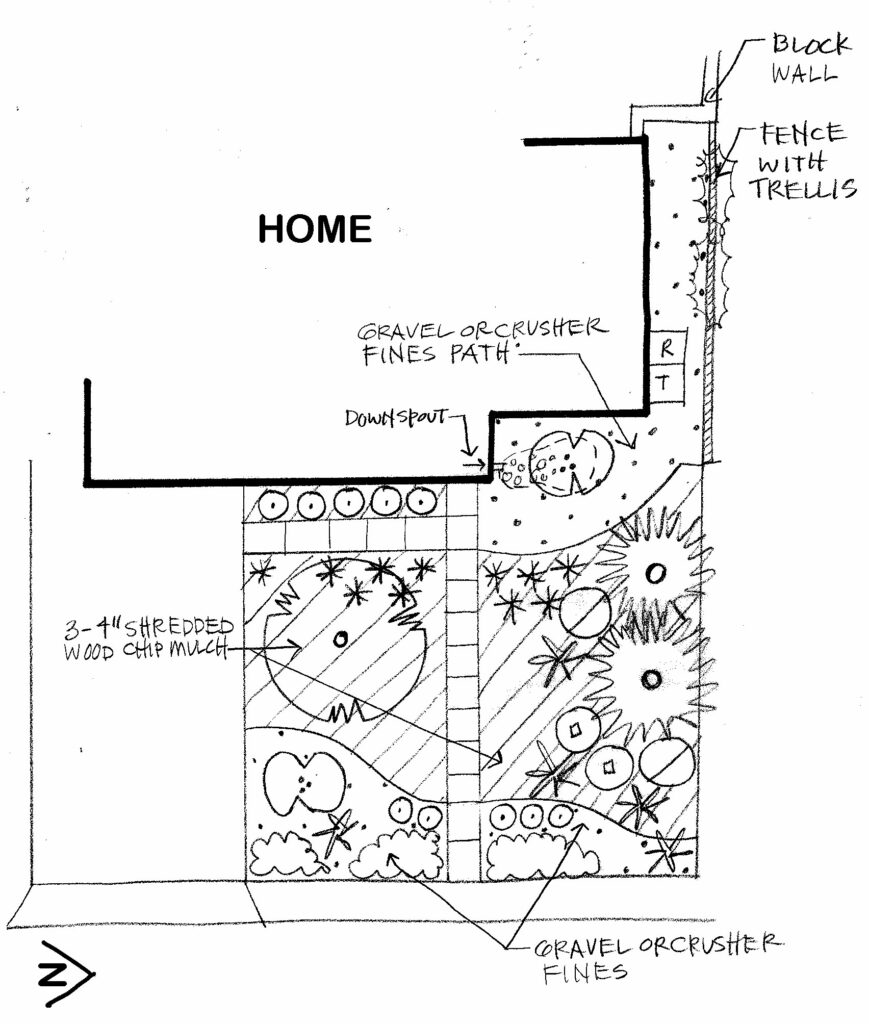
All good things start with a solid plan. Developing a landscape plan saves you not only time and money, but it is more likely to result in a beautiful yard. A few generous local landscape architects donated their time and put together some landscape design templates of a typical front yard for our 505Outside subscribers.

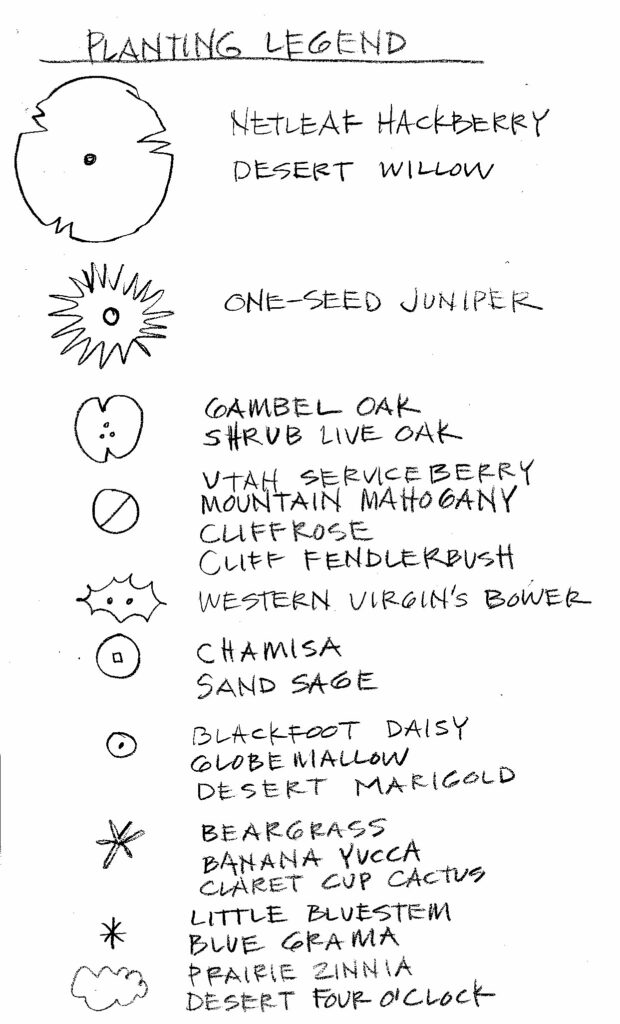
Above is a look at an example landscape template for a south facing front yard. This design brings all those local native plants you see in the foothills into your landscape. It’s full of a mix of oaks, sages and grasses. Take a look and get inspired to recreate this in your own yard.

Trees: Deciduous

Gambel oak

Netleaf hackberry

Shrub live oak

Desert willow

Trees: Evergreen

One-seed juniper (female only)

Shrubs

Mountain mahogany

Cliffrose

Utah serviceberry

Chamisa

Sand sage

Cliff fendlerbush

Flowering Plants

Blackfoot daisy

Globemallow

Desert marigold

Desert Accents

Beargrass

Banana yucca

Claret cup cactus

Groundcovers

Prairie zinnia

Desert four o’clock

Grasses

Little bluestem

Blue grama

Vine

Western virgin’s bower

Learn more here:

Desert friendly landscape reveal

Climate ready landscapes

Waterwise Design Templates

Author: Jill Brown, ASLA, is a landscape architect and owner of My Landscape Coach in Albuquerque. Have a question about the article? AskAnExpert@abcwua.org
Lucious Landscape Design Template

Lucious Landscape Design Template

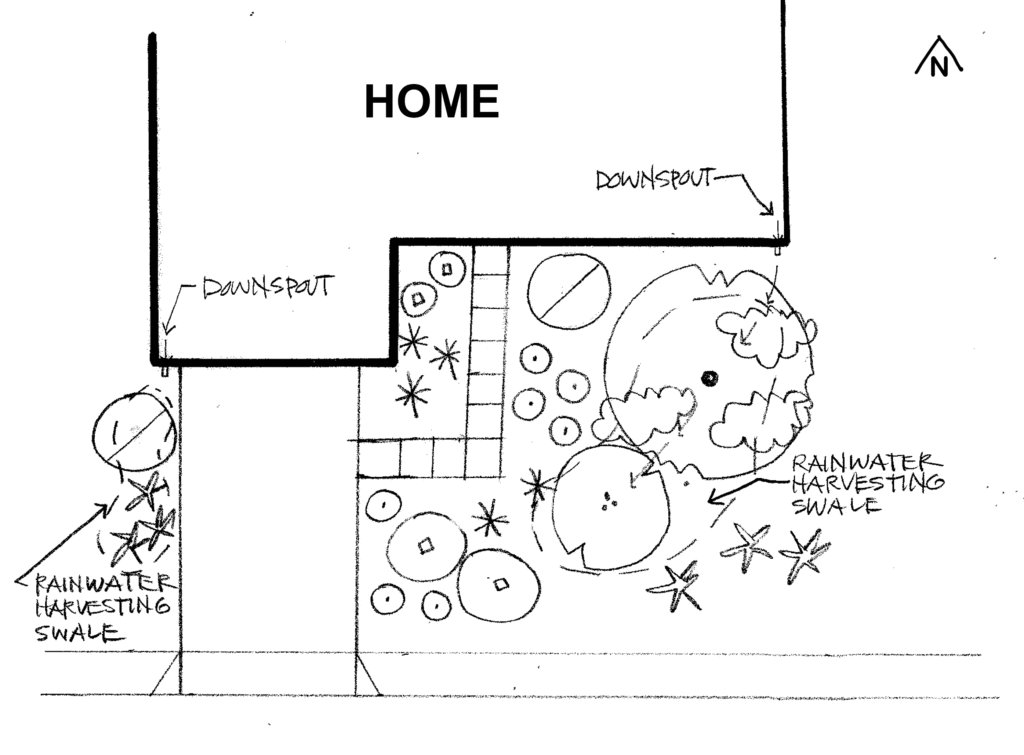
A lot goes into designing a landscape, hence there’s an entire profession called landscape architecture devoted to designing outdoor spaces. A few generous local landscape architects donated their time and put together some Landscape Design templates of a typical front yard for our 505Outside subscribers.

All good things start with a solid plan. Developing a plan saves you not only time and money, but it is more likely to result in a beautiful landscape. Above is a look at an example landscape template for a south facing front yard. This design brings a taste of the East Coast or Midwest to your home in New Mexico. It’s full of leafy green desert friendly plants. Take a look and get inspired to recreate this in your own yard.

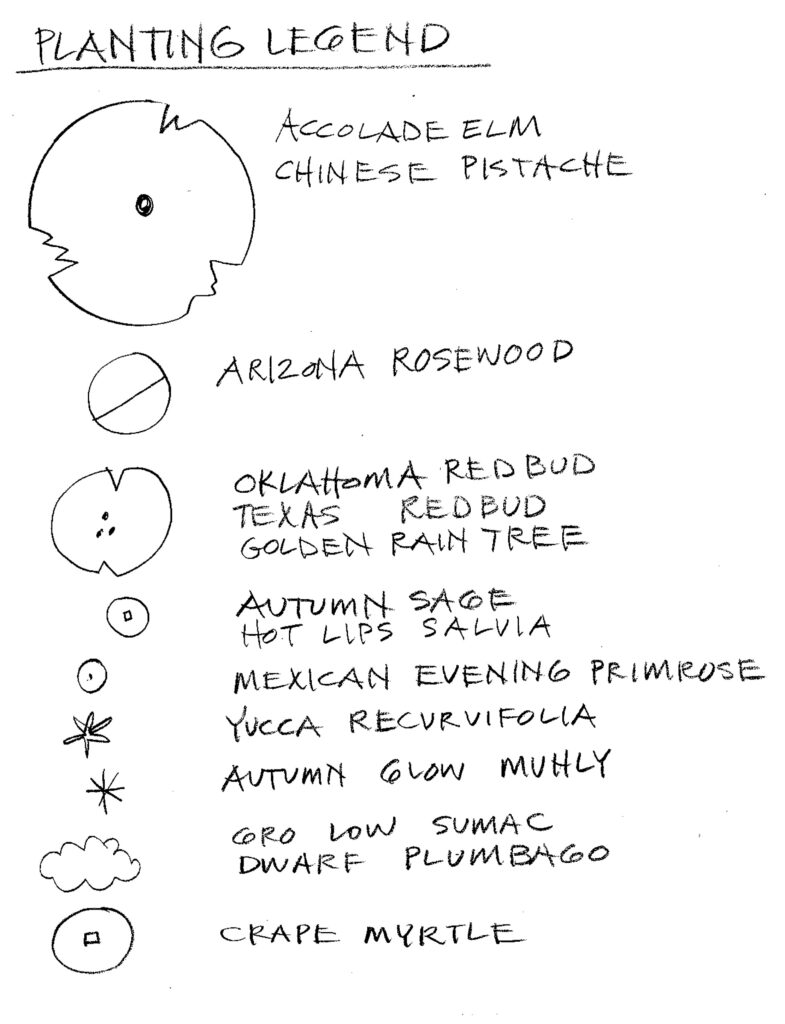
Luscious Landscape Design Template

Tree: Deciduous

Accolade elm

Chinese pistache

Oklahoma redbud

Texas redbud

Golden raintree

Tree: Evergreen

Afghan pine

Arizona rosewood

Shrubs:

Crape myrtle

Autumn sage

Hot Lips salvia

Flowering Plants:

Mexican evening primrose

Desert Accents:

Yucca recurvifolia

Groundcovers:

Wall germander

Gro-Low sumac

Dwarf plumbago

Compact mahonia

Grasses:

Autumn Glow muhly

Vines:

American wisteria

Carolina jessamine

Learn more about plants here:

505Outside Plants of the Month

Six Steps to Get Started Designing Your Yard

Desert Friendly Design Templates

Have a question about the article? AskAnExpert@abcwua.org