
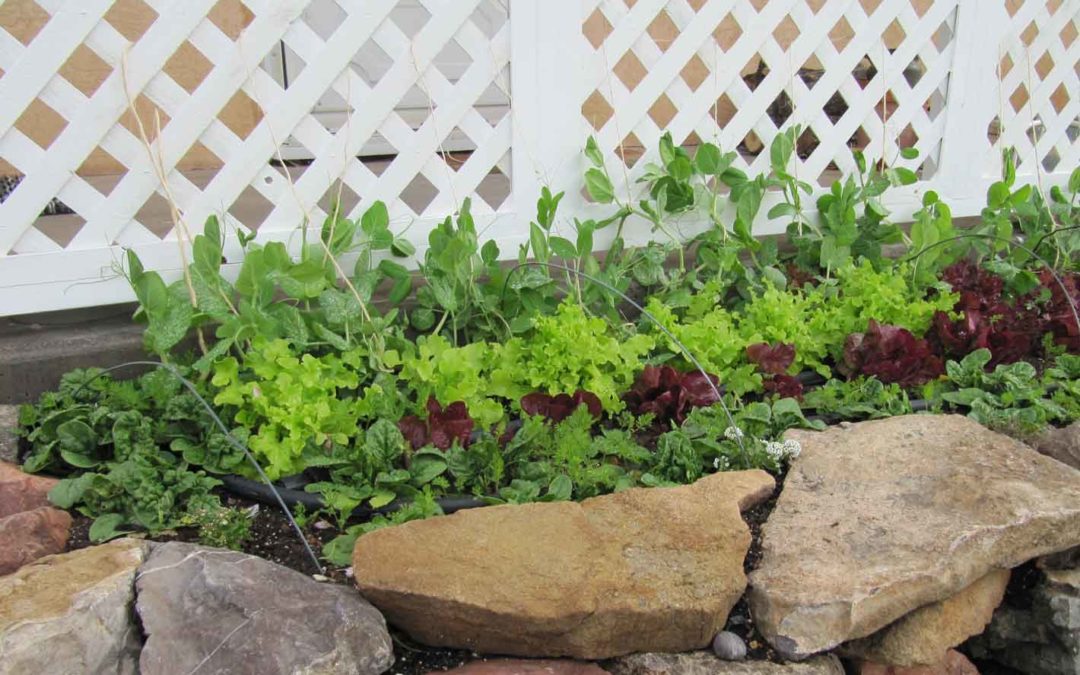
One hundred years ago, almost every house with a yard had a vegetable garden. This was before the era of mass-produced, well-traveled foods readily available in the big grocery stores. People grew these gardens out of necessity. The whole family joined in, breathing fresh outdoor air and staying active while growing super healthy food to eat. 

While we don’t have to do that now, every year more people are discovering the joys (and pains) of growing their own fresh produce. Maybe you’re one of those folks who has recently picked up a hoe and a packet of seeds.

Here are tips for starting gardens as well as suggestions for easy and tasty plants to grow.

  • Good soil and regular watering are keys to having a successful garden. In the dry Southwest rich soils don’t form naturally, so you’ll need to create a good soil first, and then maintain it. 
  • Setting up wide garden beds makes the most efficient use of amended garden soil and applied irrigation (read John Jeavon’s excellent book How to Grow More Vegetables Than You Ever Thought Possible on Less Land Than You Can Imagine for more on the hows and whys of wide beds). 
  • You may need to break up the soil before planting your first garden. Once the soil is loosened and amended, it’s better to work in new compost with hand tools and to mulch deeply with an organic mulch. Hand tools have advantages: They don’t destroy the living soil the way mechanical tillage does, they aren’t noisy, they don’t smell like exhaust and you get good exercise while using them!
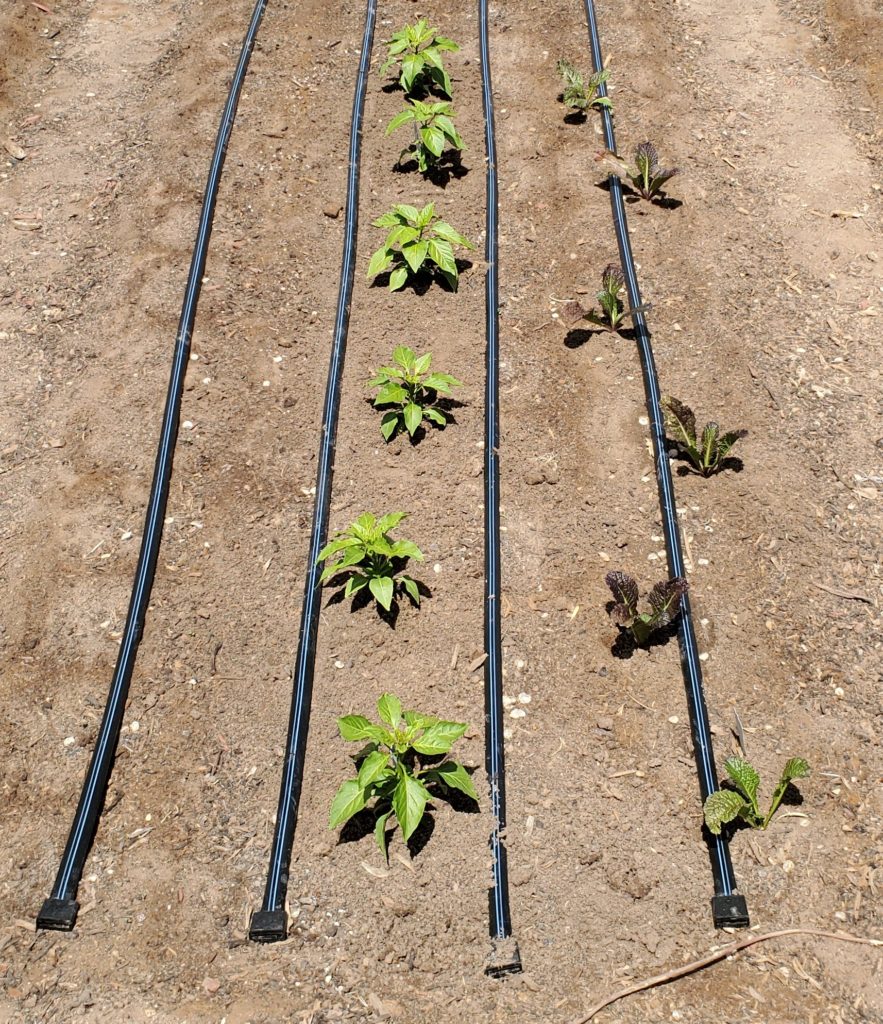
  • Drip irrigation is ideal for vegetable beds, and there are numerous ways to set up a good system. If you are using the outdoor hose bib, be sure to include anti-siphon devices, pressure reducers and good filters to keep everything safe and functional. Timers are optional but recommended. It sounds complicated but really isn’t hard, and the results are well worth the effort. 
  • Add organic mulch! There are a number of good choices for organic mulch.

Garden beds are in and ready. What are you going to plant? 

Some vegetable species prefer warm (even hot) temperatures, while others grow best in cooler weather. At this point in the season, start with the warm weather crops.

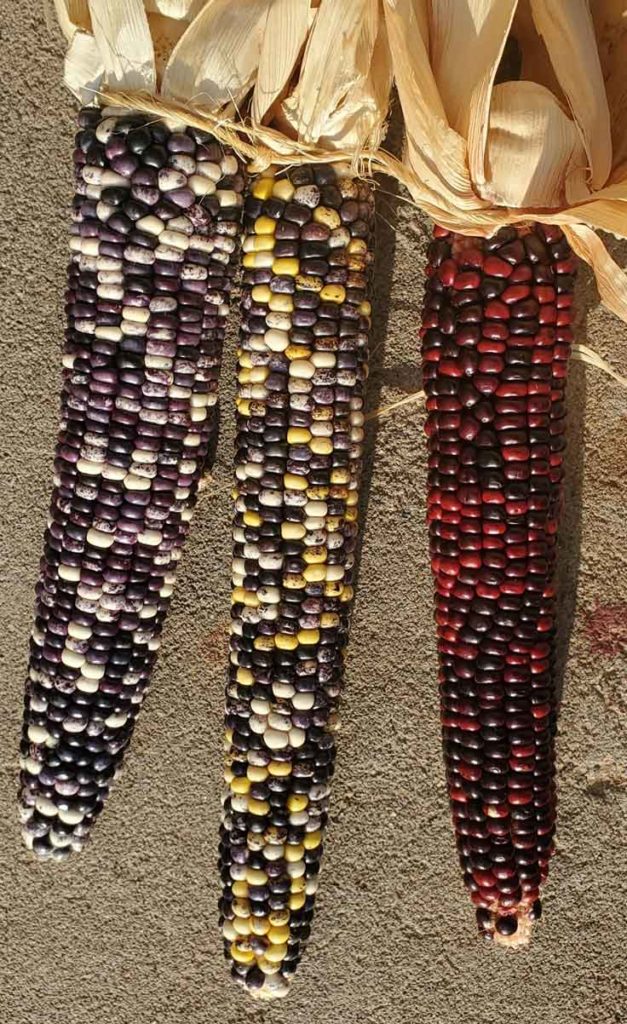
Corn is fun to grow. In a small garden, you don’t really get a lot of food for the space that corn uses, but those tall stalks play other roles as well. The shade they cast, especially in the afternoon, helps other plants grow in our hot, sunny climate. Pole beans, which can be planted around the new corn plants when they’re about a foot tall, will climb the corn stalks. Beans can also add nitrogen to the soil in partnership with certain symbiotic bacteria living in their roots. Flat Italian pole green beans are a true fresh garden delight! Almost any green beans — bush or pole — are easy and satisfying to grow.
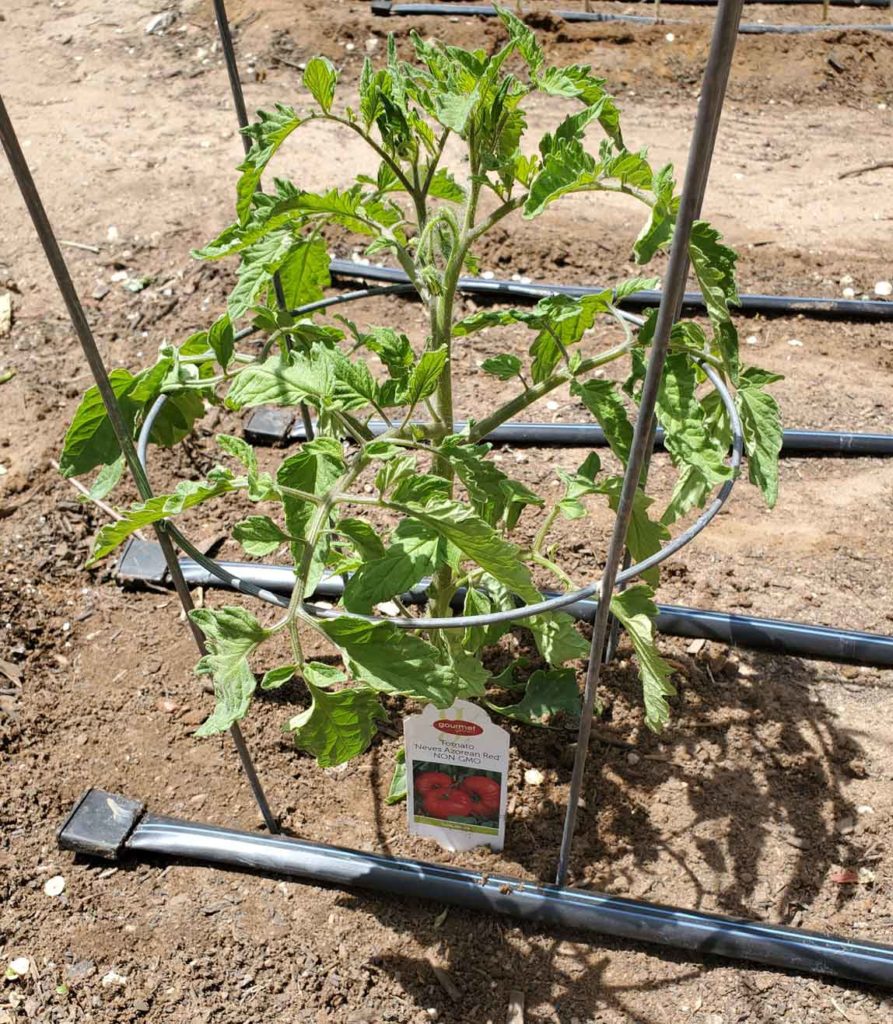
Tomatoes are an annual favorite for many gardeners. There are so many varieties of tomato plants, from short patio container plants and wild rambling cherry tomatoes to dense San Marzano paste tomatoes and Cherokee Purple slicers. The curly top virus can be a problem, but plants growing in light shade are less likely to contract the illness. Blossom end rot sometimes crops up and is most easily controlled with good mulching and regular irrigation. Adding some bone meal to the garden bed may help a bit, too.
If you have room for them to roam, consider planting watermelons! The smaller icebox varieties are a great size, and when planted in our area they tend to have few if any, pest and disease problems. They do, however, need an ample amount of water. Diversify your landscape by planting them in border flower beds where the vines can grow across the yard. They can take over small garden beds, so be careful where you plant them.

As the cooler fall temperatures arrive, lots of other veggies can be planted. Many of them should be seeded in August for fall harvest. Be sure to keep the seed beds moist and shaded a bit so the soil is cooler. Alternatively, you can start them in trays or little pots indoors. If they start to get long and thin, it’s a sign that they need more light!

Lettuce is a great fall crop. Romaine and butterhead varieties do well here and are distinct enough to add culinary variety. Other great greens for fall include spinach, kale and Swiss chard. Greens are high nitrogen users, so amend the beds again for fall planting, and periodically give them a light fertilizing with something like fish emulsion (smells awful, grows great plants!) or another soluble plant fertilizer. 

Fall is also a great time to plant root crops. Both beets (botanically, the same plant as Swiss chard) and carrots do well in the autumn. Don’t try to start these in pots or trays. Root crops do much better when directly seeded into the ground. There are many gourmet varieties of both beets and carrots, even carrots that come in a mix of orange, yellow, white and purple colors. Shorter varieties are better for most home gardens, as the long ones require deep loose soil to form well.

All the cool season crops can be grown right through the winter if they are harvest-size by the time very cold weather hits. Keep them well mulched. As far as greens go, buy some spun-bound row cover material to drape over them. It’s amazing how well they will do with just a little protection. These crops can be started again in early spring for the spring, cool-season garden.
Learn more by checking out these other useful drip irrigation articles:

Vegetable and Herb Gardening in Small Spaces

Types of Mulches

Mulch Myths

Author: Joran Viers, ISA Board Certified Master Arborist with Horticultural Consulting llc Have a question about the article? AskAnExpert@abcwua.org

Water-Wise Vegetable Gardening

With our hot summers and low precipitation, growing vegetables in NM can be
challenging. This talk will provide strategies and recommendations for growers to
cultivate a thriving vegetable harvest in the region. Discussion will include irrigation and infrastructure suggestions, as well as selection of vegetable varieties that are well-adapted to the area.

Instructor: Stephanie Walker, PhD. Professor and Vegetable Specialist, New Mexico
State University, Extension Plant Sciences Department.

Maintaining Tree Health During Drought

Learn from Albuquerque’s leading tree expert how to identify drought stress in trees,
understand their responses to drought, and implement strategies to keep them alive and thriving in hot, dry weather.

Instructor: Joran Viers, Board Certified Master Arborist and Municipal Specialist,
International Society of Arboriculture (ISA). Senior Arborist, Legacy Tree Company,
Albuquerque. Former City Forester, City of Albuquerque

Creating a Drought-Tolerant Refuge for Yourself and Wildlife

Instructor: Laurel Ladwig, M.S. She is the ABQ Backyard Refuge Program Director for the Friends of Valle de Oro National Wildlife Refuge, a part-time faculty member in the Department of Geography and Environmental Studies, and Associate Director of the R.H. Mallory Center for Community Geography at the University of New Mexico and is enthusiastic about all opportunities to encourage people to develop a relationship with our wild neighbors.

Designing Resilient Landscapes: Plant Adaptations, Communities, and Selection for Arid Environments

Instructor: Maria Thomas is the Curator of Plants at the ABQ BioPark where she manages the botanical exhibits, plant collections, horticultural staff, and related programs for the 150-acre public park and garden. Additionally, Maria is an Adjunct Professor at the University of New Mexico in the Landscape Architecture department.

Climate-Ready Trees- Planting for a Warmer and (Hopefully) Shadier Future

Instructor: Marisa Y. Thompson, PhD Extension Urban Horticulture Specialist. New Mexico State University Department of Extension Plant Sciences, Los Lunas Agricultural Science Center, Think Trees NM, President of the Board (2023-current).

Plant Adaptations to Heat & Drought

Noticing the Ways Plants Thrive in our Yards and Natural Areas Learn how to Recognize Drought-Adapted Traits in Everyday Plants all Around Us.

Instructor: Marisa Y. Thompson, PhD Extension Urban Horticulture Specialist. New Mexico State University Department of Extension Plant Sciences, Los Lunas Agricultural Science Center, Think Trees NM, President of the Board (2023-current).

Hose Bib Tree Irrigation System for Your Trees: Simple Systems for Thriving Trees!

Instructor: Richard Perce has twenty years’ experience working with trees and irrigation here in New Mexico. He is a former certified arborist and currently holds the Irrigation Association’s Landscape Irrigation Auditor certification and is a certified QWEL irrigation instructor. He worked as a landscape contractor for more than a decade and is the Water Authority’s former Irrigation Efficiency Specialist. He also has a Masters of Community and Regional Planning from UNM and currently works at Anthropopulus Design + Planning.

Passive Rainwater Harvesting

This workshop introduces participants to the principles and practices of passive rainwater harvesting. Attendees will learn how to capture, slow, spread, and infiltrate rainwater into the landscape using simple, low-cost methods such as swales, berms, and basins. The workshop emphasizes working with the natural flow of water to reduce runoff, prevent erosion, and support healthy soil and plant life. By implementing passive rainwater harvesting, participants can conserve water, and create more resilient, self-sustaining landscapes.

Instructors: Anthony Luketich, Natural Resource Scientist, Anthony Luketich is a Natural Resources Scientist for Bernalillo County where he is focused on water conservation and water-wise landscape practices. He received a degree in Watershed Management and Ecohydrology from the University of Arizona where he studied the relationship between trees and water. Anthony has worked across the Southwest US as a research scientist as well as a water harvesting field technician where he became a certified water harvesting practitioner.

Bobby Mullin, Natural Resource Scientist, Bernalillo County Stormwater Quality Program Bobby Mullin is a Natural Resource Scientist for Bernalillo County in the Stormwater Quality Program. He focuses on improving stormwater quality in the Middle Rio Grande Watershed and promoting sustainable and resilient landscapes using Green Stormwater Infrastructure and rainwater harvesting. Bobby received his Bachelor of Science in Environmental Science from Bucknell University in 2011. Before joining Bernalillo County, he had worked as an environmental consultant remediating contaminated soil and groundwater and as a Research Scientist studying the impacts of climate change, drought and plant mortality in New Mexico ecosystems.

Xeriscape: The Desert Friendly Yard

Join us for learning all of the tips, and benefits of our Xeriscape program!

3 Steps to Landscape Success

Service, Settings, and Selection are the keys to landscape success!