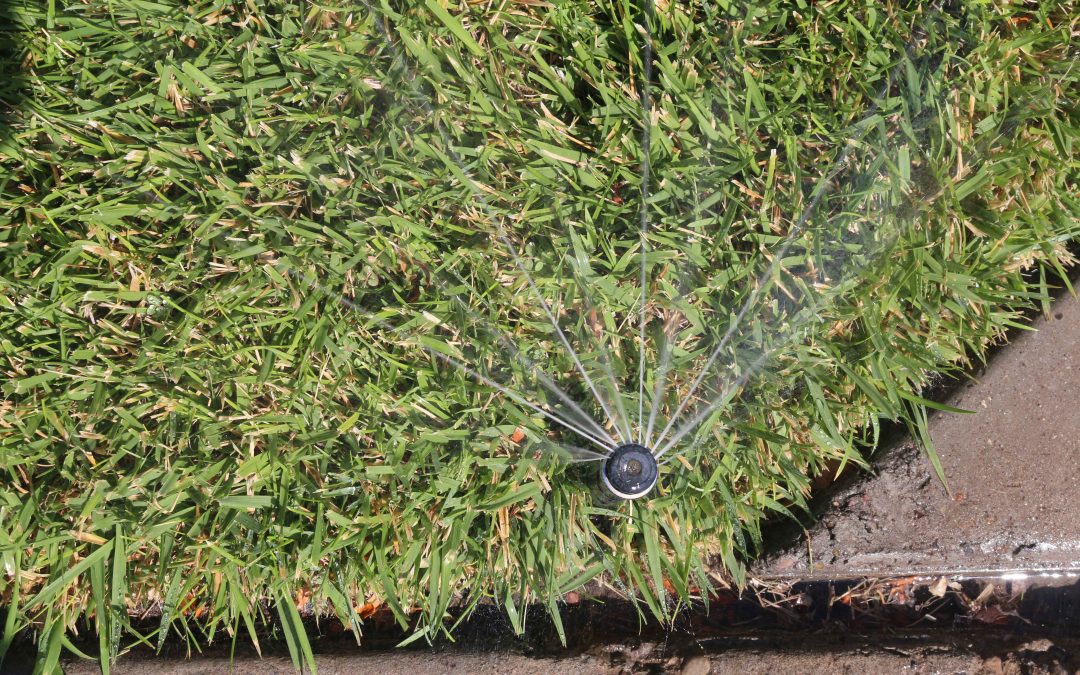
Your irrigation system is only as good as its aim. Adjust sprinklers and emitters to make sure they are delivering water to the landscape and not onto rocks, bare earth or pavement.
June is a great time to check and replace any clogged spray nozzles or drip emitters. Remember, each spray head also has its own filter insert that needs checked as well.
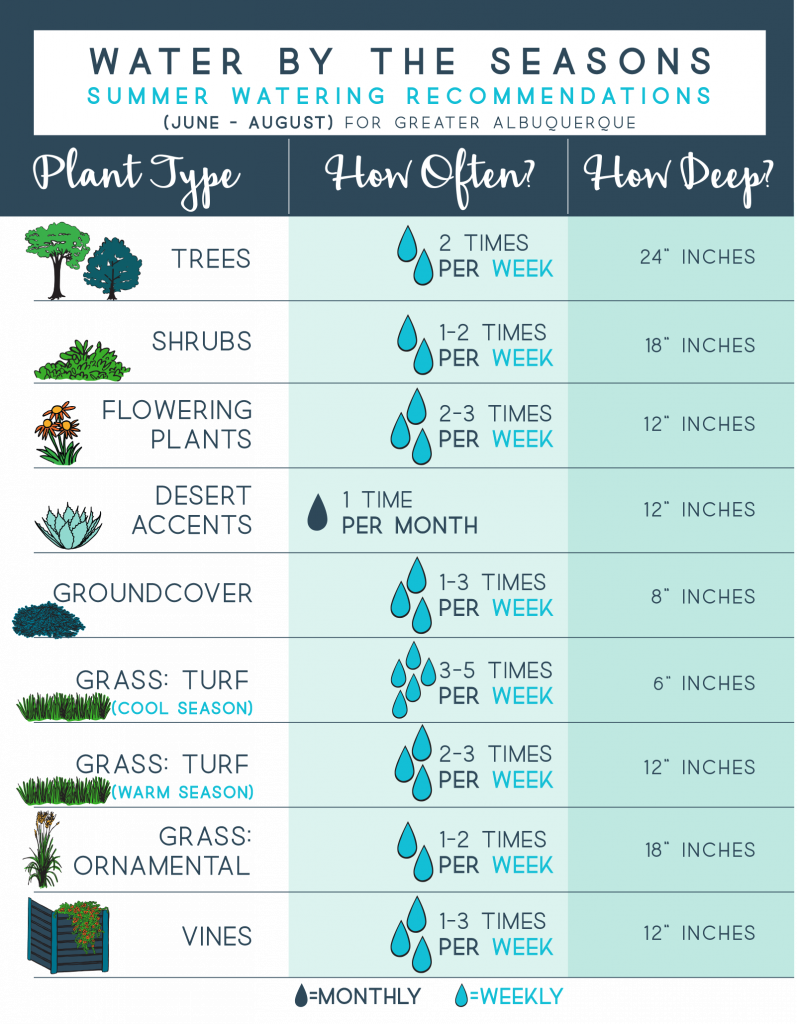
Watering Recommendations: Summer is here and so are hotter temperatures! Follow the Water by the Seasons Summer watering recommendations to keep your yard looking healthy. For turf, water 2-3 times per week. Start watering your trees and shrubs 1 time per week to keep them looking good.
Remember, if it rains more than a half inch you can skip your next scheduled watering as there is no need for supplemental irrigation.
A lot of things have changed since last spring, but at least one thing is the same: April 1 is still the date on which time-of-day watering rules go into effect for Water Authority customers in Albuquerque and Bernalillo County. That means sprinkler and spray irrigation is not allowed between 11 a.m. and 7 p.m. from now until Oct. 31 in order to minimize losses to wind and evaporation.
Using spray irrigation during the hottest, windiest part of
the day is not efficient. Instead, water in the early morning or in the evening
when it’s cooler. Another good way to avoid water waste is by troubleshooting
your irrigation system on a regular basis to identify leaks and make sure water
is directed properly to the plants. Follow these tips for a desert friendly
yard:
For turf, follow the Water by the Numbers program and adjust your watering schedule as the season changes: Two days per week in April and May, three days per week in the summer, and ramp down again in the fall.
Irrigate only when your plants need it, and water them deeply rather than too frequently. Use a long screwdriver or soil probe to check soil moisture.
Add compost to your soil to increase moisture retention and boost soil fertility.
Mulch around plants to help retain moisture and reduce weeds.
Grow strong and healthy trees by watering infrequently, to a depth of at least 24,” in a wide area around the tree’s canopy. Many of our trees only need deep watering 1 -2 times per month (depending on the species and conditions).
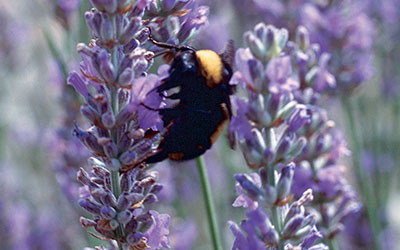
The genus Lavandula is a favorite group of ornamental herbs native to southern Europe and the Mediterranean. These are sun-loving plants that thrive in hot weather and grow well in the West in a wide range of soils, even compost-enriched garden loams, as long as they are well drained. Heavy, poorly drained clay soils can be fatal to lavenders.
In spring, before the plants begin to show signs of new growth, cut back the old stems by one-third to
re-invigorate the plant and encourage a good show of summer flowers. Lavender plants require two to three growing seasons to reach mature size.
The two major groups of Lavenders include the English Lavenders (L. angustifolia varieties) and the Lavandins (L. x intermedia varieties), which are hybrids between English lavender and another species, Lavandula latifolia. Generally speaking, the English lavenders have the deepest flower color, while the Lavandins are taller plants with larger flowers and longer flower stems.
The English lavenders are often preferred as a source of dried flowers while the Lavandins are typically used for oil production, potpourris and lavender wands.