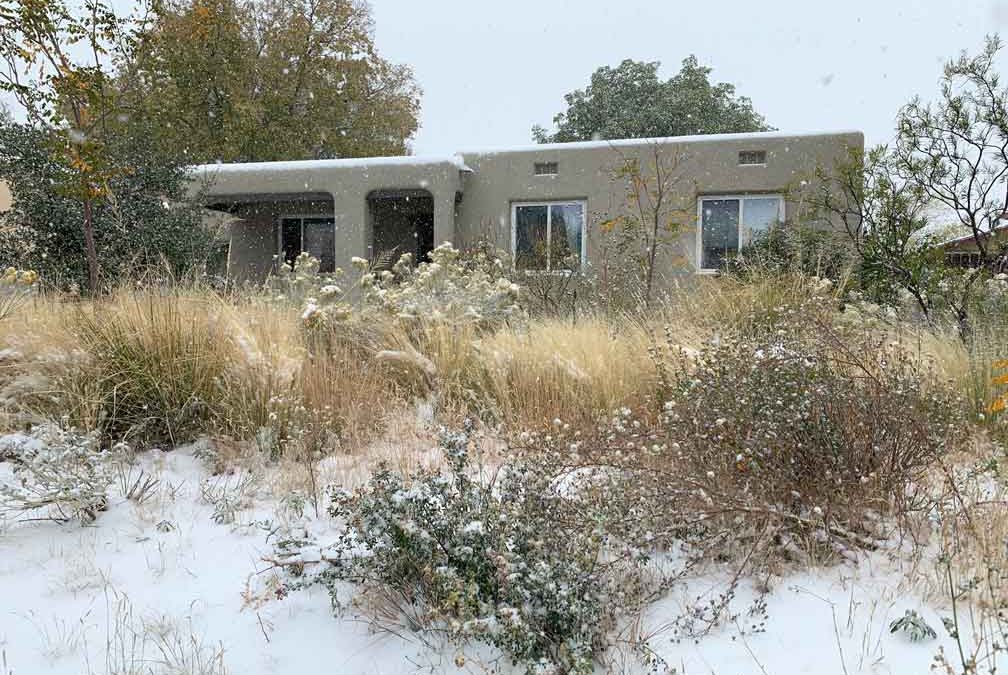
Adopting water efficiency strategies will be the key to weathering the drought this year. These three simple steps can help you conserve water, rebates available for all three recommendations.
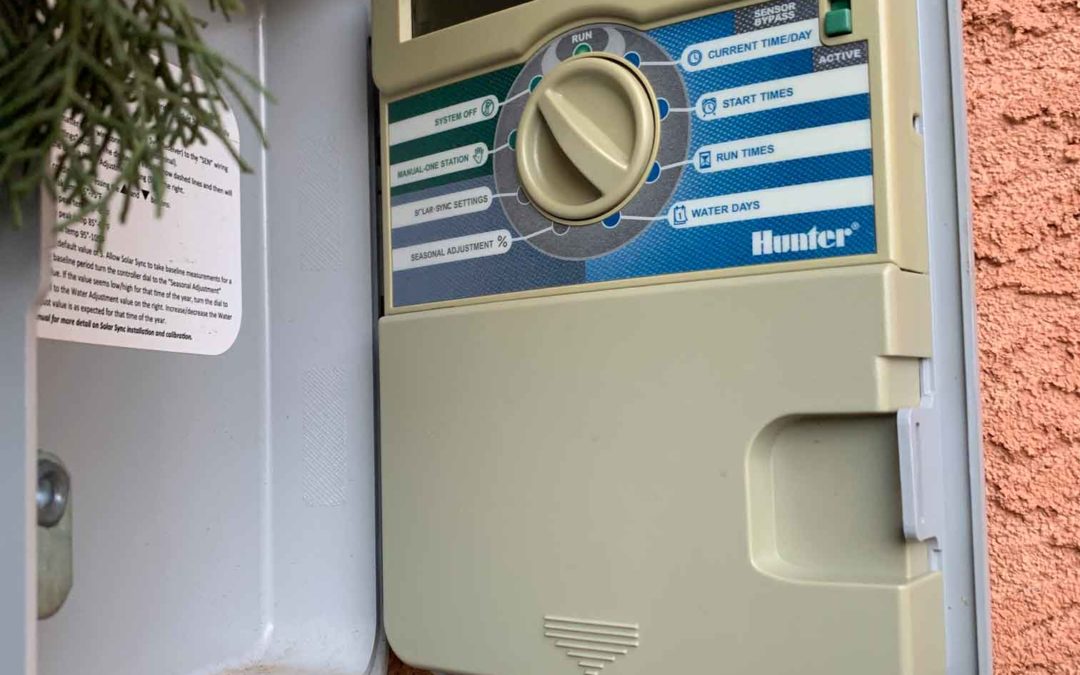
1. Update your controller with a WaterSense Smart Irrigation Controller
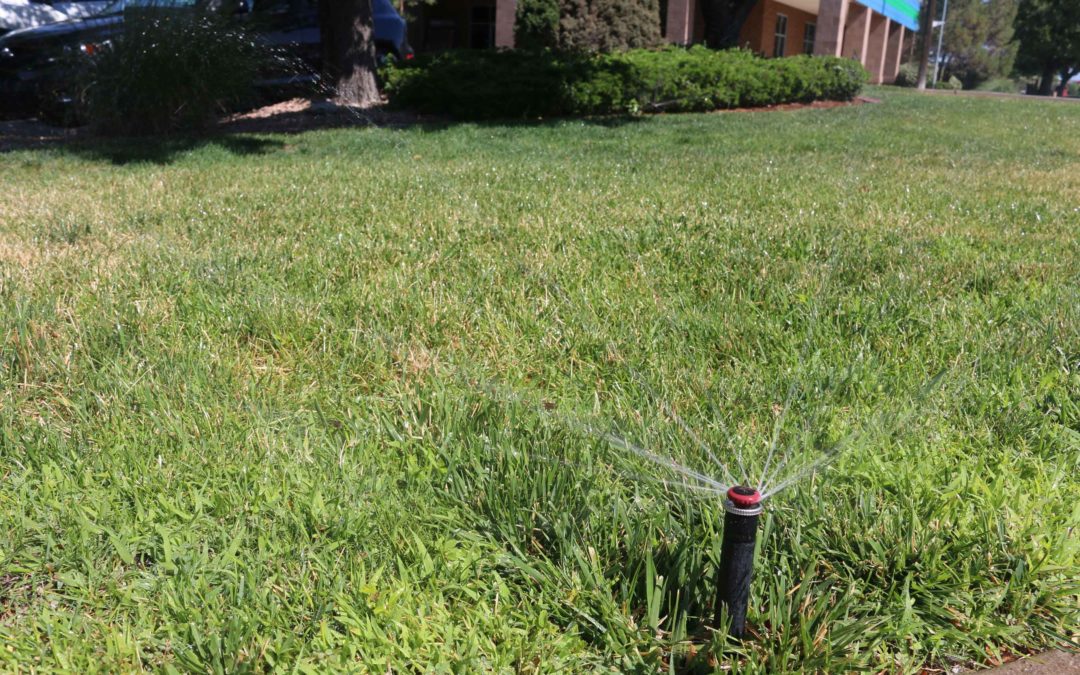
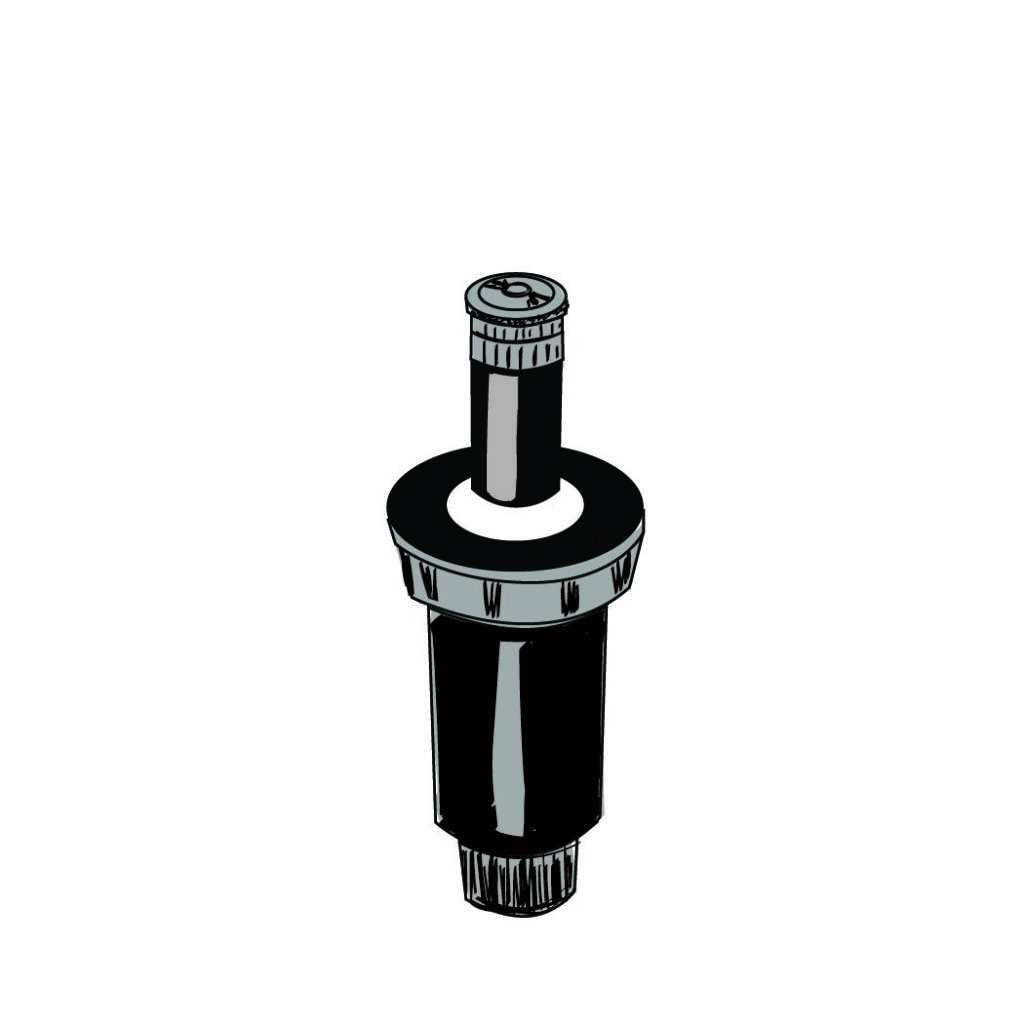
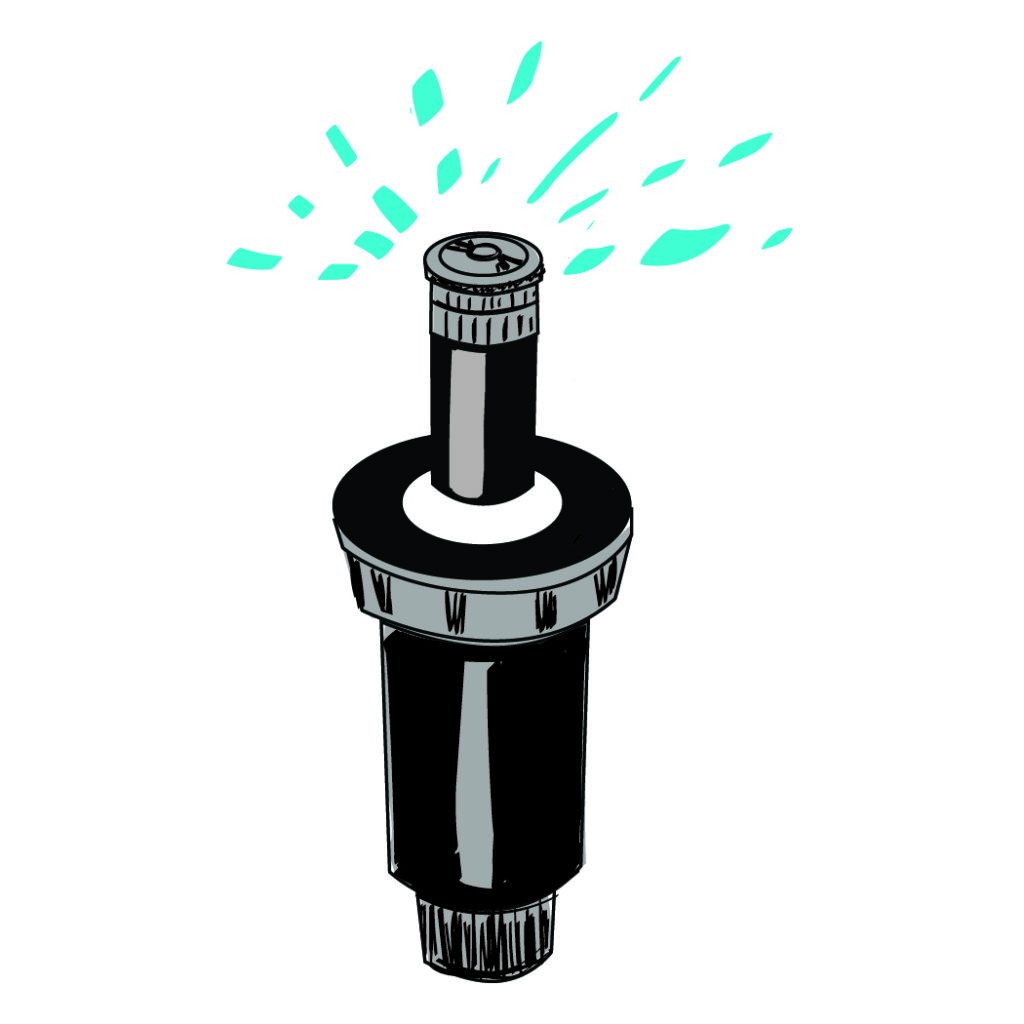
2. Replace your spray bodies with WaterSense Pressure Regulating Spray Sprinkler Bodies
WaterSense labeled spray sprinkler bodies with internal pressure regulation can reduce water waste by providing a consistent flow at the sprinkler nozzle. When the sprinkler body maintains pressure near its optimal operating pressure, the connected nozzle is better able to generate the right amount of water spray and coverage for a more uniform distribution of water across the landscape. Customers can choose from a list of pre-qualified spray sprinkler bodies.
High-efficiency sprinkler nozzles are a great solution for upgrading an old and poorly performing sprinkler system. These nozzles minimize water waste and feature a unique multi-trajectory rotating stream that delivers water at a steady rate. This slower application rate allows water to gently soak in at rates that soils can absorb. Use these nozzles to replace the sprinkler head on any conventional spray head body or pop up sprinkler. In most cases, you just remove the old, water wasting spray nozzle and replace it with the new head. For more information on these nozzles read this post.
Making these simple changes can result in 30% water savings. For installation, questions contact your favorite irrigation supply store professional or send us a question at [email protected]
Author: Jill Brown, ASLA, is a Landscape Architect and owner of My Landscape Coach in Albuquerque, NM. Have a question about the article? [email protected]
There is a saying that “time is more valuable than gold.” Watering your yard can bring relaxation and time to enjoy the beauty of creation. But, for people with larger yards and those who are too busy to devote hours each week to watering, an automated irrigation system can be just what they need to save that precious time.
Automated sprinkler irrigation systems are great for lawns and meadows, and automated drip irrigation systems are perfect for all other plants, including trees. Both systems are handy devices that can provide remarkable benefits if they are properly designed, installed, and maintained:
Aesthetic Benefits: an automated irrigation system is one of the best ways to keep your landscape beautiful and healthy because it can provide the right amount of water at the right time. This is especially important during the summer months when the sun’s intensity can dry out the soil and damage your turf and other plants.
Save Water = Save Money: even though there is an upfront cost for installation of an automatic irrigation system, it will work to ensure the most efficient use of water for your specific landscape. This means more money will stay in your pocket with lowered water bills.
Improved efficiency: Different plants have different watering needs and individual zones of an automated irrigation system can allow for delivering the right amount of water with the most effective irrigation method.
Flexibility: An automated irrigation system can include a Water Sense Smart Irrigation Controller, which can take the guesswork out of scheduling. These typically run between $200-$400 if professionally installed, or $100-$200 if you install it yourself. Rebates are available!
Reduce Weeds: automated drip irrigation systems can be extremely efficient at providing water to a targeted area. This reduces the number of weeds in your yard since it will deprive them of water and instead direct that water towards desirable plants, trees, and shrubs.
More time to sleep in: the best time to water your yard is early in the morning when the sun is down because water does not evaporate as quickly, meaning your plants will have the maximum amount of time to absorb the water. This means you will use less water than if you water during the day because your sprinkler system will not be competing against the evaporating power of the sun.
More time for camping: just like a programmable thermostat, automated irrigation systems allow you to customize your watering schedule. Once programmed, the system will turn on and turn off automatically, so you do not need to be present when your yard is watered. For that reason, automated irrigation systems are popular among happy campers!
An automated irrigation system for your home offers many benefits ranging from financial to aesthetic and convenience. If you are wondering where to start, send us an email at [email protected]
Author: Carlos A. Bustos, Water Conservation Program Manager with the Water Resources Division for the Water Authority. Have a question about the article? [email protected]
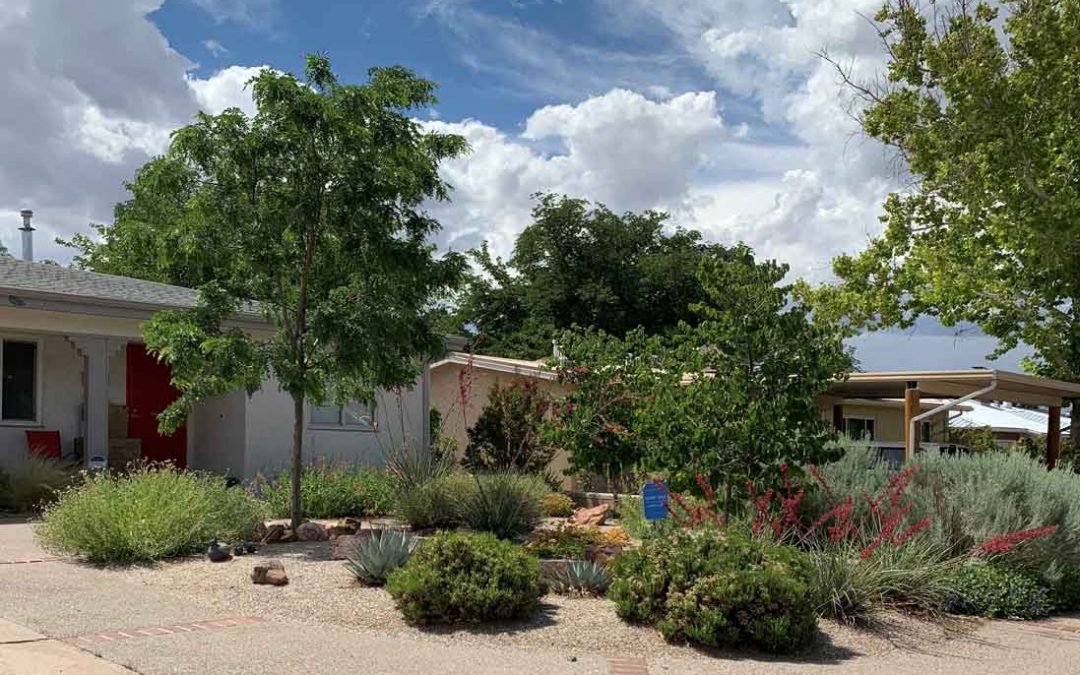
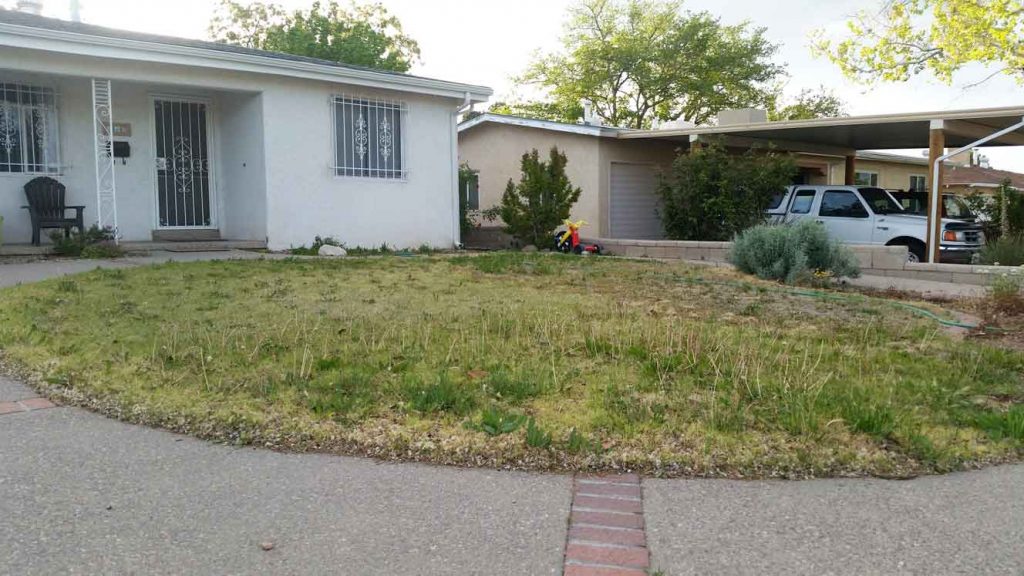
Winter is the best time to rethink your high water use turfgrass and create a plan for a xeriscape yard of desert-friendly plants. A desert friendly xeriscape will help you save water, reduce maintenance, encourage pollinators, and beat the heat of the summer. We define a desert friendly xeriscape as a landscape that has half of the total landscape area with desert friendly plants selected from our Xeriscape Guide and typically watered with drip systems or by hand.
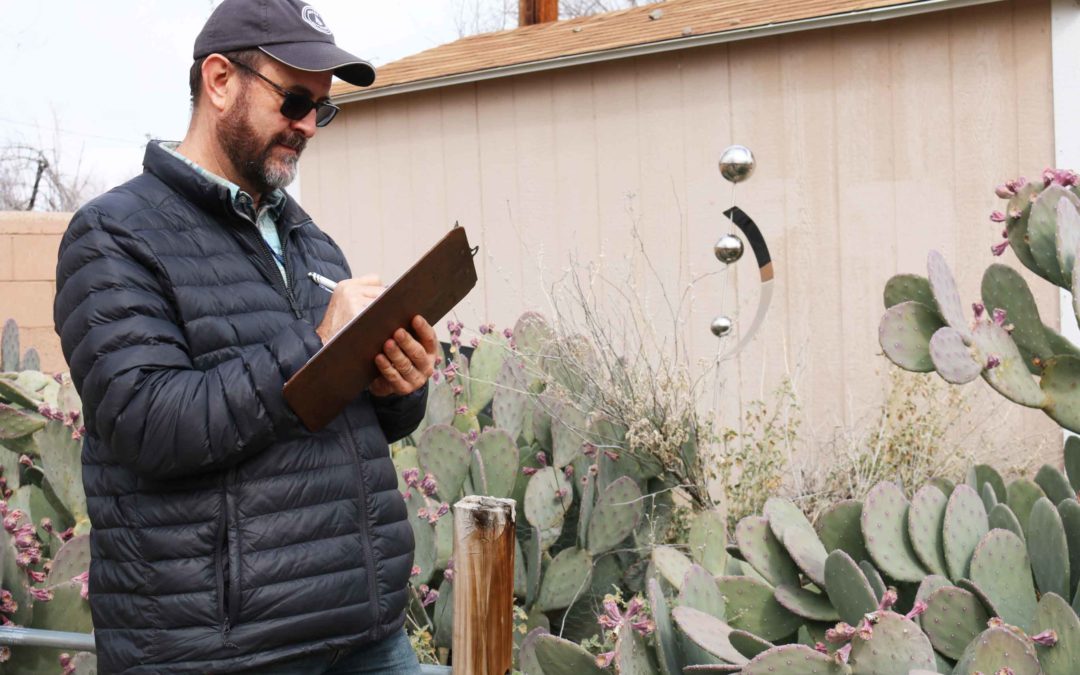
Water Authority residential customers who transform their landscapes from high water use turfgrass to a desert friendly xeriscape can qualify for a $1.00 per square foot rebate. If you are interested in participating in the Desert Friendly Xeriscape Conversion Rebate, please do not start your turf removal project until you have applied online to the program and schedule an initial inspection. An initial inspection is required before removing your grass lawn to see if your project qualifies. If you answer yes to the questions below, your landscape meets the minimum requirements.
Do you have living turfgrass on your site? (Rebates cannot be given to work that is already complete.)
Do you have an existing operating SPRAY irrigation system on your site?
If you answered YES to the above questions, then your next step is to create the landscape plan, apply and schedule an inspection. Feel free to [email protected] for tips on planning your desert friendly xeriscape.
Author: Jill Brown, ASLA, is a Landscape Architect and owner of My Landscape Coach in Albuquerque, NM. Have a question about the article? [email protected]
With drought conditions predicted to continue for the foreseeable future, we’re likely to water more often this spring and summer. Make every drop count – and keep us on track to meet our conservation goals – by performing routine maintenance to maximize your sprinkler system’s efficiency.
Monthly
Check for leaks by inspecting water lines, sprinklers, emitters, and other components. Look for wet spots in the landscape and listen for hissing to help locate issues.
Your irrigation system is only as good as its aim. Adjust sprinklers and emitters to make sure they’re delivering water to the landscape and not onto rocks, bare earth, or pavement.
Replace damaged parts immediately with identical or equivalent parts. This ensures uniform coverage and optimal system efficiency.
Locate and clean any clogged equipment.
Use water meter and historical data to help reveal hidden leaks.
Check to make sure irrigation controller is set appropriately for the season
Spring
As the watering season gets underway, check your irrigation system for leaks and clogged, broken, or missing sprinkler heads and emitters.
An outdated irrigation system can waste time, water, and money. Consider installing a new WaterSense-labeled, “smart” irrigation controller to take the guesswork out of scheduling (rebates available).
Set the controller for watering frequency, start times, and duration per zone per program.
Replace the back-up battery in the controller.
Test the manual shut-off or isolation valve.
Check the water pressure in each irrigation zone.
Check and clean filters, wherever they are in the system.
Check and clean the filter screen in each sprinkler body. Adjust the rotor arc or spray pattern to eliminate water waste.
Test heads to make sure they are delivering consistently and efficiently.
Inspect all drip emitters (look for wet zones after running a complete cycle). Unclog or replace any that are malfunctioning.
Early Summer
Adjust controller for the appropriate seasonal setting.
Adjust sprinklers and emitters to make sure they’re delivering water to the landscape and not onto rocks, bare earth, or pavement.
Check and clean filters, wherever they are in the system.
Inspect all drip emitters (look for wet zones after running a complete cycle). Unclog or replace any that are malfunctioning.
As plants grow bigger, move the emitters to the edge of each plant’s root ball or drip line to encourage further root development.
Fall
Adjust controller for the appropriate seasonal setting.
Test the manual shut-off or isolation valve.
Check and clean filters, wherever they are in the system.
Inspect all drip emitters (look for wet zones after running a complete cycle). Unclog or replace any that are malfunctioning.
Winter
Guard your irrigation system against freezing temperatures by draining pipes and tubing and properly winterizing your system.
When temperatures are below 40 degrees Fahrenheit, discontinue automatic watering and turn on systems manually or hand water as needed.
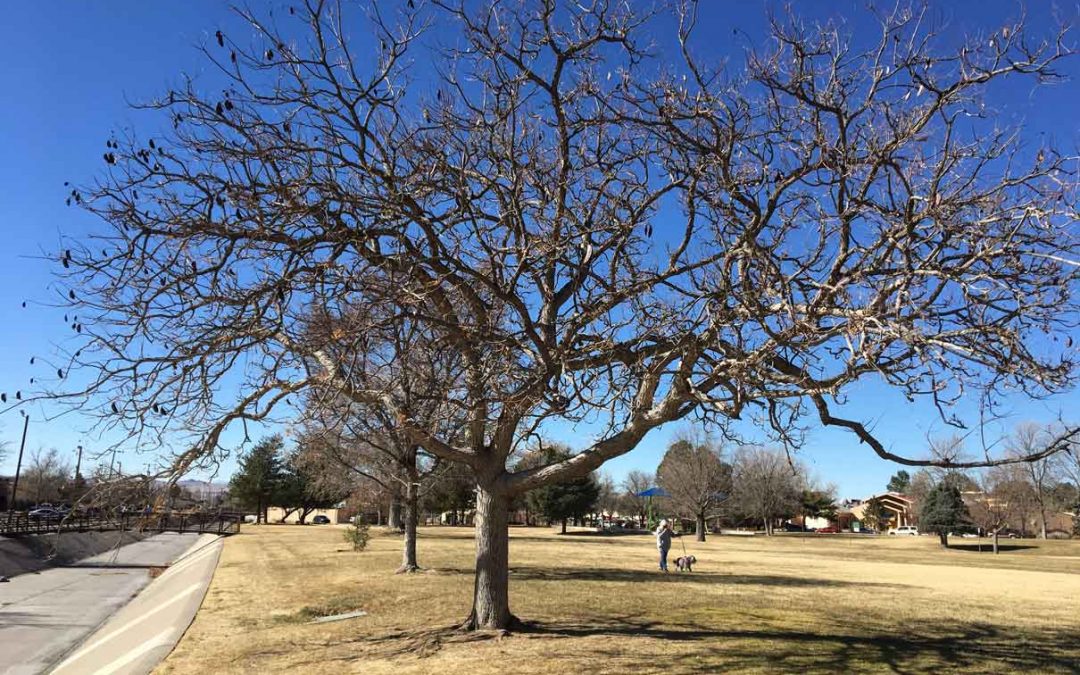
In an arid city like Albuquerque, trees and the urban forest are even more important than in places with more moisture. Trees provide shade and habitat, and help cool the urban landscape. To sustain a healthy canopy trees require special care given the arid climate, ongoing drought, and warming temperatures. This year’s hot, dry conditions highlight the need for New Mexicans to take even more care of their trees – and to plan for which species will grow best in increasingly warm conditions. This was especially true this past September when a windstorm wreaked havoc on trees throughout the city.
In collaboration with Our Land New Mexico, a local environmental show on NMPBS, we are sharing a short (7 minute) episode they did about the urban forest in Albuquerque.
The episode discusses how the vitality of a city can be measured in part by the health of its trees and plant life. There is also evidence that tells us how exposure to nature provides emotional and social benefits, lowers stress levels and encourages more community engagement in residential settings.
We encourage you to take care of your trees to support our urban forest and if you are adding a new tree email [email protected] with questions. Local tree experts around the Southwest, including conservation staff from the Water Authority, with the guidance of the Nature Conservancy, have put together a climate-ready tree list that includes trees that will thrive in our current and future climate.
Author: Water Authority in collaboration with correspondent Laura Paskus of Our Land New Mexico and guest Joran Viers, City Forester, CABQ Parks Management Division. Have a question about the article? [email protected]
Just as we take shelter when the weather turns colder, so do your plants. This time of year, plants store most of their nutrients in the roots and find shelter in the ground. We can support this transition to help plants thrive during the entire winter season.
Also, it is time to give your irrigation system a rest. The recent storm brought much-needed precipitation and along with the snow came freezing temperatures. To avoid damage to your irrigation system we recommend setting it to the OFF position. Your next step will be to wait for a warm day, to deeply water one more time and then take steps to winterize your irrigation system.
Follow this advice to ensure landscape success:
How much should I water this November?
1-2 more times this month
Give individual trees 100 gallons to a depth of 24”
Skip watering if it rains or snows
Water turf to ½ inch, 7-10 minutes
Your outdoor water usage should be 80% less than in the summer season
How can I keep my landscape healthy this winter season?
Turf
Mow your lawn to 2-2.5 inches. Grass left too long over the winter can develop brown patches.
Aerate next time it is warm. Aerating your lawn will give it a chance to breathe before the grass goes completely dormant. This also provides relief of any compaction that has built up during the warmer months.
Rake or blow off the leaves that have fallen on your lawn. Leaves that are left on the lawn could become moldy, which invites disease.
Top dress with compost. Compost acts as a fertilizer, adds moisture retention capacity, and improves overall turf health.
Trees
Apply a thin layer of compost, about ½ inch, to provide nutrients.
Add mulch away from the trunk base, about 2 inches thick. Mulch helps maintain your ground at a constant temperature and helps retain moisture.
Water your trees thoroughly once a month, if needed, to support your plants' winter hardiness. Withholding water will not aid the plant in acclimating itself to winter.
How do I avoid irrigation and other plumbing system damage? To avoid costly repairs, we recommend that homeowners take the following steps:
Find the master shutoff valve. The master shutoff valve turns off the water to the entire house. If you have one, learn its location. This could be critical if a pipe should burst. Need an emergency turn-off? Call 842-WATR and select Option 1.
Insulate pipes and faucets in unheated areas. Wrap exposed water pipes in unheated areas (such as a garage, basement, crawl space, or space beneath your mobile home) with insulation or heat tape. Be sure to follow the manufacturer's instructions carefully.
Seal off access doors, air vents, and cracks. Winter winds whistling through overlooked openings can quickly freeze exposed water pipes. DO NOT plug air vents used by your furnace or water heater.
Author: Carlos A. Bustos, Water Conservation Program Manager with the Water Resources Division for the Water Authority. Have a question about the article? [email protected]