by 505 Outside | Oct 1, 2022 | Deciduous Trees
Type: Deciduous tree
Exposure: Full Sun
Water Use: Low
Mature Size: 25’ x 25’
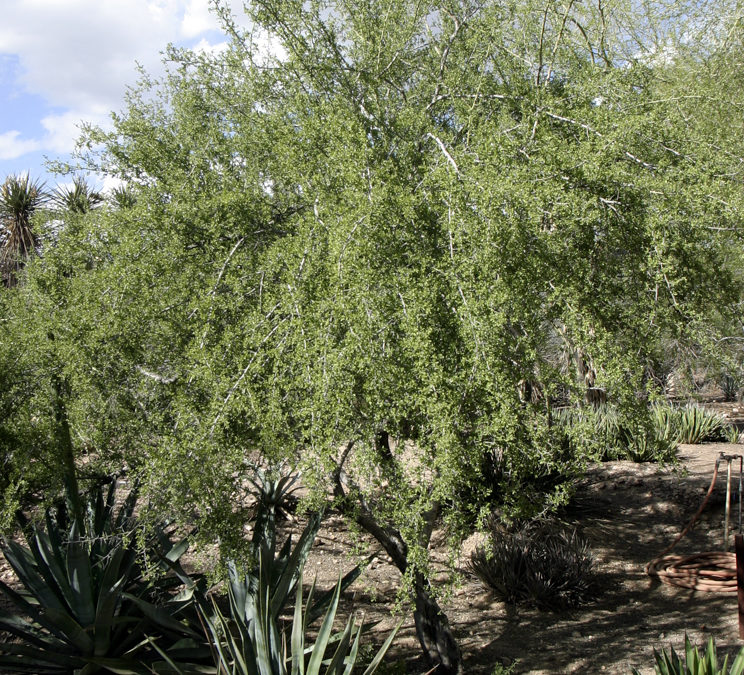
A young Netfleaf Hackberry passes through a rather ungainly adolescence, but with a little pruning, like a butterfly from a chrysalis, it emerges as a sculptural small shade tree that provides habitat for butterflies and songbirds as well as cooling our patios and decks on a very modest water budget. Because it has deep roots, it can be planted close to walls and paving without risk.
by 505 Outside | Mar 31, 2022 | Evergreen Trees
Type: Semi-evergreen tree
Exposure: Full Sun
Water Use: Medium
Mature Size: 20’ x 25’
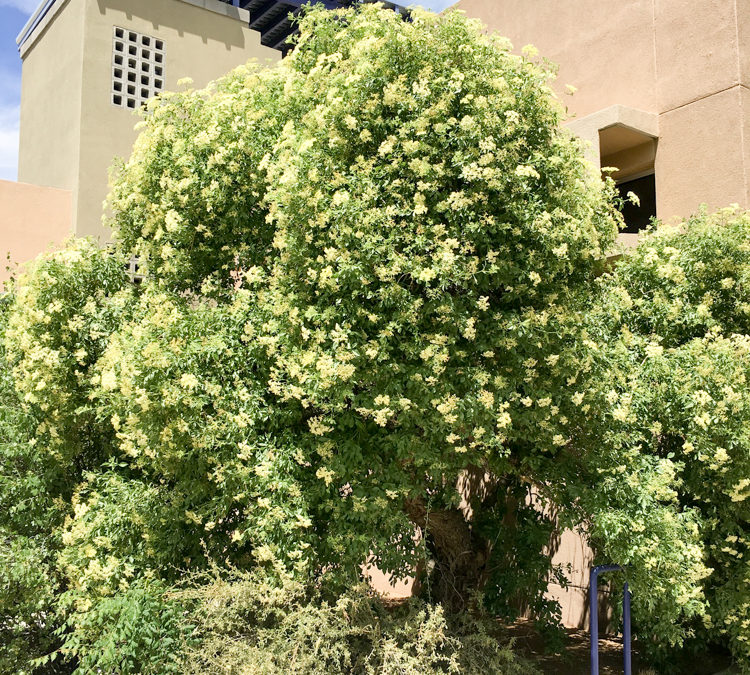
Interesting sculptural form and unique bark patterning are a few of the many wonderful characteristics of this small ornamental tree. To maintain its best form, stay on top of stripping suckers and removing dead limbs. As a semi-evergreen, Mexican Elder will undergo brief periods of dropping leaves during extreme temperature conditions. The tree produces large clusters of creamy white flowers in the spring and late summer, with blooms sometimes lasting until December. The blue-black berries are relished by birds and can be used in elderberry recipes. A native to desert canyons across the Southwest, this semi-evergreen tree requires periodic watering but will not tolerate standing water.
by 505 Outside | Dec 1, 2021 | Evergreen Trees, Trees
Type: Evergreen Tree
Exposure: Full Sun
Water: Medium
Height and Spread: 40’ x 18”
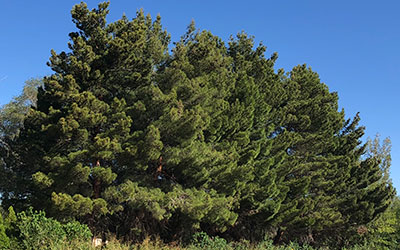
The Afghan Pine is a proven winner for our tough high desert climate. A native of central Asia and the eastern Mediterranean region, it performs exceptionally well in our alkaline soils. Once rooted it is drought tolerant and fast growing, making this evergreen an excellent choice for wind breaks and privacy screens. Its long evergreen needles grow in pairs, which gives it a softer appearance than other pines. The Afghan Pine offers a refreshing swath of green in the landscape during winter months.
by 505 Outside | Oct 1, 2021 | Blog, Deciduous Trees
Exposure: Full Sun
Water: Medium
Height and Spread: H 40' X W 30'
Fall Color: Reddish Purple
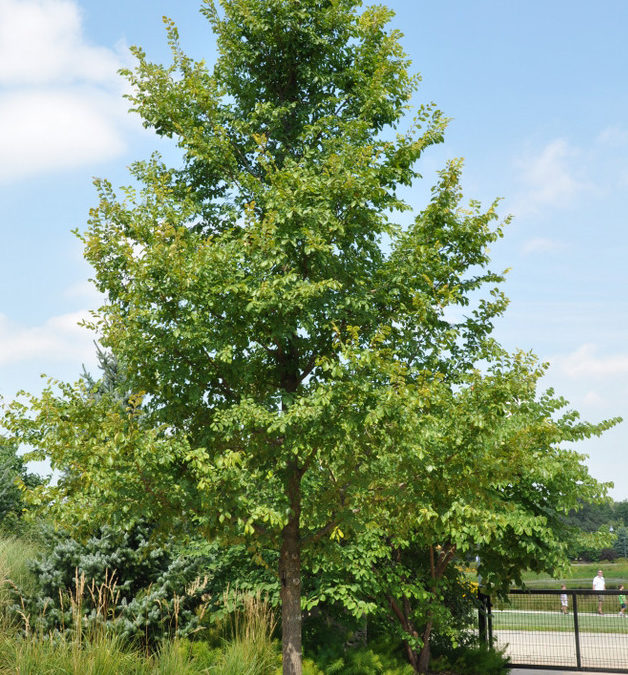
The Siberian elm tree, the quintessential tree in Albuquerque, was originally introduced by Mayor Clyde Tingley. It is a beautiful tree that’s almost done too well in Albuquerque. The seeds it sends out wreaks havoc over every nook and cranny in town. Meet the Frontier Elm, a smaller elm tree with beautiful reddish-purple fall color. It is upright, with pyramidal growth. The best part is there are no seeds! It is fast-growing and resistant to many typical elm diseases and insect problems. A perfect replacement for our old standard!
by 505 Outside | Feb 1, 2021 | Evergreen Trees, Trees, Uncategorized
Exposure: Full sun
Water: medium
Height and Spread: H 80’ X W 60'
Blooming Season: N/A
Description:
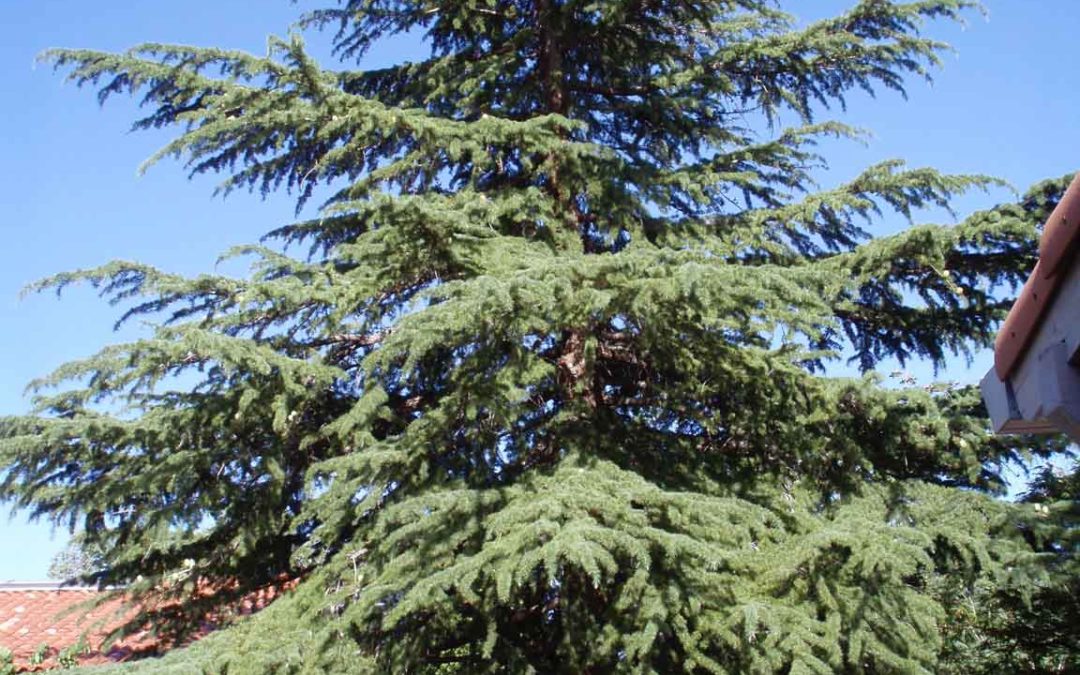
This beautiful specimen tree is a stunning focal point in any landscape. Its blue-green to silvery pendulous branches create an attractive form and provide nesting sites and food for birds. The Deodar Cedar grows well in all types of soils but doesn’t like soggy feet. Once established in the landscape, it is considered drought tolerant.
by 505 Outside | Nov 13, 2020 | Blog, Evergreen Trees
Exposure: Full sun
Water: Medium
Height and Spread: H 50' X W 20'
Blooming Season: NA
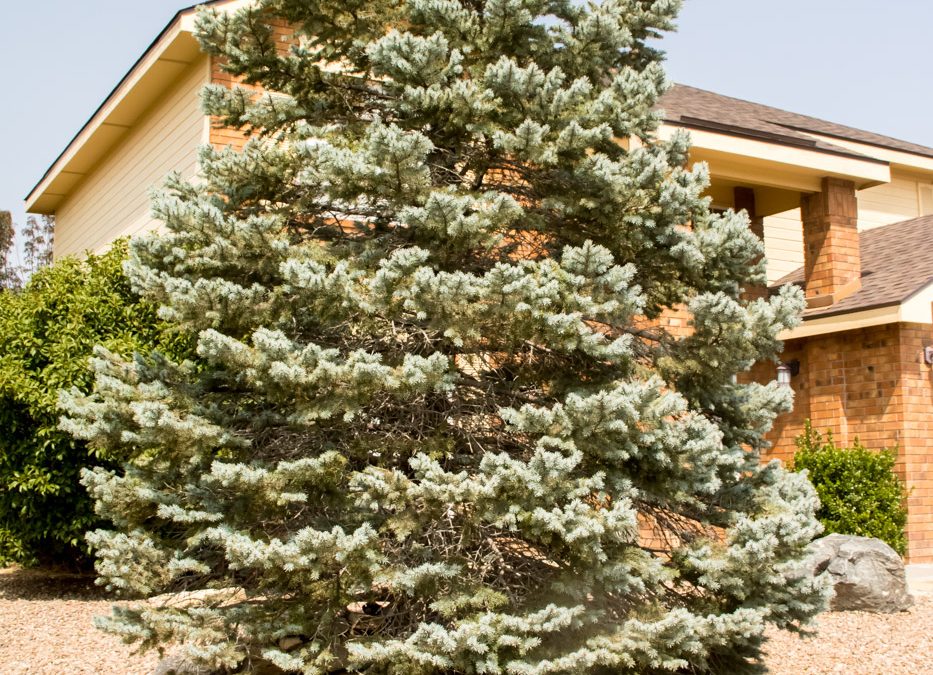
Description: The Colorado Blue Spruce adjusts well to most Albuquerque soils and is a staple in numerous landscapes. It is resilient to flooding and drought as well. This tree provides privacy and is a lovely silvery blue-green color all year. The needles are prickly to the touch and have a strong, fresh, piney smell. Consider planting a Colorado Blue Spruce if you would enjoy a beautiful, tall, evergreen, and well-scented tree.