by 505 Outside | Jun 29, 2020 | Deciduous Trees, Trees
Exposure: Full Sun
Water: Low
Height and Spread: H 15-35’ X W 10-30’
Blooming Season: Flowers in Summer. Fruit in Fall
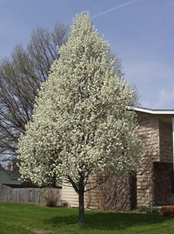
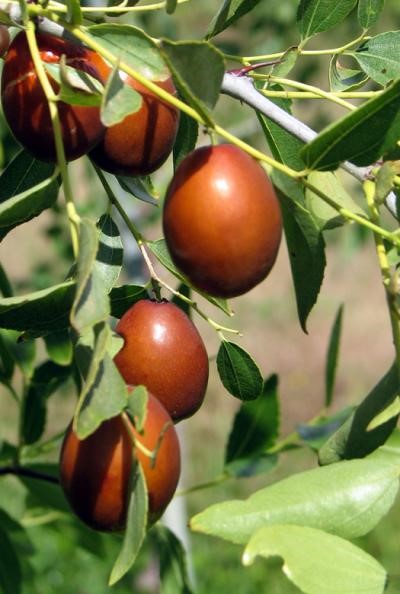
One of the easiest fruit crops to grow, jujube trees are tolerant of a wide range of temperatures and rainfall. The oval shaped leaves are dark green with a gleaming, wax like appearance. This tree grows upright, making it a good tree for screening in narrow spaces or even used in groupings. The fruit will change color from dark green to a reddish-brown color when fully matured. Jujubes can be an extraordinary substitute for apples in recipes.
by 505 Outside | Mar 1, 2020 | Deciduous Trees
Exposure: Full Sun
Water: Medium
Height and Spread: H 25’
x W 15’
Blooming Season: Spring
Region: All
areas
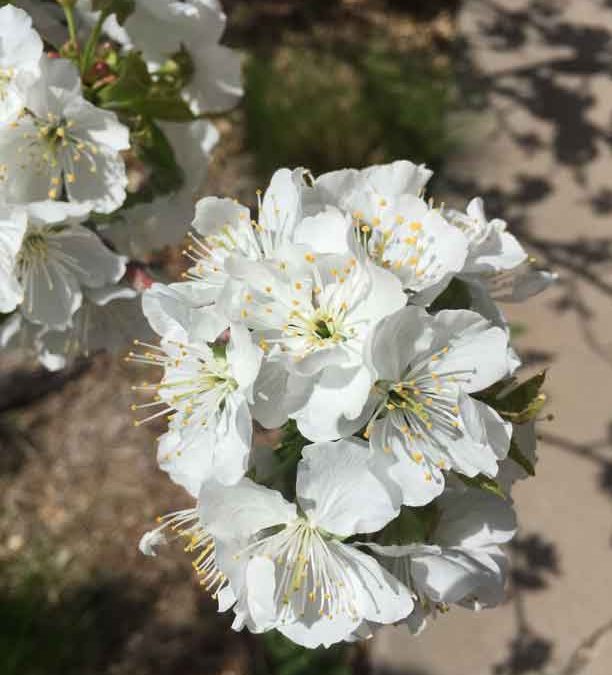
The Chanticleer Pear is a deciduous flowering tree that
produces profuse clusters of white flowers in early spring followed by small
round, hard, bitter fruits that can last into winter. Its shallow roots and
pyramidal form make it a great choice for a landscape with limited space. Other
advantages of the Chanticleer Pear are that it is favored by birds because of
its dense branch structure and that it provides food throughout the year for
birds, insects and bees.
by 505 Outside | Oct 1, 2019 | Deciduous Trees, Trees
Exposure: Full Sun
Water: Medium
Height and Spread: 30’ x 20’
Blooming Season: Summer
Region: All Areas
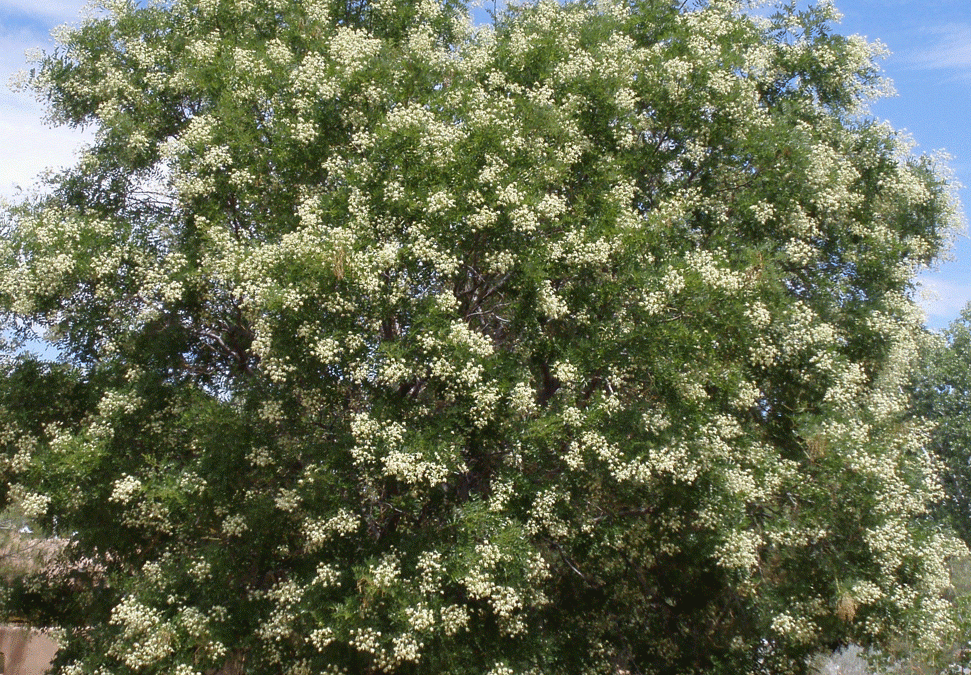
Japanese Scholar tree is also known as the
pagoda tree because it is planted in shrine gardens in Asia. It is a very arid
adaptive shade tree with small compound glossy dark green leaves and honey-scented
white flowers that bloom in summertime. A perfect sized tree for small patios
and outdoor living spaces, it provides dappled shade, making these spaces
comfortable during the summer.
However, this tree can be messy as it
drops flowers, seed pods and leaves in late summer through the fall. The debris
is easy to sweep away on smooth concrete surfaces, more difficult with
flagstone patios. Try the cultivar ‘Regent’ for earlier blooming and a narrower
canopy. Water weekly for the first few years of establishment during the hot
summers. Once established, water once or twice a month to keep it healthy.
by 505 Outside | Feb 5, 2019 | Evergreen Trees, Trees
Full Sun, Part Shade
Medium Water
Mature Size (H x W): 35’ x 40’
Blooming Season: Spring
Region: Thrives in all part of the greater Albuquerque area
Closely
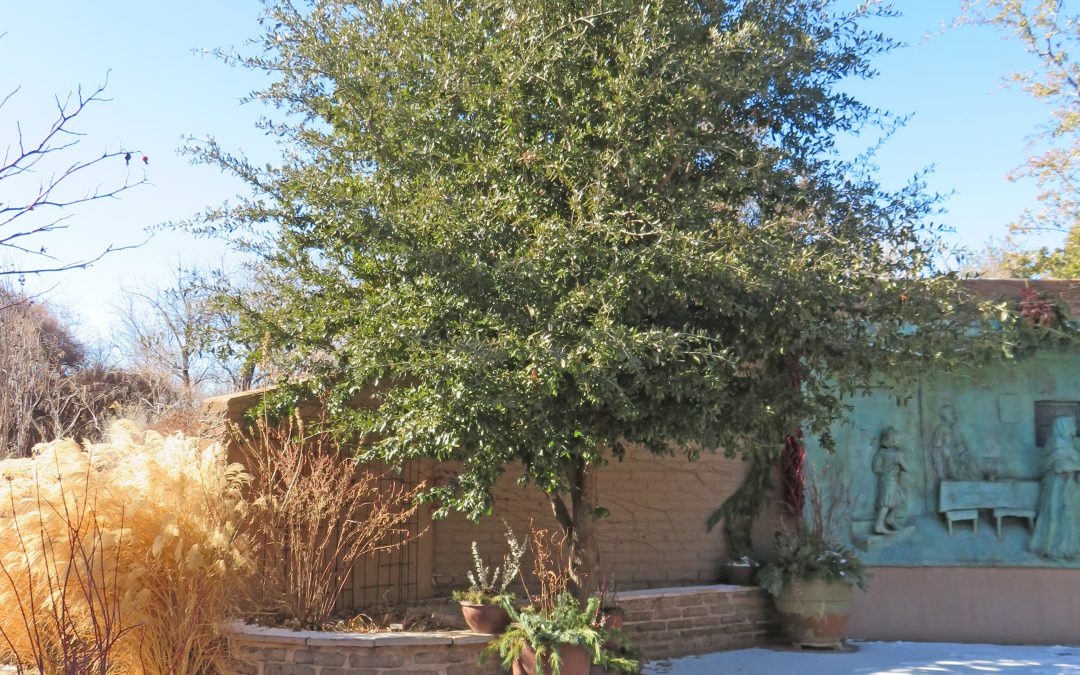
related to the iconic oak tree of the Old South, the Escarpment Live Oak is
surprisingly well-adapted to life in the Albuquerque area. Native from Texas, Oklahoma
and into the mountains of northern Mexico, this long-lived tree is among the
few broad-leafed evergreens we see in our area. Quercus virginiana var. fusiformis
(also known as Quercus fusiformis) is an excellent choice for a focal point
in a small space or as part of a mixed planting for privacy or wind protection.
Rough, dark brown bark and a gnarled form add to the character of this plant.
Tips for success: When drought stressed, this tree is more susceptible to oak wilt and rot – be sure it gets watered deeply according to our watering recommendations. Best in alkaline, well-drained soils, but tolerant of clay. Don’t be alarmed during the 2-4 week period in spring when the leaves turn yellow and drop – this is to be expected. In the wild, the tree is multi-trunked and shrubby, naturally tending to form thickets, but it can be pruned into and grown as a single-stem tree.
Its
sturdy canopy provides cover and nesting sites for birds and mammals, and its
elongated acorns offer a food source for a variety of wildlife. Branches can be
selectively pruned for use in holiday arrangements and wreaths. Check out a
beautiful example of this stunning tree near the copper relief in the Curandera
Garden at the Albuquerque Botanic Garden and in the parking lot of Explora.
by 505 Outside | Aug 1, 2018 | Evergreen Trees, Trees

Full Sun

Medium Water
Mature Size: 60’X 50’
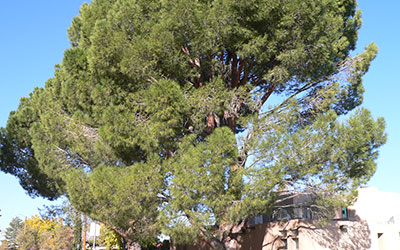
This majestic round-crowned conifer is found growing along the Mediterranean coast in hot, dry places subject to salty sea breezes. Ponderosa Pines, native to the mountains of the Southwest, are moving higher upslope as bark beetles cull those too stressed to thrive in increasingly hot environments, but Stone Pines seem perfectly content as the urban temperatures creep to new highs.
by 505 Outside | Aug 1, 2018 | Evergreen Trees, Trees
Full Sun
Medium Water
Mature Size: 40’X 18”
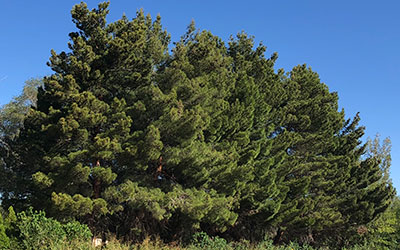
Pine trees provide visual interest in a landscape and much-needed greenery in the coldest, most barren months. Afghan Pine is one of the best desert pines. It thrives in heat, wind, poor soil and it is relatively drought tolerant. However, it cannot tolerate temperatures below 0 degrees F. Its evergreen leaves (needles) grow in pairs and reach 5-6 inches long. This relatively fast-growing tree is great for windbreaks and for creating a “visual screen” between properties.