
Edibles
Edible landscapes emphasize herb, vegetable and fruit-producing plants and can be easy, fun, rewarding and affordable. Edibles can have a wide variety of water needs. If you choose to grow food in your yard with drip irrigation, in-line emitted tubing is the most efficient way to water. We recommend setting up separate irrigation zones due to the daily watering needs of edible plants in summer and/or hand watering.
What kind of Edible plants should I choose?
Choose what you grow based on what you love. Most will agree there is nothing like the flavor of a homegrown tomato, but the joy of growing, harvesting, preparing, sharing and eating something you have grown is a rich pleasure in a complicated world.
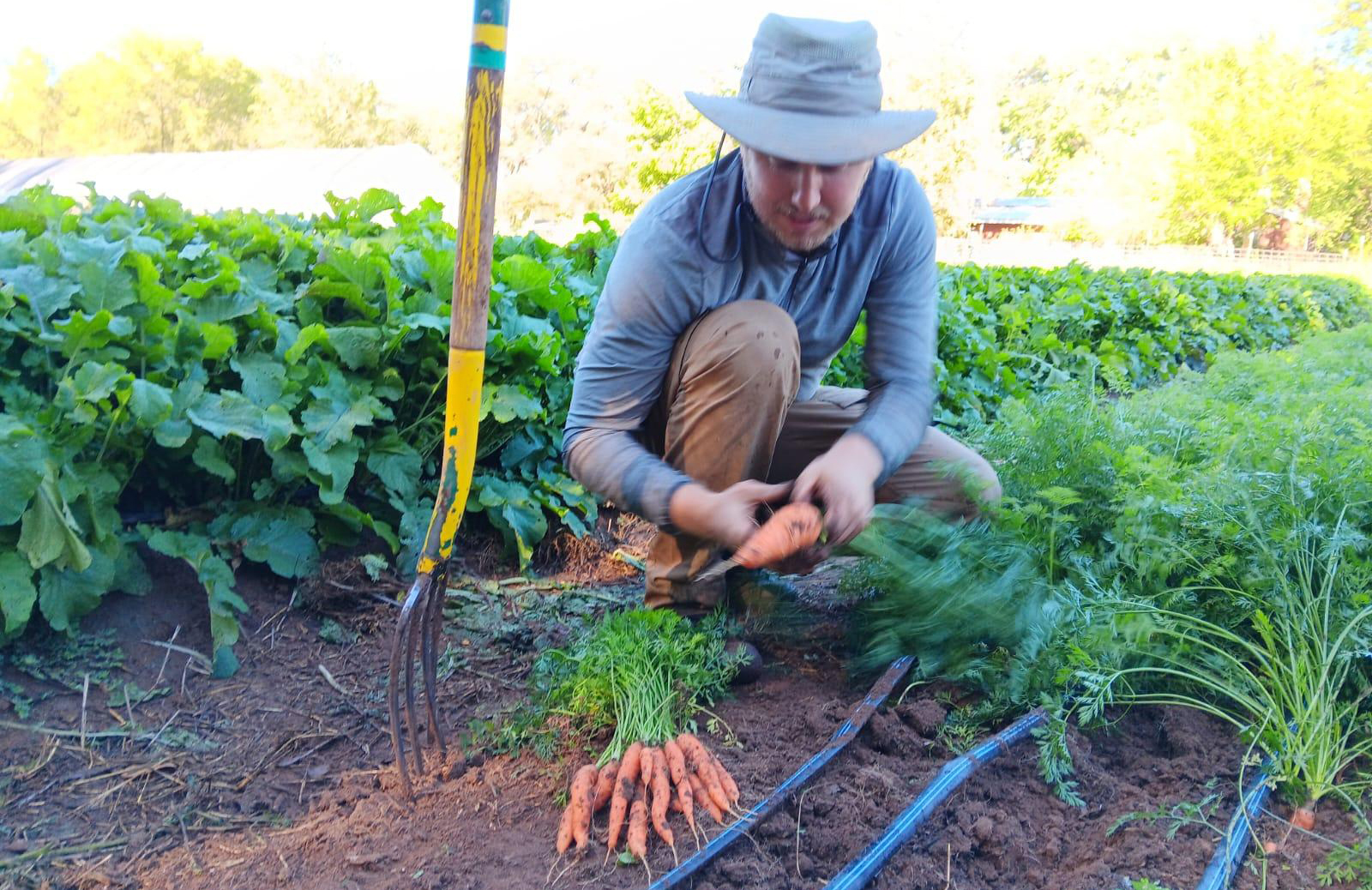
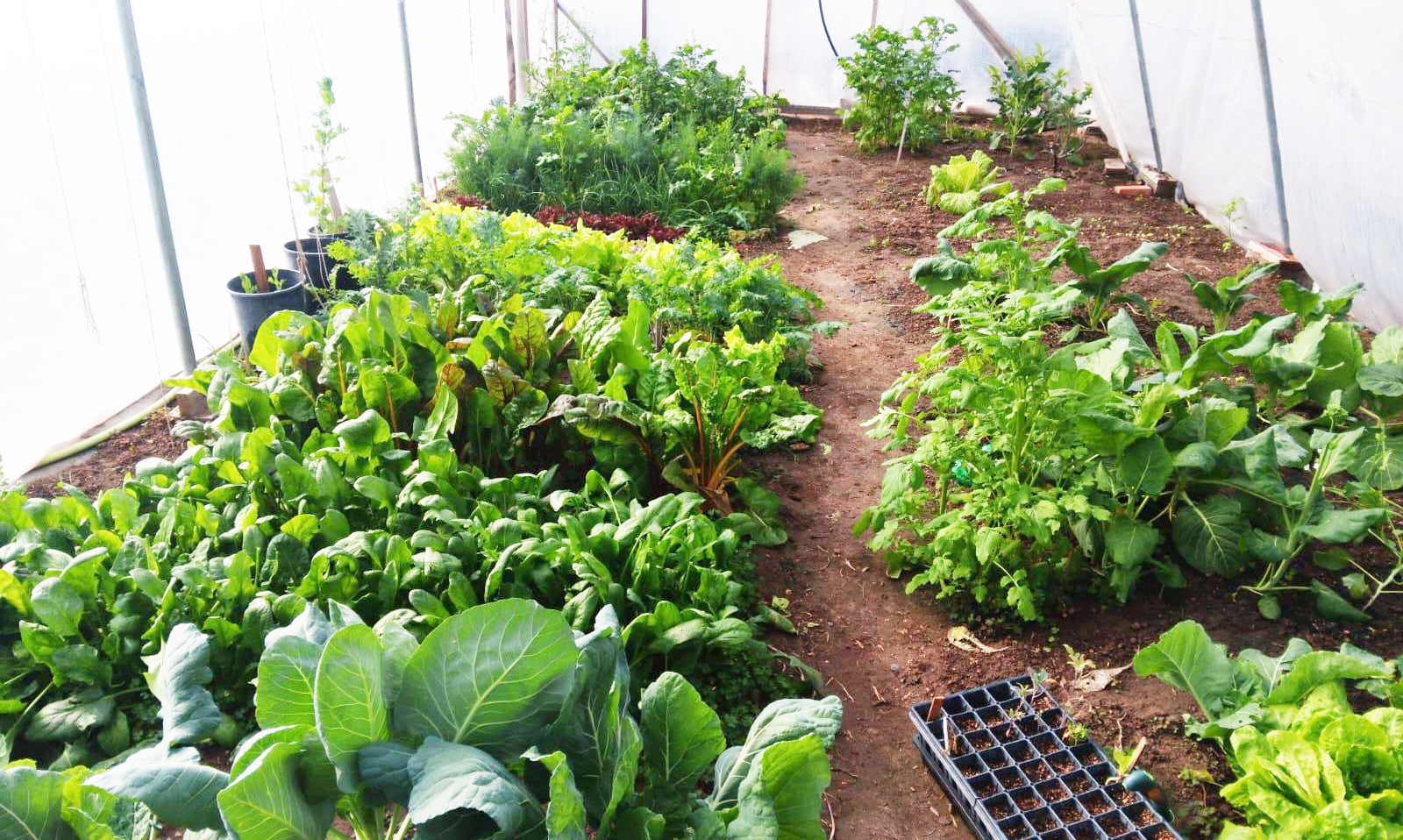
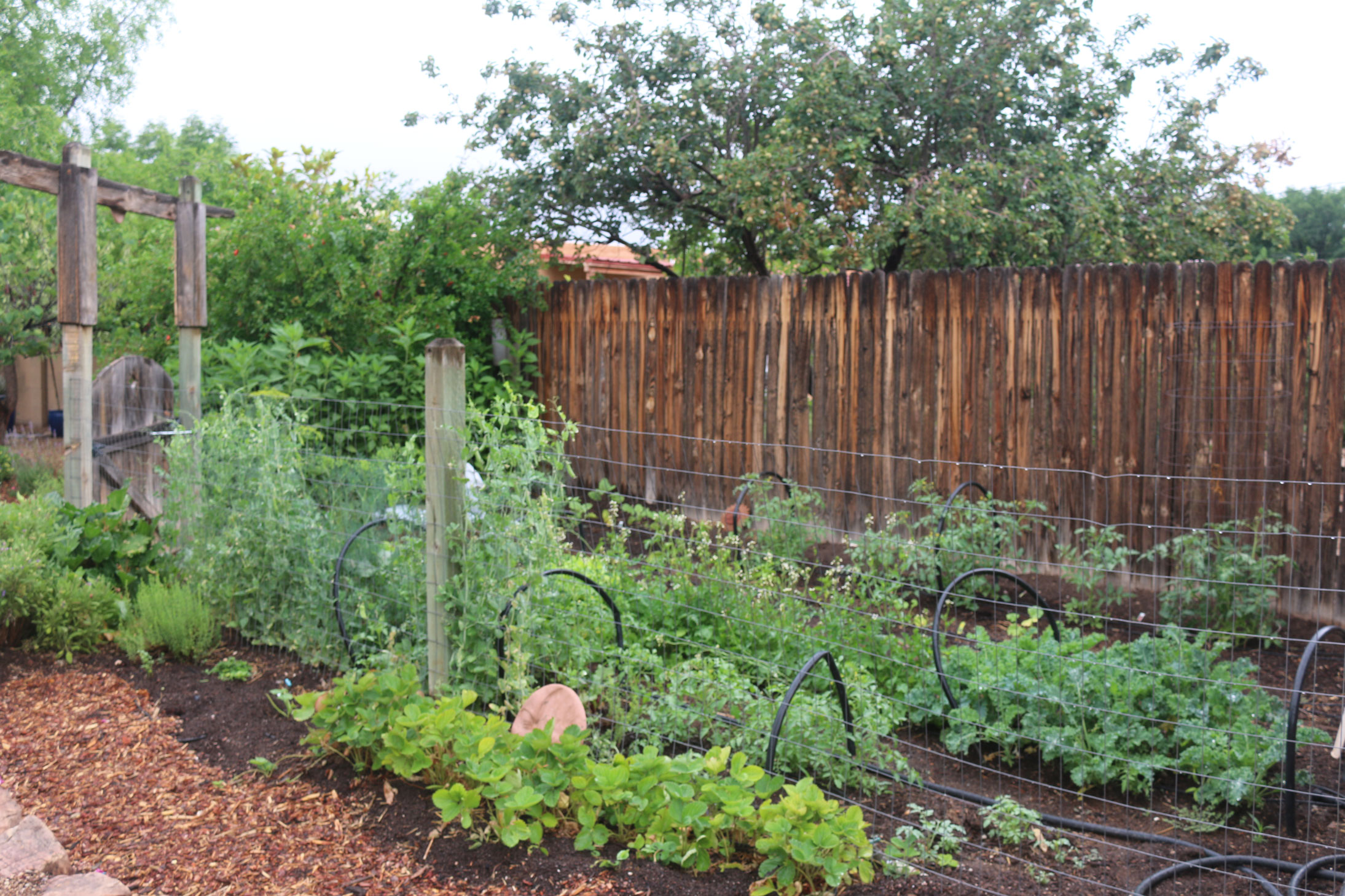
Here are some good vegetables to plant, based on the season.
- Spring: Try out kale/chard with radish and turnips or try peas with a radish, turnip/carrot combo.
- Summer: Try tomatoes and peppers mixed with herbs and chile. If you want to be nostalgic and adventurous, try the “Three Sisters” — corn, squash and beans. It’s best to choose pole beans, like green beans.
- Fall: Try lettuce, spinach, kale and Swiss chard.
Here are tips for starting a vegetable garden.
- Good soil and regular watering are keys to having a successful garden. In the dry Southwest rich soils don’t form naturally, so you’ll first need to create a good soil and then maintain it.
- Setting up wide garden beds makes the most efficient use of amended garden soil and applied irrigation. John Jeavon’s excellent book How to Grow More Vegetables Than You Ever Thought Possible on Less Land Than You Can Imagine has valuable information about why and how to set up wide beds.
- You may need to break up the soil before planting your first garden. Once the soil is loosened and amended, it’s better to work in new compost with hand tools and to mulch deeply with an organic mulch. Hand tools have advantages. They don’t destroy the living soil the way mechanical tillage does. They also aren’t noisy and don’t smell like exhaust. A great benefit is that you get exercise while using them!
- Drip irrigation is ideal for vegetable beds, and there are numerous ways to set up a good system. If you are using an outdoor hose bib, be sure to include anti-siphon devices, pressure reducers and good filters to keep everything safe and functional.
- Add organic mulch! There are a number of choices for organic mulch.
EDIBLES
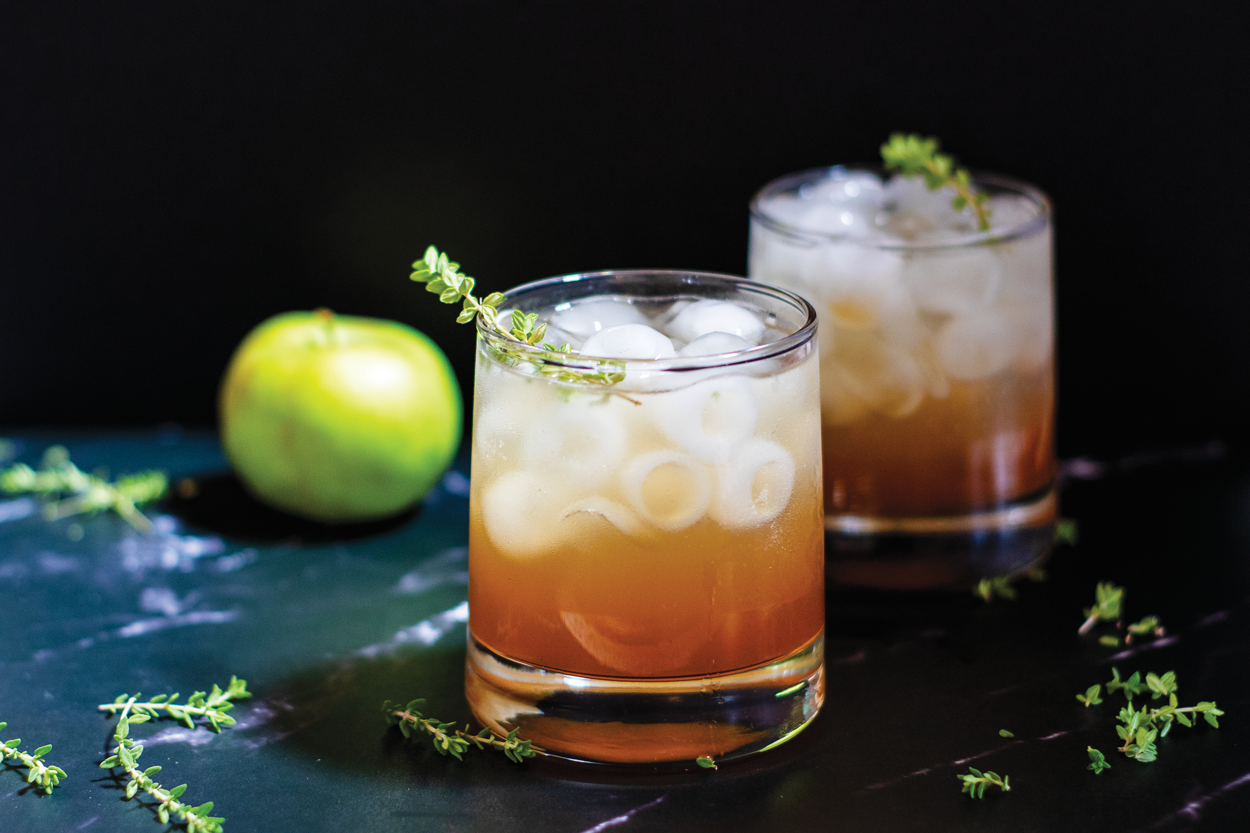
Desert Dessert Recipes From Your Garden
Summer evenings in Albuquerque often end outdoors with a refreshing drink and dessert. We’ve partnered with Edible New Mexico magazine to bring you a selection of lovely recipes made from two fruit trees commonly grown in Albuquerque. Apple and Pomegranate trees grow…
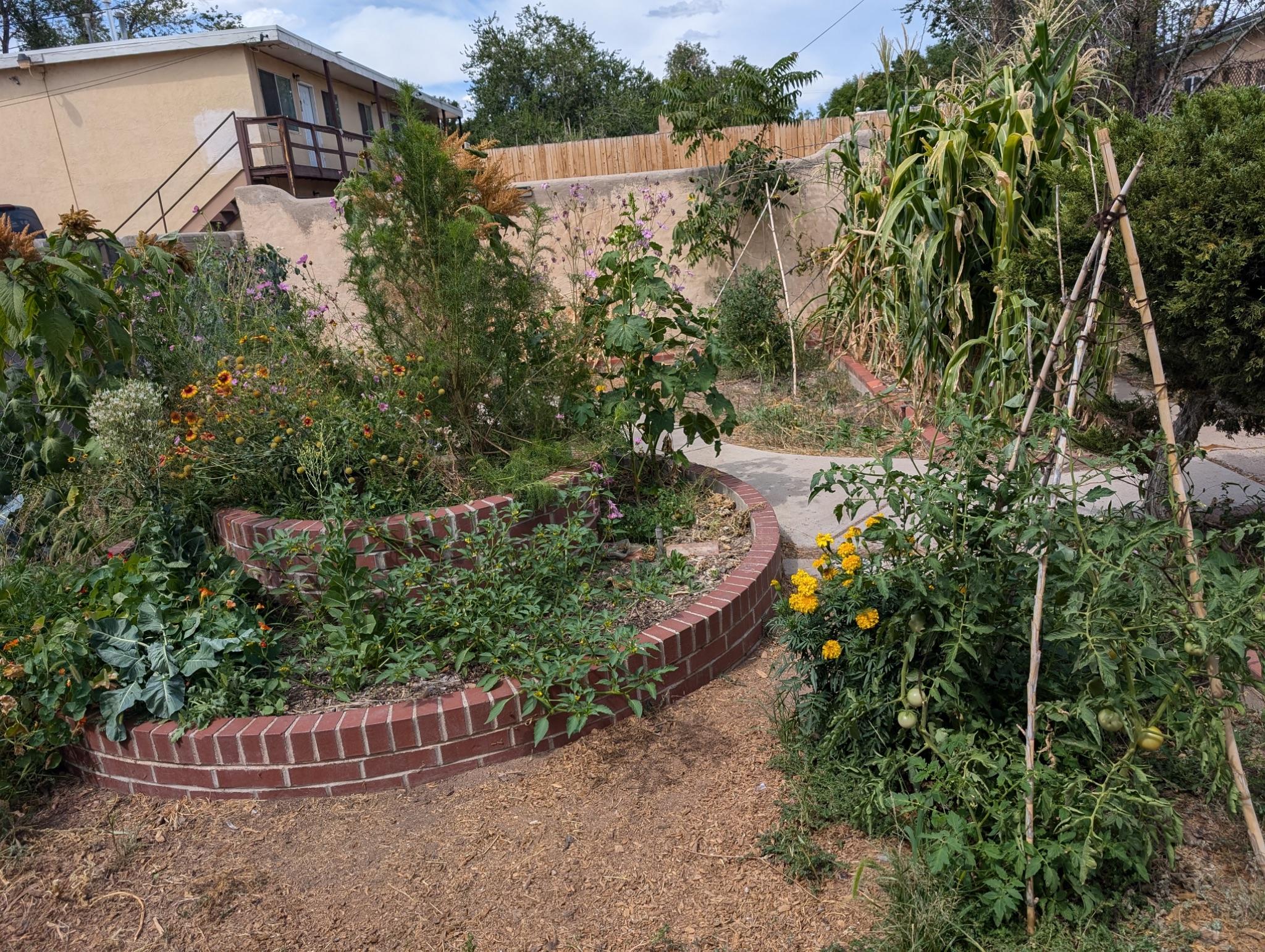
Regenerative Vegetable Gardening in the Southwest
Growing vegetables successfully in the hot, arid climate of New Mexico can be tough. My partner and I have extensive farming experience and education in permaculture from the mid-west and we found that it took us several seasons of observations, learning and…
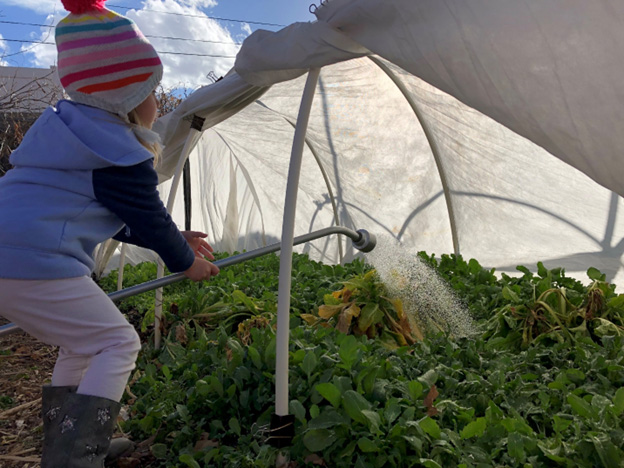
Prep Now for a Great Edible Winter Garden
Growing winter veggies is a fun and valuable effort more people should experiment with in our area. In many ways, winter gardening is a lot easier than trying to garden in the summer — there are fewer pests, cooler temperatures require less watering and common winter…
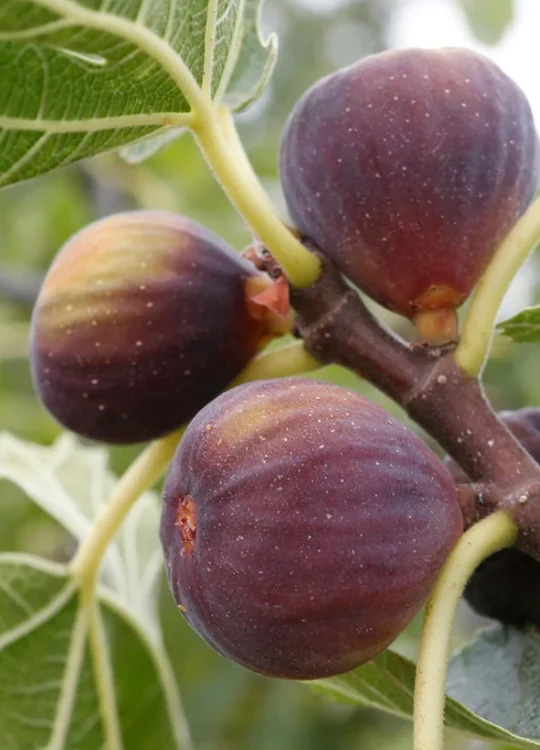
Ficus carica, Edible Fig
Type: Deciduous tree Exposure: Full sun Water Use: Medium Mature Size: 12’ x 15’ Fig trees are a beautiful addition to local backyard orchards. Their large leaves give yards a lush tropical appearance, and the sweet fruit is wonderful for eating fresh, drying, fruit…
Local Plant Nurseries to Check Out
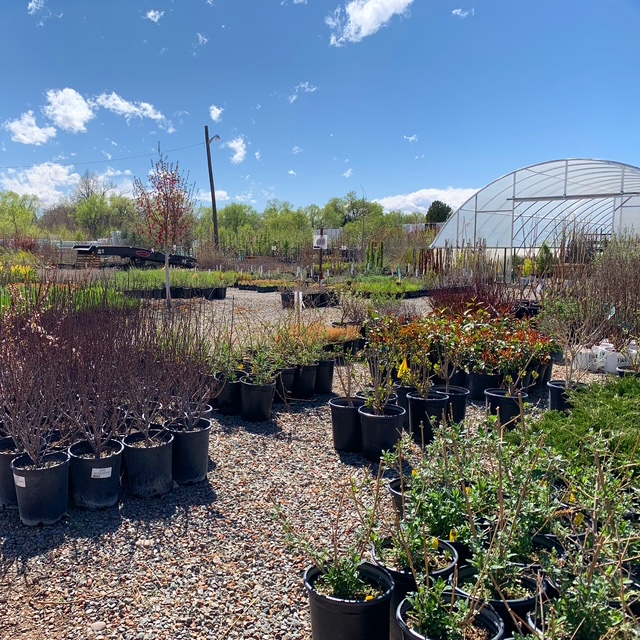
A popular question we get at 505Outside is “Where should I go to get plants for my yard?” We’re highlighting our local nurseries and the uniqueness of each of them. Every yard has its own unique environment that includes things like sun and wind exposure, soils,…

Subtropical Fruit Trees for the High Desert: Pomegranates and Figs
As one might guess, the subtropics are a great place to grow fruit trees and a particularly good place to find plants that are heat and drought tolerant — sort of a prerequisite for plant selection in a hot, dry place like New Mexico, or at least it should be! The…

Dig into our newsletter
Our monthly newsletter covers topics on desert friendly landscape practices, maintenance, irrigation principles, and seasonal tips.
Most Popular Topics


Brought to you by:
Water Conservation Program
P.O. Box 568
Albuquerque, NM 87103-0568
505-842-WATR Option 4