Natural areas and community gardens are great places to find inspiration for your landscape. We often look to neighbors’ yards, books, magazines or plant nurseries to get ideas, but those aren’t the only options. The greater Albuquerque area is home to beautiful open space areas that offer us places for recreation and conservation, but also are great sources of education and design inspiration. The plants you see in these natural areas are likely to do well in yards in that same part of town. Pay attention to what plants grow near each other as these will make good combinations in your yard as well.
Today, we are highlighting a couple of beautiful natural areas to visit in and around the South Valley.
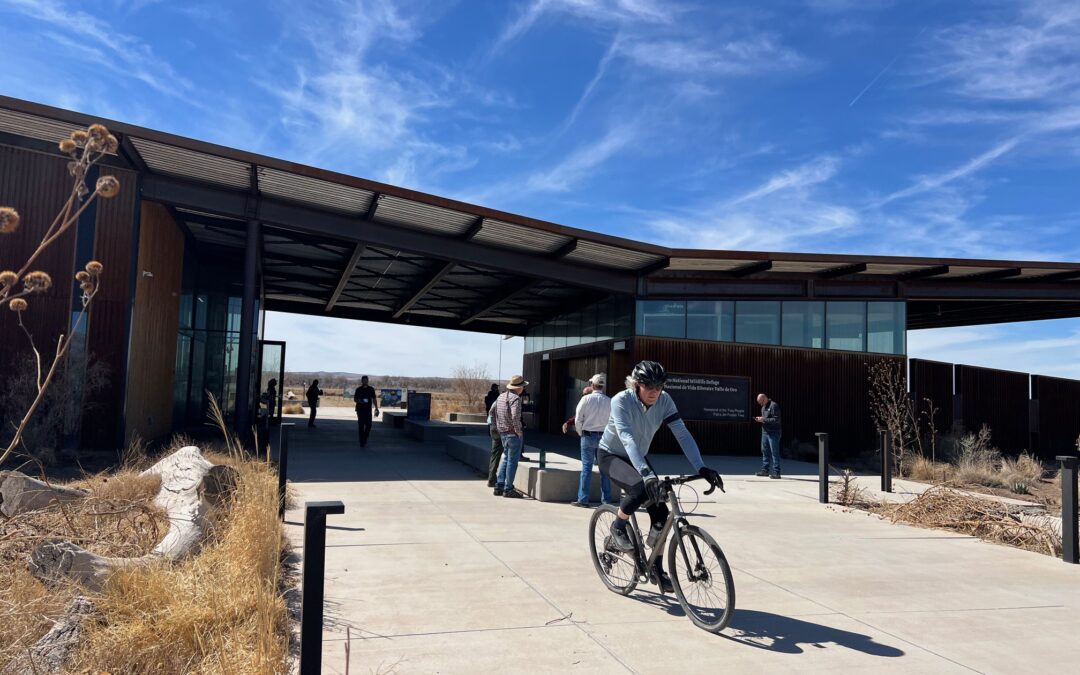
Valle de Oro National Wildlife Refuge
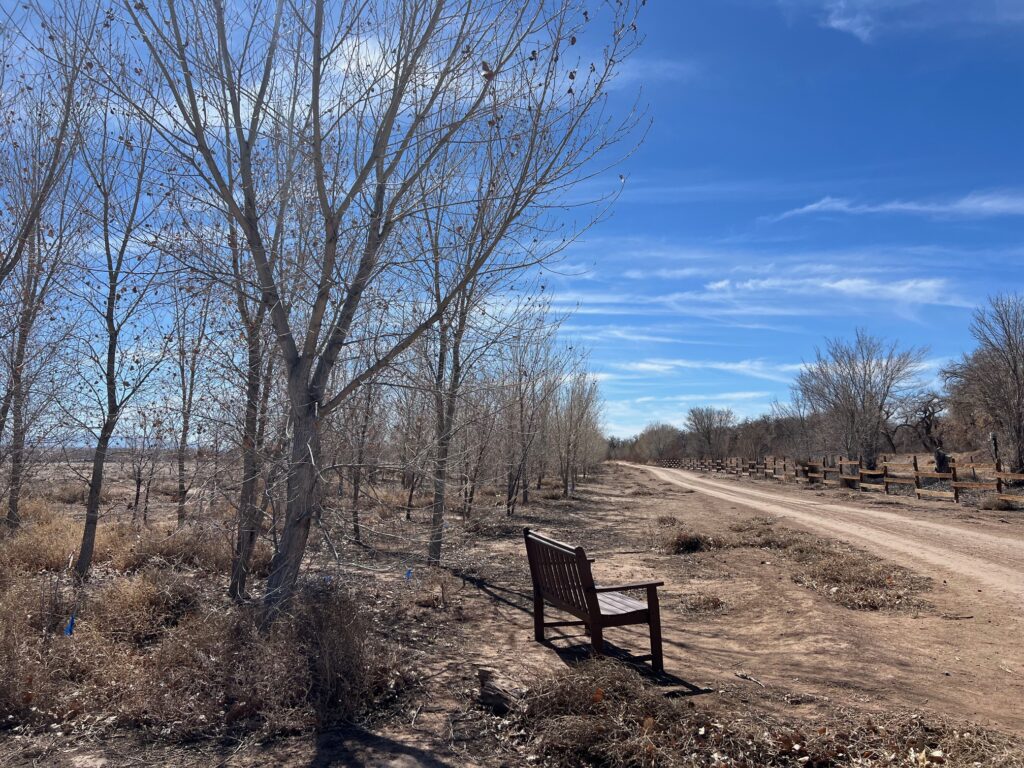
Did you know that within our great city, there is a national wildlife refuge? It was established in 2012 and is one of the most ambitious urban conservation projects in the nation. Tucked behind an industrial zone in the South Valley, the Valle de Oro National Wildlife Refuge provides an escape from the city. Enjoy a peaceful wetland demonstration pond, beautiful sunsets, and walking trail loops that mark the beginning of extensive transformation plans. Stop by the visitor center to learn about upcoming events and how you can help re-wild the land both on the refuge and in your community.
Valle de Oro offers a diversity of activities, including bicycling, bird watching, photography, horseback riding, dog walking, hiking, jogging, picnicking, education and interpretation. There are loop trails of all lengths available with the longest trail bringing you to the Rio Grande Bosque.
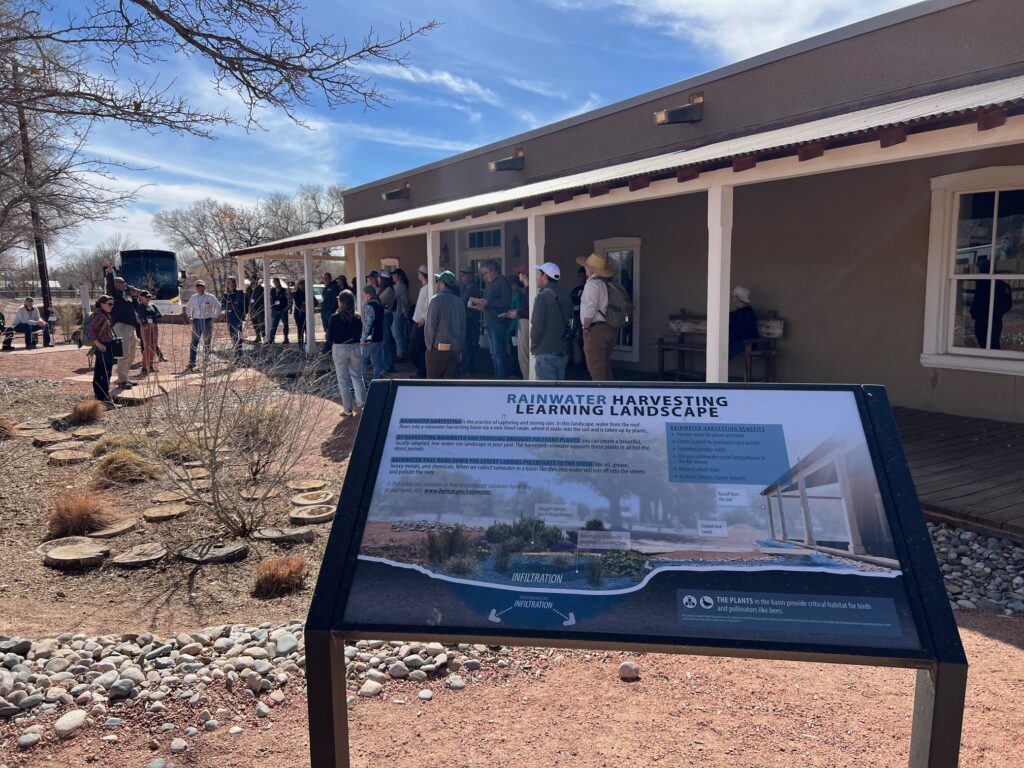
Gutierrez Hubbell House History and Cultural Center
Nearby and located on the original path of the El Camino Real de Tierra Adentro National Historic Trail is the Gutierrez Hubbell House History and Cultural Center. Located at 6029 Isleta SW in Albuquerque, it is run by Bernalillo County and noted for its state and national historic status.
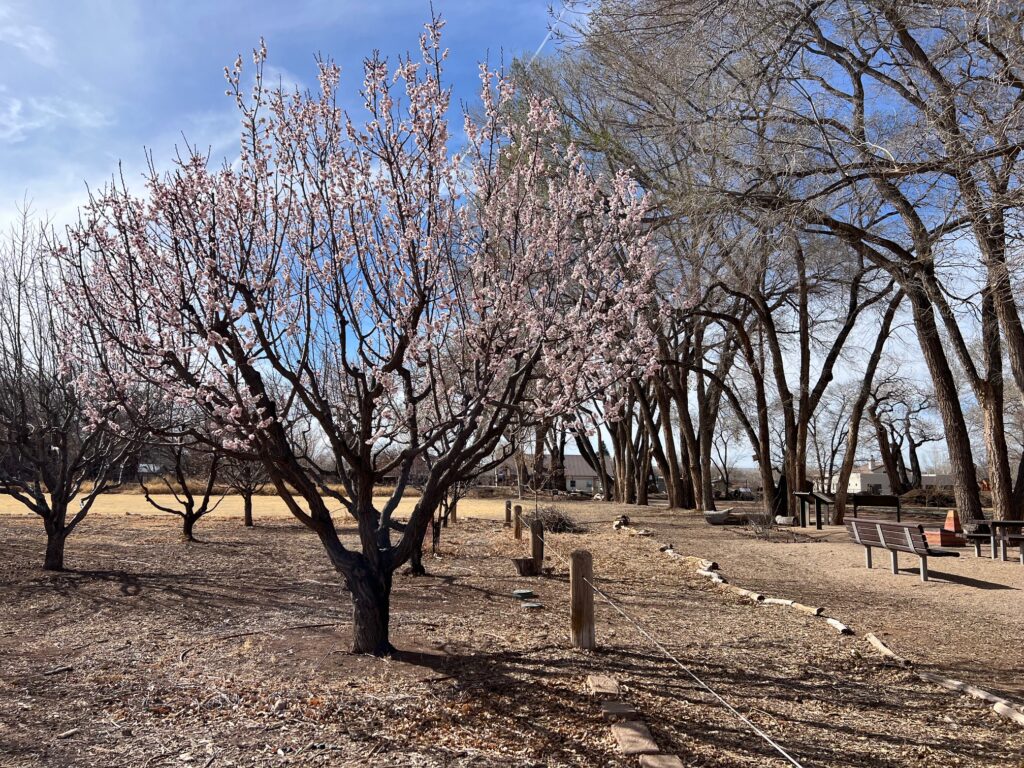
The Gutiérrez-Hubbell Open Space is an approximately 16-acre property that features the restored Gutiérrez-Hubbell House, courtyard, kitchen garden, heritage orchard, historic acequia and several actively farmed agricultural fields.
The house, a 5,700-square-foot earthen/adobe structure, is listed on the National Register of Historic Places and is a National Park Service certified site. Once a private residence of the prominent Gutiérrez and Hubbell families, it was also the location of a stagecoach stop, trading post and post office from the late 1860s to 1929. In 2000, the property was purchased by Bernalillo County and is managed as a Bernalillo County Open Space. Curated as a museum and educational center, the house also has community and gallery space and host several large events annually. Check the free backyard farming workshops and quarterly composting series that are held at the property.
Author: Jill Brown, ASLA, is a landscape architect and owner of My Landscape Coach in Albuquerque. Have a question about the article? [email protected]
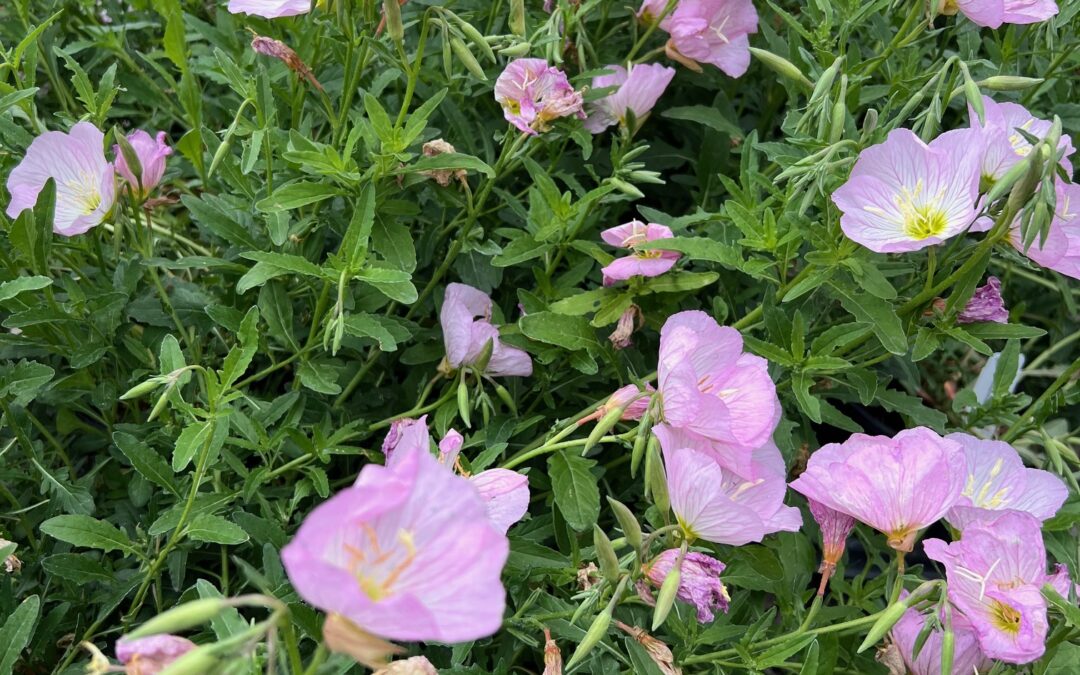
This native primrose is a cheerful, easy-to-care-for perennial that brightens up any garden with its delicate, rosy blooms. It thrives in a variety of conditions — especially dry ones — making it perfect for water-wise gardening. From April to June, it puts on a stunning show, creating vibrant carpets of soft pink and white flowers that are irresistible to bees and butterflies, making it a wonderful addition to pollinator gardens! Just keep in mind that this little beauty loves to spread, so thoughtful placement will help it serve as an excellent ground cover.
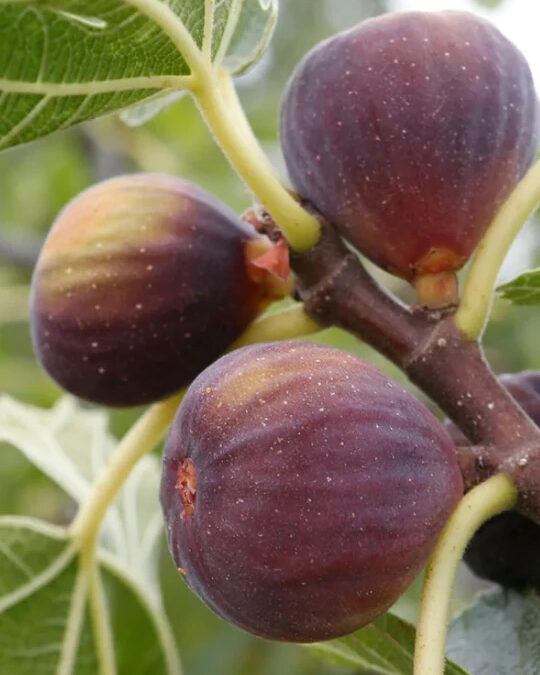
Fig trees are a beautiful addition to local backyard orchards. Their large leaves give yards a lush tropical appearance, and the sweet fruit is wonderful for eating fresh, drying, fruit leathers, baking, jams and canning. Fig trees can produce two fruit crops per year: the “breba” crop in the spring and “main” crop in summer.
The primary limitation for figs is low winter or spring temperatures that may sometimes partially or completely kill fig tree canopies. If the roots are not killed during winter, fig trees that have experienced freezing temperatures usually grow back vigorously and can even produce some main crop fruit in the first year of regrowth. Fig trees should be planted in a protected area next to a south facing wall and mulched or tarped to minimize freeze damage. Figs are tolerant of abuse and relatively content with intense sunlight, extended droughts and alkaline soils.
“Celeste,” “Brown Turkey,” “Hardy Chicago,” “Desert King,” Kadota” and “Violette de Bordeaux” are only a few of the fig varieties that do well. “Black Mission” is a readily available but not very cold hardy for the greater Albuquerque area. In general, backyard fig varieties require no cross-pollination to produce fruit.
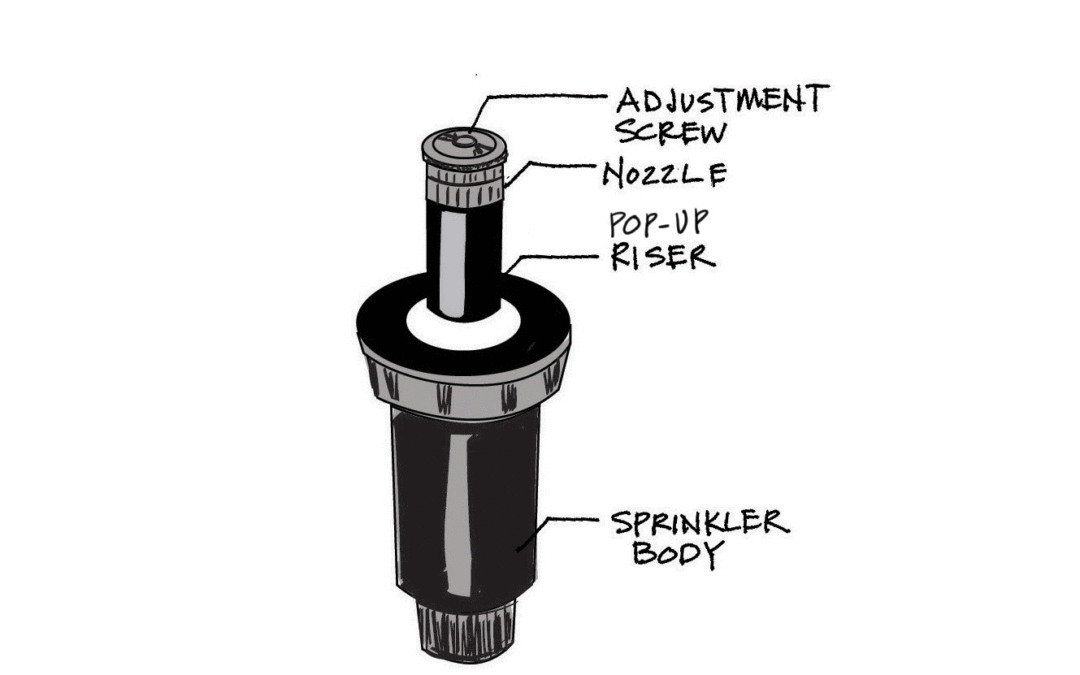
Grass lawns in the greater Albuquerque area need supplemental irrigation to survive our high desert climate. Most residential landscapes are watered by pop-up spray heads that include a sprinkler nozzle set into a spray sprinkler body.
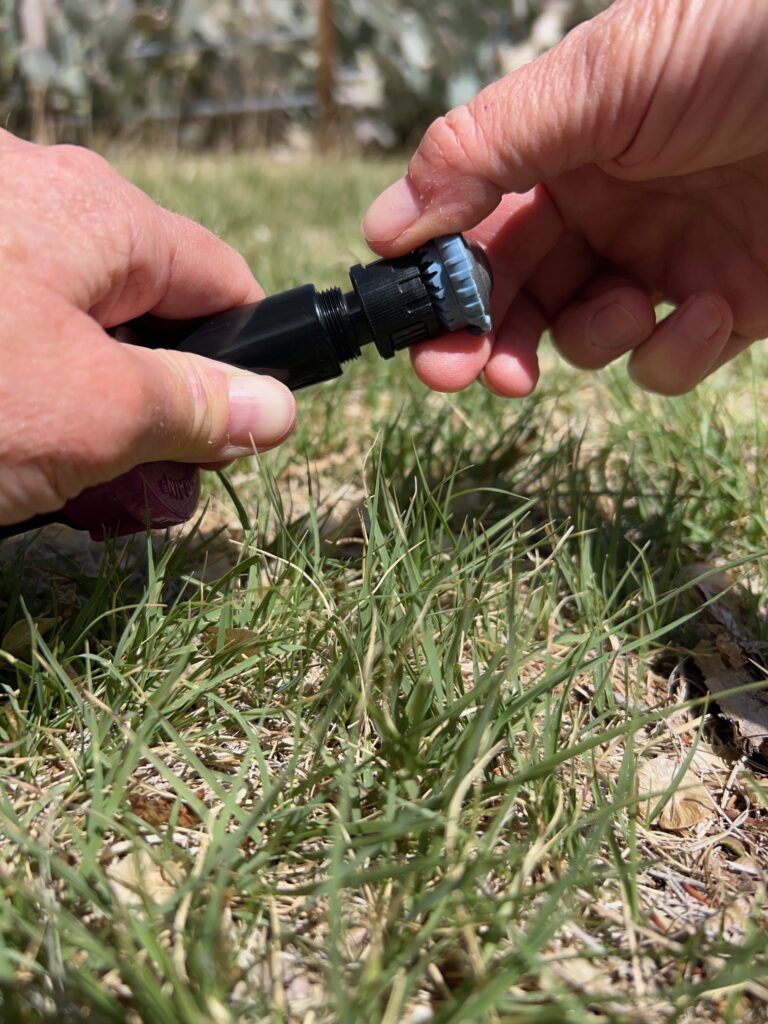
We recommend switching out your older sprinkler nozzles and spray sprinkler bodies for more water efficient ones. Take a look below. They are easy to install; check out the pictures to see how simple it is.
These devices provide pressure regulation at each individual spray head. The sprinkler body is the exterior shell that connects to the irrigation system piping and houses the spray nozzle that applies water to your landscape. WaterSense-labeled spray sprinkler bodies with internal pressure regulation can reduce water waste by providing a consistent flow at the sprinkler nozzle. When the sprinkler body maintains pressure near its optimal operating pressure, the connected nozzle is better able to generate the right amount of water spray and coverage for more uniform distribution of water across the landscape.
Installation is simple. First remove the old spray body by twisting it off and then twist on the new spray body.
High Efficiency Rotating Sprinkler Nozzles (multi-stream)
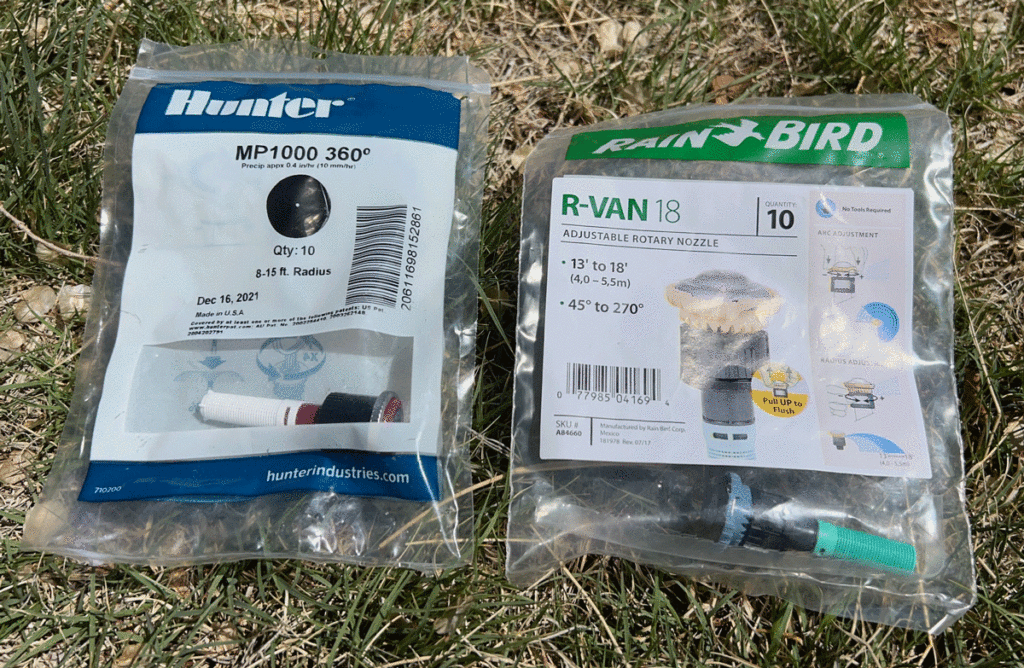
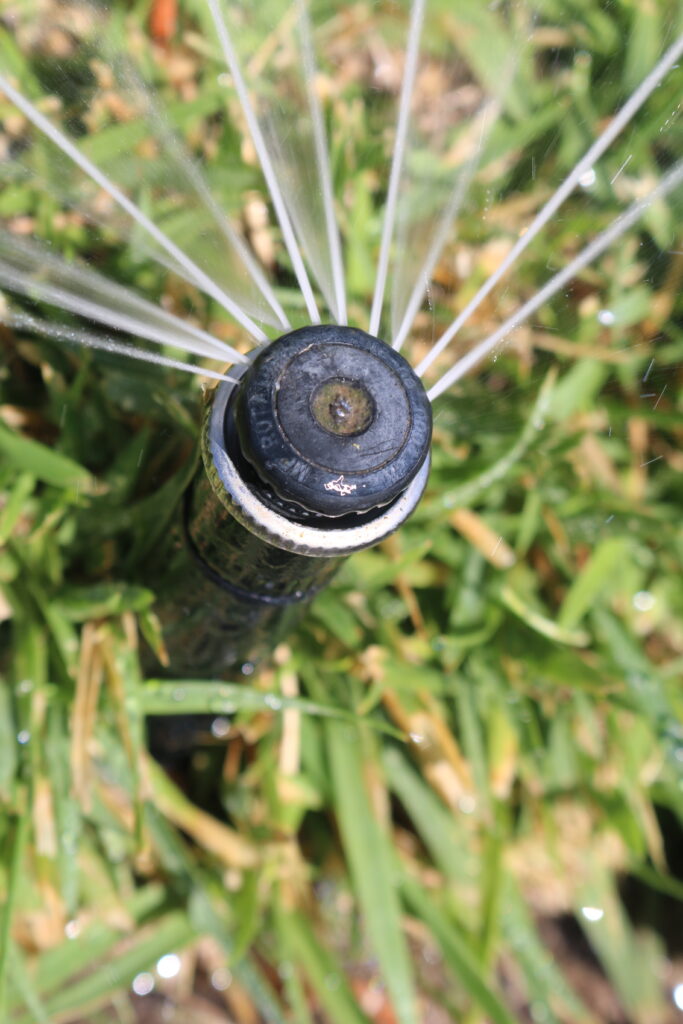
We also encourage you to change your existing spray heads to high efficiency sprinkler nozzles. These nozzles minimize water waste with unique, multi-trajectory rotating streams that deliver water at a steady rate. This slower application rate allows water to gently soak in at rates that soils can absorb. Use these nozzles to replace the sprinkler head on any conventional spray head body or pop-up sprinkler for water savings of up to 30%.
High efficiency sprinkler nozzles are a great solution for upgrading an old and poorly performing sprinkler system. These nozzles create a heavier droplet that is less affected by wind and reduce misting. These nozzles work especially well with pressure regulating bodies. These heads require longer run times. Don't worry it does not use more water, because rotary nozzles deliver water at a slower rate than typical spray nozzles. Therein lies the efficiency: water saturates deep into the root zone rather than running off and evaporating. This can also help reduce the frequency of runs, thereby saving water.
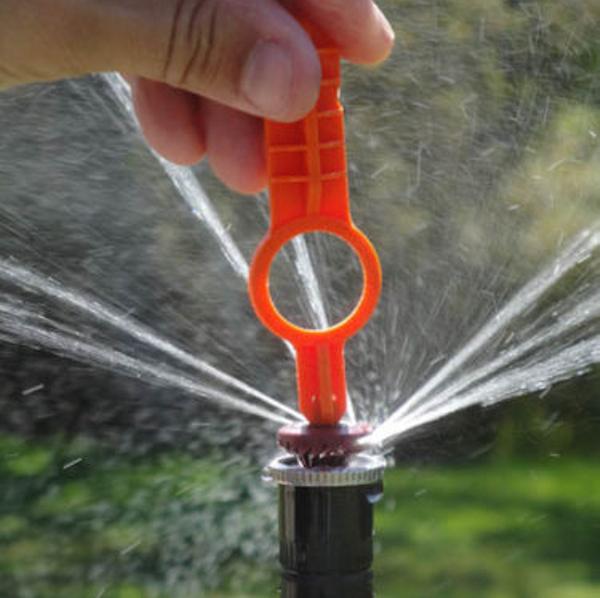
To make the upgrade, carefully pull the riser out of the sprinkler body, it's spring loaded so keep a hold of it while you unscrew the old nozzle and replace it. After you replace the nozzle you may need to turn the system back on and rotate the body slightly to adjust the spray direction. Pull up the existing nozzles in your sprinklers. While holding them, remove the cap from the sprinkler and install the appropriate spray nozzle, as indicated on the plan. If you are using Hunter brand nozzles be sure to also buy this little orange tool to adjust the spray arc. Rainbird nozzles can be adjusted by turning the ridged rings with your fingers.
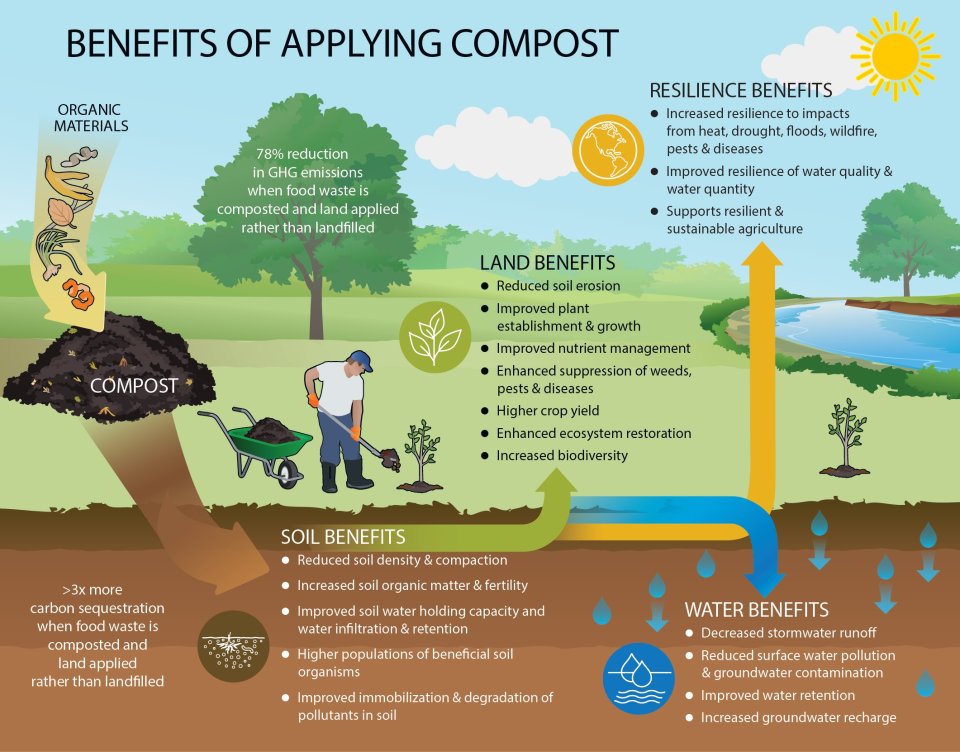
Compost is defined in the dictionary as “a mixture that consists largely of decayed organic matter and is used for fertilizing and conditioning land.” Some people call it black gold because adding to your garden can produce dark, crumbly soil that is like gold for your plants.
Courtesy of EPA.gov
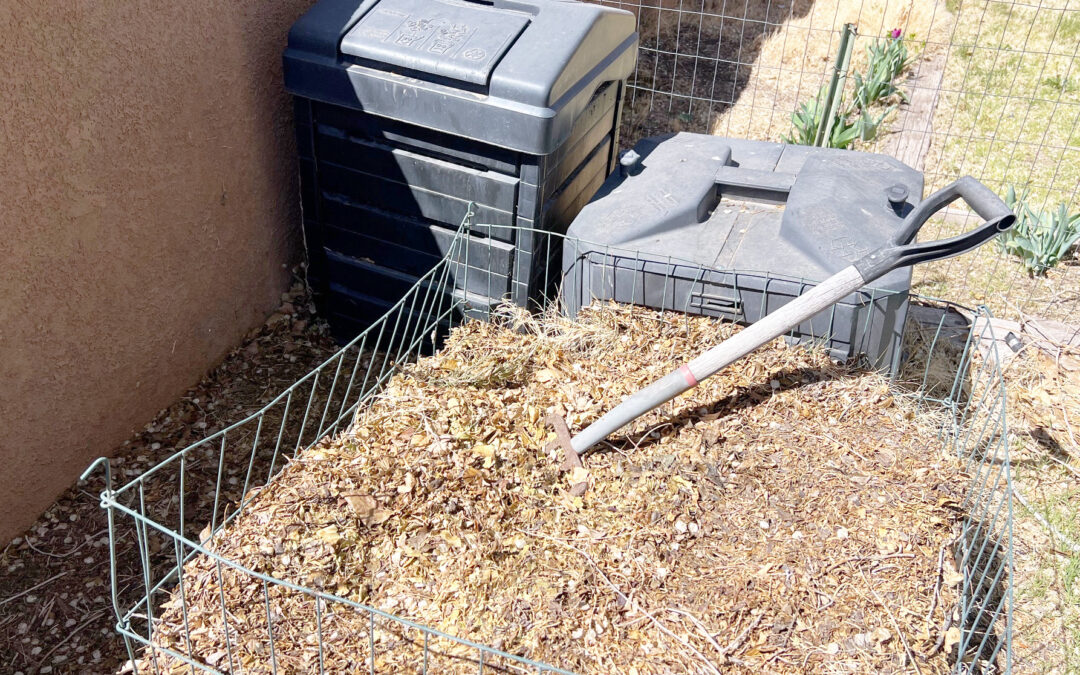
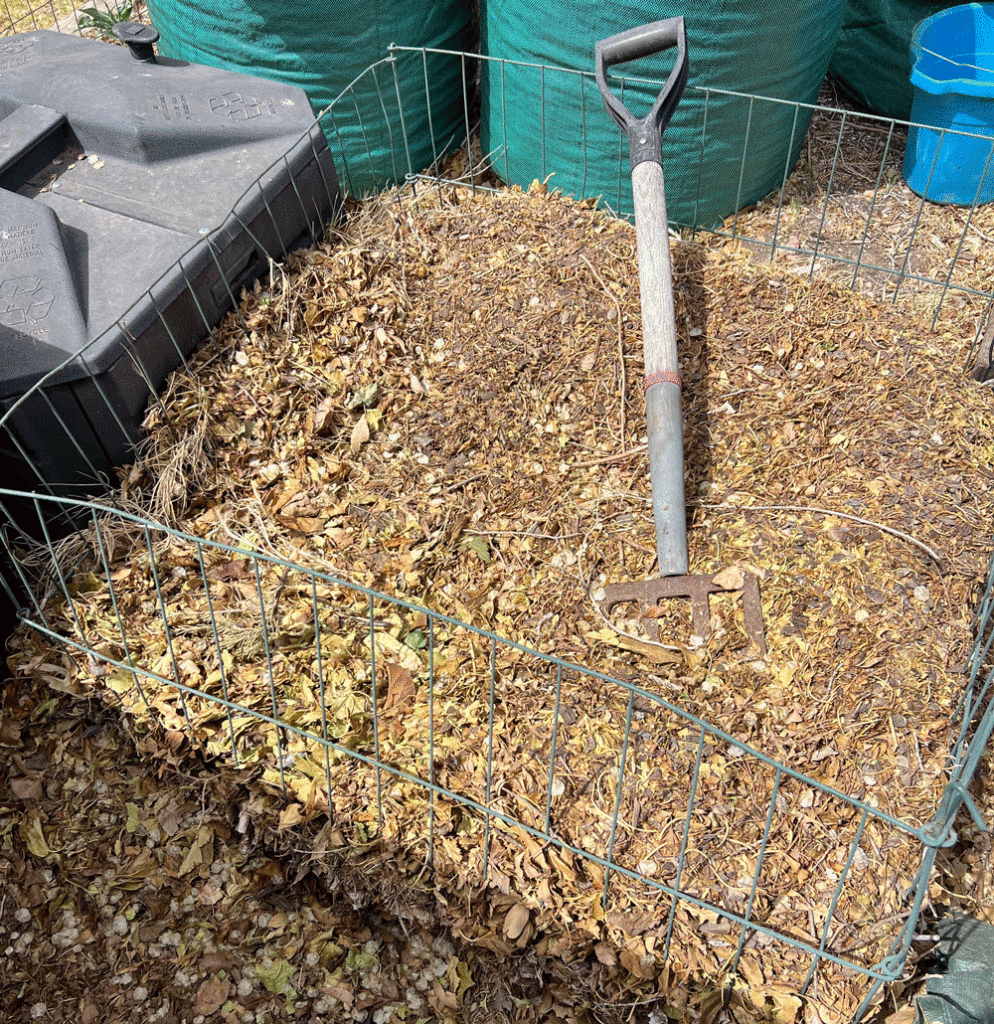
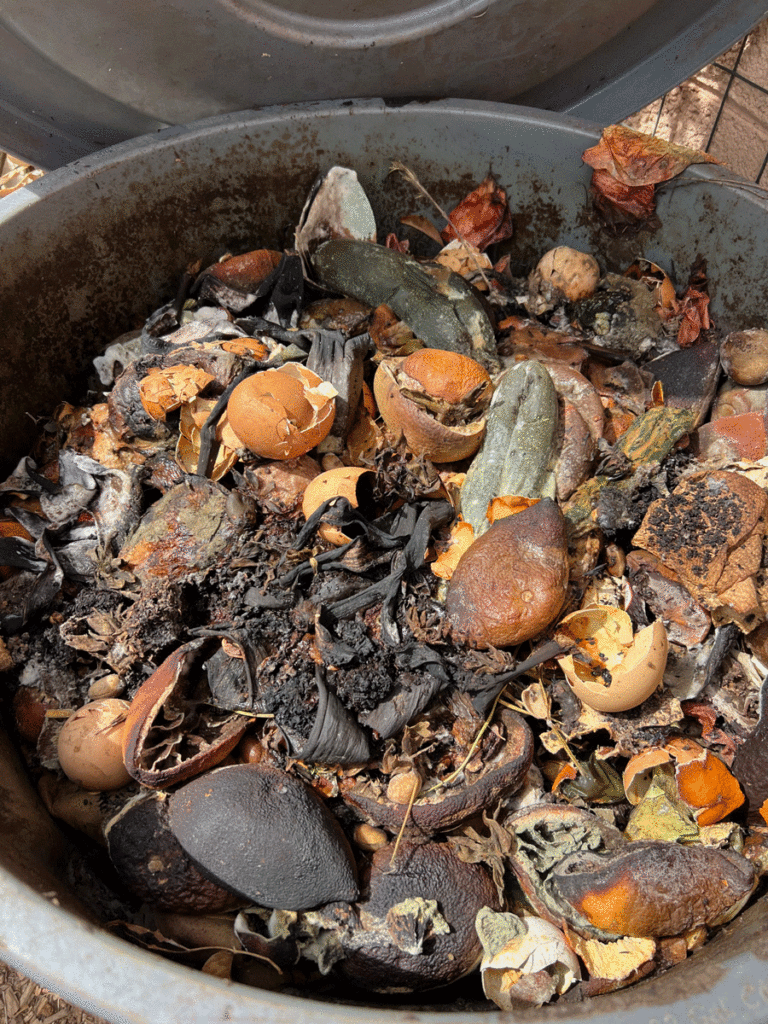
Composting requires three ingredients. The first is brown material from your yard like leaves, twigs and pinecones as well as newspapers, paper egg cartons, straw and so on. Green material, or food waste, is the second. For example, vegetable and fruit scraps, coffee grounds, crushed eggshells, or tea bags. The third is moisture — water goes a long way.
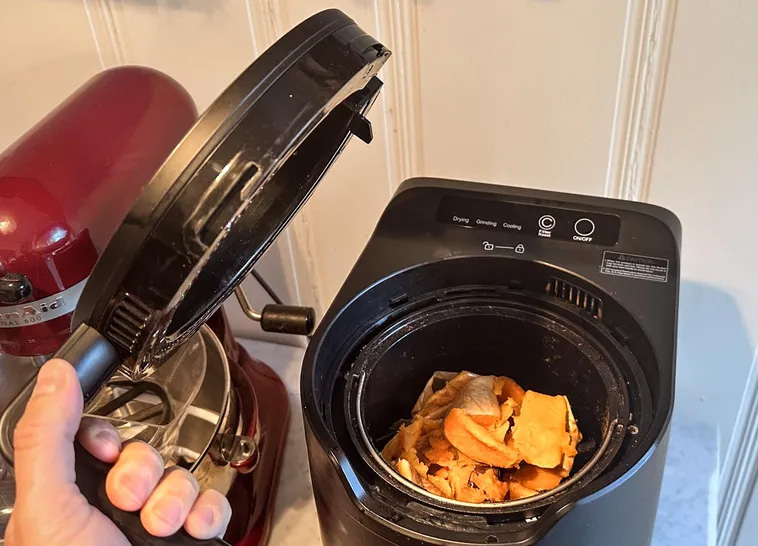
A new type of composter has hit the market: electric composters. These are simple indoor recycling machines that are plugged into the wall. The heat, grind and aerate food scraps to speed up the process, creating compost in a very short period. There are many types, some that sit on the counter and some that look like trash bins in your kitchen. One downside is that these machines can be pricey, ranging from $300 to $700.
Photo by Tomsguide.com
Composting Service
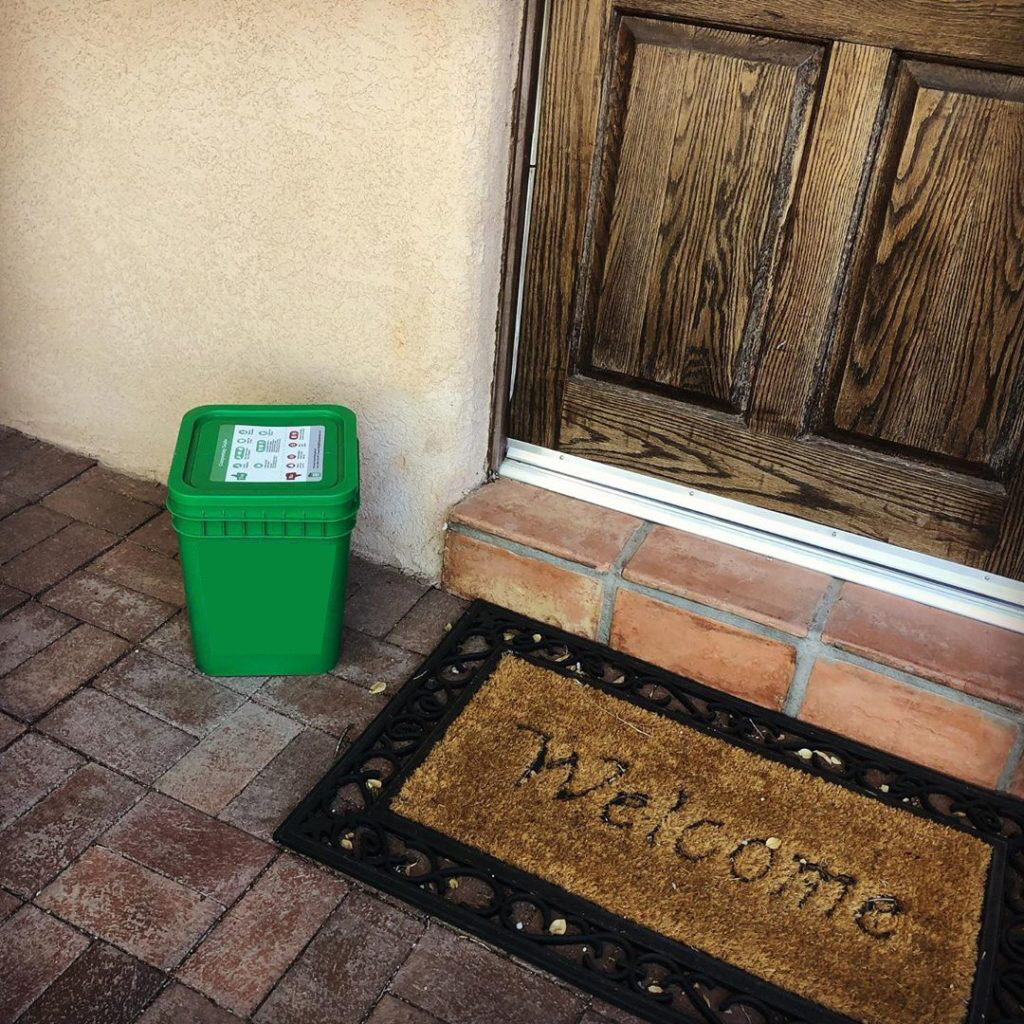
The last and perhaps the easiest method may be to drop all your food items into a bucket that you leave on your front porch. A service provider picks up the bucket and composts the material. You pay a monthly fee and after a bit you get compost delivered to your door. Prices are $22 a month for biweekly pickups.
The City of Albuquerque’s Sustainability Office is taking on Food Waste.Are you interested in diverting food scraps from the trash and turning it into compost to feed local soils? Please consider joining one of our community compost co-op sites.
Below are workshop options in April and early May.
Option 1: Take the compost science and hands-on learning classes.
Hands-on learning: Friday, April 25, 2-4pm at Barelas Senior Center’s community compost site. Note: We will plan more hands-on opportunities this summer.
Option 2: Learning Series at Barelas Senior Center.
Tuesday, April 22, 10:30-11:30am, Introduction to compost science and hands-on learning. Participants can choose a free plant!
AND
Tuesday, April 29, 10:30am-noon, Compost science, indoors. Register here.
AND
Tuesday, May 6, 10:30-11:30am, Hands-on learning.
Please help us spread the word about this opportunity to get involved in building healthy soils and community resilience. If you have questions, please email [email protected].
Author: Jill Brown, ASLA, is a landscape architect and owner of My Landscape Coach in Albuquerque. Have a question about the article? [email protected]