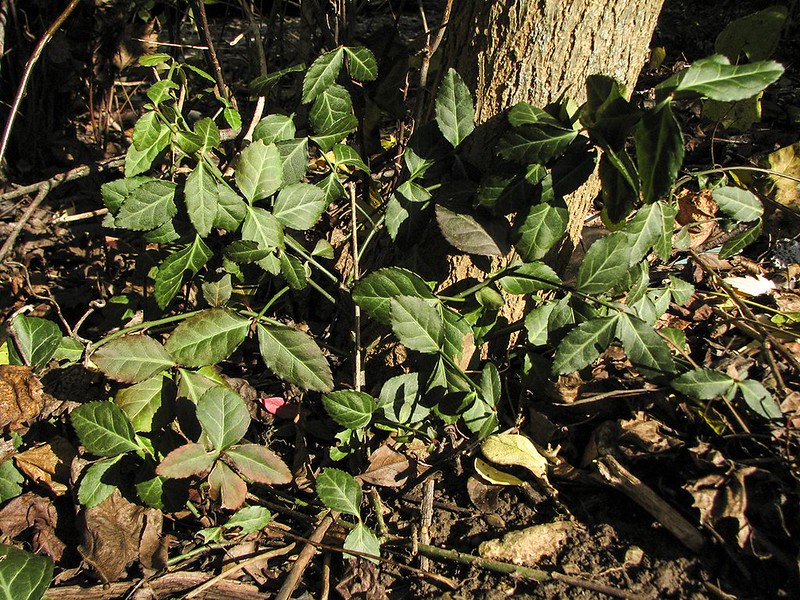
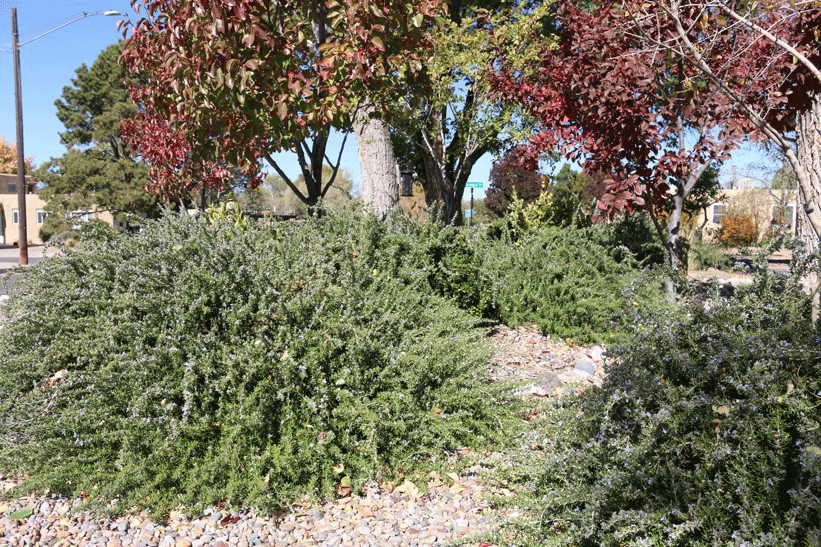
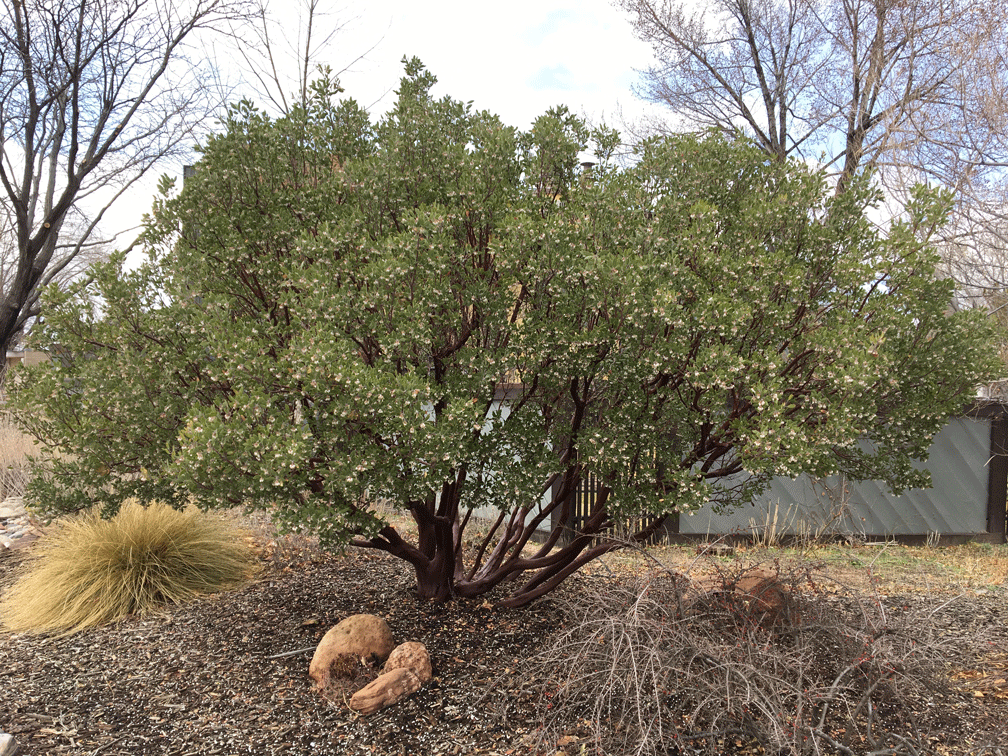
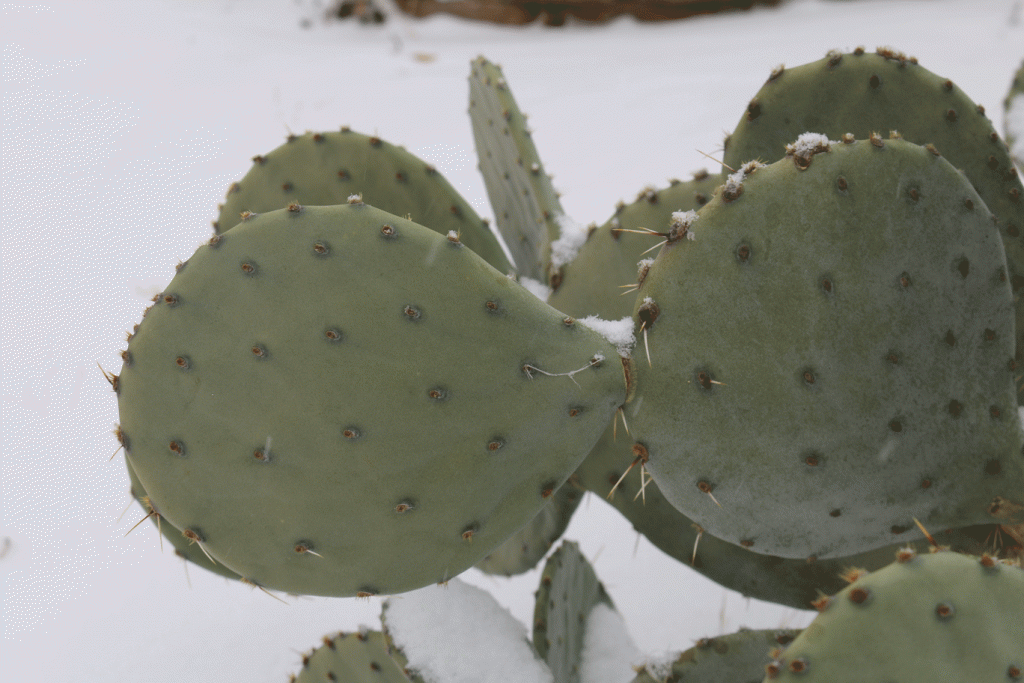
This cold tolerant, hardy evergreen groundcover has shiny dark green leaves in the summer which change to a beautiful reddish-purple in the fall and winter. Purpleleaf Wintercreeper spreads quickly, is great for smothering weeds, and provides moisture retention at the base of your trees. It can be trained to be a climber and tolerates all types of soil.
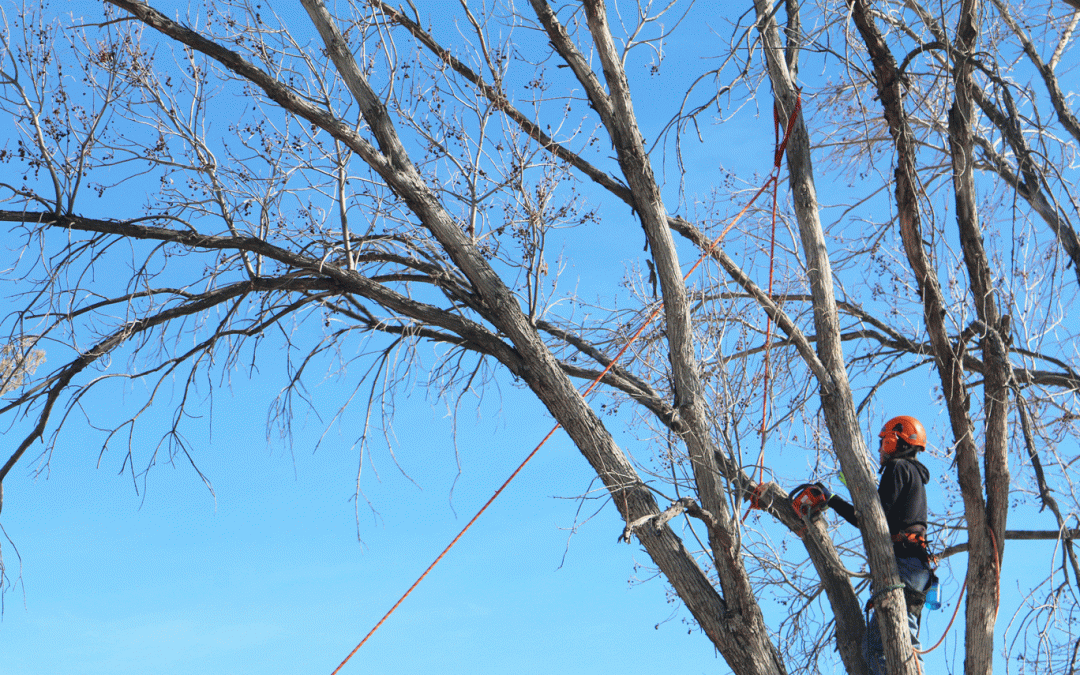
The winter is best time of year to prune trees. The Water Authority recommends hiring an arborist to prune them because arborists specialize in the care of individual trees. They are knowledgeable about the needs of trees and are trained and equipped to provide the proper care.
Arborists can provide the following services:
Pruning
Tree removal
Emergency tree care
Planting
Plant health care
Other services such as
consulting, tree risk assessment, cabling and bracing of trees.
How do you find a professional arborist to take care of your trees? We recommend to ask the following questions when looking for an arborist:
Are they certified? Certified
arborists have achieved a level of knowledge in the art and science of tree care
through experience. They have passed a
comprehensive examination developed by some of the nation’s leading tree care experts.
There is an online resource called Find an Arborist to help you locate one in
your area.
Do they have insurance? Check
that they have a certificate of insurance that includes proof of liability for
personal and property damage, including workers’ compensation.
Do they offer a contract? Get
a written contract of the work to be completed from the arborist. It should
include the estimate for the services, a start date, and estimate of how long the
work will take.
Do they have references? Ask
the tree company to provide a few names of past customers, and ask friends and neighbors for local references, too.
Have you ever wished you could
just take a picture of a plant and have the internet identify it for you? Turns
out, there are a lot of digital options to help with the identification of
plants. We’ve reviewed the best resources so you don’t have to.
PLANT APPS:
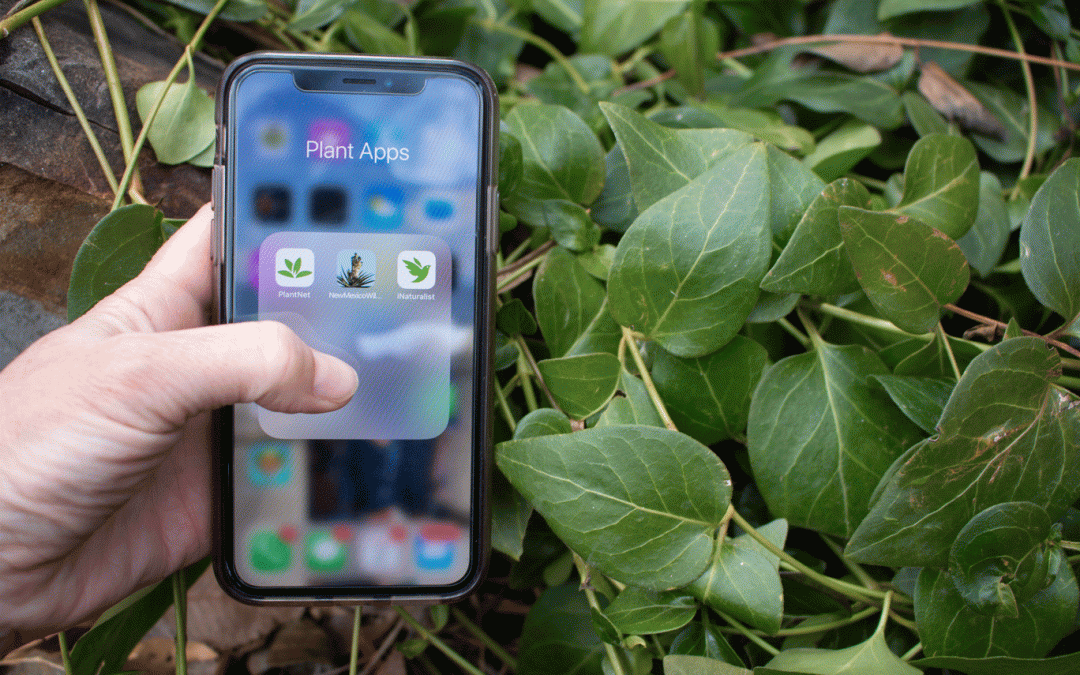
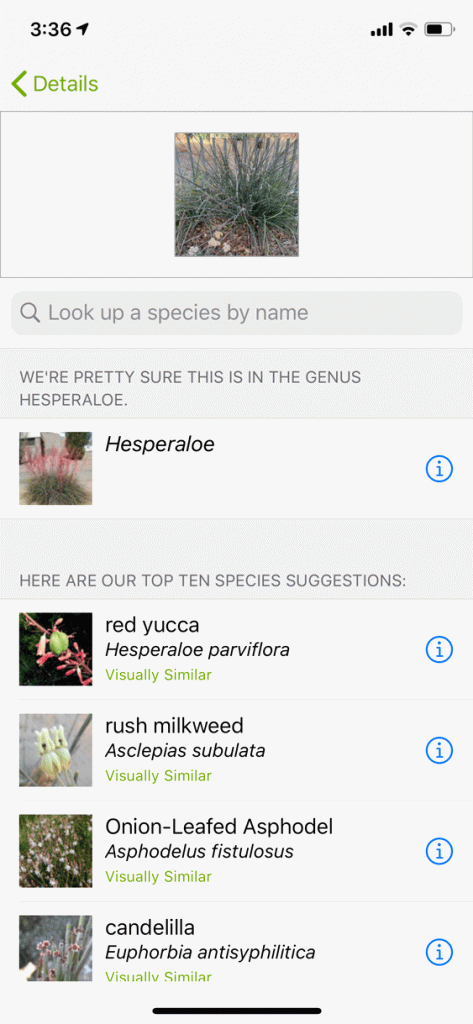
iNaturalist: Once logged on to this free application, you become one of their citizen scientists. The app uses your photos then provides you with a list of possible plant choices. Once the plant has been identified the app then asks you to upload the data to help other people learn what’s in their neighborhood (there is the option to skip this and just get the plant identified). This app was by far the best at identifying the correct plant. An added bonus is it allows users to create guides and gives access to others created in the area. In fact, there is a fantastic Plants of the Middle Rio Grande Bosque guide already on the app listing hundreds of plants in the Albuquerque area.
Pl@ntNet: This free app uses a database organized by location to identify plants. Simply upload a photo and the app provides a long list of possible matches. It’s common to find the correct plant among the choices given, but if a match is not made, users may access the world flora database to find the exact plant. This app is good at identifying the plant family which is a good start in finding the right identification. The best attributes of this app are that it does not require a login or account and you can either take live photos or select from your photo library.
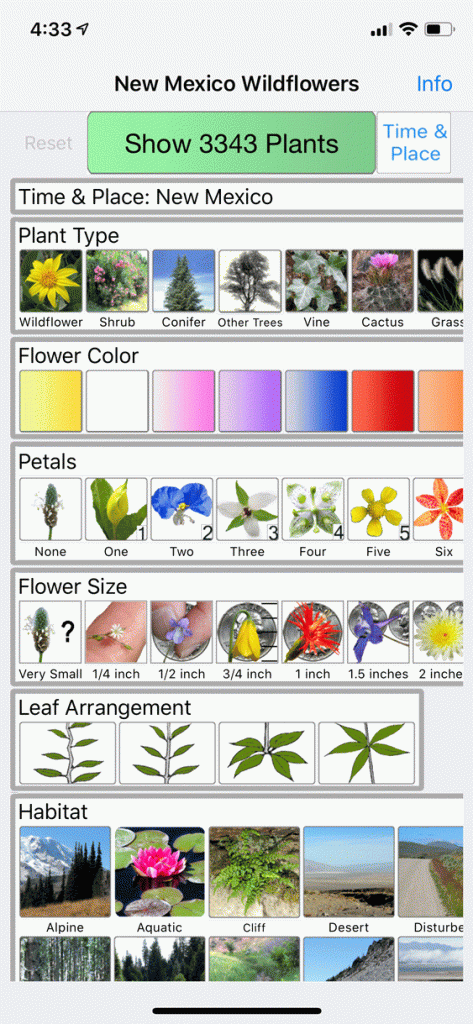
New Mexico Wildflowers. This free, local app is a winner - it’s basically an online field guide boasting more than 3,000 local plants! Select a plant type, flower color, flower size, leaf arrangement and habitat. It then provides a list of plants that meet the criteria. From there, users can identify the plant in question. A great feature of this app is that it can be used during your favorite outdoor activity because internet access is not required.
New Mexico Wildflowers app
iNaturalist app
LOCAL DATABASE AND GROUPS:
New Mexico Plant List Database: This plant database is courtesy of the Office of the State Engineer. It has a large variety of plants with an easy-to-use interface. https://wuc.ose.state.nm.us/Plants/
Groups: Another way to figure out plant identification is to crowdsource using social media. There are a few notable Facebook groups that regularly answer plant ID questions, where members upload photos of the plant with location details, and members of the group provide input. A few to check out are Native Plants of New Mexico (4,027 members), Entomology (135,034 members), Plant Identification (174,670 members), and Plant Identification and Discussion (278,523 members).
Other apps: PlantSnap, Picture
This Plants, Seek. We’ve found these to be less reliable for identifying desert
friendly plants.
TIP: When using any of these tools, the quality of the photo is important. It’s helpful to have both zoomed-in pictures of foliage and photos of the entire plant form.
Author: Marisa Y. Thompson, Ph.D. Extension Horticulture Specialist, Department of Extension Plant Sciences NMSU Desert Blooms blog and Jill Brown, ASLA Landscape Architect and owner of My Landscape Coach in Albuquerque, NM. Resources: Native Plants of New Mexico Facebook Group
It’s officially winter and cold weather will be here for a while. January’s service tip is to take a moment to inspect the trees on your property to see how they are doing.
Walk outside and take a good look at
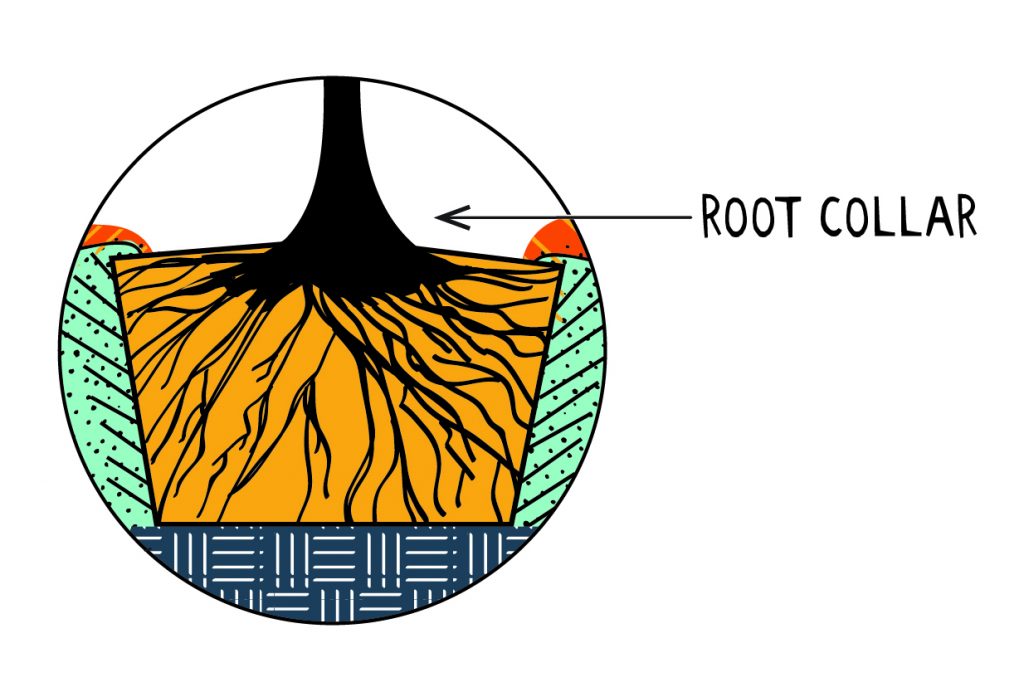
your tree, starting with where the tree enters the ground. Your looking to see that
the tree trunk flare out as it goes into the ground. This is called a root
collar.
If your tree goes straight into the
ground, it’s most likely planted too deep. You’ll want to remove the dirt
around the tree until you can see the flare of the root collar.
Next, look up into your tree and check for a main central leader on your tree. Now notice the spacing between the branches. Each branch should have its own space. If your tree looks like it doesn’t have the above characteristics, then it’s probably time to call in an arborist for advice.
WATERING RECOMMENDATIONS:
This winter continues to bring much needed precipitation to meet the needs of your landscape, no need to water this month.
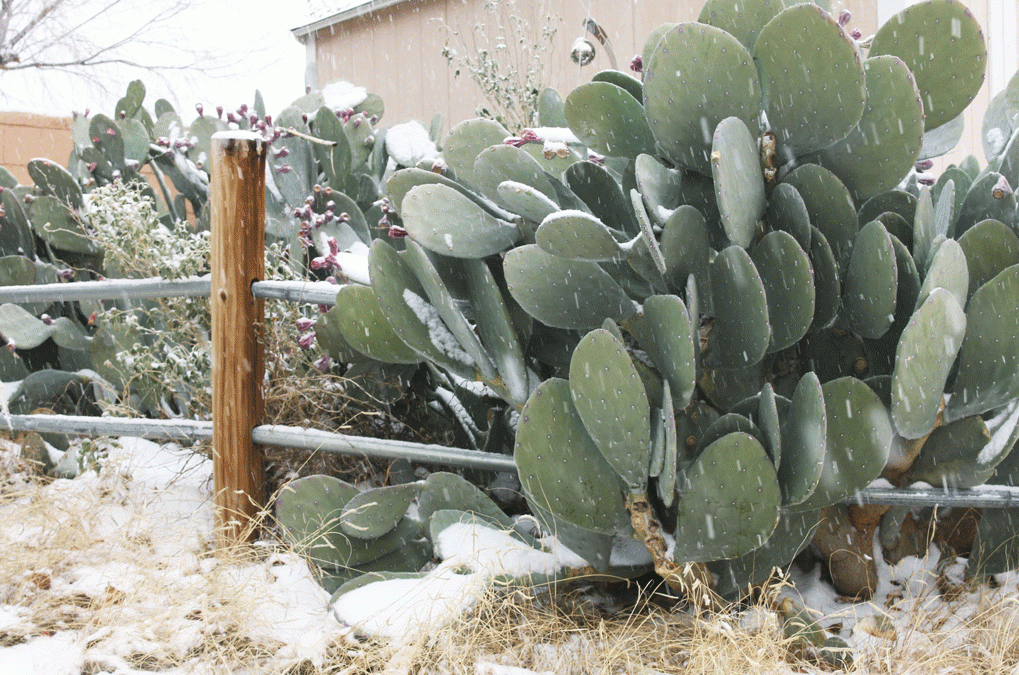
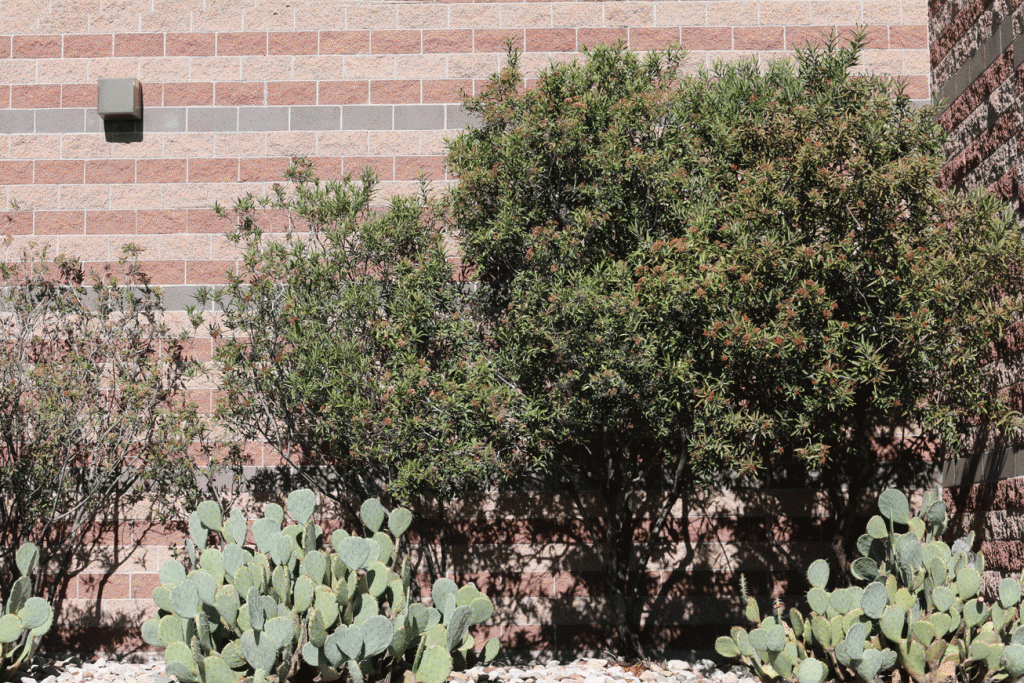
When we think of the word evergreen, many of us think about pine trees, cedars and junipers. However, an evergreen is simply any plant that remains green all year long. These plants are welcome fixtures in our winter landscapes, too. 505Outside highlights these essential elements of the greater Albuquerque area landscape by asking local plant experts which ones they love. Below are some of their favorites.
When the last of the yellow and purple perennial colors fade away in the fall, these (and other) evergreen plants provide the structure that holds landscapes together through the winter months. Don’t forget to include evergreen plants in your landscape for year-round interest.