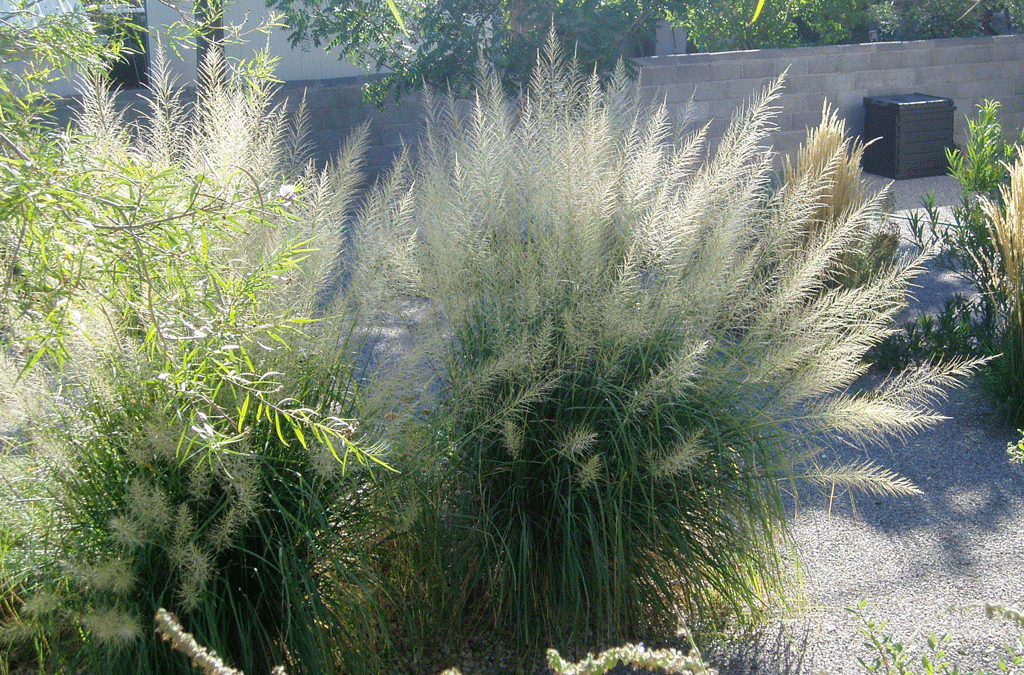
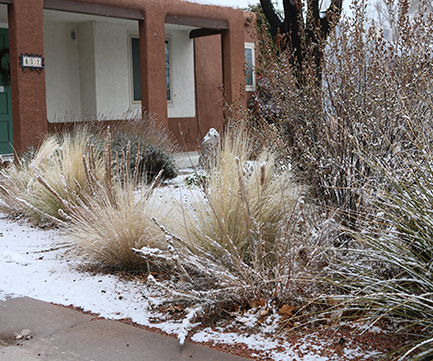
This deciduous warm season bunchgrass is
a delight in fall gardens. In the late summer, seed stalks appear, providing
beautiful visual interest when backlit by the sun and gently blowing in the
wind. This grass occurs naturally in floodplains and does well if deeply
watered twice a month in summer. Water monthly the rest of the year. Giant Sacaton
looks lovely when mass planted but can also stand alone when planted among late
blooming summer perennials. In late February, trim this grass to about a foot
from the ground so it will be ready for spring.
Now that the weather is colder, curl up with a book and
learn more about our global and local water resources.
Here are a few of my favorites to get you started. If you’ve
got a water book to recommend for future newsletters, please email me at kyuhas@abcwua.org
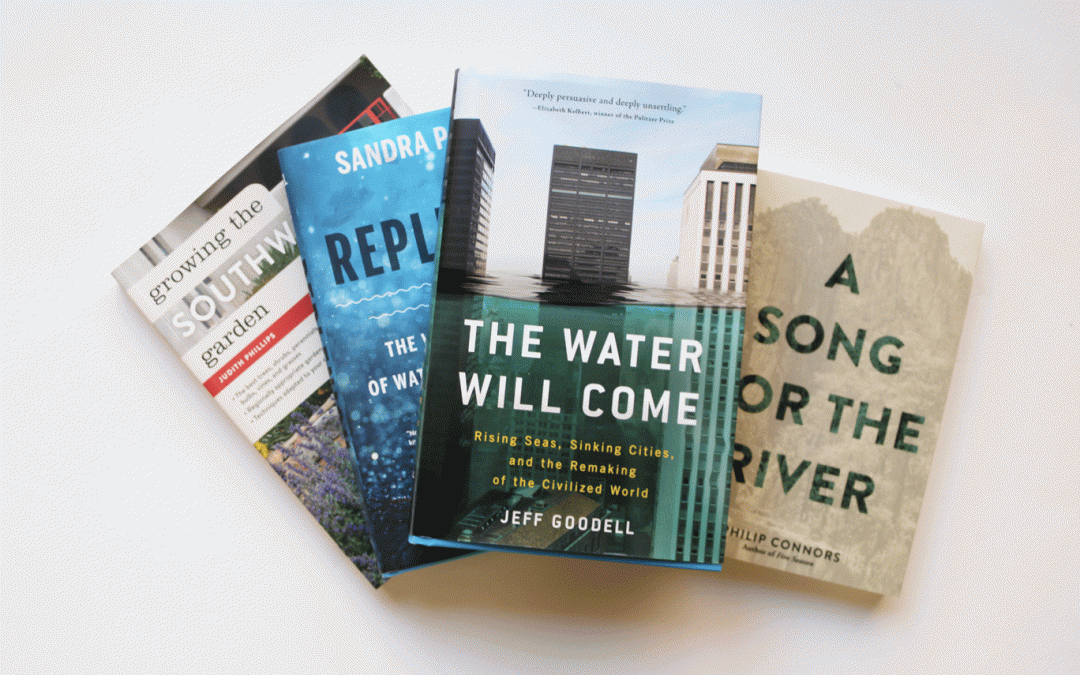
For a thought-provoking read about the effect of rising sea
levels throughout the world, pick up The Water Will Come: Rising Seas,
Sinking Cities And The Remaking Of The Civilized World by Jeff Goddell. He
uses a blend of science and first-person accounts to create an engaging and
informative read. This book made many top book lists when it was released in
2017.
Replenish: The Virtuous Cycle of Water and Prosperity by
Sandra Postel explores many projects, including some in New Mexico, that work
with nature to enhance and preserve the earth’s water resources. Ms. Postel is
a world-renowned water expert we’re lucky to have living with us here in New
Mexico.
Another New Mexico book is A Song for the River by
Philip Connors. This is beautiful, meditative exploration of his time in the
Gila National Forest and of the Gila River. Those who want more of Mr. Connors’
writing on the Southwest should also pick up the multiple award-winning Fire
Season: Field Notes from a Wilderness Lookout.
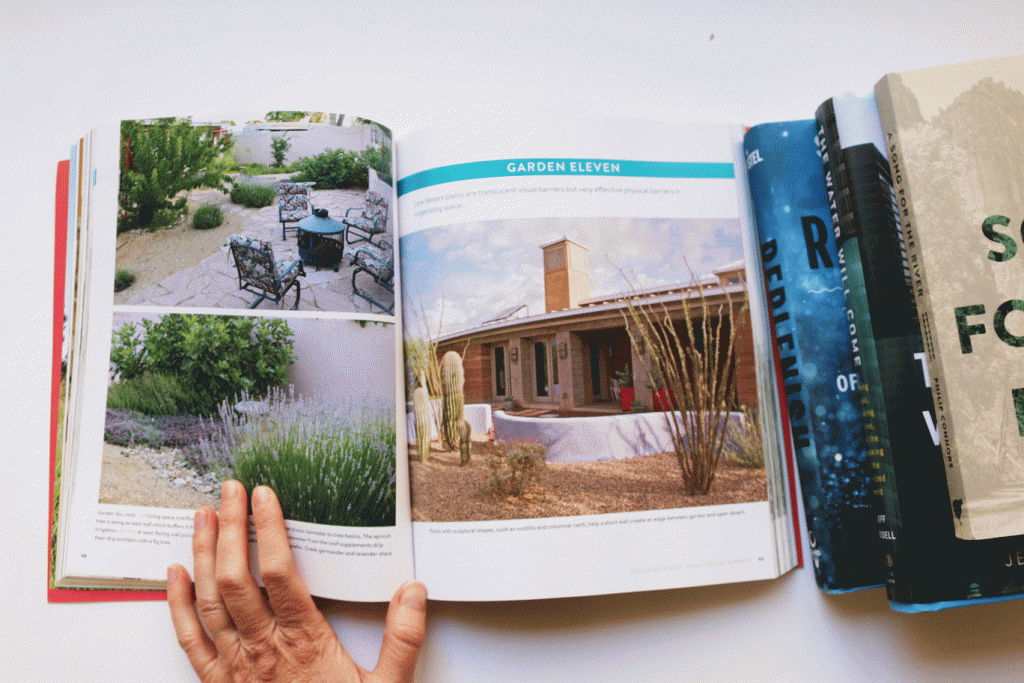
Finally, for those who want to get started dreaming about their
spring garden, try Growing the Southwest Garden: Regional Ornamental
Gardening or any of the other gorgeous, picture-laden titles by Judith
Phillips, another author we are lucky to call our own. Her beautiful books can
be found at local bookstores and libraries.
Author: Katherine Yuhas, Water Resources Division Manager with Albuquerque Bernalillo Water Utility Authority
Last month we recommended you shut down your irrigation system. If you haven’t had a chance to do that yet, December is the time. Read how here.
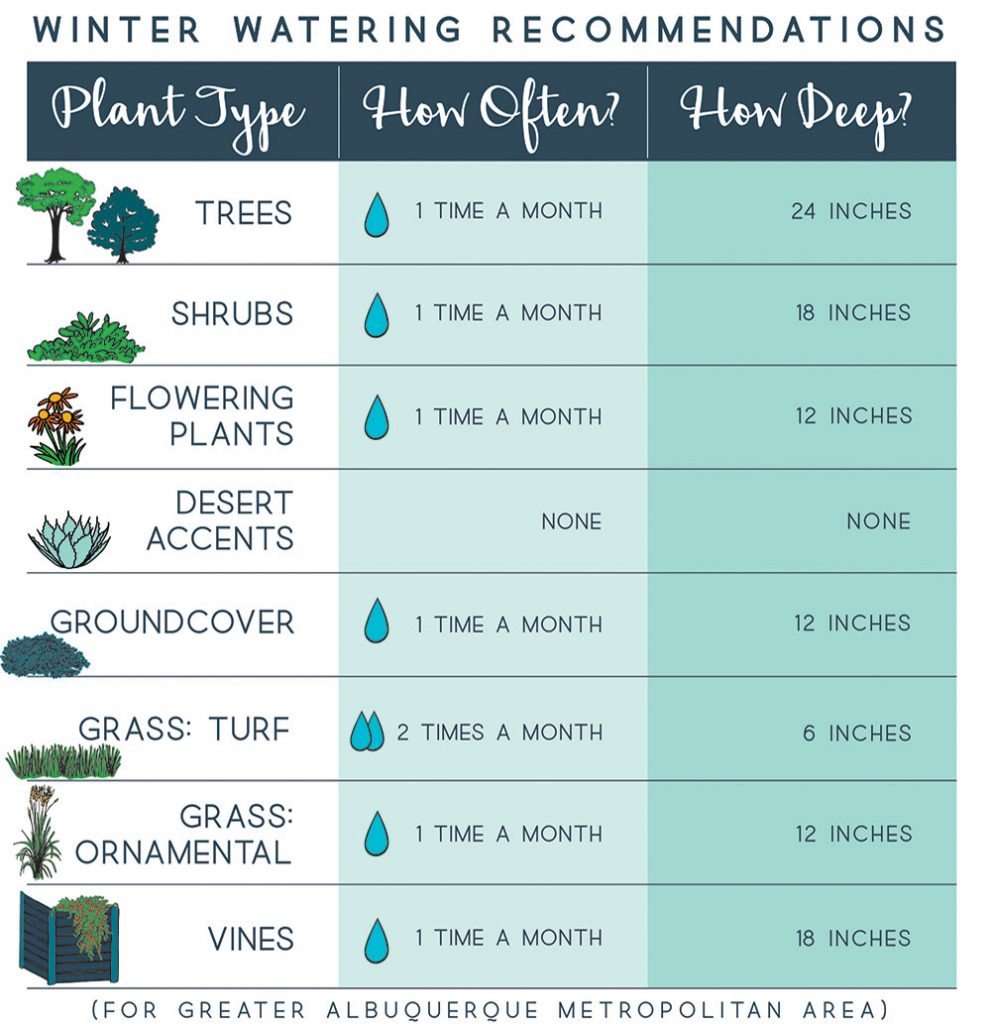
Trees still need to be watered once a month in the winter, meaning you can hand water your trees per the Winter Watering Recommendations. However, due to the recent record snow storm in Albuquerque your trees have received enough water this month so there is no need to water.
If your landscape gets more than ½” of rain or 6″ of snow during any given winter month (December, January and February) there is no need for supplemental irrigation on that month.
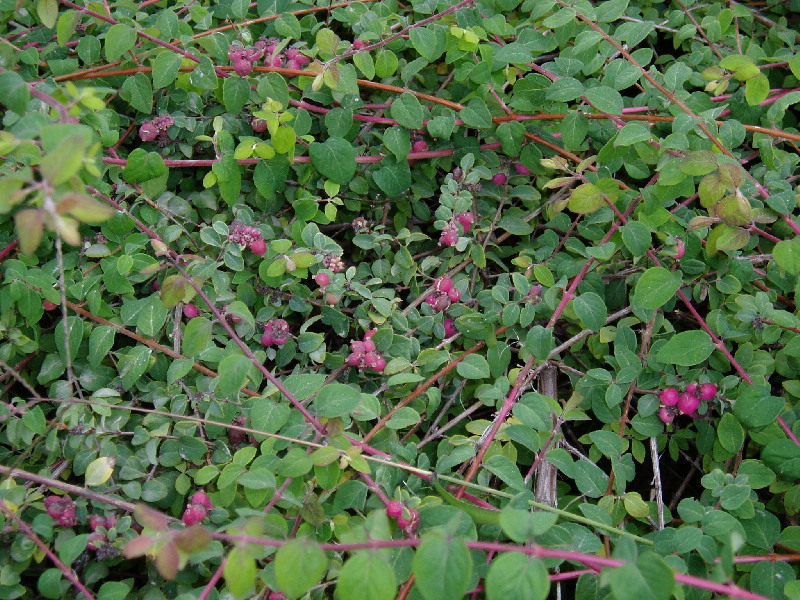
A great shade loving plant for the Fall and
Winter months, Coralberry is best planted where water collects in the yard. It can
be found along stream beds, making it a great plant for beneath the runoff of down
spouts. Lined with pink flowers in the summer and pink berries in the winter, Coralberry
is a great used underneath trees. Their foliage keeps the soil cooler for tree roots.
The stems of this plant arch when loaded with berries and will root where they touch
the ground, making more plants. Deep water established plants twice a month for
vigorous growth in drier gardens.
To avoid damage to your irrigation system from
freezing temperatures, it is important to “winterize” it by protecting exposed outdoor
fixtures. If your hose bib is left exposed or standing water is left in pipes, valves
or sprinkler heads during freezing temperatures, that water may expand and damage your
system fixtures. That
could result in costly but avoidable repairs. Each irrigation system may be different,
but the general idea is the same: protect your irrigation system now to save
time and expense later. Here are a few tips you should take to prepare your irrigation
system for winter.
1. Disconnect the water supply to your irrigation system
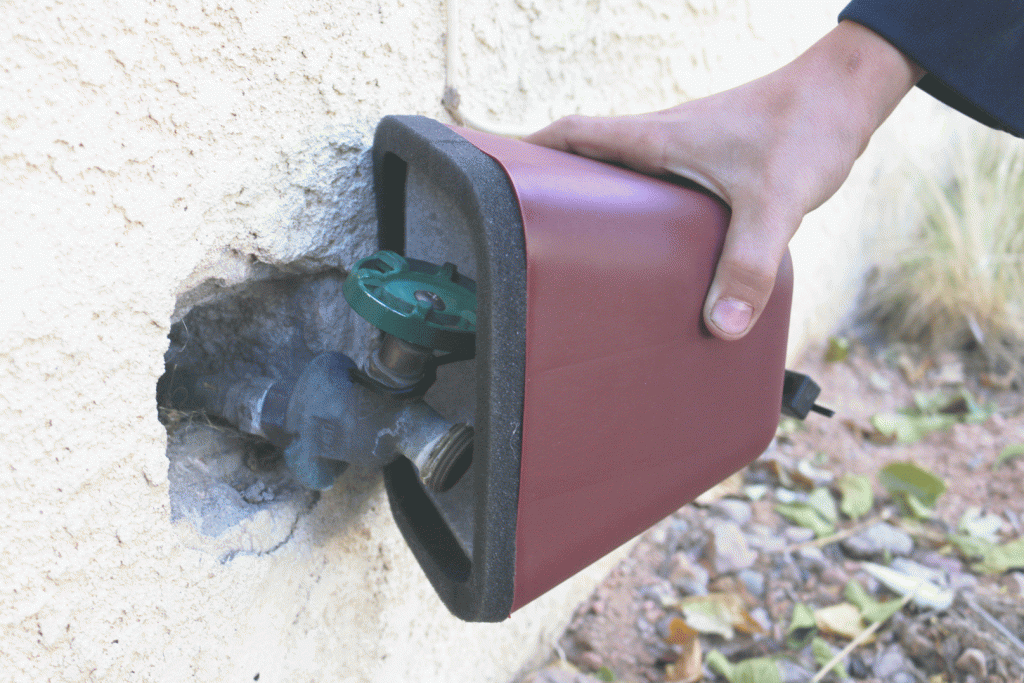
a. If you manually water using a hose or if the irrigation system is attached to an outdoor spigot, you should disconnect it and cover your hose bib using a faucet cover. A faucet cover is easy to install and is usually made from durable hard plastic. It protects your outdoor faucet from freezing temperatures. This in an easy, inexpensive fix that will provide you peace of mind when the temperatures drop.
Pro Tip #1
Faucet cover to protect hose bib from frost.
Disconnecting your hose and covering your hose bib is very important in winter. If you leave the hose connected, water can freeze in the hose all the way into the hose bib and the pipe that goes inside your home. If the house pipe breaks, you will have water flooding inside, and potential major water damage inside your home. It’s definitely worth the $10-$15 on these insulated covers to prevent potentially thousands of dollars in plumbing repairs and water damage to your home. Don’t assume that if the hose bib freezes it will drip and freeze only outside your home. Sometimes the damage is a whole lot worse.
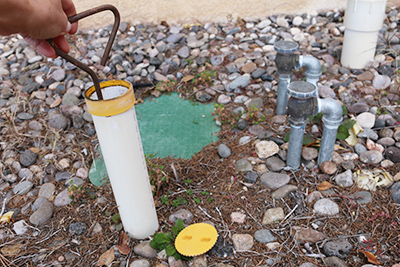
b. If you have a below ground irrigation system, locate your shut-off valve (often hidden in a 3” PVC pipe; often with a white or yellow cap, as shown in the photo). Turn it to the right to shut it off. Be careful when turning so you don’t break the valve. Your shut off valve may look like this:
Irrigation shut-off valve.
Pro
Tip #2
Sometimes the water shutoff for your sprinkler
system is in the green box shown in the picture. If so, we recommend adding some
heat tape and/or insulation in the box because it will be exposed to freezing temperatures.
If you can insulate it and protect it you can avoid potential frozen pipes at the
shut off and potential repairs in spring. Watch out for spiders, though,
because the shutoff box is a warm wet place.
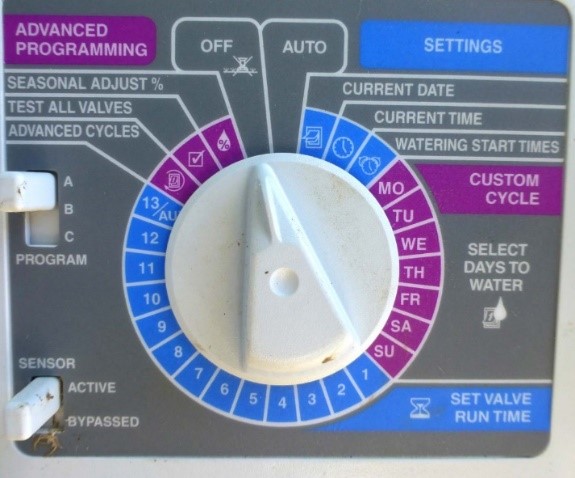
2. Turn off the irrigation system controller (if you have one)
Irrigation controller set to off.
Pro Tip #3
If you forget to shut off your irrigation system during winter you can potentially have your automated sprinklers running in freezing temperatures. That can freeze and damage your sprinkler heads. Make sure you turn off all automatic cycles for your system. If you have a drip system for trees and other plants that need to be watered periodically throughout winter run the system manually when you are home, and only in above freezing temperatures. Don’t just assume that setting it to run during the day will be okay, either. There are days in winter when the temperature doesn’t get above freezing. It’s best to just turn it on when you’re home and then watch it. If your sprinkler heads do crack or break and you don’t notice, you will likely flood your yard in spring when you turn your system back to automatic settings.
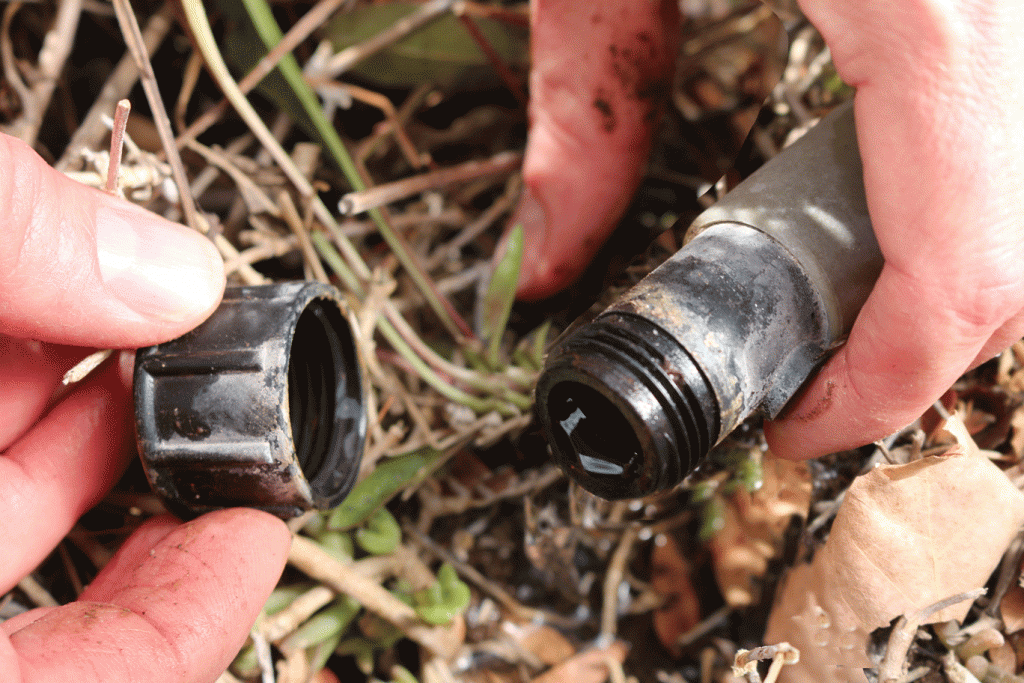
3. Drain the water from all pipes, valves, and sprinkler heads.
Drain cap at the end of a drip system.
There
are several ways to drain your system.
Manual
drain valves and automatic drain valves can be blown out with compressed air. Local
irrigation specialists can help.
If you
have an irrigation system with drip hoses, we recommend you locate the end cap (drain
cap) of the drip hose and drain out the water.
Pro Tip #4
Sometimes irrigation systems don’t have drain
valves. If you don’t have these, simply make sure you’ve turned off your sprinkler
system prior to winter and freezing temps. Then you can have a professional inspect
the system in spring before you turn it back on. A professional will inspect your
system for leaks and make any repairs so you don’t flood your yard. So avoid the
headache and have an inspection. If you consistently have problems year after year,
drain valves can be installed to help clear the lines each winter.
Reminder: If you need to water in the winter season use your hose and remember to cover it when finished.
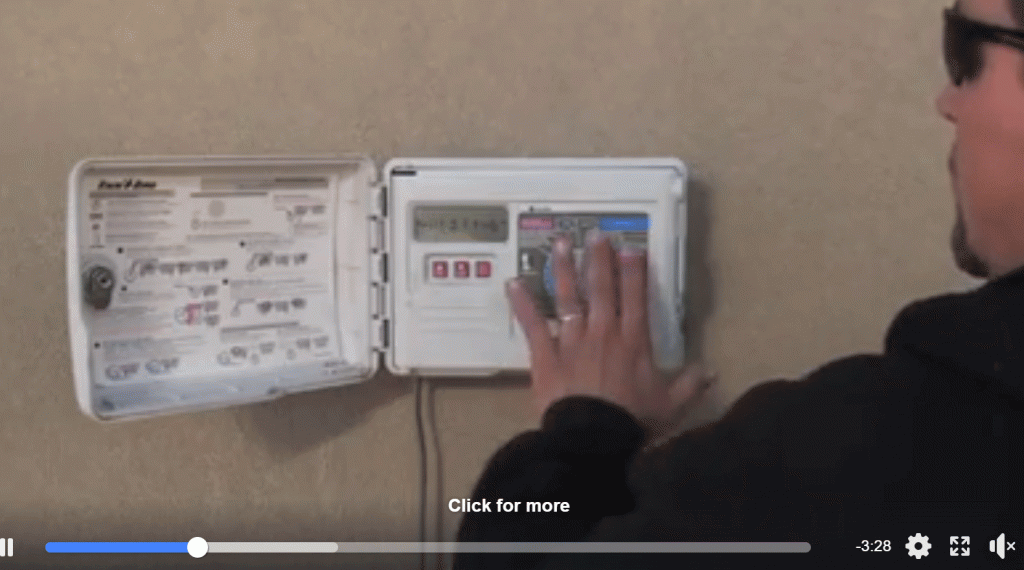
How to shut off your irrigation system for winter.