If you suspect
you have an indoor leak, or if you have questions about your landscape and
irrigation system, call our experienced staff for a free one-hour educational phone
consultation. To sign up, visit https://rebates.abcwua.org/ or call 505-842-9287 and press option 4.
Our staff will respond to your
request and schedule a one-hour call between the hours of 9:00 a.m. - 3:00 p.m. Monday - Friday.
We will offer
two types of educational phone calls:
Indoor Leak Consultations consist of a full walk through, via telephone, on how to
identify and repair leaks. We aim to educate you on the most effective method
to check for leaks in your home. Topics include, but are not limited to:
How to read your meter
Identify and repair malfunctioning fixtures (tubs, faucets, toilets)
Identify and repair malfunctioning equipment (swamp coolers, water softeners, hot water heaters)
Finding underground leaks
Historical water use
Landscape and Irrigation
Consultations will answer many of your landscape and
irrigation questions. We will also be able to troubleshoot specific situations
and walk you through projects and offer advice and guidance where we can.
Topics include, but are not limited to:
Irrigation scheduling and start-up
Maintaining and repairing broken irrigation systems (it’s easier than you might think!)
Plant identification and basic plant suggestions
Planting and irrigating edible landscapes, including vegetable gardens
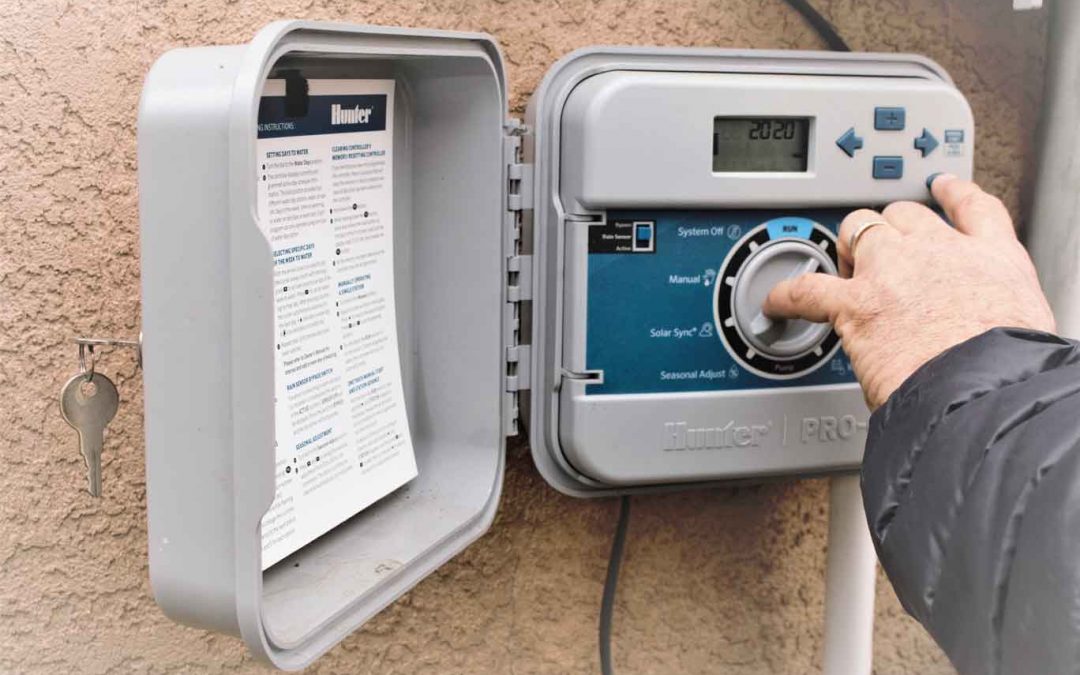
As the landscape irrigation season gets under way, inspect your irrigation system for leaks and clogged, broken or missing sprinkler heads and emitters.
Use a pressure gauge to verify that sprinkler heads are operating at recommended pressures, and check and clean all system filters.
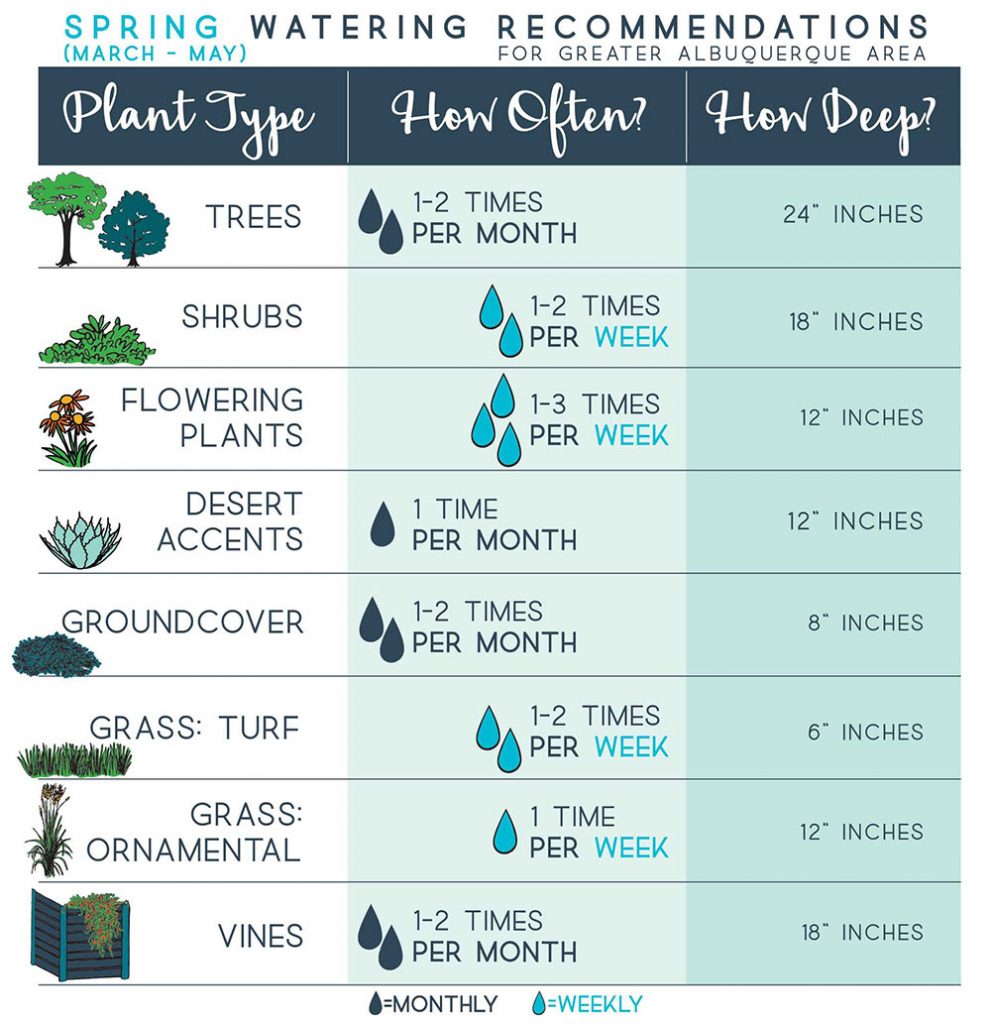
Time to follow our Spring Watering Recommendations.
Time to follow our spring watering recommendations. Remember, if it rains more than a half inch you can skip your next scheduled watering time as there is no need for supplemental irrigation.
Shredded woodchip mulch helps soil hold moisture and insulates plant roots on a frosty November morning. Photo credit M. Thompson.
One of the most frequent questions we get at NMSU Extension is, “Should I add fertilizer or amendments to the soil when planting?” The short answer is no. And the long-term answer is an even stronger no.
Soil amendments are materials that are
worked into the soil with the intention of improving soil physical qualities. But
it’s just not that simple. As City of Las Cruces Community Forester Jimmy
Zabriskie said when I asked if he ever recommends using soil amendments when
planting a tree, “Save your money for mulch.” Organic
mulch is
material that sits on top of the soil, providing an insulation layer that helps
control soil temperature, retain moisture, and suppress weeds.
When planting ornamental plants, the
recommended species are the ones with roots that are well adapted to our native
soils. They’re more likely to live long, sustainable lives in our native soils
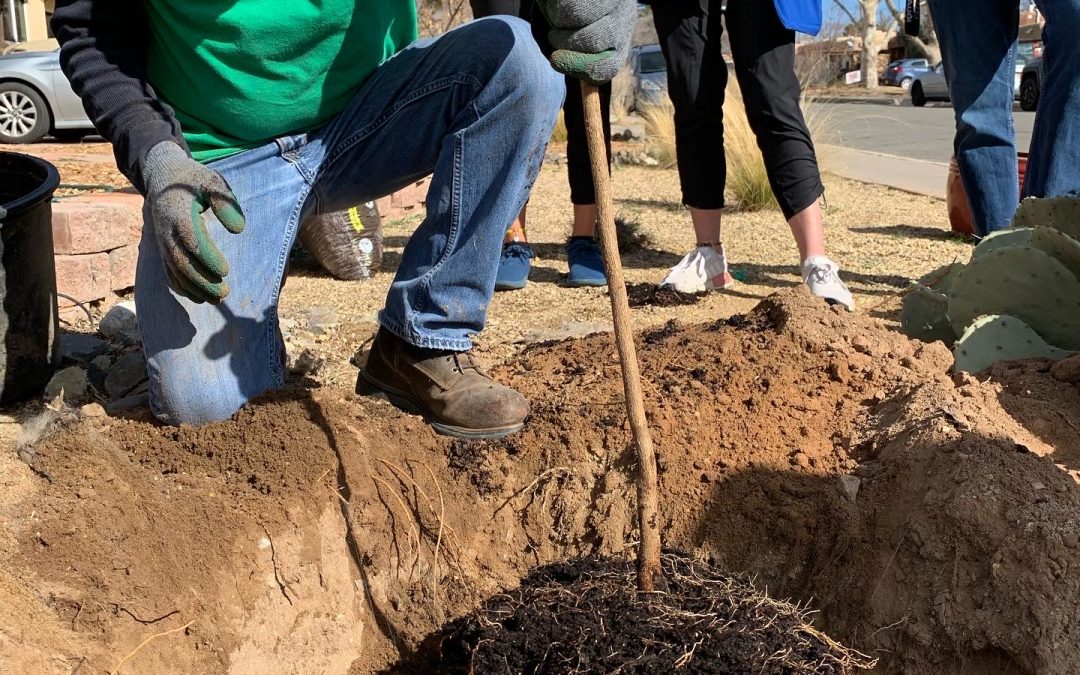
without amendments. The bottom line: Always put the same soil you dug up right
back into the hole with the new plant, and top dress with a thick layer of
mulch.
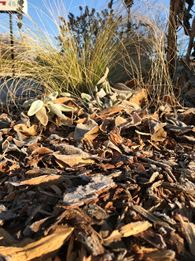
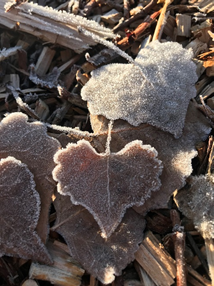
Frosty cottonwood leaves add a nice layer on top of several inches of shredded woodchip mulch. Photo credit M. Thompson
As for fertilizers, slow and steady wins this race. As Albuquerque City Forester Joran Viers said recently at a tree planting demo put on by Tree New Mexico and The Nature Conservancy, it helps to think of our trees (and other plants) as marathoners, not sprinters. When fertilizer is applied to trees, they can grow too fast for their own good and are more likely to develop structural problems and other issues. Fertilizers are not recommended at the time of planting perennial plants, either, because we want the plant’s energy to go into root establishment at a healthy rate to support the aboveground growth. The growth hormones necessary for healthy root development are found in the root tips and are made by the plant itself, so adding root stimulator to living roots is not necessary or even helpful. (Side note: Rooting hormone is potentially useful when you’re trying to get roots to grow quickly from cuttings where the roots have been removed completely.) So hold off on fertilizing for at least a few years while your plants are setting down roots.
Research on all sorts of landscape plants has shown that by adding amendments (like organic matter or perlite) to your soil backfill, the initial, short-term results are good. But the interface between the amended soil and the native soil is bad news. Water doesn’t move well across the interface, and neither do roots. With time, the roots may be inclined to stay in the original planting hole and spiral around, so you end up with essentially a potted tree or plant with reduced growth rate, constant water and nutrient stress (because lateral roots never fully developed), heightened vulnerability to pests and diseases, and even an increased falling hazard (think root ball in socket).
Author: Marisa Thompson, PhD, is the Extension Horticulture Specialist for New Mexico State University and is based at the Agricultural Science Center at Los Lunas. For more gardening information, including decades of archived Southwest Yard & Garden weekly columns, visit the NMSU Extension Horticulture page (https://desertblooms.nmsu.edu/), , follow us on social media (@NMDesertBlooms), or contact your County Cooperative Extension office (https://aces.nmsu.edu/county).
We scoured the internet, met
with local experts, and pulled together a great educational resource list for you.
When you’re ready to dig into all there is to know about landscaping in New
Mexico, these resources are ready for you.
Agaves, Yuccas and Related Plants. Mary Irish, Portland
Oregon: Timber Press, 2000.
A Field Guide to the Plants and Animals of the
Middle Rio Grande Bosque. Jean-Luc Cartron, David Lightfoot, Jane
Mygatt, Sandra Brantley and Timothy Lowrey, Albuquerque, New Mexico: University
of New Mexico Press, 2008.
Landscaping with Native Plants of the
Southwest. George
Oxford Miller, Minneapolis, MN: Voyageur Press, 2007
Native Plants for High-Elevation Western
Gardens. Janice
Busco and Nancy R. Morin, Golden, Colorado: Fulcrum Publishing, 2003.
Natural by Design. Judith Phillips, Santa
Fe, NM: Museum of New Mexico Press, 1995.
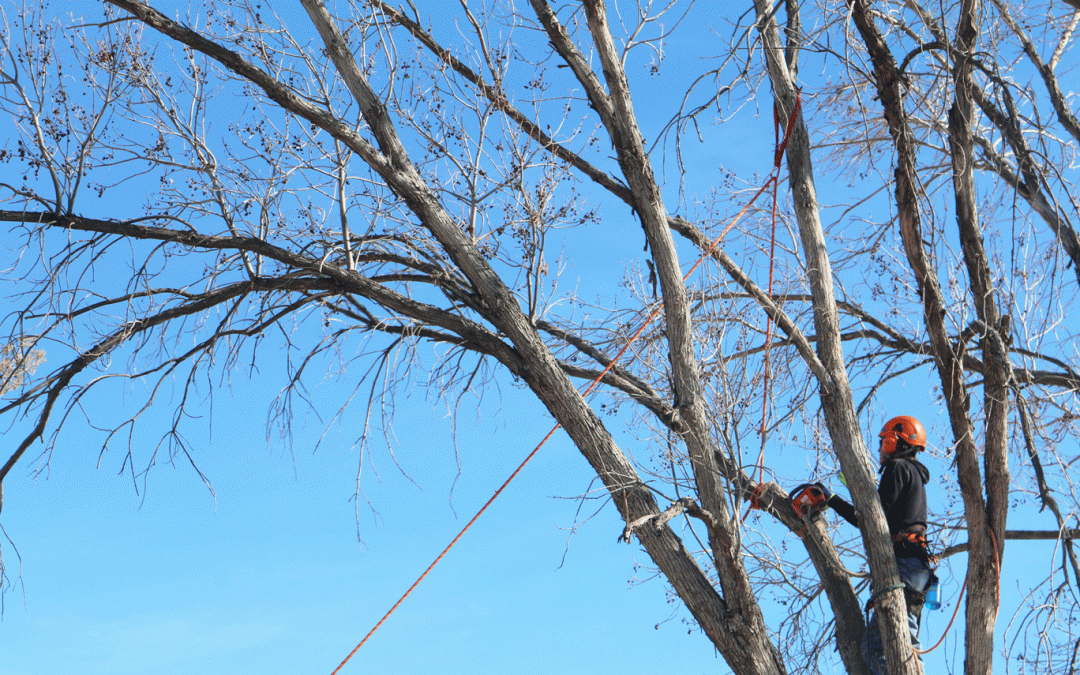
The winter is best time of year to prune trees. The Water Authority recommends hiring an arborist to prune them because arborists specialize in the care of individual trees. They are knowledgeable about the needs of trees and are trained and equipped to provide the proper care.
Arborists can provide the following services:
Pruning
Tree removal
Emergency tree care
Planting
Plant health care
Other services such as
consulting, tree risk assessment, cabling and bracing of trees.
How do you find a professional arborist to take care of your trees? We recommend to ask the following questions when looking for an arborist:
Are they certified? Certified
arborists have achieved a level of knowledge in the art and science of tree care
through experience. They have passed a
comprehensive examination developed by some of the nation’s leading tree care experts.
There is an online resource called Find an Arborist to help you locate one in
your area.
Do they have insurance? Check
that they have a certificate of insurance that includes proof of liability for
personal and property damage, including workers’ compensation.
Do they offer a contract? Get
a written contract of the work to be completed from the arborist. It should
include the estimate for the services, a start date, and estimate of how long the
work will take.
Do they have references? Ask
the tree company to provide a few names of past customers, and ask friends and neighbors for local references, too.
Have you ever wished you could
just take a picture of a plant and have the internet identify it for you? Turns
out, there are a lot of digital options to help with the identification of
plants. We’ve reviewed the best resources so you don’t have to.
PLANT APPS:
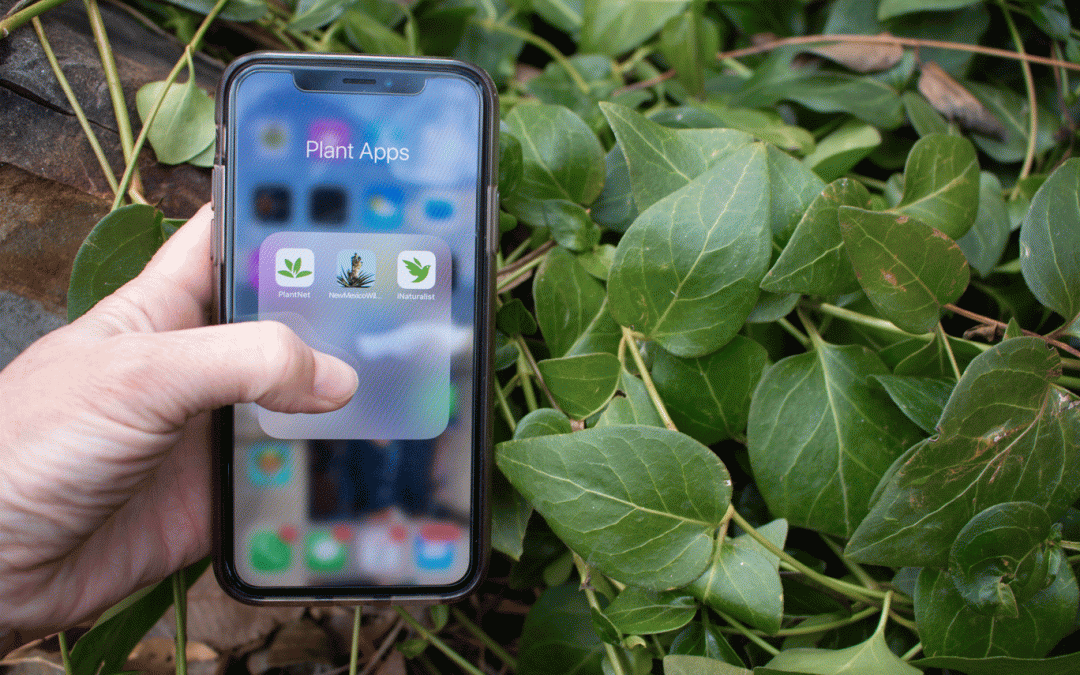
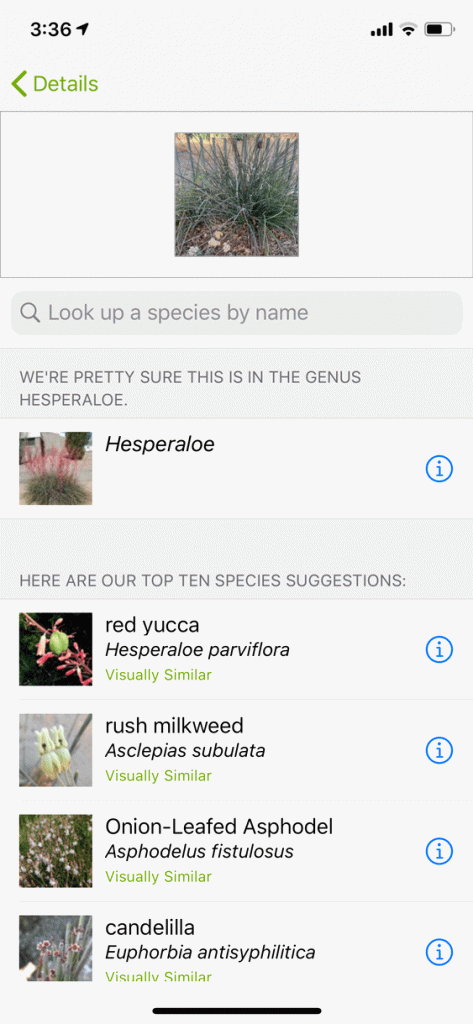
iNaturalist: Once logged on to this free application, you become one of their citizen scientists. The app uses your photos then provides you with a list of possible plant choices. Once the plant has been identified the app then asks you to upload the data to help other people learn what’s in their neighborhood (there is the option to skip this and just get the plant identified). This app was by far the best at identifying the correct plant. An added bonus is it allows users to create guides and gives access to others created in the area. In fact, there is a fantastic Plants of the Middle Rio Grande Bosque guide already on the app listing hundreds of plants in the Albuquerque area.
Pl@ntNet: This free app uses a database organized by location to identify plants. Simply upload a photo and the app provides a long list of possible matches. It’s common to find the correct plant among the choices given, but if a match is not made, users may access the world flora database to find the exact plant. This app is good at identifying the plant family which is a good start in finding the right identification. The best attributes of this app are that it does not require a login or account and you can either take live photos or select from your photo library.
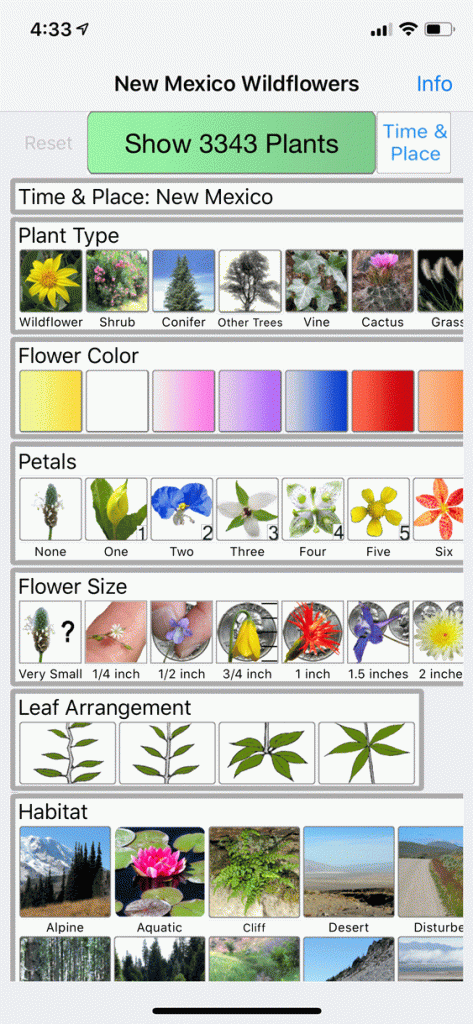
New Mexico Wildflowers. This free, local app is a winner - it’s basically an online field guide boasting more than 3,000 local plants! Select a plant type, flower color, flower size, leaf arrangement and habitat. It then provides a list of plants that meet the criteria. From there, users can identify the plant in question. A great feature of this app is that it can be used during your favorite outdoor activity because internet access is not required.
New Mexico Wildflowers app
iNaturalist app
LOCAL DATABASE AND GROUPS:
New Mexico Plant List Database: This plant database is courtesy of the Office of the State Engineer. It has a large variety of plants with an easy-to-use interface. https://wuc.ose.state.nm.us/Plants/
Groups: Another way to figure out plant identification is to crowdsource using social media. There are a few notable Facebook groups that regularly answer plant ID questions, where members upload photos of the plant with location details, and members of the group provide input. A few to check out are Native Plants of New Mexico (4,027 members), Entomology (135,034 members), Plant Identification (174,670 members), and Plant Identification and Discussion (278,523 members).
Other apps: PlantSnap, Picture
This Plants, Seek. We’ve found these to be less reliable for identifying desert
friendly plants.
TIP: When using any of these tools, the quality of the photo is important. It’s helpful to have both zoomed-in pictures of foliage and photos of the entire plant form.
Author: Marisa Y. Thompson, Ph.D. Extension Horticulture Specialist, Department of Extension Plant Sciences NMSU Desert Blooms blog and Jill Brown, ASLA Landscape Architect and owner of My Landscape Coach in Albuquerque, NM. Resources: Native Plants of New Mexico Facebook Group