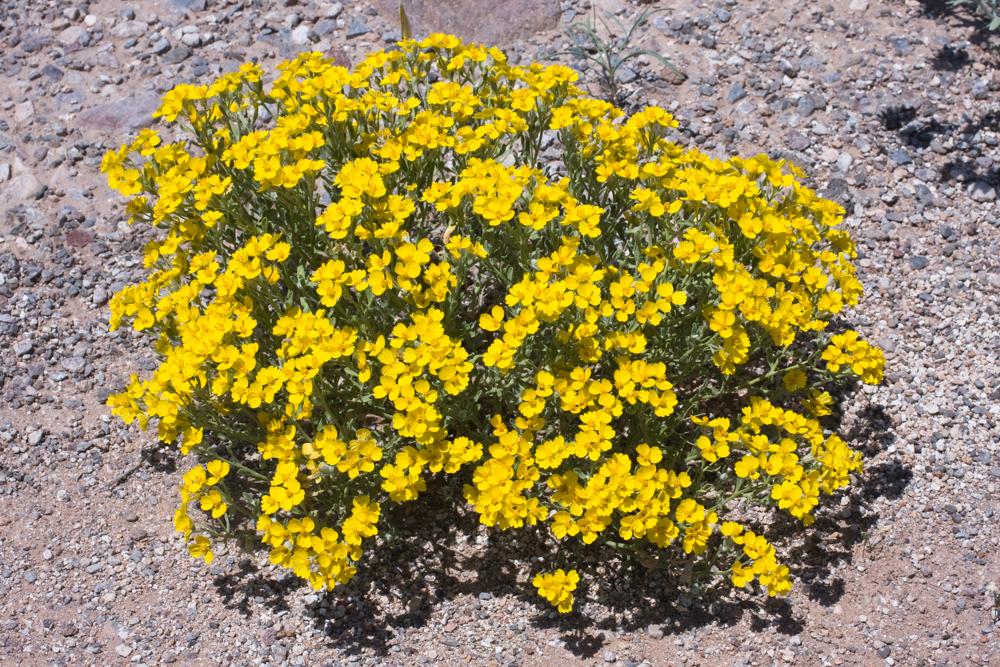
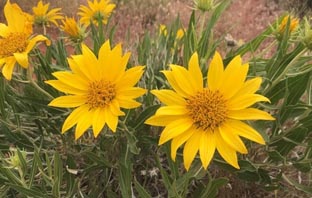
If you’ve hiked around the foothills in the Albuquerque area, chances are you’ve come across this cheerful native flower. Paperflower offers several seasons of interest. Masses of yellow flowers bloom from April through September and then fade back to a papery appearance that lasts through the winter. An excellent choice for gardens that rely mostly on rainwater, paperflower will thrive in sandy and gravelly soils.
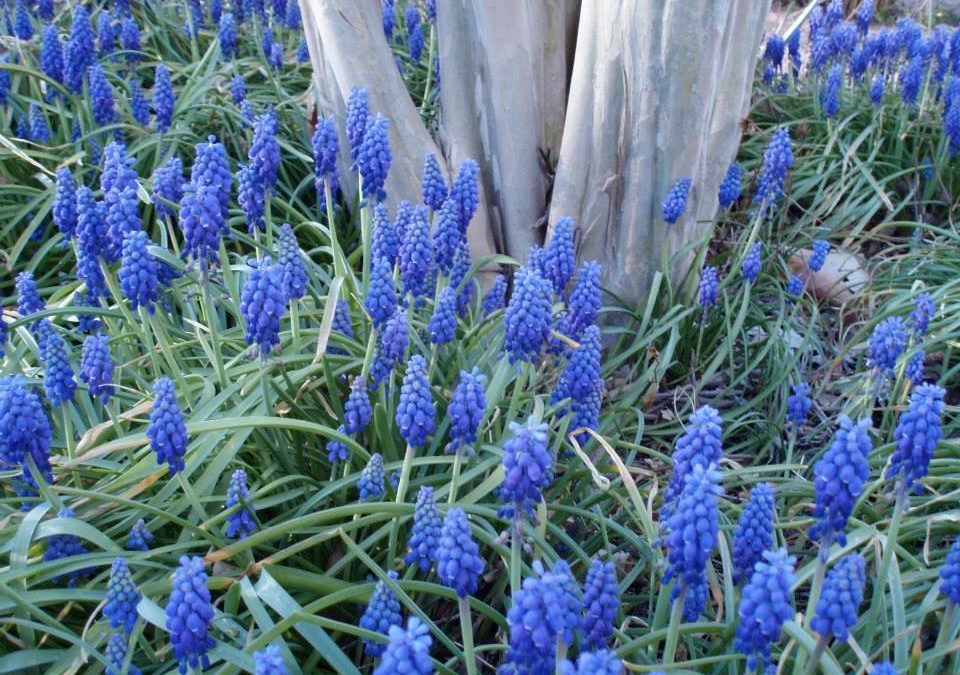
The elegant Grape Hyacinth is marked by tightly packed, urn-shaped clusters around the rigid stalks, much like grapes and flowers bloom in early spring. Grape Hyacinth is an excellent candidate for lining your walkways and is a wonderful companion to spring bulbs like tulips and daffodils. Fall is the best time of year for planting these bulbs.
They are also great for container planting. Choose from varying shades of blue - from pale blue to turquoise — and even shades of pink and white!
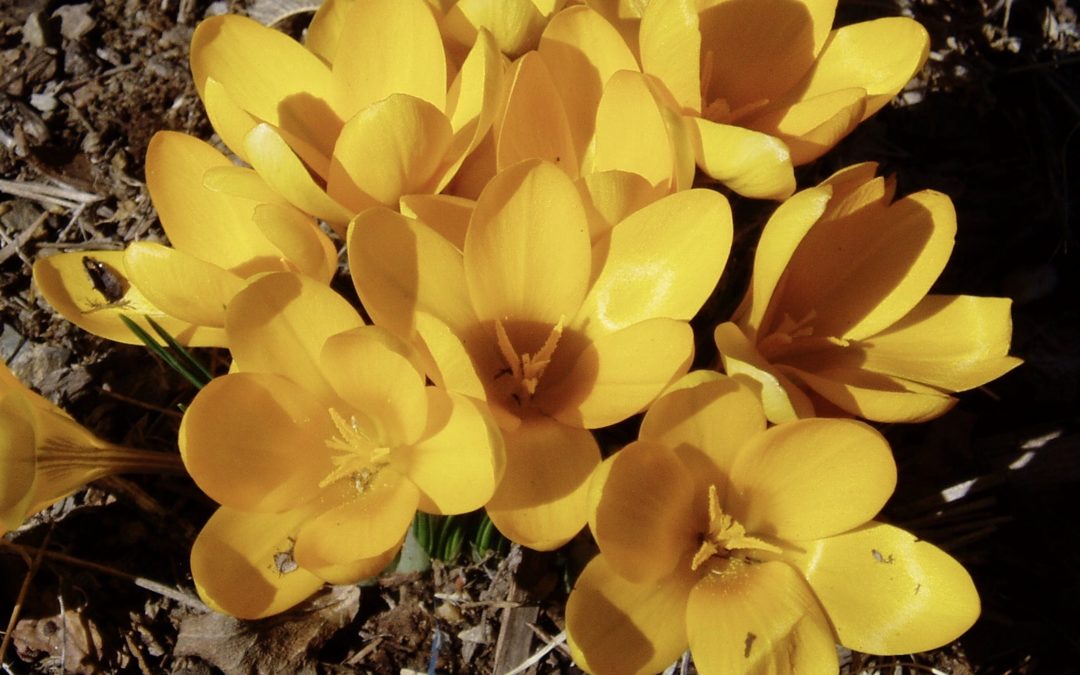
The Crocus is a brilliant addition to any landscape. It is one of the earliest bulbs to arrive and provides the first color to your landscape. The Crocus fits well in most landscapes because it can be found in various colors and sizes. It is easy to grow and care for and will return the following spring.
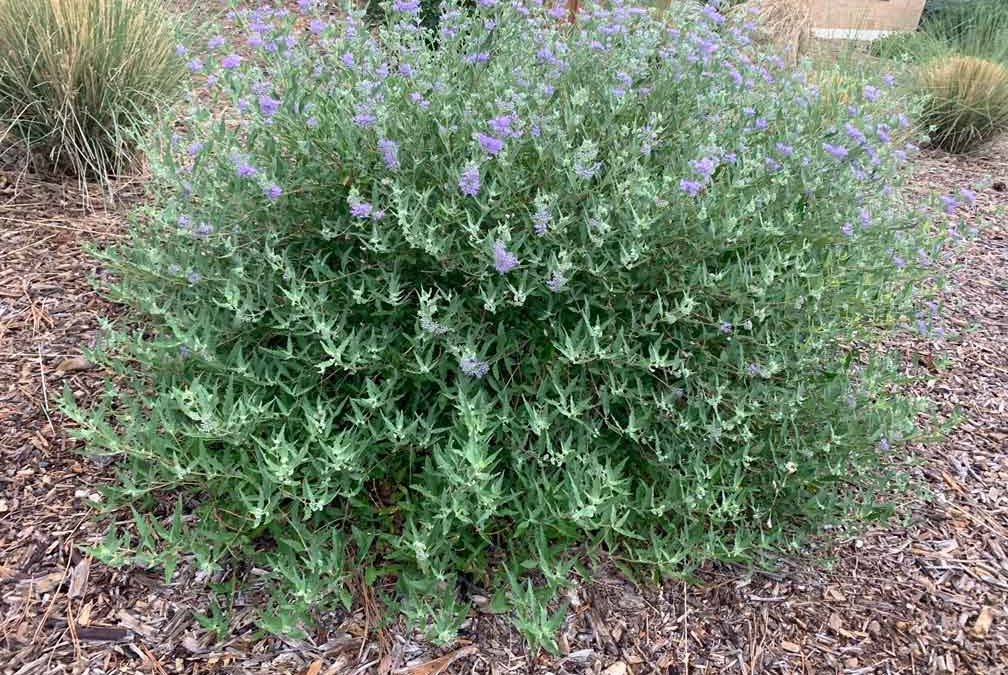
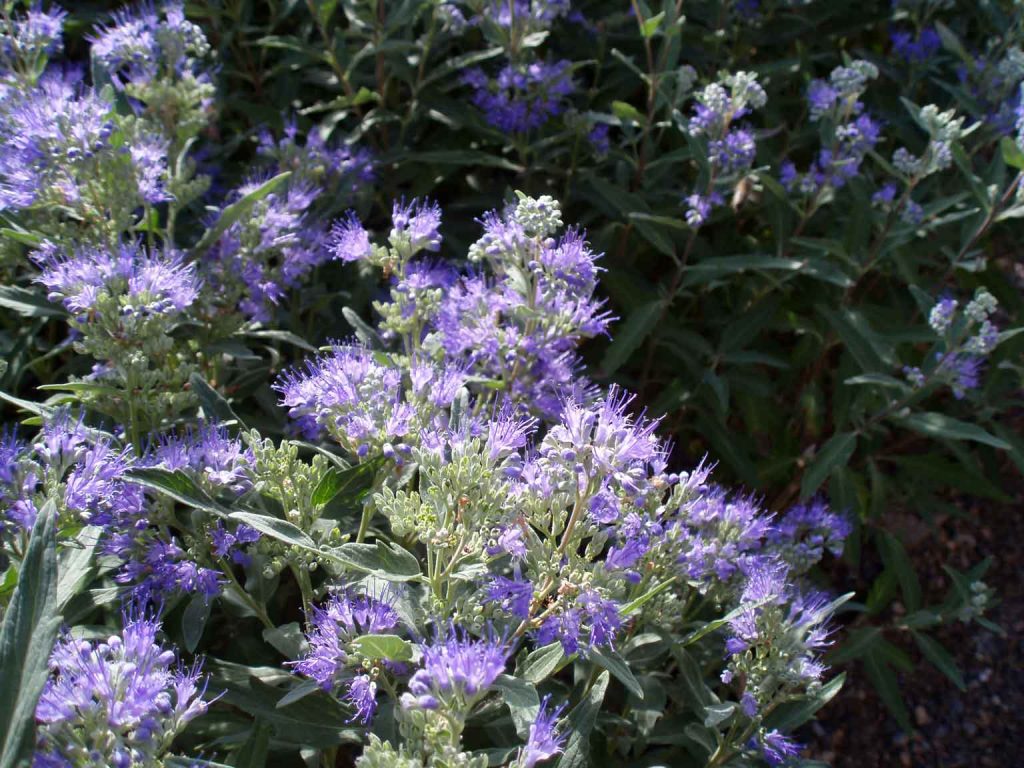
Blue Mist spirea is particularly well suited for areas with dry climates. That makes it a significant staple in New Mexico landscapes. The flowers attract a variety of life that includes bumblebees, butterflies, and even hummingbirds. Once established, it is reasonably drought tolerant, too. Pick Blue Mist spirea to add a touch of color in your garden.
An early bloomer, this water thrifty plant is sure to provide you with large bright yellow flowers from spring through summer. Desert Mule’s Ear blossoms have a vanilla smell and are well adapted to sandy soil conditions. They are long-lived and can be a great addition to a dry flowerbed.
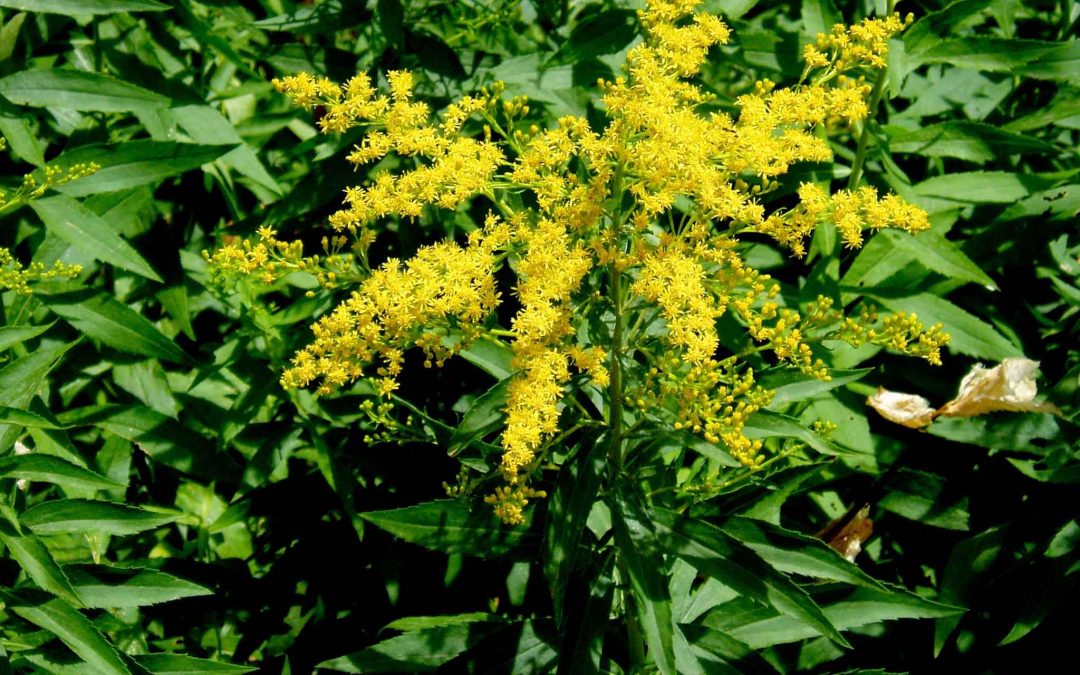
Among the most iconic and showy of autumn
wildflowers, Goldenrod is native to many parts of North America, from deserts
to mountains to prairies. The flowers hang gracefully from stems. Although Goldenrod
is frequently mistaken as an allergen, its heavy pollen is in fact carried by
birds and insects, not the wind. (Wind born pollen from plants like grasses are
much more likely to annoy our sinuses). Long-lived with deep roots, Goldenrod
provides vital sources of pollen and nectar for bees and other beneficial
insects.
Cultivars for small garden settings
include ‘Golden Baby’ – a clump-forming hybrid. This cultivar is best planted
in groups to get extended color, since individual plants bloom for a short
time. A good rain garden plant with bright green leaves that contrast nicely
with silver and soft green desert plants. Water every two weeks in summer to
keep it happy.
Since this is a late bloomer, situate it
near plants with contrasting fall foliage, such as Western Sand Cherry.
Removing spent flowers will encourage a longer bloom. Surprisingly good as a
cut flower – try it in a fall bouquet!