A lot goes into creating a landscape plan, and it helps to have some expert help. Landscape architects specialize in designing outdoor spaces. Today, we’re sharing a plan particularly suited to our climate by New Mexico landscape designer David Cristiani. You can follow this design right down to each individual plant or customize it to fit your own yard. We’ll be sharing two more landscape plans in future issues of 505Outside.
Many plants from higher elevations or moister areas struggle when subjected to the long, torrid summers common in Albuquerque. The plants in this landscape are intended to thrive on heat, limited irrigation and minimal care — while exploding the popular myth that cacti and succulents look stark and don’t belong near our homes.
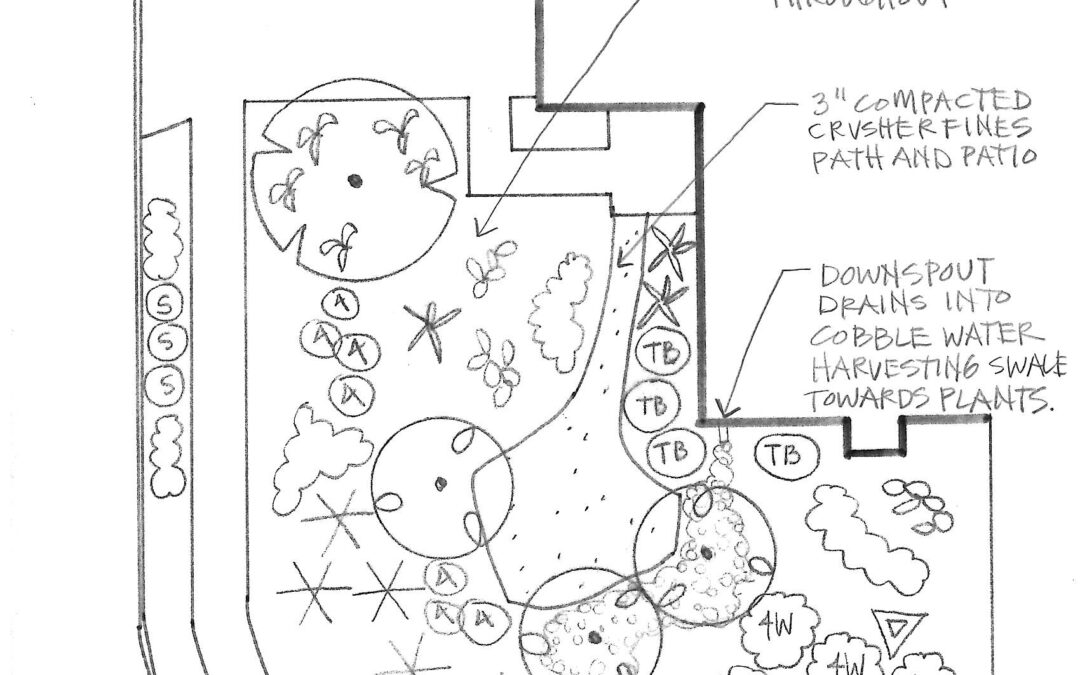
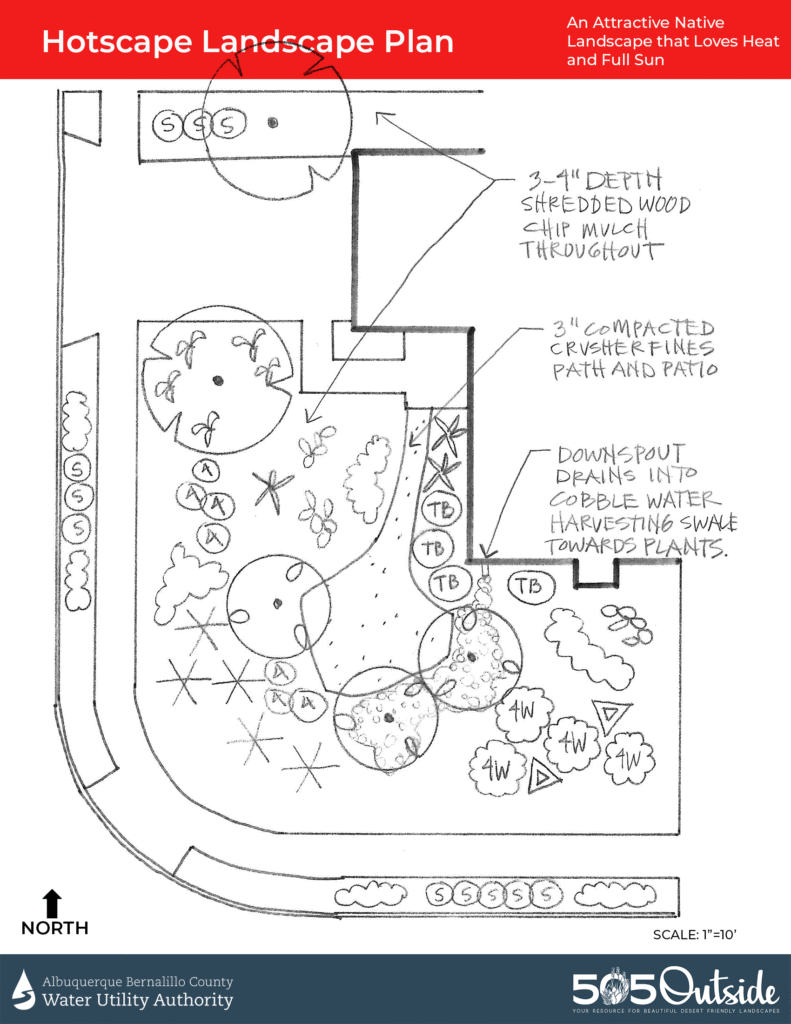
The Hotscape design embraces the environmental and visual qualities of Albuquerque’s high Southwestern desert location. Two areas of compacted crusher fines serve as a combined pathway, informal sitting area and a channel to harvest water from the occasional storm. A low berm provides visual interest, keeping the plants that cannot tolerate much extra moisture dry.
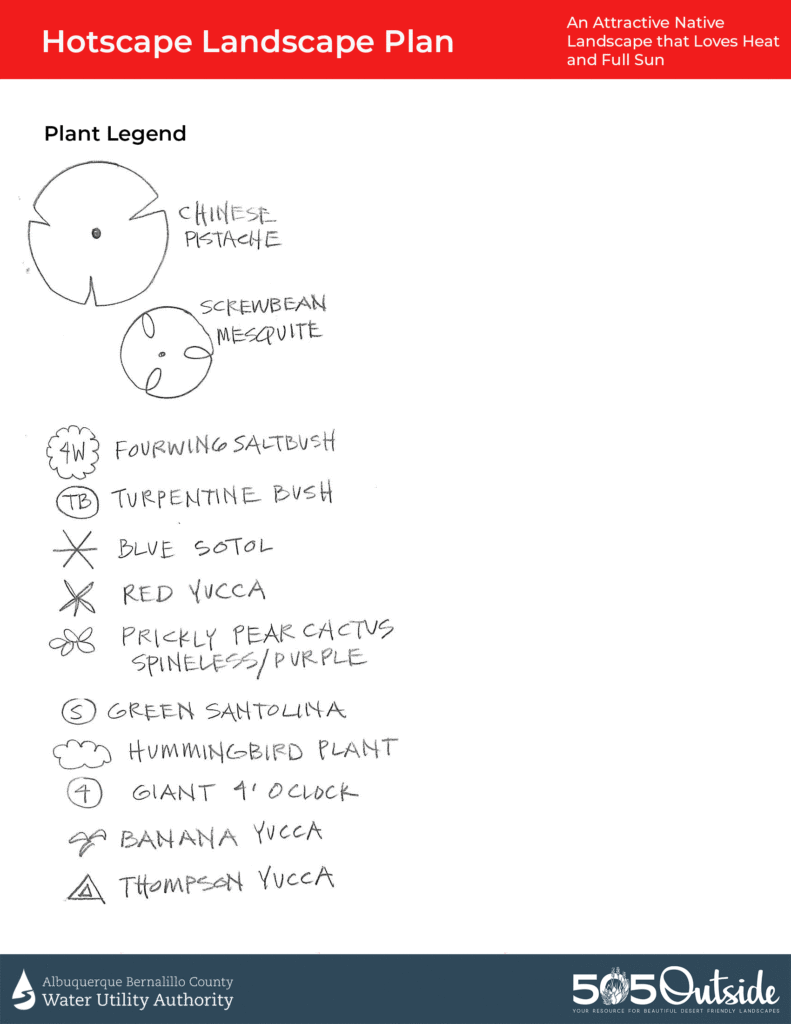
Modeled after the strikingly attractive and often evergreen plant communities native to the edges of Albuquerque, this design provides a great deal of visual interest throughout the year. The open, irregular canopies of Chinese pistache and screwbean mesquite provide filtered shade in summer and warming sunshine in the winter — an effect suggesting a desert arroyo. Fourwing saltbush screens the view to the street, and the dark, compact turpentine bush adds a pleasant fragrance with yellow fall flowers. The last, crucial ingredient to this design is the generous use of native desert accent plants, including the bold, blue-green forms of sotol, desert prickly pear and banana yucca. These local signature plants are accented further with small masses of seasonal color from low perennials and groundcovers, attracting both hummingbirds and passing neighbors!
Learn more about specific types of gardening here:
Creating a landscape plan is a complicated endeavor. Luckily for home gardeners, landscape architects specialize in designing outdoor spaces. Today, we’re sharing a unique plan by New Mexico landscape designer David Cristiani to give you some inspiration and ideas for designing your own yard. We’ll be sharing three more landscape plans in future issues of 505Outside.
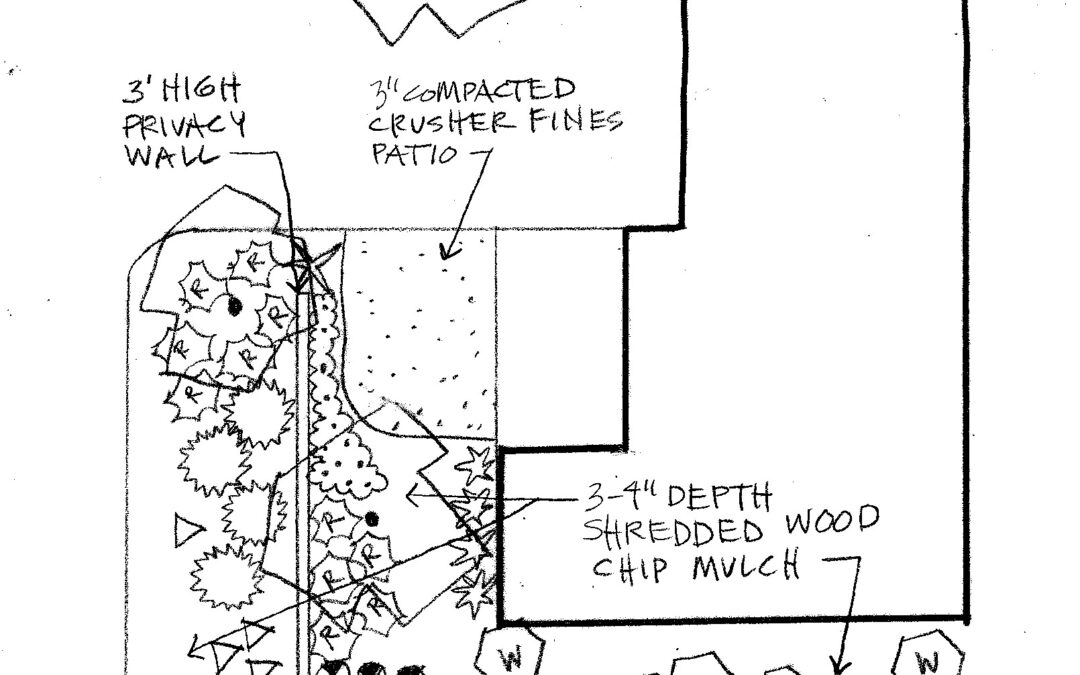
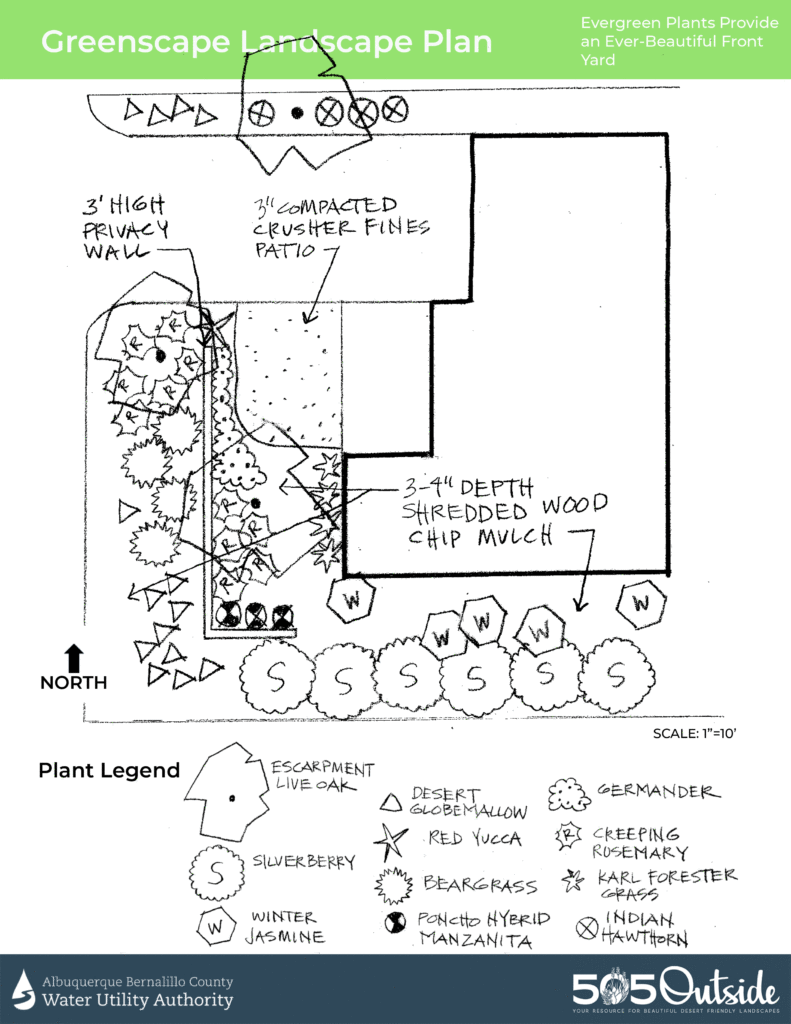
Green spaces and water conservation need not conflict, nor does an oasis require the use of high-water-use and high-maintenance turf grass at the exclusion of native plants and succulents. This typical front yard area contains mostly evergreen plantings and an inviting entry experience to welcome guest and owner alike, no matter the season. A low wall and climbing evergreen vines combine to provide additional screening and intimacy for sitting out on the front porch and also extend the architecture into the plantings. While designed for a smaller front area, the plantings can be increased in scale and number to fill a larger property.
The sculptural and leafy forms of an evergreen escarpment live oak grouping provide a canopy to the plantings below, which offer seasonal interest using native and adapted species. Native bear grass provides a soft yet bold texture, as do the spiky flower stalks of red hesperaloe, or red yucca. The loose forms of colorful desert globemallow provide masses of pink-toned flowers throughout much of the growing season. Germander and trailing rosemary generously fill in the ground surfaces with dark green color, fragrance and seasonal flowers. Durable materials prevail, while the plant spacing provides both screening from adjacent neighbors and ample room to access both sides of the home.
Learn more about specific types of gardening here:
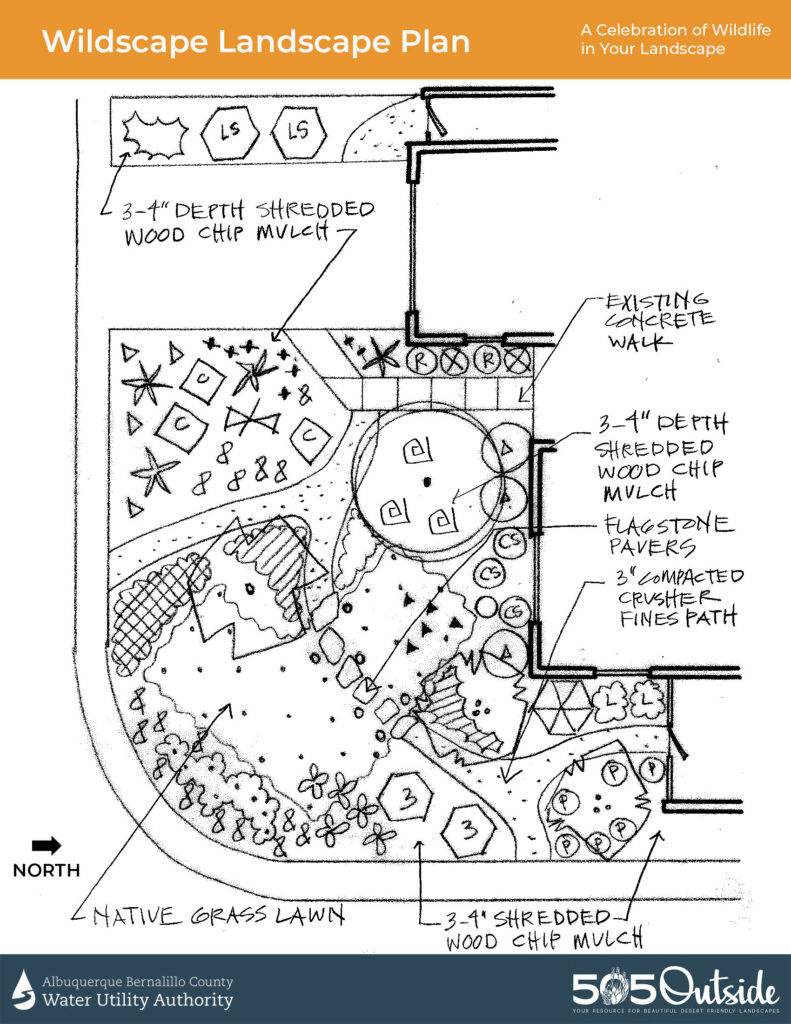
A lot goes into designing a landscape; hence, there’s an entire profession called landscape architecture devoted to designing outdoor spaces. We won’t be able to make you a landscape architect today, but we’re sharing a unique landscape plan designed by New Mexico landscape designer Judith Phillips to get you inspired with ideas for designing your own yard. We’ll be sharing five more landscape plans in future issues of 505Outside.
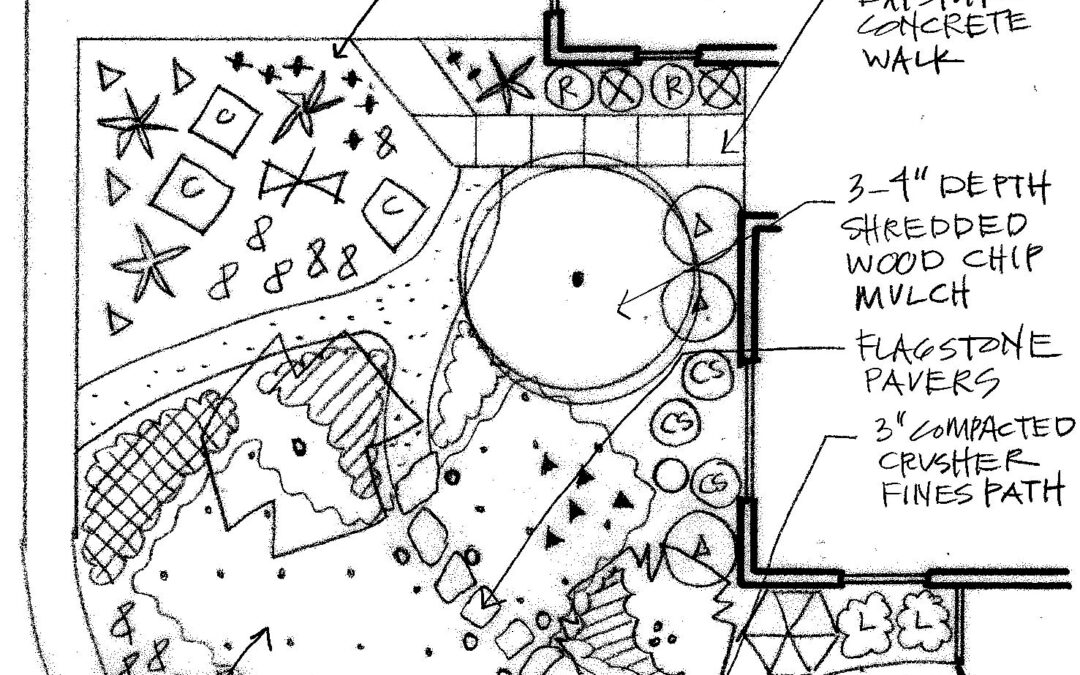
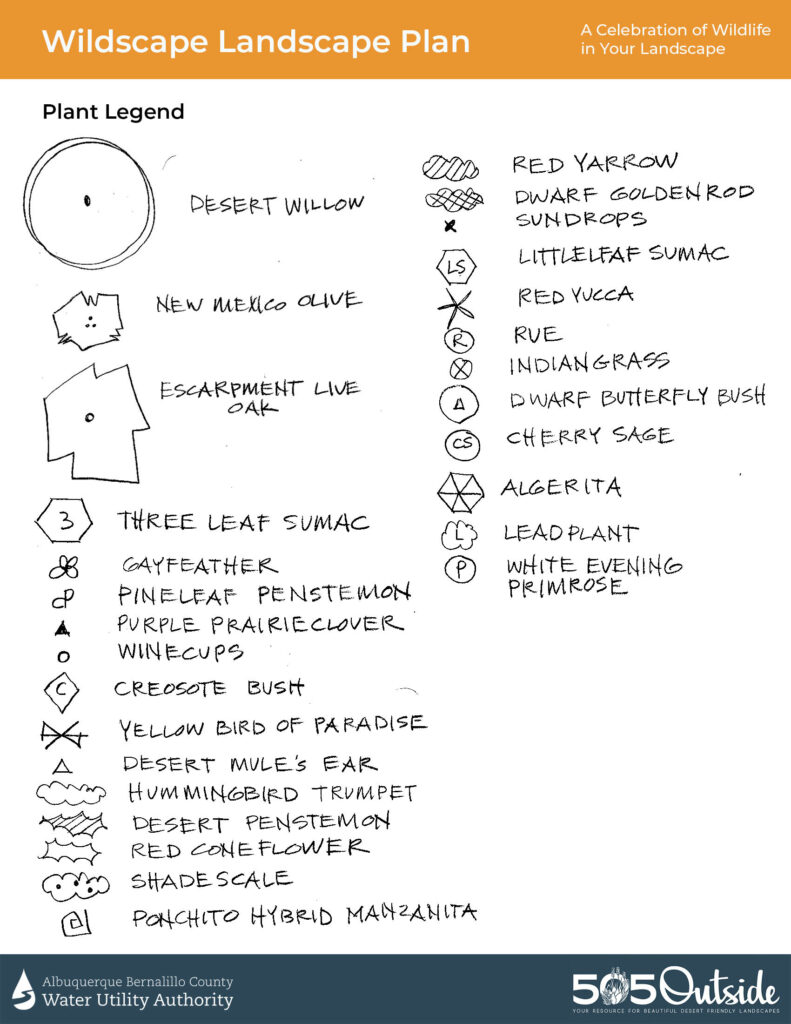
Plant for wildlife and you will host a never-ending garden party. Wildscapes should have tiers of canopy to provide shelter and food for a wide variety of wildlife, including birds, hummingbirds, bees and butterflies. Tall trees provide shade and shelter. Dense thickets of middle-height shrubs provide spaces for roosting and nesting and also give the landscape a sense of enclosure. Open areas with low-growing groundcovers provide areas for nesting and foraging, and the colorful flowers and berries appeal to people as well as winged visitors. A mix of evergreen plants for cover, brilliant flowers for nectar and pollen, and fruits and seeds ripening through the seasons will keep your wildlife friends fat and happy. In this wildscape, the gayfeather, dwarf goldenrod, leadplant, yarrow, rue, grasses and dwarf butterfly bush are lures for butterflies. Hummingbirds are drawn to plants with nectar-rich tubular flowers, such as desert willow, penstemons, cherry sage, coral honeysuckle and red yucca. Local songbirds and quail will be attracted by New Mexico olive, sumacs, creosote bush, desert mule’s ear, coneflowers, shadscale, gayfeather and algerita.
Designed by Judith Phillips, author of Plants for Natural Gardens
Learn more about specific types of gardening here: