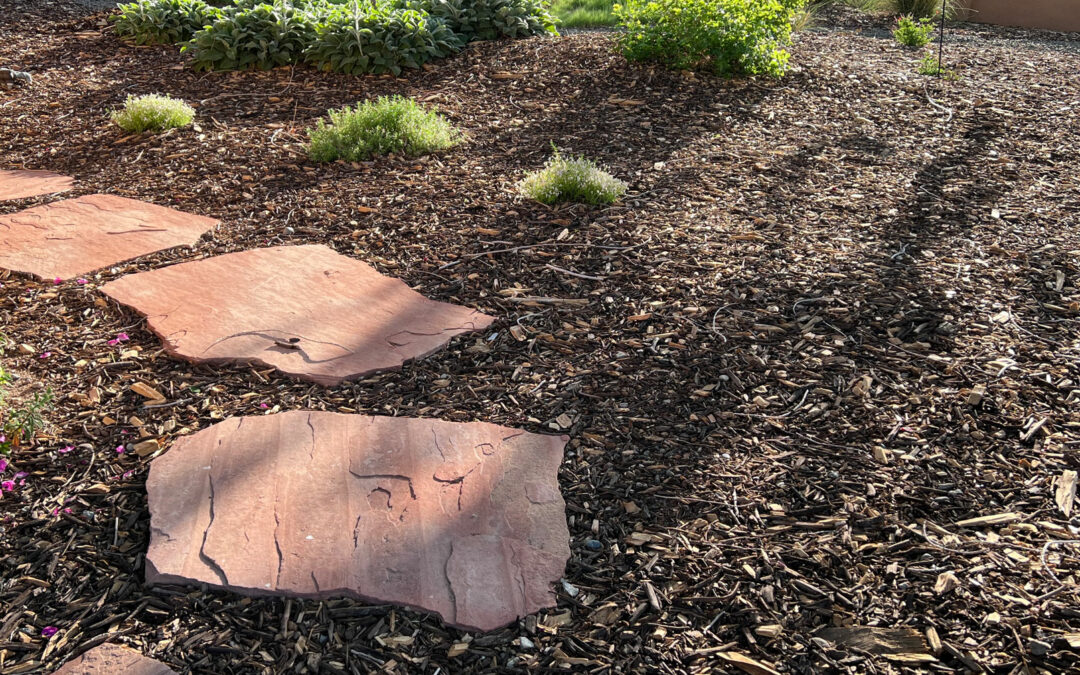
Xeriscape Conversions That Use Shredded Wood Chip Mulch
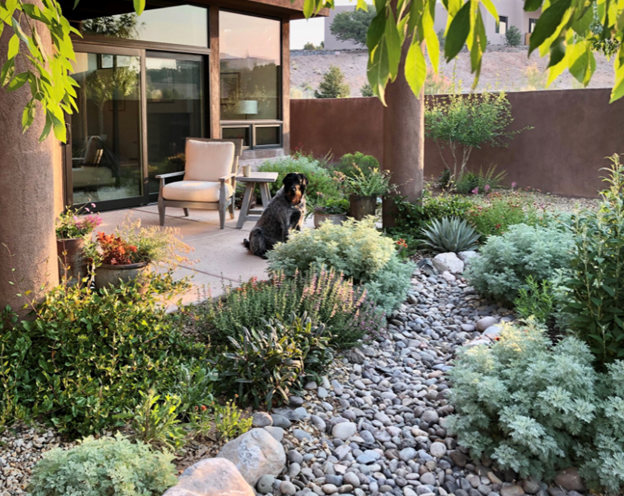
As homeowners around the Greater Albuquerque area are converting their high-water use turfgrass areas to desert-friendly xeriscapes, many are choosing to use wood chip mulch instead of gravel, which can be hot, expensive and also very good at cultivating weeds. Gravel can use up to as much as 60% of the materials cost of a landscape transformation project.
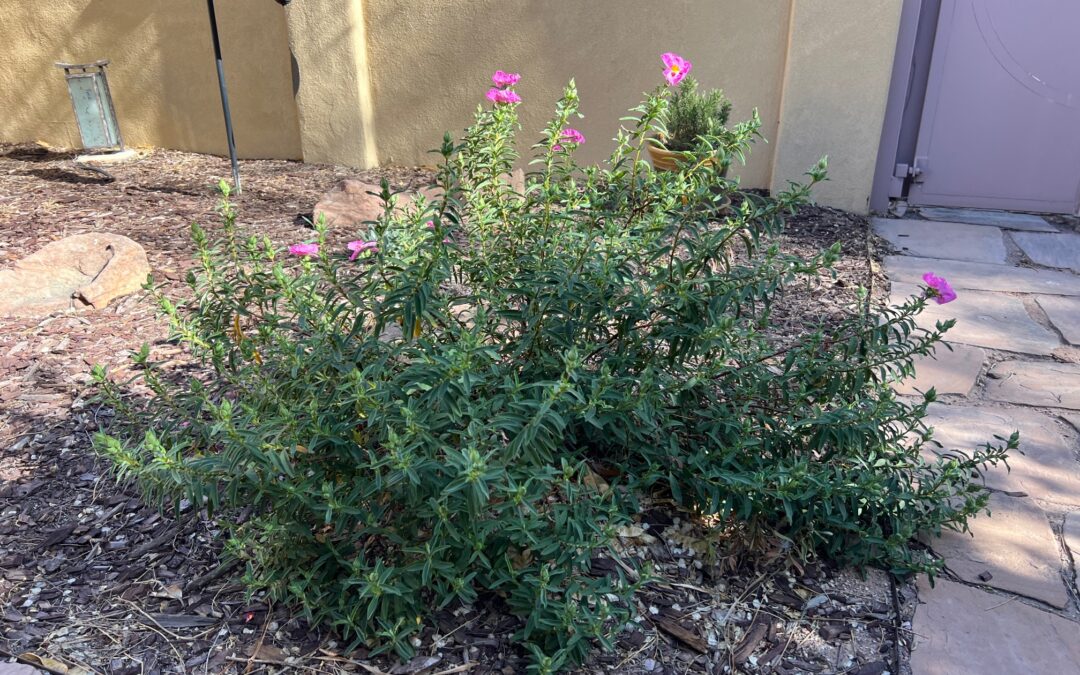
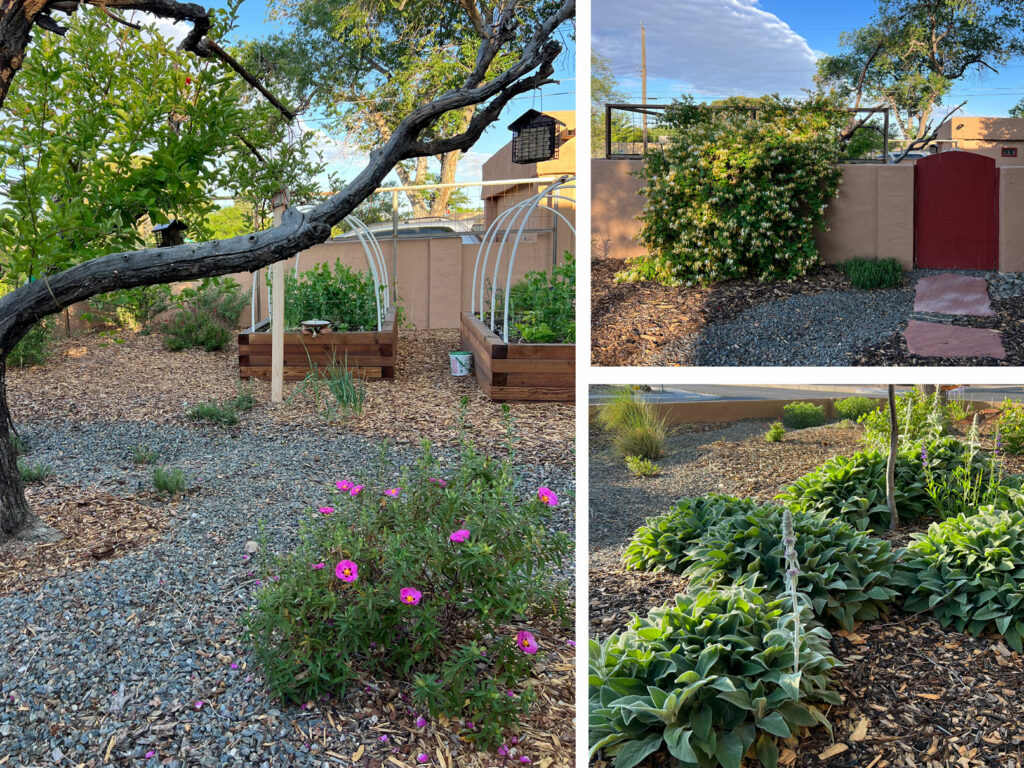
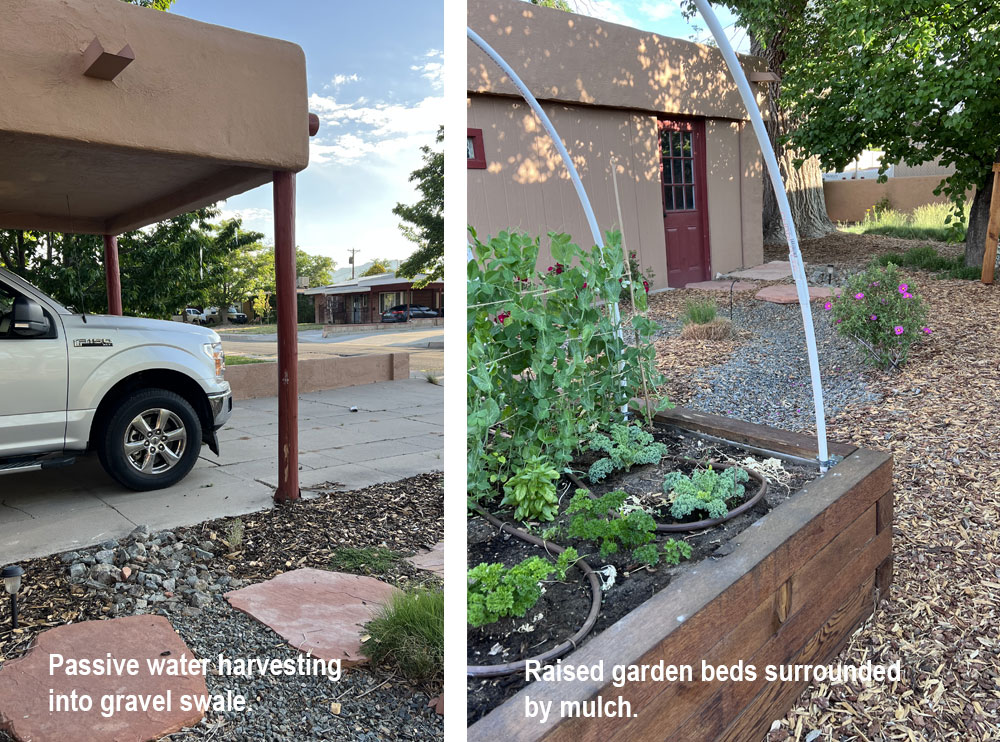
The Water Authority checked in on some recent xeriscape conversion projects that use wood chip mulch. One of these homes was built in the 1950’s and is located in the near NE Heights, an area where the original landscapes for homes consisted of both front and backyards with Bermuda grass and large elm trees. The homeowners wanted to remove the grass in both the front and back of the house and create desert-friendly xeriscapes while retaining their mature trees. They became fans of wood chip mulch many years ago while living in Florida. “Wood chip mulch is easy to maintain,” explains the homeowner. "I do nothing to it except occasionally blow out whatever drifts into the swales and top dress it every couple of years with a thin layer of new mulch. Not only does it reduce the evaporation of moisture from the soil, it helps keep our property much cooler than rock because it doesn’t retain heat or reflect the intense light we get here. I also think the mulch along with the trees helps dull the sounds of the city.”
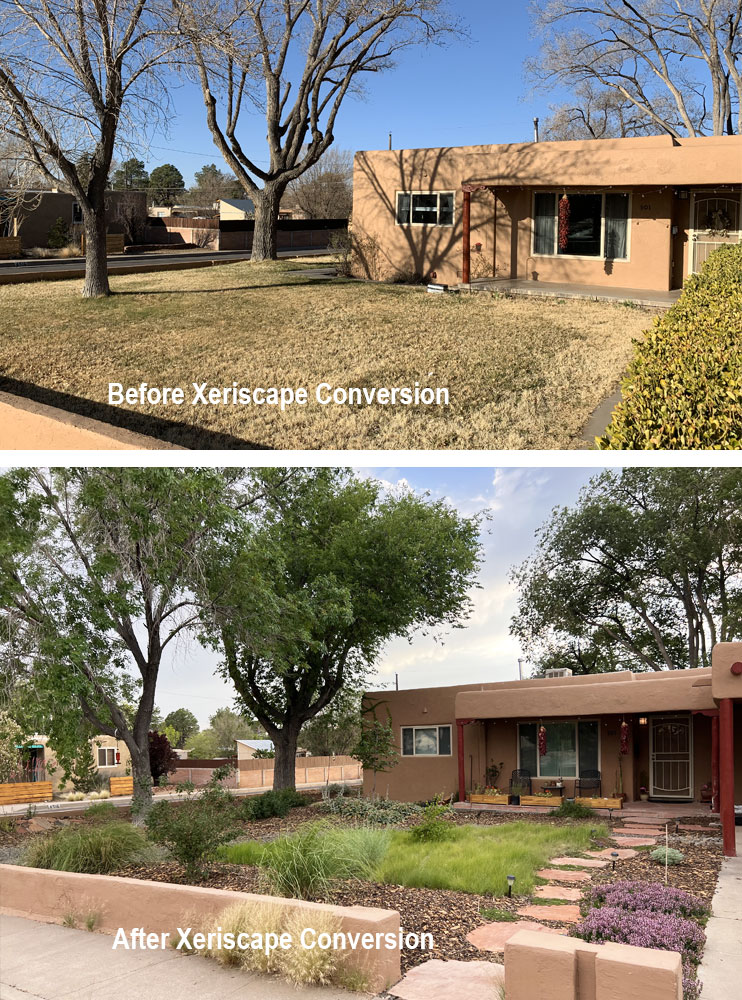
The mulch, which is laid down 3” to 4” deep, makes weeding much less of a task. Fewer things germinate in the mulch and when things do – in particular, the zillions of elm seeds that drop every spring — all that’s needed is to rake back the mulch layer, let it dry out for a day or so, and then rake it back into place. The seedlings dry up, die and become part of the mulch layer. The hardest part of the project, according to the homeowner, was removing the Bermuda grass. Due to the nature of its rooting system, the grass was completely eradicated before beginning the installation process. In this situation, the homeowner used an herbicide treatment to eradicate the grass. Since there are many options for eradication, we invite homeowners to take advantage of our free, ask-an-expert email service, [email protected], if you have questions about what type of lawn you have or any other questions about xeriscape transformations.
It’s been two years since their yard transformation. The homeowners say they noticed changes in the wildlife in their yard almost immediately. Fruit-bearing shrubs and wildflowers are allowed to go to seed, which means there are food sources for pollinators and birds most of the year as well as more cover in which critters can take shelter.
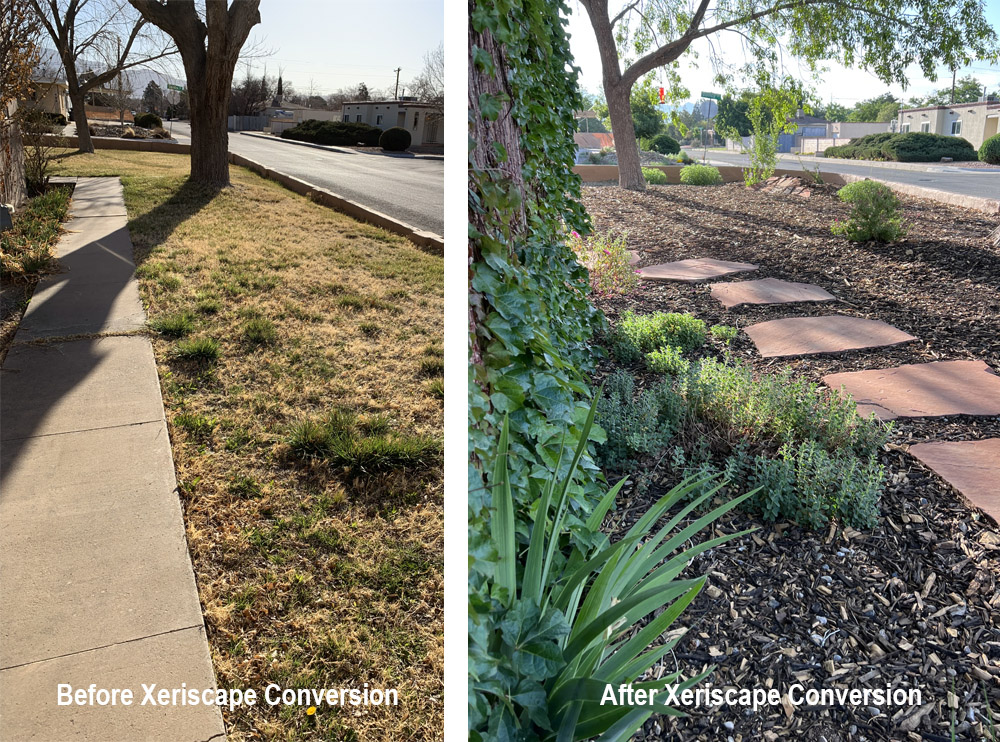
Since these homeowners moved to Albuquerque from a subtropical area, they did note that the one big lesson has been how much patience is required when undertaking a project like this in our desert environment. “The first year, most of what had been planted survived the winter, but a lot of things didn’t show much growth,” explains the homeowner. “I was a little frustrated. But this spring, things just burst forth – partially because of the amount of rain, but also because it simply takes that long for things to really establish a root system that can sustain significant growth.”
Sitting in their yard is more enjoyable now, say the homeowners, as the cooler landscape makes the outdoors more comfortable. They continue to learn from their landscape, picking up a few new irrigation drip skills along the way. They receive many positive comments from neighbors and are proud that their yard is an example of a healthy, sustainable and low-water use desert-friendly landscape.
Additional Facts on Mulches:
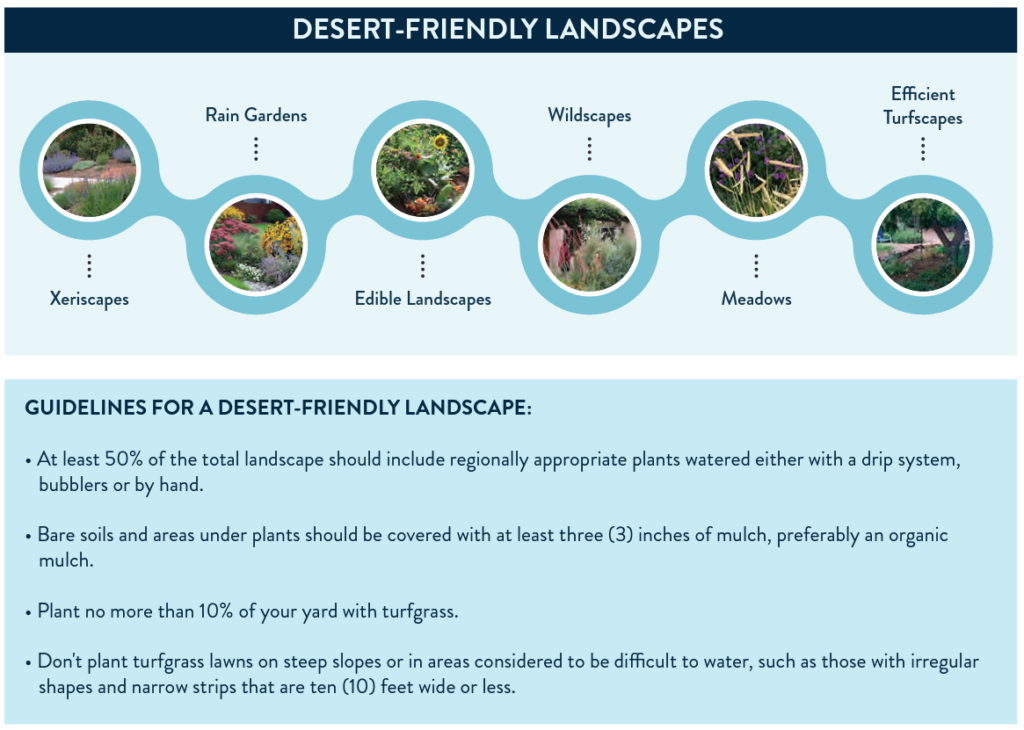
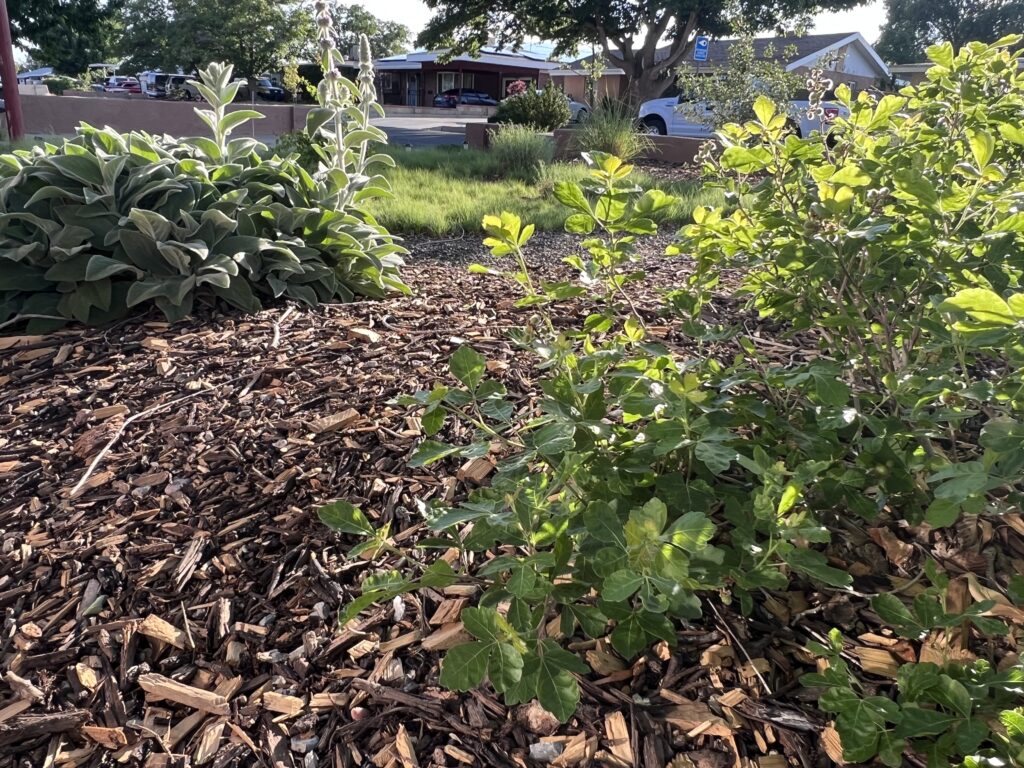
Wood chip mulch insulates plant roots from both heat and cold, reducing moisture loss from the soil by evaporation, feeding beneficial soil microorganisms that enhance plant growth and improving soil health. This makes the soil more sponge-like and better able to hold water. By installing 3”- 4” of mulch over bare dirt, weeds are reduced, the soil is enriched and new plants retain more moisture.
Another benefit of organic mulches is that they can visually accommodate a little bit of leaf litter, reducing the need for constant raking and clean-up. A thin top dressing of mulch added every 2-3 years keeps the landscape looking fresh and replaces the material that has broken down to sustain the soil. Organic mulches are also lightweight, making them easy to transport in a wheelbarrow and spread with a rake.
Mulches are available in bags from most local garden centers (avoid the ones dyed with different colors as these will fade) and in bulk from several retailers in the Albuquerque area. When you buy from local bulk retailers, you are supporting the recycling of local organic materials that may otherwise end up wasting away in a landfill and contributing to greenhouse gas emissions. Buying bulk also means less plastic! Mulch can sometimes be available at no cost. Check with your local tree trimming companies and/or try your local county for free mulch resources. Mulches are a renewable resource that will improve landscape health and conserve water.
In areas of higher wind exposure or periodic inundation with water, use a wood chip mulch that is irregularly shaped and sized as the pieces will knit together better. This type of mulch can be recycled yard waste and tree trimmings as well as commercially-available, locally-processed wood products.
Property Data:
Homeowner converted 4,640 square feet of Bermuda grass to a desert-friendly xeriscape. Total gallons saved since conversion: 61,001 gallons. Total gallons per month homeowner saves: 3,050 gallons. Total rebate received: $4,740
Thinking about converting your yard from high-water use grass to xeriscape? Check out the Desert Friendly Xeriscape Rebate page to learn more about the qualifications, requirements and process to apply for this generous rebate. Additionally, xeriscape rebate participants get 25% off the cost of installing bulk organic mulch up to $100. If you want to top dress mulch around your trees, take advantage of our Treebates. You are welcome to contact our xeriscape specialist Amos Arber, at [email protected] or 505-208-2015
Learn more about mulches here:
Common Myths about Organic Mulch.
How to Make a Tree Watering System for your Established and Mature Trees