Baby, it’s cold outside. Or is it? How do you water during the cold and dry winter season?
The weather predictions are in, and we are headed into a very dry La Niña winter season. This means we need to water our plants this winter in order to keep them healthy. Due to our freezing temperatures we recommend turning off your irrigation system for the season and using your hose to water once a month during the middle of a warm winter day.
Watering Tips:
For cool season grass lawns, thoroughly water every other week.
For deciduous and evergreen trees, lilacs, photina’s, euonymous, rose of Sharon, spirea and forsynthia, water once a month to 24” deep.
Author: Richard Perce, Irrigation Efficiency Specialist with the Water Conservation Department for the Water Authority. Research: Farmers Almanac, Drought Watch New Mexico State. Have a question about the article? AskAnExpert@abcwua.org
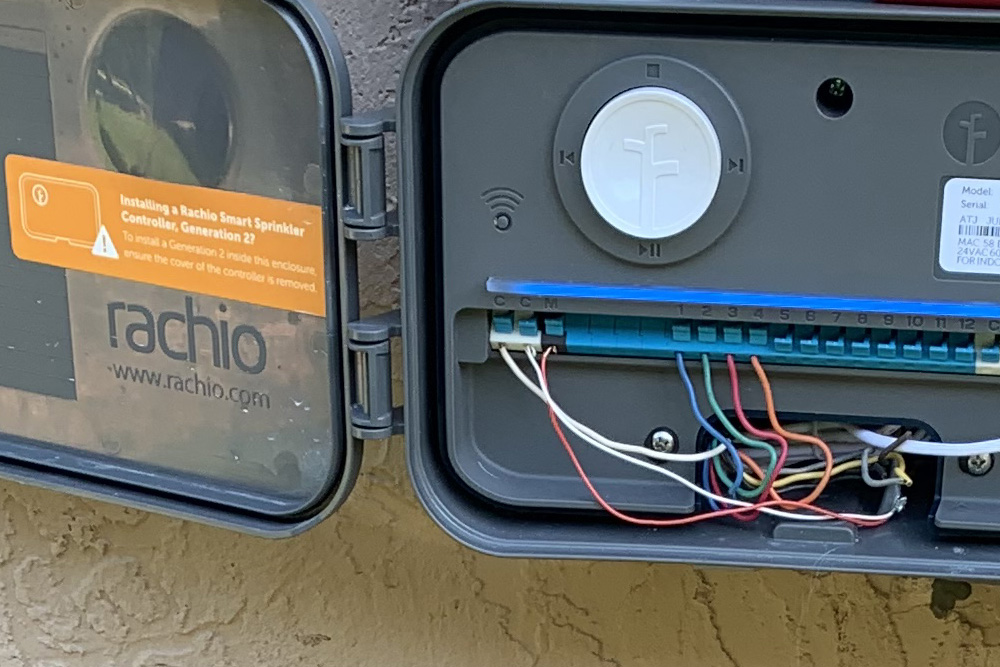
What is a smart irrigation controller and why would you want one as a gift? The Water Authority’s irrigation efficiency specialist Richard Perce says, “While an irrigation controller is a must for your landscape, a smart controller adjusts your watering based on the local weather conditions. This saves you time and water!” Many smart controllers use WiFi and connect to the local weather station. They will not water on days when it’s too windy or it has already rained. Most will also determine what your landscape’s water needs are and create a schedule based on data added during setup and the information it receives from local weather stations. Many also connect to your smartphone or tablet so you have easy control over your system no matter where you are.
Below, Richard has listed some of his favorite controllers for this holiday season. Why not be practical this year for gift giving?
Features: 6 and 12 zone options, inexpensive, connects to local weather stations, easily controlled via your smartphone, can be mounted indoors or outdoors, works with all internet modems (2.4gh and 5gh), long-range Bluetooth radio, can adjust both at the controller and on your phone, easy to use, rebates available.
Features: 8 and 16 zones options, inexpensive, connects to local weather stations, easily controlled by a smartphone, works with all modems, easy to use, robust water schedules based on plant type, soil type, sun exposure, rebates available.
Rainbird ST8-2.0 WiFi Smart Irrigation Timers Features: 8 zones and more, connects to the local weather station, easily controlled at the box and by smartphone, works with all modems, robust watering schedules, fully customizable, rebates available.
Author: Richard Perce, Irrigation Efficiency Specialist with the Water Conservation Department for the Water Authority. Have a question about the article? AskAnExpert@abcwua.org
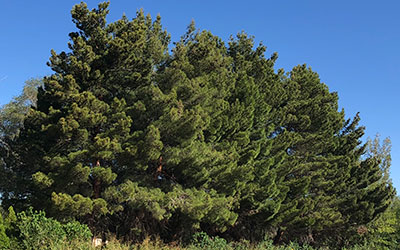
The Afghan Pine is a proven winner for our tough high desert climate. A native of central Asia and the eastern Mediterranean region, it performs exceptionally well in our alkaline soils. Once rooted it is drought tolerant and fast growing, making this evergreen an excellent choice for wind breaks and privacy screens. Its long evergreen needles grow in pairs, which gives it a softer appearance than other pines. The Afghan Pine offers a refreshing swath of green in the landscape during winter months.
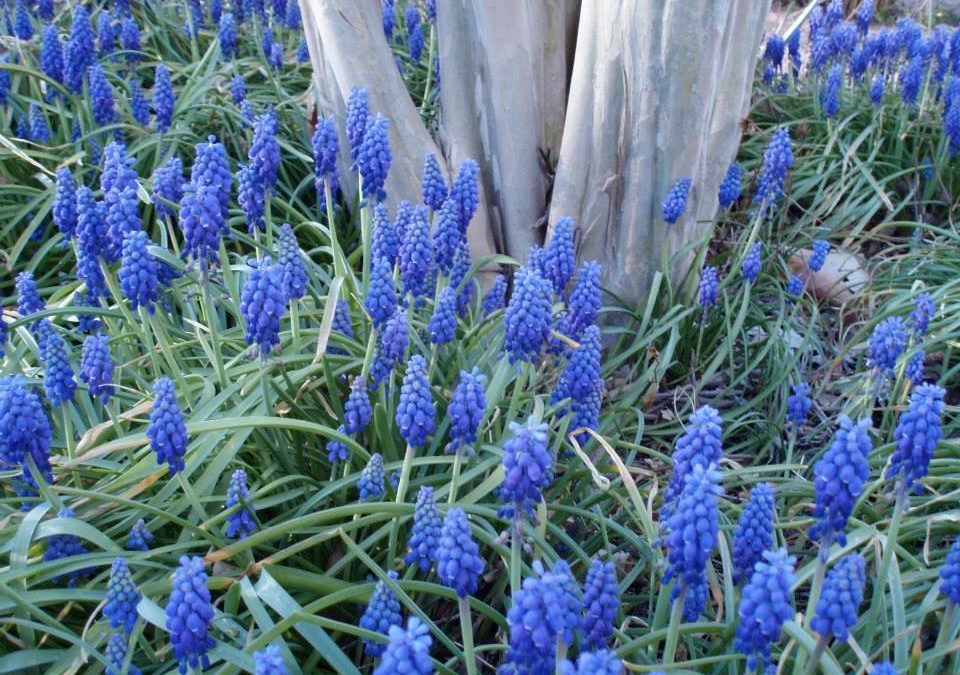
The elegant Grape Hyacinth is marked by tightly packed, urn-shaped clusters around the rigid stalks, much like grapes and flowers bloom in early spring. Grape Hyacinth is an excellent candidate for lining your walkways and is a wonderful companion to spring bulbs like tulips and daffodils. Fall is the best time of year for planting these bulbs.
They are also great for container planting. Choose from varying shades of blue - from pale blue to turquoise — and even shades of pink and white!
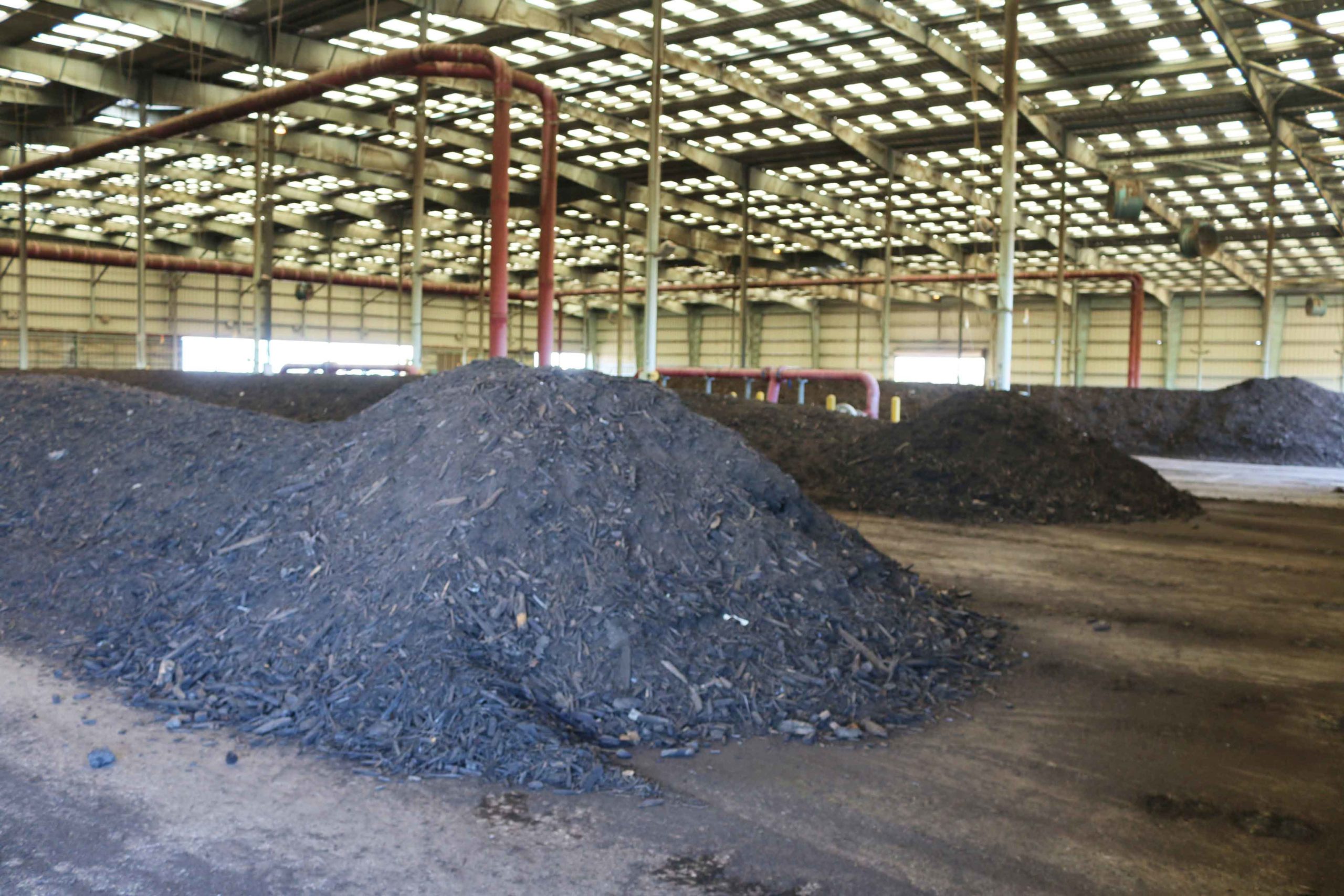
In 1988, the Albuquerque Bernalillo County Water Utility Authority’s started a composting facility for biosolids produced. 505Outside recently visited the Soil Amendment Facility to check out the “Compost Del Rio Grande.”
Water Authority compost is unlike any other in town because it’s not just made with the typical green waste, manure, wood chip, and horse bedding. It also has one special ingredient: biosolids. Biosolids, also known as humanure, are organic matter recycled from sewage operations.
Compost del Rio Grande is responsible for reprocessing the biosolids that are a daily byproduct of the Southside Wastewater Reclamation Plant – about 360,000 pounds a day, or three truckloads three times a day are produced. While we were touring the facility, we got a chance to see three of these truckloads.
Biosolids are rich in organic matter, nitrogen, and trace minerals. The US Environmental Protection Agency (USEPA) encourages safe biosolids re-use. Properly managed, composting qualifies as a Process to further reduce pathogens under US EPA regulations, meaning that composted biosolids may be used in the production of crops for human consumption.
The facility accepts green waste from the community. They also will soon begin receiving food scraps from Intel and horse manure and bedding from New Mexico Expo.
Certified biosolids compost of good quality is typically comprised of 25% animal stable bedding, 40% biosolids, 30% green waste (pulverized yard trimmings), and 5% wood chips. The facility can produce over 4,000 cubic yards of compost per month.
Compost del Rio Grande uses a recipe created specifically for the facility. The recipe consists not only of the materials that go into the product, but the process used to create the compost. This includes the temperature and length of time at which the materials cook and the number of times the compost is turned. After cooking for 8-10 weeks, the compost is ready.
The facility works closely with the New Mexico Department of Transportation (NMDOT). NMDOT uses large quantities of the Rio Grande Compost on highway reclamation projects around the state for erosion control, dust control, and vegetation growth.
Water Authority compost (“Compost Del Rio Grande”) is available to the general public for purchase. Click on the link for more information, or to find out how you can obtain compost for your outdoor projects. https://www.abcwua.org/customer-service-compost/
Author: Jill Brown, ASLA Landscape Architect and owner of My Landscape Coach in Interviewed: W. Shane Fitzgerald, SAF Superintendent, Albuquerque Bernalillo County Water Utility Authority.