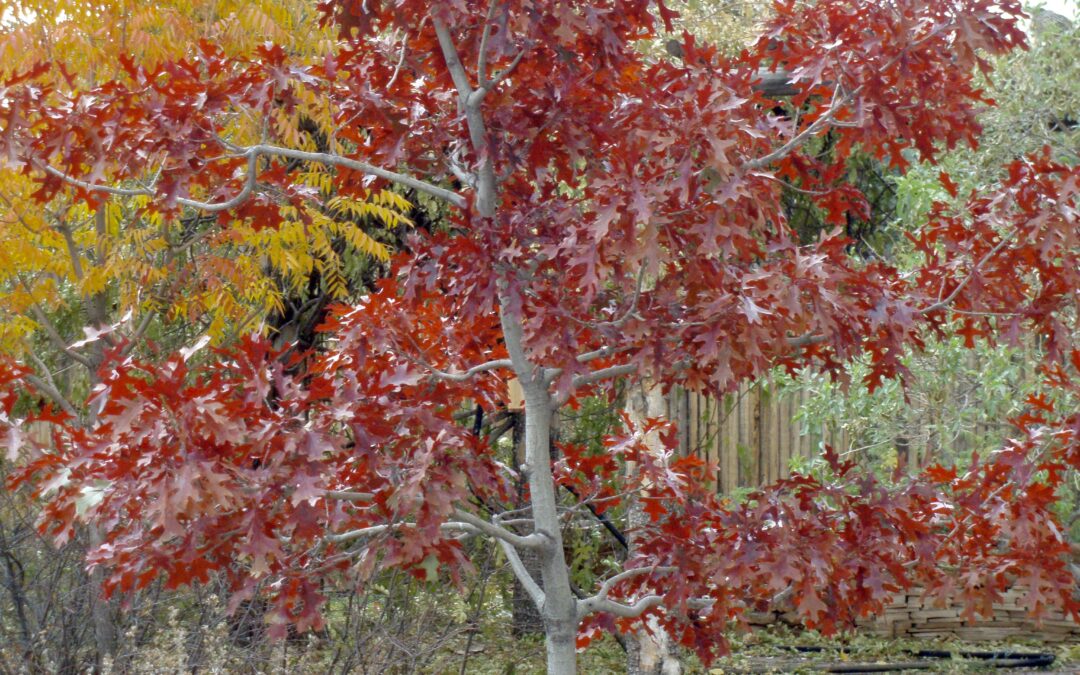
November To Do List:

November To Do List:

Just as we take shelter when the weather turns colder, so does your yard. Below are our DIY tips for how to prepare your yard for winter.

WATERING
  • Water on warm days (daytime temperatures above 40 degrees and nighttime temperatures above 37 degrees).
  • For drip irrigation on trees and shrubs, water twice a month for 80-100 minutes per cycle.
  • For hose watering trees and shrubs, water twice a month for 55 minutes per cycle.
  • For spray watering a lawn, water eight times per month for 7-10 minutes per cycle.
  • For high efficiency micro rotors on a lawn, water eight times per month for 40-50 minutes per cycle.
  • Skip watering if it rains more than ½ an inch or snows more than 6 inches.

Special Exceptions

  • Newly installed plants (shrubs planted within one year) and trees (trees planted within three years) are more susceptible to damage from dry conditions and should be watered more frequently than established plants. Water new shrubs to a depth of 18” three times a month in the winter. Try watering trees to a depth of 24 inches twice a month in the winter.
  • Evergreen trees lose water through their needles in cold, dry winter winds faster than their roots can absorb it. They need more stored-up water going into the winter season to make up for that so, it is especially important to provide enough water in the fall and during dry, warm spells in the winter.
  • When watering any tree, remember to apply water out to the edge of the tree’s canopy drip line and beyond. Most established trees have a root spread equal to their height and beyond. Water deeply and avoid spraying foliage. Watering to the right depth depends on your specific soil, so you will want to measure how much time it takes water to reach 24 inches deep in your soil. Read this article for tips on measuring watering depth.  
LAWNS

Cool Season Grass

  • Mow your lawn to 3-3.5 inches. Grass left too long over the winter can develop brown patches. Dethatch your lawn by raking it through to remove built up debris.
  • Rake or blow off leaves that have fallen on your lawn to avoid brown spots. Save those leaves to use as mulch around your garden and trees.
  • Aerate next time it is warm. Before aerating, run the irrigation and flag all your spray heads or rotors. This prevents inadvertently creating the need for sprinkler repairs! Aerate the whole lawn in one direction and then again perpendicular to the first pass.
  • Top dress with compost. Compost acts as a fertilizer, adds moisture retention capacity and improves overall soil and root health.

Warm Season Grass

  • Grass can be left at full height during winter to provide habitat.
TREES
  • Apply a thin layer of compost, about ½ inch, to provide nutrients.
  • Add 3"-4" of shredded wood chip mulch around the trees drip line but keep away from the trunk base, about 6". Mulch helps insulate the soil from temperature extremes, retains soil moisture and keeps weeds out. Treebates for bulk organic mulch are available.
IRRIGATION
  • Turn off your irrigation system. Cold temperatures 40 degrees or lower mean it is time to give your irrigation system a rest. To avoid damage to your system, we recommend setting it to the OFF position. Since it is important to make sure your landscape stays healthy in the winter, find a warm day once a month to irrigate. After watering, set your system to the OFF position again. Skip watering if it rains more than ½ an inch or snows more than 6 inches.
  • Insulate pipes and faucets in unheated areas.
    Wrap exposed water pipes in unheated areas (such as a garage, basement, crawl space or space beneath your mobile home) with insulation or heat tape. Be sure to follow the manufacturer’s instructions carefully.

Learn more here:

The Balancing Act of Watering Trees in the Fall and Winter

Keep Your Trees Happy: Build a Tree Irrigation Watering System

Great Natural Areas to Visit This Winter for Respite and Inspiration

Have a question about the article or anything else? AskAnExpert@abcwua.org

Celebrating Albuquerque’s Champion Trees

Celebrating Albuquerque’s Champion Trees

From the leafy corridors along the Rio Grande to the resilient specimens lining our streets and parks, trees are much more than just scenery — they are essential to our health, happiness and sense of place. Residents and visitors alike have come to appreciate, love and depend on Albuquerque’s urban forest, which transforms our city in countless ways.

For many, the presence of mature trees is a sign of a thriving, welcoming community.

The City of Albuquerque’s Urban Forestry staff has taken an active role in cataloging and celebrating the city’s best tree specimens. The Urban Forestry team within Parks and Recreation maintains a list of “champion trees” — remarkable individuals recognized for their size, age, beauty or historical significance.

The City of Albuquerque’s Champion Tree GIS site shows the locations of all 23 Champion trees around public spaces managed by the city and includes information on their species, size, history and unique features. To use, simply click on one of the circles to learn all about the specific tree, its properties and its location.

Whether you’re a lifelong resident or a newcomer to Albuquerque, exploring the city’s champion trees is a unique way to visit our numerous parks and streetscapes plus celebrate the trees that make our urban environment vibrant and resilient.

In addition to managing 30,000 trees across 300 city parks, Urban Forestry has launched the Let’s Plant ABQ initiative. This initiative aims to plant 100,000 trees by 2030 to provide one tree for every child as a gift from one generation to the next. To track these trees, Urban Forestry uses software called Treeplotter for inventorying, planning and growing our urban canopy. As well as tracking Champion trees, Urban Forestry maintains a robust inventory of all trees in city parks where residents are welcome to explore our urban canopy, including ecosystem benefits of our trees. Urban Forestry’s data aids in informed decision making for urban designs and developments. Understanding what we have can help us preserve and enhance our urban forest.  

Let’s continue to love, depend on and protect the trees that make Albuquerque a truly special place to live. You can help by planting more new trees; check out the Water Authority’s Treebates.

Learn more here:

Let’s Plant Albuquerque

The Benefit of Trees

Tips for Keeping Mature Trees Healthy

Keep Your Trees Happy: Build a Tree Irrigation Watering System

Author: City of Albuquerque Urban Forestry. Have a question about the article or anything else? AskAnExpert@abcwua.org

Mountain Design Template for Fall

Mountain Design Template for Fall

All good things start with a solid plan. Developing a landscape plan saves you not only time and money but also makes it more likely you’ll end up with a beautiful yard. A few generous local landscape architects donated their time and put together some design templates for a typical front yard for our 505Outside subscribers. This month, we’re sharing a mountain-inspired landscape.

The example landscape template below is for a north or east facing yard and creates the effect of a Rocky Mountain forest while using heat and drought tolerant plants that grow well in town. Take a look and get inspired to recreate this in your own yard.

Shade Tree

Japanese Pagoda, Styphnolobium syn Sophora japonicum

Evergreen Tree

Blue Atlas Cedar, Cedrus atlantica

Rocky Mountain Juniper (female), Juniperus scopulorum

Deodar Cedar, Cedrus deodara

Small/Flowering Tree

Russian Hawthorn, Crateagus ambigua

Large Plant

Western Sand Cherry, Prunus besseyi

Littleleaf Mountain Mahogany, Cercocarpus ledifolius

Medium Plant

Three leaf sumac, Rhus trilobata

Leadplant, Amorpha canescens

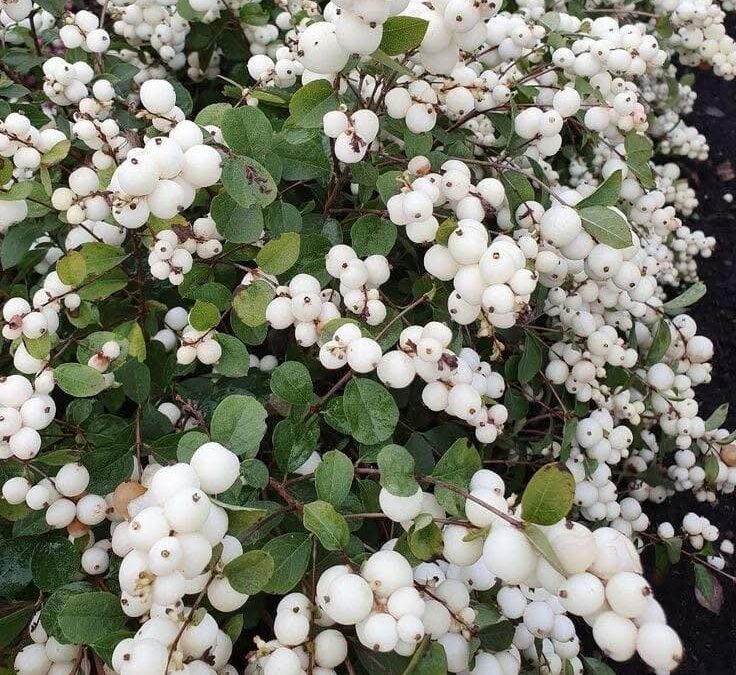
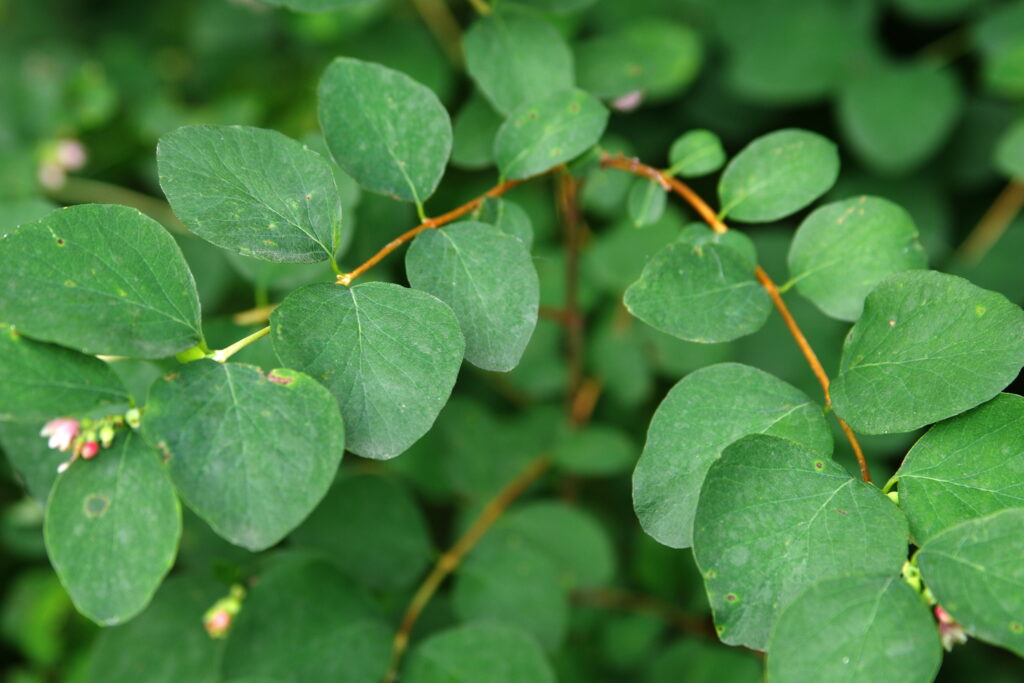
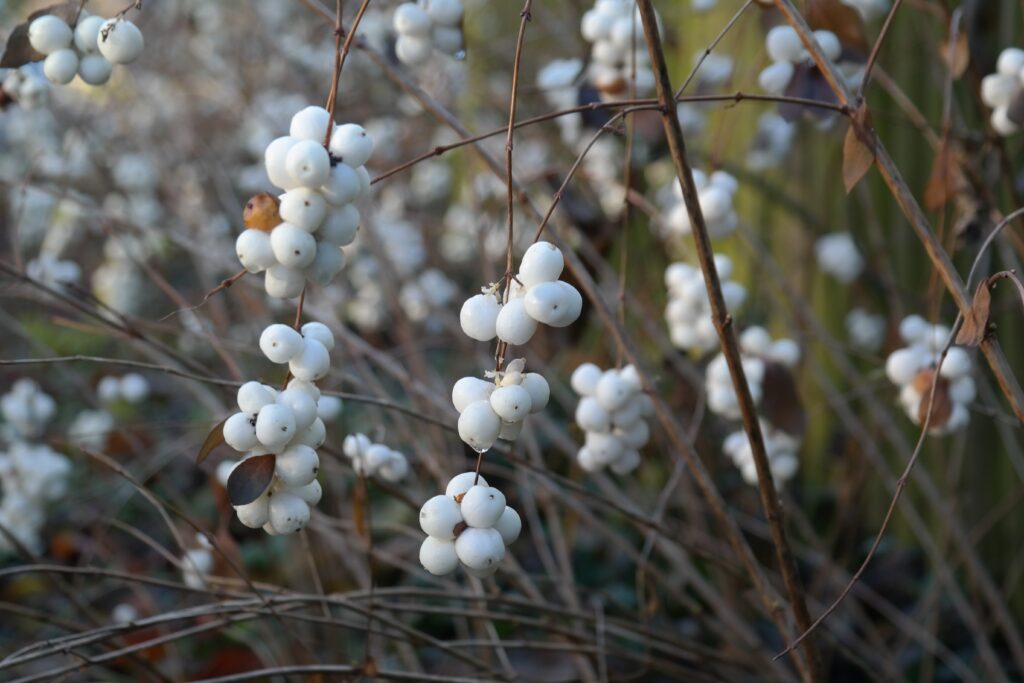
Snowberry, Symphoricarpos albus

Small Plant

Common yarrow (millefolium)

Rocky Mountain penstemon

Blue Flax

Groundcovers (less than 2' tall, spreading more than 3'wide)

Panchito manzanita, Arctostaphylos x coloradensis 'Panchito'

Snow-in-summer, Cerastium tomentosum

Golden columbine, Aquilegia chrysantha

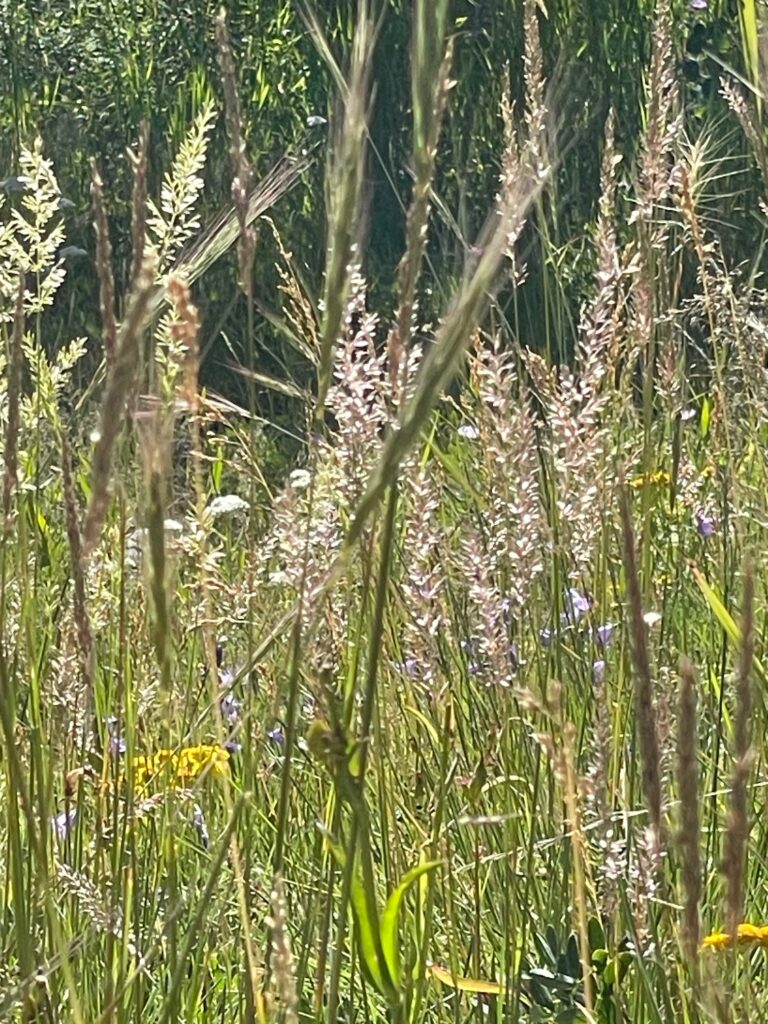
June grass, Koeleria macrantha

Vine

Virginia creeper, Parthenocissus quinquefolia

Clematis, Clematis ligusticifolia

Learn more here:

Lucious Landscape Design Template

High Desert Landscape Design Template

Desert Friendly Design Templates

Have a question about the article? AskAnExpert@abcwua.org


Deer grass, Muhlenbergia rigens

Deer grass, Muhlenbergia rigens

Type: Deciduous

Exposure: Full Sun

Water Use: Low

Mature Size: 4’ x 4’

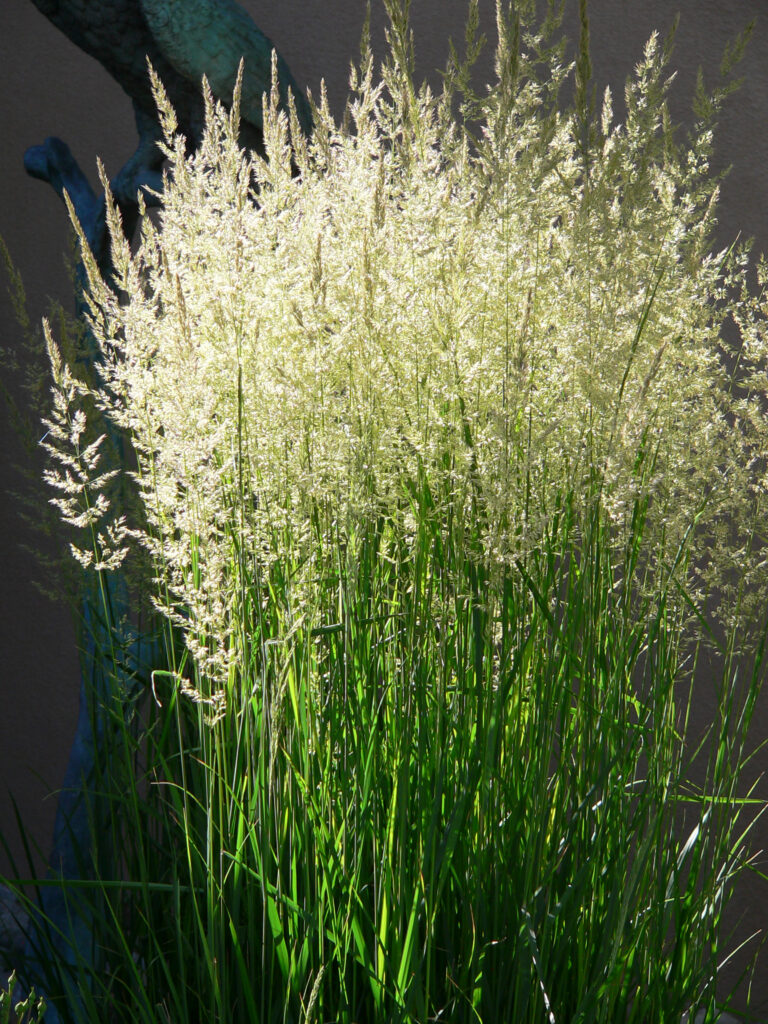
Deer grass is a striking grey green ornamental grass. In late summer and early fall, it produces flower stems that fan out from the base. It looks beautiful by itself, with lower growing perennials and with groupings of grasses as one big mass planting. It can take periods of drought and is low maintenance, only needing a trim about 6” from the ground in late February.

Great Natural Areas to Visit This Fall for Respite and Inspiration

Great Natural Areas to Visit This Fall for Respite and Inspiration

In the heart of Albuquerque, the Rio Grande Bosque includes 4,300 acres of protected cottonwood gallery forest. It’s a great natural space to find inspiration for your own landscape. The bosque is just one of many beautiful open space areas in the greater Albuquerque area that provide recreation, conservation, education, heritage and design inspiration. The plants you see in these natural areas are likely to do well in yards in that same part of town. Plants that are growing near each other will make good combinations in yards as well.

Today, we are highlighting a couple of beautiful natural areas to visit along the Rio Grande, all offering educational opportunities and recreational trails.

Paseo del Bosque Trail

This 16-mile long uninterrupted trail connects Albuquerque’s North and South valleys, starting at Alameda NW next to the Bachechi Open Space. Heading south, the paved trail passes the Rio Grande Nature Center State Park and the Albuquerque BioPark near Central Avenue before ending south of the National Hispanic Cultural Center. Because this is a multiuse trail, you are likely to encounter more than bicyclists, walkers and runners. The trail also is used by people with wheelchairs, in-line skaters, equestrians, families with strollers and others. The City Parks and Recreation Department reminds users to remember that “courtesy and caution are a part of having an enjoyable and safe experience on Open Space trails.”

Paseo del Bosque multi-use trail

Bachechi Open Space

Brought to you by Bernalillo County and located along the Paseo del Bosque Trail south of Alameda NW, Bachechi is a 28-acre open space area with an Environmental Education Building that includes an indoor interpretive area and an outdoor classroom. Here, kids can grab Nature Packs, kid-sized backpacks filled with guides, hands-on supplies and activity sheets to teach kids how to explore the open space area. There are a variety of interpretive trails through native landscaping and migratory waterfowl habitat, which includes blinds for viewing the birds and other wildlife. An arboretum on the northern 8 acres of the property shows off many specimens of trees.

Environmental Education Building at Bachechi Open Space

Rio Grande Nature Center State Park

A New Mexico state park located in the middle of the city, the nature center focuses on bird watching with many wildlife viewing areas overlooking native gardens and ponds. The park also offers many trails, including loop hiking and interpretive trails plus access to the Paseo del Bosque multiuse trail.

Rio Grande Nature Center State Park

Open Space Visitor Center

The City of Albuquerque visitor center has exhibits interpreting the natural and cultural resources the Open Space Division protects. Rotating exhibits feature local artists highlighting New Mexico landscapes. Spacious indoor and outdoor bird viewing areas allow visitors to watch sandhill cranes, Canada geese and other migratory birds during the fall and winter.

A short walk leads to an agricultural demonstration garden that shows off different farming methods and the foods that were collected and cultivated in New Mexico. A longer walk goes to the LAND/ART exhibition pieces in place since 2009.

Open Space Visitor Center Bird Viewing Across the Farm Fields.

Learn more here:

Great Natural Areas to Visit this Winter for Respite and Inspiration

Great Natural Areas to Visit this Spring for Respite and Inspiration

Author: Jill Brown, ASLA Landscape Architect and owner of My Landscape Coach in Albuquerque. Have a question about the article? AskAnExpert@abcwua.org