Who doesn’t love a good plant list to start off the year? Local nursery industry expert with over 50 years of experience Andrew Lisignoli shared with us his favorite new and underutilized plants.
COLORFUL SHRUBS
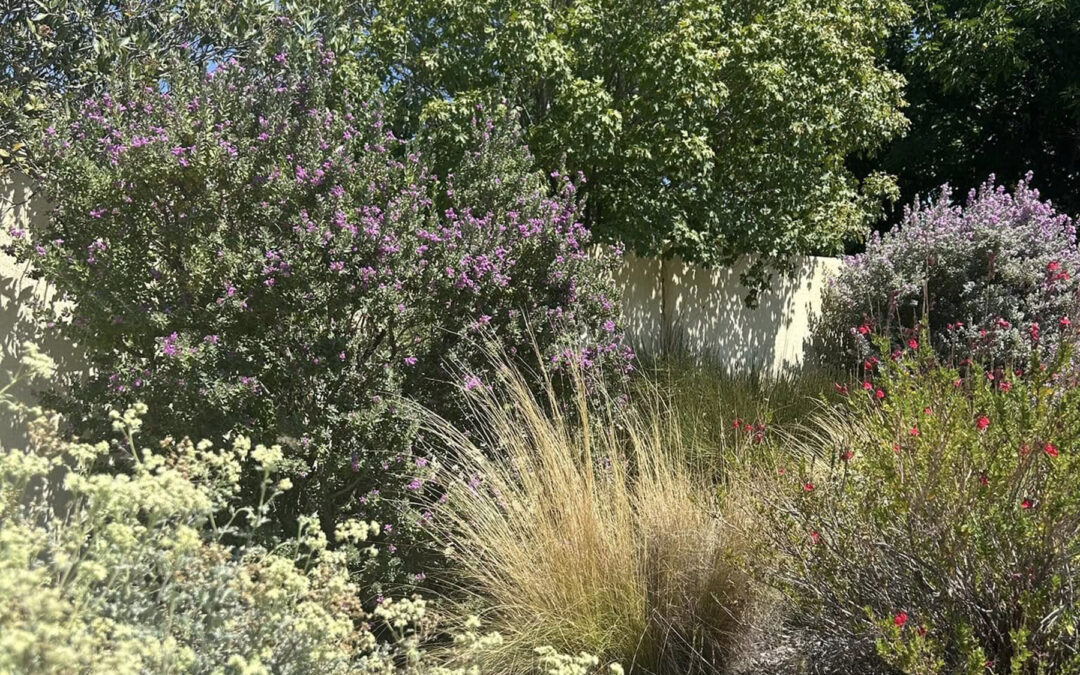
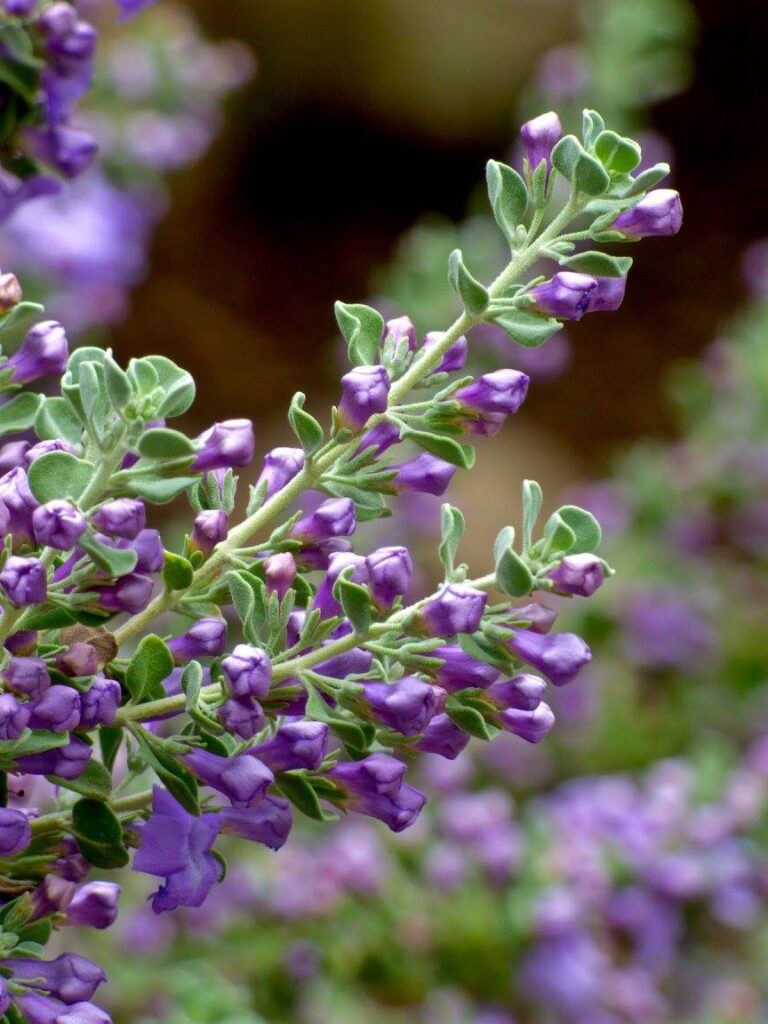
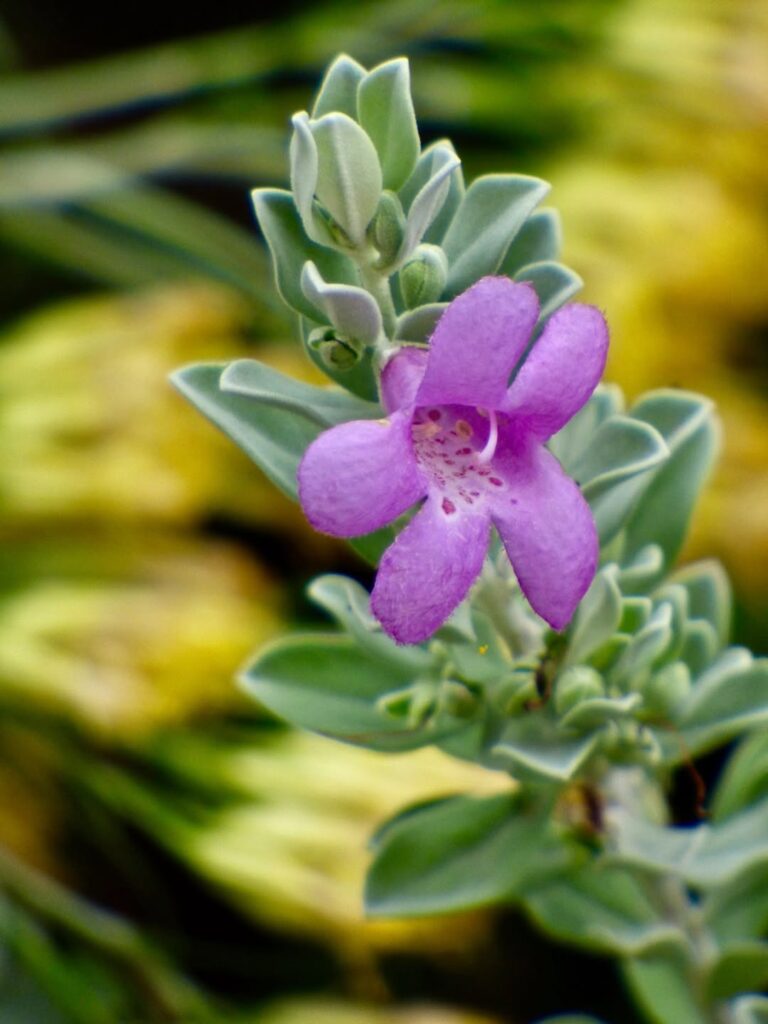
One group of plants Lisignoli recommends are a number of species (and cultivated varieties) of the genus leucophyllum. There are many different options that offer unique features but Leucophyllums generally love hot exposures (like next to a south facing wall) and there are two types: mostly evergreen and what some would call ‘ever-grey’ providing year-round interest in a sage green plant with blooms most vibrant after a rain. In fact, one of its common names is ‘barometer bush’ because it often blooms after a rain, when the relative humidity is high. Other common names are Texas Sage and cenizo. We are showcasing four cultivars; each offers a variety of different flower and leaf colors and sizes. All of these species ‘attract butterflies and bees, providing nectar for native pollinators.’ Additionally, after blooming these shrubs cover the ground with bright confetti of the spent flowers. It is low maintenance, plant it in a place where it has enough room and you won’t have to prune it.
Leucophyllum langmaniae, ‘Lynn’s Legacy’
5’ H x 5’ W, semi-evergreen, full sun, low water
Bloom color: Lavender
The most popular of the Leucophyllums, this evergreen shrub grows moderately fast, forming a dense, rounded mound of sage green foliage. Masses of lavender flowers are produced up to 3 or 4 times in the summer and fall. This selection is not as dependent on changes in relative humidity for flowering, compared to others in the genus, which means that it blooms more often during the dry months.
This evergreen shrub forms a dense, rounded mound of light gray foliage. It produces masses of pink flowers after it rains and when the humidity rises in the summer and fall. Plant in full sun and reflected heat exposures. This selection is fairly tolerant of heavier clay soils.
Leucophyllum frutescens San Antonio rose PP33454
5’ H x 5’ W, evergreen, full sun, low water
Bloom color: Rose pink
Drought resistant and heat loving, this compact variety was bred to thrive in the Southwest. Bright rose pink flowers bloom throughout the summer, especially when humidity spikes. Unique in that it has a tighter growth habit with small silvery leaves and larger flowers then other Leucophyllums.
WOODY SHRUBS
LIsignoli suggests homeowners take a second look at these great local plants that are often overlooked. The three of these shouldn’t need much care.
6 ’H x 4’ W, deciduous, sun/shade, medium water, clay soil
Bloom color: Yellow
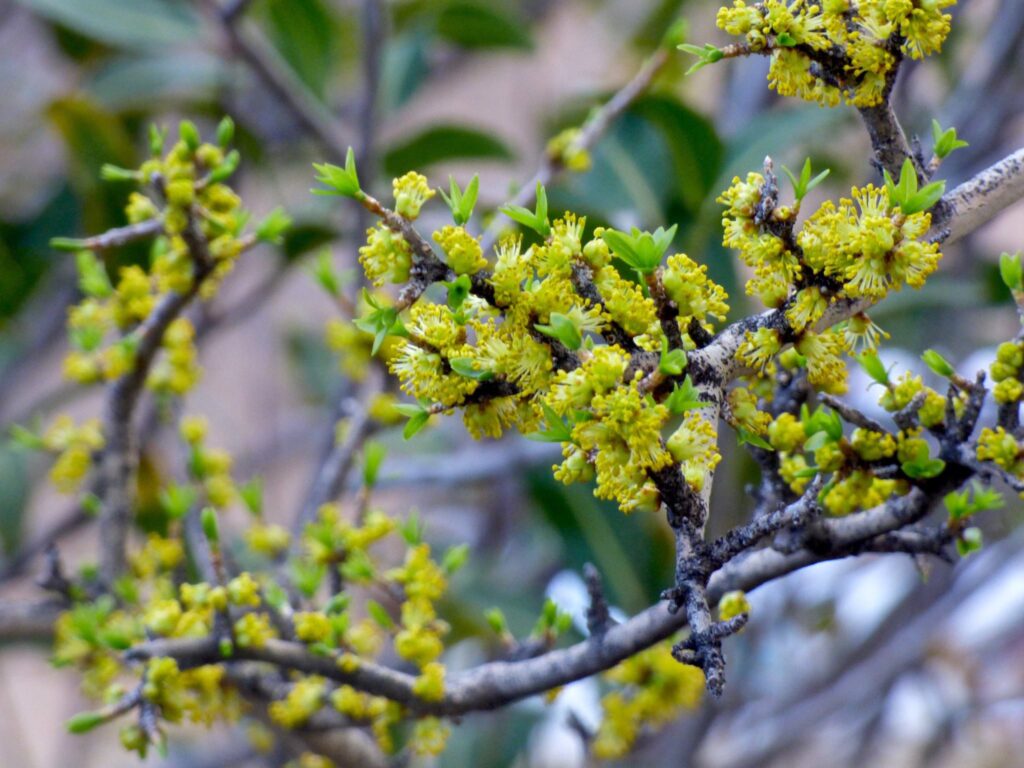
Traditionally found as an understory plant near the Rio Grande, it makes a great small tree in a courtyard, can be an effective natural hedge or windbreak or can be planted under large shade trees for wildlife and interest. This shrub features upright arching and finely twigged white branches with rounded bright celery green foliage and tiny yellow flowers in the early spring that provide nectar for bees. These plants are dioecious, meaning they are separate male and female plants, in late summer, females have small blue-black berries, which birds enjoy. Males are fruitless. Leaves change to golden yellow in the fall then drop to expose the sculpture of the pale white branches. New Mexico olive is very drought tolerant once established.
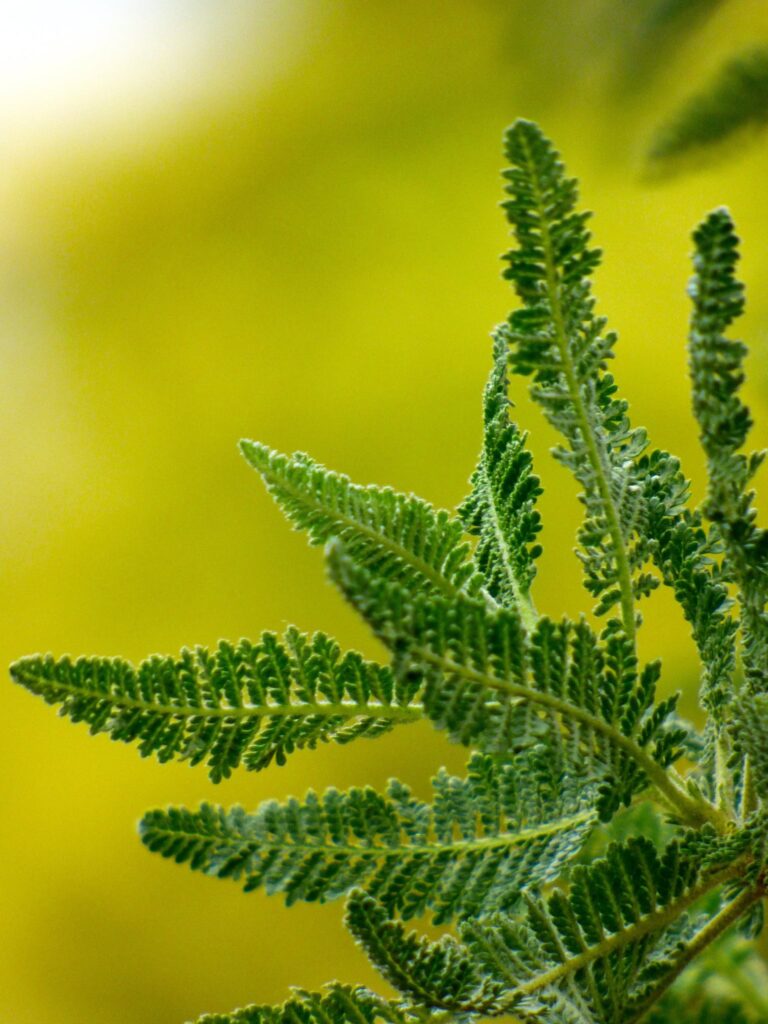
Fernbush is great used as a single specimen or clustered in groups or rows for visual screening and hedges. The showy flower spikes resemble those of white lilacs and attract butterflies all summer. Its aromatic olive-green foliage is soft and fernlike, and its upright stems with their peeling bronze bark create a pleasant, rounded silhouette without the need for much pruning This hardy plant loves south- and west-facing exposures and well-drained soil. It brings interest to the garden year-round.
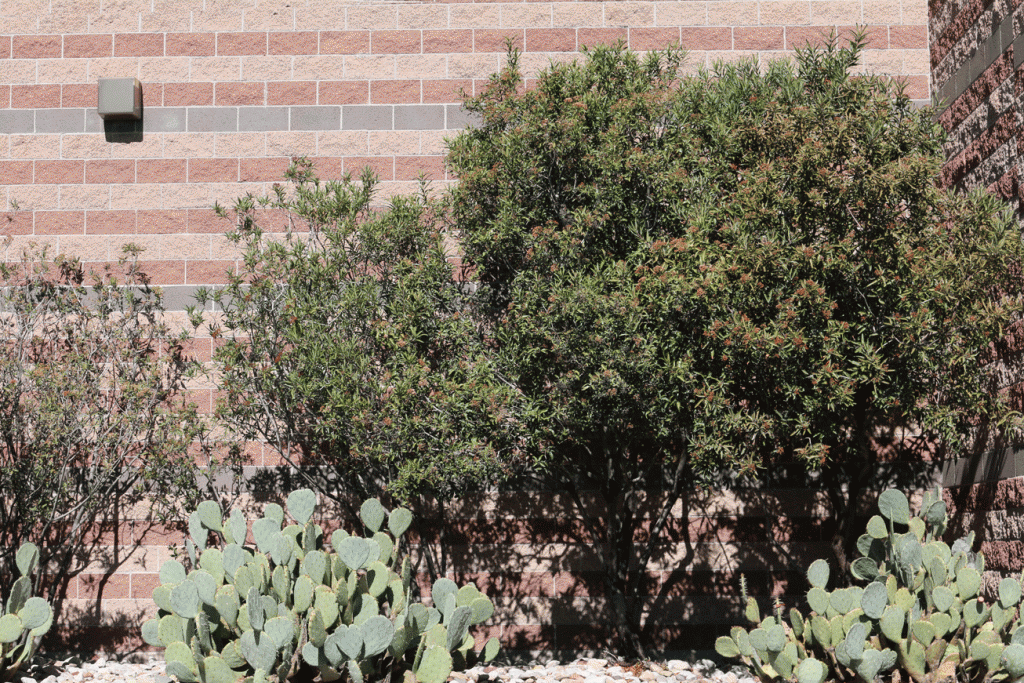
Arizona rosewood is a large, evergreen shrub or small tree. Leathery, dark-green foliage provides a backdrop for the umbrella shaped clusters of white, five-petaled flowers that crown rosewood in summer, turning a deep cocoa brown and persisting well into winter. At its best in open windy spaces where evergreen wind protection is especially welcome, it features stiff, mostly straight branches. Extreme exposures seem to increase its density, and, unlike most broadleaf evergreens, its glossy foliage stays crisp and attractive through heat and cold. It can be slow growing but it is very long lived. AZ Rosewood is a great replacement for photinia or euonymous shrubs.
GROUNDCOVERS
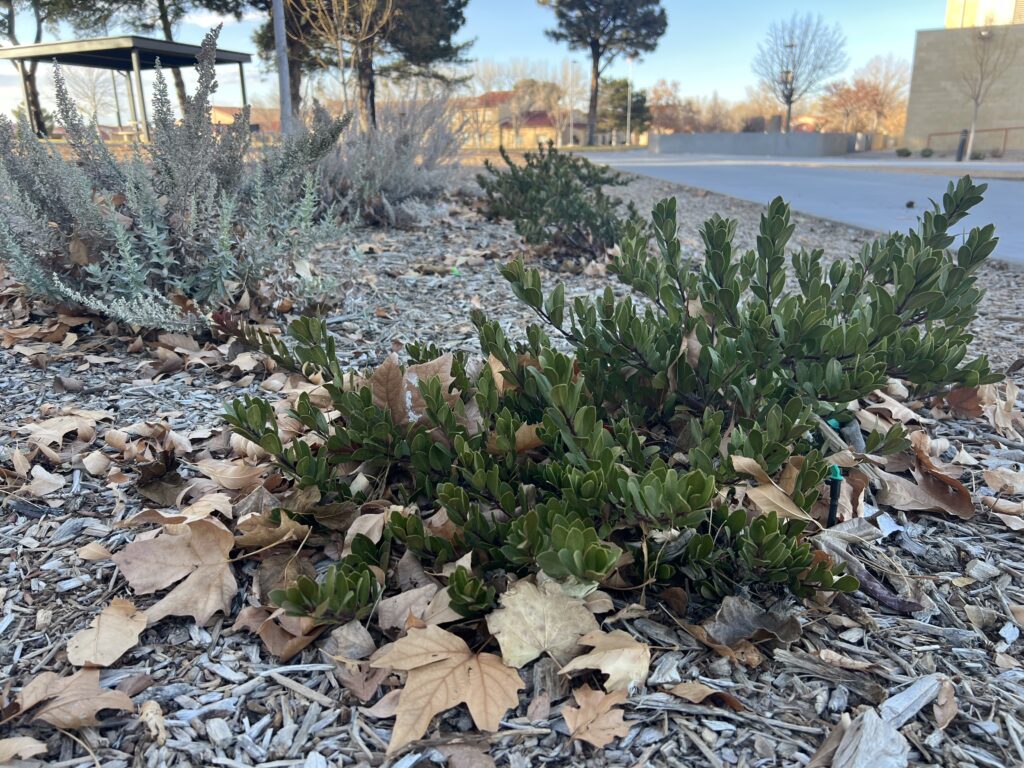
Manzanita is a plant genus that has many forms including trees, shrubs and groundcovers. It is one of the few true broad-leafed evergreens that can handle the challenges of our cold winters and hot summers. It’s native range is open pine forests and piñon-juniper woodlands, from 3000’ to 8000’ elevation. It thrives on sandy, rocky areas and slopes; is cold hardy (-20 F/-28 C); tolerates heat; and needs very little water. Smaller hybrid manzanitas, Lisignoli points out, have been found to provide similar features in a groundcover. Below are two species to try. Future iterations of our Xeriscape guide will include both of these great evergreen groundcovers.
Arctostaphylus x coloradoensis ‘Panchito’ Manzanita
2’ H x 5’ W, evergreen, sun/shade, medium water
A naturally occurring hybrid from the Uncompaghre Plateau in Colorado, this plant has small pink-white flowers in early spring followed by dry red berries in fall with evergreen leaves that turn a red-purplish color. Naturally dense and low-growing, it is a great, well-behaved evergreen shrub for the home landscape.
Arctostaphylus x coloradoensis 'Chieftain' Manzanita
2’ H x 6’ W, evergreen, sun/shade, medium water
Chieftan manzanita is a low, broadleaf evergreen that can become quite wide at maturity. Its large, round leaves make this plant very valuable as a backdrop in summer and a welcome evergreen shrub throughout fall and winter, with its bright green leaves holding their color longer into the winter. Small pinkish-white flowers grace the plant in early spring but are not very noticeable. It makes an excellent groundcover in flat areas but also cascades nicely over retaining walls and boulders. Chieftain manzanita has slightly larger leaves and is more vigorous than Panchito.
TREES
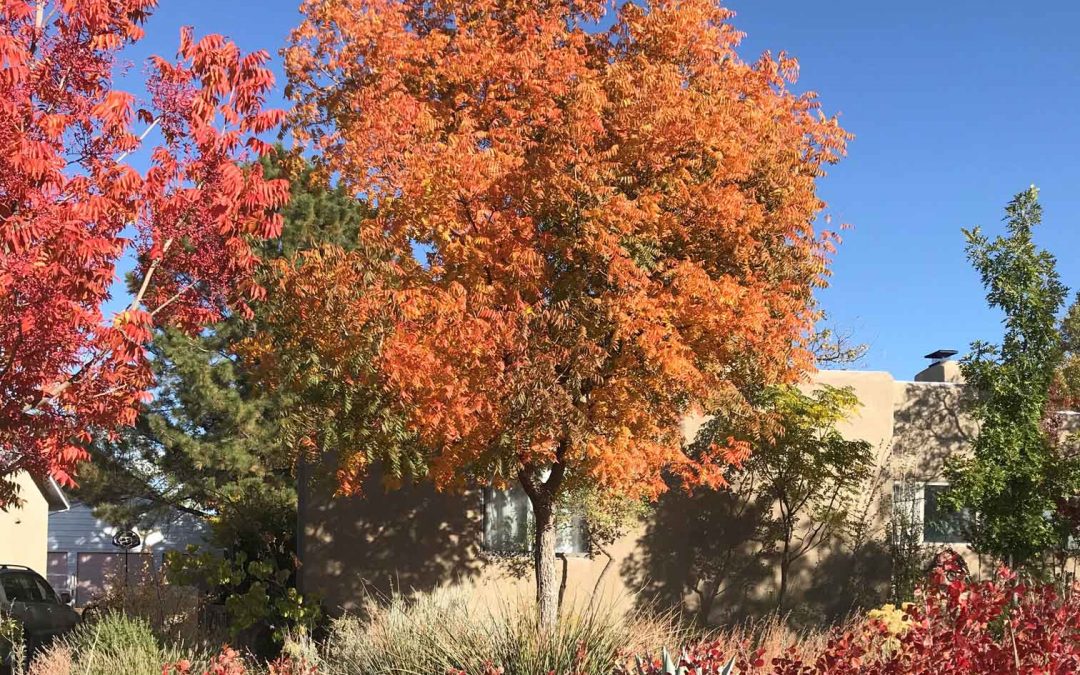
Some up and coming trees are very adaptable maples. People love Japanese maples but they don’t grow in our climate unless they are in full shade and are not always successful even then. Also up-and-coming are hybrid tree form Gambel oaks cultivated from the native shrub. Both these plants are still new but keep a lookout for them and start asking your local nursery about them.
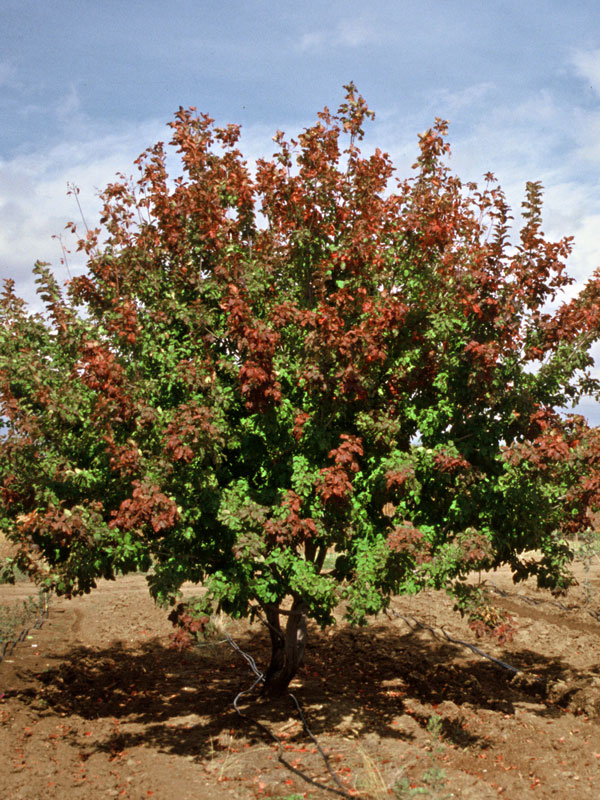
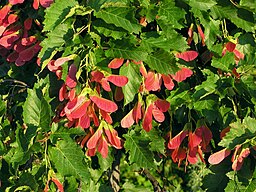
Acer tataricum, 'GarAnn' PP 15,023 Hot Wings® Tatarian maple
15’-18’ H x 15’-18’ W, deciduous, sun/shade, low water
Hot Wings Tatarian maple is a beautiful, small ornamental tree with slender branches forming an upright oval canopy. Although the flowers are not noticeable, by midsummer brilliant red seed capsules (samaras) cover the tree and provide a spectacular show, shining in bright contrast to the summer foliage and persisting for about a month. During the fall, the leaf colors range from yellow to orange-red. An excellent performer in rugged climates, it is tolerant of alkaline soils and light-adaptable. It puts on quite a show in July when the red samaras are present. It is a small, low-water-use tree worth considering. Broadly oval when young, its branches spread wider than tall, becoming rounded at maturity. It is best planted in lots of mulch, partially shaded with adequate irrigation
Hot Wings Maple TreeRed seed capsules on Hot Wings Maple
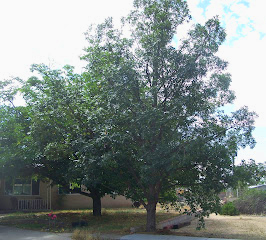
Quercus gambeliiGambel oak
15’-20’ H x 15’-20’ W, deciduous, full sun, medium water
The gambel oak can be found in two forms in the nurseries. One as a multi-trunk species and one as a single trunk species. Dark green foliage turns to yellow-orange and orange-red in the fall. Native to the dry mountainous interior West from Utah and Colorado to the Mexican border, Gambel oak is drought tolerant and hardy. It is an ideal tree for low maintenance landscapes in Albuquerque.
Author: 505Outside interviewed Andrew Lisignoli, Ambassador to the Industry at Trees of Corrales. Have a question about the article or anything else? [email protected]
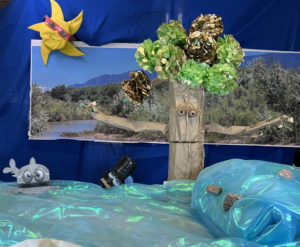
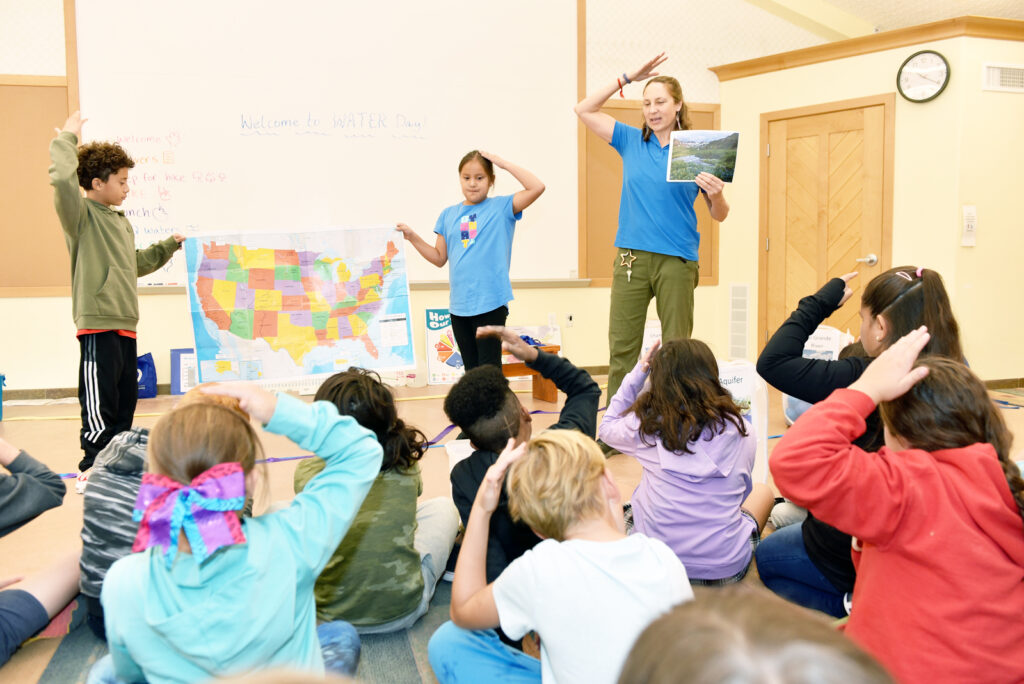
Most residents are unaware of the educational resources that the Water Authority (WA) provides to our community. These WA Education Department programs exemplify the WA’s commitment to water conservation and education which reach nearly 20,000 students each year. With the guiding goal “Save Water, Save the River,” these initiatives inspire young people to foster a lifelong appreciation for local water resources.
The Water Authority offers four free programs to students from Pre-K through high school, each aligned with NextGen Science standards and tailored to different age groups:
Puppet Show (Pre-K to 1st grade): Students sing, dance and learn about water through engaging performances, even making some puppets themselves. Over 1,000 lucky kids saw most likely their first live puppet show.
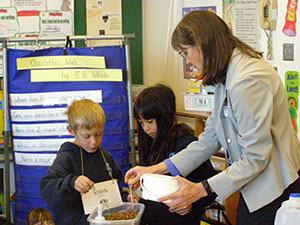
In-Class Activities (grades 1-3 and 5-12): Hands-on science activities connect classroom objectives with local conservation issues. Last year we were in classrooms presenting to nearly 9,000 students.
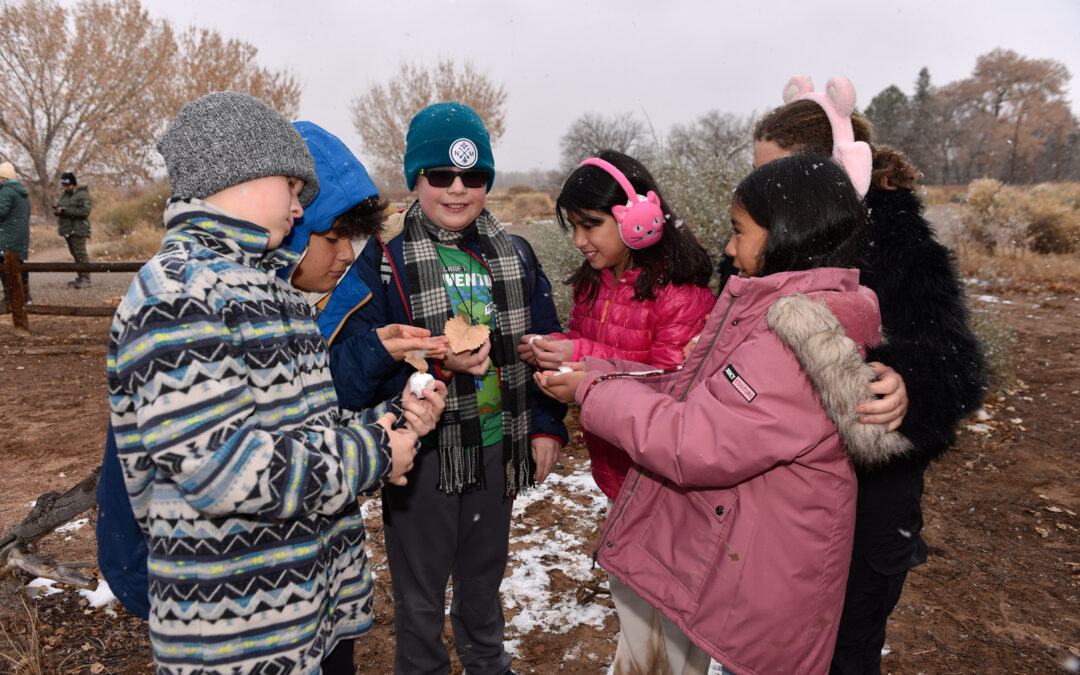
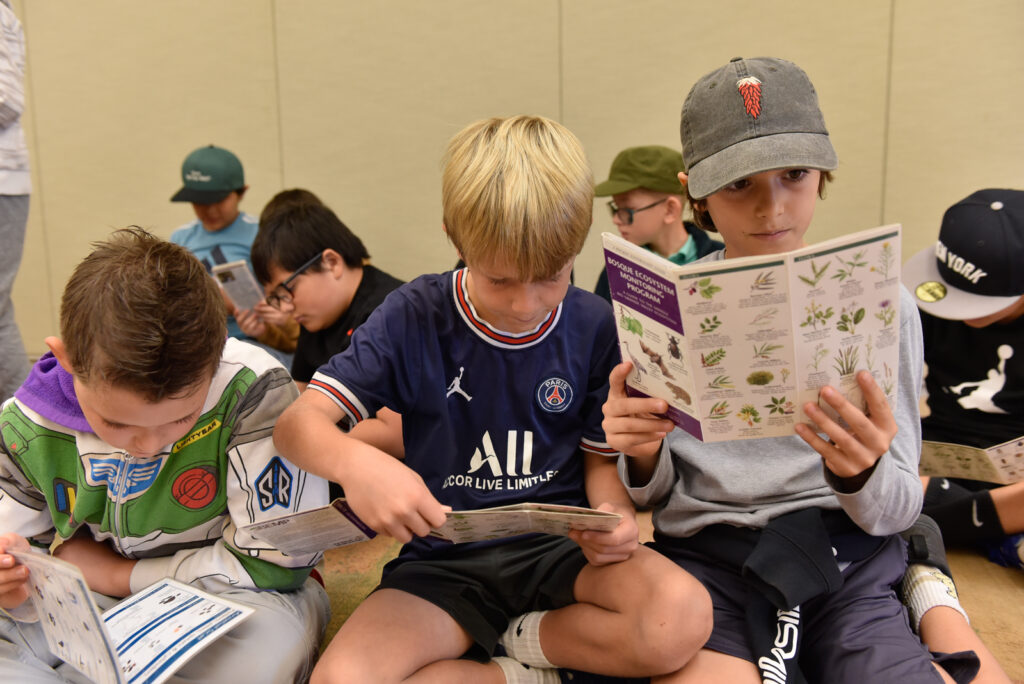
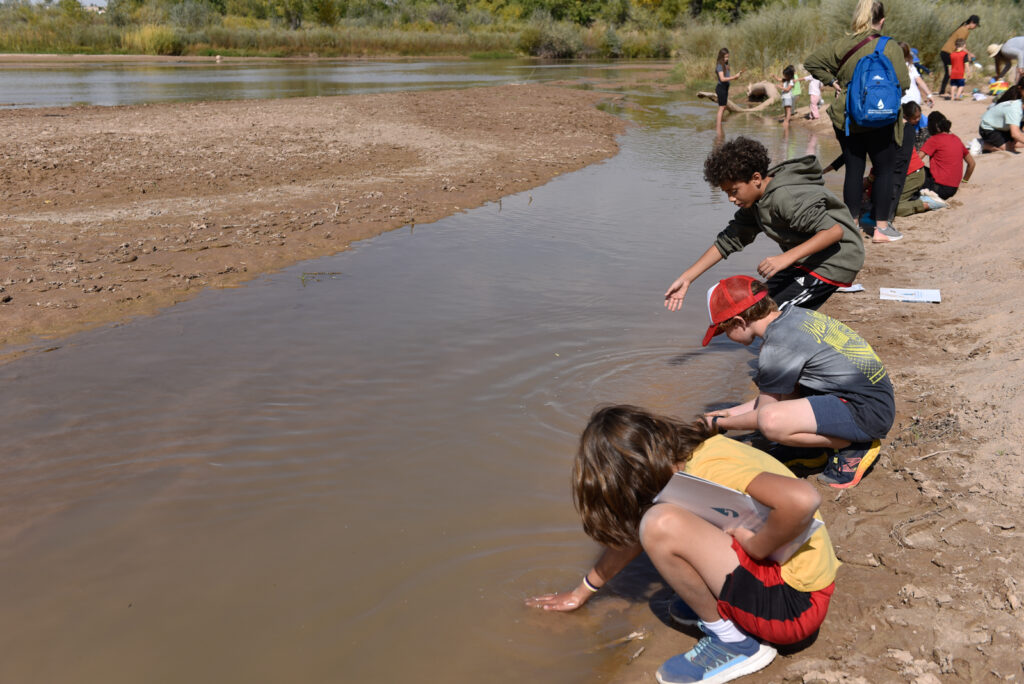
Trip to the River (4th grade): Over 6,000 fourth graders in the community participate in a free field trip to the Bosque, learning about the cottonwood forest’s ecology and human impact on the environment. Before the trip, students learn about the ecosystem in the classroom, then get the opportunity to get their hands dirty at the river. For about half of the students it’s their first trip to the river. The program encourages every child to become a steward of the environment, with many expressing their excitement and newfound appreciation for the river, "Every kid should come out and see this river."
Reclamation Tour (5th grade and up): Students visit the Southwest Reclamation Plant, exploring the journey of water from the plant back to the river and learning about the importance of sustaining water resources.
The Water Authority’s educational programs have earned national acclaim, receiving the Water Environment Federation Public Education and Outreach Award and the National Association of Clean Water Advocates award for Public Information and Education.
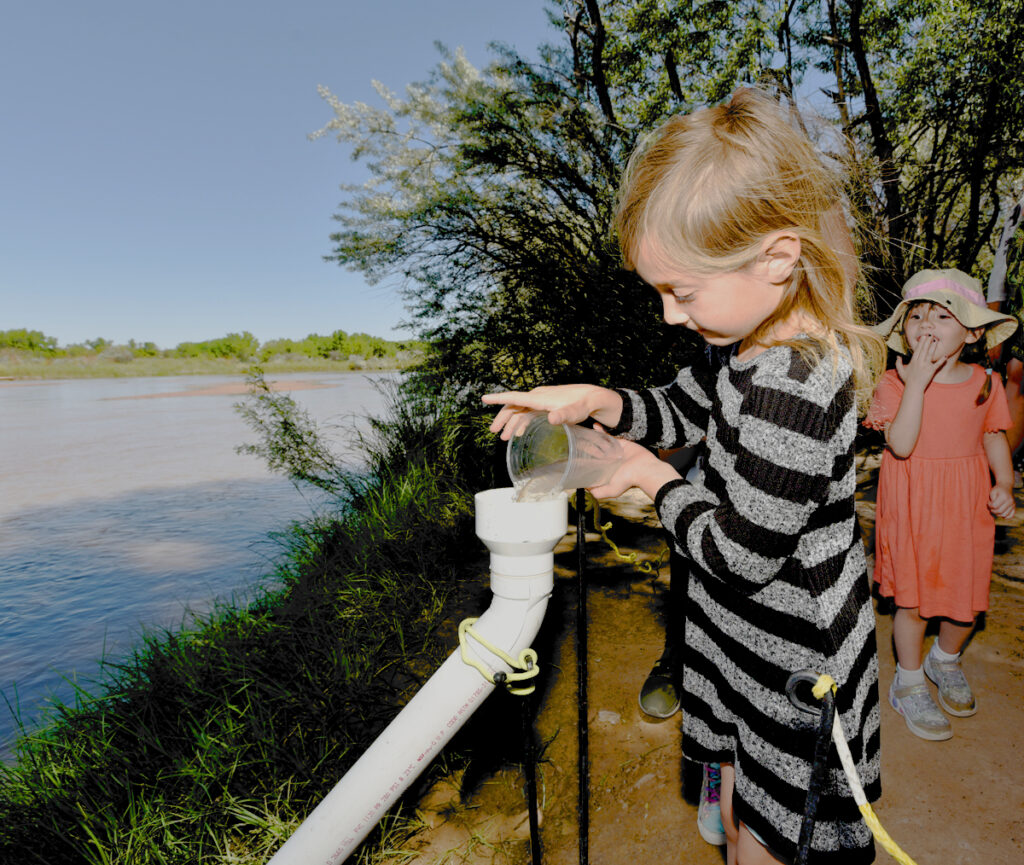
Collaboration is at the heart of these programs. Partnerships with organizations like the Bosque School, Explora, the ABQ BioPark Zoo, the Rio Grande Nature Center, and local museums create a network of educational opportunities. Students participate in activities such as releasing silvery minnows into the river, engaging in citizen science projects and joining community events like the upcoming summer 2026 Rio Rally scavenger hunt, which promotes sustainable practices and water conservation.
Students delivering silvery minnow to the Rio Grande.
Beyond school programs, the Water Authority supports continuing education for environmental engineers and community members, offering tours and exhibits that highlight the importance of water reclamation and conservation.
The Water Authority’s educational programs are more than just field trips — they are transformative experiences that cultivate environmental stewardship, scientific curiosity and community engagement. By connecting students with the river and local water resources, these initiatives ensure that the next generation is equipped to protect and cherish our most vital natural asset.
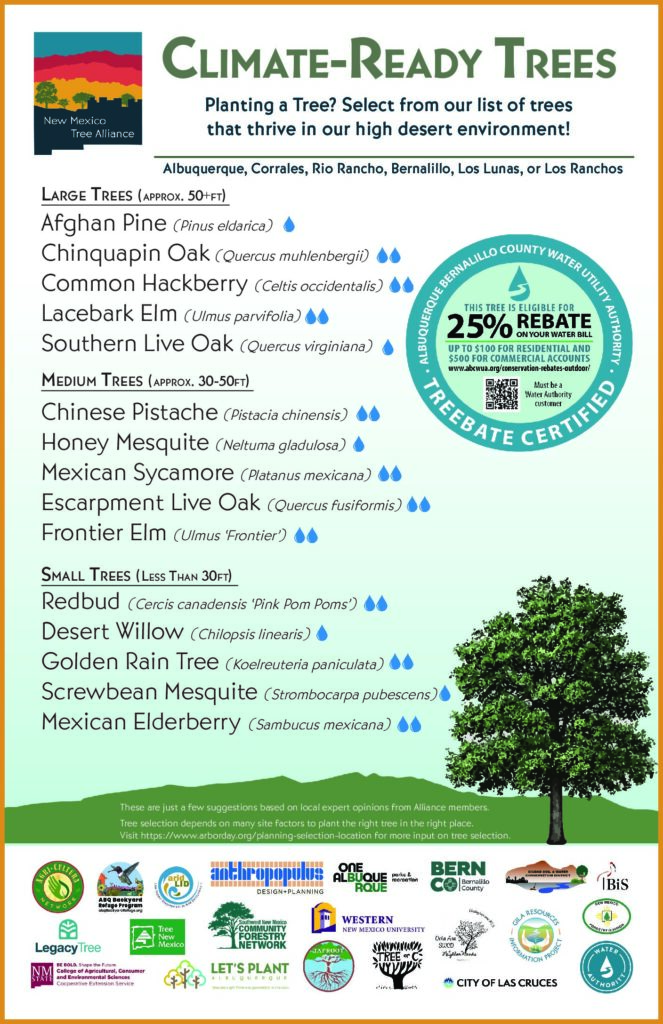
The New Mexico Tree Alliance, a coalition of environmental organizations and local governments, has put together a list ofclimate-ready trees for the greater Albuquerque area. These trees are adapted to face current and future conditions. As temperatures rise, we need drought-tolerant, heat-resilient trees.
December is a great time to plant trees since nursery trees grown in the fields are dug up in December when they’re dormant. You’ll also find a better selection of trees that are not dried out and they will suffer less transplant shock. Trees planted in December will have a better time acclimating than those planted during hot weather. Their roots will continue to become established in the winter as long as the ground isn’t frozen.
The Benefits of Trees
Trees provide significant economic, social, communal, and environmental benefits to cities.
Economically, property values of landscaped homes are 5%-20% higher than homes without landscaping. Air conditioning costs are lower in a tree-shaded home. Trees help cool the environment, working as a simple and effective way to reduce urban heat islands.
Socially, trees provide beauty, reduce workplace stress and fatigue and reduce recovery time after medical procedures, studies have shown.
Communally, trees soften, complement and enhance local architecture. Trees bring natural elements and wildlife habitats into urban surroundings, all of which increase the quality of life of residents in the community.
Environmentally, trees’ benefits are numerous. In Albuquerque alone, their leaves filter 366 tons a year of pollution ($1.1 million/year) from the air we breathe and provide 9,710 tons a year of carbon sequestration ($692,000/year) by absorbing carbon dioxide and various air pollutants such as ozone, carbon monoxide and sulfur dioxide while releasing oxygen. Trees also significantly reduce and clean stormwater runoff by holding rainfall on leaves, branches and bark and by absorbing surface runoff, making the threats of flooding less likely. On a hot, dry summer day, a fully grown tree may release several hundred gallons of water through its leaves. About 90% of the water that enters a plant’s roots is used for this process. When the tree gives off vapor through evapotranspiration it adds humidity to the air, which helps decrease temperatures. Trees also save water when they shade the lawns, shrubs and perennials.
Growing our tree canopy will continue to multiply these benefits, creating a greener, healthier community for everyone- and their benefits far outweigh their meager water requirements.
Treebates
In order to help increase the tree canopy in our urban area, the Water Authority offers Treebates to offset part of the cost of planting a qualifying new low- or medium-water use tree. Treebates can also help cover the costs of tree maintenance. They are available to residential, commercial, institutional and HOA participants. Over 160 qualifying trees are listed in the Water Authority’s Xeriscaping Guide.
Residential Treebate: When you buy a new tree, you can receive 25% off the purchase (up to $100).
Commercial, institutional or HOA Treebate: Participants are eligible for 25% rebate up to $500 per fiscal year (which runs from July 1st-June 31st).
Residential professional tree care: Professional tree care helps keep your trees looking their best year-round and healthy for long-term growth and success. Get a 25% rebate off professional tree care, including pruning, pest management, fertilizing and other services. Up to $100 per fiscal year is available for residential customers. However, tree and stump removals are not included.
Mulch: One of the best things you can do for the trees on your property is to surround them with mulch. Mulch improves soil over time (as long as you don’t have weed fabric), keeps the soil cooler and allows it to retain more water. The treebate can be used for mulch also, saving you 25% up to $100 per fiscal year on its purchase.
Irrigation Improvements:Any irrigation improvements, like adding or moving drip emitters as they mature are also covered by the Treebate.
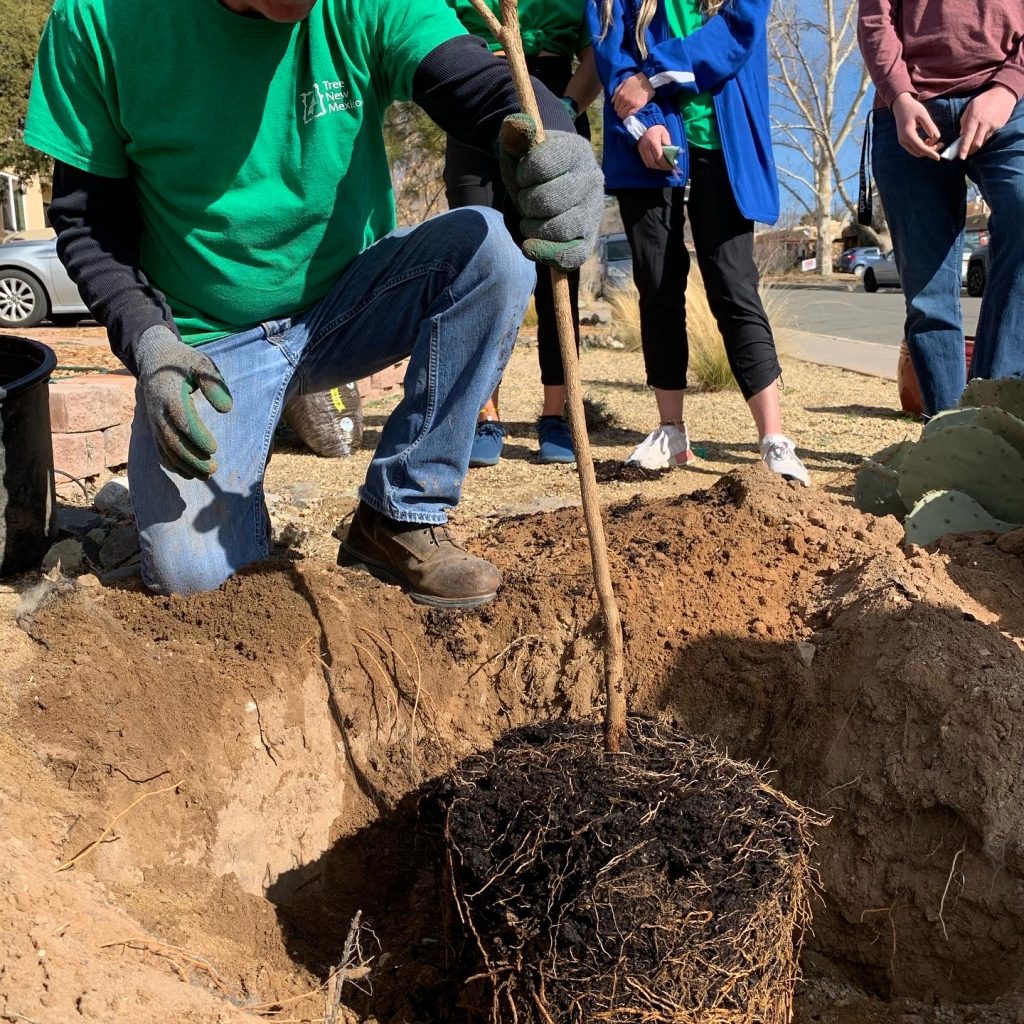
Tree New Mexico volunteers planting trees with the Neighborwoods program.
Tree Resources in and around Albuquerque:
Tree New Mexico:Some13,549 trees have been planted or given away since 2017! For over 30 years, Tree New Mexico (TNM) has been planting trees in the Land of Enchantment and educating the public on the value and necessity of healthy urban forests. TNM continues to be the premier private, nonprofit tree planting organization in the state, that helps to build a high level of understanding and advocacy for the expansion and maintenance of urban forests. Tree New Mexico is dedicated to helping communities’ plant and care for trees in urban areas — large and small — throughout the state.
Let’s Plant Albuquerque:The City Of Albuquerque Urban Forestry department has launched the Let’s Plant ABQ initiative. This initiative aims to plant 100,000 trees by 2030 to provide one tree for every child as a gift from one generation to the next. To track these trees, Urban Forestry uses software called Treeplotter for inventorying, planning and growing our urban canopy. Urban Forestry maintains a robust inventory of all trees in city parks where residents are welcome to explore our urban canopy, including ecosystem benefits of our trees. Urban Forestry’s data aids in informed decision making for urban designs and developments. Understanding what we have can help us preserve and enhance our urban forest. You can also add your recently planted tree to the list or take a pledge to plant a tree.
Think Trees New Mexico: Think Trees is a nonprofit organization dedicated to promoting the education, training and appreciation of trees, arboriculture and horticulture throughout the state. Think Trees New Mexico trains professionals in New Mexico and surrounding regions by hosting an annual conference in Albuquerque. The group has hosted this conference for 40 years with an all-volunteer board of committed tree industry members and supporters. The upcoming conference takes place February 10th and 11th, 2026 find out more here.
New Mexico Tree Stewards
Want to dive even deeper into trees? Become a New Mexico Tree Steward. Facilitated by Tree New Mexico, the Tree Steward Programis an expansive educational opportunity designed for people who love trees, love their community and want to support the healthy growth of both.
Over 14 weeks, you will explore the many facets of urban forestry in a collaborative volunteer training program taught by experts in the field and build relationships with others who appreciate the benefits of a healthy urban forest. Tree Stewards learn to identify our common planted trees and how to care for them.
Tree Stewards are expected to apply what they've learned to care for the trees in their neighborhood and educate others to do the same. Tree New Mexico offers many volunteer opportunities for stewards to apply what they have learned. By volunteering, you'll contribute to growing New Mexico's tree cover, while benefiting from continuing education — what we know about trees is constantly growing and changing!
Tree Stewards learning from local arborist.
Let’s continue to love, depend on and protect the trees that make Albuquerque a truly special place to live.
As gardeners or homeowners, we plant what we plant for a wide variety of reasons: Our neighbors have it. The homeowner’s association list includes it. We see it around town or in the nurseries or garden centers that we visit. Though often big box stores order the same plants for New Mexico as they do for Arizona and California. Unless we are a landscape or horticulture professional, we often make choices based on what we see around us.
We live in a desert environment where water is precious and getting more so as the population grows and resources shrink. Climate and soil conditions that are poor and alkaline also affect what plants thrive in our area. Forty to fifty years ago the plants listed below were commonly used because they were the only plants available at the nurseries. Today through the diligent work of the local horticulture industry and local demand we now have many more plant alternatives that are better suited, less finicky and require less water.
Here are a few plants we may want to reconsider before adding them to our landscapes.
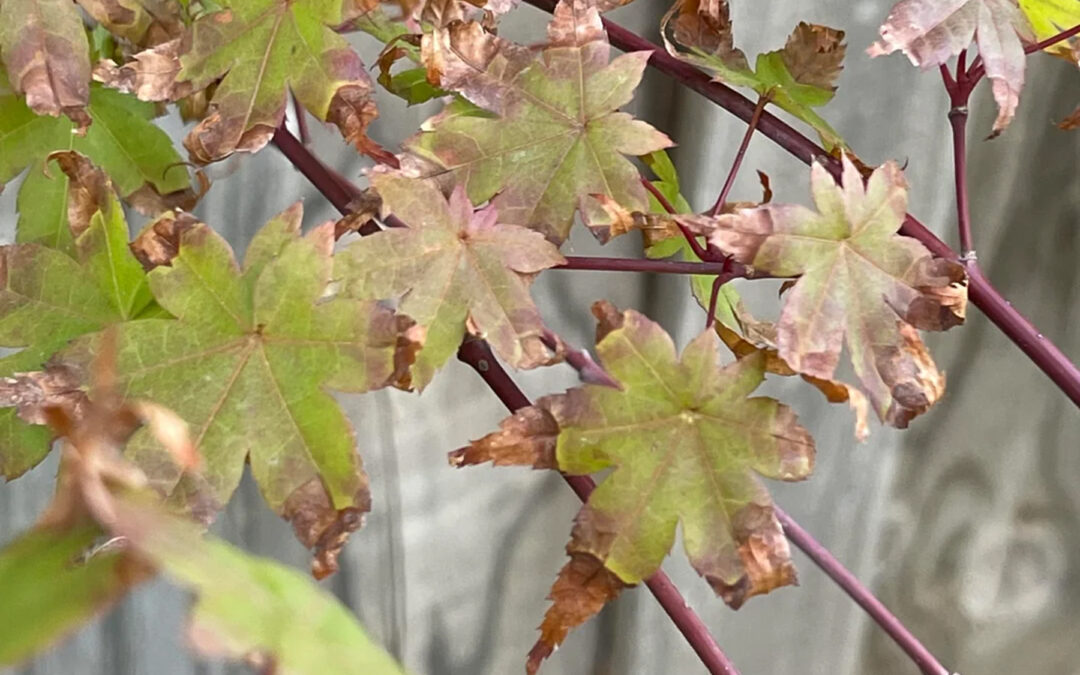
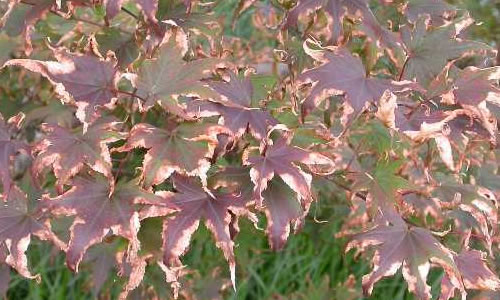
Japanese maple: Who doesn’t love the graceful form and fine texture of this beautiful small tree? However, this plant needs shade and quite a bit of water, which many of our gardens have in short supply. They prefer acidic soil, while ours is alkaline. Without adding lots of organic material and copious amounts of irrigation, they struggle in most gardens, with leaf margins burned and dry by summer’s end. Alternatives: Purple Smoke Tree, Mexican Elderberry
Leaf scorch from sun exposure on Japanese maple.
Aspen: These belong in the high mountains, where temperatures are cooler, moisture is more plentiful and eons of leaf litter have enriched the soil. It is not fond of heat and likes lots of water. This tree looks best in its naturally occurring zone. Some aspen 30-plus years old can be found around town, but they are few and far between. Alternatives: New Mexico Olive (white bark) or the Jujube (multi trunked tall and skinny)
Boxwood: While an old favorite for clipped hedges (which we don’t recommend doing for any shrub) and its evergreen presence, boxwood is out of place in our high desert climate. Like many frequently used plants, this one was brought here by transplanted humans who longed for what they knew from a home somewhere else, with soil and water conditions much more favorable to this species, like England. Alternatives:Leucophyllum,lavender, Turpentine bush, rosemary
Barberry: Like boxwood, this is another old favorite from the East Coast. With many varieties, it has been long used, but ultimately not always long lived due to its soil and water preferences that don’t match ours. Alternatives: Fernbush, Ephedra, winter Jasmine, cotoneasters, leucophyllum.
Euonymus: Used for its mostly evergreen nature and variety of color and form, this plant can struggle here. Prone to scale insect infestations and drought dieback, this plant can be more demanding of care and chemicals than many people wish to offer. Alternatives:Greenleaf santolina, Turpentine bush, Pancho manzanita.
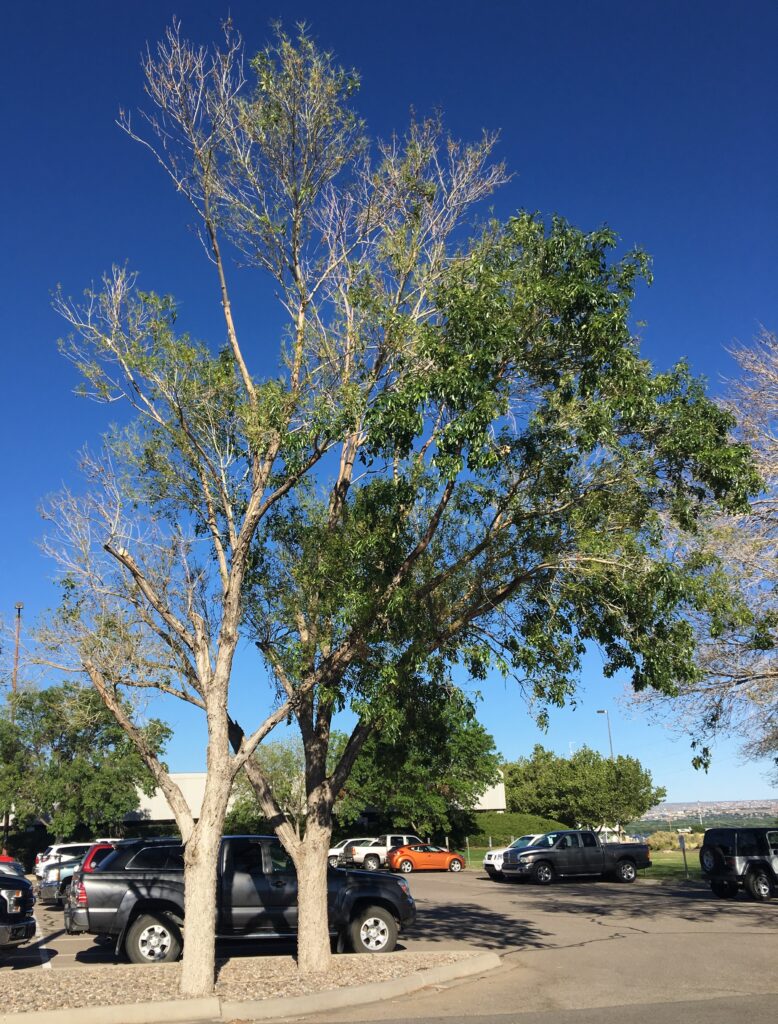
Green ash (or ash in general): Ash trees became one of the most widely planted species in the 1970s and 1980s. We have since learned that not all are hardy to the infrequent but deadly low temperatures that some winters bring. Worse, though, is the increasing threat from the invasive emerald ash borer, a beetle that is devastating this tree species across the country. Preferring plentiful water and improved soil, this tree is not happy here for long. Alternatives:Common Hackberry,Frontier elm, Lacebark Elm
Stress, disease and insufficient water damage on green ash.
Magnolia: This tree is happiest in warmer, milder climates where rich soil, nutrition and rainfall are in good supply, none of which is the norm here. It prefers acidic soils so existing ones may need acid treatment to keep healthy. Alternatives: Arizona Rosewood
Heavenly bamboo: Often not given the water it needs to be happy, this plant can look sparse and burned at the edges. If not pruned regularly, it can become straggly and top heavy. In some parts of the country, the berries appear to be toxic to birds that feed on them. Alternatives: Big Bluestem,Maximillian sunflower, Indian ricegrass
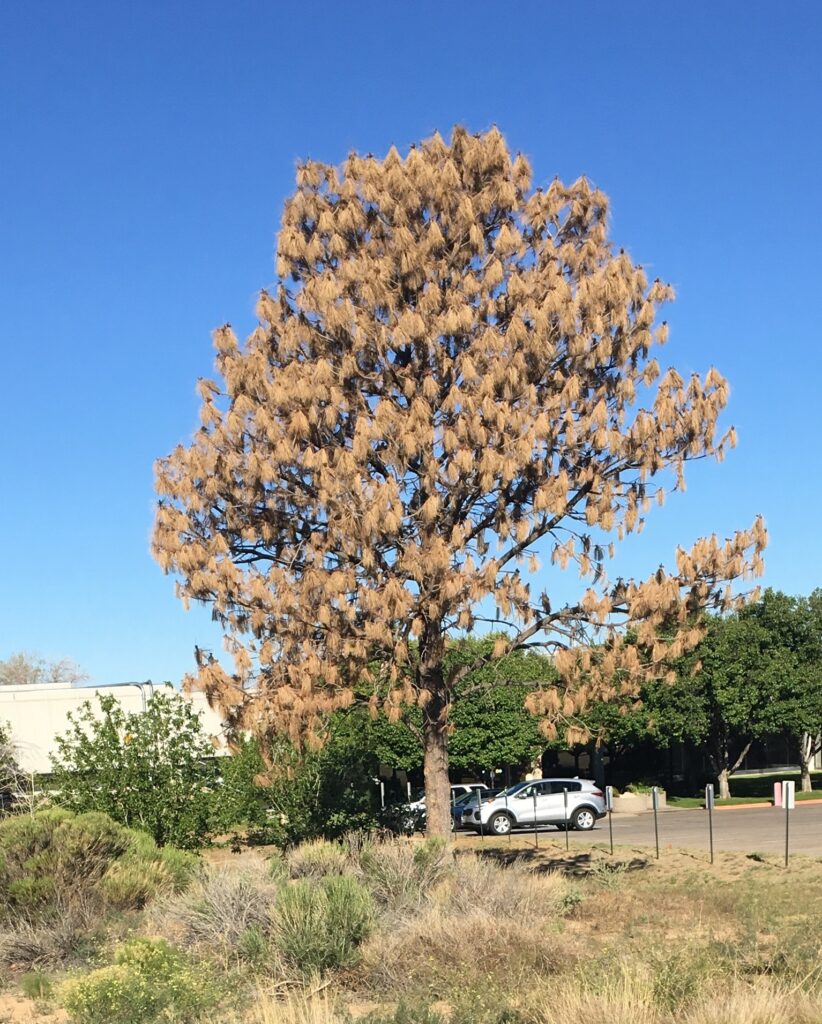
Ponderosa pine: This native mountain tree can struggle at our elevation without lots of water, and the heat of the city can result in browning and drying of the needles. Requiring thick organic mulch under the canopy, this tree needs care and attention to succeed out of its habitat. There are great existing specimens around town. To keep existing ponderosas healthy direct rainwater towards root zone, add organic mulch, add adequate fall and winter watering in our now warm and dry winters and do not prune when the tree is stressed. Alternatives:Stone pine,Afghan pine
Heat stress and insufficient watering damage on ponderosa pine.
While many of the plants mentioned in this article can be found in local landscapes and gardens, it is usually because they were planted long ago when it was cooler and grass lawns were plentiful. Many are now receiving special care, lots of water beyond what any xeriscape would require.
There are plenty of native or desert adapted plants with similar shape, form, autumn color and pleasing texture that thrive in our specific climate that can be used in place of the plants reviewed here.
There are many sources of information, and the internet can be a dangerous place. When you look up a plant, chances are the article is based on research from the Midwest, East Coast or Pacific Northwest so it does not represent our local conditions.
Instead, look for books by local authors. Compare notes with neighbors. Check out our Xeriscape Guide for information and plant lists that are updated as we learn more about our wonderful desert home. A high desert landscape can be colorful, lovely and a home for birds, bees, butterflies and us humans who live in and care for them.
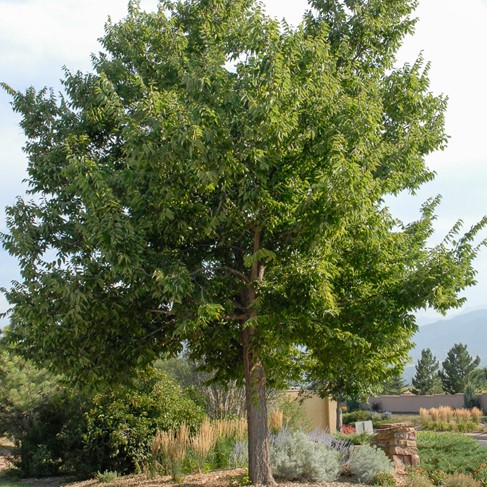
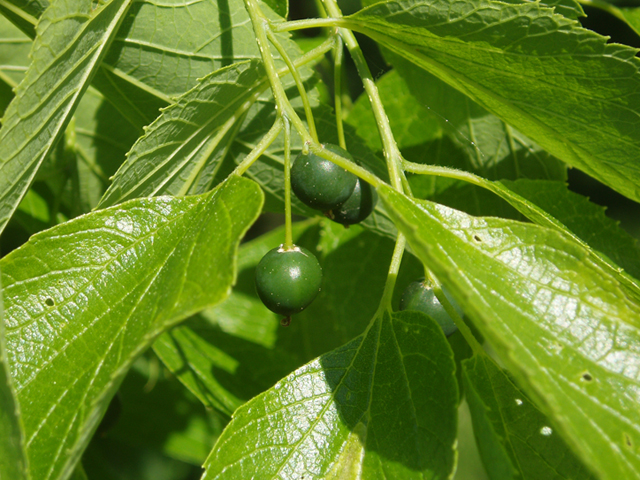
Hackberry is a medium-sized tree, known also as common hackberry or western hackberry. It has a broad upright top with ascending then arching branches. The bark is interesting with rough warty growths and a corky texture. Leaves are light green throughout the year with a little yellow fall color. The cherrylike fruits often hang on the trees throughout the winter, providing many birds with food. It can tolerate a wide range of soils, moisture conditions and harsh climates, as well as urban abuse. The roots rarely lift sidewalks, and the canopy is relatively upright, making it a good tree in tight spaces. Maintenance is minimal — prune every few years as needed during the dormant season.
Fruit that the birds enjoy on the common hackberry.