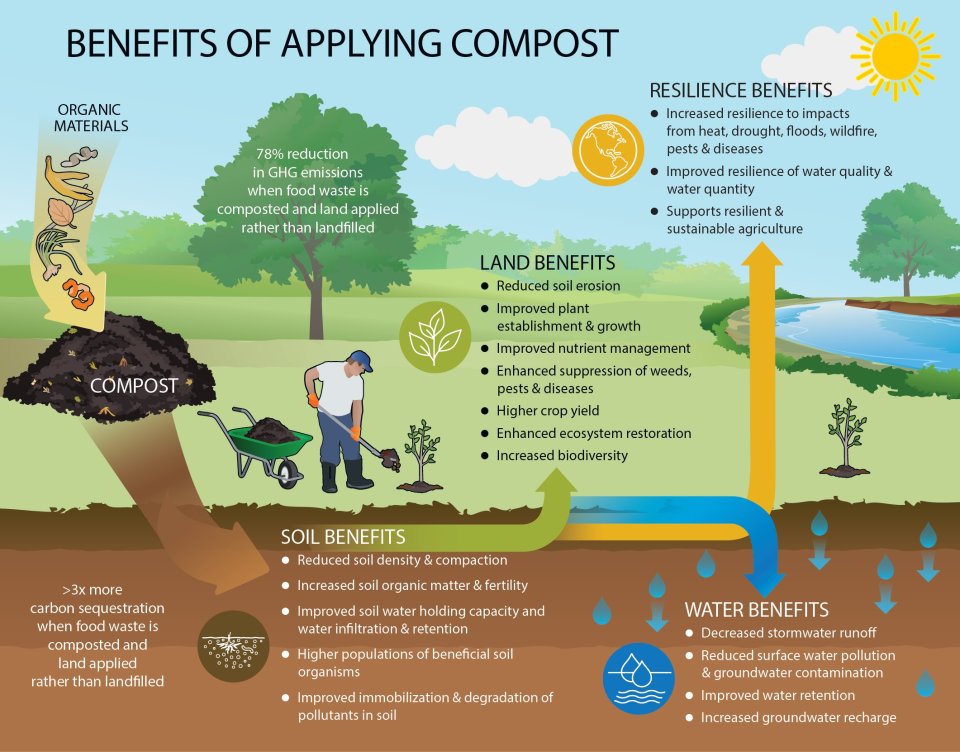
Compost is defined in the dictionary as “a mixture that consists largely of decayed organic matter and is used for fertilizing and conditioning land.” Some people call it black gold because adding to your garden can produce dark, crumbly soil that is like gold for your plants.
Courtesy of EPA.gov
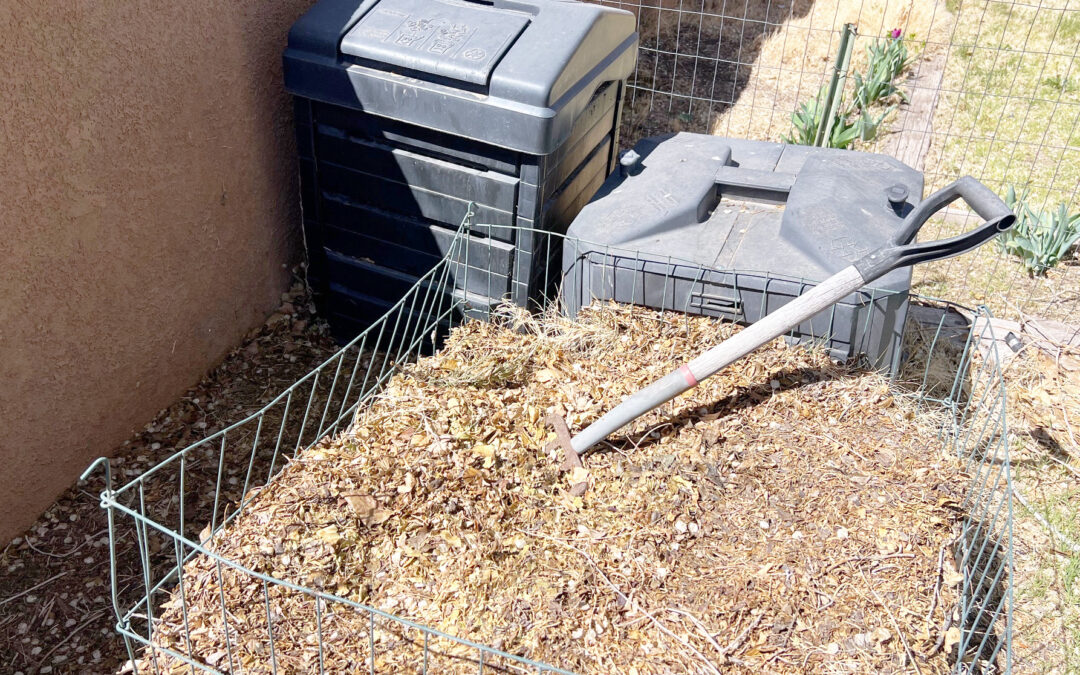
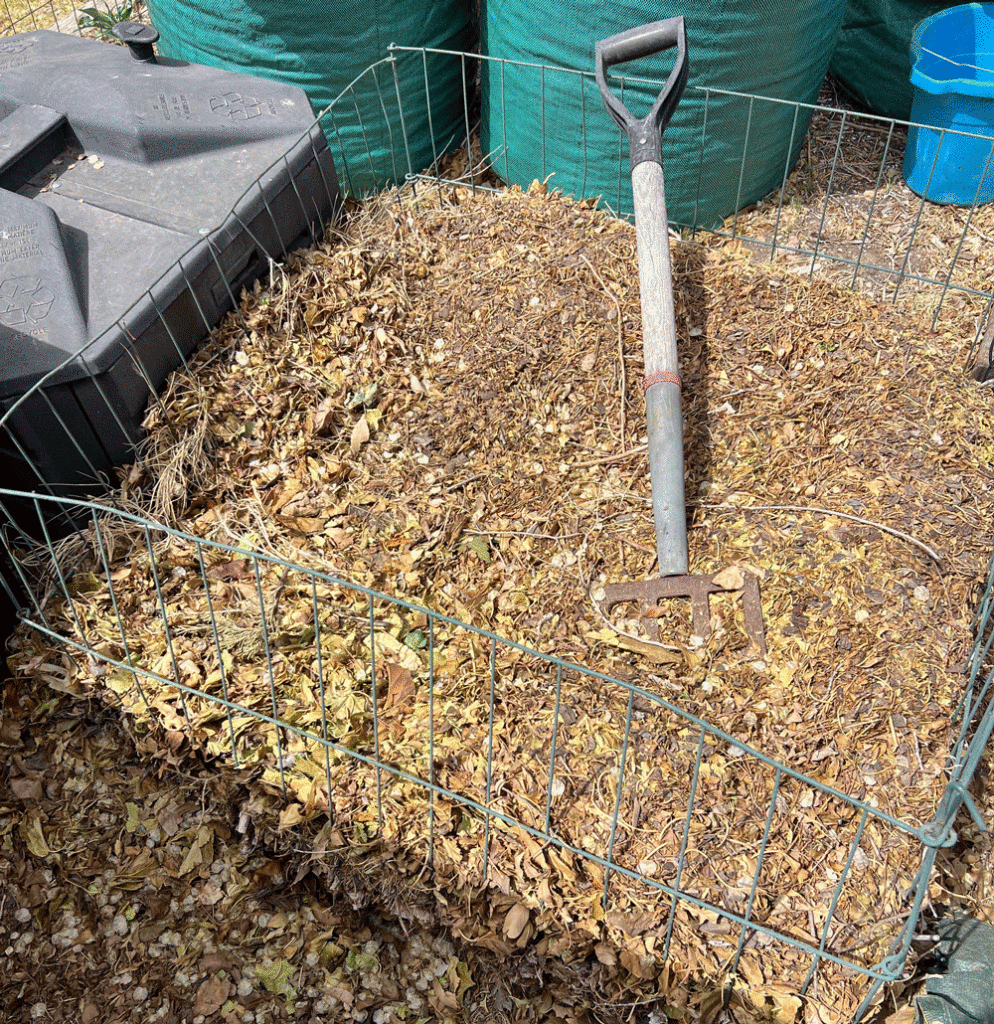
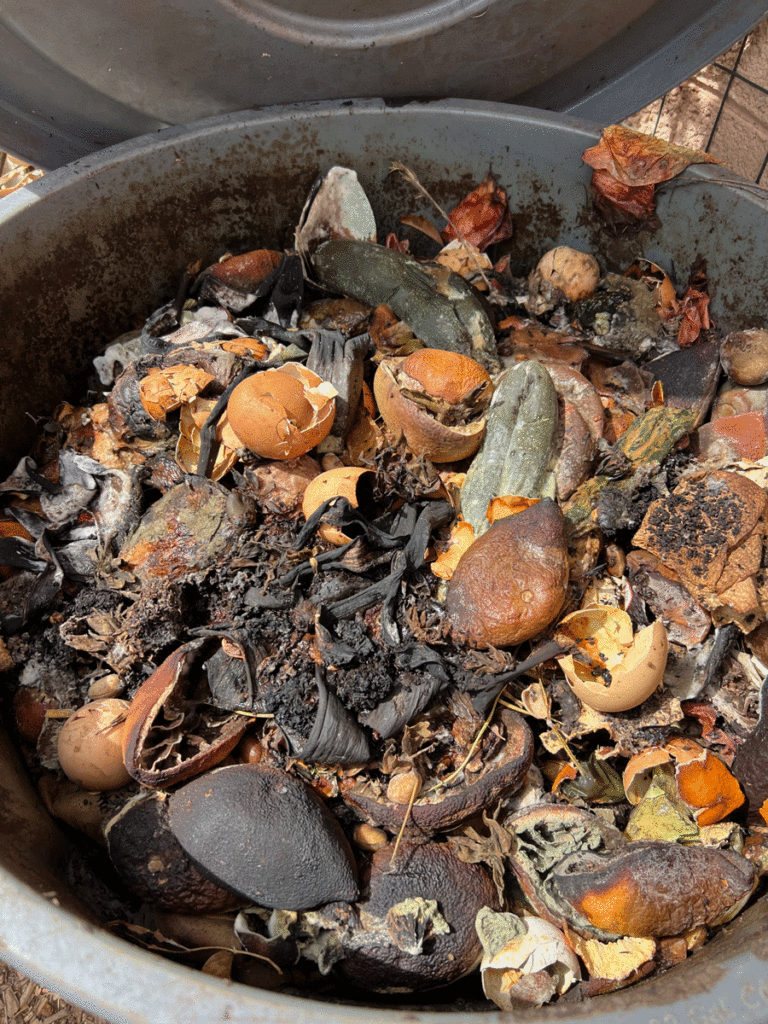
Composting requires three ingredients. The first is brown material from your yard like leaves, twigs and pinecones as well as newspapers, paper egg cartons, straw and so on. Green material, or food waste, is the second. For example, vegetable and fruit scraps, coffee grounds, crushed eggshells, or tea bags. The third is moisture — water goes a long way.
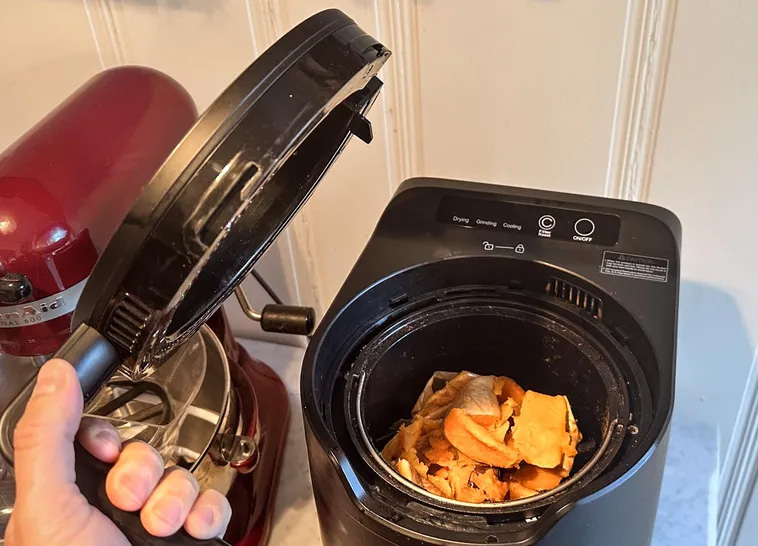
A new type of composter has hit the market: electric composters. These are simple indoor recycling machines that are plugged into the wall. The heat, grind and aerate food scraps to speed up the process, creating compost in a very short period. There are many types, some that sit on the counter and some that look like trash bins in your kitchen. One downside is that these machines can be pricey, ranging from $300 to $700.
Photo by Tomsguide.com
Composting Service
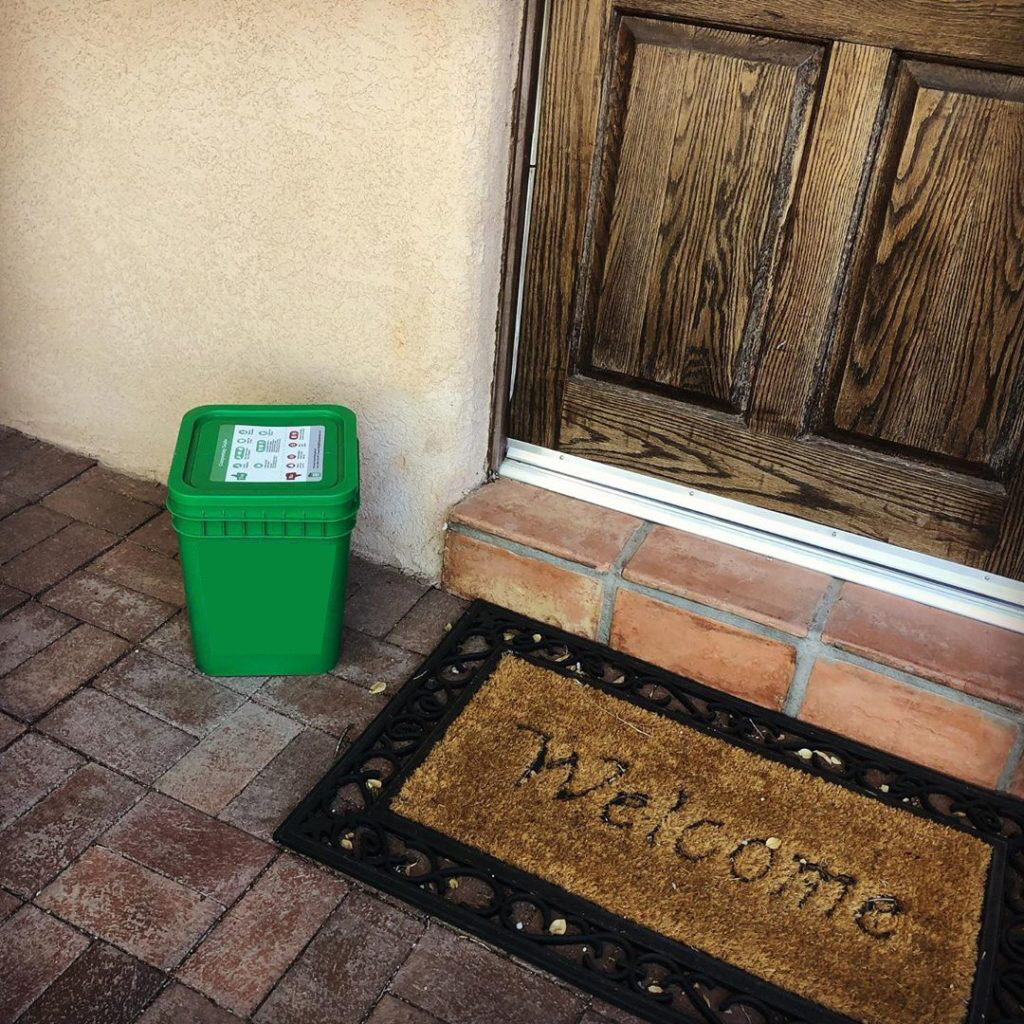
The last and perhaps the easiest method may be to drop all your food items into a bucket that you leave on your front porch. A service provider picks up the bucket and composts the material. You pay a monthly fee and after a bit you get compost delivered to your door. Prices are $22 a month for biweekly pickups.
The City of Albuquerque’s Sustainability Office is taking on Food Waste.Are you interested in diverting food scraps from the trash and turning it into compost to feed local soils? Please consider joining one of our community compost co-op sites.
Below are workshop options in April and early May.
Option 1: Take the compost science and hands-on learning classes.
Hands-on learning: Friday, April 25, 2-4pm at Barelas Senior Center’s community compost site. Note: We will plan more hands-on opportunities this summer.
Option 2: Learning Series at Barelas Senior Center.
Tuesday, April 22, 10:30-11:30am, Introduction to compost science and hands-on learning. Participants can choose a free plant!
AND
Tuesday, April 29, 10:30am-noon, Compost science, indoors. Register here.
AND
Tuesday, May 6, 10:30-11:30am, Hands-on learning.
Please help us spread the word about this opportunity to get involved in building healthy soils and community resilience. If you have questions, please email swest@cabq.gov.
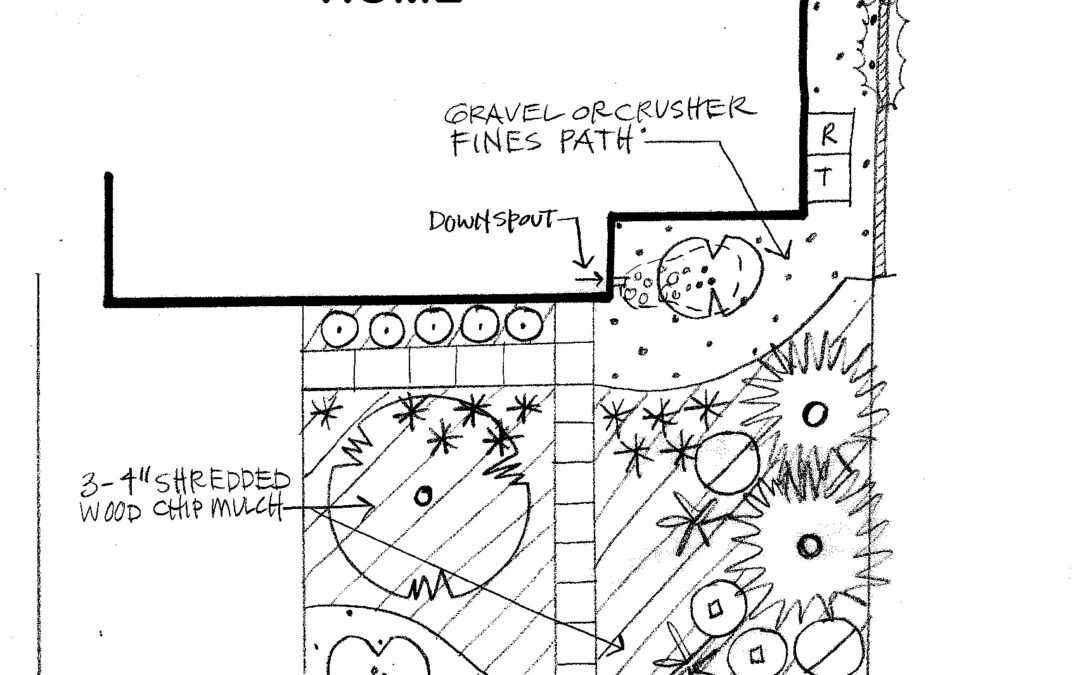
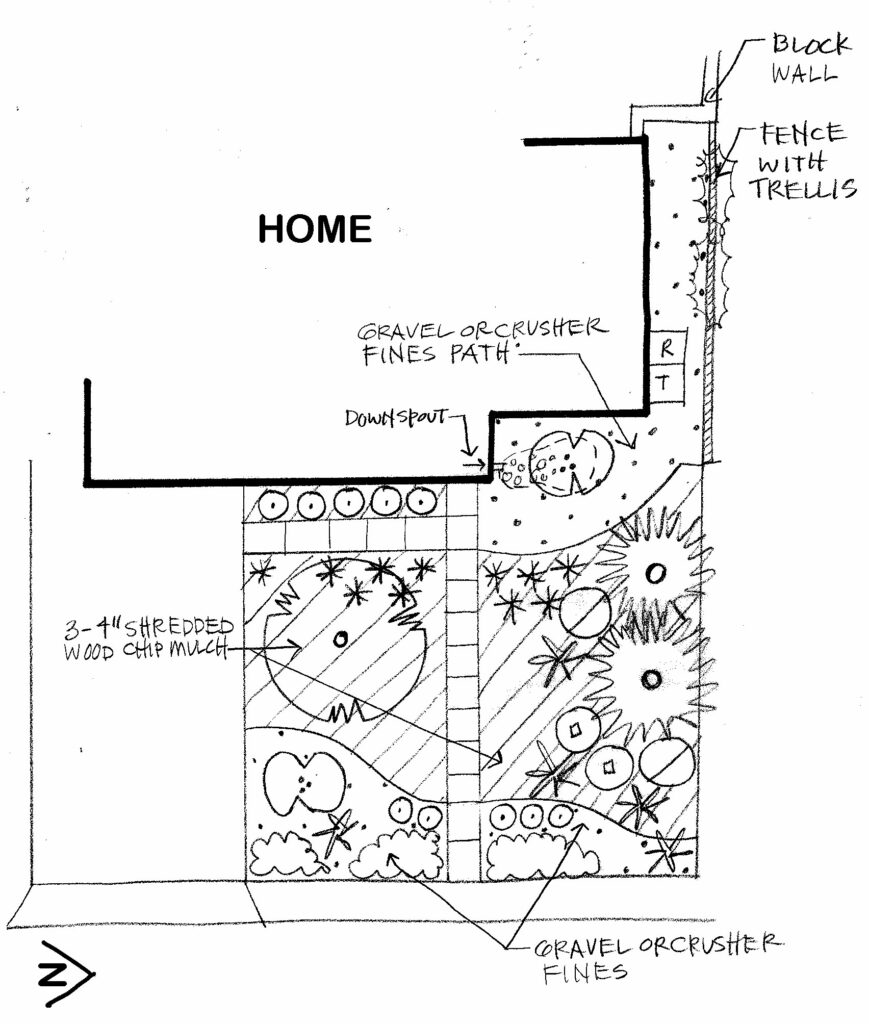
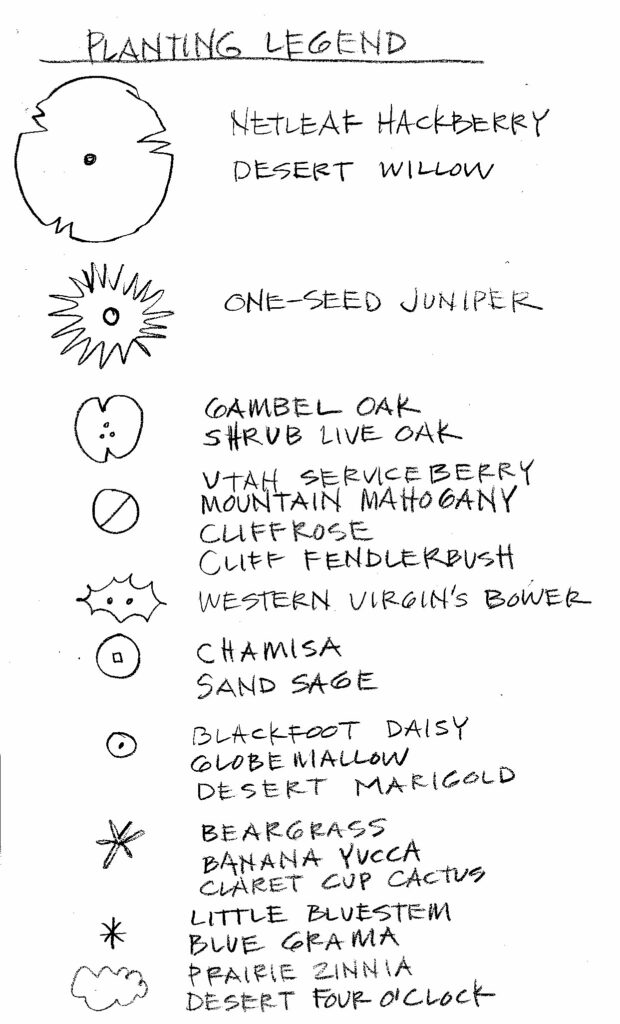
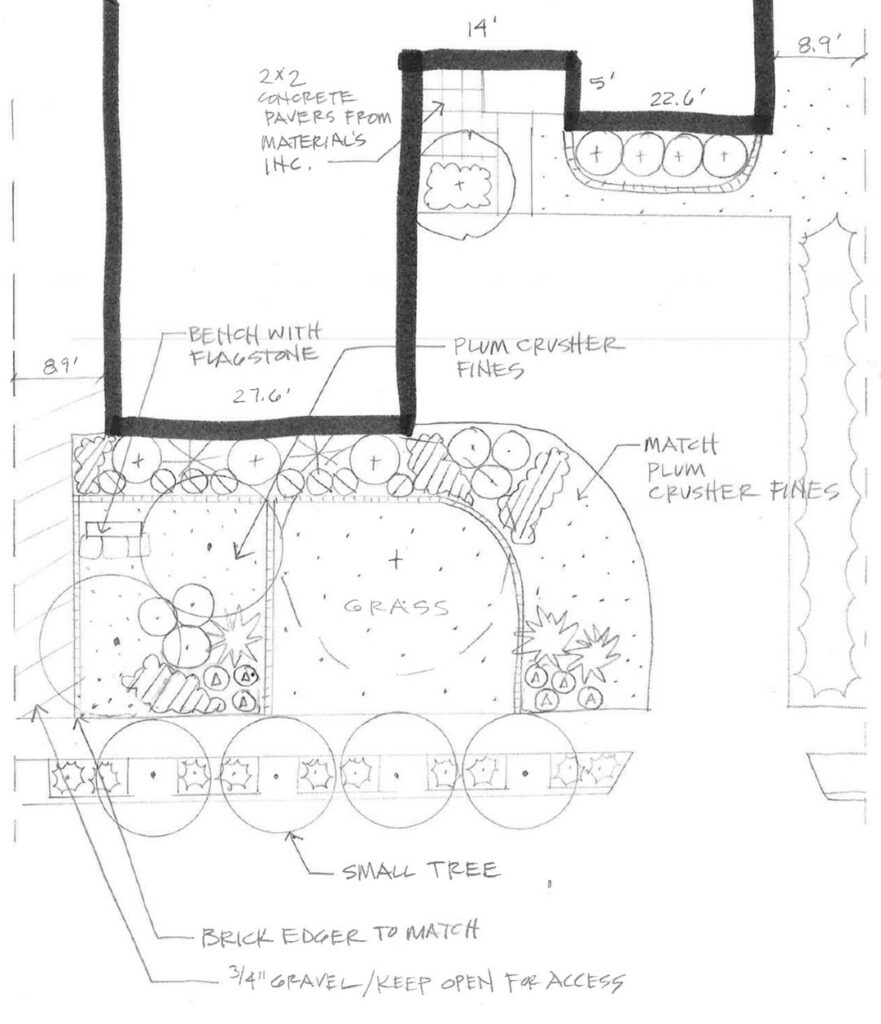
All good things start with a solid plan. Developing a landscape plan saves you not only time and money, but it is more likely to result in a beautiful yard. A few generous local landscape architects donated their time and put together some landscape design templates of a typical front yard for our 505Outside subscribers.
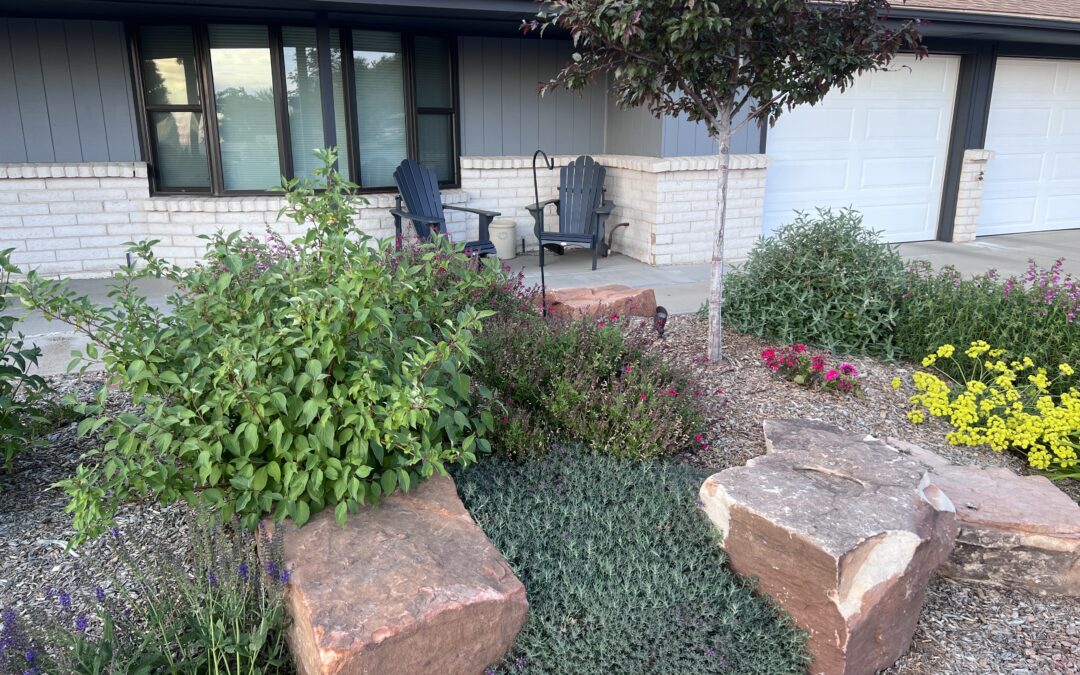
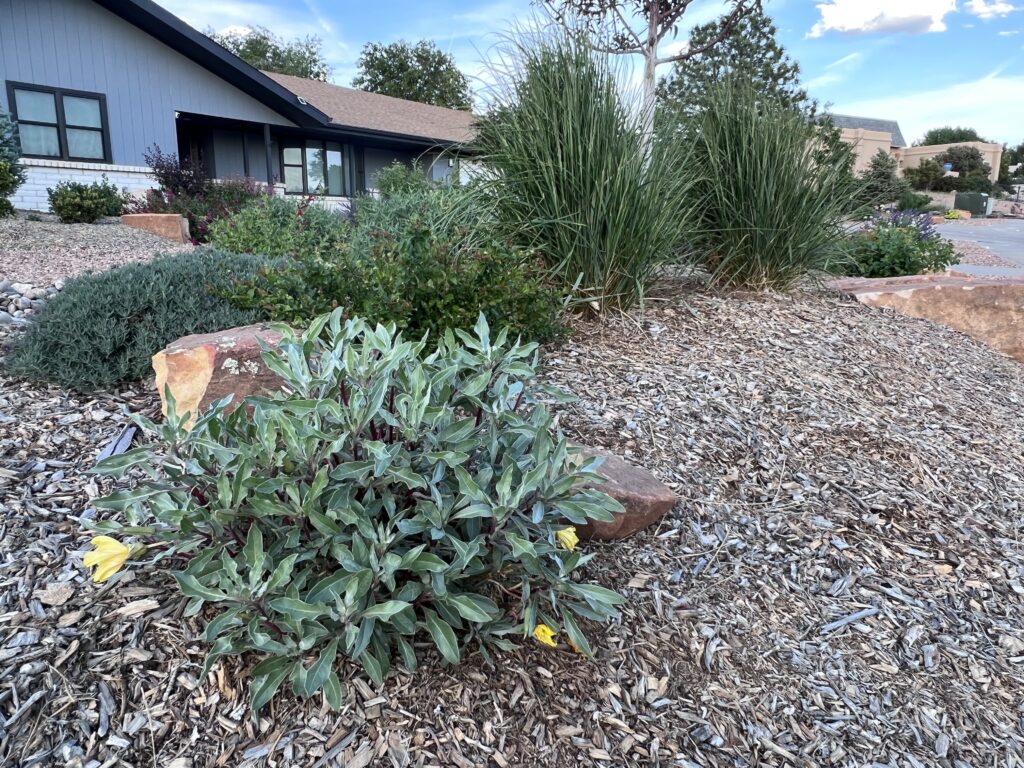
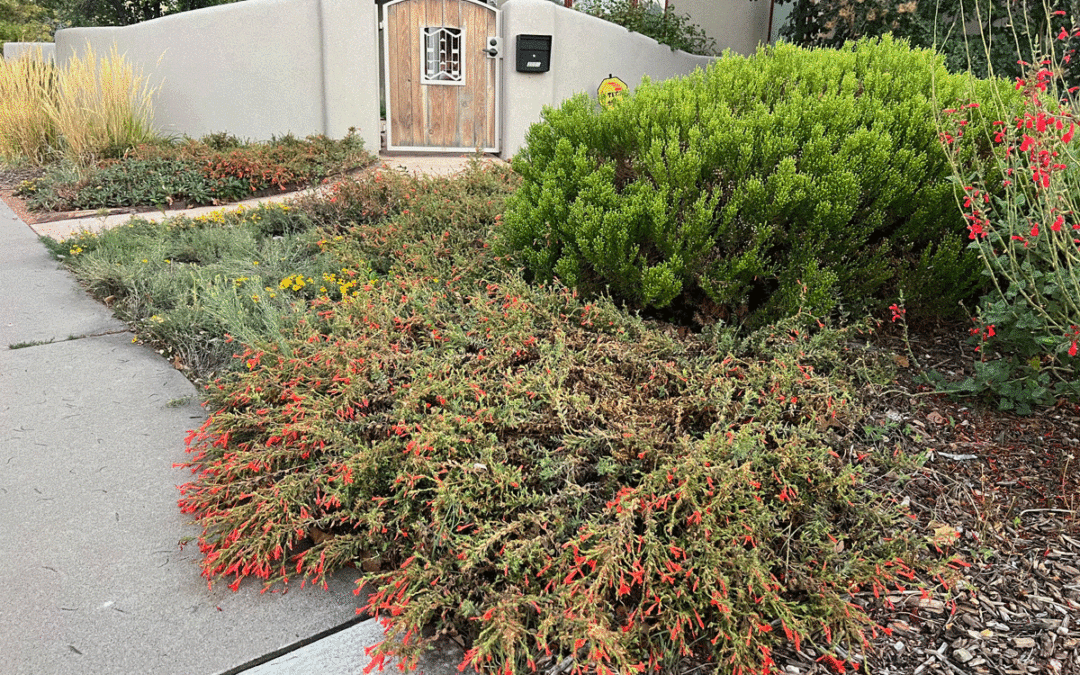
Above is a look at an example landscape template for a south facing front yard. This design brings all those local native plants you see in the foothills into your landscape. It’s full of a mix of oaks, sages and grasses. Take a look and get inspired to recreate this in your own yard.
The Water Authority’s desert friendly xeriscape conversion incentive rebate has been around since the early ’90s and is still going strong. Millions of square feet of thirsty lawns have been converted to healthy xeriscapes that save billions of gallons of water. Although the rebate application process has a few more steps than our other rebates, our experts are here to help you along way. Remember to contact our xeriscape inspector, Carl Christensen, cwchristensen@abcwua.org, before you stop caring for your lawn or start tearing it up.
Water Authority residential customers who convert their landscapes to desert friendly xeriscape and use drip irrigation can qualify for a $3 per square foot rebate.
The rebate area of your new landscape must have 50 percent coverage (at maturity) of qualifying low- to medium-water-use plants, and the soil between and beneath all plants must be covered with at least three inches of mulch (organic mulch, gravel, etc.).
If you are interested in participating, please don’t start removal your grass until you have applied online to the program and received an official notice to proceed.
Several conditions must be met to qualify for the rebate. Projects that have been started or completed are not eligible for the incentive, and other terms and conditions apply. After submitting your application online, your project will be screened to ensure it meets minimum requirements and an inspection will be scheduled. The visit may take up to three weeks or more to schedule during the busiest part of the season. Water Authority conservation rebate requirements are subject to change without notice. Rebates are limited to available funds.
Does Your Landscape Meet the Requirements?
Do you have an operating spray irrigation system on your site?
Do you have grass turf on your site?
If you answered yes to the above questions, then go to Step 1 below.
Have more questions? Call 842-9287 and choose option 4 to learn more or check out our xeriscape conversion web page for rebate requirements and more.
Step 1: Develop A Landscape Plan
Draw a simple landscape plan or submit a plan designed by a professional. Use the approved desert friendly plants from our Xeriscaping Guide plant list. List each plant (using the scientific name) and rebate allowance points on the application.
Step 2: Start Your Online Application
Click here to set up your online application. You will need to log in or create a Water Conservation Portal account.
Step 3: Schedule Your Initial Inspection
Be sure you have set up and filled out your online application. Then call (505) 289-3026 to schedule the initial inspection at your property. Initial inspections occur between 9:00am-2:30pm Monday through Friday. Please allow three weeks for availability.
Step 4: Proceed With Your Project
Once your online application has been approved, you may begin your project. Funding will be reserved for the anticipated amount of your rebate, and you will have six months to complete your project. If you need more than six months, you may apply for a project extension provided funds are still available.
Step 5: Schedule Your Final Inspection After Completing the Project
Have hard copies of material receipts or a contractor’s final paid invoice available for the final inspection. Following final inspection and application approval, the Water Authority will apply the rebate credit to your water bill. Your rebate should appear on your water bill one to two billing cycles after your form is processed.
Inspiration for your yard can come from a multitude of places — neighbors’ yards, books, magazines or visits to plant nurseries and botanic gardens — but it can also come from experiencing nature. The greater Albuquerque area is surrounded by beautiful open space areas that provide recreation, conservation, education, heritage and design inspiration. The plants you see in these natural areas are likely to do well in yards in that same part of town. Plants that are growing near each other will make good combinations in yards as well.
Today, we are highlighting some beautiful natural areas to visit on the West Side of Albuquerque.
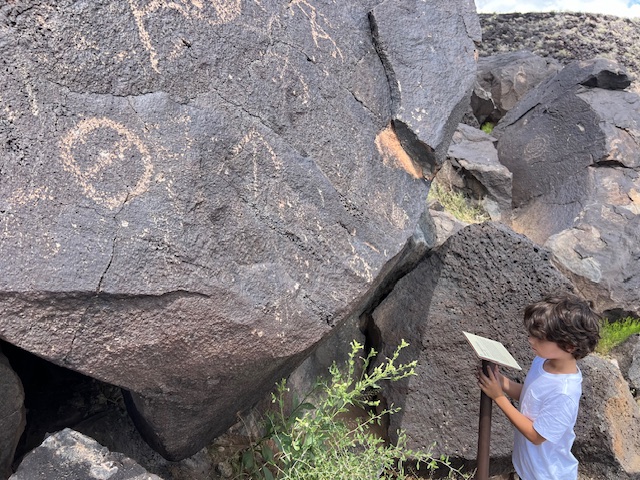
One of the largest petroglyph sites in North America is located right here. Petroglyph National Monument is a short drive from the center of town. It features designs and symbols carved onto volcanic rocks by Native Americans and Spanish settlers 400-700 years ago. According to the National Park Service, “These images are a valuable record of cultural expression and hold profound spiritual significance for contemporary Native Americans and for the descendants of the early Spanish settlers.”
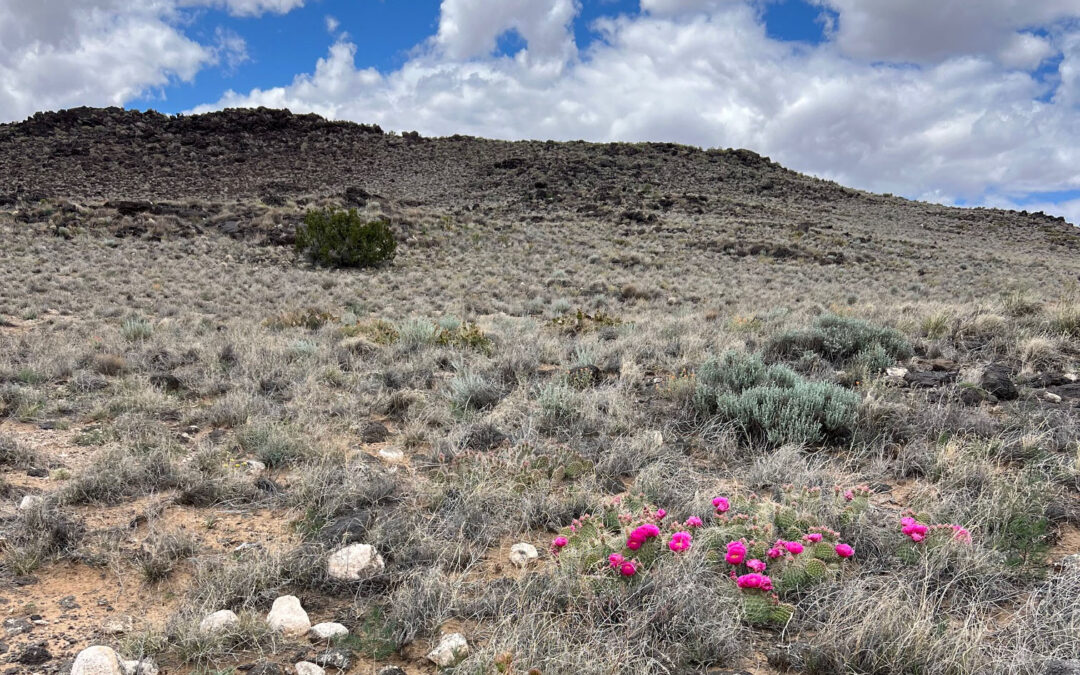
The West Mesa escarpment, where the petroglyphs are located, is a 17-mile-long cliff of dark basalt boulders. It was created over 200,000 years ago by six volcanic eruptions. There is a thriving habitat of plants, birds, reptiles and insects here. Common plants include sand sage, four-wing saltbush, rabbitbrush, indigo bush, snakeweed, Indian ricegrass and a multitude of wildflowers. Above, you’ll find many bird species such as flycatchers, roadrunners, hawks, owls and turkey vultures.
There are five areas to visit, with four of them offering trails.
Visitor Center: The visitor center and park store are open daily. Staff are available to answer questions and provide information and brochures. On the patio, there is a self-serve information table stocked with brochures and trail guides. The short walk to the center offers a look at various labeled native plants that you may see on your adventures. No trails are available at the Visitor Center; these are all located 1-6 miles away.
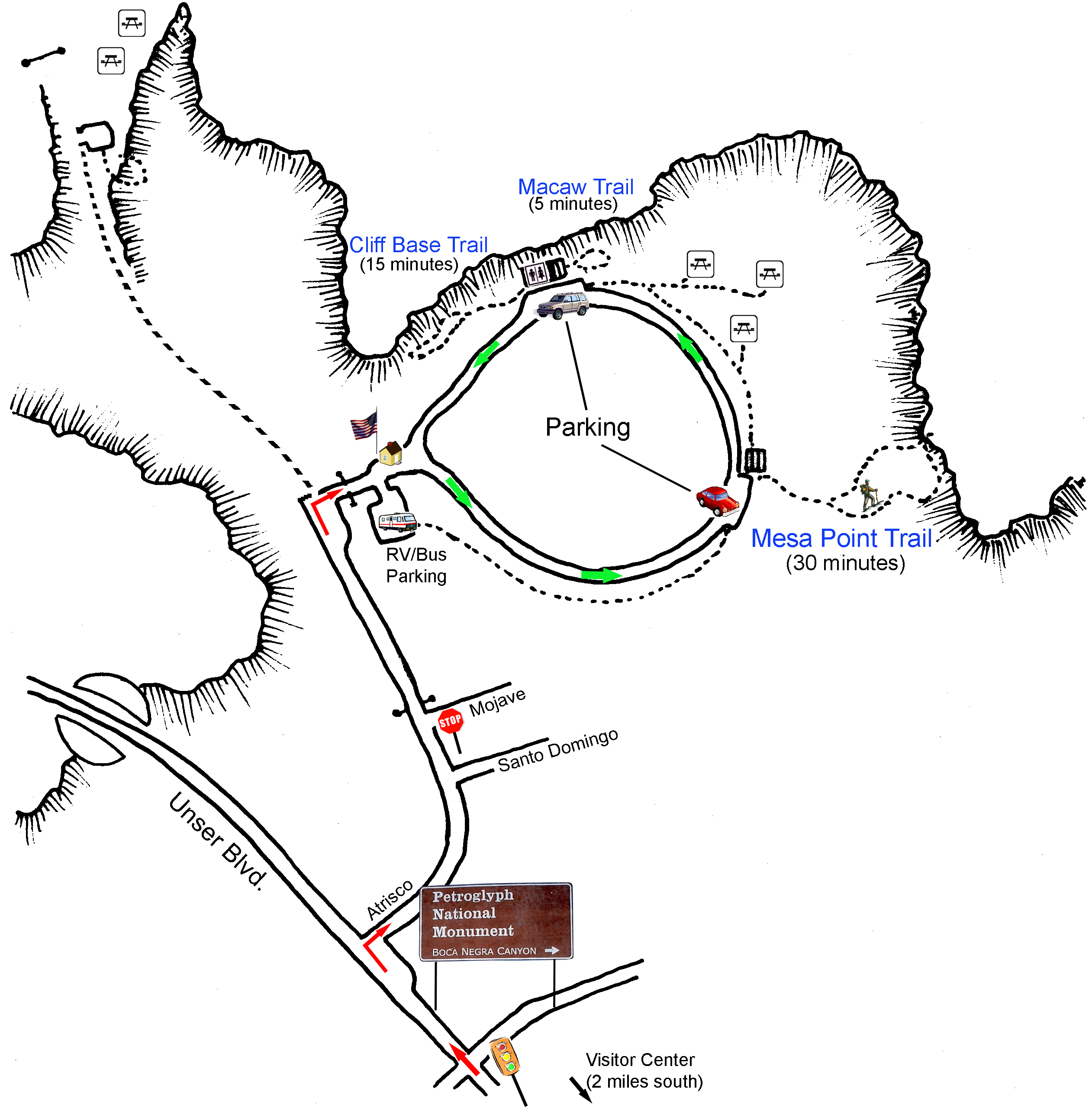
Boca Negra Canyon: Access three short self-guided trails from this area: Mesa Point, Macaw and Cliff Base. These trails only take about an hour to walk but they pack a punch with over 100 petroglyphs to view. Bring a picnic lunch and enjoy the multiple shaded picnic tables, each offering a beautiful vista. This area is run by the City of Albuquerque Open Space Division. For a trail map, click here.
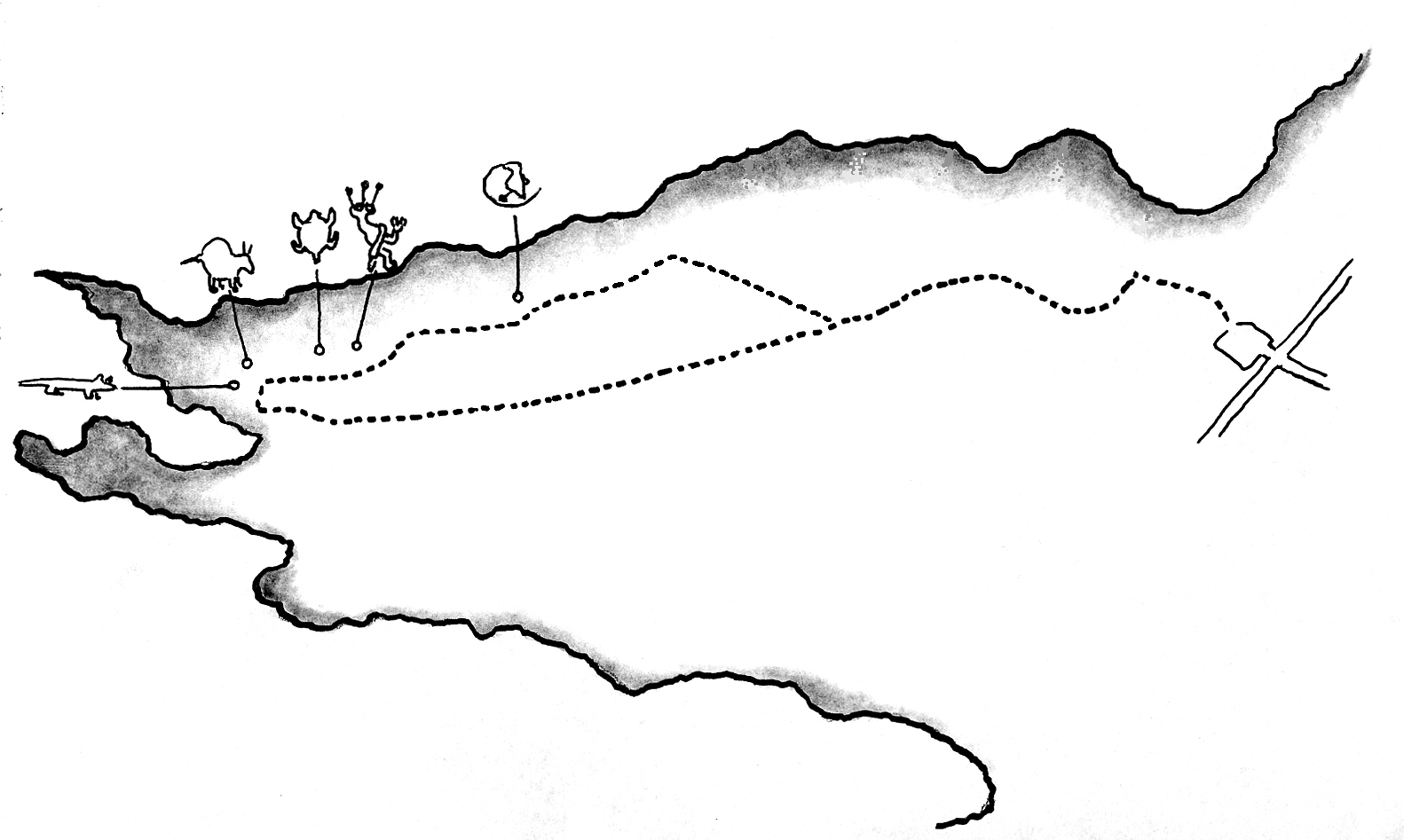
Rinconda Canyon: The longest trail in the monument, this two-hour 2.2-mile round trip trail takes you past 200-300 petroglyphs. This hike goes deep into the canyon following the northern escarpment, a beautiful quiet escape from the city. For a trail map, click here.
Piedras Marcadas Canyon: Take one of the two short trails or combine them for a 2.5-mile round trip trail that takes you up onto the escarpment, offering expansive views of the city and the Sandia Mountains. View trail map here.
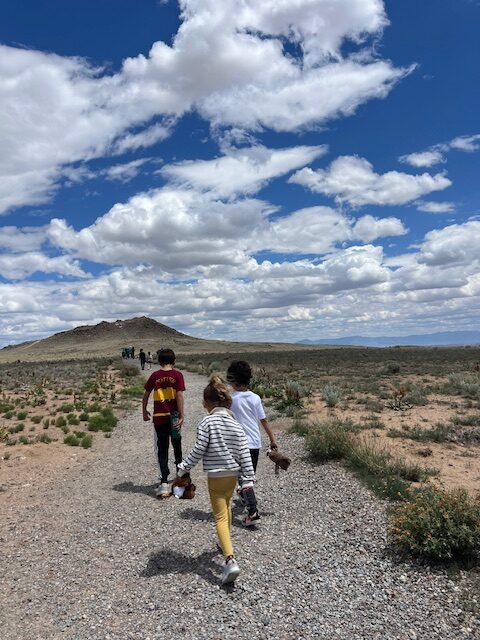
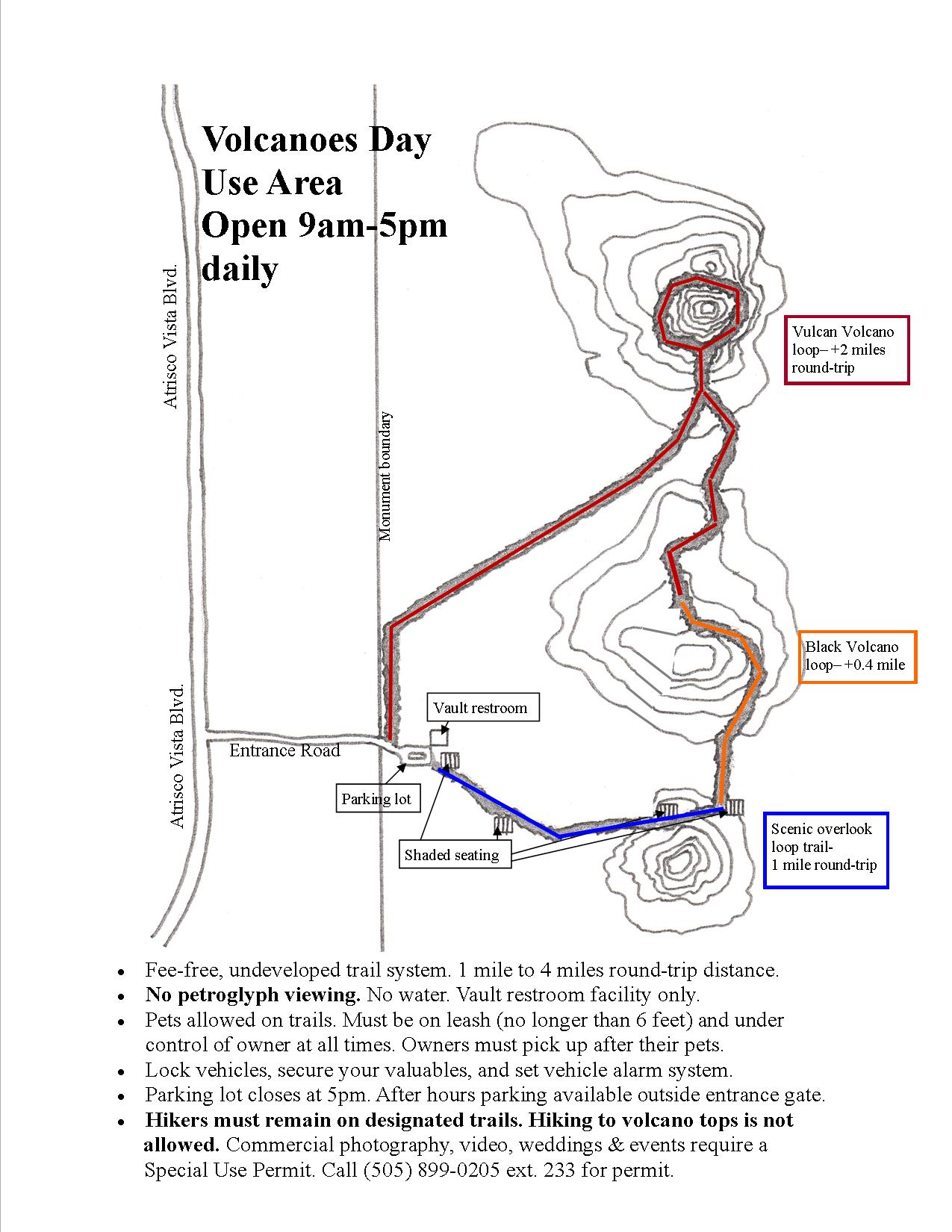
Volcanoes Day Use Area: You’ll find this trail up on the escarpment about 5 miles north of Interstate 40. Hike 1 or 4 miles on trails that take you up and around three cinder cones. Take a break at the shaded scenic overview which gives you views of the city, the Rio Grande Valley and many local mountain ranges. Experience large expanses of grasslands. Plan your visit with the map here.
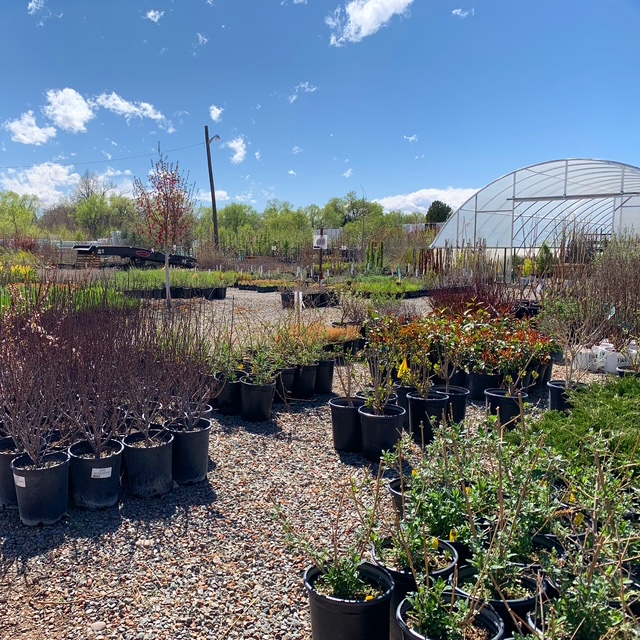
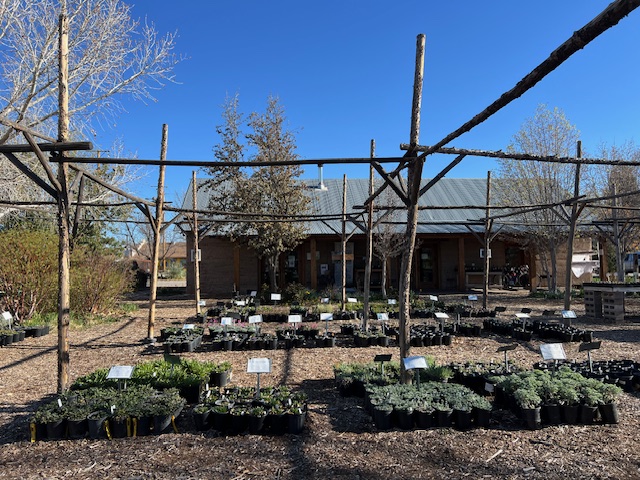
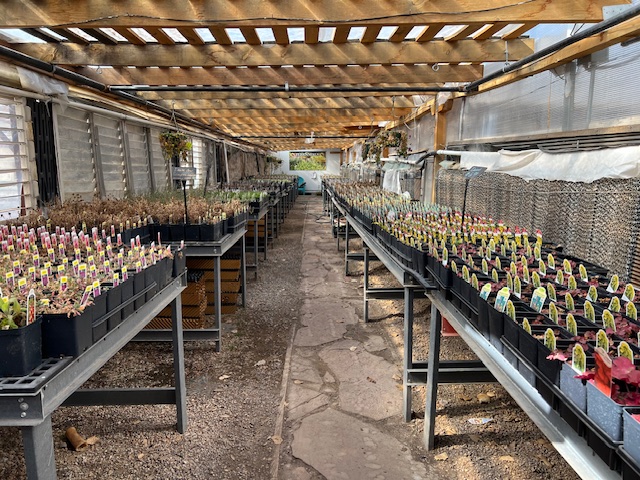
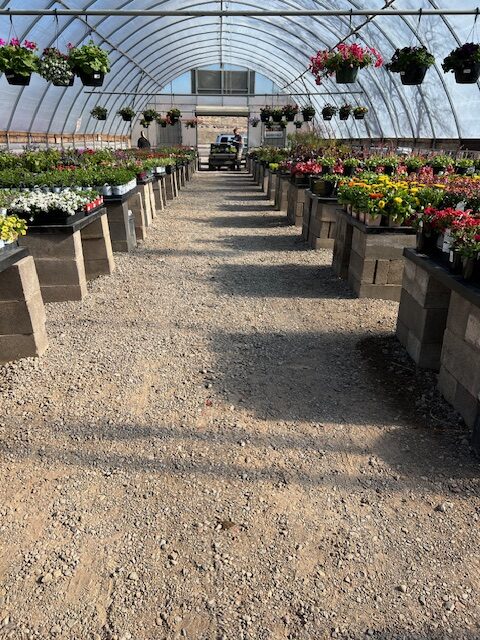
A popular question we get at 505Outside is “Where should I go to get plants for my yard?” We’re highlighting our local nurseries and the uniqueness of each of them.
Every yard has its own unique environment that includes things like sun and wind exposure, soils, drainage, climate, bugs, orientation, views, weather conditions and elevation. And certain species of plants like certain types of conditions. Nurseries pride themselves in getting plants that are specifically grown for your area. And the only way to ensure that you get a plant that is well-suited for your yard is to go to a local nursery. Plants that are grown in your region for your region are going to do much better in your yard.
Local nurseries have very knowledgeable staff experienced in dealing with all the variables of yards just like yours. But remember, they have limited time so go prepared with a list of questions. Make sure you note all the conditions of your space so the nursery staff can steer you in the right direction.
Check out some local nurseries below, listed in alphabetical order:
This plant nursery located along Alameda NW near Fourth Street is best known for its thousands of vegetable seedlings, making it a must-stop for all your vegetable needs. Of course, they also carry a ton of other plants like perennials, annuals, groundcovers, trees, roses and more — but go for the vegetables.
As the name suggests, this North Valley nursery specializes in aquatic plants and fish. However, they also carry a wide variety of locally grown perennials, trees and shrubs. You’ll want to linger as their garden offers a very pleasant shopping experience.
Located in the South Valley bosque of Albuquerque, this off-the-beaten-path farm and nursery specializes in edibles and resilient and native trees and shrubs, alongside egg-laying ducks and orchards. Grown onsite, you can find underrepresented trees and shrubs that grow well in the harsh New Mexico climate.
The shop is mostly known for home décor but walk towards the back of the store and you’ll find a well-stocked nursery with a good selection of annuals, perennials, shrubs, trees, succulents, houseplants and vegetables. They also carry a host of garden supplies and are easily accessible, being located along San Mateo NE near Interstate 25.
From a location near Balloon Fiesta Park, Jericho provides some unique items not found at other nurseries in town. Of course, they have the usual annuals, perennials, natives, trees, roses, shrubs and more, but you’d never guess they have all kinds of specialty miniature garden and fairy garden materials. You’ll also find a friendly staff and everything you need to make a terrarium, garden tools, outdoor décor and other garden products.
At this large nursery located on Osuna NE just east of Edith, you can find just about everything you need. Be sure to check out the native plant section. But one of the coolest features of Osuna is its Plant Pharmacy featuring certified staff eager and willing to answer all your wildest questions about your plants. Bring a picture of your aphids or leaves from the actual plant and they diagnose the problem.
Natives, natives, natives. Located on Fourth Street NW north of Chavez Road, this nursery sells native New Mexico plants and seed. Just about any plant you find here will grow with ease in your yard. You will also find a wide variety of seeds, from vegetables to any type of wildflower you’d like. The staff even curates specialty blends of wildflowers and grass lawn seeds.
Originally only a wholesale nursery, now anyone can shop here via the Garden Club, which costs $25 for a lifetime membership. Conveniently located on El Pueblo NE west of Edith, you will be able to find everything you need for your yard. In fact, Plant World sells some of the largest ball and burlap trees in town.
Known as your neighborhood nursery, this store located at 5801 Lomas NE has everything you need for your yard conveniently located near those in the Near Northeast Heights, Nob Hill and Uptown. The staff is extremely knowledgeable, and the deep family-like atmosphere and roots of this store shine through.
It might be too early to start planting your 2025 garden but it’s never to early to start planning your yard. We’ve grabbed some of our favorite plants for you to test out in 2025. Take a look below.
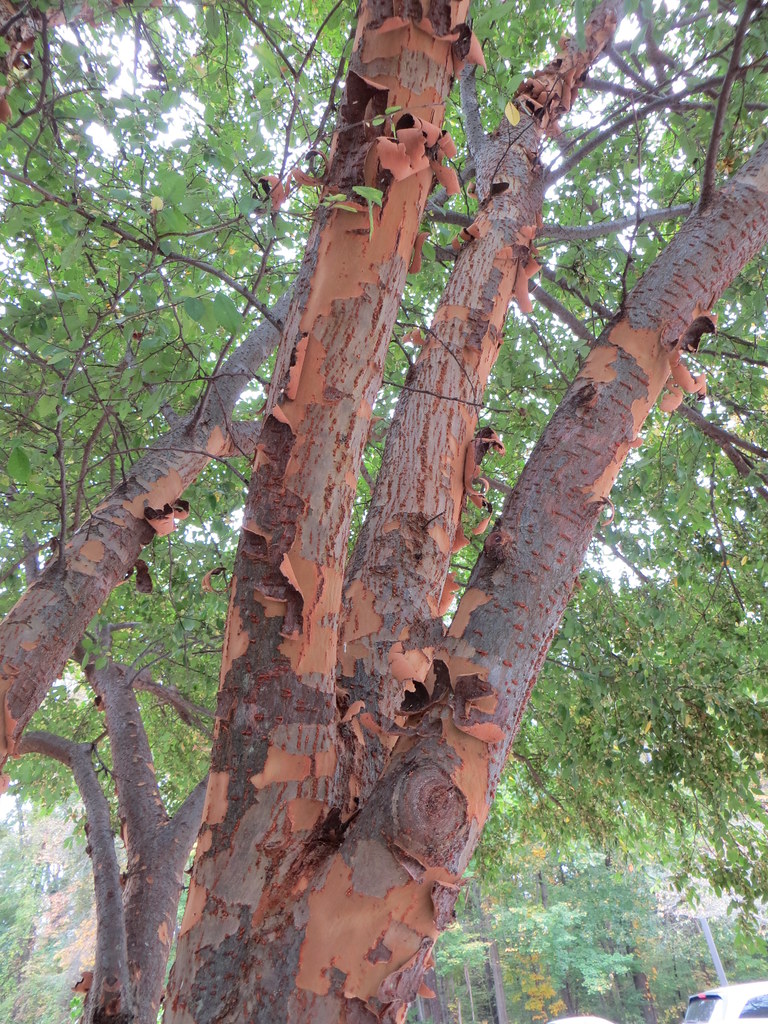
This fast-growing shade tree should not be confused with the notoriously invasive Siberian elm. Lacebark elm is a medium sized tree with a round to oval crown and interesting lacy bark in tan, grey and cinnamon colors. It is an excellent drought tolerant species for use in windbreaks. It can grow as much as 3 feet a year. It is adaptable to most soil conditions.
Type: Deciduous
Exposure: Full sun
Water Use: Medium
Mature Size: 40’ x 40’
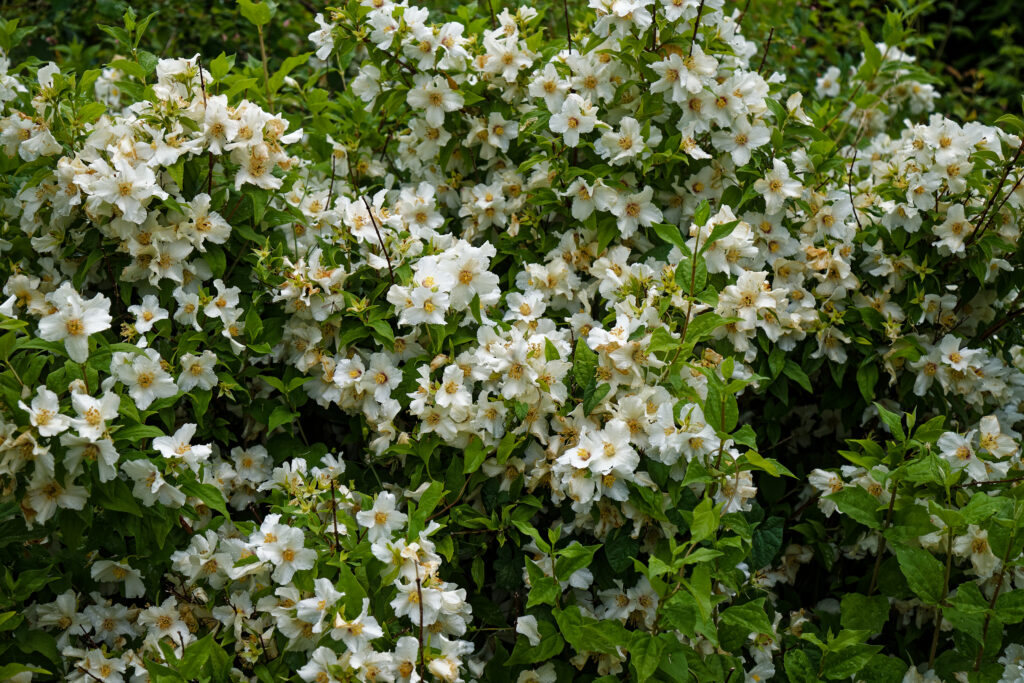
Mock orange, Philadelphus lewisii Cheyenne:
This deciduous native shrub sports white blooms from spring to summer. A mass of flowers emits a delightful fragrance reminiscent of orange blossoms with a hint of pineapple. It’s a great habitat and pollinator shrub that works well in perennial beds, providing interest and privacy if needed.
Type: Deciduous
Exposure: Sun/shade
Water Use: Medium
Mature Size: 10’ x 10’
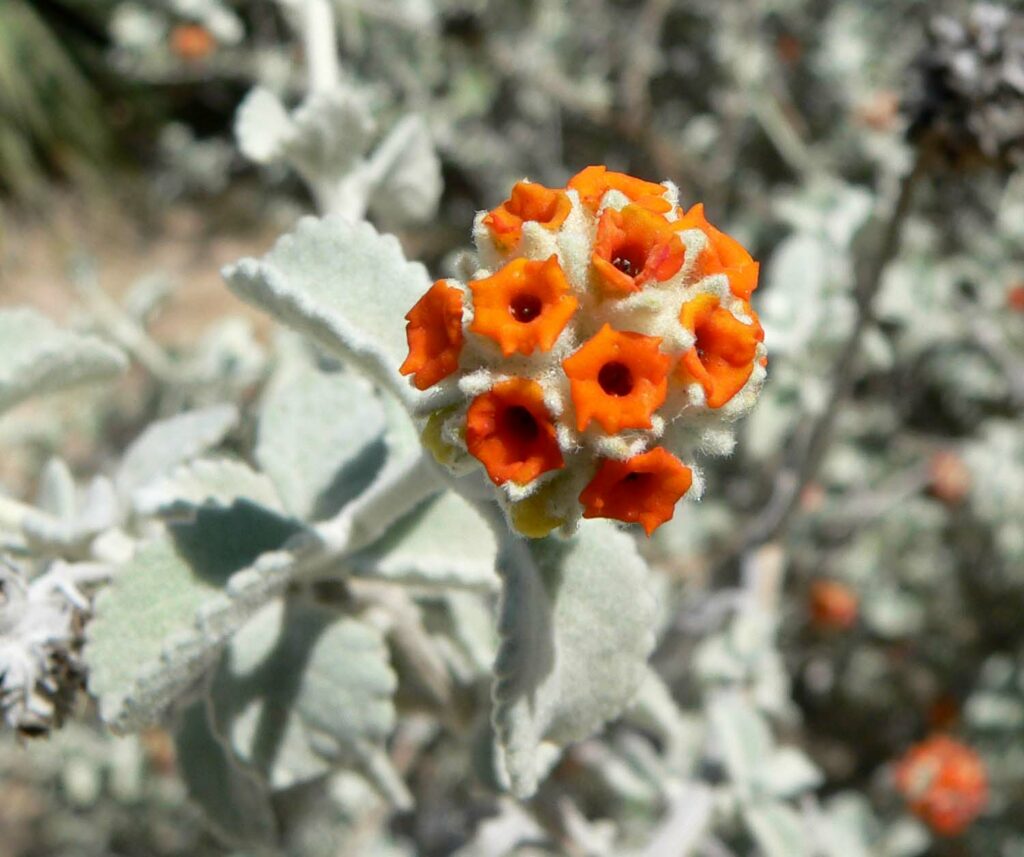
Woolly butterfly bush, Buddleja marrubiifolia:
This rounded, grey green evergreen shrub provides year-round interest. Orange flowers are prevalent year-round with their showiest times in the spring and summer. Woolly butterfly bush is native from southwest Texas into New Mexico, where it can be found in canyons, arroyos and on slopes at elevations from 1,800 to 3,800 feet. It’s heat tolerant and likes well drained soils.
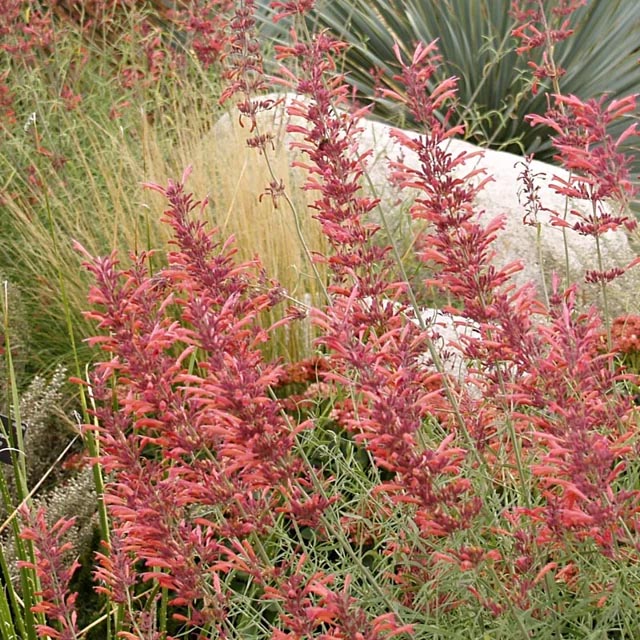
This is one of the best, most durable species in the Agastache family. It has nectar-rich orange flowers that attract hummingbirds for many months. The plant has a licorice minty scent. It’s also low water use and very drought resistant.
Type: Deciduous
Exposure: Full sun
Water Use: Low
Mature Size: 2’ x 2’
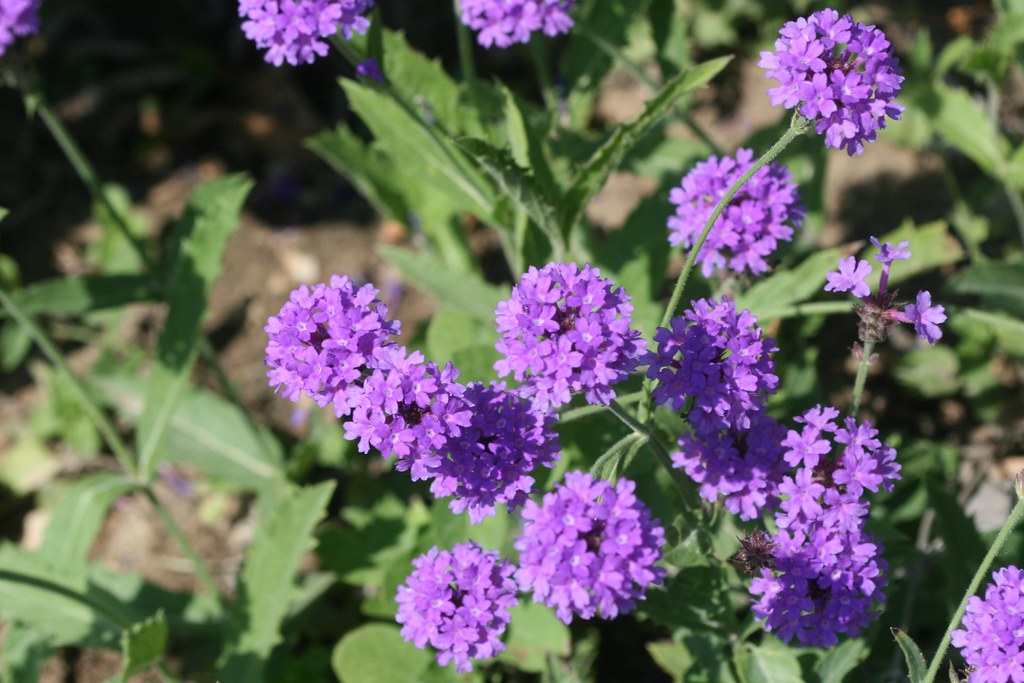
Sandpaper verbena, Verbena rigida:
This flowering plant grows well in extreme heat. It has rough, dark green leaves that feel like sandpaper and vivid purple flowers in the spring and summer. If this plant starts to look ragged, cut it back to the ground and fresh growth will sprout from underground stems. Even in very cold winters, this plant bounces back from these rhizomes. It is nice mixed with the yellows of prairie zinnia or Angelita daisy.