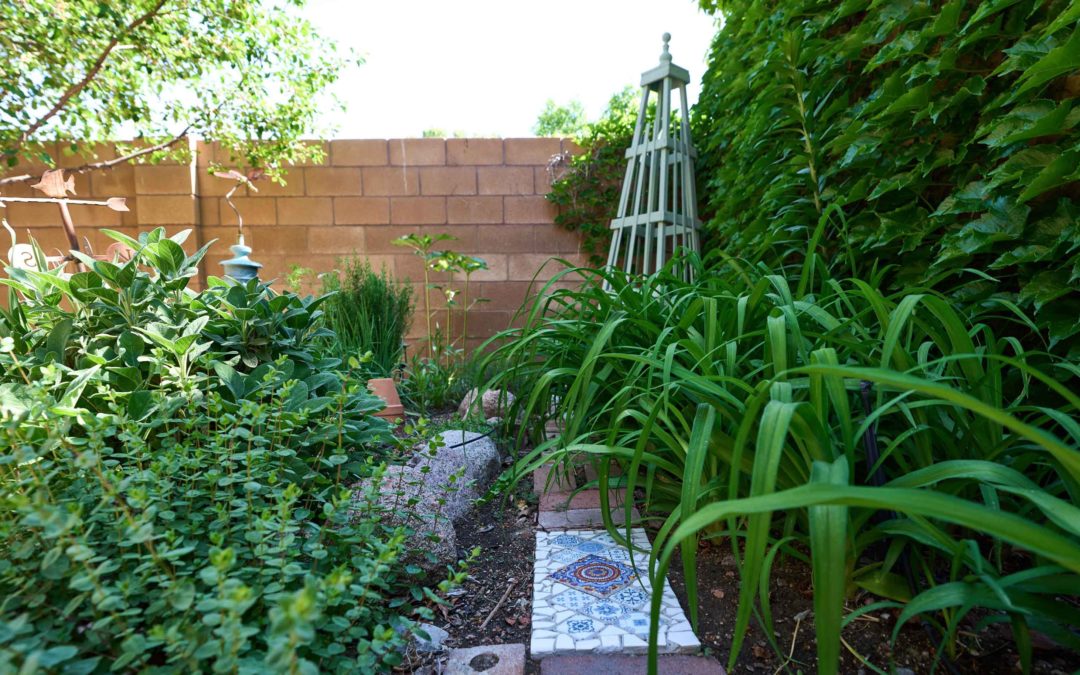
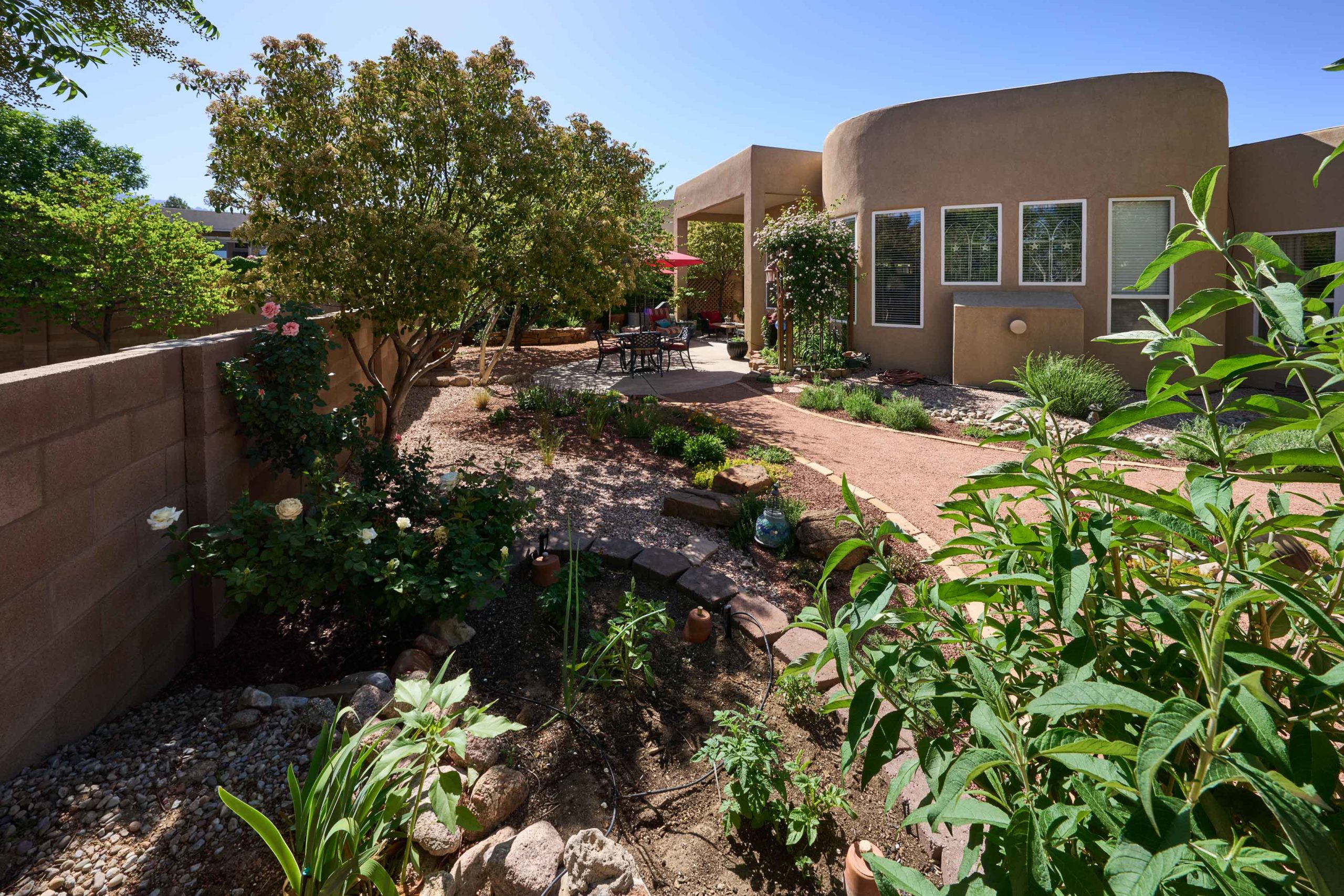
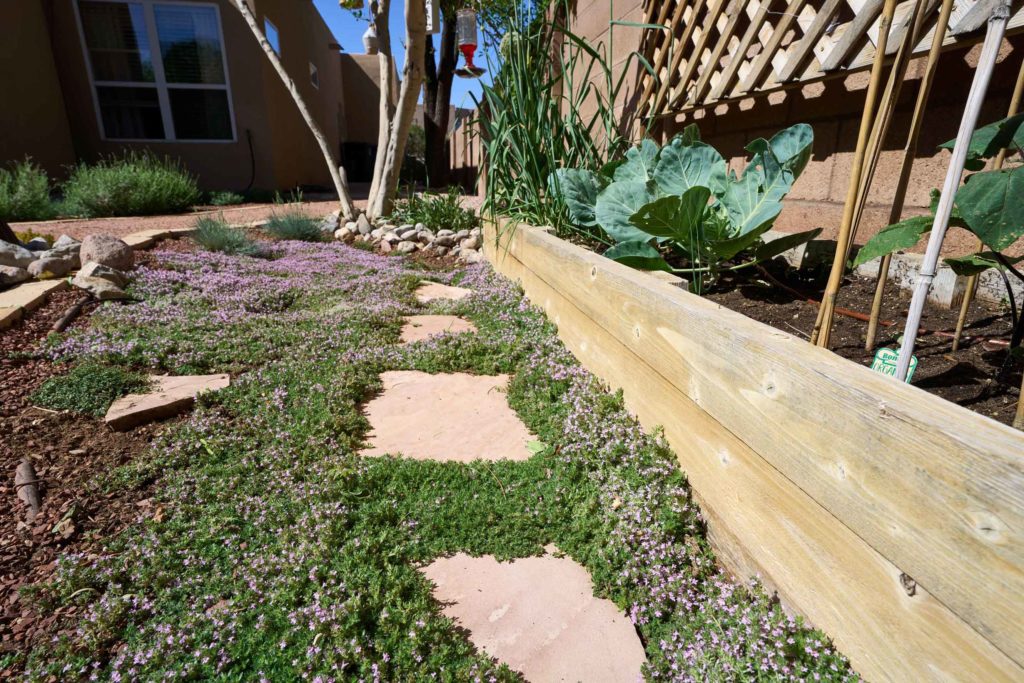
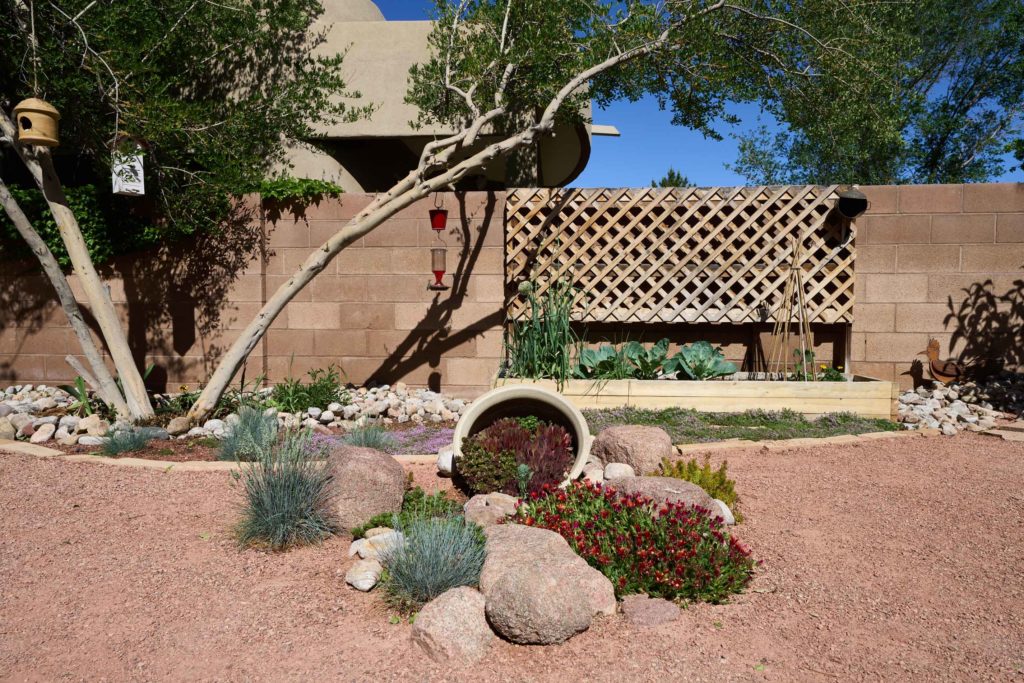
Congratulations to the ten winners of our first annual Water Authority Desert Friendly Landscape Contest! Thank you for sharing your beautiful gardens with us. They will be an inspiration for others to make the switch to desert-friendly landscapes.
Succulent Garden Wisdom
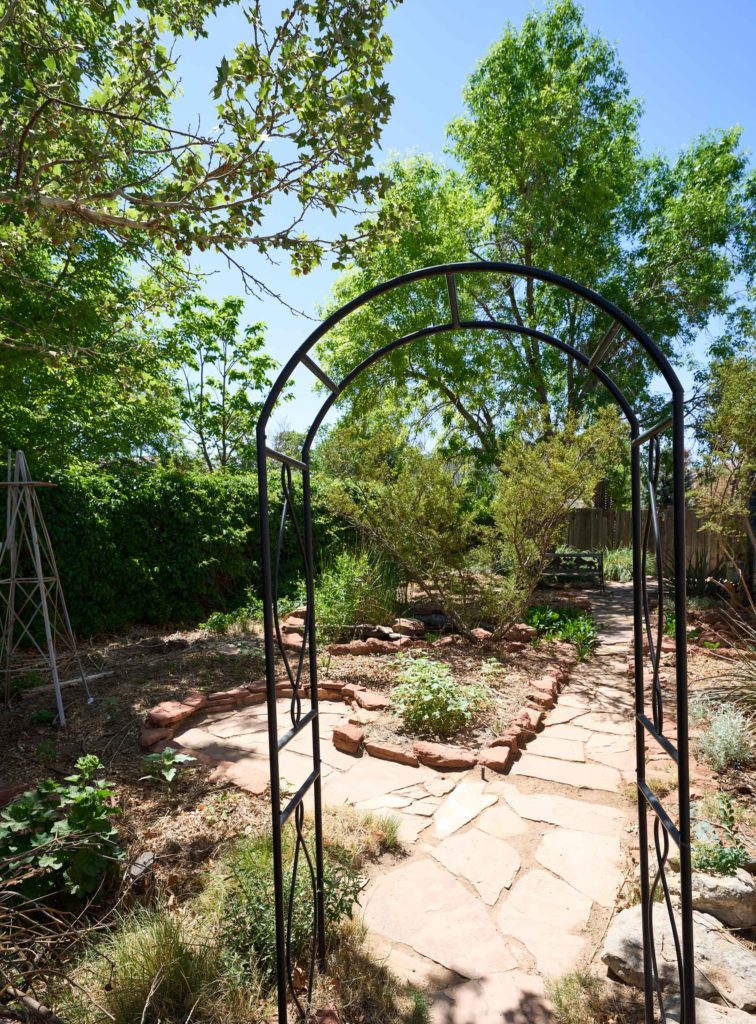
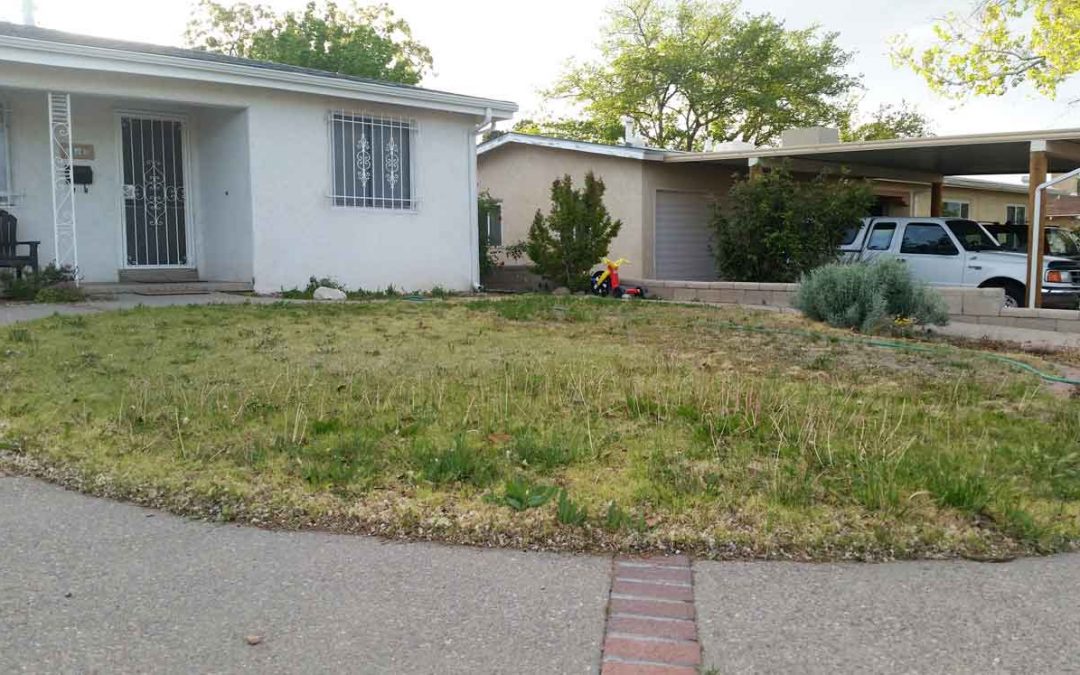
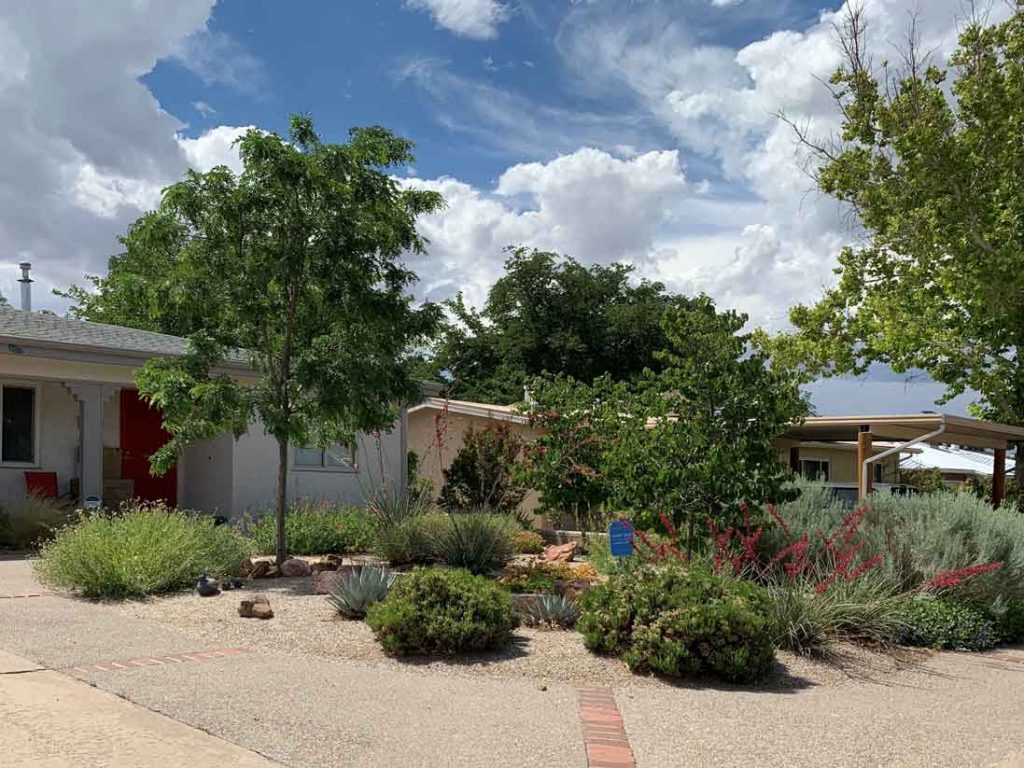
What once was a high-water use turfgrass lawn in the Northeast Heights is now a xeriscape garden with a focus on succulents. Janice transformed 550 square feet of turf into a diverse landscape complete with low-water use trees and shrubs and a beautiful succulent garden. She loves that there is, “No more mowing! No more trimming edges! No more feeding with nutrients! No more grass!”
When selecting plants, Janice turned to a variety of resources, including 505Outside, the Xeriscape guide and avid gardener friends. She hired a professional landscape company to install her new drip system. “The drip system is my go-to irrigation system as recommended by various professionals,” Janice said. “My plants and trees are happy following the 505Outside seasonal watering recommendations.”
Succulent beds are her favorites, and she looks forward to adding new succulent species each year. Janice enjoys the diversity of plants in her yard and how they change colors throughout the seasons.
What started as a way to reduce water usage has evolved into a renewed love of the outdoors. Janice keeps track of landscape seasonal transitions, rain events, plant changes and teachings in her “Garden Wisdom” journal. “A garden can teach a lot about flexibility, patience and calmness,” she added.
Unearthing Wildscape
Local scientists Paul and Teri started with high-water use turfgrass and trees when they set out to make a wildlife habitat in their yard in the North Valley. They removed all the non-native grass and have been slowly replacing it with low-water native plants. Areas that haven’t yet been planted are covered with 3″-4” of organic mulch, which is an easy way to prep the soil before they’re ready to plant.
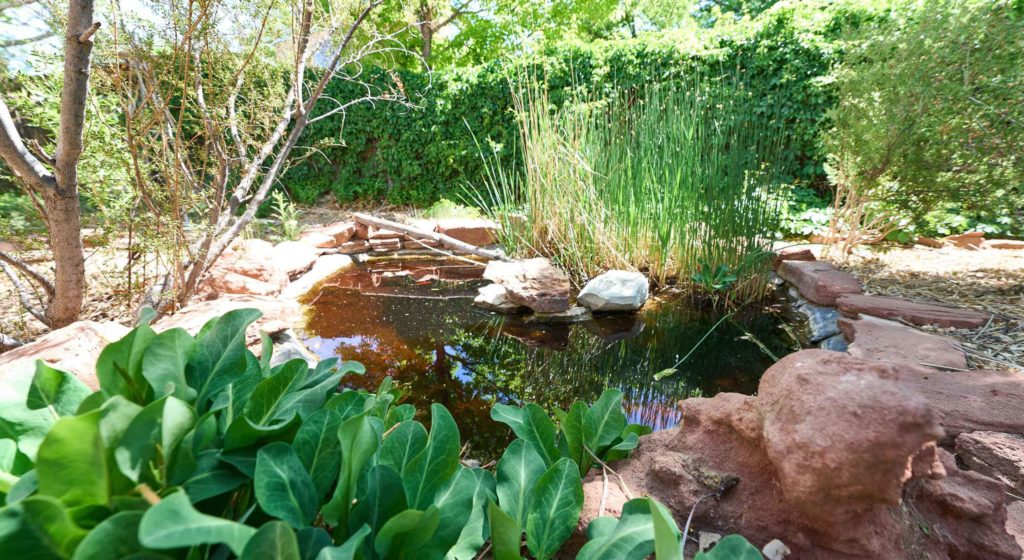
A pond was added to create a habitat for western toads. Other creatures have joined their landscape, and it is now a recognized Fish and Wildlife backyard refuge.
Part of the scientific work that Paul and Teri do involves mapping vegetation across the Southwest. Their extensive knowledge of local ecosystems has helped them select native plants that will thrive in different environments and through our changing climate, especially during times of drought. “Wild native plants can be very beautiful and add value to gardens because they remain resilient thru changes,” they said.
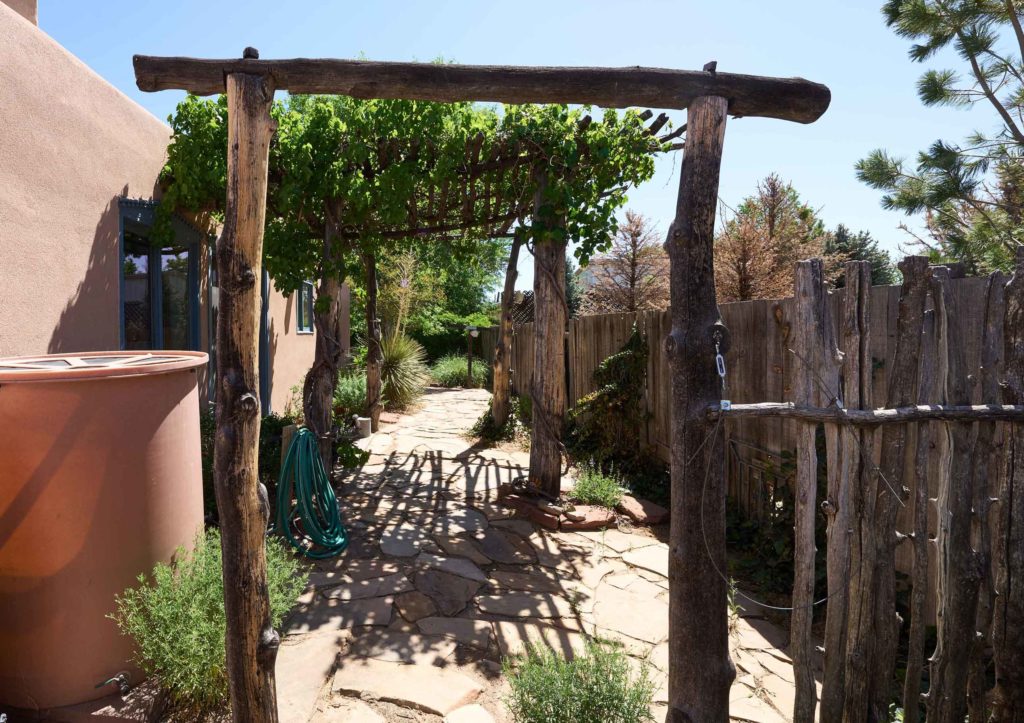
Their yard is set up with a drip irrigation system that waters as needed. During rainstorms rain barrels collect up to 1,500 gallons of water, which supplement their irrigation system.
“We are proud to minimize water use while maximizing pollinators, edibles and the abundance of plants,” they said.
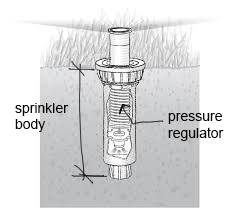
You probably don’t pay a lot of attention to sprinkler bodies, those plastic devices that house the sprinkler’s spray nozzle. Well, not until one breaks and your yard suddenly looks like the fountain at the Bellagio. But selecting the right sprinkler body can have a big impact on your water bill. Just look for the WaterSense label!
WaterSense-labeled sprinkler bodies, certified by the EPA, are designed to help regulate the water pressure that reaches the nozzle, ensuring efficient watering and aiding in conservation.
Landscape irrigation systems are often installed so the pressure is higher than what is recommended for the nozzles. This can lead to excessive flow rates, misting, fogging, and uneven coverage. Uneven coverage could flood one section of your lawn while you still have dry spots in another area. WaterSense labeled spray sprinkler bodies with integral pressure regulation can reduce water waste by:
Providing a constant flow at the sprinkler nozzle
Generating the right amount of water spray
Creating optimal coverage and uniform distribution
Reducing misting and fogging
The Water Authority now offers a rebate for listed WaterSense pressure regulating spray sprinkler bodies. Check with your local irrigation supplier to make sure you match your spray nozzle with the appropriate WaterSense pressure regulating sprinkler body and take advantage of the rebate. Get $4.00 off each sprinkler body you purchase (no limit per year).
Visit our rebates pageto apply for your rebate today.
Pro Tip:
Leilani Cochran of Just Sprinklers says, “Too much pressure blowing through the heads can cause a mist that evaporates in our dry air. The pressure regulating spray bodies eliminate this mist, so the head operates at the optimum capacity.”
Author: Richard Perce, irrigation efficiency specialist with the Water Resources Division for the Water Authority. Pro tip:Just Sprinklers. Have a question about the article? AskAnExpert@abcwua.org
Water Authority customers have been inspired to convert their turf to sustainable, resilient xeriscapes that save water, time and money and provide habitat for wildlife and pollinators for many reasons. Below are some of our favorites:
“We just didn’t see the point of maintaining and paying to water the grass in the front yard. No matter how much we water and fertilize, the front lawn never looks good, and we don’t want to be the last house on the block with a not-so-great lawn.”
“Now that the kids are out of the house and we no longer have dogs, we don’t want to have such a high water-use landscape that requires weekly maintenance. We want to do our part in saving water for future generations and create a beautiful patch of nature in our backyard, especially now that we’re into birdwatching.”
“We may downsize someday, and our realtor said that having a beautiful low water use landscape is a good selling point.”
“We just moved to Albuquerque from another part of the country where grass grows easily, and we spent several hours a week mowing and weeding. We are done with mowing. We want a landscape that is regionally appropriate, with native and low water use plants and trees.”
“Our irrigation system seems to always need repair, and the grass never really looks that great.”
“We needed to replace our sewer line which meant digging up the front yard. It seemed like a good time to ditch the grass and convert it to a low maintenance landscape with new drip irrigation.”
Qualifying conversion projects by Water Authority residential customers may receive $1.00 per square foot of converted turf grass. This rebate has a specific application process. Only projects that have completed the application and passed inspections will qualify for the rebate. For more information visit our rebates page.
Pro Tip: Are you ready to convert your lawn to a xeriscape? Here is what local landscape contractor Tyson Hafler, owner of Southwest Horticulture, wants you to know before you start.
“Make sure you start with a green lawn. It is important to have a green lawn for two reasons. Water Authority needs to see a currently cared for, in good living condition green lawn to quality for the rebate. A live, green lawn is much easier and speedier to get rid of than a brown, dry, dead and dying lawn.”
Author: Amos Arber, Xeriscape Incentive Inspector with the Water Resources Division of the Water Authority. Pro Tip: Tyson Hafler, Landscape Contractor and Owner, Southwest Horticulture. Have a question about this article AskAnExpert@abcwua.org
When warmer days set in, you
may be inclined to water your landscape, but this winter continues to
bring much needed precipitation to meet the needs of your landscape. No need to
water this month!
Per our Winter Watering Recommendations, your yard is still getting enough water to meet your plant’s needs. Remember, if it rains more than a half inch or snows more than 6 inches at least once per month during winter season, there’s no need for supplemental irrigation.
Monthly Service Tip:
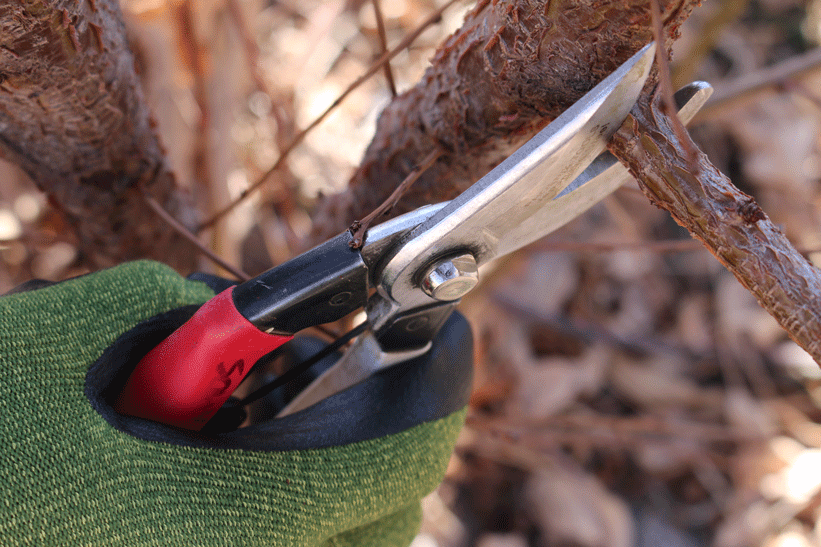
Late winter is the best time to prune trees, Treebates available. They’re dormant and it’s easier to identify which branches need trimming (no leaves). Tree pruning cuts don’t heal like cuts on our skin, though. Tree cuts seal naturally both internally and externally, as long as the cut is well made and doesn’t nick the branch collar. Cuts made flush against the trunk are bad because they cut into the branch collar, making the plant unable to seal the wound on its own. Pruning sealants are no longer recommended because they keep the wound moist underneath and increase the chances of rot by trapping pathogens there.
Recommended pruning techniques
continue to change with new research. Keeping up with the newest guidelines
translates to better tree care. The late Dr. Al Shigo, biologist and plant
pathologist with the U.S. Forest Service, once said, “People who prune the
old-fashioned way should be made to go to an old-fashioned dentist.”
Using the right tools for pruning is key. How do you know if you’re using the wrong tool? If you’re using two hands to squeeze your pruning shears as hard as you can, or your thigh to brace one arm of long-handled loppers, you’re using the wrong tool! Move up to a larger size implement. Here’s a literal rule of thumb: if the branch diameter is the size of your thumb or smaller, hand pruners with a sharp blade will work. Lopping pruners are great for making cuts on branches up to 2 inches in diameter. For anything larger than 2 inches, it’s time to pull out the pruning saw.
Author: Marisa Thompson, PhD, is the Extension Horticulture Specialist for New Mexico State University and is based at the Agricultural Science Center at Los Lunas.
For more gardening information, including decades of archived Southwest Yard & Garden weekly columns, visit the NMSU Extension Horticulture page (https://desertblooms.nmsu.edu/), follow us on social media (@NMDesertBlooms), or contact your County Cooperative Extension office (https://aces.nmsu.edu/county).
In the past 20 years, 14 of those years have been drier than normal, and six years wetter than normal.
Temperature
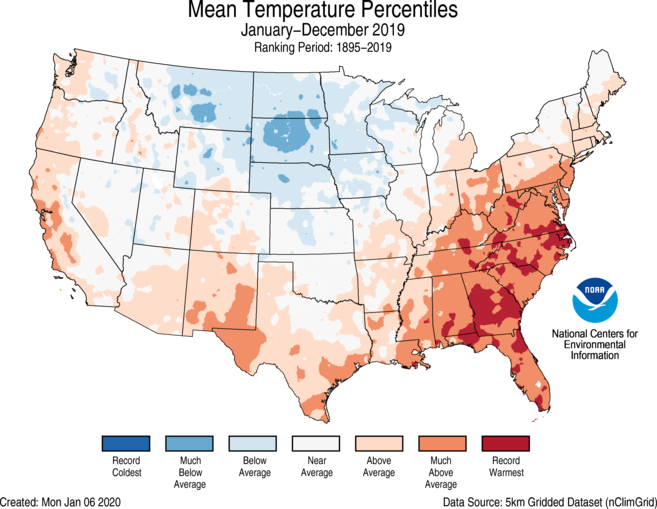
In 2019 New Mexico was warmer and drier than normal! 1.6 degrees above normal. This ranked in the 20th warmest on record for New Mexico.
The
average temperature for Albuquerque was
57.5°, which was 0.4° above the 30 years (1981-2010) normal of 57.1°.
The average contiguous U.S. temperature was 52.7°F, 0.7°F above normal. This ranked in the warmest third of the 125-year period of record.
Precipitation
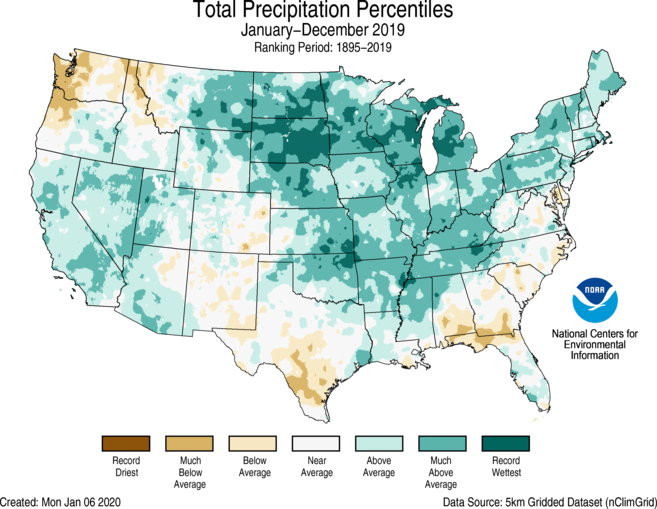
Average precipitation for New Mexico was 0.52 inches below normal for the year but the 2.2” of rainfall in November made it the 2nd wettest November ever recorded.
In Albuquerque, the range of rainfall by zip
code is between 8-12 inches. The total precipitation for the Albuquerque area in all zip codes was
10.8” in 2019. A good year for Albuquerque and it shows in conservation efforts!
Above-average annual precipitation was observed across much of the nation. Many northern states had their wettest year on record, with much of the central U.S., northeast and parts of the west experiencing above- to much-above-average precipitation.
Conservation Highlights
How did Water Authority customers do this year to conserve our most precious resource? Excellent!
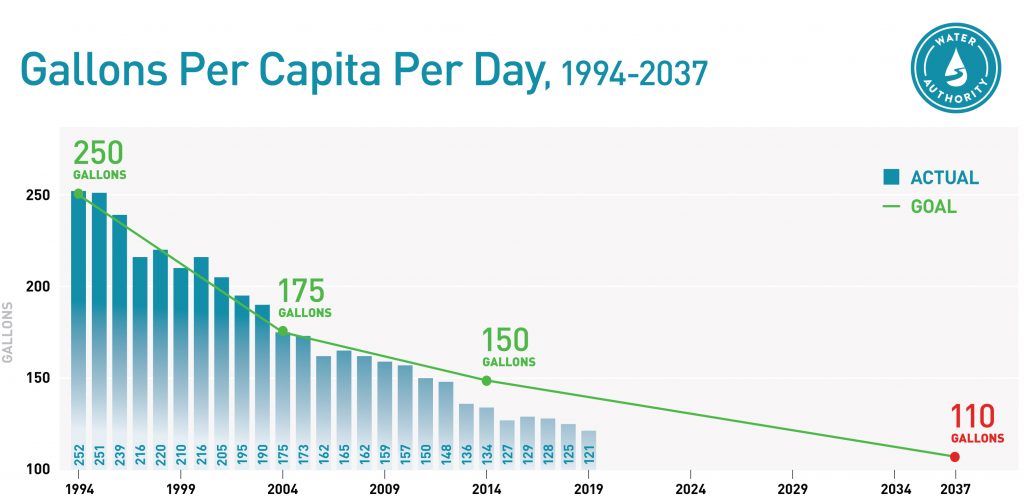
In 2019, customers used approximately 700 million fewer gallons than last year. 2019 per capita usage is 121 GPCD (Gallons Per Capita Per Day), that’s 4 GPCD less than last year (125 GPCD in 2018). Thank you for your continued action in helping us make progress toward reaching our conservation goal of 110 GPCD by 2037.
Customer Incentives (Rebates)
In
2019, the Water Authority returned $700,000 to customers through the rebate
programs. Just over half of that went to customers who replaced 450,000 square
feet of high-water use turf with a desert friendly xeriscape. To find out more
about rebates, visit https://www.505outside.com/rebates/residential/.
Adding Trees
Trees are a priority for
the Water Authority conservation program because of their many environmental
benefits and the unique role they play in landscapes. In 2019, customers planted
approximately 1,000 trees with the “Tree-Bate” program, which also helps
customers pay for tree care. Albuquerque customers have planted more than 3,500
trees in just three years! Additionally, the Water Authority Conservation
Program provided $60,000 for tree planting in city and county parks and open
spaces. That’s enough to plant an additional 225 trees per year.
Water Use Compliance
Water waste continues to improve from previous years! In 2019 the conservation department issued 732 Water Waste Warnings that resulted in only 77 violations. Thank you for servicing your irrigation system!