test
test
test
As we move into 2026, I’m seeing a meaningful shift in how homeowners are approaching their outdoor spaces. Many previously popular landscape elements are still in demand, including raised garden beds, comfortable seating areas, fire pits, outdoor dining spaces and fully equipped kitchens, but the purpose behind these features is transforming. Today’s outdoor spaces go beyond aesthetics, focusing on creating environments that promote relaxation, restoration and well-being.
More than ever, people want their yards to function as personal sanctuaries. In a world that often feels noisy and unpredictable, home has become a place to reset and recuperate. Outdoor spaces in particular are being designed intentionally as environments where families can decompress, recharge and reconnect.
The strongest trend I’m seeing this year centers around wellness. This isn’t a surprise as more and more studies are showing the profound benefits nature has on both physical and mental health. In Japan, physicians are writing prescriptions for “forest bathing” and “nature therapy.” Dr. Kathleen L. Wolf from the University of Washington has learned from her research that “exposure to trees and forests can have profound benefits for psychological health. Whether climbing a majestic old-growth tree or simply walking through a foliage-filled park, people who spend time in nature often report they feel less stressed, are better able to concentrate and generally experience a lift in mood. Some even say it helps heal trauma.” *
Homeowners are incorporating outdoor saunas, cold plunges and hot tubs into their landscapes — not simply as luxury additions, but as tools for physical and mental well-being. These elements create a spa-like experience at home, offering daily opportunities to relax, improve circulation, reduce stress and recover from busy schedules. When thoughtfully integrated into the design, they feel cohesive and purposeful rather than over-the-top.
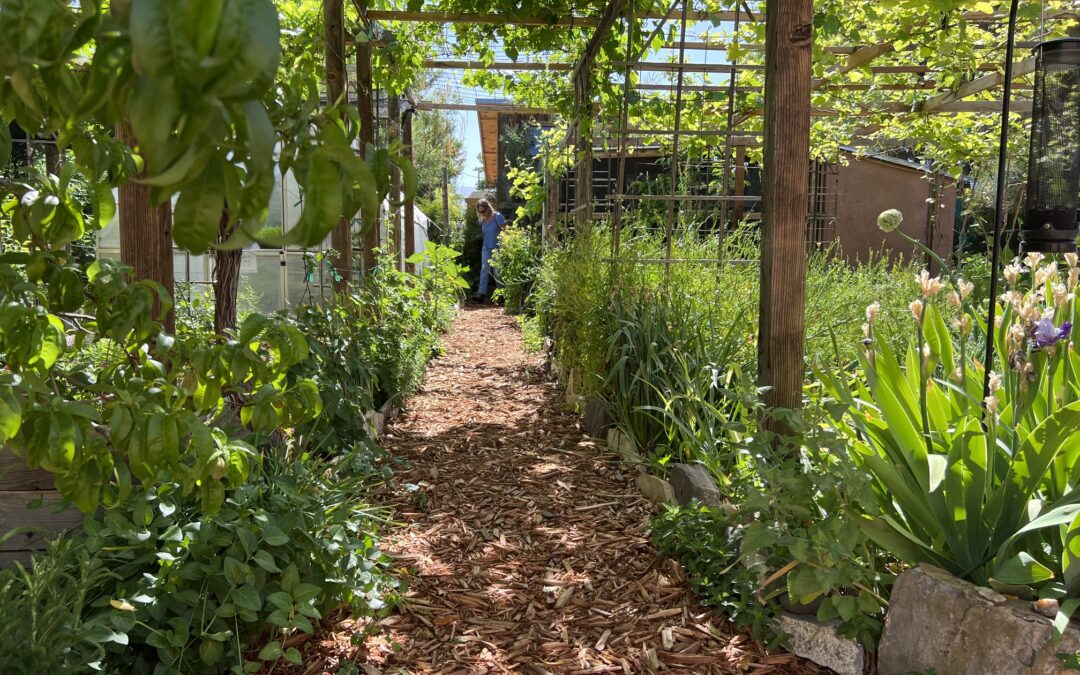
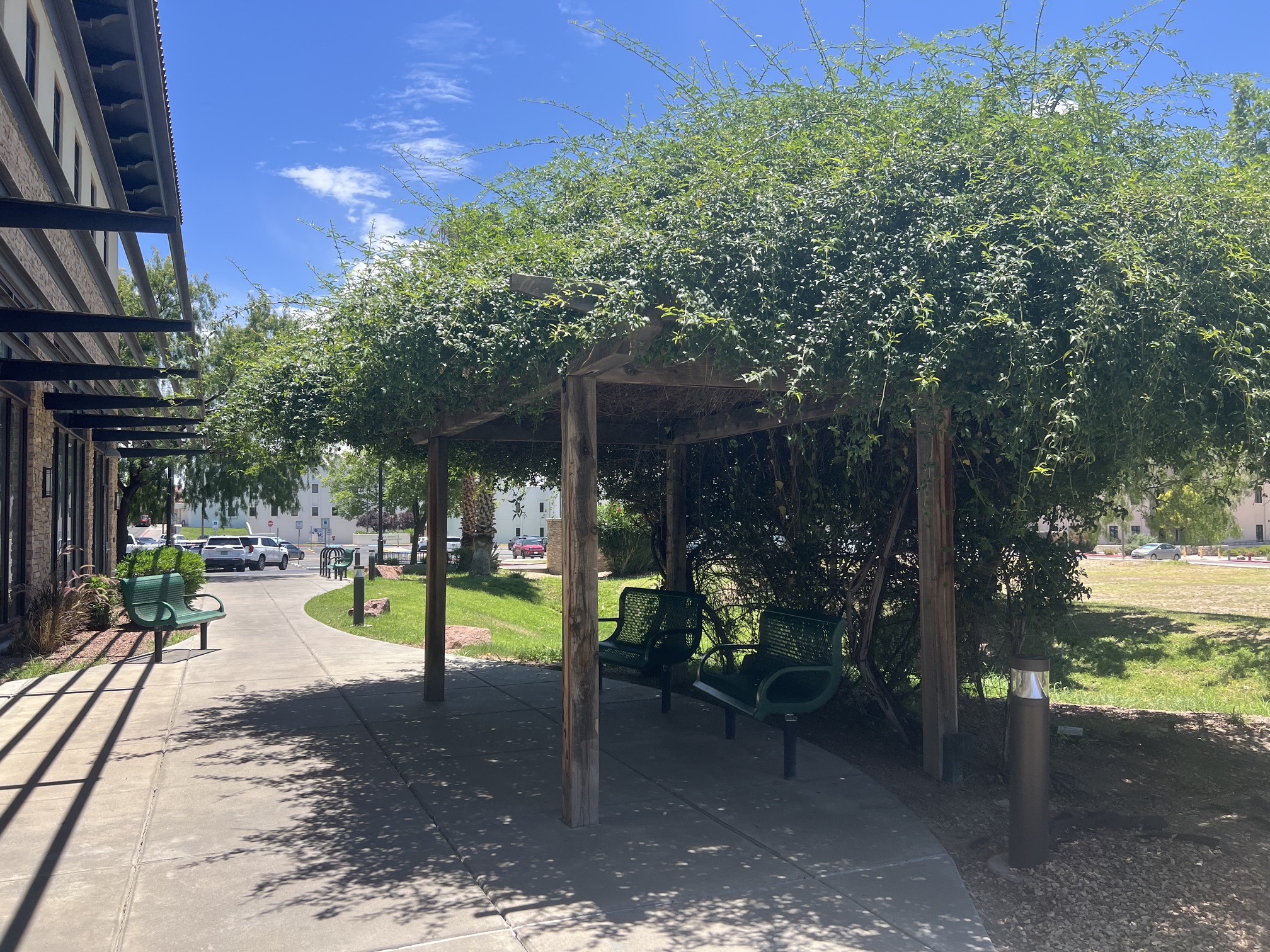
I’m also designing more dedicated spaces for mindfulness and quiet reflection. Sometimes that looks like a tucked-away seating area framed by lush plantings. Or it’s a shaded pergola with comfortable furniture positioned to catch the morning light. These spaces don’t have to be elaborate to be effective. What matters most is how they feel. I pay close attention to texture, sound, scent and movement, like the rustle of ornamental grasses, the fragrance of blooming plants and the grounding feel of natural stone underfoot. These subtle details shape an experience that encourages people to slow down and reconnect with nature.

Backyard hot tub, outdoor entertainment and lounge area.
Water features continue to play a significant role in designs as well. Beyond their visual beauty, they serve a practical function, especially for homes near busy streets or close neighbors. The sound of moving water helps mask unwanted noise and creates a sense of privacy. There’s something inherently calming about the steady rhythm of a fountain. Having a source of water is important for supporting and attracting wildlife in yards and they can be very modest and water-efficient.

Water Feature in side yard.
Sustainability is also front and center in the conversations I’m having with clients. Many homeowners are choosing native plantings, drought-tolerant landscapes and pollinator-friendly gardens that support the local environment and our wild neighbors. Raised garden beds are especially popular, giving families the opportunity to grow their own herbs and vegetables while maintaining a tidy and intentional look. I love incorporating edible gardens into designs because they encourage people to engage with their space regularly — to plant, cultivate, harvest and spend time outdoors in a meaningful way.
Lighting design is another area where I’m seeing a shift. Clients are gravitating toward layered, ambient lighting that creates warmth and depth. Subtle pathway lights, gentle uplighting on trees and soft illumination around gathering areas make a yard feel inviting long after the sun sets. The goal isn’t to flood the space with light, but to enhance the atmosphere and extend its usability.
Even traditional gathering spaces are being approached more intentionally. Fire pits are arranged to encourage conversation. Dining areas are designed for lingering meals rather than quick get-togethers. Outdoor kitchens are integrated so hosts can cook and connect at the same time. These spaces aren’t just about entertaining; they’re about fostering genuine connection between people and nature.
If there’s one defining theme I see shaping outdoor design in 2026, it’s intentional living. Backyards are becoming immersive retreats, places designed not just to look beautiful, but to support how we want to live. They give us space to unplug, reflect, gather and restore. As a landscape architect, that’s what excites me most. Incorporating elements in your yard that allow you to connect with nature and slow down. The escape from the unrelenting digital world of screens doesn’t have to be expensive or time consuming and can have significant health benefits. Creating outdoor environments that truly enhance daily life isn’t just a trend, it’s a lasting shift, and I believe it’s one that will continue to shape the way we design our homes for years to come.

Outdoor kitchen, grill and dining area.
*Catherine Arnold https://www.americanforests.org/article/tree-think/
Learn more here:
Common Planting Design Mistakes
High Desert Landscape Design Template
Simple Steps to Get Started Designing Your Yard
Nature and Health – Research to Practice
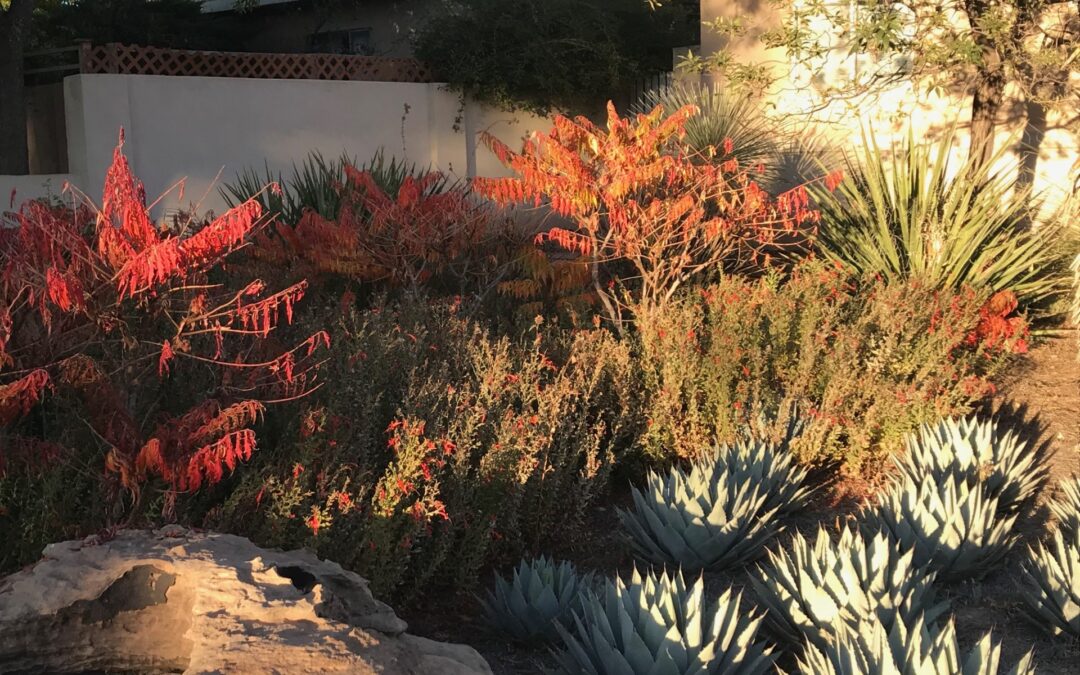
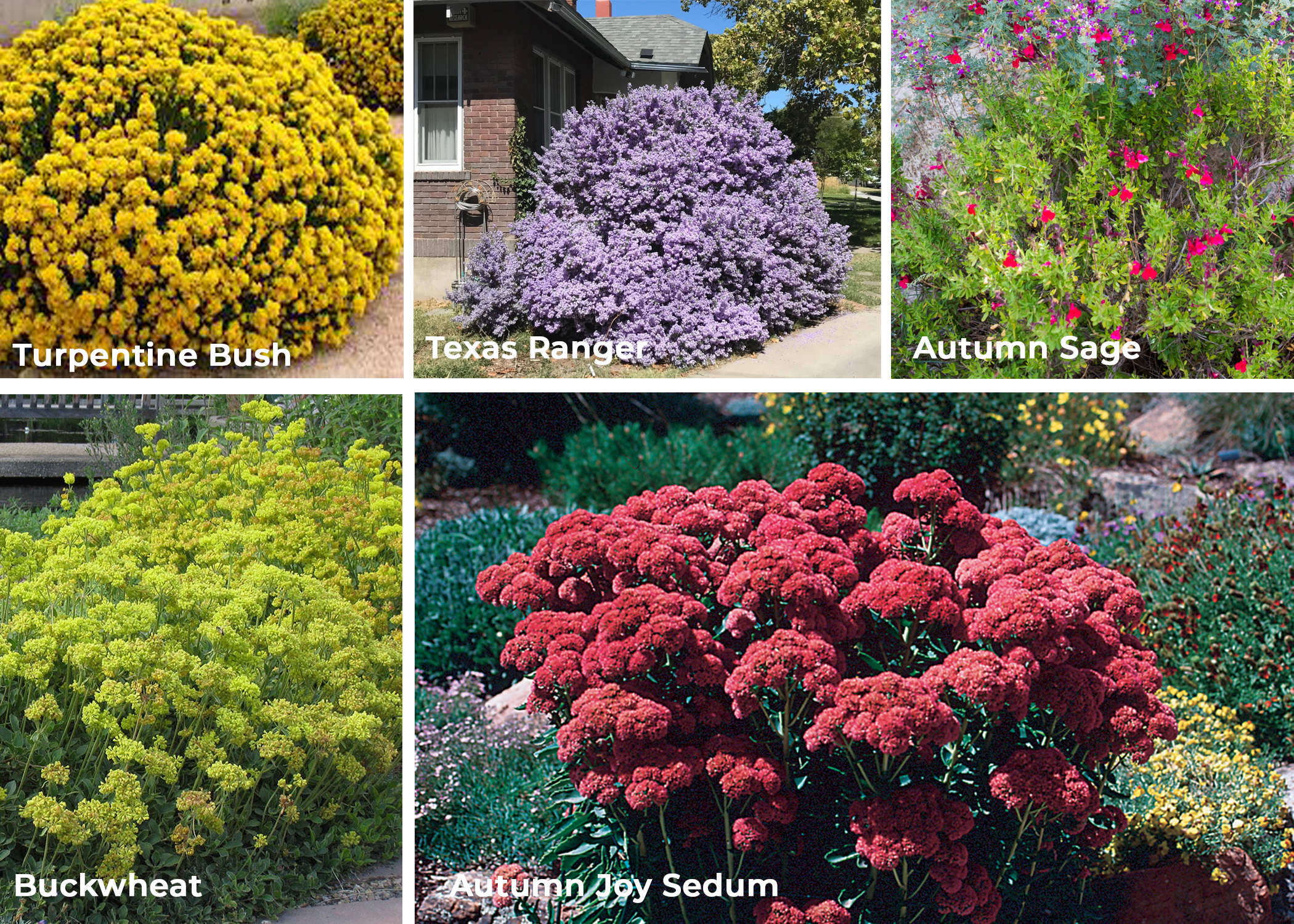
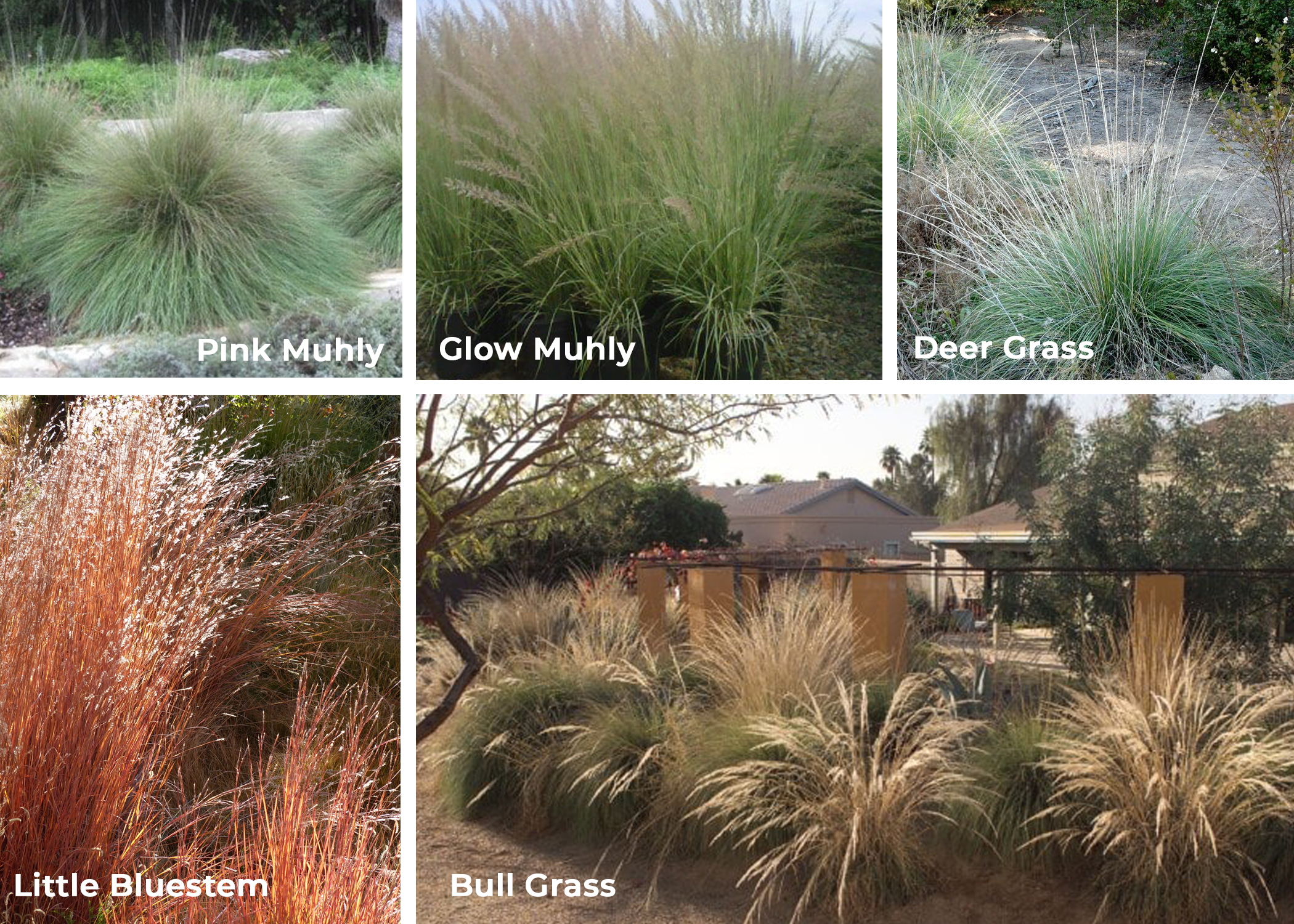
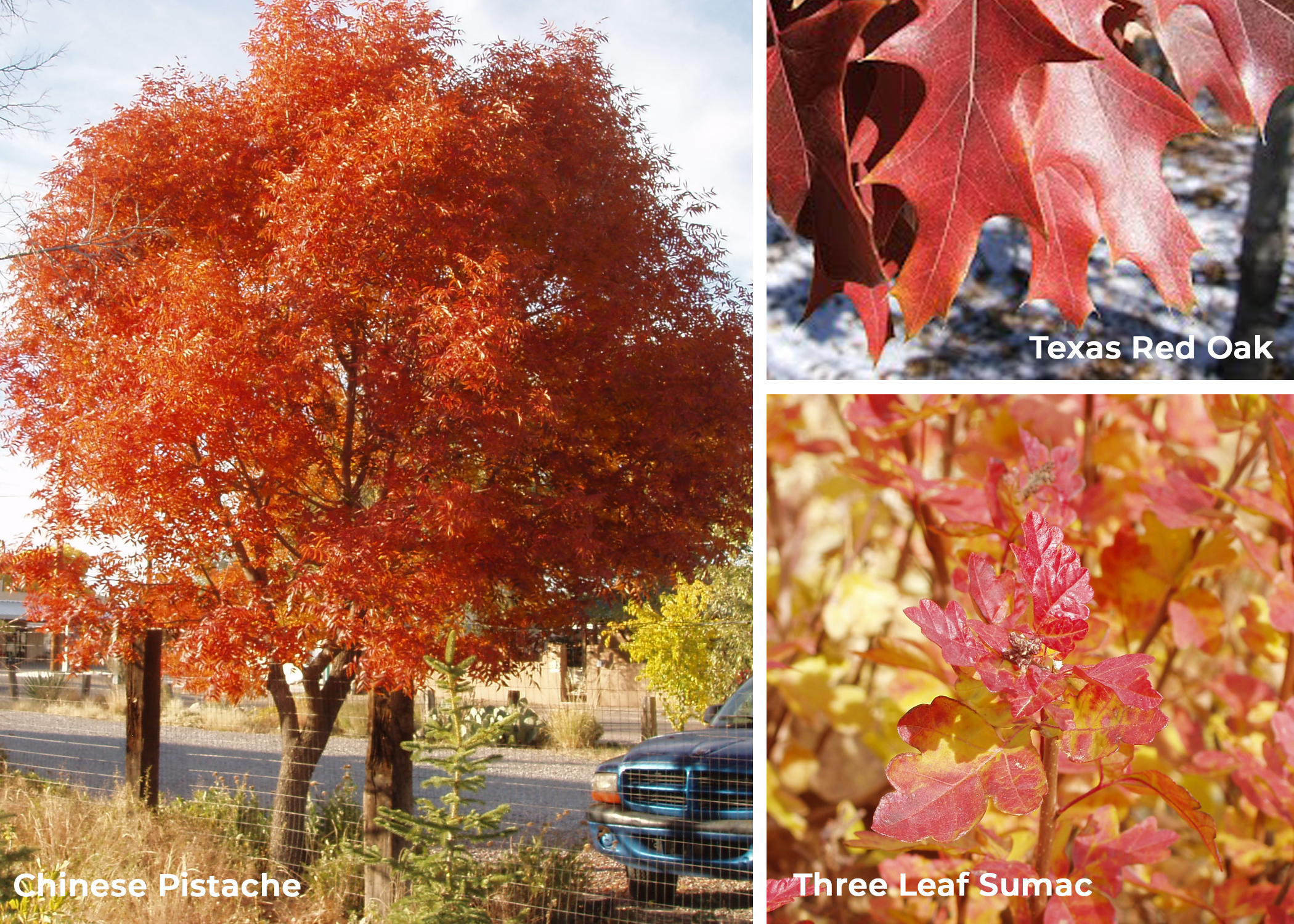
See below for plants shown in the photos:

Author: Sara Zahm, Owner of Sara Zahm Landscape Architect. Have a question about the article or anything else? AskAnExpert@abcwua.org
Are you interested in finding plants for your landscape that easily reproduce from seed? Perhaps plants that are beneficial for wildlife create a natural look and cover a lot of ground? How would you recognize a seedling of one of these species? In this article, we will look at a dozen species of native plants — including trees, shrubs, grasses and wildflowers — that germinate naturally, transplant easily when small, fill in your landscape or garden with beauty, are easy to care for and are low to moderate water users.

Close up of Desert Willow flower (Photo by Wes Brittenham)
Desert Willow (Chilopsis linearis)
This lovely drought tolerant native is not a true willow, but the long, narrow leaves are similar enough to willows to inspire the common name. The lovely, ruffled flowers come in a variety of colors from white to pink to deep burgundy and attract hummingbirds and a wide variety of other pollinators. This tree can range from 12 to 20 feet tall and wide and is appreciated for its dramatic sculptural form, with curvy branching that creates a sinuous feel. Often multi-trunked, its signature orchid-like flowers appear in abundance in spring and frequently repeat throughout the warmer months. With careful proper pruning, this tree is a lovely addition to any landscape, casting light shade and requiring only monthly deep watering after several years of establishment.
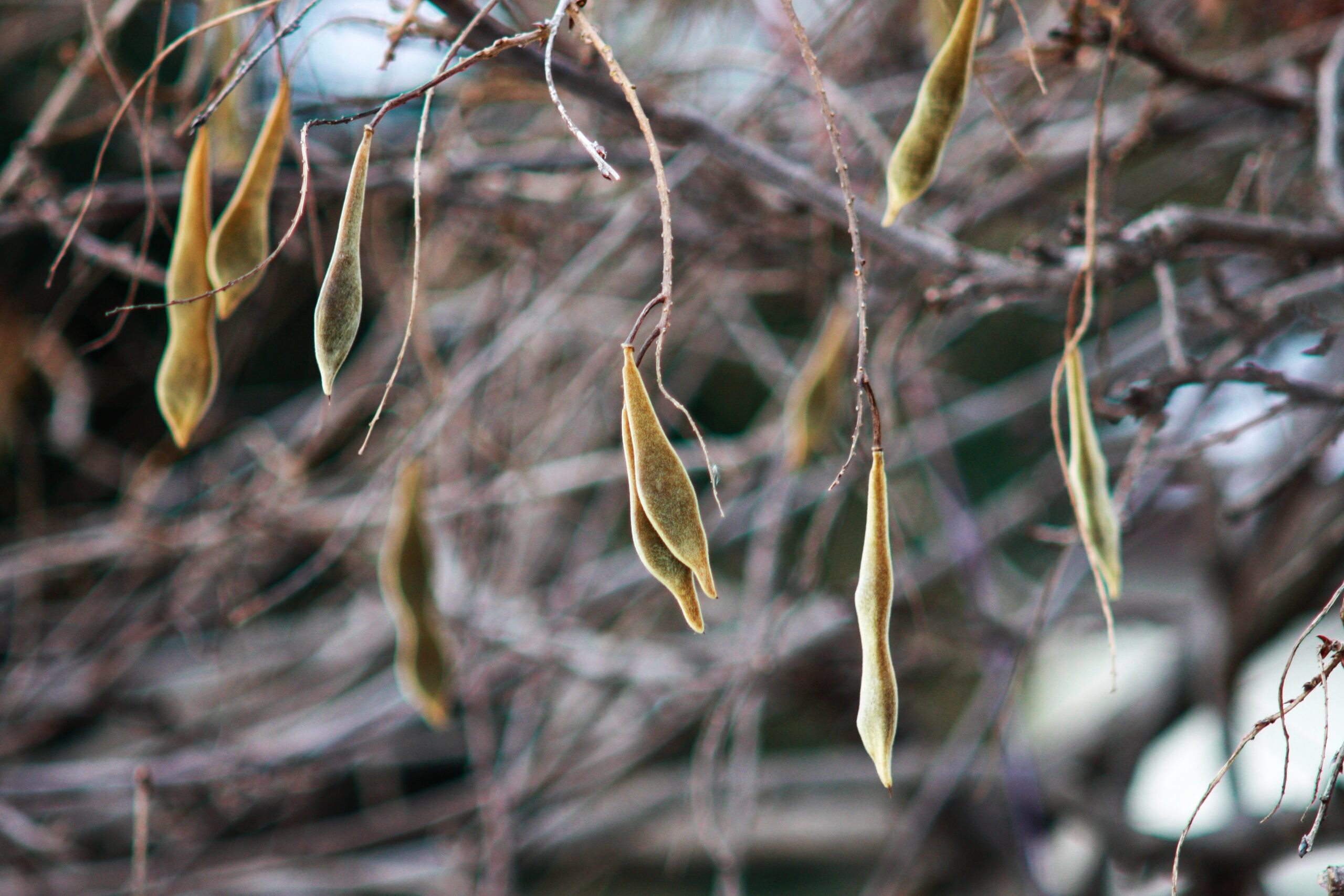
Unless you have a seedless cultivar, this plant produces a prodigious amount of narrow, elongated seed pods resembling thin, dried bean pods. It will germinate in poor soil, gravel or crusher fine mulches — or anywhere the seed catches and gets the moisture and light it needs. A deep-rooted species, this native transplants easily when tiny, within the first couple of years of growth. After that, the deep roots can be damaged by digging. Recognize young plants by the narrow leaves that look like miniature versions of the mature leaves, usually a single vertical stem a few inches tall when you first notice it. It is easy to gather seeds and grow in containers.

Forestiera pubescens var. pubescens (photo by Brandt Magic)
New Mexico Olive (Forestiera neomexicana/Forestiera pubescens var. pubescens)
Sometimes also called New Mexico privet, this native bosque understory plant is neither an olive nor a privet. Common names often refer to an aspect of the plant that reminds people of a familiar landscape plant. Some folks prune this plant severely to resemble privet hedges, though that is not recommended. Usually multi-trunked, this plant hovers between large shrub and small tree, growing from 10 to 15 feet tall and 5 to 10 feet wide. It is happy in full sun to moderate shade, and the female plant produces small purplish berries that are beloved by many birds. The birds deposit the seeds with their natural fertilizer, and you will find transplantable volunteers scattered throughout the landscape. The pale rounded green leaves look like tiny versions of the parent plant. The early, almost inconspicuous flowers born before the leaves emerge are visited by many species of bees. If the tree has eggs of the cabbage looper (the early white butterfly flitting about the garden), which produce tiny inchworm caterpillars, you may see delighted flocks of tiny bushtits swarming in for the buffet. These lovely birds feast on the caterpillars before much leaf damage occurs, making your habitat garden functional and educational.

Three Leaf Sumac with fall color. (Photo by Wes Brittenham)
Three Leaf Sumac (Rhus trilobata)
This native shrub is a wonderful habitat plant. The early, almost inconspicuous greenish yellow flowers come early, giving bees a good source of nectar and pollen. Later, small, berry-like fuzzy fruits ripen, much to the pleasure of the spotted towhee, who will dance and stomp under this shrub, feasting on the fallen fruit. The fruit has a lemony flavor and can be used to make a flavored drink or a great seasoning for grilled trout. Widely branching, this very low water use shrub can grow from 3 to 10 feet tall and wide but can be pruned to keep it on the smaller side. The autumn color ranges from yellow to orange to red and is a great addition to any landscape. The dense branching provides cover from raptors and roadrunners hunting for small birds. The fallen or bird-deposited seeds germinate easily, the three-lobed leaf is easily recognizable, and the seedlings transplant well.

Golden Currant blooms (Photo by Wes Brittenham)
Golden Currant (Ribes aureaum)
Golden currant is named for the beautiful golden flowers that bear a slightly spicy clove like fragrance and are visited by many pollinators. The delicious fruits ripen to a shiny blackish purple and are a favorite of birds and humans fresh off the plant or made into jam, jelly or syrup. This is a wonderful native shrub. Found in riparian areas, it needs moderate water to thrive and full sun to part shade. The prodigious berries produce many seedlings to transplant around the garden. It can be pruned to create a fuller shape and usually grows 3 to 5 feet tall and wide.
Many of our native grasses are prolific seeders, producing volunteers that transplant easily.

Little Bluestem grass (Photo by Wes Brittenham)
Little Bluestem (Schizachyrium scoparium).
This is an upright clump-forming grass that ranges from shades of green to blue-gray during the growing season and beautiful reds and russet colors in fall. A warm season, drought tolerant grass, it is at home in masses, in a meadow or as an individual accent, punctuating the landscape with its strong, vertical form. It produces fluffy, silvery seed heads in the late summer to early fall. These seeds are fabulous light catchers, and this robust grass is spectacular when the seeds are backlit by the rising or setting sun. It is a host plant for native skipper butterflies, and songbirds enjoy the seeds. Best in full sun.

Blue Grama grass (Photo by Wes Brittenham)
Blue Grama (Bouteloua gracilis)
This lovely, clump-forming, self-seeding, drought tolerant native grass is well known for its signature curling seed head that begins with an eyebrow shape and curls to a circle as it dries. This grass is often used as a native lawn mixed with buffalo grass (Buchloe dactyloides) and mowed for a turflike appearance, but the real benefit is to let this grass grow naturally, its deep roots penetrating the soil while the top of the grass goes to beautiful seed and provides habitat for native bees and butterflies. You will notice pollinator activity during the flowering season for this grass. Great in a meadow, as a specimen in a rock garden or tucked among wildflowers.

Indian Ricegrass (photo by Gary Monroe)
Indian Ricegrass (Achnatherum hymenoides)
This striking native loves hot, dry, sandy soil found in west side neighborhoods. It has tiny, gluten free seeds that were a staple food for Indigenous peoples in the Southwest. The thin, wiry leaves grow 1 to 2 feet tall. They are sage green and are topped by ivory colored seed heads that appear in early summer. Another clump-forming grass, it is grown for its durability and lovely seedheads that are beautiful in dried arrangements. A natural food source for wildlife, as well as attracting birds and butterflies, it is the larval host of skipper butterflies.
So many of our wildflowers produce seeds that volunteer easily in the right location. For ease of growth and transplanting, we will look at a few species that have many benefits to offer.

Purple Coneflower (Photo by Wes Brittenham)
Purple Coneflower (Echinacea purpurea).
This perennial delight grows in full sun to part shade and looks its best with moderate water. Beloved by bees and butterflies, the purple/pink petals and dark center cone are a striking form in any landscape or garden. Leave the seed heads through the winter and not only will seed eating birds have a source of nutrition, but you will be rewarded with volunteer seedlings that you can easily transplant in your garden. The small new plants look just like tiny versions of the mature ones.

Mexican Hat Flower (Photo by Wes Brittenham)
Prairie Coneflower/ Mexican Hat (Ratibida columnifera)
This tough, drought tolerant native perennial is known for the distinctive tall center seed cone and drooping flower petals that give it the common name of Mexican hat as it resembles a sombrero. It re-seeds readily, thriving in full sun and well-drained soil. It attracts pollinators, with flowers that can be yellow, maroon or a combination of the two. It has a lengthy bloom time, and birds love the seeds. Growing to about a 1½ feet tall, it is at home in mixed meadows, flower beds and even container gardens.
Tickseed (Coreopsis)
This low maintenance wildflower comes in both perennial (Coreopsis) and annual (Plains coreopsis, C. tinctoria) forms. The perennial is a sturdy plant featuring bright yellow daisy-like flowers that bloom for a long time, attracting bees, butterflies and birds when it goes to seed. The tick-like shape of the seed gives it its common name. Plains coreopsis is airy and thinner than perennial coreopsis and has smaller flowers that are usually yellow around the margins, with red to burgundy in the center.

Large Flower Beardtongue (Photo by Wes Brittenham)
Large Flowered Beardtongue (Penstemon grandiflora)
A 2- to 4-foot-tall native perennial, this penstemon features large lavender to pink tubular flowers in late spring and early summer. It prefers well drained soil, even thrives in sandy soil, and attracts a variety of pollinators, including hummingbirds and the checkerspot butterfly. Wonderful in meadows and prairies, this striking native also looks great when planted in masses as it produces smaller clumps than other large penstemons such as desert beardtongue or Palmers penstemon. The large flowered penstemon re-seeds easily, but like most penstemons, needs to be seeded in the fall for natural cold stratification. The leaves are rounded and a rich blue-grey color.

Blue Flax Flower (Photo by Wes Brittenham)
Blue Flax (Linum lewisii)
This sky blue, delicate looking wildflower is actually quite tough. It blooms profusely on thin, airy stems in spring to mid-summer. The flowers open in the morning and close by the afternoon. It prefers poor, well-drained soil and is very drought tolerant once established. It is usually a short-lived perennial, with each plant lasting perhaps several years in the landscape, but it is a prolific producer of seeds and, if the conditions are conducive, it naturalizes in large, shimmering swaths, with the rounded petals giving a satin sheen effect. It is to be fond of sprouting in decomposed granite or crusher fine mulches.
Learn more here:
Recipe for a High Desert Meadow
Food Forests: A prehistoric agroecosystem for your backyard.
Ornamental Grasses: How and When to Use Them

Author: Wes Brittenham, artist, gardener and writer. Have a question about the article or anything else? AskAnExpert@abcwua.org
Most Albuquerque homes have an irrigation box below ground in the yard that contains automatic valves, pressure reducers, and filters with backflow preventers next to the box. The automatic valves are wired to an irrigation controller that’s often in the garage, laundry room or an outside wall. Different variations of these controllers have been around since the 1960s and allow homeowners to adjust when and how long to water different zones. However in the early 2000s the proliferation of wireless technology and the internet ushered in the ‘Smart’ controller.
Smart controllers use WiFi and connect wirelessly to the local weather station. They will not water on days when it’s too windy or it has already rained. Most will also determine what your landscape’s water needs are and create a schedule based on data added during setup plus the information it receives from local weather stations. They connect to your smartphone or tablet so you have easy control over your system no matter where you are. Irrigation Designer Richard Perce says, “A smart controller adjusts your watering based on the local weather conditions which saves you money and water. But what I love the most is that you can turn your system on and off from the phone as you walk the line to find leaks. No more needing to run back and forth to the garage.”

Smart Controllers allow you to turn your system on and off without running back to the irrigation controller in the garage.
The Water Authority’s offers a smart controller rebate. The rebate is a 25% rebate, up to $100.00 and includes the purchase and professional installation of a smart controller. Installing a Smart controller provides the following benefits:

Features: 8 and 16 zones options, inexpensive, connects to local weather stations, works with all modems, easy to use, robust water schedules based on plant type, soil type, sun exposure; and rebates are available. This controller must be controlled by an smartphone since it does not come with a screen on the controller itself. Costs around $200-$250) Integrates with Amazon Alexa and other smart home devices. Supports dual-band Wi-Fi (2.4 GHz & 5 GHz)


Features: 6 and 12 zone options, inexpensive, connects to local weather stations, easily controlled via your smartphone, can be mounted indoors or outdoors, works with all internet modems (2.4gh and 5gh), long-range Bluetooth radio, can adjust both at the controller and on your phone, easy to use, rebates available. Costs around ($125-$200) Integrates with Amazon Alexa. Model 57950 has a screen, dial and physical buttons you can use to adjust the settings (in addition to the smartphone app). Model 57995 does show the date time and weather you’ll need to use your smartphone to adjust the settings. 
Features: If you have an existing Hunter X2 controller you can add WAND. It is a simple plug-in Wi-Fi option for any X2 controller model for online irrigation management from anywhere with an internet connection. Costs about $100 for the wand on your existing controller (costs between $80-$150), connects to local weather stations, easily controlled via your smartphone, can be mounted indoors or outdoors, works with only (2.4gh) internet modem, can adjust both at the controller and on your phone, easy to use, rebates available. Compatable with amazon alexa, control4 and homeseer home automation technology. 
Features: 4 station base model but HPCs can go up to 23 zones, runs about $200, connects to local weather stations, easily controlled via your smartphone, can be mounted indoors or outdoors, works with only (2.4gh) internet modem, can adjust both at the controller and on your phone, easy to use, rebates available.
The Water Authority offers residential rebates of 25% up to $100, and commercial rebates of 25% up to $500, for Smart Controllers. The rebate can be used for both purchase of the controller and the cost of professional installation. Installation is quite easy and is a great weekend DIY project with a high return of investment. Before purchasing your new controller, make sure to visit the list of qualified WaterSense controllers located in the rebate section.
Learn more here:
WaterSense Smart Irrigation Controllers
Yes, you can afford an irrigation system
Irrigation Maintenance Checklist for the Greater Albuquerque Area
Don’t forget to report any water waste you see.

Have a question about the article or anything else? AskAnExpert@abcwua.org
How can I find my water meter?
Do I have an irrigation valve on my property?
Learn how to install drip irrigation to your irrigation valves.
How to install drip irrigation to a tree?
How to install drip irrigation to a plant?