Does the thought of making changes to your yard seem costly? Can you still get reasonable benefits from just changing a few things instead of your whole yard? Do you feel overwhelmed because you don't know where to start? Do you feel like you don't know enough about irrigation systems to know what to do?
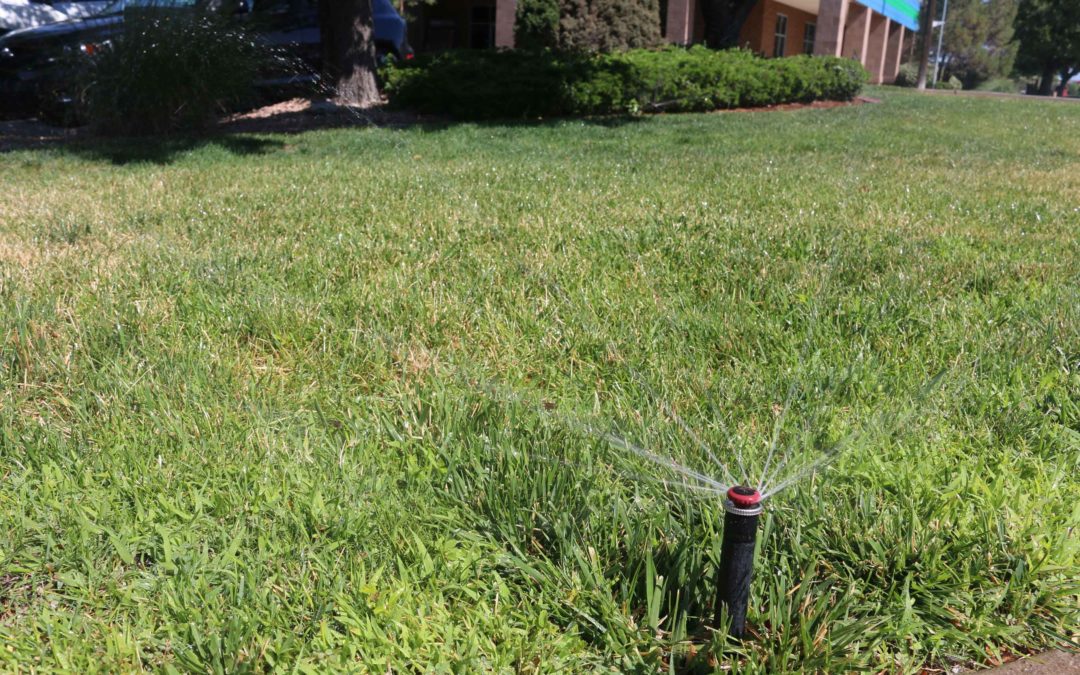
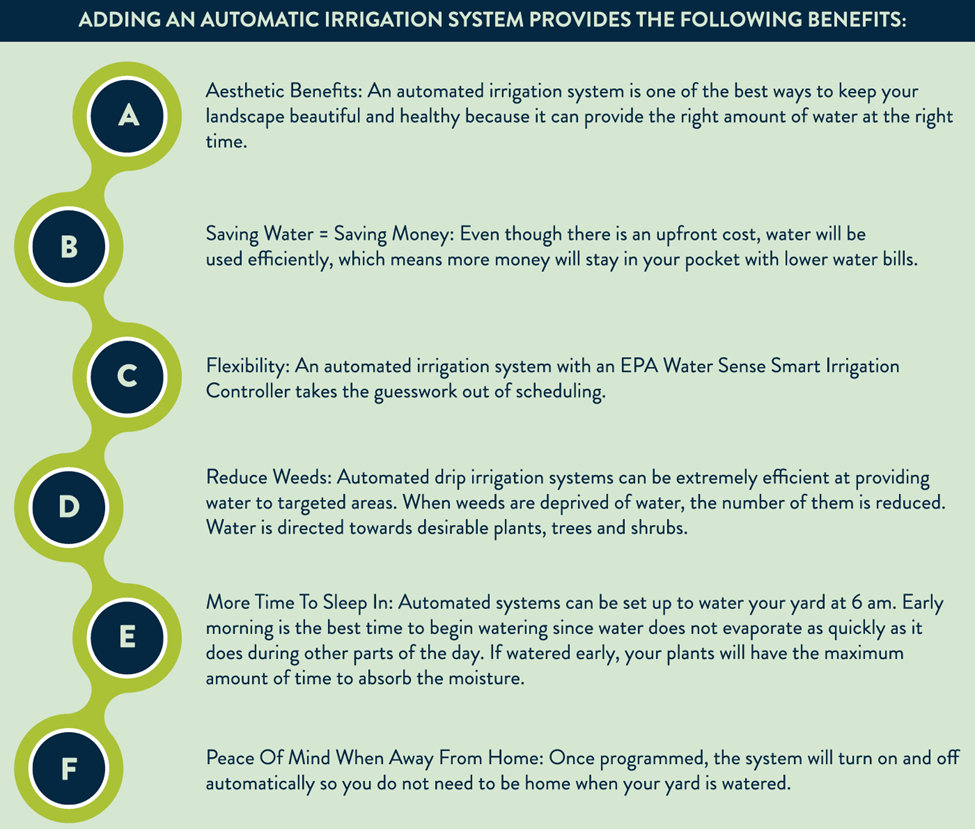
Having an efficient automatic irrigation system can be financially affordable for homeowners, especially with help from our rebates. Homeowners can choose to install or update a spray or drip irrigation system. To figure out your budget using our rebates, consider the following questions: How much can I spend on irrigation updates this year? It's important to be realistic about what you can spend and stick to your budget. You don't necessarily need to spend thousands of dollars to begin saving water. We offer rebates to help you cover some of the costs. Upgrades don’t have to be completed all at once. They can be done in phases.
Check out our New Irrigation Efficiency Guide: Beautiful Landscapes with Less Water. Download the guide here.
There are misconceptions about how to prune a tree. Here are seven things you need to know before you begin.
1. Always have a reason for each cut you make on a tree. A beautiful day and hearing you need to prune now are not the right reasons. The main reasons we trim our trees are to support strong tree structure, encourage fruit production, prevent damage, provide clearance to avoid conflicts, shape the tree for aesthetic reasons and repair the tree from previous damage.
2. Chose the right time of the year. There are good times of the year to prune. Pruning at other times can lead to tree distress and disease. Prune during late winter and early spring, just as trees are coming out of dormancy and will be actively growing soon. For fruit trees, wait until they have flowered before pruning to encourage production and direct growth.
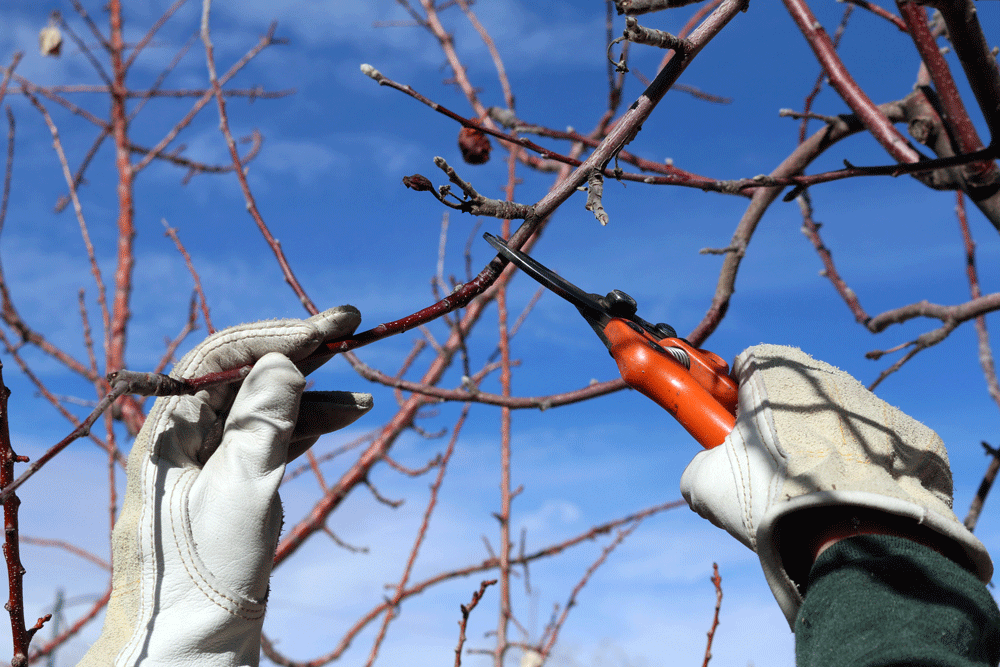
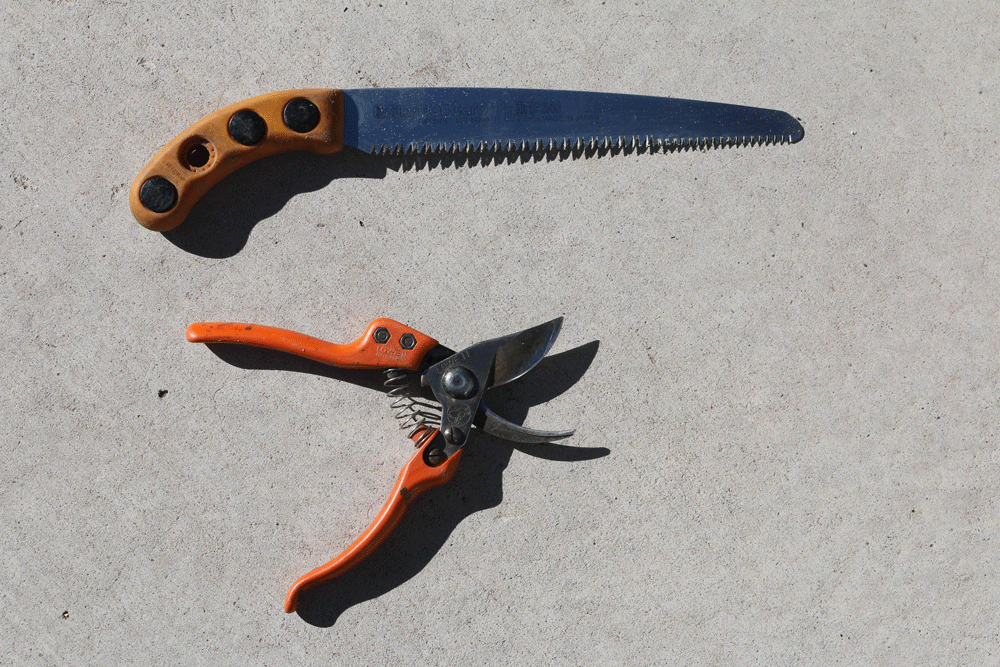
3. Use good hand tools, including a bypass hand pruner and scabbard, 8” folding hand saw, long reach pruner and orchard ladder (step ladders on uneven ground can be dangerous). As fun as they may seem, never use a chainsaw unless operating from the ground below shoulder height. Always wear PPE including safety chaps. Remember to sterilize tools with alcohol or Lysol spray when moving between trees.
Hand Pruner and Bypass Pruning Shears
4. Know your tree type. To figure out your tree type and its particular needs, try some plant identification apps, read the Arbor Day Foundation brochure “what tree is that.” or take photos of the tree and ask an expert. Pictures should include the overall tree form, leaves, bark, flowers or fruit. The most common trees in the Albuquerque landscapes are honey locust, Modesto ash, Siberian elm, London planetree, desert willow, Austrian pine, ashes, ornamental pear, Afghan pine, purple leaf plum, cottonwoods, golden raintree, Chinese pistache, pinon pine, redbuds, crabapples, Navajo willow, Texas red oak and mimosa.
5. Check out your tree’s health. How much water does it need and if/when does it need to be pruned? Highly-stressed trees should not have living branches pruned or removed. A healthy tree’s overall vigor and branch growth from previous years should be around 3”- 4” of growth per year between a bud scar and a new terminal bud. Access the density of the canopy all around and under the tree. For healthy conifers look for four years’ worth of needles on a branch. Less than two years on a branch is considered stressed.
6. Know the three types of pruning cuts: heading, removal and reduction. Avoid heading unless attempting to correct damage. Removal describes cutting branches all the way back to the main trunk. Remove 1” caliper branches and avoid cutting anything bigger than 3”. Some trees, like our local cottonwood, may not be able to heal large wounds. Reduction cut is the ideal cut. It is used to redirect and subordinate growth. Reduction cutting allows the tree to heal properly. Prune back to a branch that is at least 1/3 the size of the branch removed in order to avoid excess sprouting and allow the remaining branch to assert dominance.
7. Know where and how to make the cut. Refer to the diagrams to properly identify the branch collar, which contains the Branch Protection Zone (BPZ) that has specialized tissues which resist the passage of decay organisms into the trunk. Cut about 1/2” outside the branch collar. This allows for proper wound healing. Use the following three-step method when making a cut: First, make a partial upward cut several inches out from the final cut. Next, make a full downward cut a half inch farther out to take the weight off. Lastly, make the final cut without nicking the branch collar.
By reviewing and understanding these seven tree pruning concepts you are well on your way to properly pruning your trees. Remember, tree pruning is only needed every few years. The proper watering of your trees needs to happen monthly. Check out the other tree health articles below to keep yours in tip-top shape.
Author: Amos Arber, Xeriscape Rebate Inspector with the Water Resources Conservation Department for the Water Authority. Have a question about the article? [email protected]
Most irrigation systems have a lifespan of 20 years before they begin to break down. If your house is older than that, most likely you are dealing with issues (water pressure, uniformity of watering, overspraying and possible leaks) that negatively affect the quality of your landscape. If you are going to go through the time, effort and cost of a total yard transformation, seriously consider replacing your whole irrigation system.
PRO TIPS FOR SPOTTING POSSIBLE PROBLEMS WITH THE IRRIGATION SYSTEM:
• Grass is often taller and darker green around a sprinkler that is leaking or in the middle of a lawn where a pipe is leaking.
• Wet spots in a pathway could indicate either a broken emitter is shooting water or a leak is occurring in piping underneath the path.
• Odd sounds, like hissing or splashing, or squishy areas in the lawn or gravel often indicate a leak.
• Calcium deposits on gravel without plants can indicate a leak.
• A wilting plant can indicate a clogged emitter.
• Small areas of dry turf, often near a sprinkler, usually mean there's a clogged nozzle.
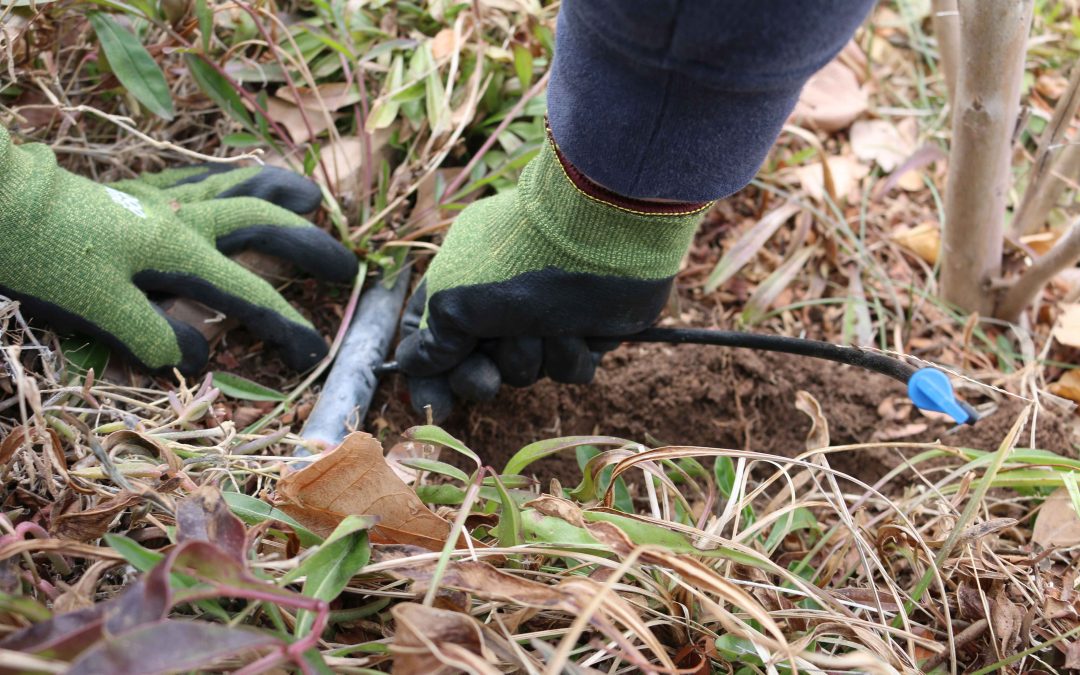
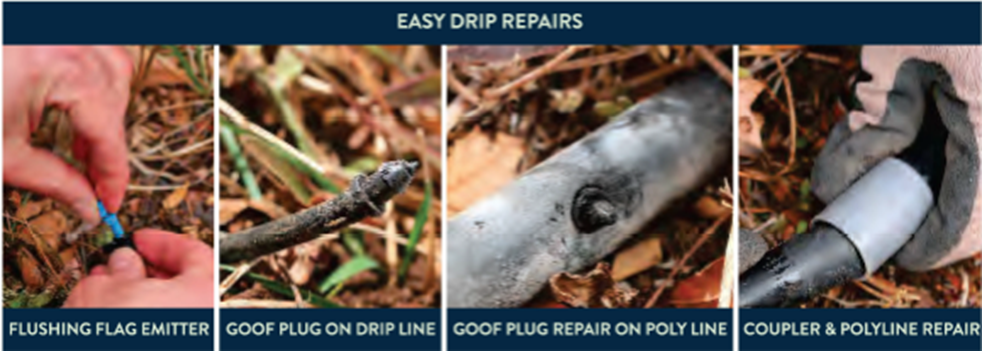
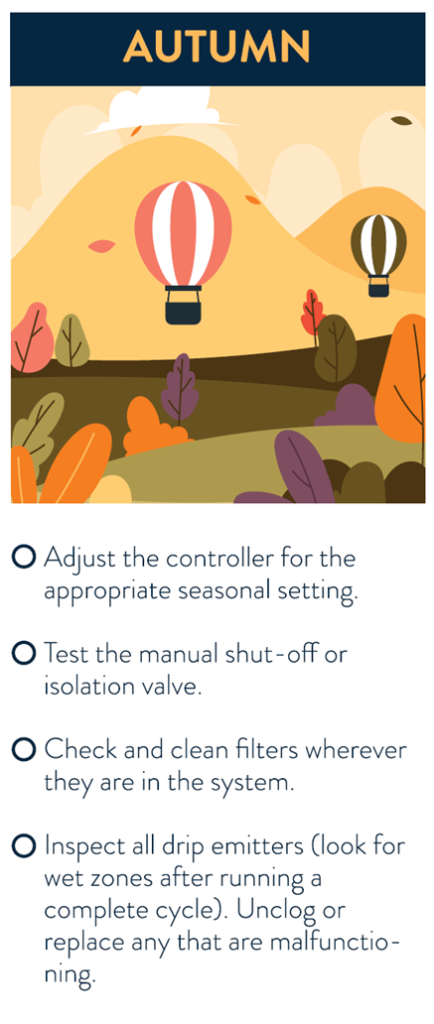
To achieve higher efficiency over time you need to maintain your system. Extending the lifespan of your system requires some upkeep. Most often this maintenance is very easy and won't take much time at all.
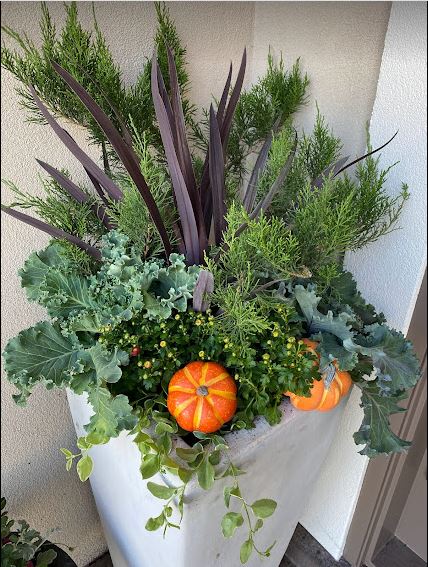
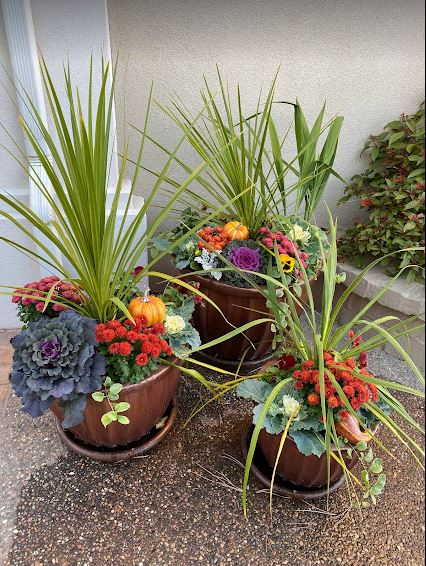
Containers are an easy way to add a splash of color to your garden, porch, balcony or patio, without ever having to dig a hole in our hard New Mexico soil. While you could drop pansies or geraniums in a pot and consider it complete, you could also plant a truly stunning container garden full of color, texture and fragrance. The right combination of plants arranged properly in a planter can be magical. After that, you only need to keep things watered and fertilized as you enjoy the colorful design all season long.
1. Choose the Right Container
Containers have their own unique characteristics to consider, including weight, appearance and sensitivity to weather changes. Also, consider your budget, space and style when selecting them. Keep in mind that the larger the size, the less you'll need to water. But whatever you choose, make sure your containers have good drainage.
2. Select a Color Theme and Plant Combinations
Starting with a color theme for your container garden can help with plant selection. When combining plants in your containers, it’s important to make sure they all have the same light requirements and watering needs. A good rule of thumb is to plant in odd numbers and combine three types of plants — thrillers, fillers, and spillers — in each container to add interest and balance to your design.
“Thriller” plants are the centerpiece of your design. They add height and a bold vertical element. Options include plants chosen for foliage, ornamental grasses or other upright plants. In larger containers, small shrubs or trees, topiaries, spirals and other vertical selections can be used. Thrillers typically go near the center of a container, but they can also be put toward the back of the planter, depending on its final location.
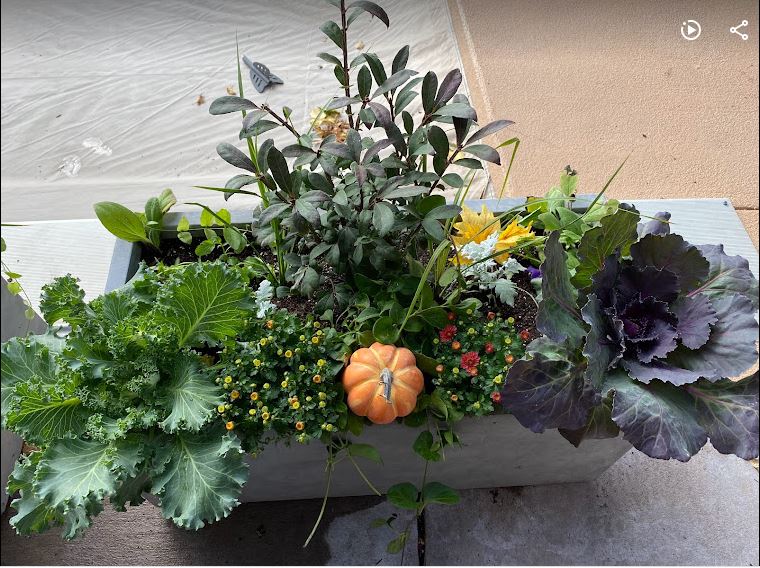
“Filler” plants tend to be more rounded and make the container look full. These are generally placed in front of or around your selected thriller. In a narrow, long container like a window box, fillers are placed halfway between the edge of the container and the thrillers. Violas, pansies, dusty miller, ornamental kale/cabbage, ornamental peppers, geraniums and mums are just a few of the many options for autumn fillers.
“Spiller” plants literally spill out of a container. If your container garden is going to be visible from all sides, be sure to place spillers all the way around. Some favorite autumn spillers are licorice plant (Helichrysum), English ivy, Dichondra 'Silver Falls', ivy geranium and perennial vinca (minor or major), also called periwinkle. I am especially fond of some of the brighter vinca varieties like Illumination or Wojo’s Gem.
3. Fill the Container with a Good Potting Mix
Once you've selected plants and a container, it's time to get started! Fill your container about two-thirds full with a good quality potting mix. If you have a really large planter and would like to use less potting mix, you can use empty water bottles or smaller empty nursery pots or containers turned upside down to take up some of the space in the bottom of the container. Fill around them with potting mix until your container is two-thirds full.
4. Arrange Plants in Your Container
When you're ready to add plants, remove the plants from their nursery pots, gently loosening the root ball with your fingers. Place them in your container and add soil, stopping about two inches from the top of the container to leave enough space for watering.
5. Water Your Plants
Water your container garden thoroughly to help the soil settle. After watering, add more soil if needed to insure good root coverage. Check your containers every 2-3 days, and when the top two inches are dry, it’s time to water again. Don’t forget container plantings may need water twice a day when it’s hot, especially if it’s also windy.
Don't be afraid to add different types of plants, such as annuals, perennials, herbs, cold-hardy vegetables, and even small shrubs, to the same container. The important thing is to select plants that require the same growing conditions. I really like using dwarf Alberta spruce or lemon cypress as the vertical element, surrounded by licorice plants, pansies/violas, dusty miller and ornamental cabbages. I will occasionally add artificial gourds, pumpkins and other décor to make them even more festive.
With a little planning and creativity, you can put together stunning container designs that can be enjoyed all season long.
One hundred years ago, almost every house with a yard had a vegetable garden. This was before the era of mass-produced, well-traveled foods readily available in the big grocery stores. People grew these gardens out of necessity. The whole family joined in, breathing fresh outdoor air and staying active while growing super healthy food to eat.
While we don’t have to do that now, every year more people are discovering the joys (and pains) of growing their own fresh produce. Maybe you’re one of those folks who has recently picked up a hoe and a packet of seeds.
Here are tips for starting gardens as well as suggestions for easy and tasty plants to grow.
Good soil and regular watering are keys to having a successful garden. In the dry Southwest rich soils don’t form naturally, so you’ll need to create a good soil first, and then maintain it.
Setting up wide garden beds makes the most efficient use of amended garden soil and applied irrigation (read John Jeavon’s excellent book How to Grow More Vegetables Than You Ever Thought Possible on Less Land Than You Can Imagine for more on the hows and whys of wide beds).
You may need to break up the soil before planting your first garden. Once the soil is loosened and amended, it’s better to work in new compost with hand tools and to mulch deeply with an organic mulch. Hand tools have advantages: They don’t destroy the living soil the way mechanical tillage does, they aren’t noisy, they don’t smell like exhaust and you get good exercise while using them!
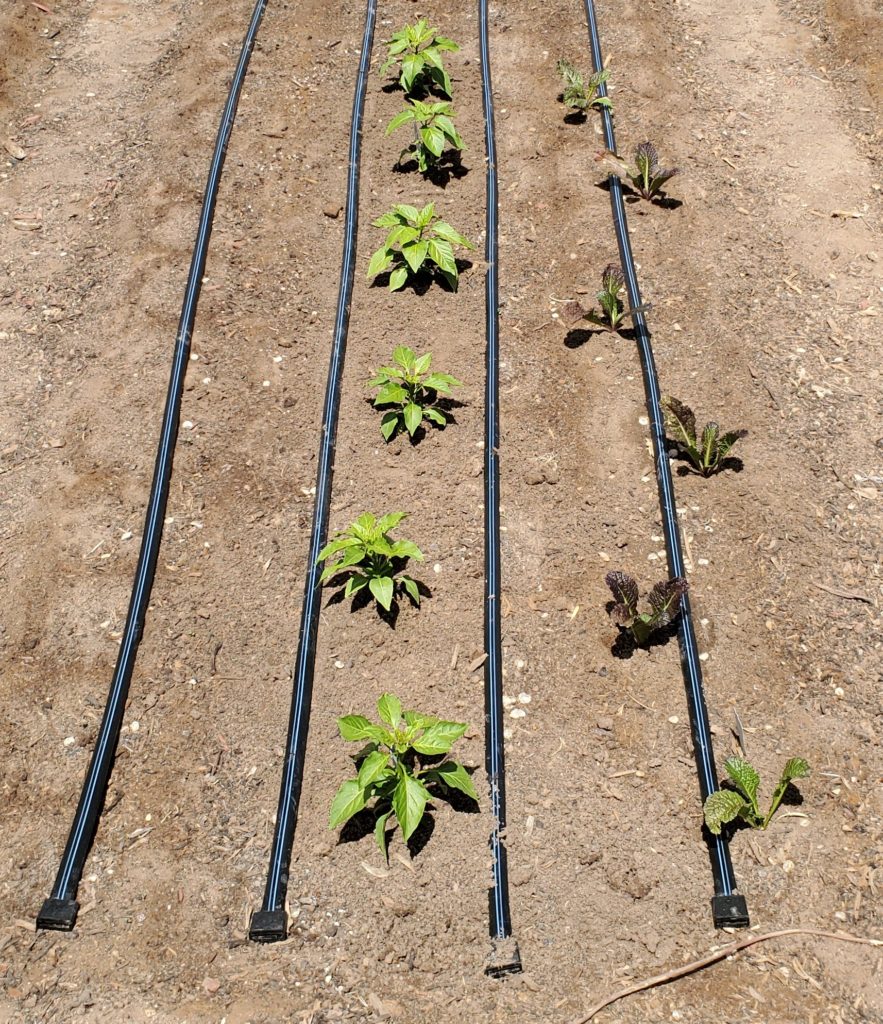
Drip irrigation is ideal for vegetable beds, and there are numerous ways to set up a good system. If you are using the outdoor hose bib, be sure to include anti-siphon devices, pressure reducers and good filters to keep everything safe and functional. Timers are optional but recommended. It sounds complicated but really isn’t hard, and the results are well worth the effort.
Add organic mulch! There are a number of good choices for organic mulch.
Garden beds are in and ready. What are you going to plant?
Some vegetable species prefer warm (even hot) temperatures, while others grow best in cooler weather. At this point in the season, start with the warm weather crops.
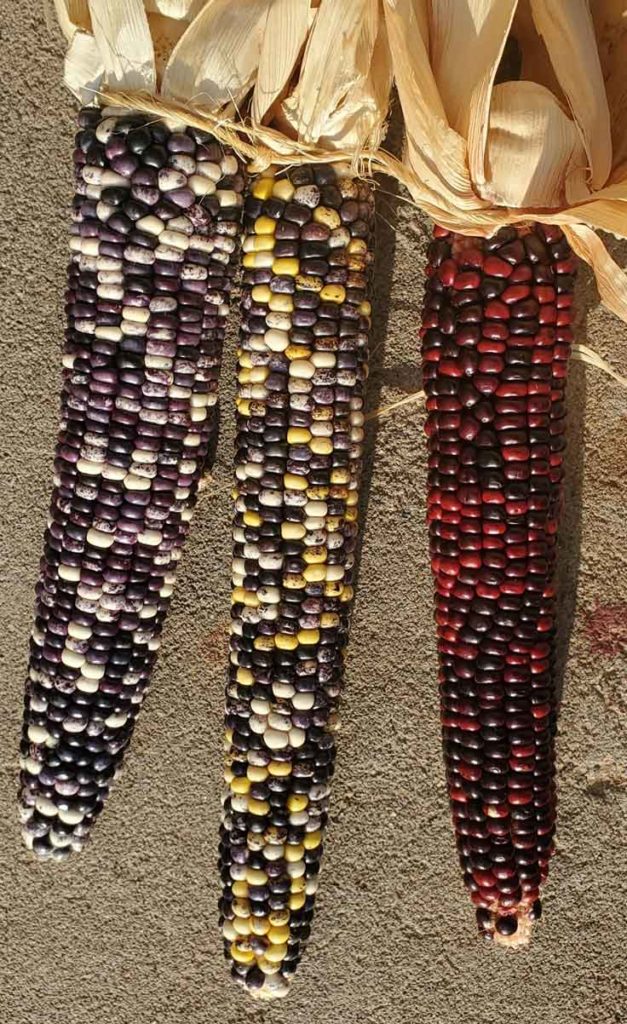
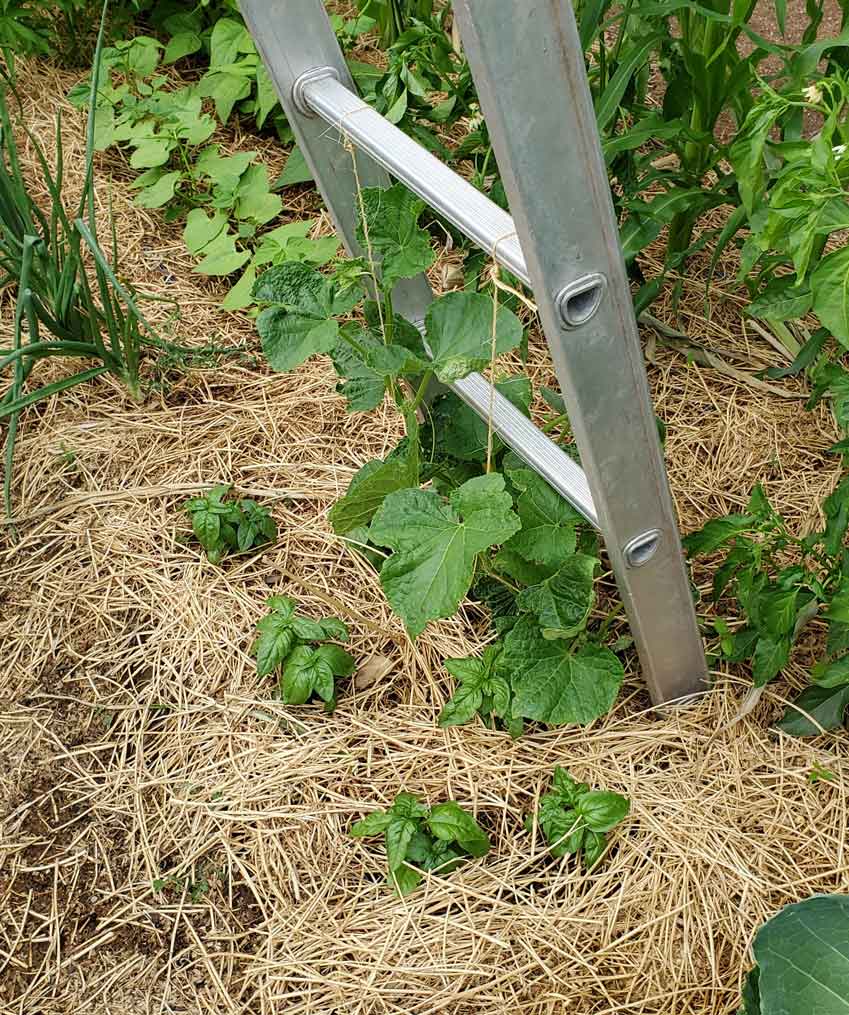
Corn is fun to grow. In a small garden, you don’t really get a lot of food for the space that corn uses, but those tall stalks play other roles as well. The shade they cast, especially in the afternoon, helps other plants grow in our hot, sunny climate. Pole beans, which can be planted around the new corn plants when they’re about a foot tall, will climb the corn stalks. Beans can also add nitrogen to the soil in partnership with certain symbiotic bacteria living in their roots. Flat Italian pole green beans are a true fresh garden delight! Almost any green beans — bush or pole — are easy and satisfying to grow.
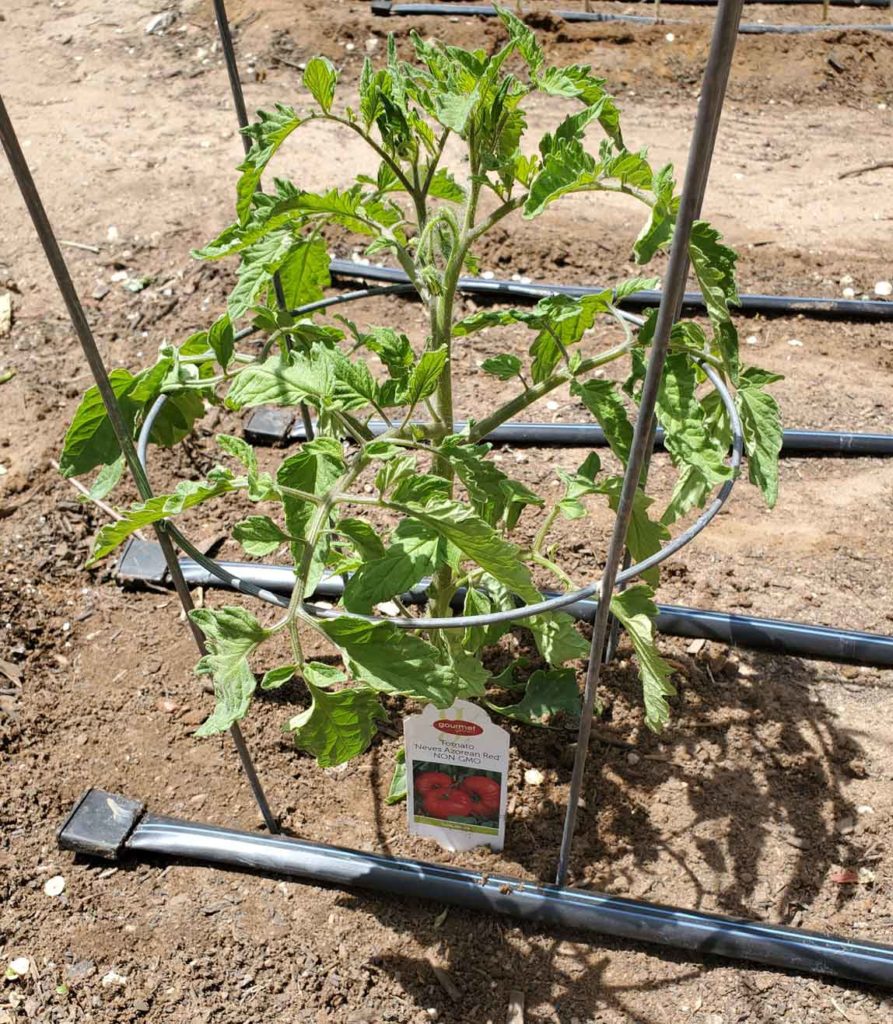
Tomatoes are an annual favorite for many gardeners. There are so many varieties of tomato plants, from short patio container plants and wild rambling cherry tomatoes to dense San Marzano paste tomatoes and Cherokee Purple slicers. The curly top virus can be a problem, but plants growing in light shade are less likely to contract the illness. Blossom end rot sometimes crops up and is most easily controlled with good mulching and regular irrigation. Adding some bone meal to the garden bed may help a bit, too.
If you have room for them to roam, consider planting watermelons! The smaller icebox varieties are a great size, and when planted in our area they tend to have few if any, pest and disease problems. They do, however, need an ample amount of water. Diversify your landscape by planting them in border flower beds where the vines can grow across the yard. They can take over small garden beds, so be careful where you plant them.
As the cooler fall temperatures arrive, lots of other veggies can be planted. Many of them should be seeded in August for fall harvest. Be sure to keep the seed beds moist and shaded a bit so the soil is cooler. Alternatively, you can start them in trays or little pots indoors. If they start to get long and thin, it’s a sign that they need more light!
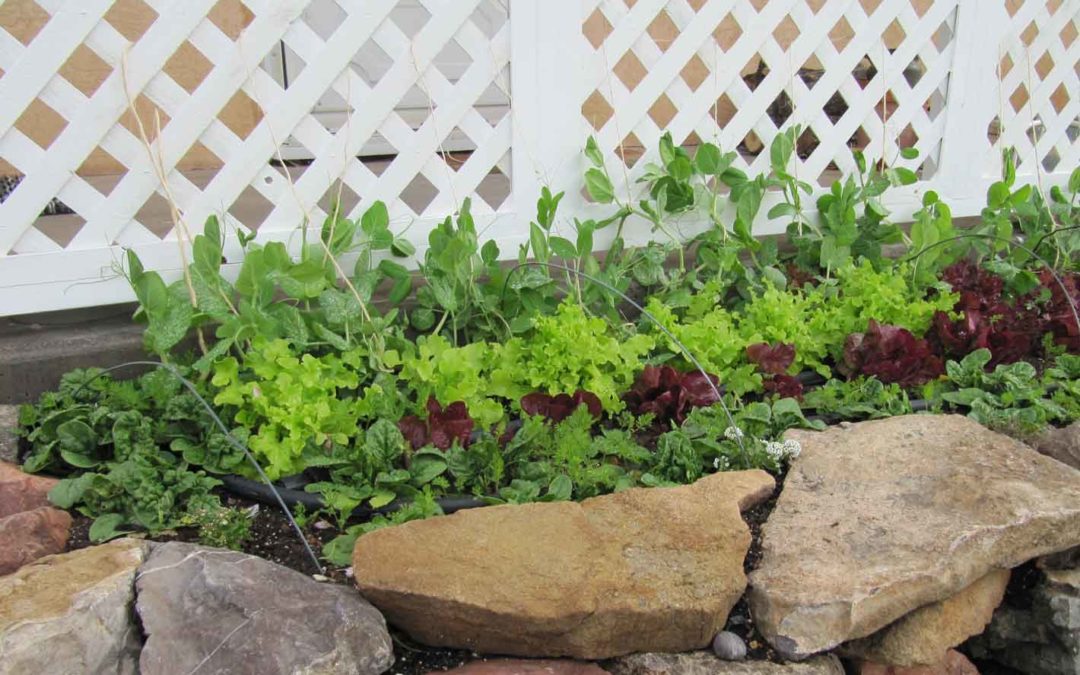
Lettuce is a great fall crop. Romaine and butterhead varieties do well here and are distinct enough to add culinary variety. Other great greens for fall include spinach, kale and Swiss chard. Greens are high nitrogen users, so amend the beds again for fall planting, and periodically give them a light fertilizing with something like fish emulsion (smells awful, grows great plants!) or another soluble plant fertilizer.
Fall is also a great time to plant root crops. Both beets (botanically, the same plant as Swiss chard) and carrots do well in the autumn. Don’t try to start these in pots or trays. Root crops do much better when directly seeded into the ground. There are many gourmet varieties of both beets and carrots, even carrots that come in a mix of orange, yellow, white and purple colors. Shorter varieties are better for most home gardens, as the long ones require deep loose soil to form well.
All the cool season crops can be grown right through the winter if they are harvest-size by the time very cold weather hits. Keep them well mulched. As far as greens go, buy some spun-bound row cover material to drape over them. It’s amazing how well they will do with just a little protection. These crops can be started again in early spring for the spring, cool-season garden.
Learn more by checking out these other useful drip irrigation articles: