As one might guess, the subtropics are a great place to grow fruit trees and a particularly good place to find plants that are heat and drought tolerant — sort of a prerequisite for plant selection in a hot, dry place like New Mexico, or at least it should be!
The term subtropical refers to a climatic region, defined by latitude, that lies between the tropical and temperate zones. This region experiences warm to hot summers and mild winters with overall annual temperature variation more significant than in tropical regions but less extreme than in temperate zones. There is also plenty of rainfall variation across the subtropics, with climates ranging from arid to humid. Subtropical regions often experience seasonal rainfall patterns such as monsoons or wet and dry seasons.
The problem with growing heat and drought tolerant subtropical plants in our high desert is that we have anything but mild winters. Much like another inhabitant of the subtropical/mediterranean climate of Greece, the hero Achilles known for his one weakness, these plants have a very specific vulnerability — cold.
I love to grow plants, fruit in particular. But as irrigation access has become harder to come by and the summer heat seems to last longer than it used to, I have become more and more attracted to plants that thrive in the hot and dry. Navigating the puzzle of a changing climate while planting trees and shrubs is challenging. Long-lived perennials need to be appropriate for today's climate as well as the climate 20 years from now and even the climate 250 years from now if you are a real optimist.
It's tempting to just plant a zone or more higher than the current USDA Plant Hardiness Zone Map (which has itself been updated to reflect higher temperatures twice since 2012), but our weakening jet stream means more chance of Arctic air slipping in and spoiling the fun as we experienced to the extreme in the winter of 2011. The way things are headed has, in many cases, led us to exchange one set of growing problems — namely, heat and drought stress — with another — cold damage.
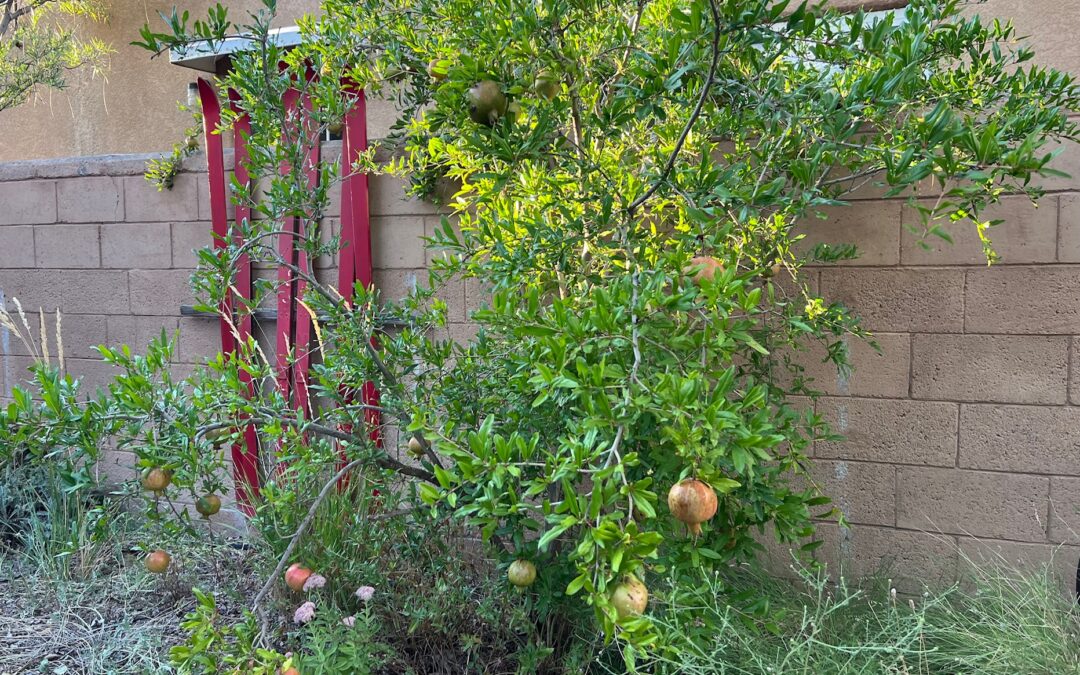
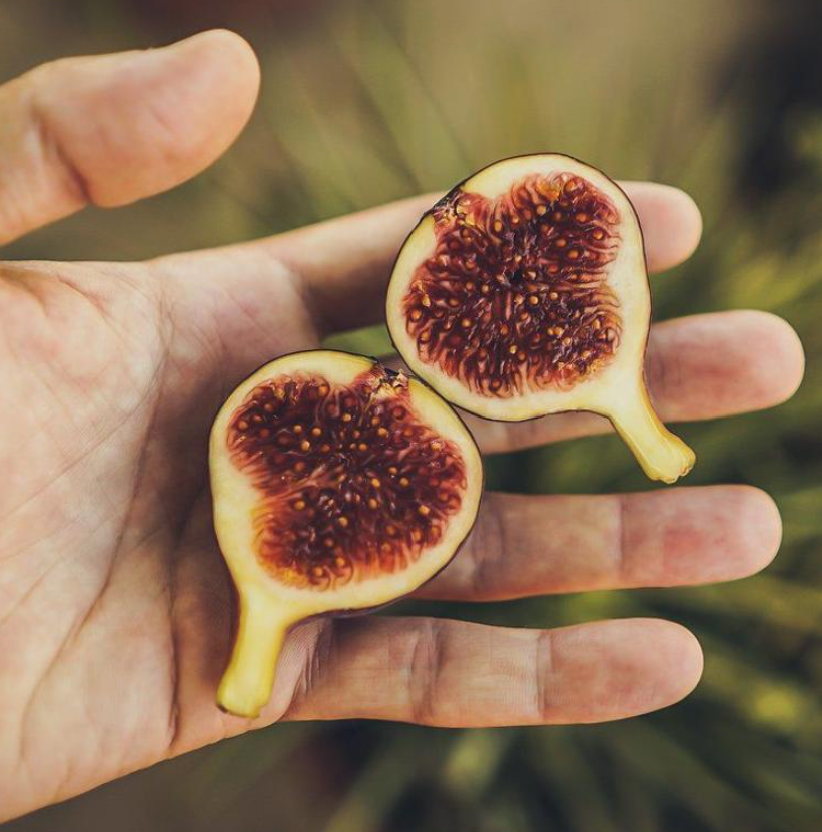
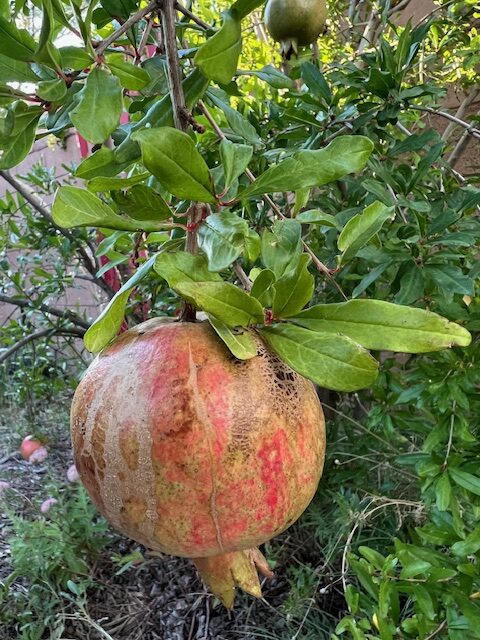
Two fruiting shrubs from the subtropics, pomegranates and figs, have proven to have the right combination of fruiting characteristics and cold tolerance to work in our moving-target-Goldilocks-growing-zone of Central New Mexico.
The fig is extremely adaptable. I imagine this has something to do with why they have evolved and been grown by humans for thousands of years. They perform well in Albuquerque, particularly because of all the heat that gets banked into concrete, asphalt and structures during the day. This heat radiates back out at night, keeping figs at much warmer temperatures than they would otherwise experience during winter in a more exposed area. Figs are tolerant of abuse and relatively content with our intense sunlight, extended droughts and alkaline soils. They can take temperatures down to the low teens, but need to be protected, buried or even brought inside if temperatures fall below that.
There are plenty of examples around town of figs without protection that rarely, if ever, freeze to the ground. Even so, freezing to the ground does not mean death for a fig — a winter-killed fig of an early ripening variety can easily end up fruiting by the end of the summer. That's because figs often come up from the roots and fruit their main crop on the current season's growth. Given an early enough ripening variety, that once-frozen fig can still yield fruit in the same year!
Pomegranates, I have found to be a bit more cold-hardy than figs — although they, too, benefit from a protected, south-facing location to improve winter survival. Optimal conditions for the wild pomegranate exist in high sunlight, hot climates with minimum temperatures not lower than 10 degrees. Although, with the protective care of a thoughtful gardener, lower temperatures are negotiable. There is also significant variation in cold-hardiness among pomegranate varieties, with dwarf varieties experiencing damage at 19 degrees, many soft-seeded varieties at 10-12 degrees and hard-seeded varieties at 0-3 degrees.
For both pomegranates and figs, young plants are more frost sensitive to cold than mature plants. So if you have trouble the first year or two with losing branches to cold, remember that these plants get more frost resistant with time. These are both wonderful subtropical fruiting shrubs that are worth the extra trouble during our high desert winter to experience their summertime beauty and bounty.
Learn more about specific types of gardening here:
Author: Graeme Davis is an ISA certified arborist and the owner of Flora Fauna Farm, a nursery that focuses on plants that grow well in the high desert. Flora Fauna Farm grows a diversity of edible trees and shrubs, useful native plants and unique landscape plants curiously underrepresented in the urban canopy of Albuquerque. You can see its offerings at www.florafauna.farm. Have a question about the article? AskAnExpert@abcwua.org
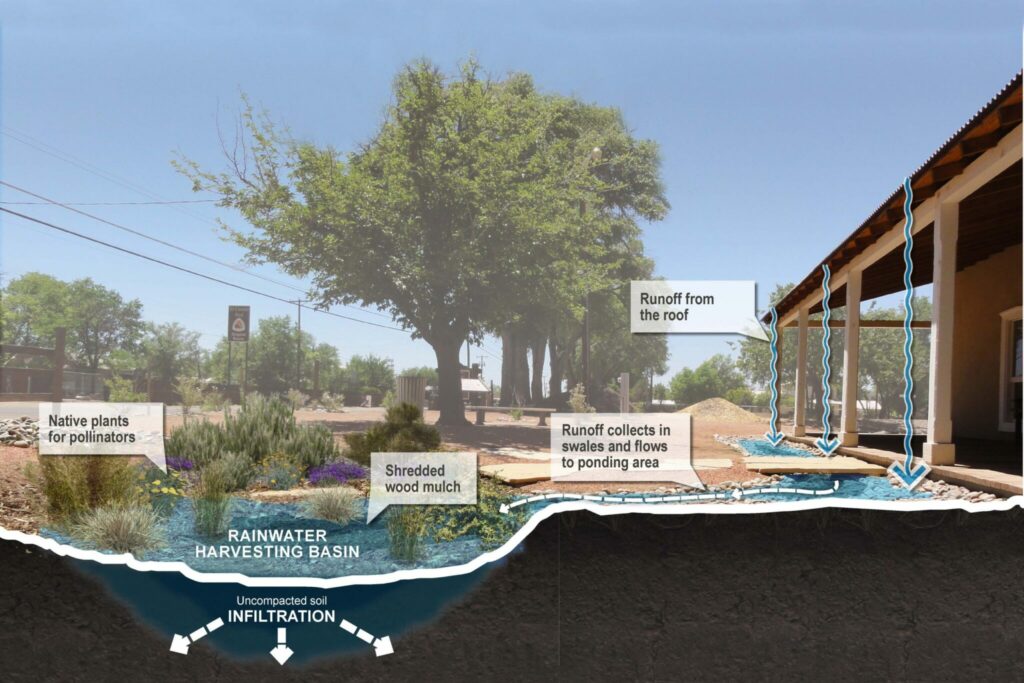
Passive rainwater harvesting allows you to collect rainwater runoff from roofs, patios and driveways as well as the overflow from rain barrels and cisterns (active rainwater harvesting sources) and direct it into the landscape. The water then gets stored in the soil where plants can take advantage of the moisture.
Several rainwater harvesting techniques can turn potential problems (i.e. erosion, flooding or excess moisture near foundations) into water for your plants. Rainwater contains extra nutrients not always found in potable water, so the plants receive additional benefits. Passive rainwater harvesting also helps filter out pollutants, increase infiltration to the aquifer and provide healthier ecosystem habitat.
Start by calculating the amount of water that flows from your potential runoff sources. For every 1,000 square feet of hard surface, 1 inch of rain will generate approximately 600 gallons of water. It’s easy to see why rain barrels or cisterns can quickly fill during medium to larger rain events, so a passive collection system for overflow is always a good idea. You want to make sure whatever system you create will be able to handle a
good-sized rain event (refer to the link above). It’s very important to create a directed overflow so that when there is a large rainstorm, the excess water will flow into a basin or other feature onsite or into the street (if your capacity is limited) without creating erosion.
There are many different techniques, and some can be used together to enhance the benefits. These techniques include rain gardens, swales, basins, soil sponges, curb cuts, French drains and pumice wicks, check dams and gabions. Study your site and these techniques to determine the best option for your garden. Watch your site during a rain to see where the runoff comes from and where it goes. You may want to take advantage of existing patterns.
Rain gardens are depressions to catch surface runoff from slopes and are best planted with native plants that can take occasional flooding.
Swales are sloped depressions that convey water into basins or rain gardens from canales, downspouts or other drains. Make sure the slopes consistently move the water downhill and are large enough to not get overwhelmed. Swales are usually lined with large gravel or cobble to prevent erosion. If you have extra material onsite, this is a great recycling solution. Make sure that swales are designed to catch the slow drip of a light rain as well as the powerful flow of a heavy downpour.
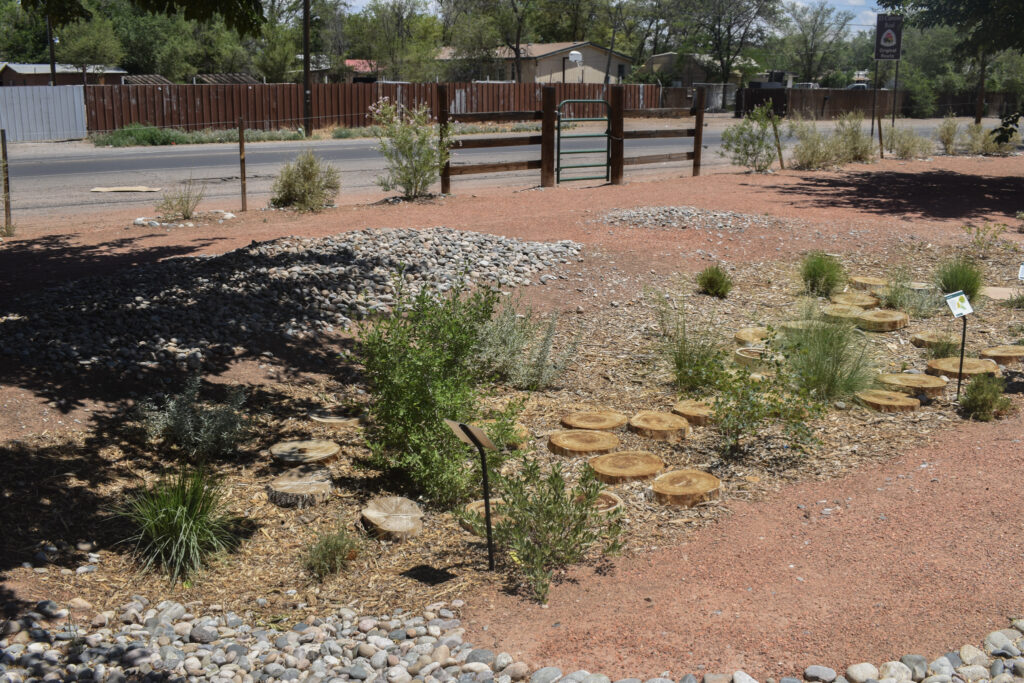
Basins are catchment ponds designed to handle large rain events and provide a great place to plant trees and larger shrubs or heavy water use plants that can benefit from the extra water. Calculating the size to match your runoff is vital here. The area where the runoff from your swale(s) enters the basin will need gravel to dissipate the erosive forces. Shredded wood mulch works best in the bottom of the basin. The capacity of the basin and the health of the plants can be further enhanced by installing soil sponges (see below) in the low points. In larger yards, you may want to create a series of basins to increase capacity and opportunities for plantings.
Soil sponges are post holes dug and filled with a soil mix containing compost to increase infiltration and introduce organic matter and beneficial microbes to the soil sponge and surrounding soil. These also provide an avenue for plant roots to quickly grow deeper, improving health and drought tolerance.
Curb cuts are made with a concrete saw to channel runoff into a basin. This can be done on your own property, but permission is needed to cut into a public curb to direct excess water into the street.
French drains and pumice wicks are progressively deeper trenches lined with geotextile fabric (to prevent silting up) and filled with gravel or pumice. These are best used when you have existing trees or large shrubs and the base of those plants is on the same level or higher than where your runoff originates. Aim them directly at the tree or shrub to minimize root damage while still providing additional water to the plants’ root zone. The open space in pumice provides additional water capacity.
Check dams and gabions are small dams used in areas where existing runoff has started to erode and cut deeply into the soil. These small dams slow down the water so it infiltrates and lessens erosion. Gabions are a type of check dam constructed of riprap (oversize gravel/cobble) held together with a wire basket. Generally, both have an area of cobble below to prevent erosion.
Passive rainwater harvesting is a great way to lessen your use of potable water, reduce erosion and provide a supplemental water source for your garden. Remember, you still will need to water your plants (through irrigation or hand watering) to establish them and, in most cases, to maintain their health.
The jujube is just one of those trees that is extra! Extra fruitful, extra nutritious, extra hardy, extra beautiful. This medium sized tree comes in 400 varieties, many of which are being cultivated and taking root in Albuquerque.
The jujube tree, often called Chinese date, has been cultivated for thousands of years around the world, in Albuquerque for nearly 60 years and in the panhandle of Texas since 1875. Its small abundant fruits are high in fiber, vitamin C, potassium, antioxidants and phenolic compounds and have been used to support nervous system, cardiac and digestive health. Medicinally, it is used as a tonic sweetener in many supportive Chinese herbal remedies.
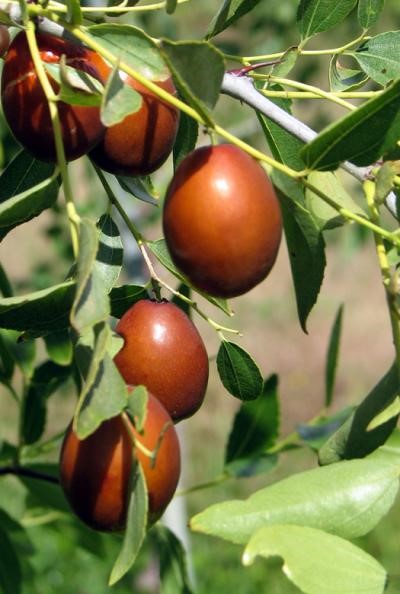
The fruit can be eaten raw, dried or cooked. Fresh from the tree, when they’re mature and a luscious mahogany brown, they have a crunchy refreshing taste, like a cross between an apple and a date. As they dry, they become sweeter and chewy. Dried, they are delicious in oatmeal, cookies, trail mix or anywhere you would use dried fruit. They make an excellent chai — just boil dried pieces with other ingredients, letting the earthy sweet flavor complement ginger, cinnamon, cardamom, pepper and other traditional chai ingredients. You also can find recipes from Korea, China, Vietnam, India, Italy and many Persian cultures that incorporate the jujube for both sweet and savory dishes.
The fruit is very easy to dry and, in fact, many that you miss harvesting will dry right on the tree. However, we do recommend bringing them inside to dry and cutting the pits out before drying so they are easier to eat and enjoy down the road. If you have a dehydrator, that will speed the process, but they will also dry if you place them on cookie sheets in a spare room, on top of a shed in the sun or even in a car and let our New Mexico dry air work its magic. Jujubes don’t bruise and spoil quickly like other stone fruits, so windfalls and bird-pecked fruits don’t make a mess and are still usable.
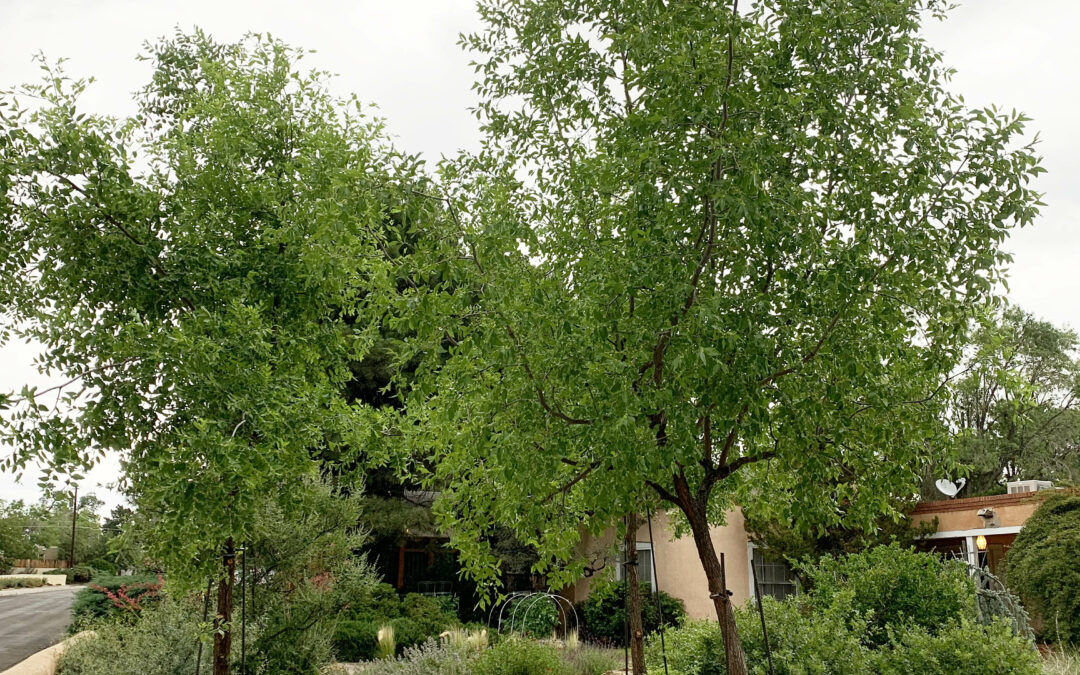
We love edible landscapes, so we’re naturally drawn to these fabulous trees. But even if you aren’t looking for food, the jujube is a wonderfully hardy tree for Albuquerque. This tough specimen hails from the buckthorn family, Rhamnaceae, and will grow in USDA hardiness zones 6-11, which is an extraordinary range for any tree! At the moment, Albuquerque is generally zone 7, but as we face climate disruption, landscapers and planners are encouraging planting with an eye to zone 8 or 9 so our shade and habitat trees can withstand increasing heat. Jujubes are deeply rooted and can tolerate drought and saline and alkaline soils. Once established they can survive with small amounts of water, though a strategic watering schedule will increase your yield. Because they’re so drought tolerant, we don’t recommend planting a veggie garden under them or they’ll drink up all the water intended for your zucchini. They do well in full sun or light shade. They can handle sustained days and weeks of 100 degree plus heat, 23 below zero in winter and anything in between. They must have a frost to produce fruit, which isn’t a problem here. Jujubes do sucker quite a bit from their roots, and this rootstock, if allowed to sprout, produces very small, almost inedible fruits that are mostly pit. So, we do suggest being vigilant in cutting down the root sprouts as they appear.
Jujubes make a beautiful addition to any landscape. They have an elegant zig zag branch growth pattern and bright green, shiny oval leaves that can even withstand severe hail. They can be trained to a traditional tree structure or allowed to be a little wild and shrubby. They provide cool shade and habitat for birds, pollinators and other wildlife. Speaking of wildlife, one of us has a friend whose small dog Kipper grabs himself a couple from the ground during ripening season, carrying them happily to his bed to snack on … he’s not wildlife, but that little dog seems to love a jujube even above his biscuit treats. These trees benefit from cross pollination so plant yourself two of these beauties!
Planting trees not only gives you the riches of your tree, but it is also a love letter to the future. As gardeners who are tending land and each other in the midst of climate chaos, we have the opportunity to cultivate healing, repair and hope. With every tree we plant, we can try to leave our small patch of earth a little better than how we found it — cooled with shade, brightened with birdsong and providing nutritious food via a resilient, prized and giving tree. The next time you’re sitting in your garden, allow yourself to dream of a future where someone is harvesting jujubes and appreciating the ancestors who cultivated and left these sweet trees for them.
Learn more about specific types of gardening here:
Author: Corva Rose is an arborist and founder of Tree School, and can be reached through treeschoolNM.com, Jennifer Gardner has been gardening in Albuquerque for 30 years, with an emphasis on residential scale food planting. Have a question about the article? AskAnExpert@abcwua.org
Trees are especially important in arid, urban environments like Albuquerque and Bernalillo County. They provide shade, mitigate urban heat, reduce greenhouse gasses and air pollution, and create wildlife habitat, among many other benefits. All trees, even climate-resilient and drought tolerant species, need to be watered adequately.
It’s worth the investment to keep our mature trees healthy. The mature trees on your property are worth much more than the cost of your treasured appliances and, yes, even more than your roof. Keeping our trees healthy and happy over their lifetime is a minimal investment and a valuable contribution to our community urban forest.
In Albuquerque, we tend to overwater our lawns and underwater our trees. It’s important to understand the basics of how best to water trees. For instance, a tree has two different main types of roots. The feeder roots lie within the first 6-24”of the ground, and the stabilizer roots can be at least 3’ deep You may think your trees’ roots can reach the water table, but you should think again — most of Albuquerque has a water table between 20 and 150 feet’ deep. Your roots are never getting that deep.
Due to the importance of our urban forest and how many people are seeking guidance on how to water their trees, the Bernalillo County Water Conservation Program, and Let’s Plant Albuquerque, partners collaborated to create this How to Build an Efficient Tree Watering System guide and the associated workshops.
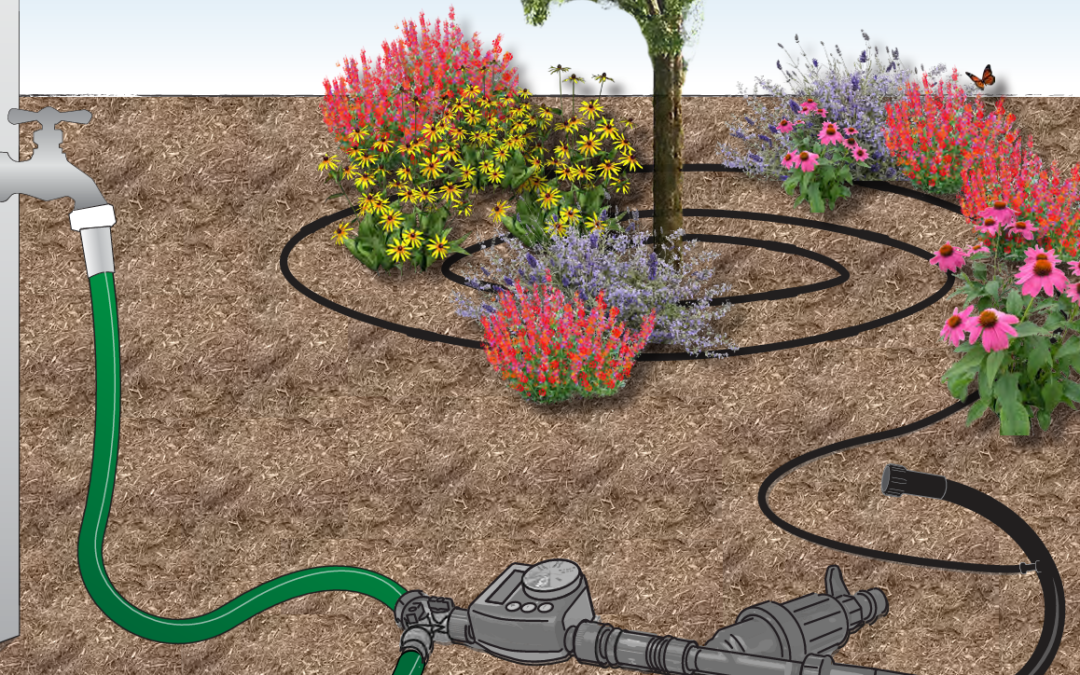
The tree irrigation system is inexpensive, flexible, easy to install and long-lasting. It uses drip irrigation attached to your hose bib and can be easily expanded as your tree matures.
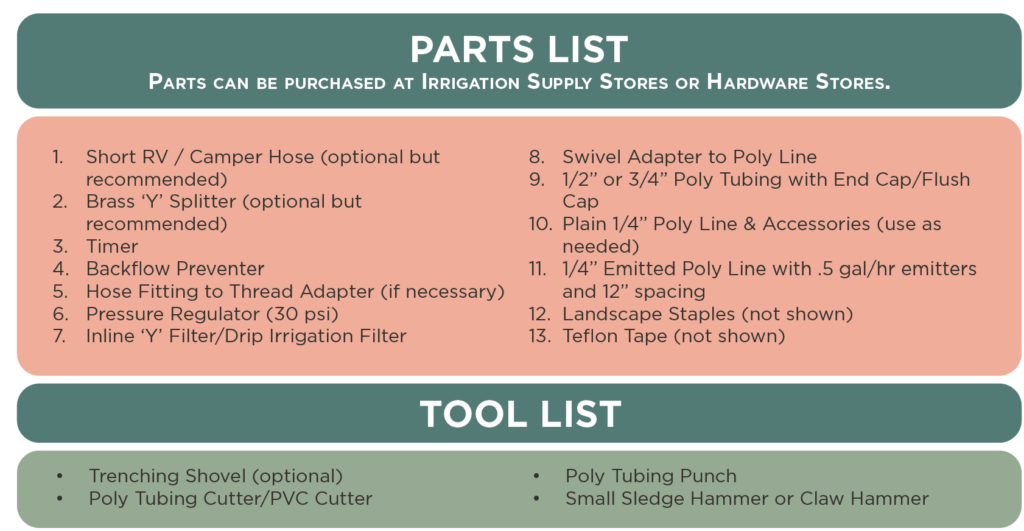
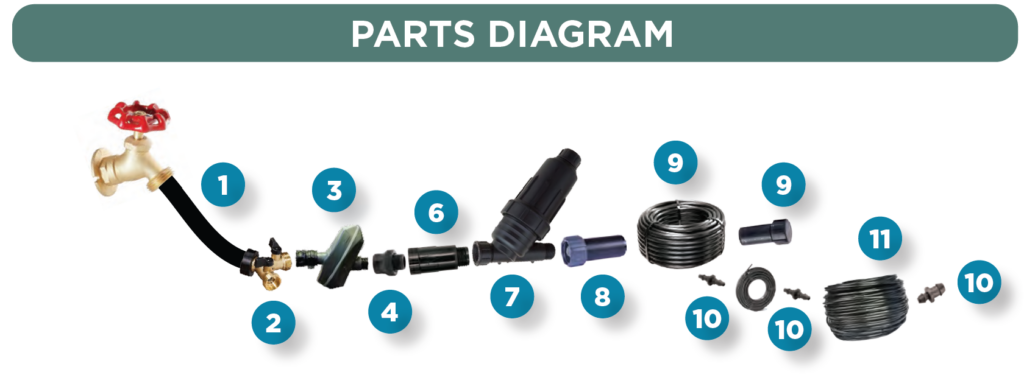
When assembling your system there are a few key parts to consider:
Teflon tape is needed to seal the threads at every connection to prevent water coming through.
Take note of the two different types of threads: hose threads and pipe threads. Hose threads are straight and require a washer to seal. Pipe and coupling threads are tapered for water use and will seal with just the application of Teflon thread seal tape.
Timers should be uninstalled and stored with the batteries removed over the winter. Some people like to install fresh batteries every spring to ensure there is no interruption during the growing season.
A pressure regulator is important for all drip systems due to the high pressure in our Albuquerque water lines. The regulator reduces the water pressure coming in from the main water supply. Then, it creates a constant low water pressure through the system, allowing the drip tubing to put out the correct volume of water per minute.
Distribution (lateral line) drip tubing comes in two general sizes, and each has advantages and limitations:
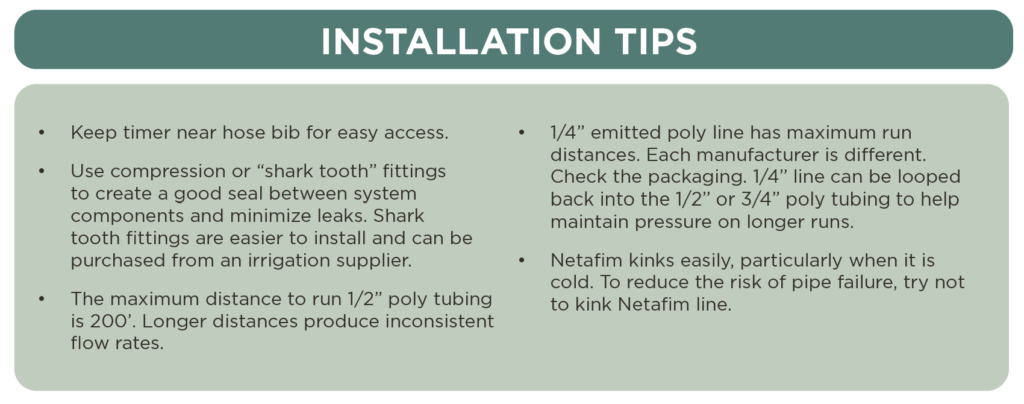
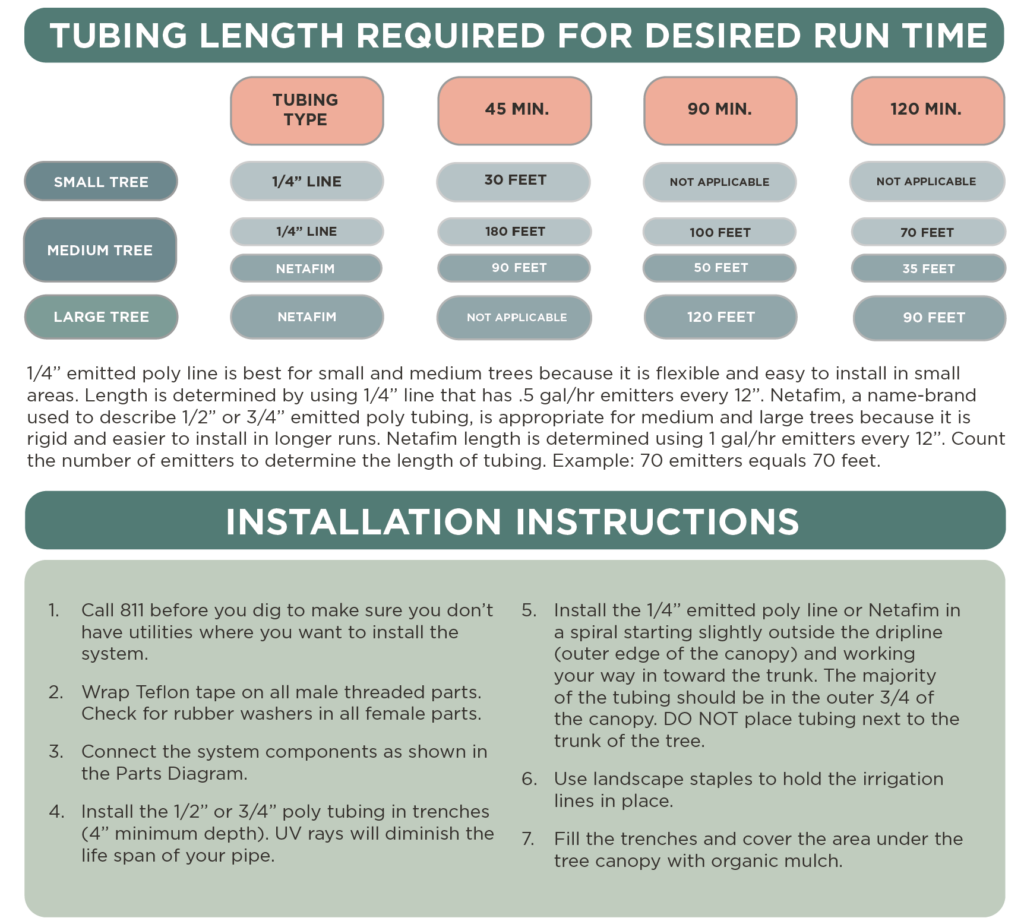
1/2” tubing is more common, and parts are available at big box stores. The run of distribution tubing must be less than 200 feet.
¾” tubing is available from irrigation supply stores. It holds pressure better, and tubing runs can be up to 600 feet.
Inline drip line (emitter line) drip tubing comes in two sizes and includes drip emitters pre-installed in the line every 6”, 12” or 18”.
½” Netafim inline dripline tubing for use around medium and large trees. Use 12” emitter spacing.
¼” Netafim inline dripline tubing for use around small trees. Use 6” emitter spacing.
A flush type of end cap is handy for flushing out the system at season start-up or if a break occurs. It is recommended to remove and store flush caps over the winter.
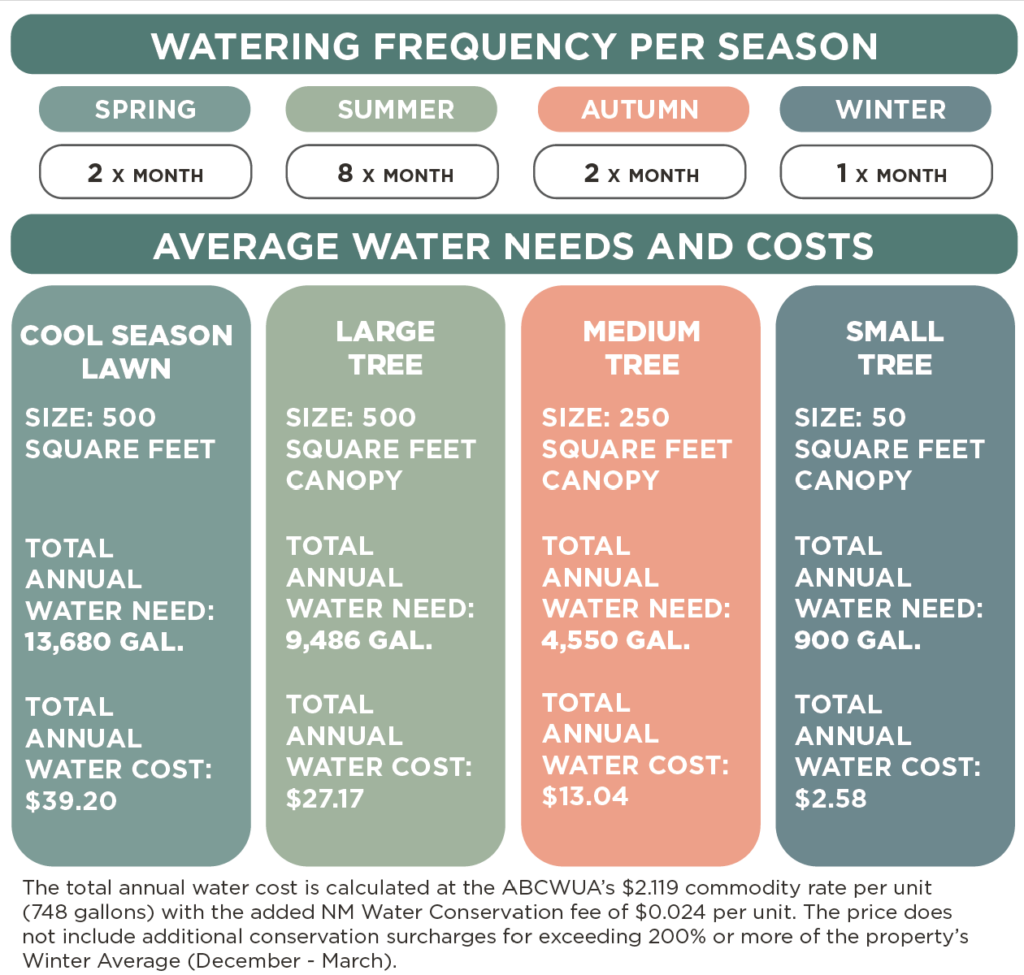
The watering guidance for the system was developed to not under or over water most trees in Albuquerque. However, irrigation is highly dependent on site conditions such as soil type and microclimate as well as the species of tree. This guidance is meant to be a rule of thumb or starting point, and adjustments should be made based on the local conditions and tree species.
Below are some of the factors that should be considered in generating a watering schedule for your yard:
Soils affect how often and how long you need to water — see the Water Authority’s Irrigation Guide for more details. In general, sandy soils require shorter but more frequent run times while clay soils need longer but less frequent run times.
Always check your plants to evaluate irrigation scheduling. Most plants will look a little bedraggled at 3 p.m. during the summer so check in the morning. Do they seem wilted or pale or have cupped leaves? These can be signs your tree needs more water.
Be aware that symptoms of overwatering and underwatering may look similar.
Occasionally, feel the soil the day after irrigating or use a soil probe such as a screwdriver or coat hanger to evaluate the level of moisture in the soil. If the probe is easy to push in and there is a swampy smell, the soil has too much water. If you can’t get the soil probe more than 4” into the soil, it’s too dry. Ideally, the soil probe can be pushed 12”-18” into the soil 24-48 hours after irrigating.
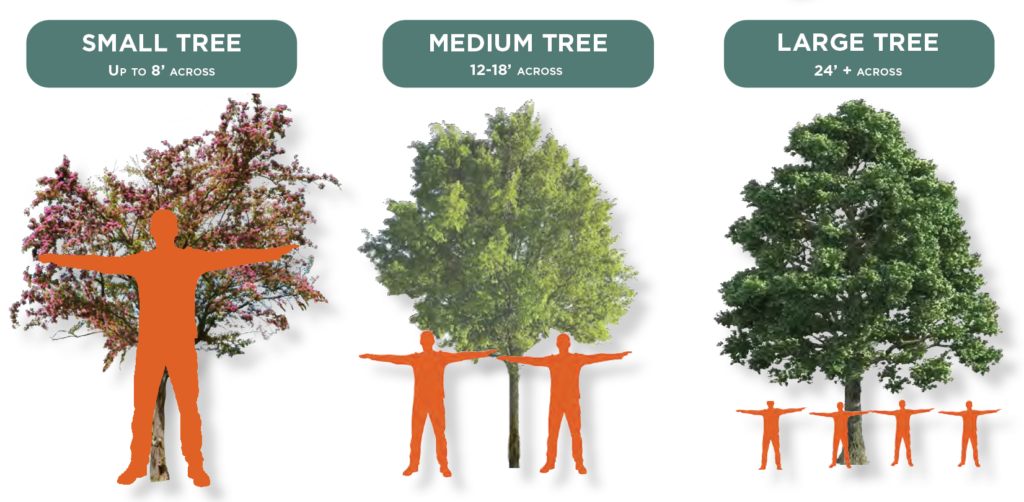
Consider what size tree you are trying to water. Check out the diagrams above and below to determine how much tube length you will need to meet the required water needs of your tree.
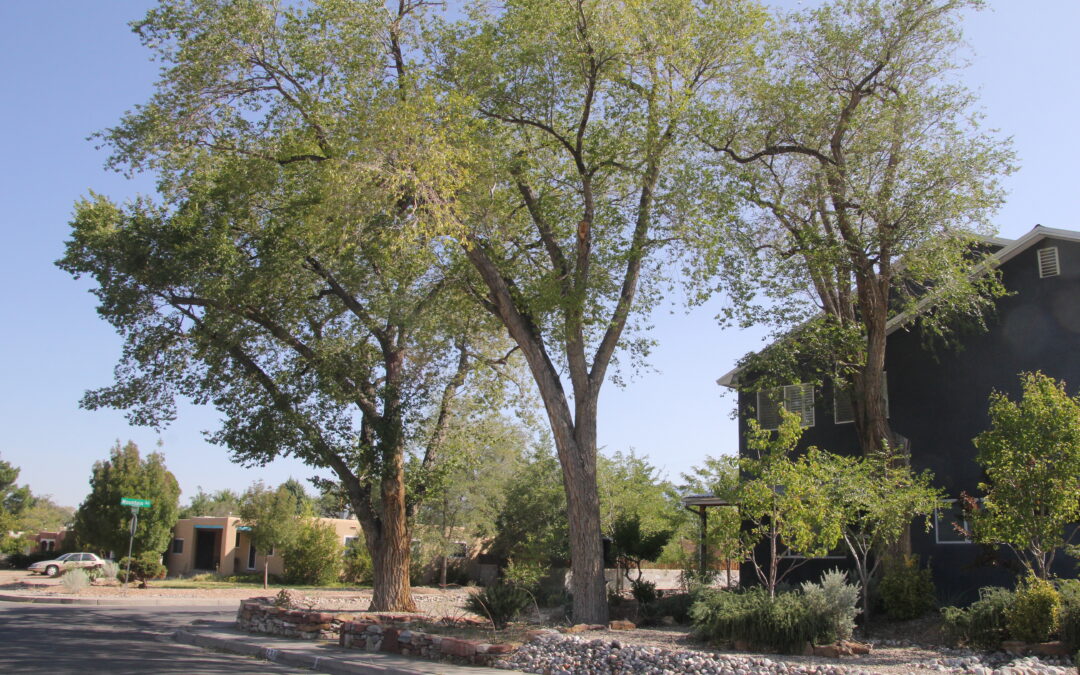
Nothing adds the same quality and value to a landscape as a healthy mature tree. The benefits include cooler outdoor spaces, cooler homes, aesthetic appeal, carbon capture, stormwater mitigation and more. There are some key things to think about when it comes to keeping your big old tree happy.
What are the key parts of the tree and what do they do? All the parts are important, many are redundant, and how they play together really matters. The redundant parts are leaves, small branches and small roots underground. While critical for tree health, the tree can lose some of any of these without suffering fatal damage; the tree will, with time and to the best of its ability, replace those lost parts with new growth.
The fine roots explore for water and minerals in the soil, hopefully with the help of symbiotic soil fungi. Only the youngest, smallest roots (those that haven’t even grown bark yet) take in water, like tiny sponges. These roots grow when and where soil moisture is available and die off when the soil gets too dry. Trees may have several flushes of absorbing roots growing and dying back over a season. Once in the roots, water moves up successively larger roots as it travels toward the stem.
There is one part of the tree that is not redundant. This is the root crown, or root flare, where the ropy wood of the root system changes into the blocky wood of the stem. The happiest, healthiest trees have a strong root flare visible above the soil line. These root shoulders act like buttress supports for the huge load of wood and foliage being acted on by gravity and wind.
As water moves up the trunk, it travels in sapwood (or xylem) — living wood just underneath the bark layers. Outside the sapwood is a thin ring called the cambium, cells that make new cells that make new cells … for as long as the tree lives. Outside that layer is the inner bark (or phloem), a green spongy layer with many functions, including moving sugars and other metabolites from the leaves to wherever they need to go. These three layers — xylem, cambium and phloem — constitute the “living rind” of the tree and are protected by the dead but intact outer bark layers. The central wood, or heartwood, is dead but intact as well.
Leaves out at the end of the small branches are busy converting sunlight energy into stored chemical energy in the form of sugars. These are then used as fuel and as building blocks for the tree to power its ongoing life functions and make the complex chemicals needed to do so.
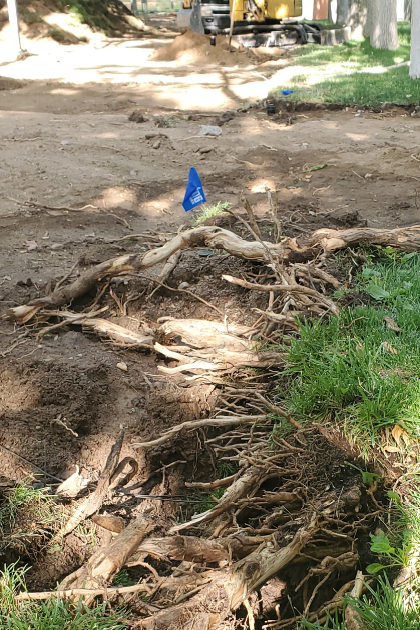
What harms a tree? Things that harm the root system (soil compaction, drought, heat, chemicals), things that damage the root flare (stem girdling roots, mowers, construction), things that damage the living rind (wire girdling, kids with hatchets, vehicles) and things that damage leaves (over pruning, certain herbicides, heat). There are feedback loops, especially between the roots and the leaves. Root damage that reduces water uptake leads to leaves making less sugar which means less resource to grow new roots. Herbicide damage that deforms leaves leads to less sugar feeding root function as well as less pull on the water, both leading to less water and nutrient uptake going back to the leaves.
So, here’s what you do: Avoid those harmful things!
Protect roots by covering the soil with 3 or 4 inches of arborists’ wood chips. This cools soil, reduces soil water loss, cools air above, breaks down and feeds minerals into the soil, and promotes growth of beneficial soil fungi. Avoid cutting roots when possible; when necessary, cut as few as possible and cut as far from the trunk as possible. Don’t compact soil by dumping gravel all over it or parking on it. Don’t apply herbicides to the root zone, which is larger than the canopy above.
Protect the leaves by avoiding over pruning. Most mature trees don’t need regular pruning, and, in fact, that should be avoided. Pruning takes away energy sources (leaves) and creates energy sinks (wounds that must be dealt with). Excessive pruning can send a tree into a starvation spiral. Prune for specific goals. Avoid herbicides like those found in weed-n-feed fertilizers.
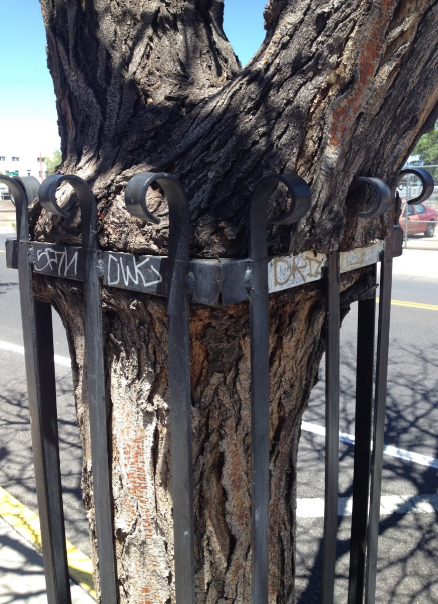
Protect the living rind by taking away Junior’s hatchet. More seriously, don’t tie wires or ropes around the trunk and branches unless you check them every year to make sure they aren’t girdling the tree. Lastly, don’t run into them with your car!
A tree-protection cage which has become a tree strangling cage. Severely stunted growth on an ash tree; imazapyr herbicide damage is likely cause.Construction damage, while often unavoidable, will lead to health decline in mature trees.
Author: Joran Viers is an arborist at Legacy Tree Company. Contact him at joranviers@legacytreecompany.com Have a question about the article? AskAnExpert@abcwua.org
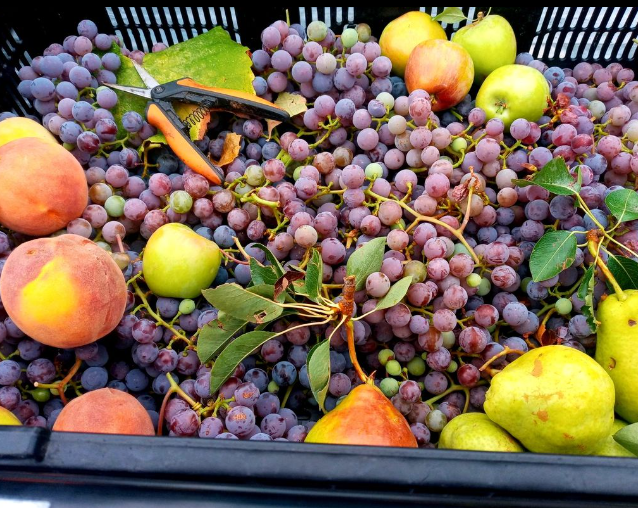
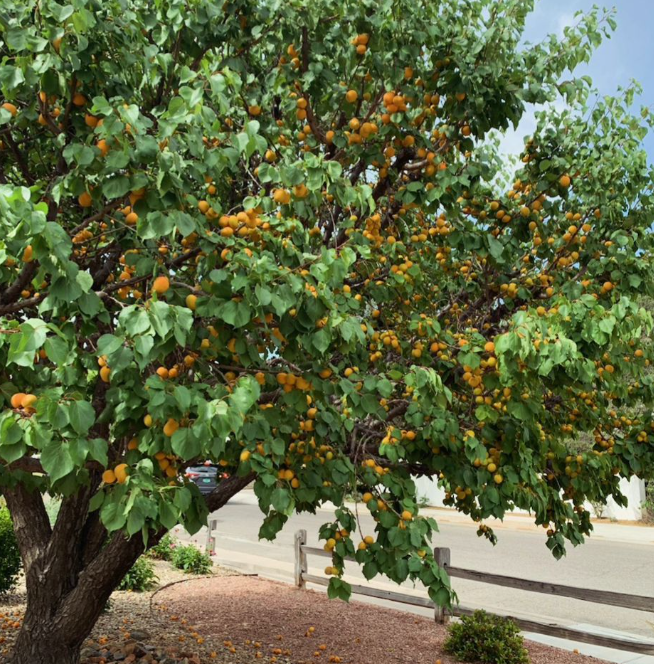
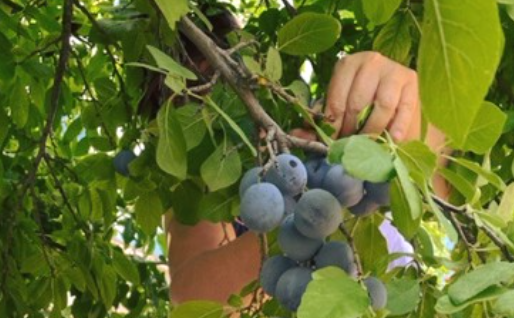
If you’ve walked around your neighborhood, you’ve probably noticed cherry trees being flocked by birds and buckets of fruit with “Free Organic Apricots” signs. Yes, it’s harvest season in Albuquerque. Have you ever wondered what becomes of all that fruit?
Back in 2014, avid canners and food preservers Erin and Trista noticed fruit trees around Albuquerque going unpicked. They placed an ad on Craigslist, asking for access to unused trees. The response was overwhelming, and this local chapter of the Food is Free Project, a global movement started in Austin, Texas, began.
Food is Free Albuquerque (FIFABQ) harnesses the abundance of fresh food within our community and connects it to people in need. The nonprofit considers fresh food a human right and aims to reduce food waste while fighting for food equity and access to fresh and nutritious food.
Volunteers help to harvest fresh food throughout Greater Albuquerque and Santa Fe. They then distribute the fresh food throughout the community in which it was gleaned to keep food as local as possible. Last year, 26,315 pounds were harvested.
FIFABQ fosters social empowerment through the growing and sharing of fresh food, striving to tap into the abundant private food resources within our community and redirecting millions of pounds to those overlooked by the existing food system. FIFABQ harvests everything aside from crab apples, mulberries and prickly pears.
The produce is predominantly distributed through collaborations with various organizations committed to feeding the community citywide. Explore the list of their partner organizations on the website.