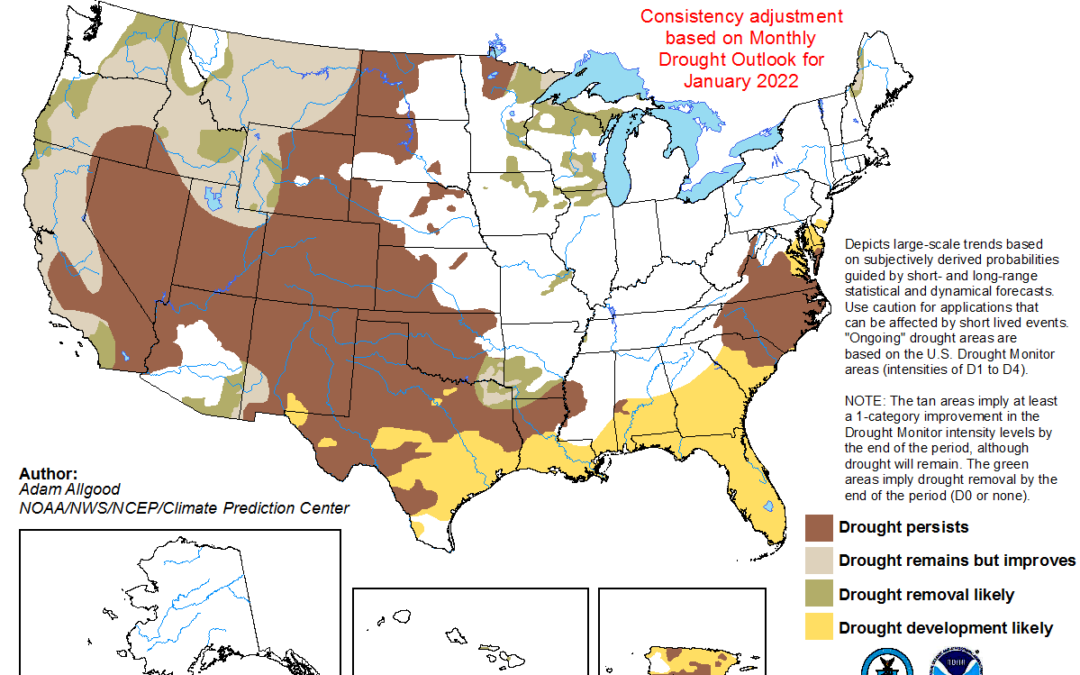
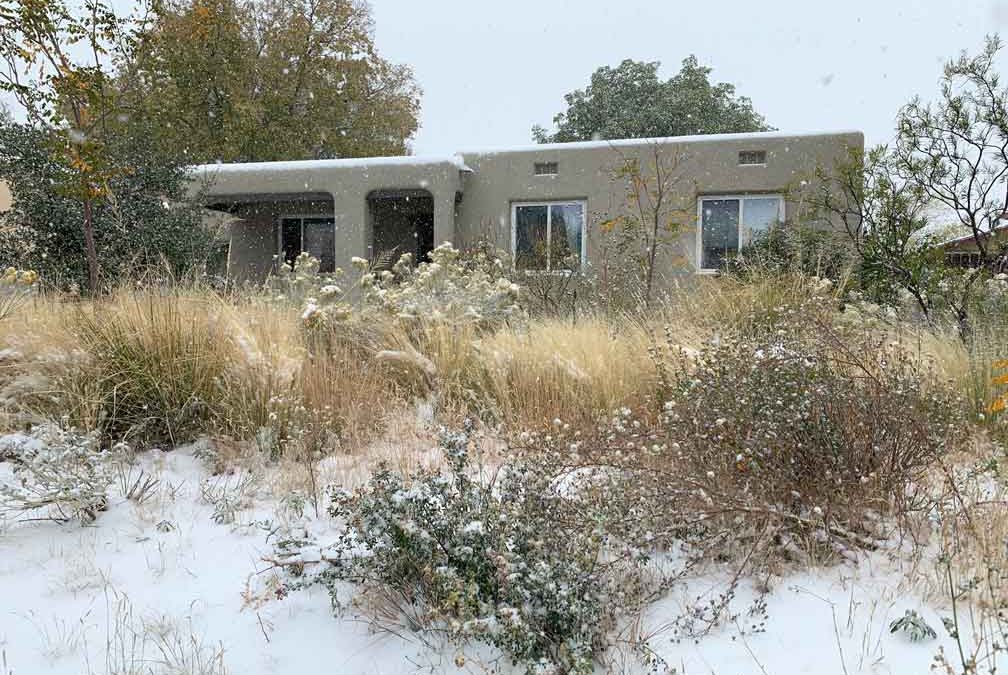
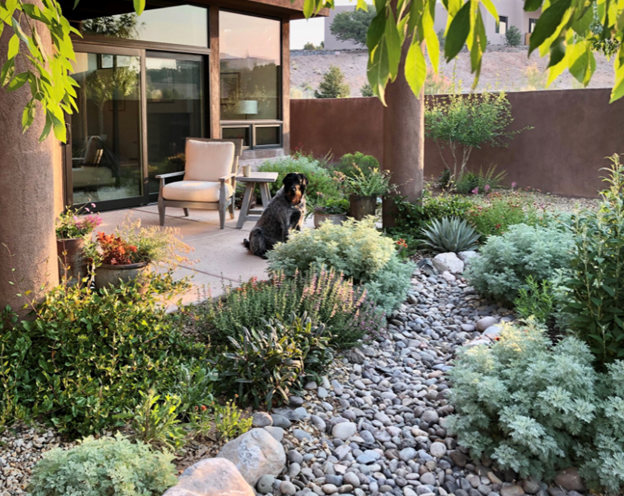
So far this winter season precipitation has been 30% below normal for New Mexico. According to the National Weather Service statewide average day temperatures are 56.6 degrees, which is 2.1 degrees above the normal of 54.5.
With that said, we are starting out the year with intensified drought conditions. Your landscape needs more care and attention when we are facing higher temperatures and low precipitation.
Here are a few suggestions for minimizing plant damage and mortality in times of drought:
Water mid-morning (around 10am) with a hose when it is above 40F. This way, water can soak into the ground and be absorbed by plants before the evening’s freezing temperature returns. Disconnect your hose and roll it up to drain after watering.
Don’t prune back shrubs and flowering plants yet. Let any additional plant material act as insulation that helps keep plants protected and, ultimately, healthier.
Top dress planters and beds, or around shrubs and trees, with your leaf litter or a 3” layer of shredded wood chip mulch. This will help insulate and regulate the root zone. By doing this, less water is needed to keep plants healthy.
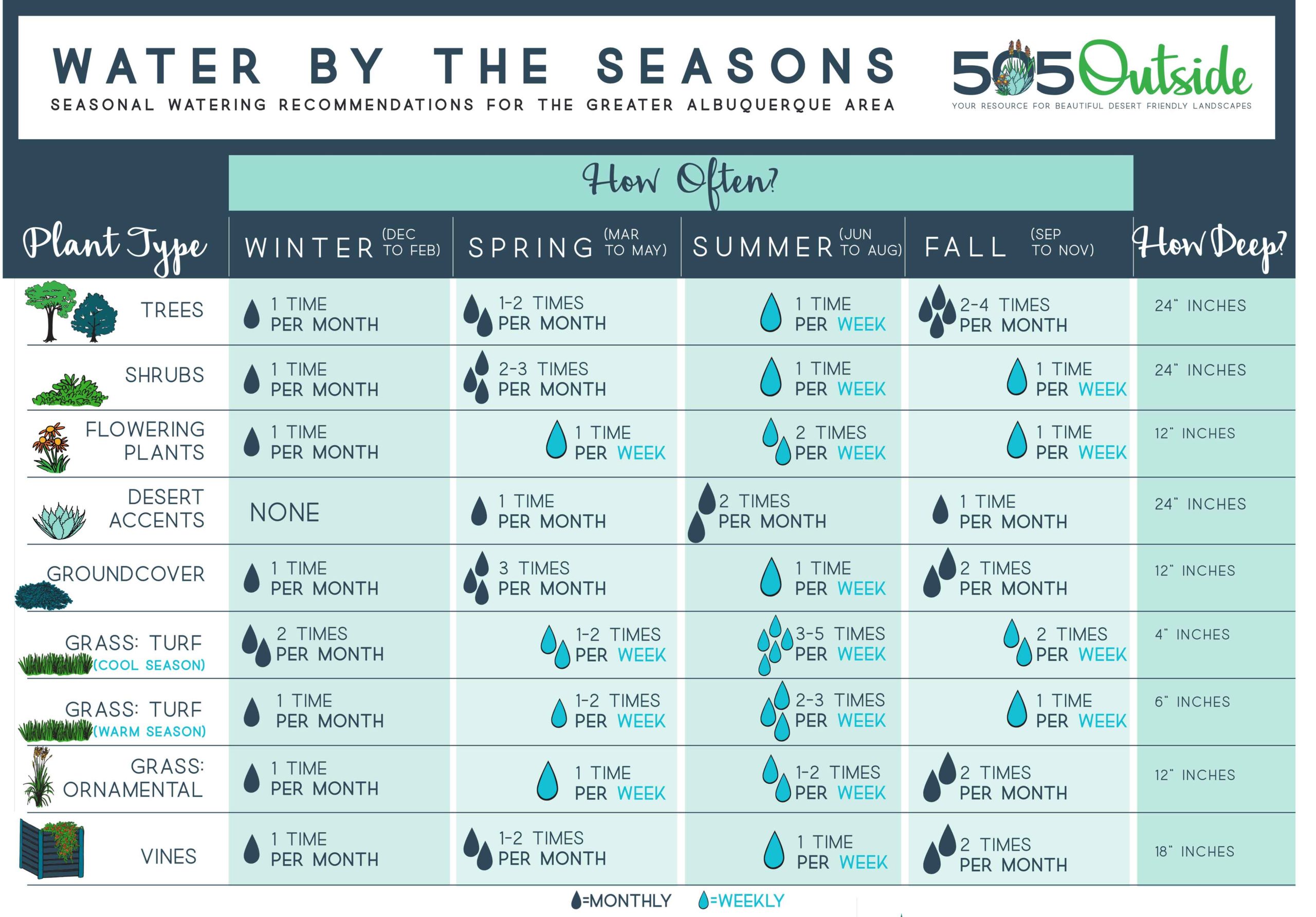
Watering isn’t always needed in the winter when landscapes are dormant, but in times of drought follow this watering advice to keep plants healthy:
Trees and shrubs: Water plants deeply, trees especially, at least once this month unless we receive more than a half inch of rain or more than 6″ of snow.
Turfgrass: Water your lawn every other week this winter. NMSU conducted research on winter lawn watering and determined that in order to maintain optimal year-round health, your lawn needs to be watered twice a month in the winter.
Evergreens: Conifers are particularly susceptible to wind, which dries them out. Water them deeply a minimum of one time this month, but you’ll want to add about ¼ more water to evergreens than to other trees or shrubs.
Author: Carlos Bustos, Conservation Manager & Richard Perce, Irrigation Efficiency Specialist with the Water Resources Conservation Department for the Water Authority. Have a question about the article? [email protected]
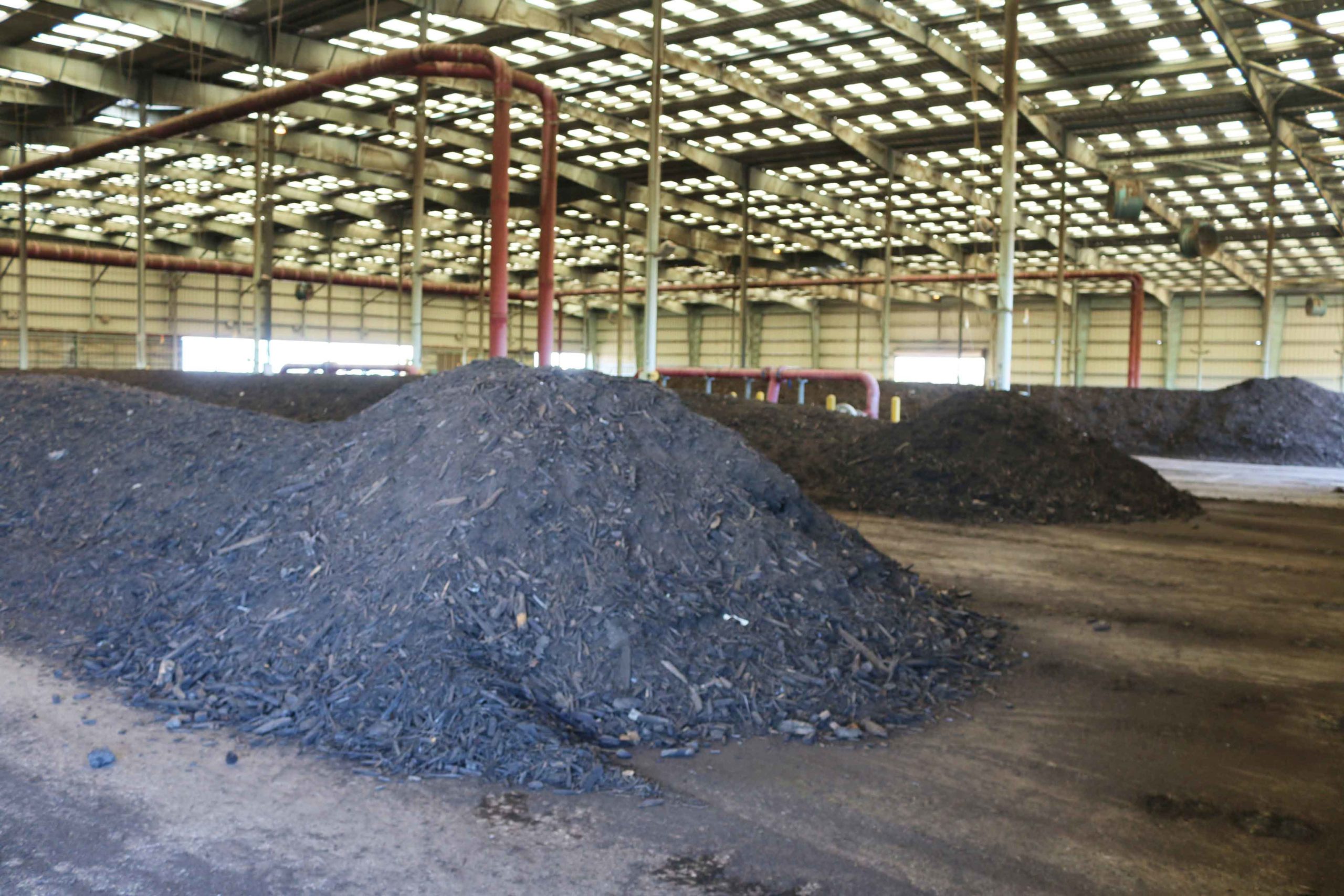
In 1988, the Albuquerque Bernalillo County Water Utility Authority’s started a composting facility for biosolids produced. 505Outside recently visited the Soil Amendment Facility to check out the “Compost Del Rio Grande.”
Water Authority compost is unlike any other in town because it’s not just made with the typical green waste, manure, wood chip, and horse bedding. It also has one special ingredient: biosolids. Biosolids, also known as humanure, are organic matter recycled from sewage operations.
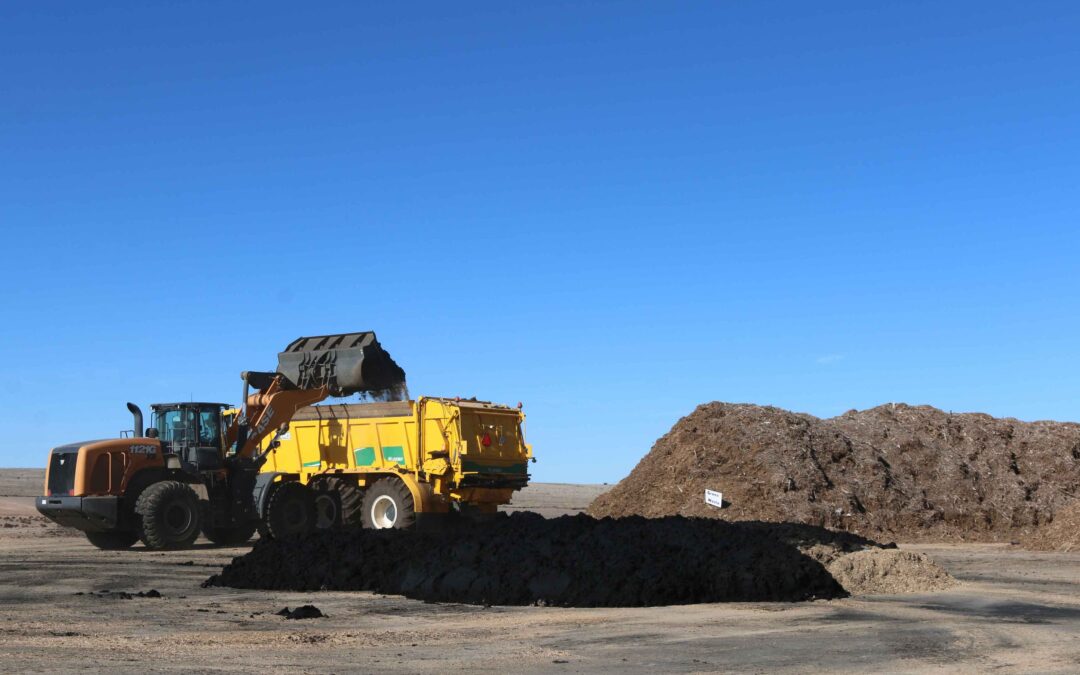
Compost del Rio Grande is responsible for reprocessing the biosolids that are a daily byproduct of the Southside Wastewater Reclamation Plant – about 360,000 pounds a day, or three truckloads three times a day are produced. While we were touring the facility, we got a chance to see three of these truckloads.
Biosolids are rich in organic matter, nitrogen, and trace minerals. The US Environmental Protection Agency (USEPA) encourages safe biosolids re-use. Properly managed, composting qualifies as a Process to further reduce pathogens under US EPA regulations, meaning that composted biosolids may be used in the production of crops for human consumption.
The facility accepts green waste from the community. They also will soon begin receiving food scraps from Intel and horse manure and bedding from New Mexico Expo.
Certified biosolids compost of good quality is typically comprised of 25% animal stable bedding, 40% biosolids, 30% green waste (pulverized yard trimmings), and 5% wood chips. The facility can produce over 4,000 cubic yards of compost per month.
Compost del Rio Grande uses a recipe created specifically for the facility. The recipe consists not only of the materials that go into the product, but the process used to create the compost. This includes the temperature and length of time at which the materials cook and the number of times the compost is turned. After cooking for 8-10 weeks, the compost is ready.
The facility works closely with the New Mexico Department of Transportation (NMDOT). NMDOT uses large quantities of the Rio Grande Compost on highway reclamation projects around the state for erosion control, dust control, and vegetation growth.
Water Authority compost (“Compost Del Rio Grande”) is available to the general public for purchase. Click on the link for more information, or to find out how you can obtain compost for your outdoor projects. https://www.abcwua.org/customer-service-compost/
Author: Jill Brown, ASLA Landscape Architect and owner of My Landscape Coach in Interviewed: W. Shane Fitzgerald, SAF Superintendent, Albuquerque Bernalillo County Water Utility Authority.
During this time of year, plants store most of their nutrients in the roots and find shelter in the ground. Also, this is the time of year to winterize your irrigation system.
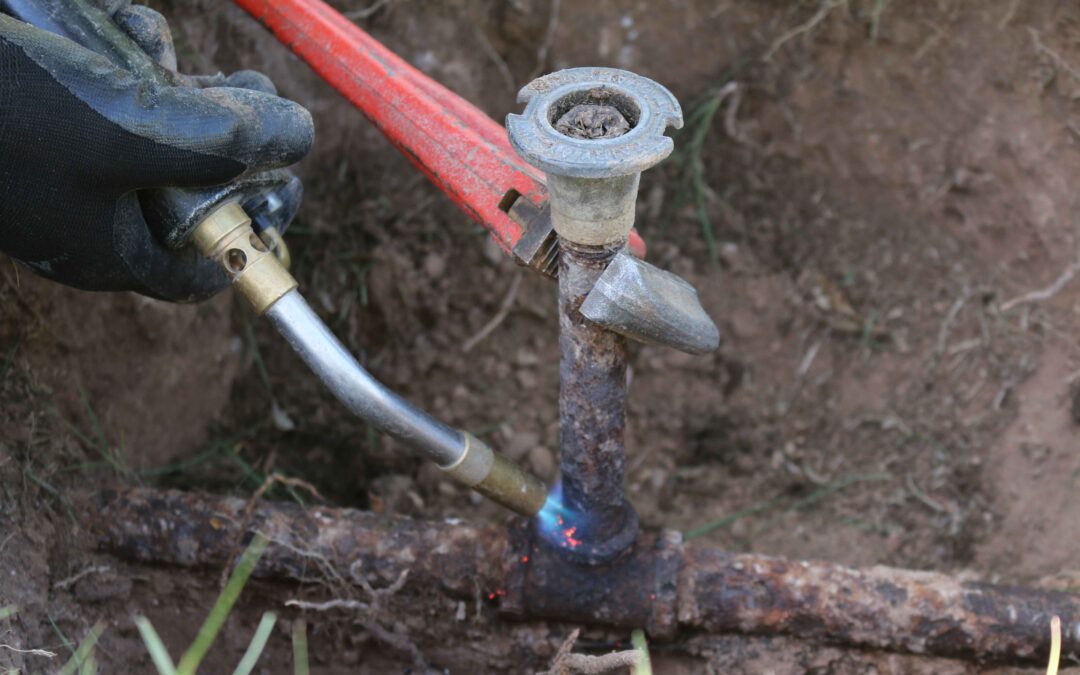
To avoid damage to your irrigation system we recommend setting it to the OFF position. Since it is important to make sure your landscape stays healthy in the winter during times of drought, find a warm day once a month and deeply water your plants if we don’t get snow or rain. After watering, set your system to the OFF position again, and to avoid costly repairs, we recommend that homeowners take the following steps after watering:
1. Disconnect the water supply to your irrigation system.
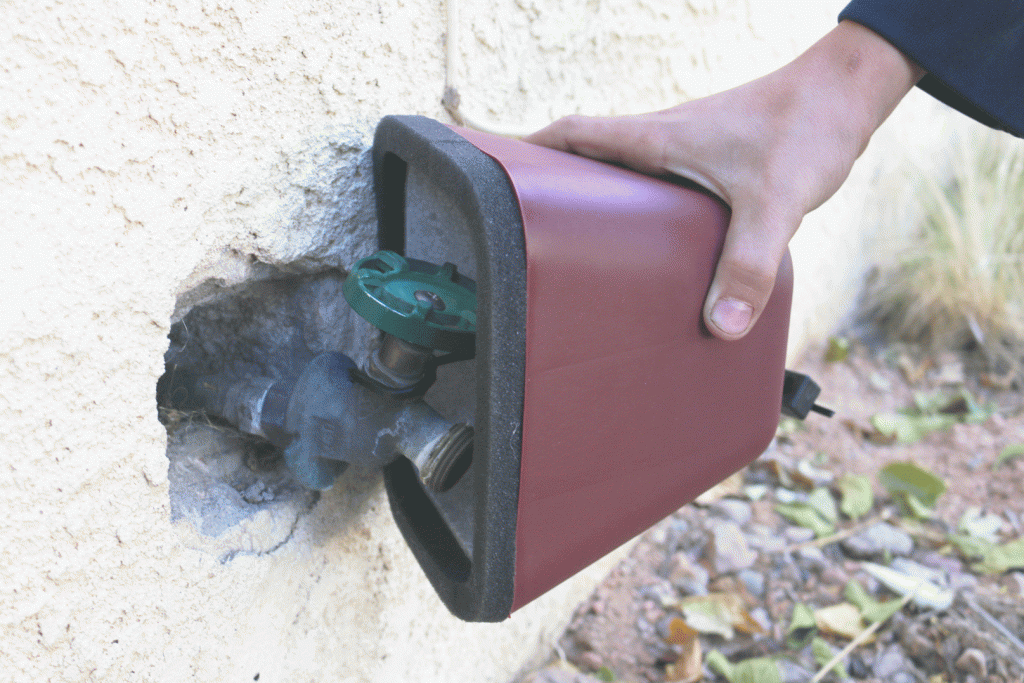
2. If you manually water using a hose or if the irrigation system is attached to an outdoor spigot, you should disconnect it and cover your hose bib using a faucet cover.
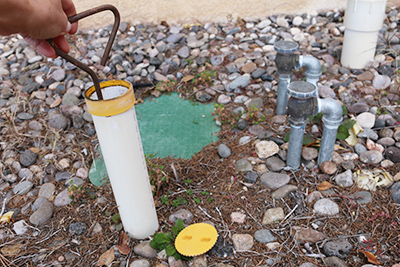
3. If you have a below-ground irrigation system, locate your shut-off valve (often hidden in a 3” PVC pipe; often with a white or yellow cap, as shown in the photo). Turn it to the right to shut it off. Be careful when turning so you do not break the valve.
4. Drain the water from all pipes, valves, and sprinkler heads. Learn more about protecting your irrigation system here see the article
How much should I water this winter season?
Water trees thoroughly once a month, to support your tree’s winter hardiness. Give individual trees 100-250 gallons.
Water turf only twice a month for about 5-7 minutes.
How can I keep my landscape healthy this winter season?
Mow your lawn to 2-2.5 inches. Grass left too tall over the winter can develop brown patches.
Aerating and dethatching your lawn will give it a chance to breathe before the grass goes completely dormant. This also provides relief from any compaction that has built up during the warmer months.
Rake or blow off the leaves that have fallen on your lawn. Leaves that are left on the lawn could become moldy, which invites disease.
Apply a thin layer of compost. Compost acts as a fertilizer adds moisture retention capacity and improves overall turf health.
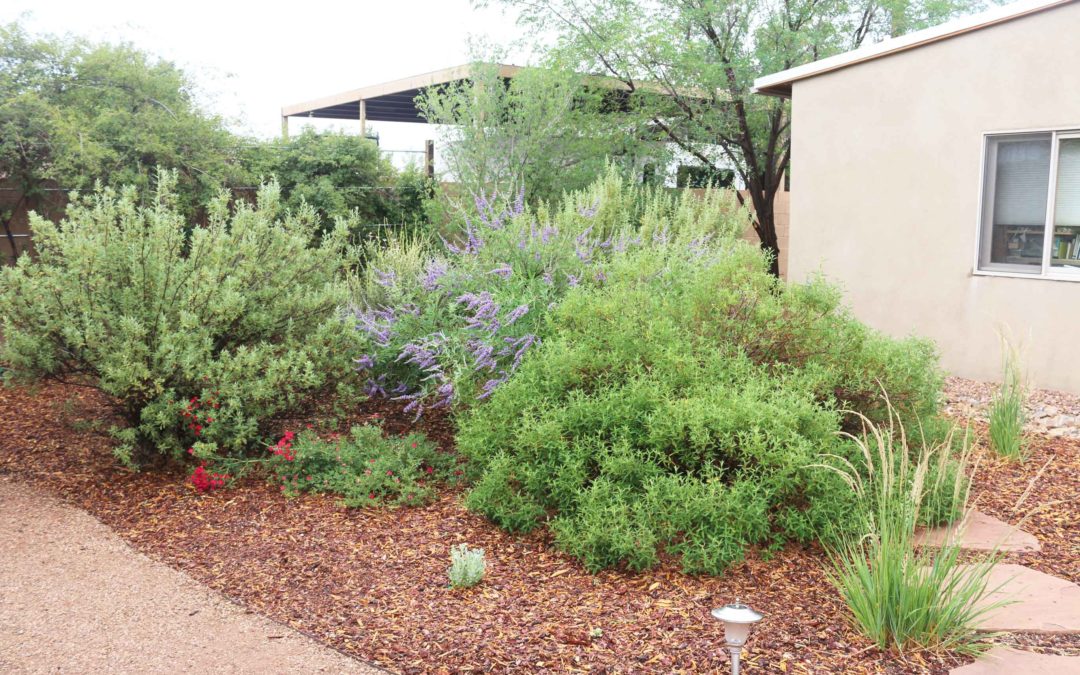
Add mulch but keep it away from the trunk base of your trees. Mulch helps maintain the ground at a constant temperature and helps retain moisture.
Author: Carlos Bustos, Water Conservation Manager, Water Resources Division Have a question about the article? [email protected]
Mulch is any material laid on the surface of the soil to improve growing conditions. Mulchinsulates plant roots from both heat and cold, reducing moisture loss from the soil by evaporation, feeding beneficial soil microorganisms that enhance plant growth, and improving soil health. Because organic mulches were once alive, they contain essential nutrients, minerals, and energy that nourish the soil ecosystem as they decompose. An important consideration when using mulches is to skip using landscape fabric, which prevents both the rich organic matter created by decomposition from working its way back into the soil and rainwater from soaking into the soil.
Below are the basic types of locally available organic mulches that we recommend. Remember to install to a depth of 3”-4” over bare dirt.
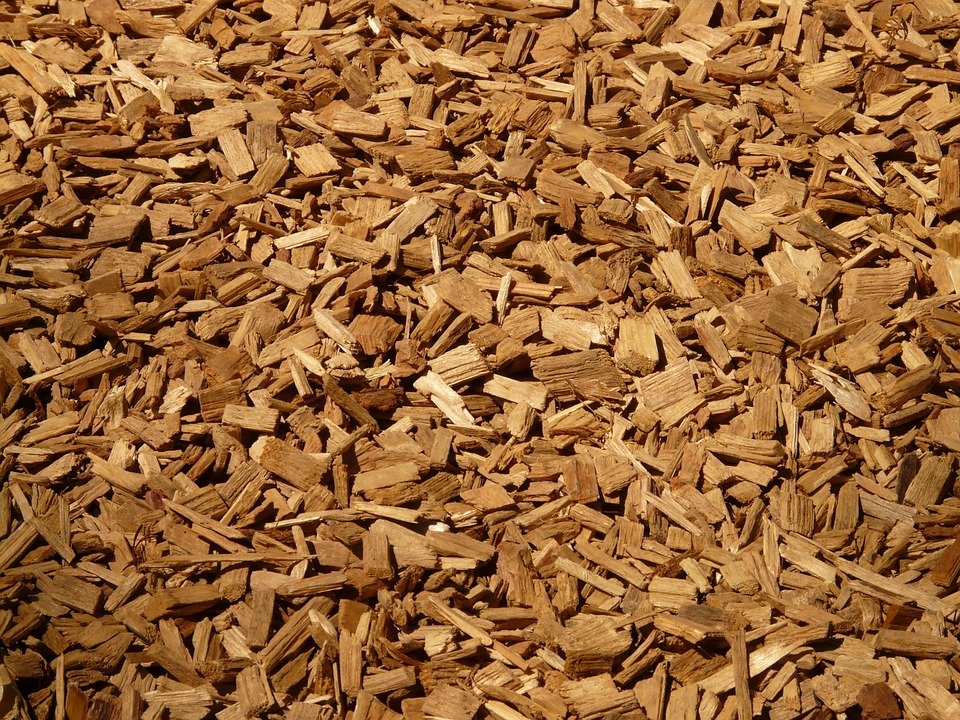
Wood chips: Wood chips are chipped pieces of trees. This is a long-lasting mulch that decomposes slowly over bare dirt, retains moisture, and prevents weeds. Most wood mulches available on the market are chipped flat and consistent in shape in size. These are great in areas that receive foot traffic as they compact down to a firm surface.
In areas of higher wind exposure or periodic inundation with water, use a shredded wood mulch that is more irregularly shaped and sized as the pieces will knit together better. This type of mulch can be recycled yard waste and tree trimmings as well as commercially available, locally processed wood products.
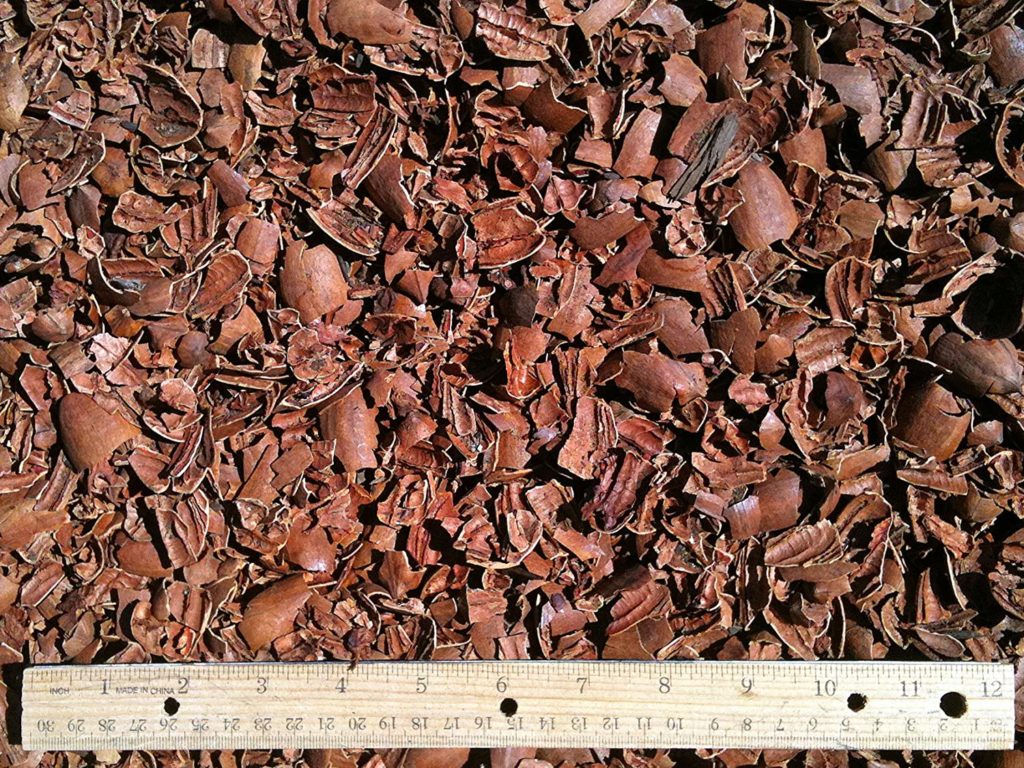
Pecan Shells: This long-lasting mulch has a nice color and good texture. It is very slow to break down into the soil. However, it attracts birds and rodents and blows in the wind unless partially cultivated into the soil. It also tends to mat together, creating a crust over the top of bare dirt.
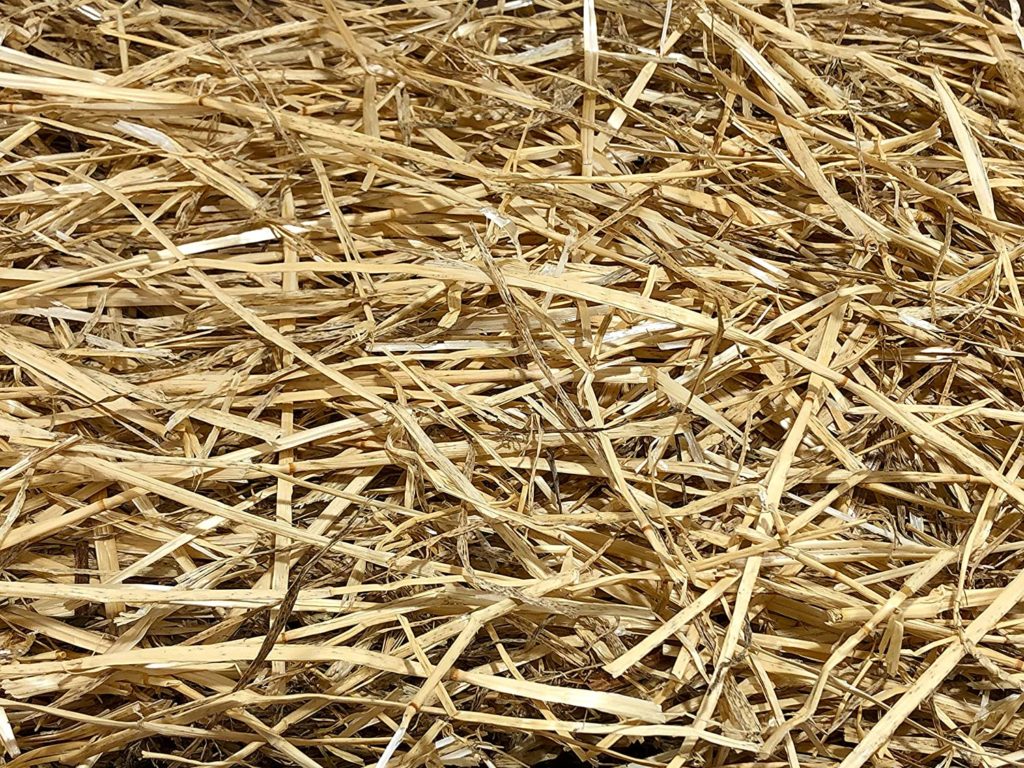
Straw: Straw breaks down quickly so it is most useful for mulching vegetable beds where it is renewed as crops are replanted. It is a good general mulch for winter protection and can be used on paths between vegetable rows. Keep in mind that it may carry weed seed.
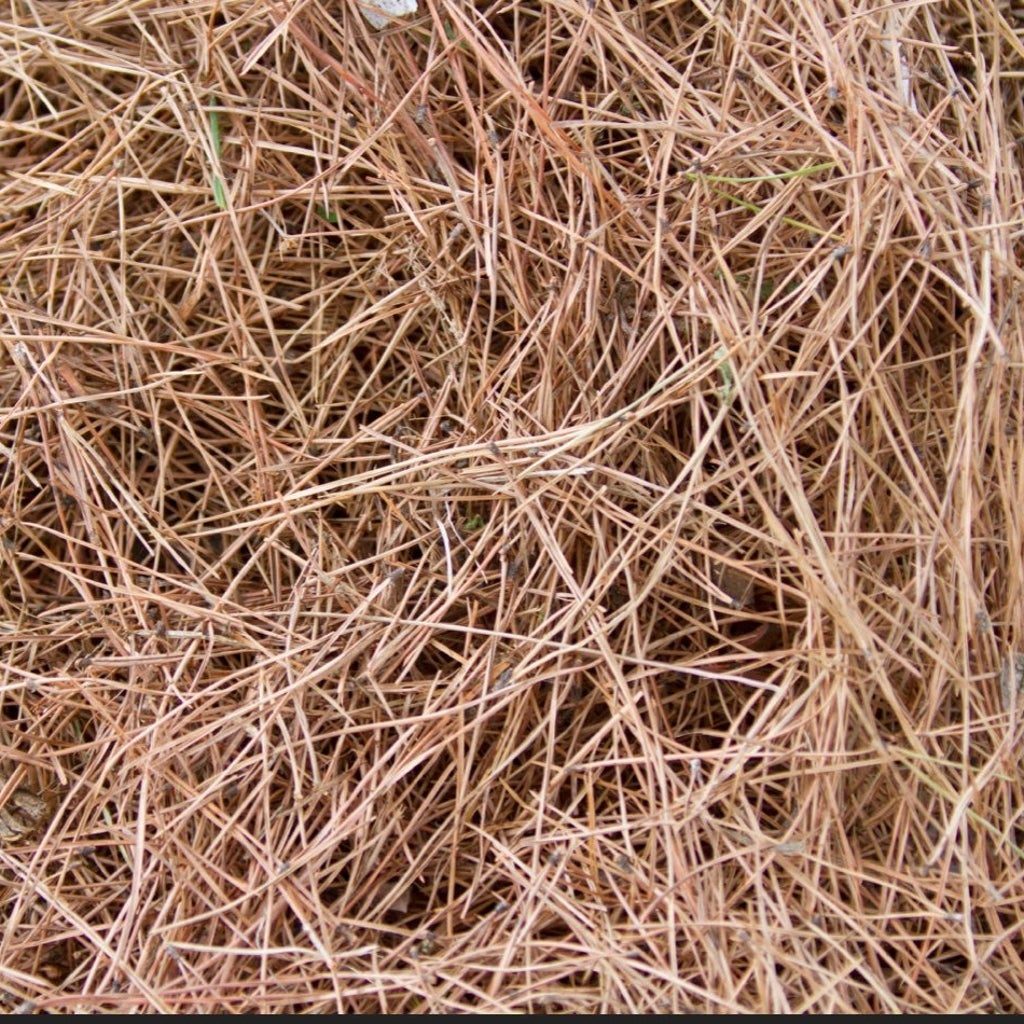
Pine Needles: Pine needles are a very good mulch. They are light, airy, and attractive but can be a fire hazard. These needles are safe to use as mulch around most plants, especially perennials, in your garden. Because pine needles contain high levels of resins, they repel water and decompose much more slowly than leaves from most deciduous trees. Because of their shape, they don’t become moist or compost rapidly. This makes them especially useful in areas where you will not be digging frequently. The fragrance of pine needles on sunny days is also an added benefit when they are used as garden mulch. No need to be concerned that pine needles are too acidic for use in our gardens. The added acidity, which happens slowly, is beneficial to our soils. They are very slow to compost, so they are often a better mulch than compostable material.
Other Mulches:
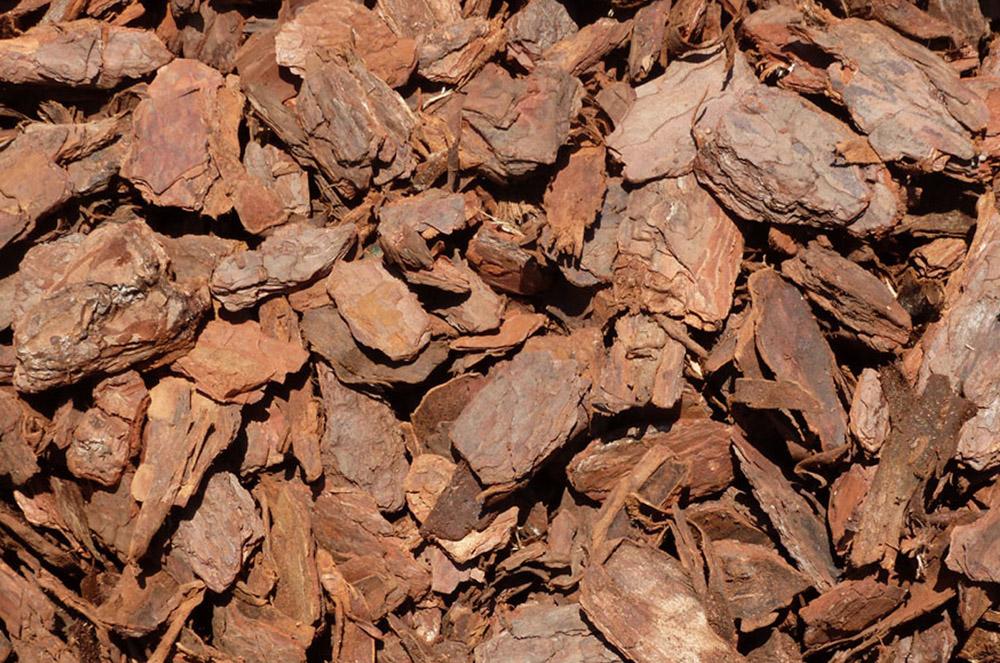
Bark: Large 2”-4” bark pieces are not recommended because they take too long to break down. The mulch made from bark tends to be lighter and can tend to migrate more easily. The bark is naturally water-resistant, so it has minimal value in feeding soil microorganisms and improving soil health.
Crushed Stone, Crusher Fines, or Decomposed Granite: Crusher fines come in a variety of aggregate colors. They are recommended for use as pathways and patios or as mulch under plantings for heat-loving, desert-accent plants.
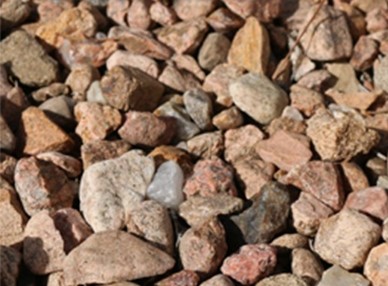
Gravel Rock and Cobble: While you see these used throughout the city in landscapes, they are best used to prevent erosion on steep slopes or in swale areas. They are difficult to maintain without regular weeding or pre-emergent treatments.
Useful tips: Mulch typically packs down over time. Use a 3”-4” layer of mulch, which is about one yard of mulch per 100 square feet. “Spend an hour deepening the organic mulch and save several hours of weeding.” By Judith Phillips
While a subsurface drip irrigation system can last from twelve to fifteen years, especially if it is maintained well, some of the system’s components may need to be replaced or repaired through the years.
A controller, for example, is subject to UV degradation if it is installed outside. Controllers need to be properly sealed and monitored for any inside moisture that can corrode the system's components. Older controllers (pre-2000) can be difficult to set and have limited choices for how to water, which can make watering inefficient when using these controllers. Since Water Sense Smart Technology controllers are more efficient, we recommend switching to this technology. We offer rebates to help you make that upgrade.
Drip irrigation tubing is also known to degrade when exposed to UV light. According to landscape professionals in the Albuquerque area, you can expect the tubing to last for about ten years if it is buried. If tubing is placed on the surface of the ground, it generally won’t last a decade due to several factors, including exposure to UV light and an increased risk of freezing and splitting.
Emitters have various lifespans. Button emitters tend to clog less but need replacement when that happens. Flag emitters clog more often from mineralization but can be flushed.
Another reason for emitter and drip line failure is damage from humans, dogs, rabbits, ground squirrels and pack rats.
Regular maintenance is the best way to increase the lifespan of an irrigation system. Click here for our free irrigation checklist to help keep your system in tip-top shape.
Author: Richard Perce, Irrigation Efficiency Specialist with the Water Conservation Department for the Water Authority. Research: USGA.org and Colorado Extension Service Have a question about the article?
Do you want to learn how to harvest rainwater to support a beautiful, regionally adapted, low -water-use landscape in your yard? A new video series launched in June provides instruction on how to design, install, and maintain residential-scale, passive rainwater harvesting features. In passive water harvesting, rainwater is conveyed directly to a landscaped area and infiltrated in the soil.
Landscapes that incorporate rainwater harvesting and native/drought-tolerant plants require little supplemental irrigation. Rainwater harvesting provides the deep watering that large plants like trees and shrubs need in our hot and dry climate. Capturing and infiltrating rainwater also reduces runoff that carries pollutants to the Rio Grande River.
In this series, you will learn how to construct some of the most common passive rainwater harvesting features in residential applications – basins, swales and soil sponges. The training addresses site selection, sizing basins, grading swales, installing soil sponges for enhanced infiltration and selecting plants. It is presented by four local experts on rainwater harvesting and arid-adapted gardens: Jim Brooks, Tess Houle, Judith Phillips, and Hunter Ten Broeck.
The video series was developed through a collaboration between Bernalillo County, Ciudad Soil and Water Conservation District, and the Arid LID Coalition, and included the installation of a Rainwater Harvesting Learning Landscape at the Gutiérrez-Hubbell House History and Cultural Center. Please visit the Rainwater Harvesting Learning Landscape in person to see an example of a rainwater harvesting feature designed for our arid climate.