According to the National Weather Service, 2020 tied with the second warmest and fourth driest year on record. As we go into this season with deepened drought conditions, let’s discuss last year's weather events.
Water usage is affected by various factors including weather conditions and events. Water usage is also intimately interconnected with the day-to-day decisions each of us makes when using our most precious resource in the southwest. While we can’t control the weather or unexpected events, we can all make a difference by looking for simple ways to be more water savvy at home. Consistently checking for leaks and replacing indoor and outdoor fixtures with a water sense label is a good place to start. And, you can sign up for one of our new classes that will teach you how to service your irrigation system and how much to water your plants.
Information extracted from two reports produced by the National Oceanic and Atmospheric Administration (NOAA); 1) “Assessing the U.S. Climate in 2020” and 2) “2020 NM Annual Weather Highlights”.
Temperature
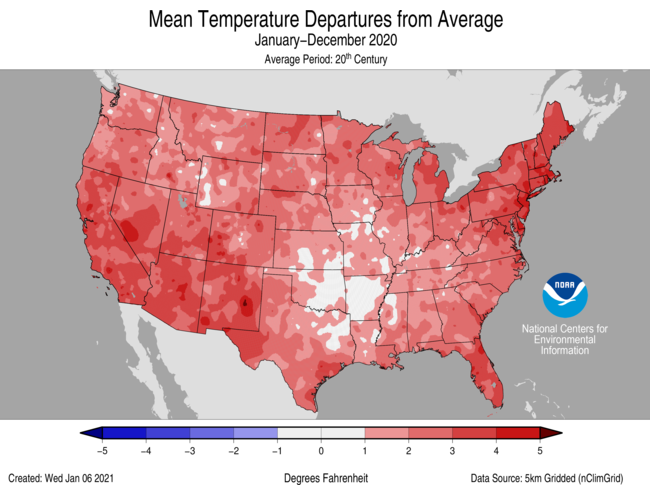
In 2020 the statewide average temperature was well above normal (by 3.2 degrees), and by end of the year, the state drought conditions ranged from severe to exceptional intensity.
Here in Albuquerque, the temperature tied the fifth warmest year on record, and by mid-October, Bernalillo County entered into a drought advisory.
According to the report published by National Centers for Environmental Information, titled “Assessing the U.S. Climate in 2020", the U.S. has had five warmest record years since 2012.
It was also the most active wildfire year on record across the west. Five of the six largest fires in California history, and the three largest fires on record in Colorado, occurred during 2020.
We are starting the season with intensified drought conditions and with that our customer outdoor demand is likely to increase.
Precipitation
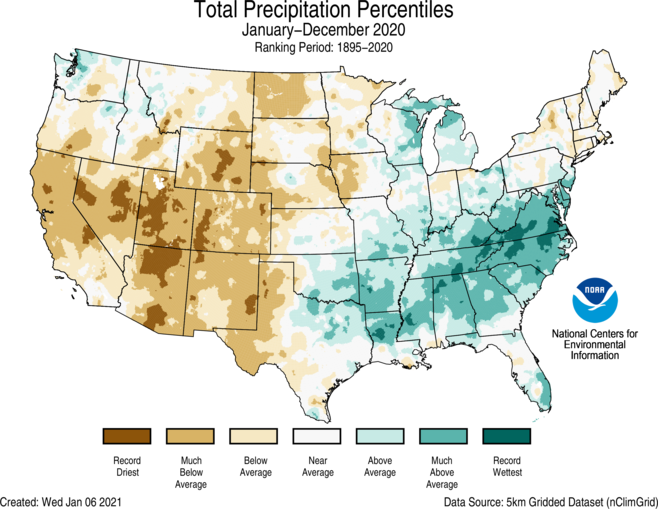
Average precipitation for New Mexico was 5.57 inches below the normal average of 13.99 inches per year. This makes it the fourth driest year recorded.
In Albuquerque, the range of rainfall by zip code is between 8-12 inches per year and the average precipitation was 50% below normal in 2020. Recorded precipitation for the Albuquerque airport was 5.88 inches ranking 2020 as the 23rd driest in 128 years and the driest in the last 10 years.
Our neighboring states, Nevada and Utah, ranked the driest on record for 2020.
This winter season was between 30% and 50% drier than normal, and the spring season outlook seems dry. To assure you are watering efficiently all season make sure to follow our seasonal watering recommendations
Adopting water efficiency strategies will be the key to weathering the drought this year. These three simple steps can help you conserve water, rebates available for all three recommendations.
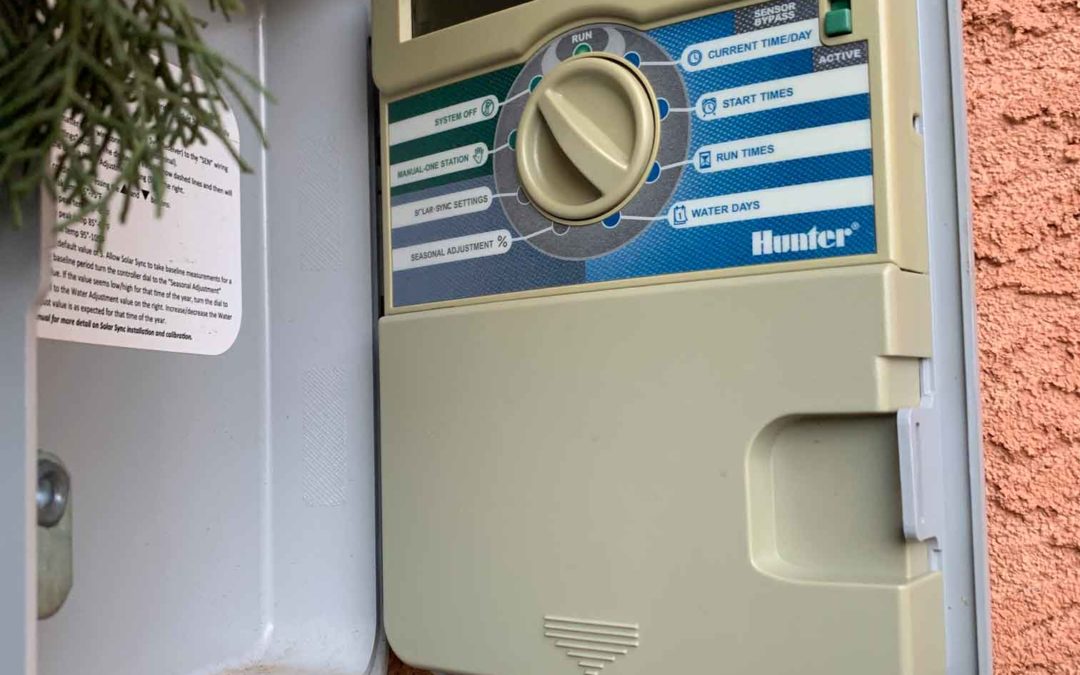
1. Update your controller with a WaterSense Smart Irrigation Controller
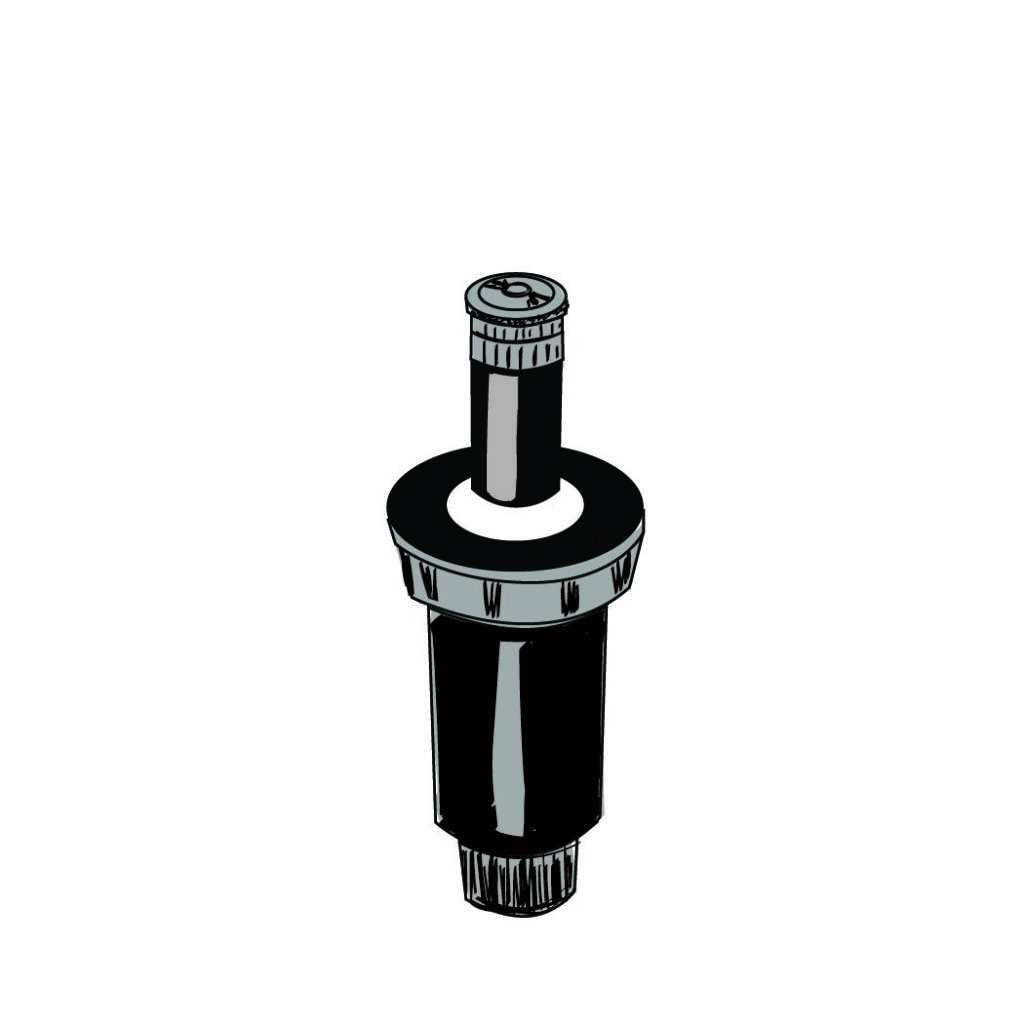
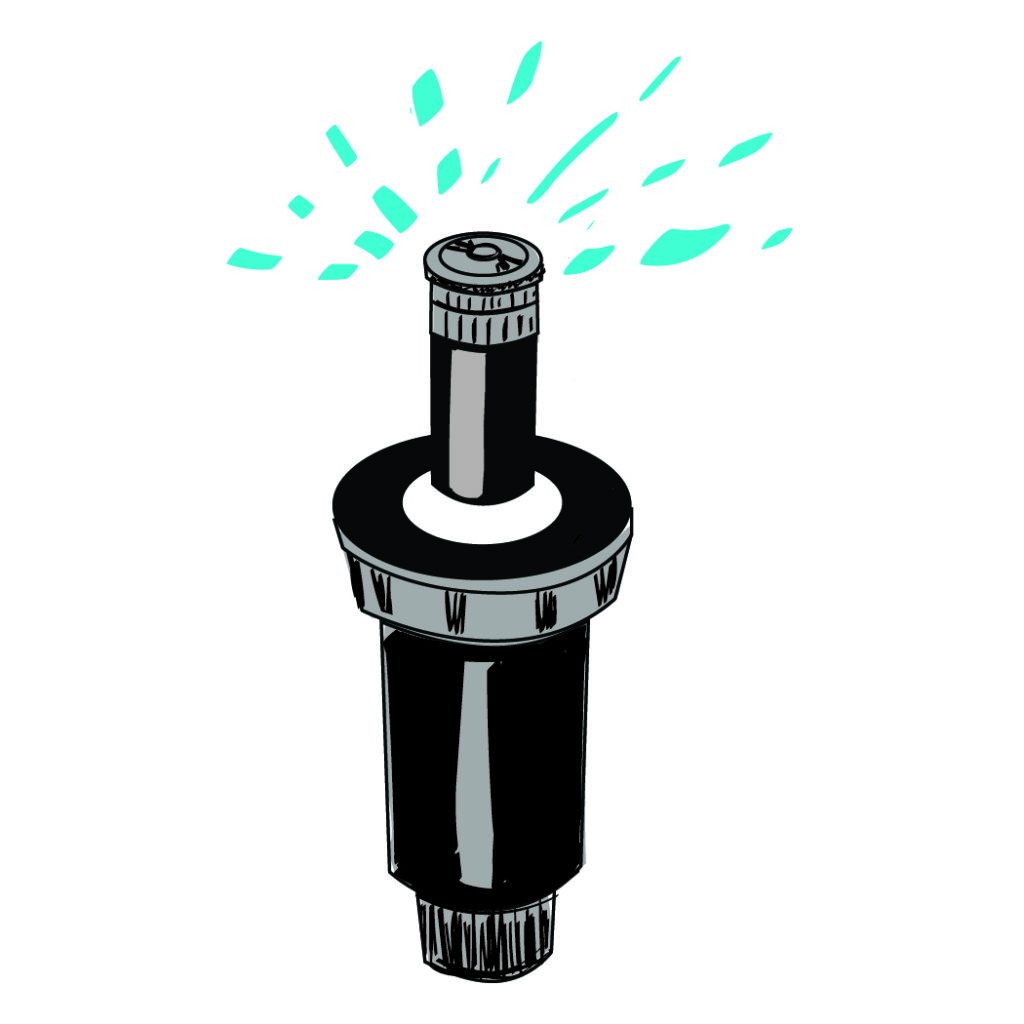
2. Replace your spray bodies with WaterSense Pressure Regulating Spray Sprinkler Bodies
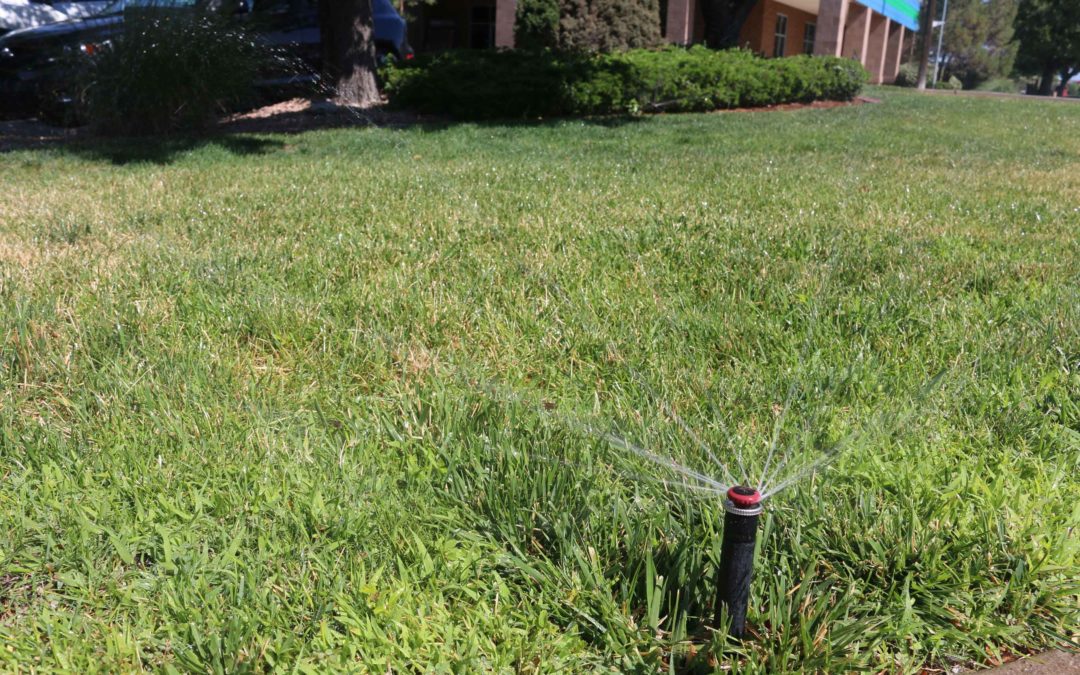
WaterSense labeled spray sprinkler bodies with internal pressure regulation can reduce water waste by providing a consistent flow at the sprinkler nozzle. When the sprinkler body maintains pressure near its optimal operating pressure, the connected nozzle is better able to generate the right amount of water spray and coverage for a more uniform distribution of water across the landscape. Customers can choose from a list of pre-qualified spray sprinkler bodies.
High-efficiency sprinkler nozzles are a great solution for upgrading an old and poorly performing sprinkler system. These nozzles minimize water waste and feature a unique multi-trajectory rotating stream that delivers water at a steady rate. This slower application rate allows water to gently soak in at rates that soils can absorb. Use these nozzles to replace the sprinkler head on any conventional spray head body or pop up sprinkler. In most cases, you just remove the old, water wasting spray nozzle and replace it with the new head. For more information on these nozzles read this post.
Making these simple changes can result in 30% water savings. For installation, questions contact your favorite irrigation supply store professional or send us a question at AskAnExpert@abcwua.org
Author: Jill Brown, ASLA, is a Landscape Architect and owner of My Landscape Coach in Albuquerque, NM. Have a question about the article? AskAnExpert@abcwua.org
There is a saying that “time is more valuable than gold.” Watering your yard can bring relaxation and time to enjoy the beauty of creation. But, for people with larger yards and those who are too busy to devote hours each week to watering, an automated irrigation system can be just what they need to save that precious time.
Automated sprinkler irrigation systems are great for lawns and meadows, and automated drip irrigation systems are perfect for all other plants, including trees. Both systems are handy devices that can provide remarkable benefits if they are properly designed, installed, and maintained:
Aesthetic Benefits: an automated irrigation system is one of the best ways to keep your landscape beautiful and healthy because it can provide the right amount of water at the right time. This is especially important during the summer months when the sun’s intensity can dry out the soil and damage your turf and other plants.
Save Water = Save Money: even though there is an upfront cost for installation of an automatic irrigation system, it will work to ensure the most efficient use of water for your specific landscape. This means more money will stay in your pocket with lowered water bills.
Improved efficiency: Different plants have different watering needs and individual zones of an automated irrigation system can allow for delivering the right amount of water with the most effective irrigation method.
Flexibility: An automated irrigation system can include a Water Sense Smart Irrigation Controller, which can take the guesswork out of scheduling. These typically run between $200-$400 if professionally installed, or $100-$200 if you install it yourself. Rebates are available!
Reduce Weeds: automated drip irrigation systems can be extremely efficient at providing water to a targeted area. This reduces the number of weeds in your yard since it will deprive them of water and instead direct that water towards desirable plants, trees, and shrubs.
More time to sleep in: the best time to water your yard is early in the morning when the sun is down because water does not evaporate as quickly, meaning your plants will have the maximum amount of time to absorb the water. This means you will use less water than if you water during the day because your sprinkler system will not be competing against the evaporating power of the sun.
More time for camping: just like a programmable thermostat, automated irrigation systems allow you to customize your watering schedule. Once programmed, the system will turn on and turn off automatically, so you do not need to be present when your yard is watered. For that reason, automated irrigation systems are popular among happy campers!
An automated irrigation system for your home offers many benefits ranging from financial to aesthetic and convenience. If you are wondering where to start, send us an email at AskAnExpert@abcwua.org
Author: Carlos A. Bustos, Water Conservation Program Manager with the Water Resources Division for the Water Authority. Have a question about the article? AskAnExpert@abcwua.org
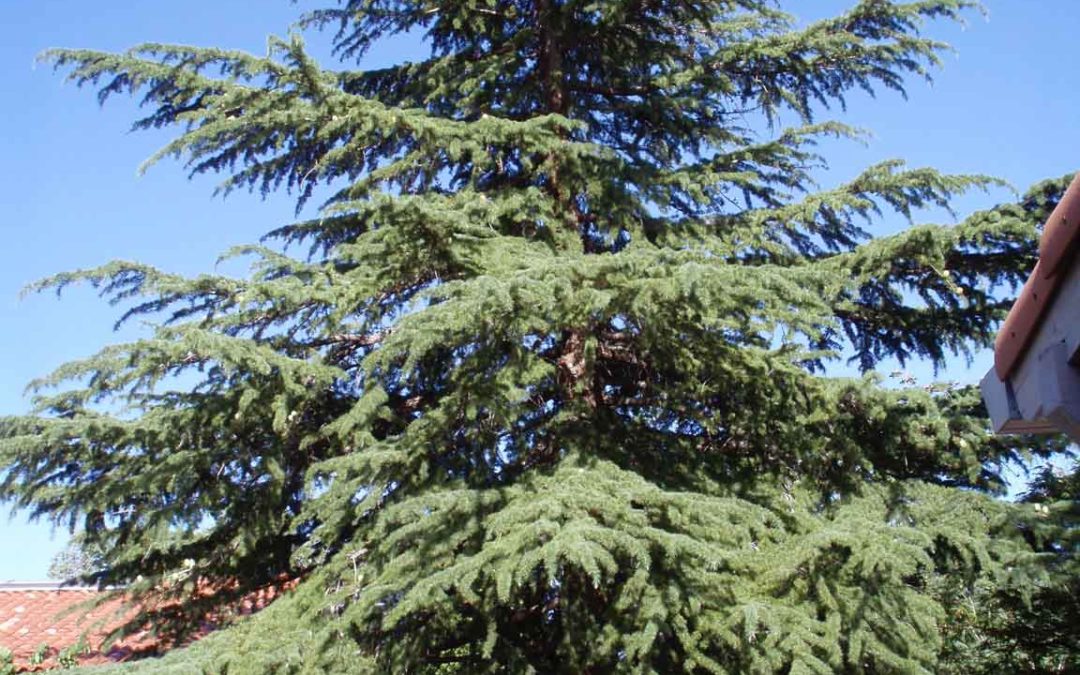
This beautiful specimen tree is a stunning focal point in any landscape. Its blue-green to silvery pendulous branches create an attractive form and provide nesting sites and food for birds. The Deodar Cedar grows well in all types of soils but doesn’t like soggy feet. Once established in the landscape, it is considered drought tolerant.
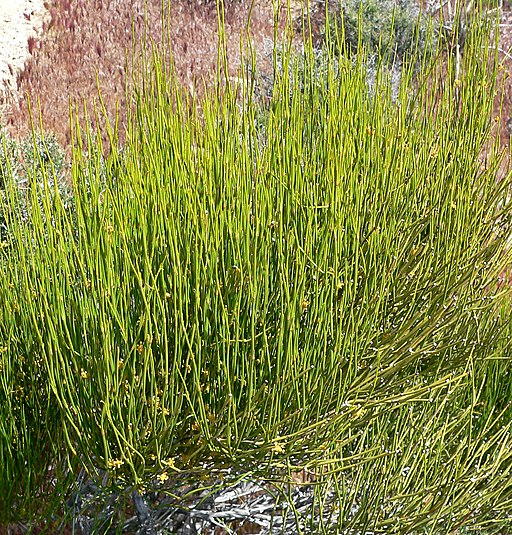
Mormon Tea is a desert adapted evergreen shrub that has been around since before the dinosaurs roamed the planet. It is an ideal native plant for your full sun landscape and does well in well-drained soil. Ephedra, also known as Joint Fir, can be used successfully as a ground cover, erosion control and does well in rock gardens. This perennial lacks leaves but relies on photosynthesis occurring in its green, jointed stems and is very easy to grow once started.