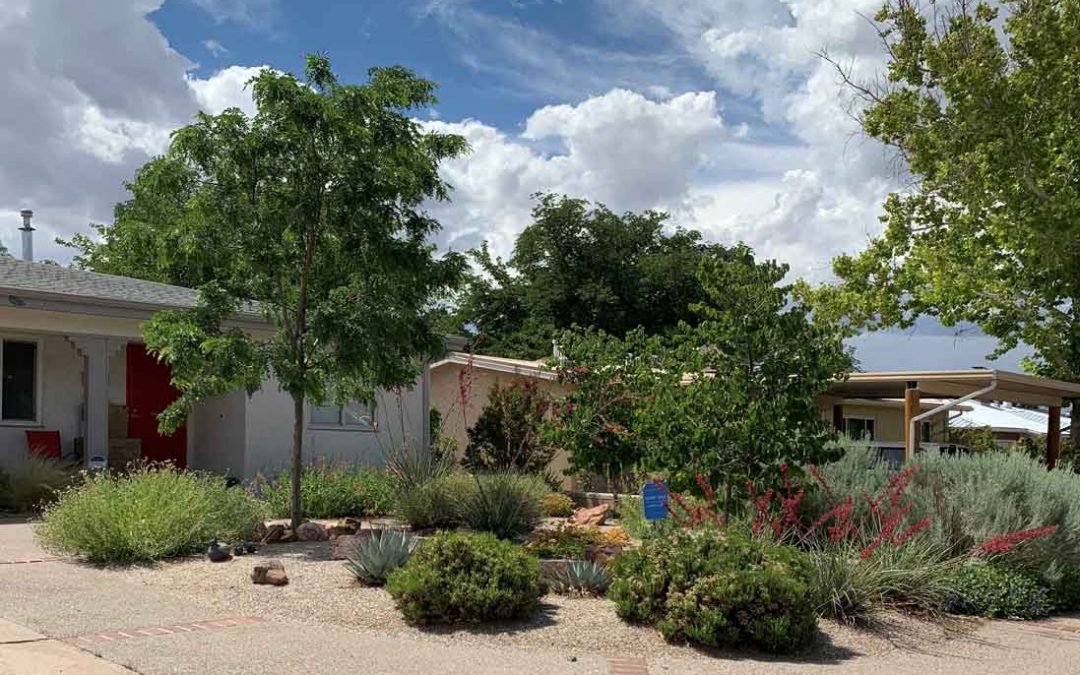
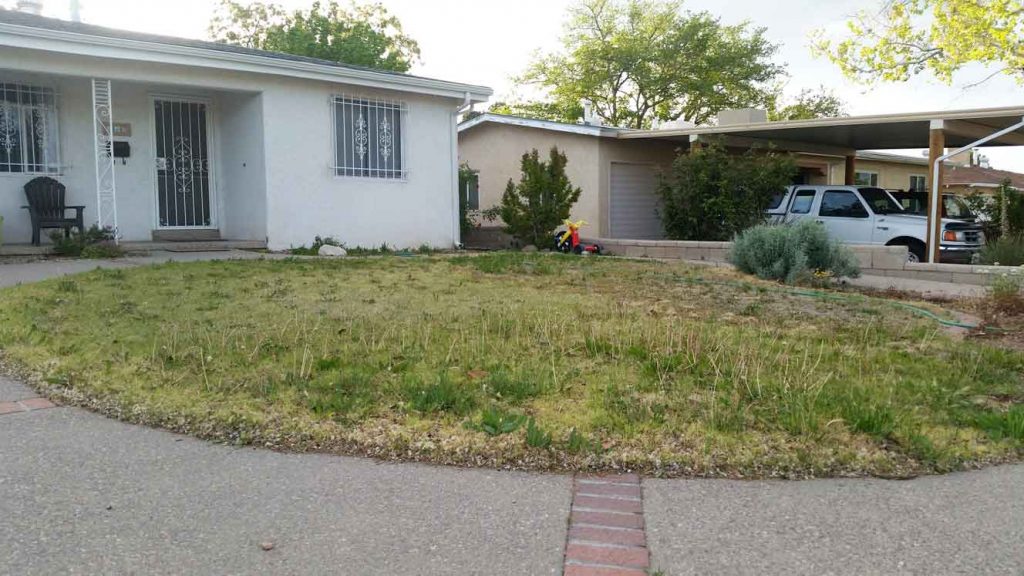
Winter is the best time to rethink your high water use turfgrass and create a plan for a xeriscape yard of desert-friendly plants. A desert friendly xeriscape will help you save water, reduce maintenance, encourage pollinators, and beat the heat of the summer. We define a desert friendly xeriscape as a landscape that has half of the total landscape area with desert friendly plants selected from our Xeriscape Guide and typically watered with drip systems or by hand.
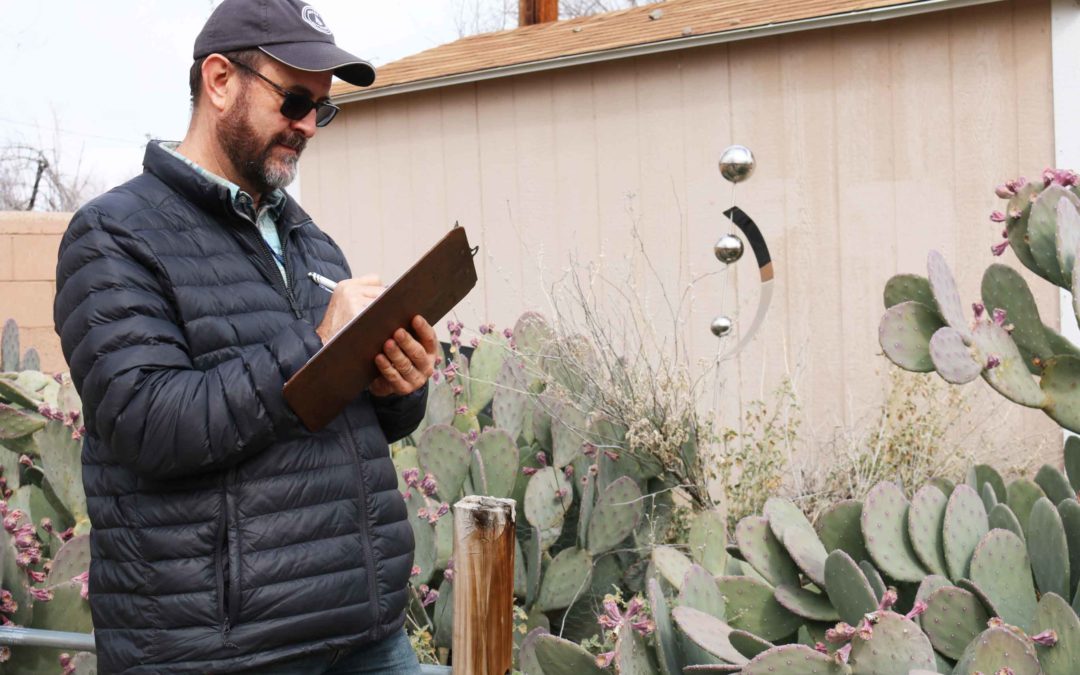
Water Authority residential customers who transform their landscapes from high water use turfgrass to a desert friendly xeriscape can qualify for a $1.00 per square foot rebate. If you are interested in participating in the Desert Friendly Xeriscape Conversion Rebate, please do not start your turf removal project until you have applied online to the program and schedule an initial inspection. An initial inspection is required before removing your grass lawn to see if your project qualifies. If you answer yes to the questions below, your landscape meets the minimum requirements.
Do you have living turfgrass on your site? (Rebates cannot be given to work that is already complete.)
Do you have an existing operating SPRAY irrigation system on your site?
If you answered YES to the above questions, then your next step is to create the landscape plan, apply and schedule an inspection. Feel free to AskAnExpert@abcwua.org for tips on planning your desert friendly xeriscape.
Author: Jill Brown, ASLA, is a Landscape Architect and owner of My Landscape Coach in Albuquerque, NM. Have a question about the article? AskAnExpert@abcwua.org
With drought conditions predicted to continue for the foreseeable future, we’re likely to water more often this spring and summer. Make every drop count – and keep us on track to meet our conservation goals – by performing routine maintenance to maximize your sprinkler system’s efficiency.
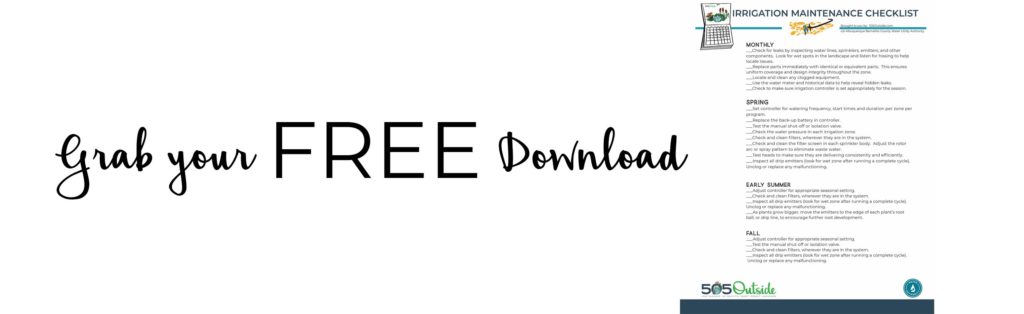
Monthly
Check for leaks by inspecting water lines, sprinklers, emitters, and other components. Look for wet spots in the landscape and listen for hissing to help locate issues.
Your irrigation system is only as good as its aim. Adjust sprinklers and emitters to make sure they’re delivering water to the landscape and not onto rocks, bare earth, or pavement.
Replace damaged parts immediately with identical or equivalent parts. This ensures uniform coverage and optimal system efficiency.
Locate and clean any clogged equipment.
Use water meter and historical data to help reveal hidden leaks.
Check to make sure irrigation controller is set appropriately for the season
Spring
As the watering season gets underway, check your irrigation system for leaks and clogged, broken, or missing sprinkler heads and emitters.
An outdated irrigation system can waste time, water, and money. Consider installing a new WaterSense-labeled, “smart” irrigation controller to take the guesswork out of scheduling (rebates available).
Set the controller for watering frequency, start times, and duration per zone per program.
Replace the back-up battery in the controller.
Test the manual shut-off or isolation valve.
Check the water pressure in each irrigation zone.
Check and clean filters, wherever they are in the system.
Check and clean the filter screen in each sprinkler body. Adjust the rotor arc or spray pattern to eliminate water waste.
Test heads to make sure they are delivering consistently and efficiently.
Inspect all drip emitters (look for wet zones after running a complete cycle). Unclog or replace any that are malfunctioning.
Early Summer
Adjust controller for the appropriate seasonal setting.
Adjust sprinklers and emitters to make sure they’re delivering water to the landscape and not onto rocks, bare earth, or pavement.
Check and clean filters, wherever they are in the system.
Inspect all drip emitters (look for wet zones after running a complete cycle). Unclog or replace any that are malfunctioning.
As plants grow bigger, move the emitters to the edge of each plant’s root ball or drip line to encourage further root development.
Fall
Adjust controller for the appropriate seasonal setting.
Test the manual shut-off or isolation valve.
Check and clean filters, wherever they are in the system.
Inspect all drip emitters (look for wet zones after running a complete cycle). Unclog or replace any that are malfunctioning.
Winter
Guard your irrigation system against freezing temperatures by draining pipes and tubing and properly winterizing your system.
When temperatures are below 40 degrees Fahrenheit, discontinue automatic watering and turn on systems manually or hand water as needed.
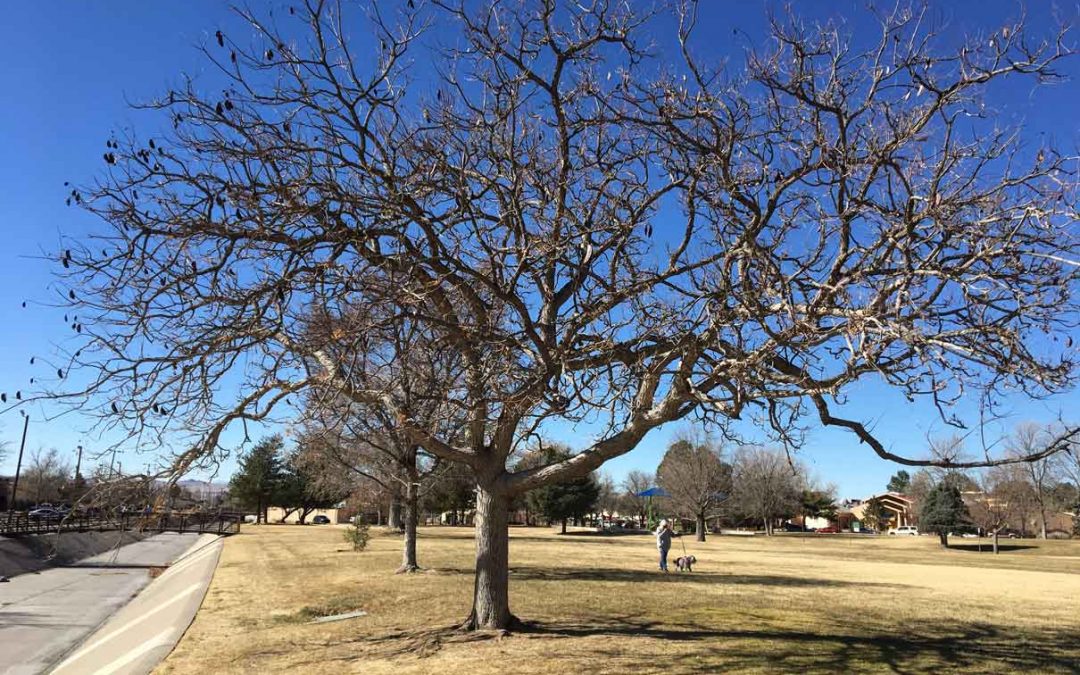
In an arid city like Albuquerque, trees and the urban forest are even more important than in places with more moisture. Trees provide shade and habitat, and help cool the urban landscape. To sustain a healthy canopy trees require special care given the arid climate, ongoing drought, and warming temperatures. This year’s hot, dry conditions highlight the need for New Mexicans to take even more care of their trees – and to plan for which species will grow best in increasingly warm conditions. This was especially true this past September when a windstorm wreaked havoc on trees throughout the city.
In collaboration with Our Land New Mexico, a local environmental show on NMPBS, we are sharing a short (7 minute) episode they did about the urban forest in Albuquerque.
The episode discusses how the vitality of a city can be measured in part by the health of its trees and plant life. There is also evidence that tells us how exposure to nature provides emotional and social benefits, lowers stress levels and encourages more community engagement in residential settings.
We encourage you to take care of your trees to support our urban forest and if you are adding a new tree email AskAnExpert@abcwua.org with questions. Local tree experts around the Southwest, including conservation staff from the Water Authority, with the guidance of the Nature Conservancy, have put together a climate-ready tree list that includes trees that will thrive in our current and future climate.
Author: Water Authority in collaboration with correspondent Laura Paskus of Our Land New Mexico and guest Joran Viers, City Forester, CABQ Parks Management Division. Have a question about the article? AskAnExpert@abcwua.org
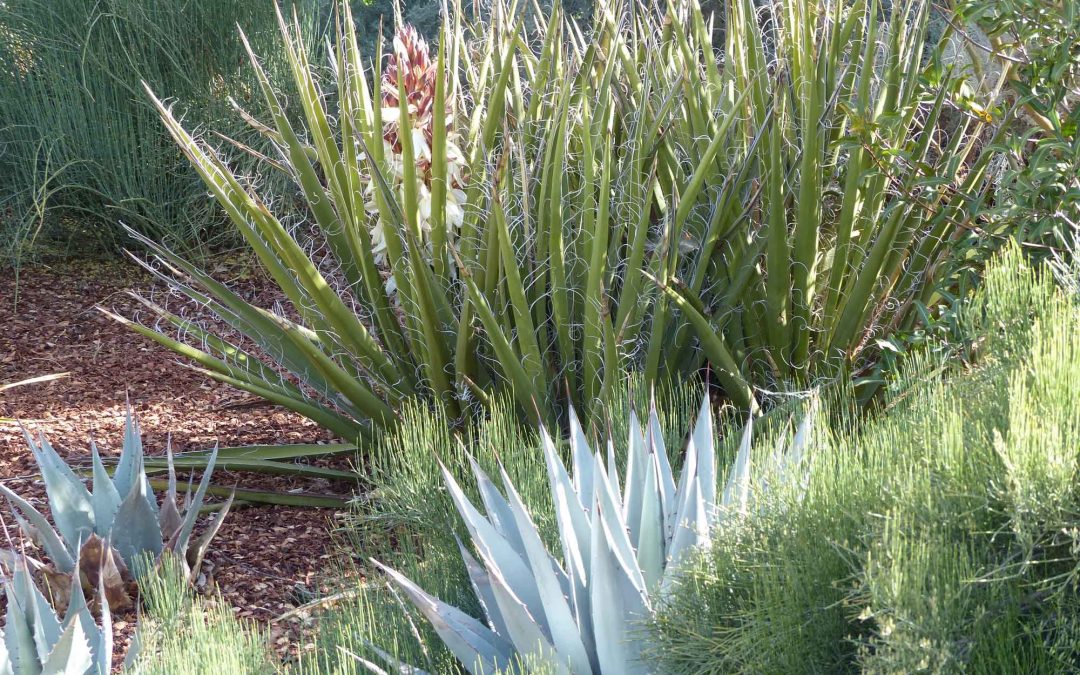
Description: The Yucca Baccata Compacta originated in Mora in northeastern New Mexico. It is low maintenance and drought resistant. The huge fruit in the middle, which ripens in late summer and is edible in September, resembles bananas. Birds love to peck it. Add this evergreen desert accent to your native New Mexican plant collection.
With so much time spent at home this year, many homeowners have taken up gardening. To encourage this trend and spread the joy that spending time in nature brings, we’ve pulled together a list of Water Authority Conservation staff’s favorite garden tools they can’t live without.
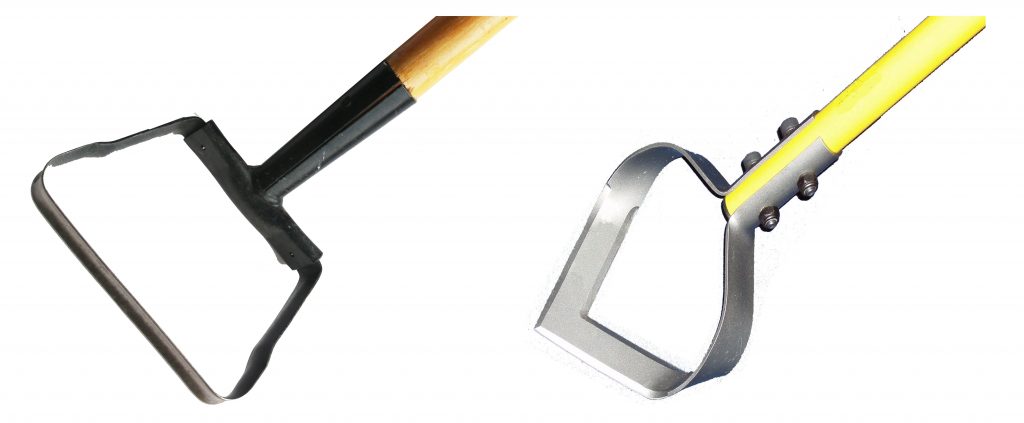
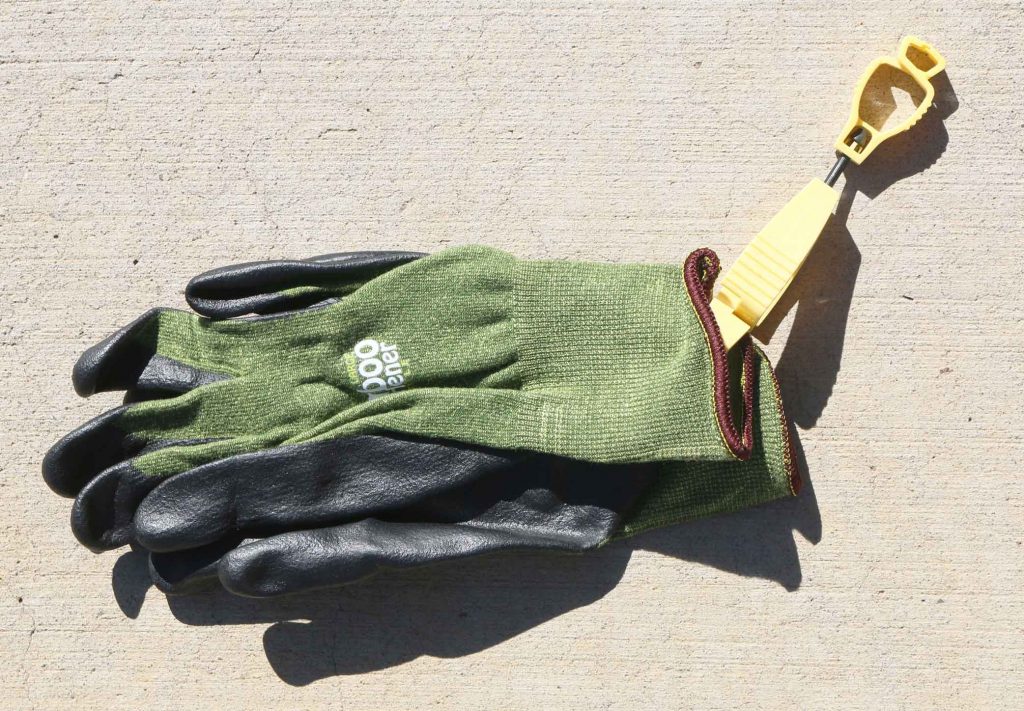
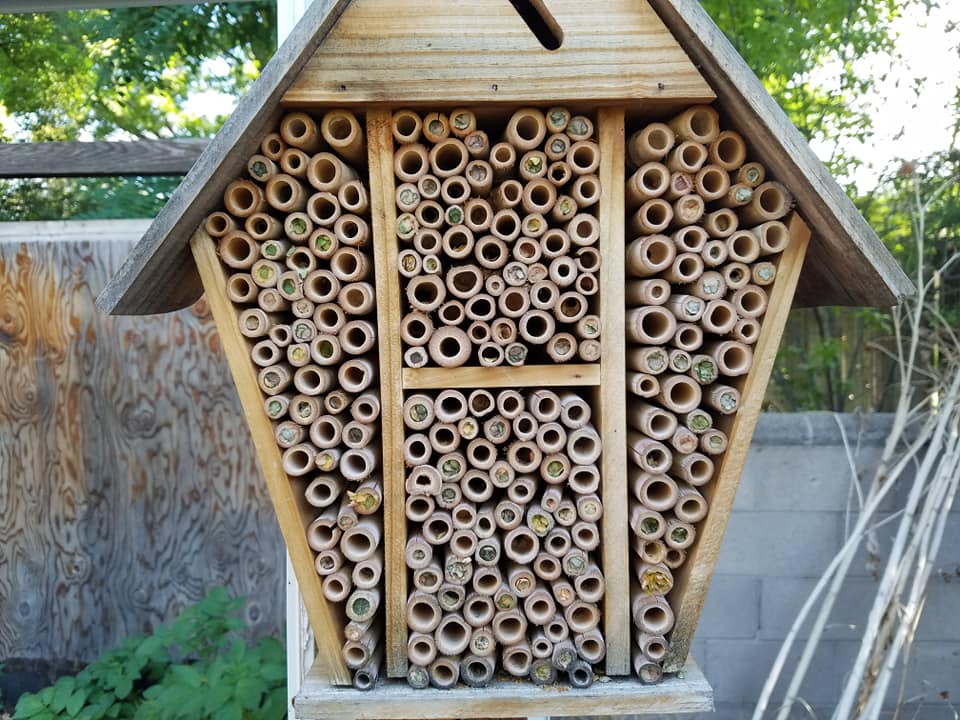
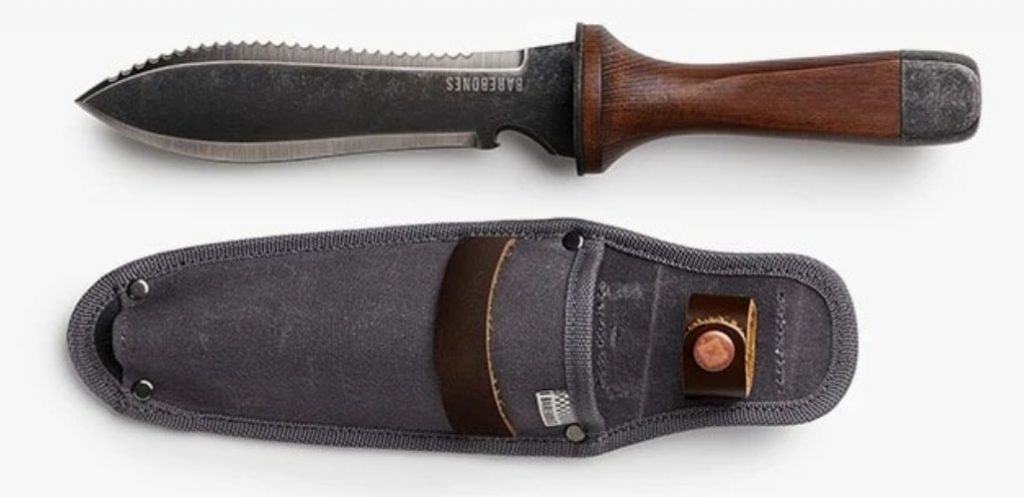
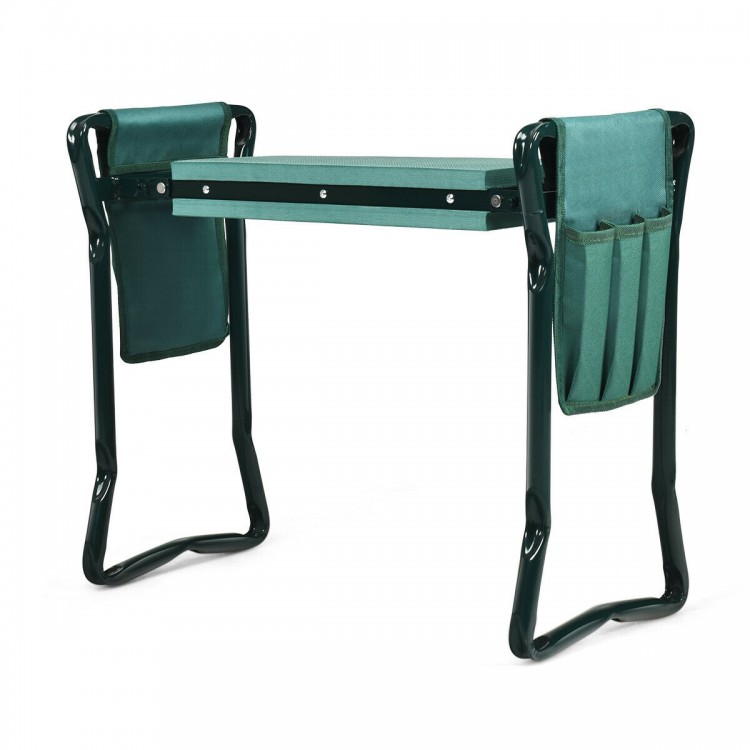
Carlos Bustos, Water Conservation Program Manager and Paulina Aguilera-Eaton, Water Conservation Specialist, both recommend the Skidger® Xtreme Weeder™ - basically a hula hoe on steroids. “Weed early, weed often, and never bend over for a weed again. This tool works in perfect symbiosis with a landscape blanketed with organic mulch.”Amos Arber, Xeriscape Incentive Inspector, swears by garden glove clips. “I can’t live without glove clips for keeping my gloves together.”Denise Rumley, Water Conservation Specialist-Supervisor, loves bee houses! Richard Perce, Irrigation Efficiency Specialist, says this tool is not only indestructible, it’s also beautiful. Hori Hori Ultimate & SheathKatherine Yuhas, retired Water Resources Division Manager, says, “I love these garden seats. They are perfect little seats when pruning shrubs and flowers.”Author: Jill Brown, ASLA Landscape Architect and owner of My Landscape Coach in Albuquerque, NM. Photography courtesy of Andy Young, Albuquerque, NM. Have a question about the article? AskAnExpert@abcwua.org