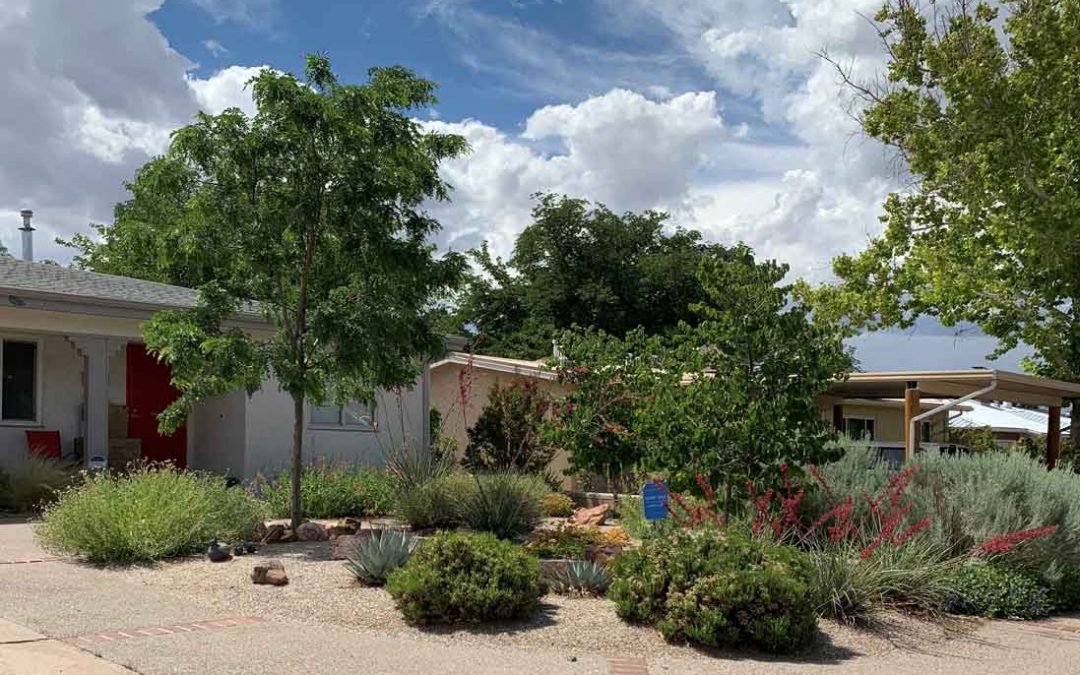
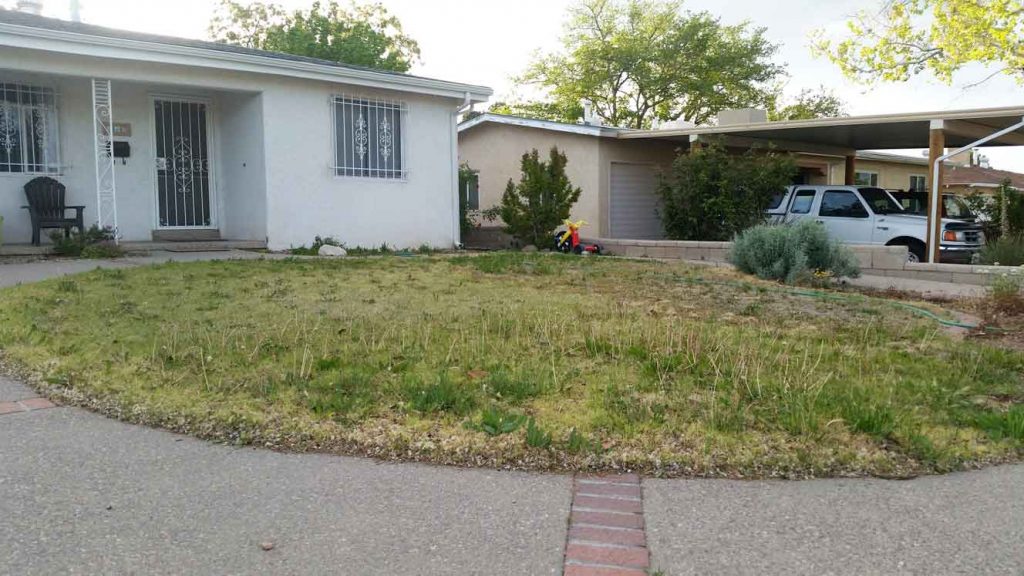
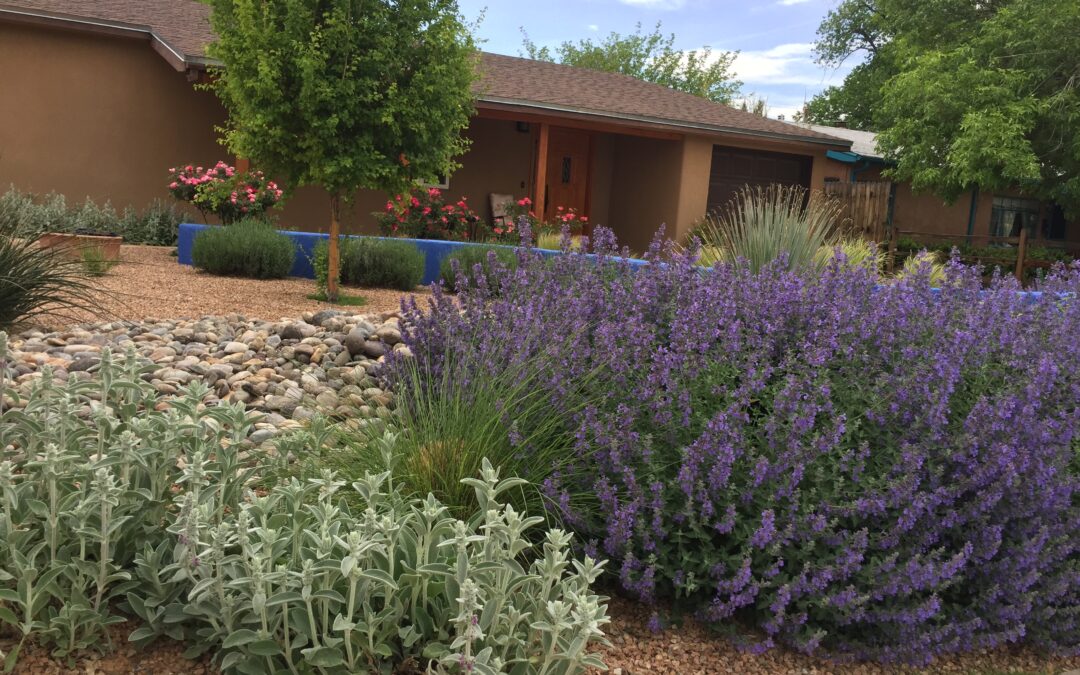
Are you ready to remove your lawn and create a desert-friendly landscape but worried about the cost? Below are cost-savings tips for transforming your yard.
Plant price tags: For homeowners wanting to transform their yards, it’s easy to feel sticker shock when adding up the cost of buying new plants. Keep in mind that the plants you buy from nurseries started as seedlings and have been nurtured for years before they are ready to sell. Most trees have been growing for 10 years before reaching stores. And remember that these same plants will enhance your yard for decades to come. To save money, buy plants in smaller pot sizes. For example, instead of buying a 5-gallon plant, buy a 1-gallon or 4” pot. Instead of buying a 2” caliper tree, buy a 24” box tree or a 15-gallon tree. Reducing the size of the plant you purchase will save money.
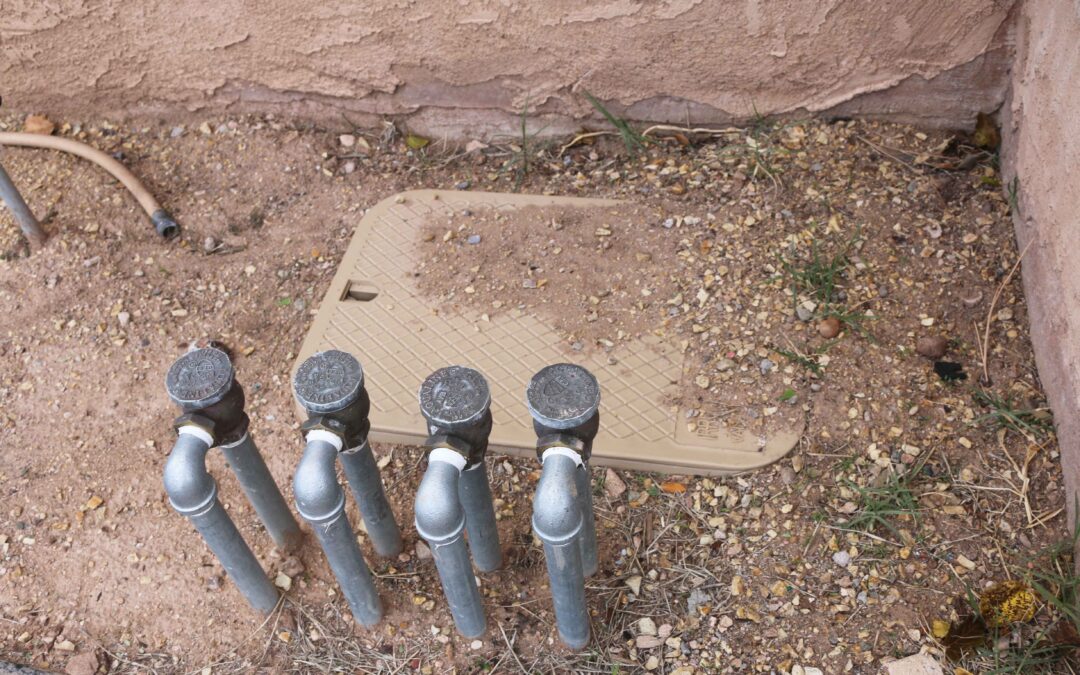
Irrigation woes: Fear of the unknown cost is what usually worries homeowners about installing an irrigation system. No need to worry if you are transitioning from a grass lawn with spray irrigation to drip irrigation when you already have valves in the ground. We recommend spending the money to hire a local irrigation professional to check your valves and convert your valve from spray to drip. Once you’ve done that you can save money by installing the drip polyline yourself.
Mulch madness: Choose organic shredded wood chip mulch over gravel to save money, enrich the health of your soil, eliminate weeds and greatly reduce maintenance. Shredded wood chip mulch can be up to $1 a square foot less expensive than installing gravel. Tree maintenance companies, like Baca’s Trees on Edith Blvd NE, offer mulch free to the local community. You can also visit the East Mountain Transfer station to buy inexpensive loads of mixed-sized organic mulch. This material is perfect to put over bare dirt areas of your yard that need to be covered to eliminate weed growth.
Materials stockpiled: Think outside the box and get creative when sourcing materials so you can save money and resources. Check out re-stores, thrift stores, Facebook Marketplace, Craigslist and even your neighbors, who are a valuable resource. They may have landscaping materials available for free or at a small cost. Your neighbors’ properties may have stockpiles of materials sitting around that may not be useful to them but could be put to great use in your yard. When in doubt, ask for what you are looking for. Pop onto your neighborhood’s text thread, knock on doors or even utilize the app Nextdoor.com. Someone’s trash is another person’s treasure.
Water Authority’s Rebates: Did you know you get $2.00 back for every square foot of lawn you convert? Water Authority residential customers who convert their landscapes to desert-friendly xeriscapes and use drip irrigation can qualify for a $2.00 per square foot rebate. The rebate area of your new landscape must have 50 percent coverage (at maturity) of qualifying low to medium water use plants, and the soil between and beneath all plants must be covered with at least three inches of mulch (organic mulch, gravel, etc.). If you are interested in participating in the Desert Friendly Xeriscape Conversion Rebate, be sure you don’t start your turf removal project until you have applied online to the program and received an official notice to proceed. Several conditions must be met in order to qualify for the desert-friendly xeriscape rebate.
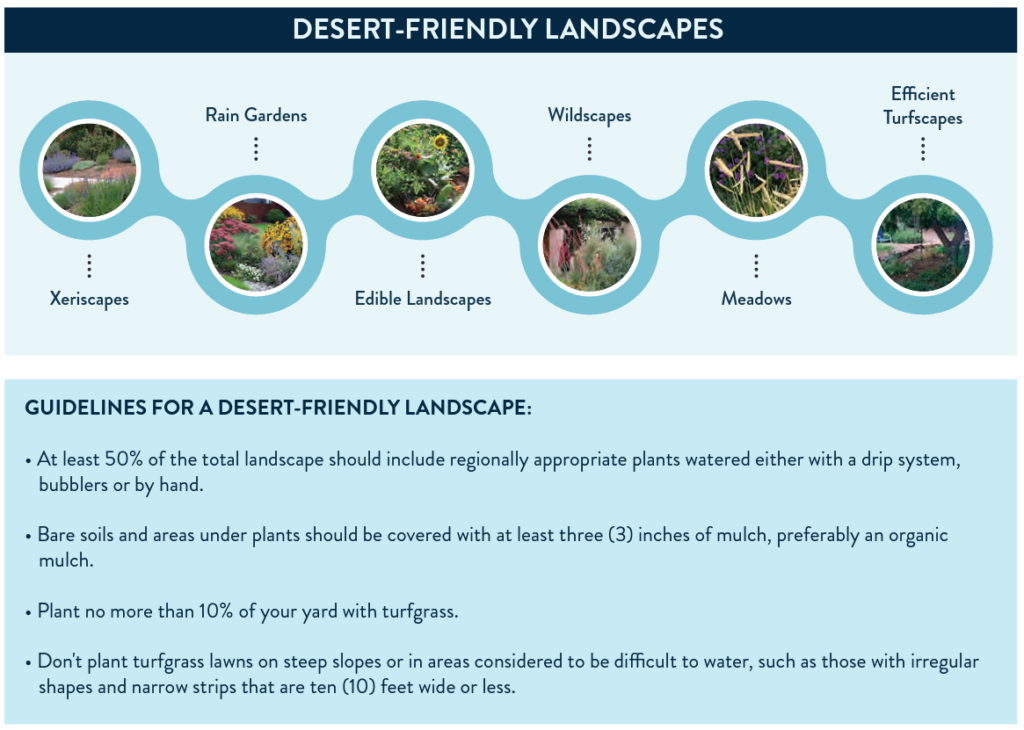
The Albuquerque metro area has a variety of landscapes. These include desert-friendly landscapes, such as lush, pollinator-friendly xeriscapes, and wildscapes or prairie plantings, where native grasses and wildflowers bring the feel of a prairie to a yard. Rain gardens are specifically designed to make the most of natural precipitation, while edible landscapes have garden beds or edible plants interspersed throughout them. Efficient turfscapes have smaller areas of turfgrass and diverse plantings. Conventional turfscapes with large areas of cool-season grass and high-water foundation shrub plantings are no longer considered desert-friendly landscapes. Desert-friendly landscapes describe a variety of landscapes that include beautiful, diverse plantings with increased resiliency achieved through efficient watering.
A sea of gravel may require little water, but it does not create a healthy environment. Weed fabric doesn’t prevent weeds from growing on top of the fabric and has been proven to be detrimental to soil and tree health in the long term. Trees struggle if they have been part of a yard that was once heavily irrigated and has been converted to a gravelscape. We do not recommend gravelscapes for reducing water use. Instead, transform those landscapes into cooler, healthy environments by adding appropriate plants and irrigation.
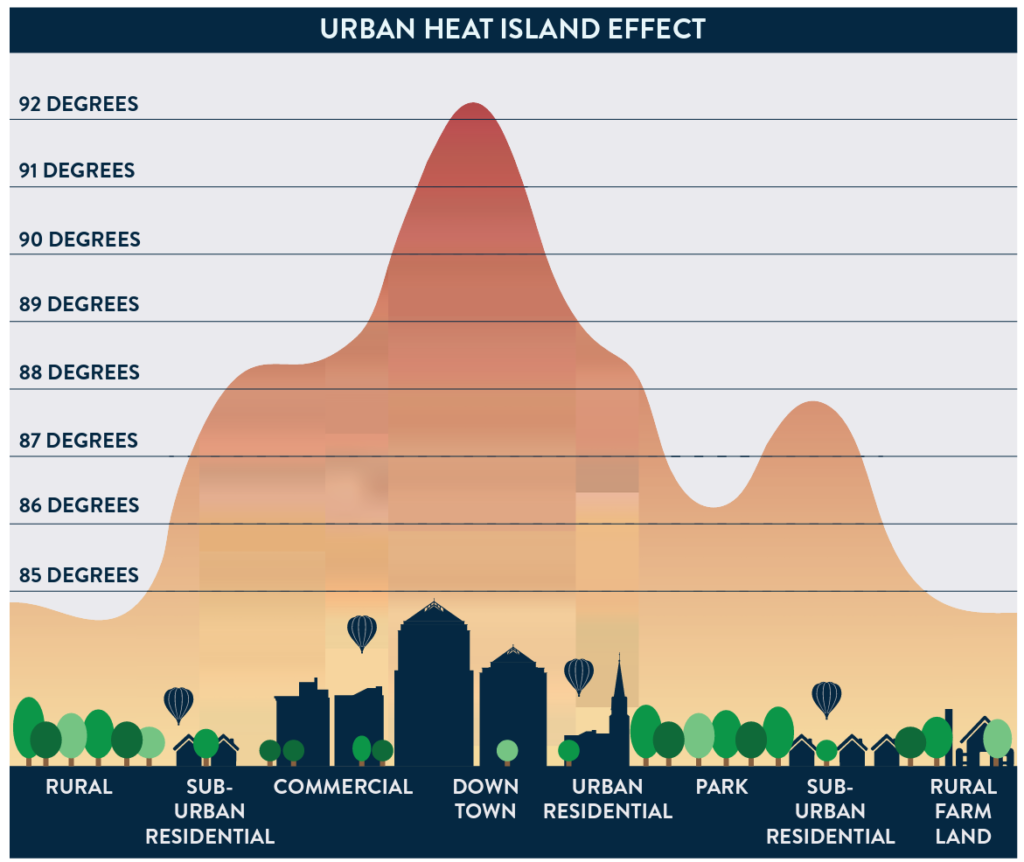
Desert-friendly landscapes make a positive contribution to lowering the urban heat-island effect, which is caused by heat emitted off surfaces including gravel, concrete and asphalt. This heat causes an updraft within an urban setting, which changes the weather patterns over a city and decreases the chances of precipitation and cooling. Plants, especially trees, help decrease or eliminate this heat island effect.
Desert-friendly landscapes help reduce noise pollution by absorbing sound. Desert-friendly plantings also increase biodiversity in your yard and in our community, generating much-needed pollinator habitat. Xeriscapes, particularly once they are established, use significantly less water than a conventional turfgrass lawn. Did you know that Albuquerque is a designated Bee City USA? To find out more, go to: Burque Bee City USA (beecityusa.org). For more information on pollinator gardens, go to ABQ Backyard Refuge Program (https:// www.505outside.com/2021/05/31/backyard-refug-es-for-people-and-wildlife/). To find out about rebates that help homeowners transform their yards into desert-friendly xeriscapes, visit: https://www.505outside.com/residential-desert-friendly-conversion-rebates-xeriscape-conversion/
Xeriscapes have been largely misrepresented and misunderstood over the past 30 years, often being mistaken for zeroscape (a.k.a. no plants). What xeriscape really means is a native, desert-adaptive or desert-friendly landscape that often feels lush and vibrant and has plants that are appropriate for the Albuquerque climate. It attracts all kinds of wildlife and changes with the seasons.
Pro Tips for Using Drip Emitters in Xeriscapes:
• Always have more than one emitter per plant in case one becomes clogged. • Switch from adjustable micro sprayers and “shrubblers” to individual emitters or in-line emitted drip lines to know exactly how much water is being provided to your plants. • When using drip or other low-flow irrigation, accommodate plant needs by adjusting the flow rate (larger or smaller gph) and number of emitters per plant. • Drip irrigation is the best way to water plants that do not like getting their leaves wet. With drip emitters and ¼” spaghetti tubing, water can be placed exactly where it is needed.
Xeriscapes often include trees, shrubs, flowering “pollinator-friendly” perennials, desert accents, groundcovers, ornamental grasses and vines. They also can contain small functional turf areas, vegetable beds and other edible plants. Xeriscape plants are medium or low-water usage plants. Some can survive with rainwater alone after an establishment period of at least three full irrigation seasons. Adding trees to a desert-friendly xeriscape increases shade and habitat, creates favorable microclimates and reduces the urban heat island effect in Albuquerque. When deciding which tree to use in a particular place, refer to our Xeriscaping Guide or The Nature Conservancy’s Climate Ready Tree List.
HOW MUCH WATER IS NEEDED TO KEEP UP A BEAUTIFUL XERISCAPE?
This budget is only for outdoor use. Please include your winter averages to complete your TOTAL usage on your billing. For typical xeriscape landscapes with 500 square feet of NATIVE grass lawn (warm-season grasses) and two medium trees
Most irrigation work can be done by the homeowner, except for one component. Tapping into your home's main water line needs to be done by a licensed contractor to ensure it is completed safely. To help homeowners know how to select and work with a contractor, we have provided the Irrigation Association's Irrigation Consumer Bill of Rights in the Appendix.
To make sure you have an efficient system, we highly recommend that you hire a professional irrigation designer to create a custom plan. Having a custom plan minimizes water waste and the chance of problems in the future and also helps ensure an efficient distribution of water, which reduces water usage. We also recommend asking a designer to produce a "call-out" list of all the parts required for the installation or renovation. This helps homeowners decide whether to DIY or hire a contractor.
SEPARATINGIRRIGATIONZONES&HYDROZONING
When you begin to plan a drip system, whether you’re installing a new system or retrofitting an existing system, it is imperative to design it so the drip valves are separate from your lawn valves. If you plan to grow a vegetable garden or water annual beds with a drip system, those areas also need to be on separate valves.
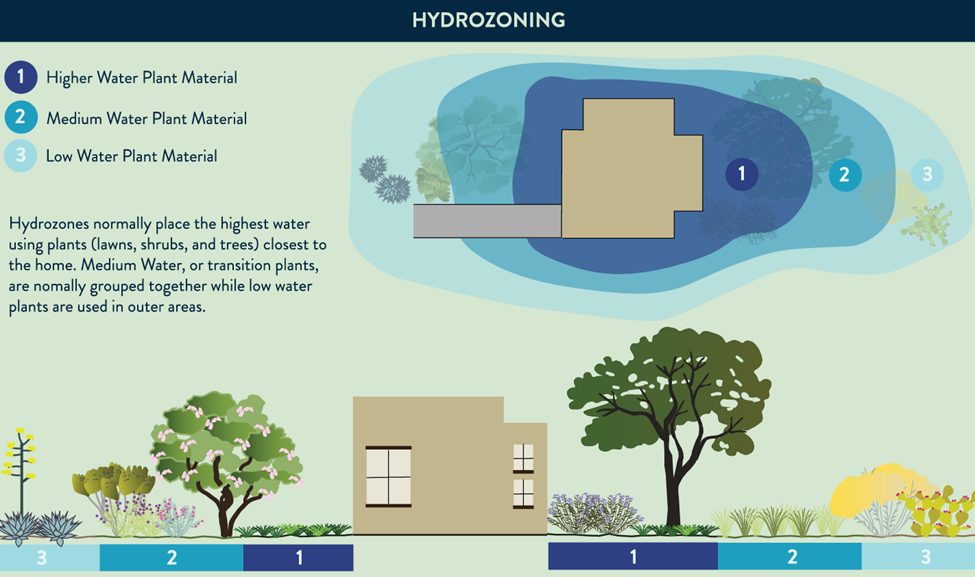
The next thing to do is organize your drip zones by plant watering needs. This means that higher water plants and lower water plants should be on separate valves (hydrozoning) whenever possible, so watering is much more efficient. Hydrozoning is not always possible when retrofitting an established landscape. In that case, you can adjust your water delivery with various sized drip emitters so plants with higher water needs receive more water per hour.
Check out our New Irrigation Efficiency Guide: Beautiful Landscapes with Less Water. Download the guide here.
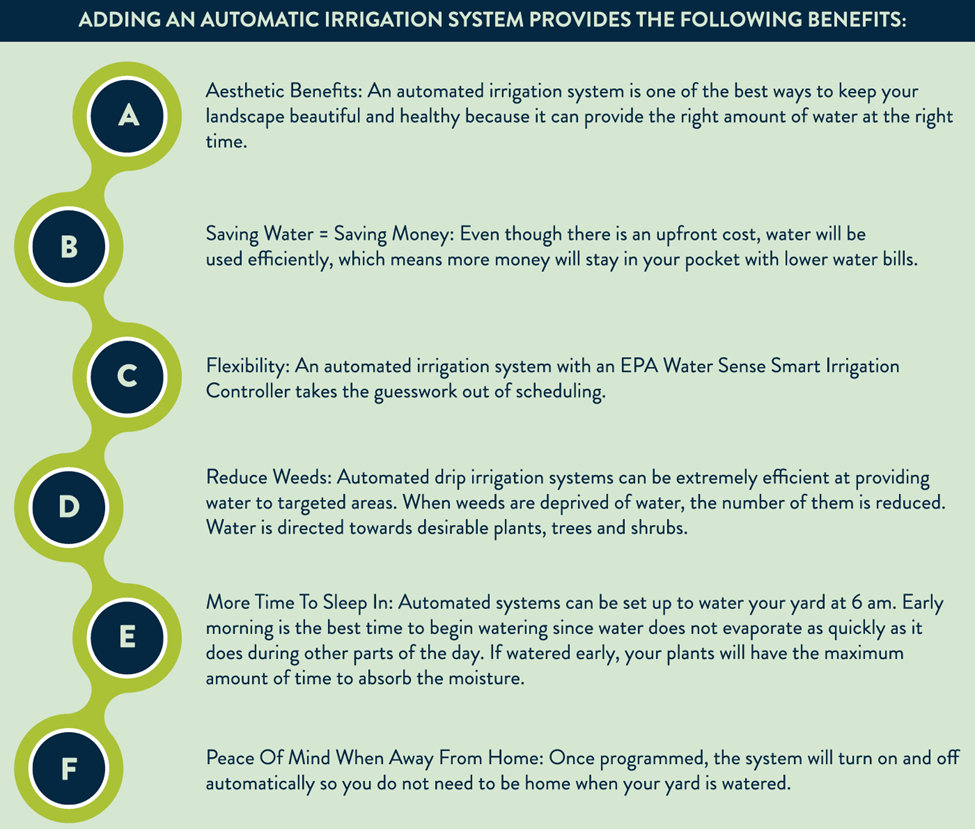
Does the thought of making changes to your yard seem costly? Can you still get reasonable benefits from just changing a few things instead of your whole yard? Do you feel overwhelmed because you don't know where to start? Do you feel like you don't know enough about irrigation systems to know what to do?
Having an efficient automatic irrigation system can be financially affordable for homeowners, especially with help from our rebates. Homeowners can choose to install or update a spray or drip irrigation system. To figure out your budget using our rebates, consider the following questions: How much can I spend on irrigation updates this year? It's important to be realistic about what you can spend and stick to your budget. You don't necessarily need to spend thousands of dollars to begin saving water. We offer rebates to help you cover some of the costs. Upgrades don’t have to be completed all at once. They can be done in phases.
Check out our New Irrigation Efficiency Guide: Beautiful Landscapes with Less Water. Download the guide here.
Have you wondered what the City of Albuquerque is doing to support sustainability? The Sustainability Office is leading the city government’s efforts to reduce greenhouse gas emissions while growing our economy and protecting residents’ health.
What does the Sustainability Office do?
The Sustainability Office was created by Mayor Keller in 2019 and is housed in the Environmental Health Department. The office focuses on implementing projects and policies to equitably address climate change and environmental impacts across Albuquerque. One of the office’s major undertakings includes the development of the 2021 Climate Action Plan (CAP), whose core authors are 19 task force members representing frontline communities in Albuquerque. The 2021 CAP includes 50 strategies organized into seven categories. It is both a response to City Resolution R-19-187’s declaration of a climate emergency and an update of the city’s 2009 Climate Plan.
The office is headed by Sustainability Officer Kelsey Rader and has expanded to include Sustainability Specialist Denise Gonzalez, Sustainable Transportation Specialist Albert Lee and Sustainable Waste Specialist Sandra West. These staff members help implement the 2021 CAP goals and track progress for the public while taking guidance from community members. The office detailed recent progress in the first-ever CAP Implementation Report, which describes projects such as the expansion of publicly accessible, city-owned electric vehicle (EV) charging stations from two charging ports (aka plugs) to 36 ports as of July 2022. Other recent sustainability wins for Albuquerque include:
The Sustainability Office’s staff is looking forward to a year full of progress and new projects. For example, the office recently released heat-impact data collected in collaboration with NASA. The data will help staff decide where siting projects are most needed and better understanding the impact of heat-mitigation projects. In the transportation sector, residents can look forward to hearing more about EV rideshares and public transit access. In terms of waste reduction, the office is focusing on reducing food loss and waste and supporting community composting. Learn more about the Sustainability Office’s work.
Why are partners including the Water Authority important?
The success of citywide initiatives and goals rely on collaborations with partner organizations and support from the community. The Water Authority is a particularly important partner as water and waste are an integral part of many sustainability initiatives, including the mayor’s tree planting goal. The work that residents, the Water Authority, other like-minded organizations and the city are doing to reduce water waste and strategically utilize water in our homes and landscapes is an integral part of creating a healthy, resilient and equitable Albuquerque for all.
How can I stay informed or get involved?
To hear updates directly from the Sustainability Office, sign up for the Sustainability Office newsletter by emailing [email protected]. The office wants to hear from residents during quarterly CAP community engagement meetings and public surveys and is now asking for input on public transit and traffic safety issues. To share your input, please complete the survey this month (available in English and Spanish) and encourage your friends and neighbors to do the same. For those who want to dive into more information, please explore resources on the city’s website at www.cabq.gov/sustainability.
Albuquerque’s Sustainability Office (left to right) includes Sandra West, Kelsey Rader, Denise Gonzalez and Albert Lee.
There are misconceptions about how to prune a tree. Here are seven things you need to know before you begin.
1. Always have a reason for each cut you make on a tree. A beautiful day and hearing you need to prune now are not the right reasons. The main reasons we trim our trees are to support strong tree structure, encourage fruit production, prevent damage, provide clearance to avoid conflicts, shape the tree for aesthetic reasons and repair the tree from previous damage.
2. Chose the right time of the year. There are good times of the year to prune. Pruning at other times can lead to tree distress and disease. Prune during late winter and early spring, just as trees are coming out of dormancy and will be actively growing soon. For fruit trees, wait until they have flowered before pruning to encourage production and direct growth.
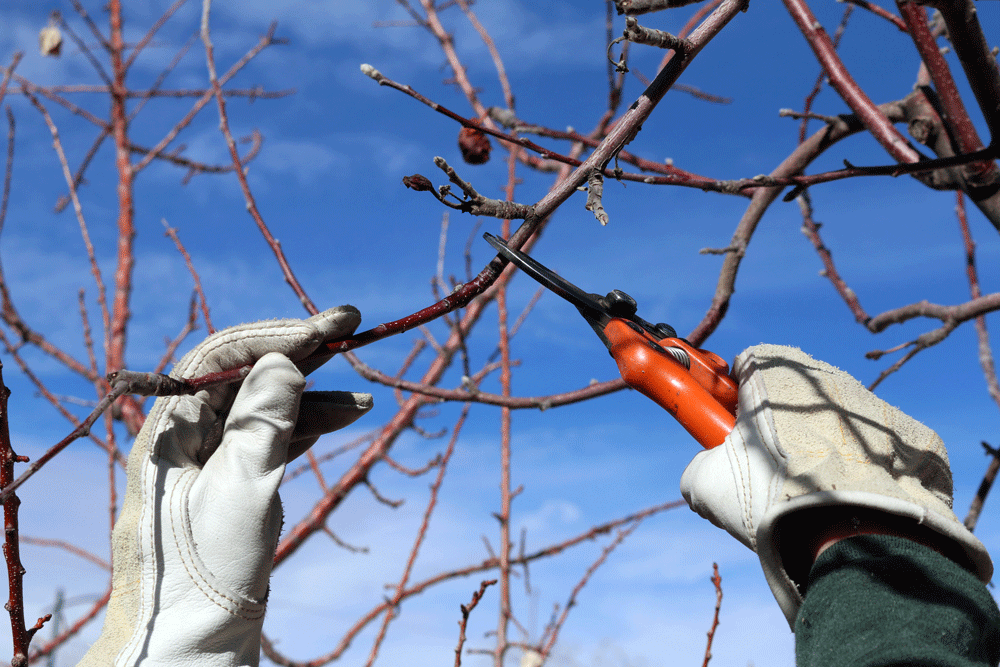
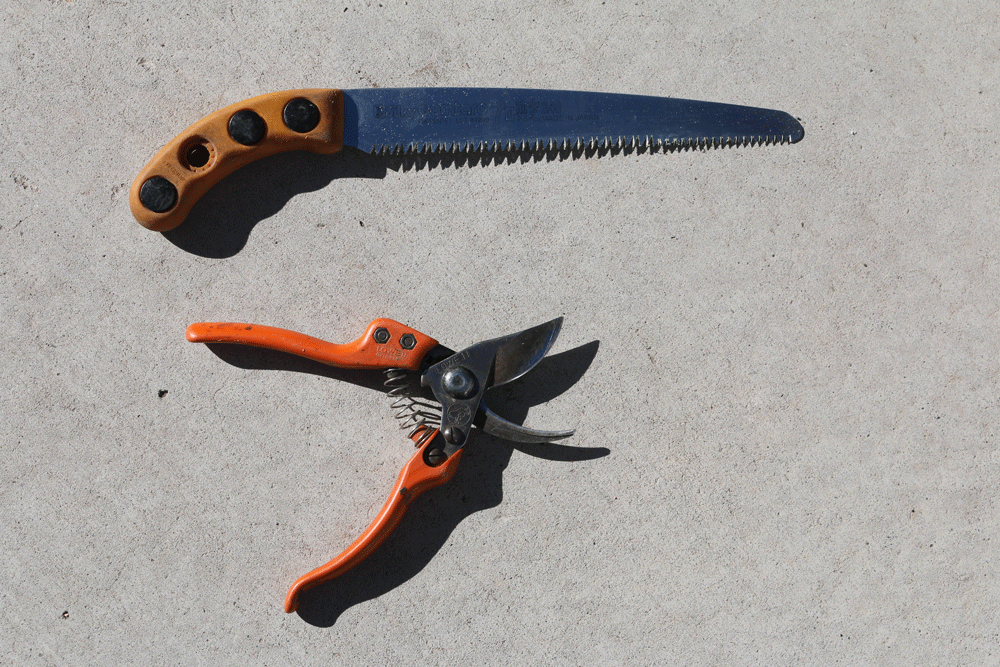
3. Use good hand tools, including a bypass hand pruner and scabbard, 8” folding hand saw, long reach pruner and orchard ladder (step ladders on uneven ground can be dangerous). As fun as they may seem, never use a chainsaw unless operating from the ground below shoulder height. Always wear PPE including safety chaps. Remember to sterilize tools with alcohol or Lysol spray when moving between trees.
Hand Pruner and Bypass Pruning Shears
4. Know your tree type. To figure out your tree type and its particular needs, try some plant identification apps, read the Arbor Day Foundation brochure “what tree is that.” or take photos of the tree and ask an expert. Pictures should include the overall tree form, leaves, bark, flowers or fruit. The most common trees in the Albuquerque landscapes are honey locust, Modesto ash, Siberian elm, London planetree, desert willow, Austrian pine, ashes, ornamental pear, Afghan pine, purple leaf plum, cottonwoods, golden raintree, Chinese pistache, pinon pine, redbuds, crabapples, Navajo willow, Texas red oak and mimosa.
5. Check out your tree’s health. How much water does it need and if/when does it need to be pruned? Highly-stressed trees should not have living branches pruned or removed. A healthy tree’s overall vigor and branch growth from previous years should be around 3”- 4” of growth per year between a bud scar and a new terminal bud. Access the density of the canopy all around and under the tree. For healthy conifers look for four years’ worth of needles on a branch. Less than two years on a branch is considered stressed.
6. Know the three types of pruning cuts: heading, removal and reduction. Avoid heading unless attempting to correct damage. Removal describes cutting branches all the way back to the main trunk. Remove 1” caliper branches and avoid cutting anything bigger than 3”. Some trees, like our local cottonwood, may not be able to heal large wounds. Reduction cut is the ideal cut. It is used to redirect and subordinate growth. Reduction cutting allows the tree to heal properly. Prune back to a branch that is at least 1/3 the size of the branch removed in order to avoid excess sprouting and allow the remaining branch to assert dominance.
7. Know where and how to make the cut. Refer to the diagrams to properly identify the branch collar, which contains the Branch Protection Zone (BPZ) that has specialized tissues which resist the passage of decay organisms into the trunk. Cut about 1/2” outside the branch collar. This allows for proper wound healing. Use the following three-step method when making a cut: First, make a partial upward cut several inches out from the final cut. Next, make a full downward cut a half inch farther out to take the weight off. Lastly, make the final cut without nicking the branch collar.
By reviewing and understanding these seven tree pruning concepts you are well on your way to properly pruning your trees. Remember, tree pruning is only needed every few years. The proper watering of your trees needs to happen monthly. Check out the other tree health articles below to keep yours in tip-top shape.
Author: Amos Arber, Xeriscape Rebate Inspector with the Water Resources Conservation Department for the Water Authority. Have a question about the article? [email protected]