ALBUQUERQUE, N.M. — By and large, New Mexican homeowners are getting the all-important message of the arid Southwest: Water is precious, and not to be wasted.
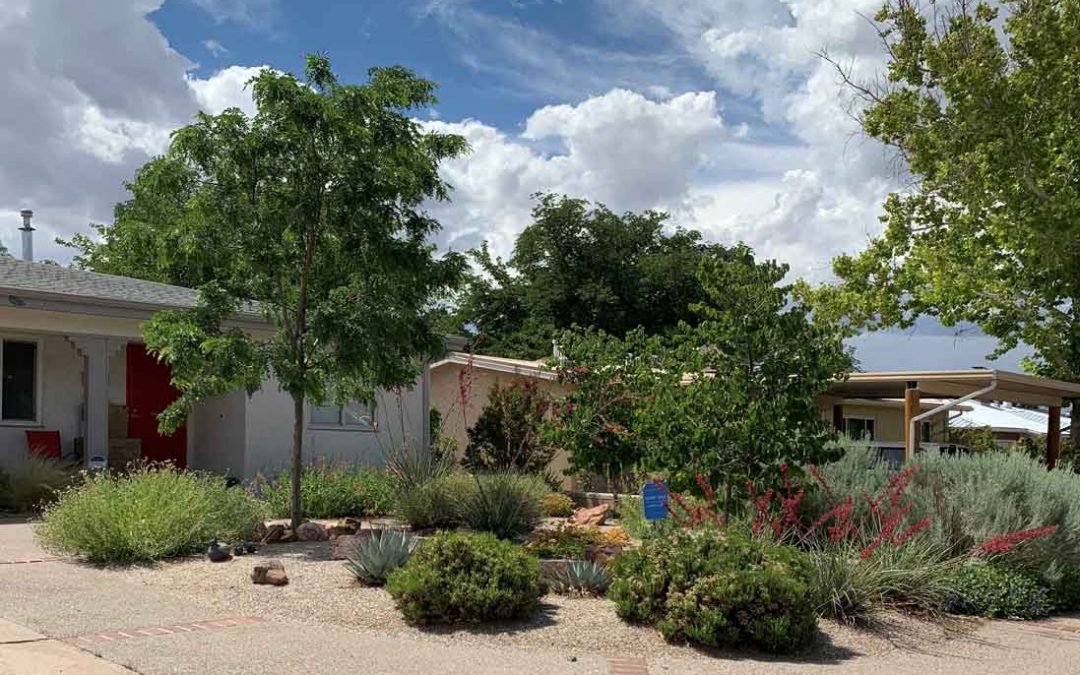
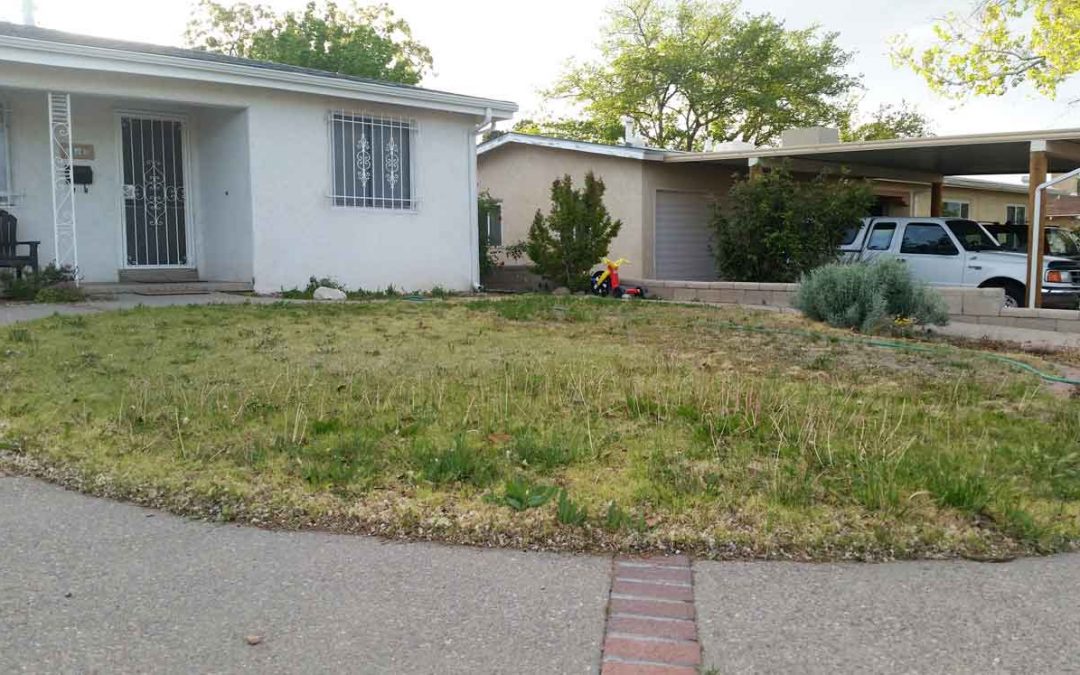
But local experts say an important piece of the story is still often lost when it comes to landscaping: Conserving water doesn’t have to mean a yard consisting of one plant surrounded by gravel.
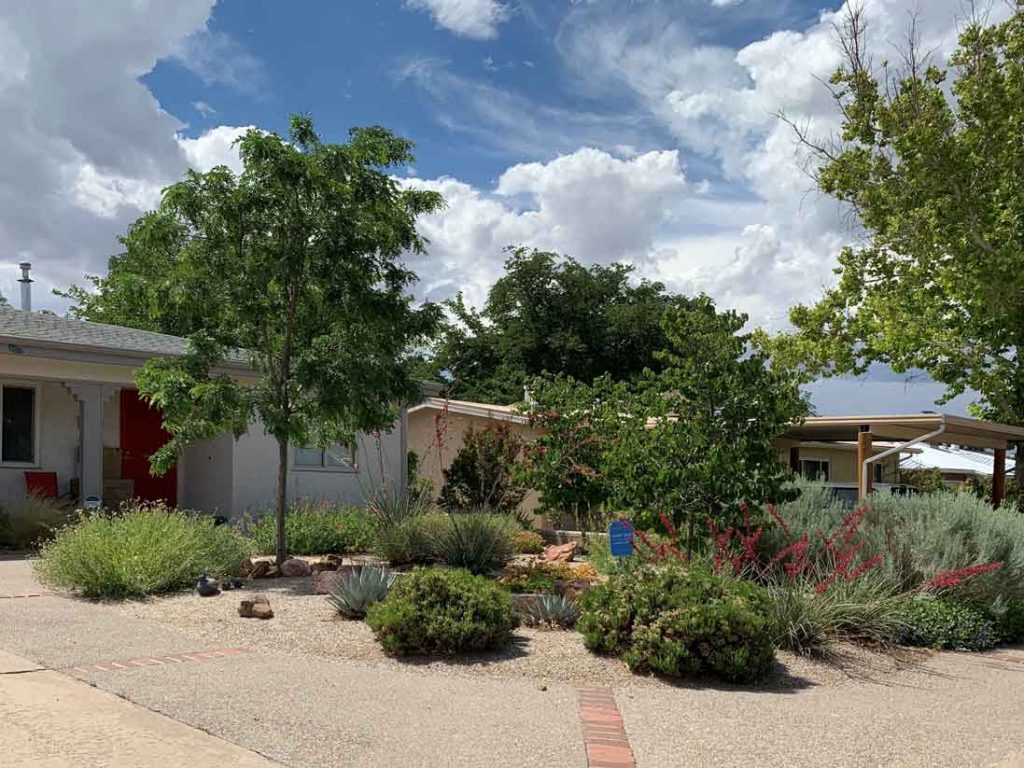
“We’ve got to go away from that,” said Carlos Bustos, water conservation program manager for the Albuquerque Bernalillo County Water Utility Authority. “Xeriscapes are luscious, they’re beautiful, they’re abundant, they’re resilient, they’re sustainable. … We hope that 10 years from now we’re not still dealing with the idea of ‘zeroscapes.'”
Solange Serquis, of Santa Fe-based Serquis + Associates Landscape Architecture, agreed.
“I am a big believer that we all deserve aesthetic and beauty,” she said. “When you combine aesthetic and beauty to achieve something else, like passive cooling or low-consumption plants or an invitation to be outdoors, better use of … energy indoors, that’s the main thing.”
Plant selection
According to Jill Brown, a landscape architect and owner of My Landscape Coach, selecting plants tends to be a point in the landscaping process where homeowners get very engaged.
“If I go back and look at the most popular articles, the most popular things, discussions, questions that we’ve received, it’s always about plants,” said Brown, who also provides content for the water utility authority’s landscape website 505 Outside. “So people are really interested in plants and learning about plants and in that aspect of a landscape.”
For several local landscape pros, planting trees tops the list.
“That’s going to provide shade, which is going to reduce your energy bills if you put it … on the south side of the home … or the west side of the home,” Brown said.
Bustos said if a tree is well planned and well-positioned, those energy savings can be significant.
“There’s studies out there that say that if you place a tree strategically where you need to, you can save up to 25% of the energy in a typical household use,” he said, adding that tree shade helps reduce water lost by other plants nearby.
“By creating this microclimate, you can reduce the water need between 6 and 20%,” he said. “It’s always cooler in the shade.”
Serquis says planting trees adds long-term value.
“I always say planting a tree is an act of … citizenship,” she said. “Because you plant that tree today and in maybe 50 years, it’s … a heritage for the neighborhood.”
With trees as well as with smaller plants, Serquis said she’s looking for ways to passively cool living spaces – both indoors and outdoors – and selects varieties that have low water consumption.
When it comes to choosing specific plant varieties, Brown’s got a simple approach.
“Basically native plants that you buy from a local nursery are going to work in your soil,” she said. “That’s like a generalization we like to tell homeowners: Don’t over-stress about your soil. If you buy plants from a local nursery, you’ll be OK.”
Of course, there’s a caveat: Those plants and trees still have to be watered properly.
Irrigation
Brown said data and her own experience suggest that in the universe of homeowners who care about their landscaping, about half use an irrigation system of some kind, and about half are hand-watering.
Those hand-waterers, according to Brown and Bustos, should think about installing an irrigation system.
“Hand-watering is wasteful, because they’re spraying the leaves and … we need to get to the roots,” Brown said.
Those who already have an irrigation system can consider whether it’s efficient or fine-tuned enough.
Those who use spray sprinklers, for example, may consider swapping out sprayers for highly efficient models that are more available to homeowners today than in the past, often on the shelf of local irrigation supply companies, Brown said.
Homeowners can look at whether plants in their yard are being watered to the right depth, whether their irrigation system adjusts with the seasons – less water during the spring and fall than in summer – or with the weather.
Plants’ water needs also vary depending in what type of soil they’re planted – which even in the Albuquerque metro area can range widely, from sand on the West Side to clay in the valley.
Brown concedes the considerations can overwhelm homeowners.
“People really just want you to say, ‘Hey, water your landscape 20 minutes two times a week in the summer, 20 minutes once a week in the spring and fall,” Brown said.
Lawns
Serquis said when she first moved to New Mexico from Argentina, the trend was incentivizing homeowners to get rid of their lawns altogether in favor of gravel. But lawns don’t get quite such a bad rap with conservation-minded landscapers these days.
“I think there is something in between” lawn and gravel, Serquis said. “(It) depends how you look at the grass, or what type of grass – it’s not that bad. And a xeriscape with no plants, just as a reflecting surface, could be even worse” because of the heat generated.
Brown said there are types of grass that require less water – and even if homeowners want the grass “that’s at the park,” there are better ways to water it than with a spray system that throws water high in the air and risks evaporation. Bustos agreed.
“If you have a lawn and you’re enjoying it and it’s functional and you’re taking care of it, then update it,” he said. “You know, update that irrigation system. There’s technology out there that just can make things a lot more efficient.”
Mulch
Brown said mulch is an important part of landscaping in the Southwest.
“One of the biggest things people complain about are weeds in New Mexico, and a lot of that is because wherever there is bare dirt, you’re going to get weeds,” she said. “… The simplest solution and the most inexpensive solution and easy to install is 3 to 4 inches of a shredded wood chip mulch over the entire yard.”
Mulch helps soil hold in moisture and insulate plant roots, and it breaks down over time to enrich the soil. Brown said a mulch layer often means replacing expanses of gravel.
“All gravel does is produce more heat and more weeds,” she said. “Even if you have the weed cloth, the weed cloth just makes it easier to pull the weeds.”
Starting small
Bustos acknowledged the process of adapting a landscape can be daunting. He said he encourages residents to start with the “lowest investment,” which is changing behaviors. People can start following the seasonal irrigation needs of their landscape, rather than giving the same amount of water all year.
Those ready to invest some resources can take small steps like installing smart irrigation controllers, swapping out sprinkler heads and efficient nozzles – steps Bustos said can save up to 30% of water usage in some cases.
“If you really want to invest, you want to transform your yard into a desert-friendly landscape, then we got a xeriscape rebate that folks can tap into,” he said.
Brown said while her clients may be in different phases with their landscapes, they tend to share one thing in common. “Overall, in general, people in Albuquerque want to save water,” she said. “That is a no-brainer now.”
Author: Gabrielle Porter, Albuquerque Journal Business Editor. Reprinted with permission from the Albuquerque Journal. Have a question about the article? AskAnExpert@abcwua.org
Growing vegetables and herbs at home in small spaces can be easy, fun, rewarding and not expensive. Here are some tips for anyone from first timer to a pro.
Start small with a raised bed, good-sized pots or containers or a small plot of ground. Good soil is the key in all of them, so do not skimp there. If you are a composter, good compost is a great addition to our native soil, which is generally alkaline and low in organic matter. If you are growing in the ground, compost added to the soil is highly recommended. Plant nurseries offer good compost in bags, and you can also purchase in bulk, from a bucket to truckloads, from composting facilities.
When planting in containers, use a potting soil labeled for growing vegetables. Do not use pure compost, topsoil or garden soil in containers. Those are designed for in-ground use. Start your own seeds or purchase plants from a local nursery.
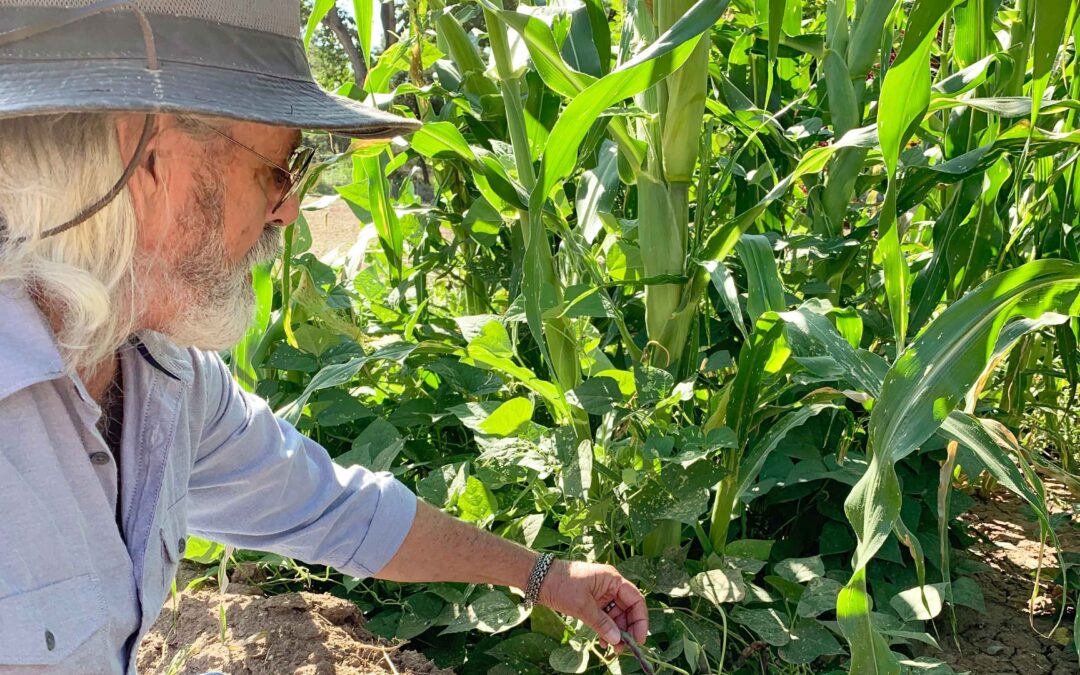
Choose what you grow based on what you love. Most will agree there is nothing like the flavor of a homegrown tomato, but the joy of growing, harvesting, preparing, sharing and eating something you have grown is a rich pleasure in a complicated world. Beans are fast and easy to grow. Since dried beans are inexpensive and readily available and it takes a lot to make a pot of cooked beans, I stick to green beans. I have done Three Sisters (corn, beans, squash) in large pots on my patio using climbing green beans.
Tomatoes will do fine in a five-gallon pot or larger, and peppers of many varieties do great in containers, as do most herbs. Look up books on companion planting. Roses Love Garlic and Carrots Love Tomatoesare books by Louise Riotte that suggest good neighbors in the garden. Lisa Mason’s Vegetables Love Flowers and Companion Planting by Sally Roth also give useful information. I have planted borage with my tomatoes for many years on the advice of an old gardener friend, and I rarely have tomato worms. Borage is both beautiful and edible!
Never leave the surface of the soil exposed. Always use mulch. My preferred mulch is barley straw (not hay!) It is clean and rarely has weeds or other seeds in it. You get an occasional sprig of barley that is simple to pull and lay with the rest of the mulch. Spread the straw three or four inches thick, thinning carefully at the base of plants. It holds moisture, prevents unwanted seedlings from sprouting and can be turned into the soil or added to compost at the end of the season. Water is crucial. Consistent deep watering, whether you use in-line drip tubing, soaker hoses or attentive hand watering, is important. The soil must not dry out or be too wet. Most containers will need water every day or two. Pay attention, ask your gardening friends questions, share stories of failure and success and enjoy the fruits of your labor!
Author: Wes Brittenham Farm & Landscape Manager, Los Poblanos Historic Inn & Organic Farm Have a question about the article? AskAnExpert@abcwua.org
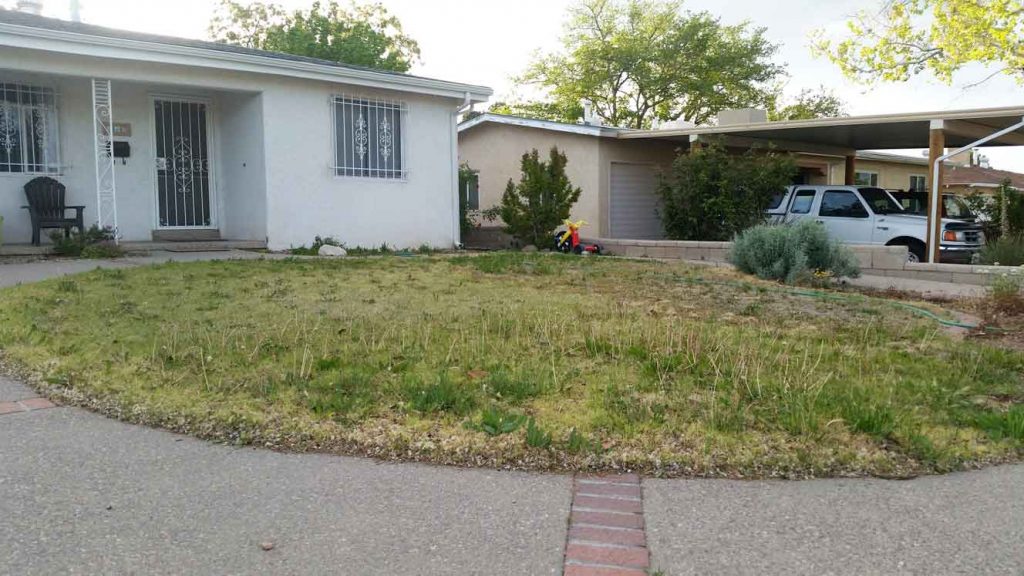
Current Drought conditions mean even more water will need to be used for your high-water use lawn to remain healthy. If you have been thinking about transforming your lawn into a desert friendly xeriscape there is no better time to do it than right now! These types of landscapes are more resilient to climate variability and can provide for up to 30% in water savings or more. Rebates of $1.00 per square foot are available for our residential customers. Certain restrictions apply, and your plans must be approved in advance by Water Authority staff so don’t start removing your lawn until you have submitted an application and contacted the inspector. Learn about our Xeriscape rebate here and get the link to the application portal.
Our expert staff can provide advice and free resources on how to start your beautiful xeriscape transformation. If your application is approved an inspection will be scheduled to verify that your grass type is considered high water use and has sprinkler irrigation. The grass must be currently cared for at the time of the inspection to qualify for the rebate. The inspection is a great opportunity to ask questions and get opinions from our xeriscape expert on various aspects of transformation projects such as plant selection, irrigation conversion and tips for saving money by doing it yourself or hiring a professional landscaper.
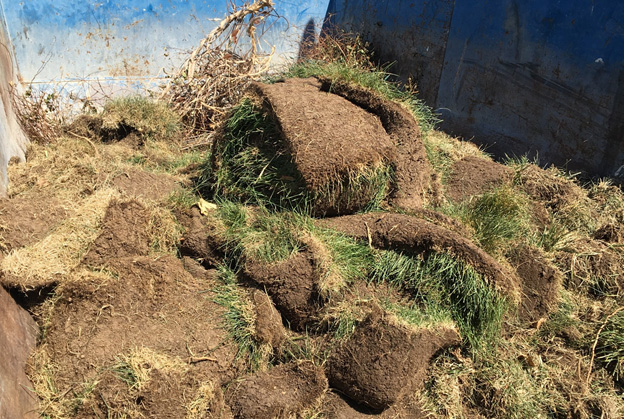
To remove your lawn we recommend using a sod cutter because it’s a fast and effective, chemical-free method to remove your lawn. Many local equipment rental companies rent sod cutters. Approved participants of the xeriscape conversion rebate program may receive 25% up to $100 in rebate off the cost of renting equipment like a sodcutter or skidsteer for removing grass. Before removing the lawn, make sure the soil is not too wet or too dry. Set the cutting blade depth at the shallowest setting necessary on the sod cutter to help retain as much valuable soil on site as possible. The removed sod should be recycled at one of our local composting facilities. One advantage of using a sod cutter is that it is chemical-free, fast, and you can continue with the next step of your project on that same day.
Please note: This method is not recommended for lawns that have mature trees. Sod cutters can damage shallow, fine-hair feeder roots that are critical for water and air uptake. Sod cutters are also not recommended for lawns with Bermuda grass due to the nature of its rooting system. For these cases you might want to consider herbicides. Take advantage of our free ask an expert email service if you have questions about what type of lawn you have or any other questions about xeriscape transformations.
Additionally, xeriscape rebate participants get 25% off the cost of installing bulk organic mulch up to $100. Not only is organic mulch such as shredded wood chips, aesthetically appealing, it provides numerous other benefits. Mulch increases moisture retention in the soil, encourages healthy root establishment, and greatly reduces weeds. A 3”-4” thick layer of organic mulch and drip irrigation are two of the best tools we have for keeping our landscapes healthy and resilient in times of drought.
Check out the Desert Friendly Xeriscape Rebate page to learn more about the qualifications, requirements and process to apply for this generous rebate. You may also contact our xeriscape specialist Amos Arber, at aarber@abcwua.org or 505-208-2015
Author: Amos Arber, Xeriscape Incentive Inspector, and Certified Arborist for the Water Conservation Department of the Water Authority. Have a question about the article? AskAnExpert@abcwua.org
Winter is the best time to rethink your high water use turfgrass and create a plan for a xeriscape yard of desert-friendly plants. A desert friendly xeriscape will help you save water, reduce maintenance, encourage pollinators, and beat the heat of the summer. We define a desert friendly xeriscape as a landscape that has half of the total landscape area with desert friendly plants selected from our Xeriscape Guide and typically watered with drip systems or by hand.
Water Authority residential customers who transform their landscapes from high water use turfgrass to a desert friendly xeriscape can qualify for a $1.00 per square foot rebate. If you are interested in participating in the Desert Friendly Xeriscape Conversion Rebate, please do not start your turf removal project until you have applied online to the program and schedule an initial inspection. An initial inspection is required before removing your grass lawn to see if your project qualifies. If you answer yes to the questions below, your landscape meets the minimum requirements.
Do you have living turfgrass on your site? (Rebates cannot be given to work that is already complete.)
Do you have an existing operating SPRAY irrigation system on your site?
If you answered YES to the above questions, then your next step is to create the landscape plan, apply and schedule an inspection. Feel free to AskAnExpert@abcwua.org for tips on planning your desert friendly xeriscape.
Author: Jill Brown, ASLA, is a Landscape Architect and owner of My Landscape Coach in Albuquerque, NM. Have a question about the article? AskAnExpert@abcwua.org
Water Authority customers have been inspired to convert their turf to sustainable, resilient xeriscapes that save water, time and money and provide habitat for wildlife and pollinators for many reasons. Below are some of our favorites:
“We just didn’t see the point of maintaining and paying to water the grass in the front yard. No matter how much we water and fertilize, the front lawn never looks good, and we don’t want to be the last house on the block with a not-so-great lawn.”
“Now that the kids are out of the house and we no longer have dogs, we don’t want to have such a high water-use landscape that requires weekly maintenance. We want to do our part in saving water for future generations and create a beautiful patch of nature in our backyard, especially now that we’re into birdwatching.”
“We may downsize someday, and our realtor said that having a beautiful low water use landscape is a good selling point.”
“We just moved to Albuquerque from another part of the country where grass grows easily, and we spent several hours a week mowing and weeding. We are done with mowing. We want a landscape that is regionally appropriate, with native and low water use plants and trees.”
“Our irrigation system seems to always need repair, and the grass never really looks that great.”
“We needed to replace our sewer line which meant digging up the front yard. It seemed like a good time to ditch the grass and convert it to a low maintenance landscape with new drip irrigation.”
Qualifying conversion projects by Water Authority residential customers may receive $1.00 per square foot of converted turf grass. This rebate has a specific application process. Only projects that have completed the application and passed inspections will qualify for the rebate. For more information visit our rebates page.
Pro Tip: Are you ready to convert your lawn to a xeriscape? Here is what local landscape contractor Tyson Hafler, owner of Southwest Horticulture, wants you to know before you start.
“Make sure you start with a green lawn. It is important to have a green lawn for two reasons. Water Authority needs to see a currently cared for, in good living condition green lawn to quality for the rebate. A live, green lawn is much easier and speedier to get rid of than a brown, dry, dead and dying lawn.”
Author: Amos Arber, Xeriscape Incentive Inspector with the Water Resources Division of the Water Authority. Pro Tip: Tyson Hafler, Landscape Contractor and Owner, Southwest Horticulture. Have a question about this article AskAnExpert@abcwua.org
Have you ever wished you could
just take a picture of a plant and have the internet identify it for you? Turns
out, there are a lot of digital options to help with the identification of
plants. We’ve reviewed the best resources so you don’t have to.
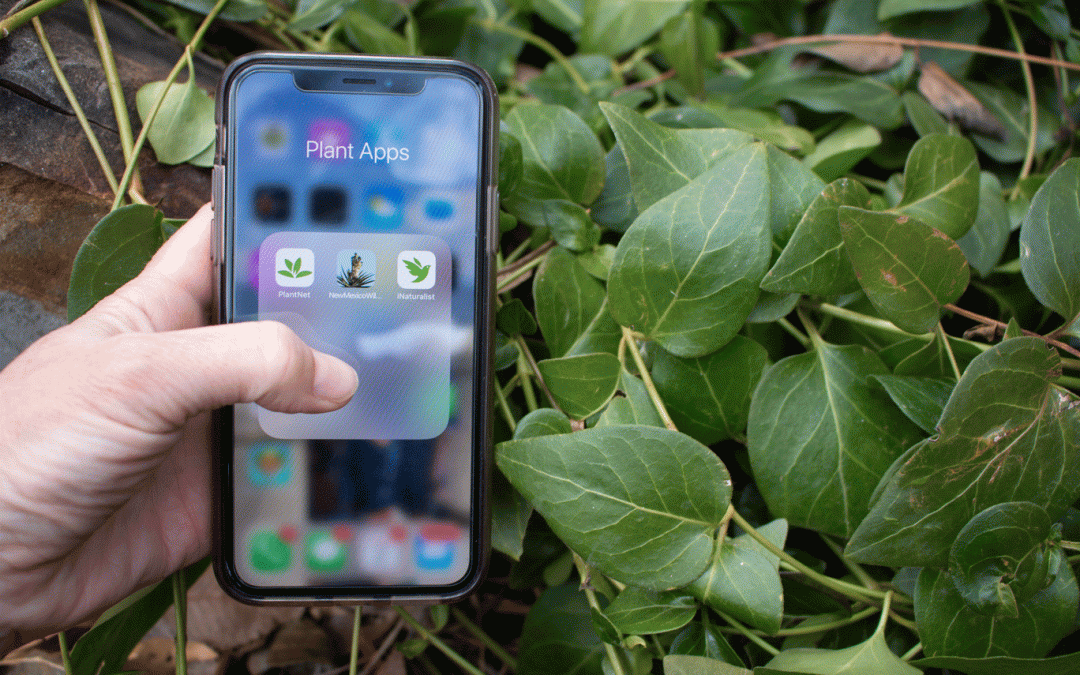
PLANT APPS:
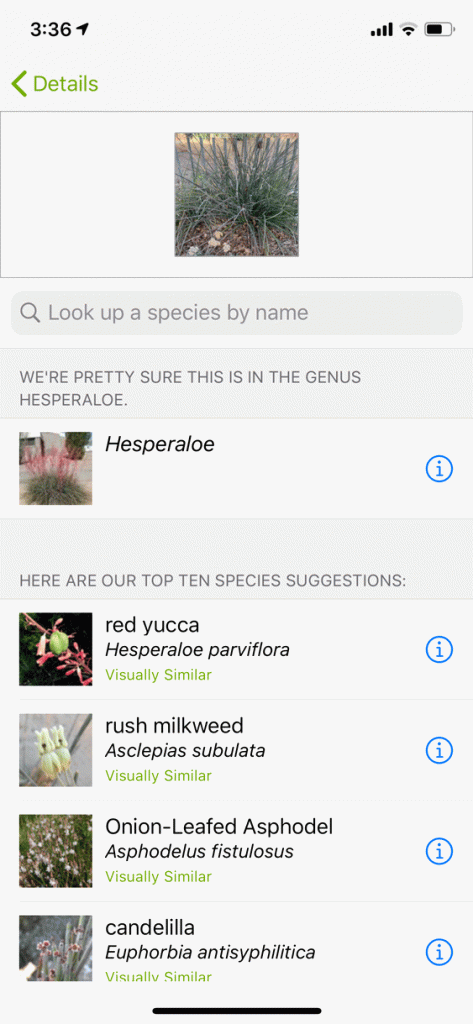
iNaturalist: Once logged on to this free application, you become one of their citizen scientists. The app uses your photos then provides you with a list of possible plant choices. Once the plant has been identified the app then asks you to upload the data to help other people learn what’s in their neighborhood (there is the option to skip this and just get the plant identified). This app was by far the best at identifying the correct plant. An added bonus is it allows users to create guides and gives access to others created in the area. In fact, there is a fantastic Plants of the Middle Rio Grande Bosque guide already on the app listing hundreds of plants in the Albuquerque area.
Pl@ntNet: This free app uses a database organized by location to identify plants. Simply upload a photo and the app provides a long list of possible matches. It’s common to find the correct plant among the choices given, but if a match is not made, users may access the world flora database to find the exact plant. This app is good at identifying the plant family which is a good start in finding the right identification. The best attributes of this app are that it does not require a login or account and you can either take live photos or select from your photo library.
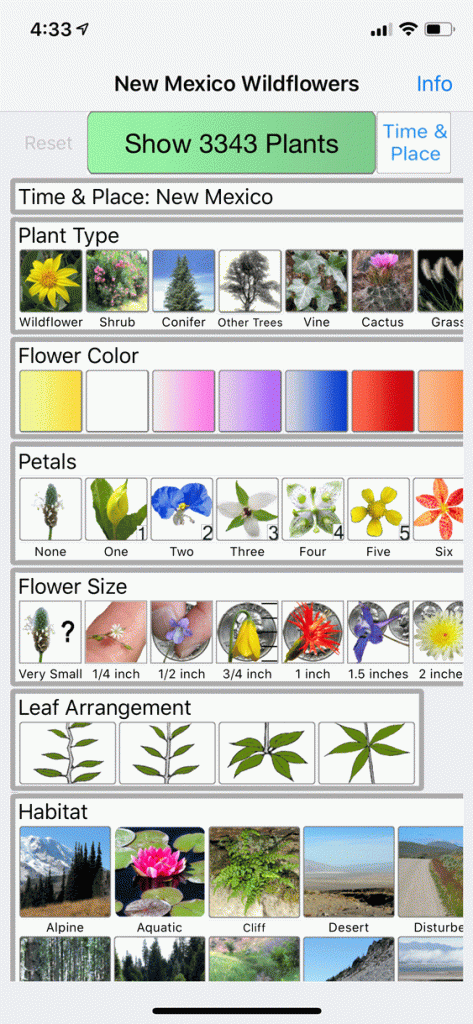
New Mexico Wildflowers. This free, local app is a winner - it’s basically an online field guide boasting more than 3,000 local plants! Select a plant type, flower color, flower size, leaf arrangement and habitat. It then provides a list of plants that meet the criteria. From there, users can identify the plant in question. A great feature of this app is that it can be used during your favorite outdoor activity because internet access is not required.
New Mexico Wildflowers app
iNaturalist app
LOCAL DATABASE AND GROUPS:
New Mexico Plant List Database: This plant database is courtesy of the Office of the State Engineer. It has a large variety of plants with an easy-to-use interface. https://wuc.ose.state.nm.us/Plants/
Groups: Another way to figure out plant identification is to crowdsource using social media. There are a few notable Facebook groups that regularly answer plant ID questions, where members upload photos of the plant with location details, and members of the group provide input. A few to check out are Native Plants of New Mexico (4,027 members), Entomology (135,034 members), Plant Identification (174,670 members), and Plant Identification and Discussion (278,523 members).
Other apps: PlantSnap, Picture
This Plants, Seek. We’ve found these to be less reliable for identifying desert
friendly plants.
TIP: When using any of these tools, the quality of the photo is important. It’s helpful to have both zoomed-in pictures of foliage and photos of the entire plant form.
Author: Marisa Y. Thompson, Ph.D. Extension Horticulture Specialist, Department of Extension Plant Sciences NMSU Desert Blooms blog and Jill Brown, ASLA Landscape Architect and owner of My Landscape Coach in Albuquerque, NM. Resources: Native Plants of New Mexico Facebook Group