Since the Albuquerque area receives about 9” of rain on average per year and grass lawns can use up to 50” of water per year, the proper design of an irrigation system for a grass lawn is of utmost importance when it comes to water efficiency. Irrigation efficiency can save up to 30% of the water you use by avoiding water waste.
While the Water Authority does not encourage grass lawns, we understand that some homeowners may want to install new lawns or reduce the size of their existing lawns. If you are going to have a turfgrass lawn, we recommend that it’s a lawn you use and not just maintain for curb appeal. Proper irrigation layout and design are key to having a healthy and water-efficient lawn.
When designing your lawn, keep these tips in mind:
1) Lawns smaller than 10’x 10’ are hard to water with a spray irrigation system.
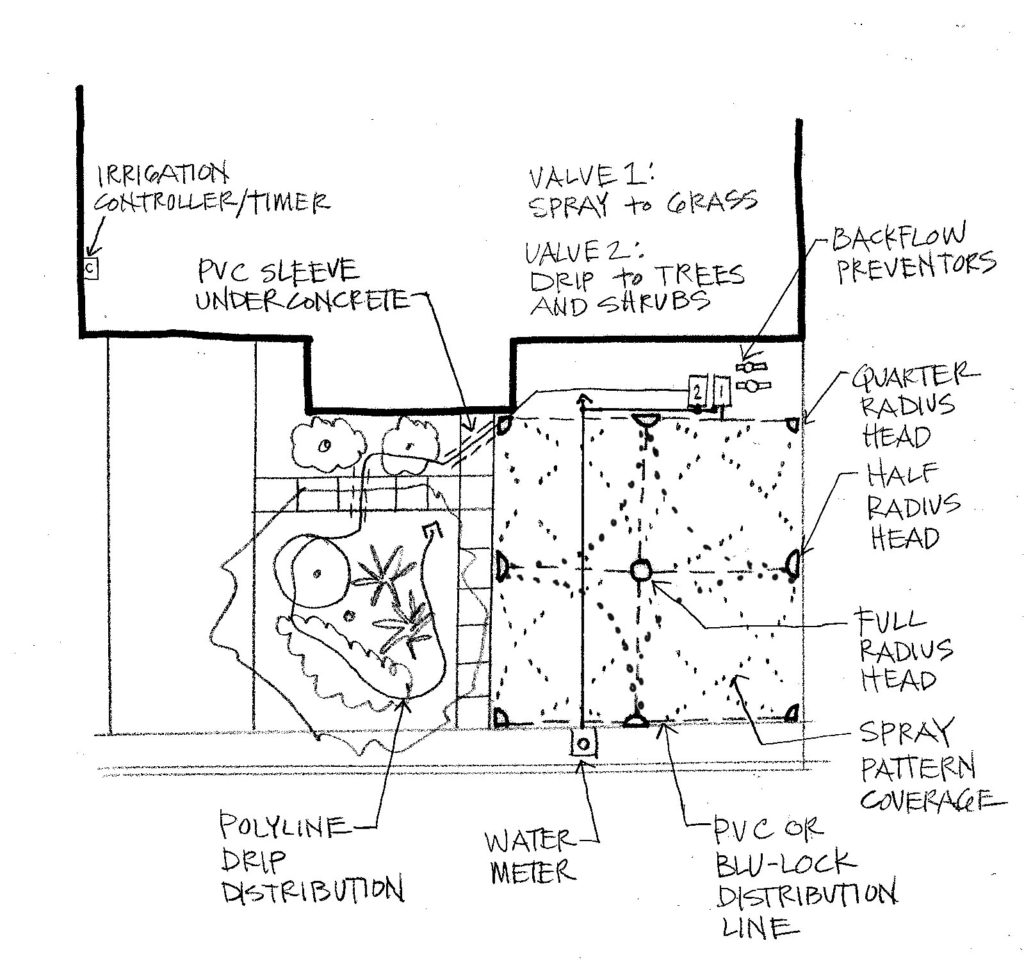
2) To get the most efficient irrigation coverage, design square and rectangular lawns since sprinkler heads spray in fixed patterns-such as a quarter circle, half circle or full circle-but not curves. If curves are necessary, broad curves have the best chance of being irrigated without over spraying, while zigzag narrow curves are the toughest to irrigate effectively.
3) We recommend using WaterSense Pressure Regulating Spray Sprinkler Bodies.
WaterSense labeled spray sprinkler bodies with internal pressure regulation can reduce water waste by providing a consistent flow at the sprinkler nozzle. When the sprinkler body maintains pressure near its optimal operating pressure, the connected nozzle is better able to generate the right amount of water spray and coverage for a more uniform distribution of water across the landscape. Customers can choose from a list of pre-qualified spray sprinkler bodies.
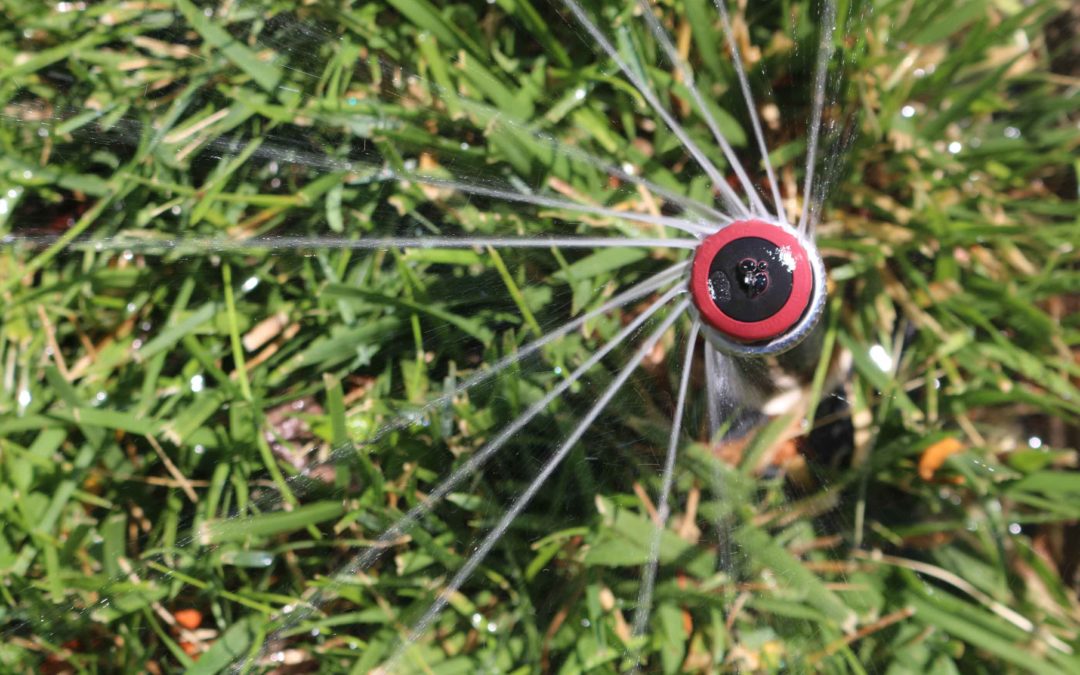
4) We also recommend using High-Efficiency Rotating Sprinkler Nozzles (multi-stream). These nozzles minimize water waste and feature a unique multi-trajectory rotating stream that delivers water at a steady rate. This slower application allows water to gently soak in at rates that soils can absorb. Use these nozzles to replace the sprinkler head on any conventional spray head body or pop up sprinkler. For more information on these nozzles read this post.
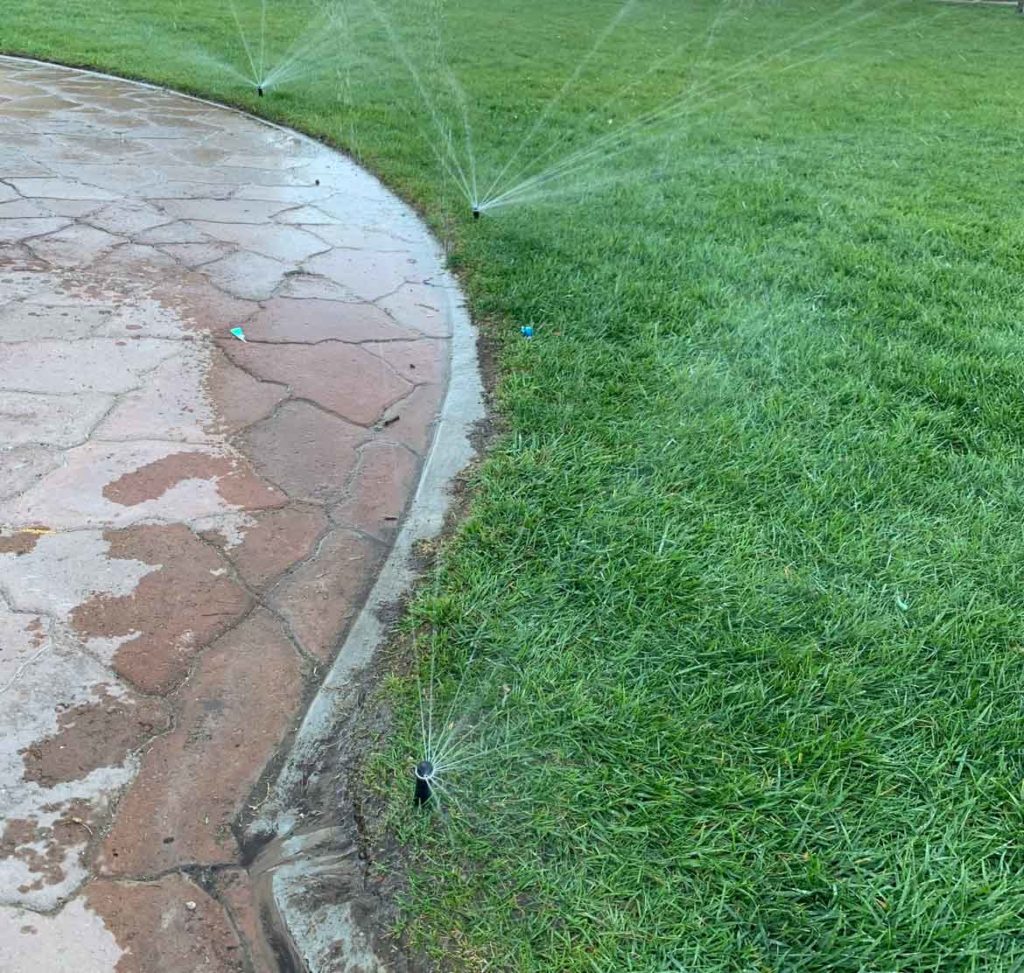
5) Irrigation sprinkler nozzles are designed for 100% overlap of watered areas, which means each sprinkle nozzle throws water to the next sprinkler in all directions. If a system is not built this way, there will be dry spots (see the below image).
Designing, reducing and changing the shape of your lawn doesn’t have to be an expensive project but it can save a lot of water. Visit your favorite local irrigation supply store for professional equipment and expert advice.
Learn more by checking out these other useful irrigation articles:
Author: Jill Brown, ASLA, is a Landscape Architect and owner of My Landscape Coach in Albuquerque, NM. Have a question about the article? AskAnExpert@abcwua.org
We are living in a time when our climate is going through rapid changes. Winter days have gotten warmer, and very cold nights are decreasing in number. The decrease in snowpack and early snowmelt that volatilizes before it soaks into the soil are creating drier watersheds, which are vulnerable to fires that can affect our water quality. Reduced snowpack affects streamflow. In order to take care of our Albuquerque landscapes, we need to rely on groundwater. When there’s a lack of precipitation, groundwater recharge is adversely affected. Less precipitation also means drier soils with little reserve moisture to maintain existing vegetation. Even if precipitation amounts don’t diminish, warmer temperatures affect evaporation rates from plant leaves and add to water stress. Supplemental irrigation demand is going to surge to maintain healthy landscapes. We need to implement adaptation strategies, like proper plant selection and smart watering methods, to make climate-ready landscapes a reality in Albuquerque.
We can prepare our landscapes for hotter summer daytime temperatures and warmer winters by following these strategies:
Shade surfaces: Plant trees and large shrubs against walls and near concrete to buffer sunbaked paving and cool walls that absorb heat during the day. By doing this, temperatures can be reduced by five degrees in urban areas.
Plant climate-ready trees: Check out the Climate Ready Tree list. This science-based list of trees that are most likely to survive our changing climate was put together by a diverse group of plant professionals. In mid-century, Albuquerque is projected to become as hot as El Paso, Texas. By the end of this century, our climate will become like present-day Tucson, Arizona.
Mulch everything:Mulchinsulates plant roots from both heat and cold, reducing moisture loss from the soil by evaporation, feeding beneficial soil microorganisms that enhance plant growth and improving soil health. Install 3-4” of mulch over bare dirt to reduce weeds, to enrich the soil and around all new plants to retain the moisture.
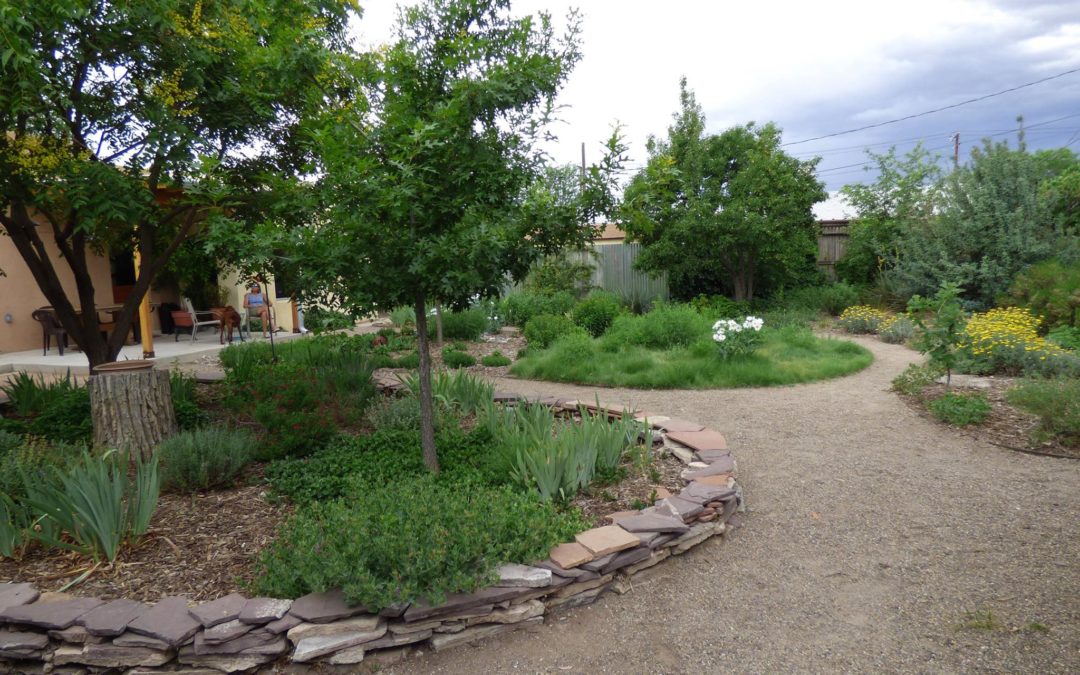
Remove or reduce turfgrass lawns: Lawns require 40 inches of water a year, compared with the 8 inches that Albuquerque gets. The greatest value of a cool- season turf is its resilience as a play surface, so if you aren’t regularly using it, consider removing it or installing a low-water grass or meadow.
Incorporate smart irrigation practices: Smart irrigation devices like smart controllers adjust the watering times based on local weather, thus saving water. Drip irrigation delivers water directly to plants. Efficient rotary spray heads reduce water use by 30% or more compared with regular spray heads.
By using these climate-ready practices, it will take less water to create a greener city, support wildlife and keep our community cooler.
Learn more by checking out these other useful drought articles:
Author: Judith Phillips, owner of Design Oasis, landscape designer, and garden writer with 30 years of experience designing arid-adapted and native gardens in the high desert. Have a question about the article? AskAnExpert@abcwua.org
One of the biggest obstacles holding homeowners back from removing their high-water turfgrass and installing xeriscape is believing that setting up the irrigation system is difficult. Luckily, it is not as hard as you may think.
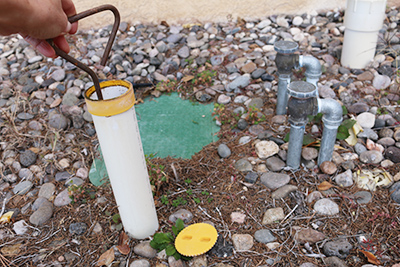
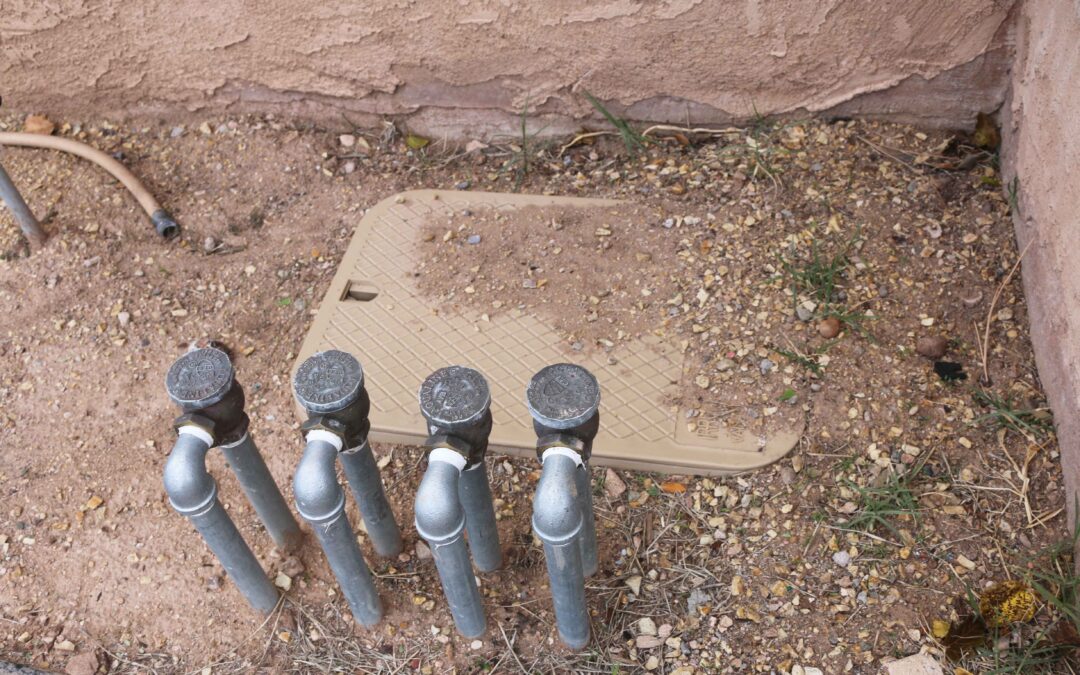
If you have an automatic irrigation spray system, you already have an existing valve and, most likely, an AVB backflow preventer. It may look something like this.
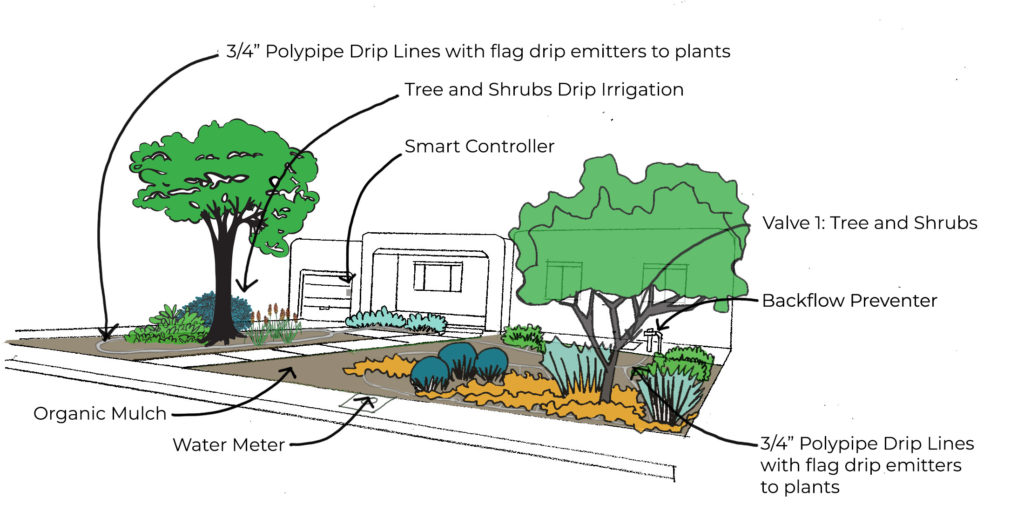
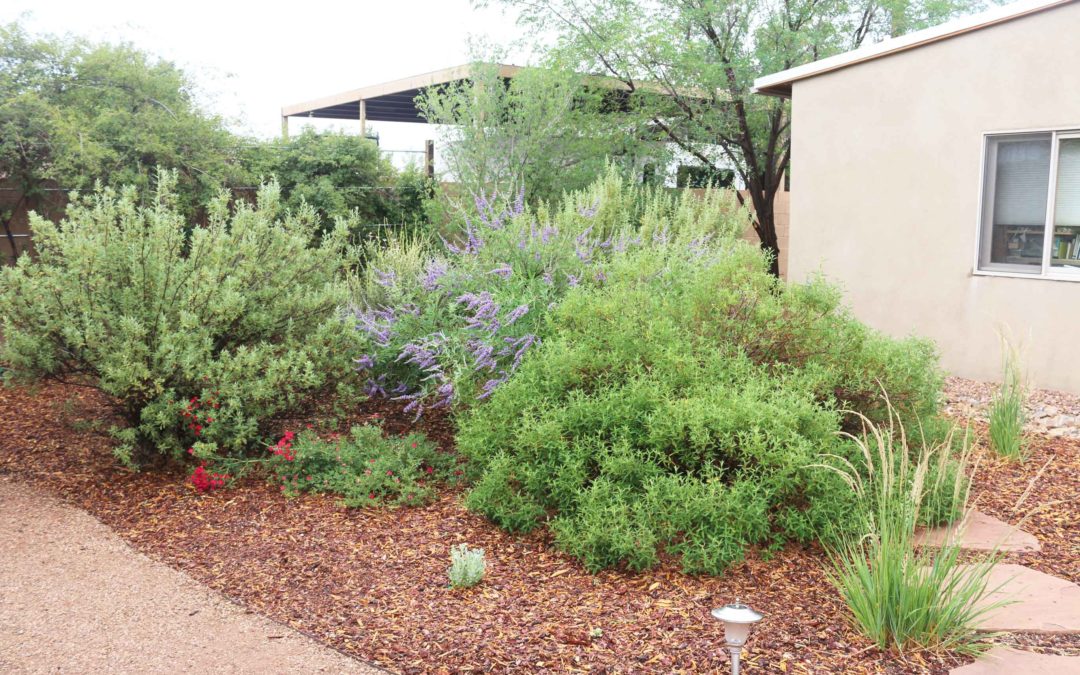
Desert Friendly Xeriscape with spray to drip conversion.
The first thing to do before converting to drip is to get the valves checked out by a professional to make sure they are in working order. When you know they’re fine, add a pressure regulator filter combo just past the existing valve and backflow preventer. Then attach ¾”polyline, snaking it around the yard to the new plants and inserting flag emitters at each plant.
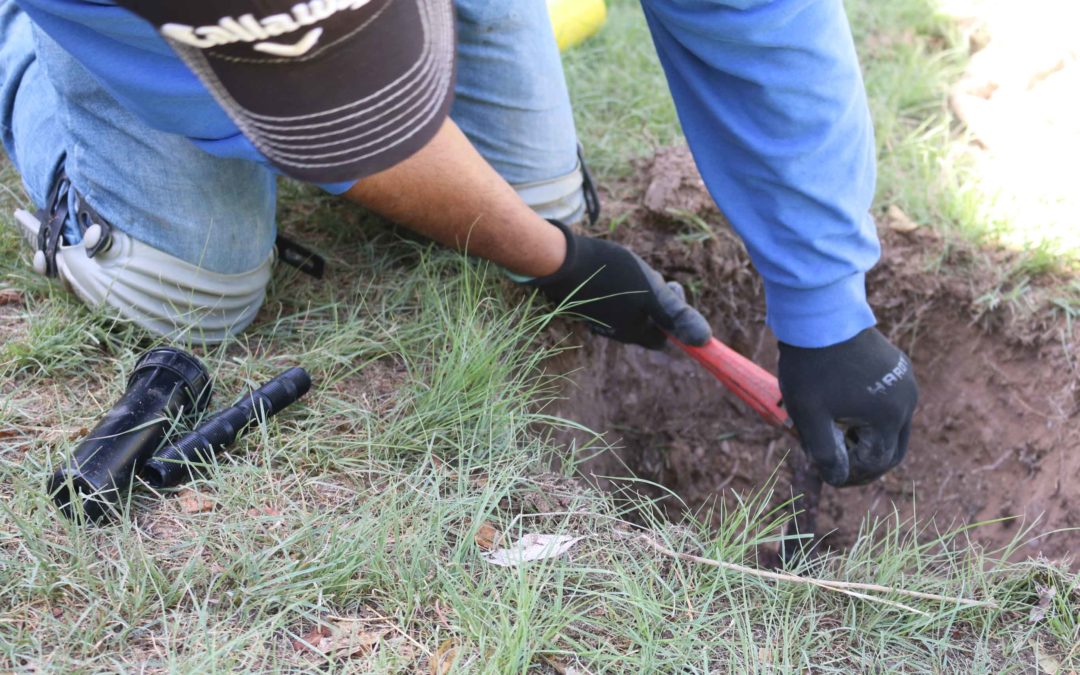
The existing underground piping and spray heads are no longer needed. Simply remove all the existing spray heads. There is no need to dig up any existing pipe.
You may have seen the spray-to-drip retrofit kits locally available and wonder if this is a good approach. We don’t recommend this approach because studies show that nearly half of the water saved from converting a lawn to a healthy xeriscape comes from abandoning leaky underground piping and fittings. A Sprinkler system’s lifespan is less than 20 years. If you are not sure how old your system is, or if it is older than 10 years, it’s best to not rely on old underground piping. Since sprinklers typically run for 8-12 minutes and drip often runs for 45-60 minutes, if you have a leak in your old sprinkler piping and it is now part of the drip system you could be wasting a ton of water – negating the savings from getting rid of your thirsty lawn.
Drip irrigation tubing is very inexpensive per foot and only needs to be in a shallow trench. Properly converting to drip irrigation is not as expensive as many people think, while converting your sprinklers to drip the cheap and easy way with a retrofit kit is likely to cost more in the long run.Contact AskAnExpert@abcwua.org to learn more.
Learn more by checking out these other useful drip irrigation articles:
Author: Amos Arber, Xeriscape Rebate Inspector with the Water Resources Conservation Department for the Water Authority. Have a question about the article? AskAnExpert@abcwua.org
Mulch is any material laid on the surface of the soil to improve growing conditions. Mulchinsulates plant roots from both heat and cold, reducing moisture loss from the soil by evaporation, feeding beneficial soil microorganisms that enhance plant growth, and improving soil health. Because organic mulches were once alive, they contain essential nutrients, minerals, and energy that nourish the soil ecosystem as they decompose. An important consideration when using mulches is to skip using landscape fabric, which prevents both the rich organic matter created by decomposition from working its way back into the soil and rainwater from soaking into the soil.
Below are the basic types of locally available organic mulches that we recommend. Remember to install to a depth of 3”-4” over bare dirt.
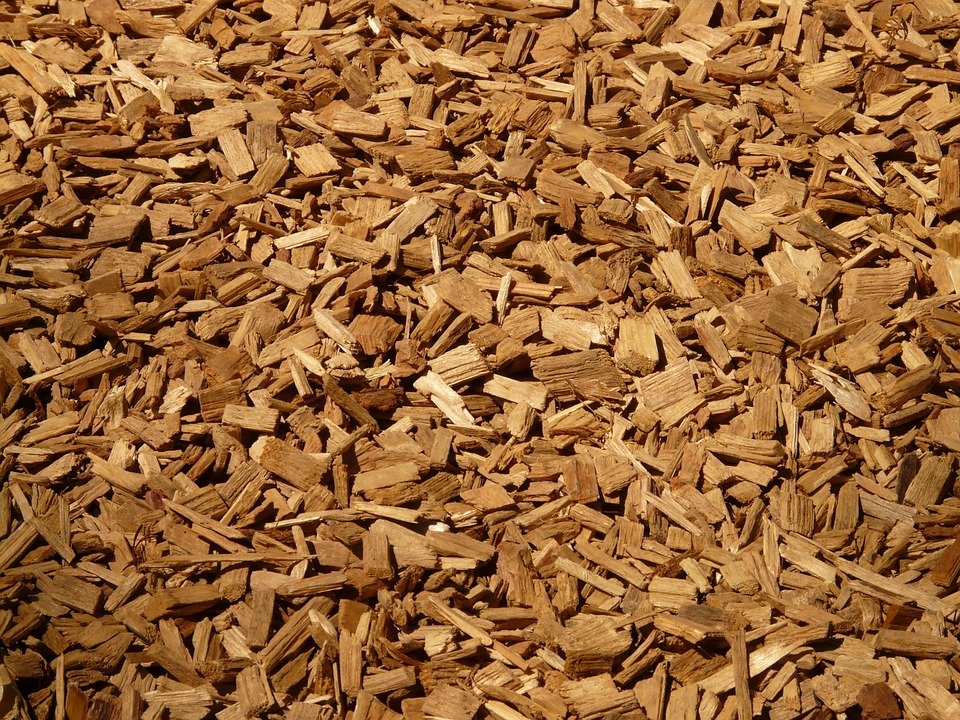
Wood chips: Wood chips are chipped pieces of trees. This is a long-lasting mulch that decomposes slowly over bare dirt, retains moisture, and prevents weeds. Most wood mulches available on the market are chipped flat and consistent in shape in size. These are great in areas that receive foot traffic as they compact down to a firm surface.
In areas of higher wind exposure or periodic inundation with water, use a shredded wood mulch that is more irregularly shaped and sized as the pieces will knit together better. This type of mulch can be recycled yard waste and tree trimmings as well as commercially available, locally processed wood products.
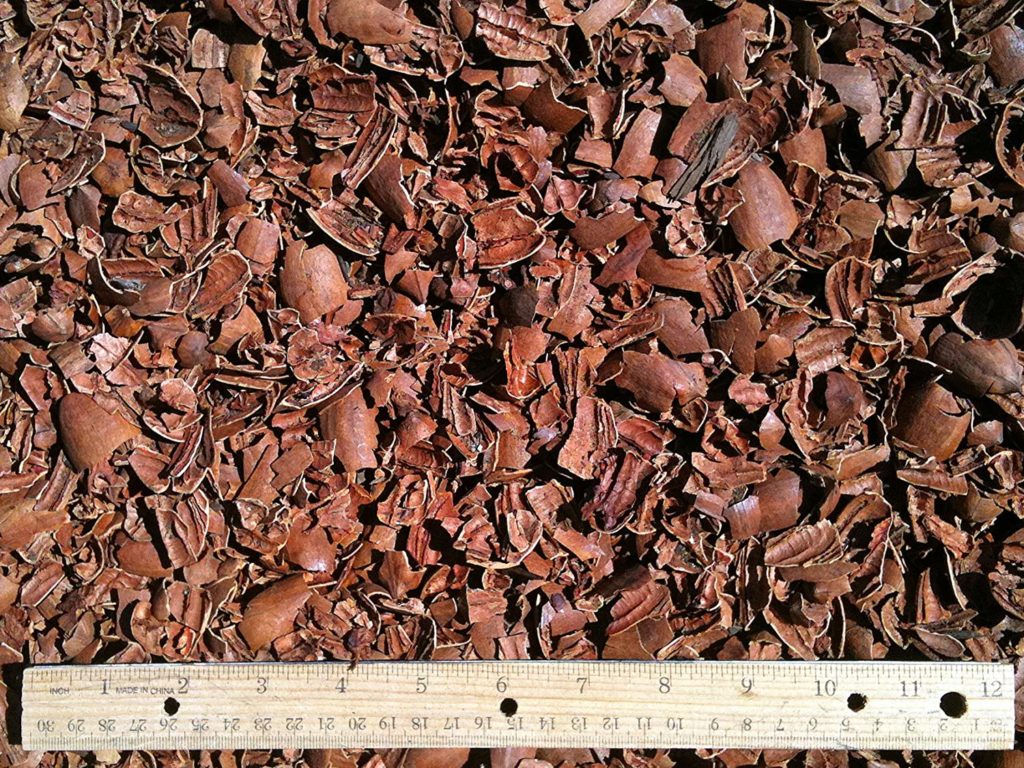
Pecan Shells: This long-lasting mulch has a nice color and good texture. It is very slow to break down into the soil. However, it attracts birds and rodents and blows in the wind unless partially cultivated into the soil. It also tends to mat together, creating a crust over the top of bare dirt.
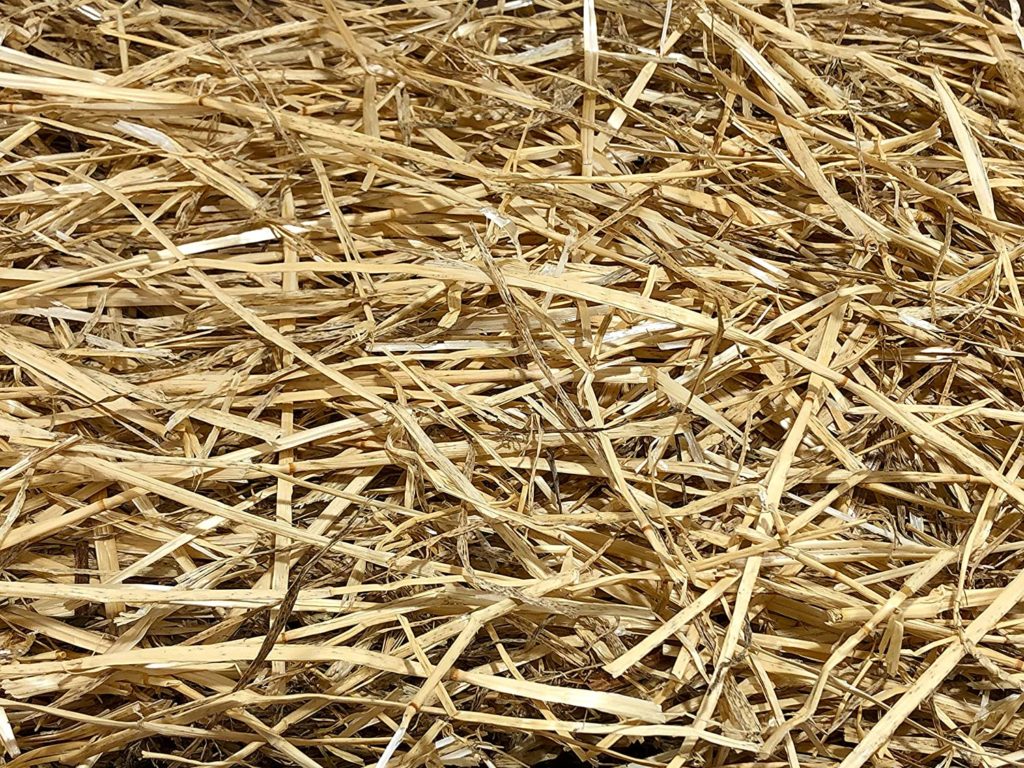
Straw: Straw breaks down quickly so it is most useful for mulching vegetable beds where it is renewed as crops are replanted. It is a good general mulch for winter protection and can be used on paths between vegetable rows. Keep in mind that it may carry weed seed.
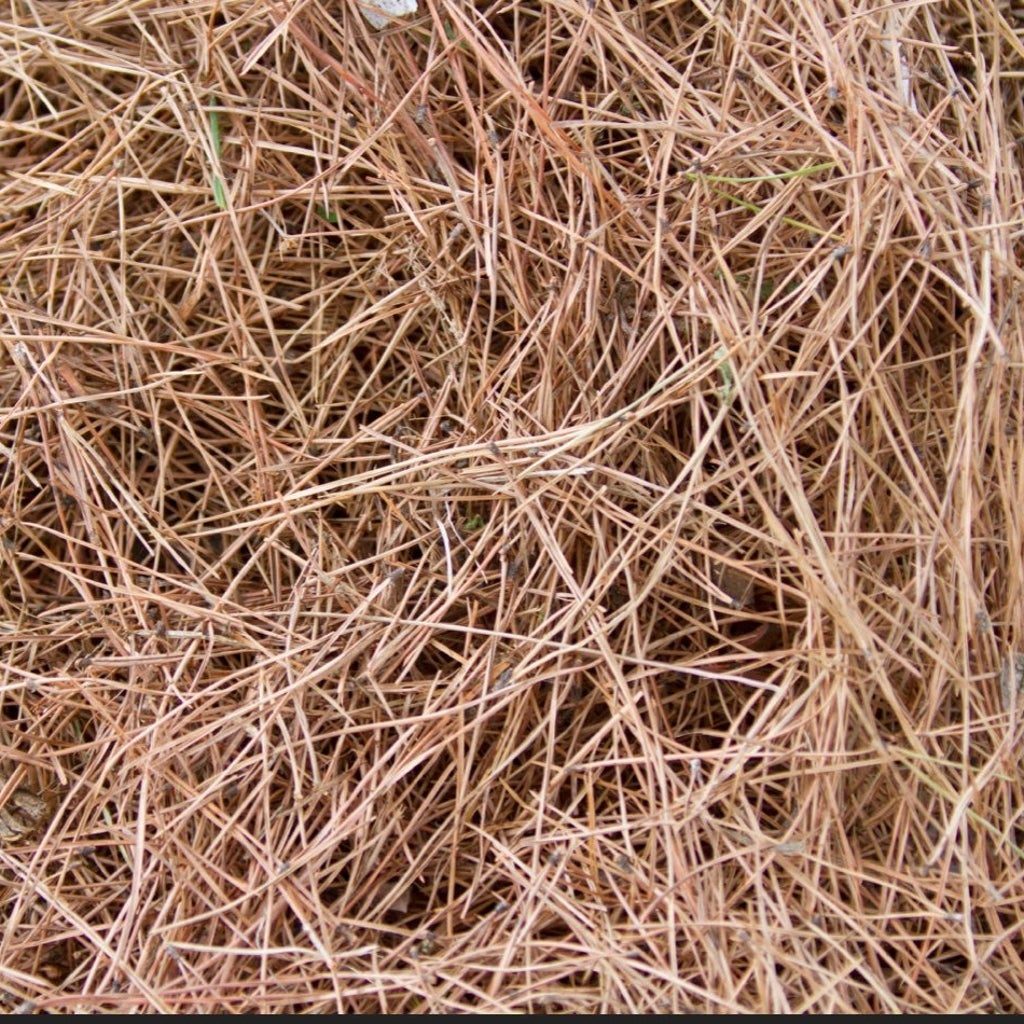
Pine Needles: Pine needles are a very good mulch. They are light, airy, and attractive but can be a fire hazard. These needles are safe to use as mulch around most plants, especially perennials, in your garden. Because pine needles contain high levels of resins, they repel water and decompose much more slowly than leaves from most deciduous trees. Because of their shape, they don’t become moist or compost rapidly. This makes them especially useful in areas where you will not be digging frequently. The fragrance of pine needles on sunny days is also an added benefit when they are used as garden mulch. No need to be concerned that pine needles are too acidic for use in our gardens. The added acidity, which happens slowly, is beneficial to our soils. They are very slow to compost, so they are often a better mulch than compostable material.
Other Mulches:
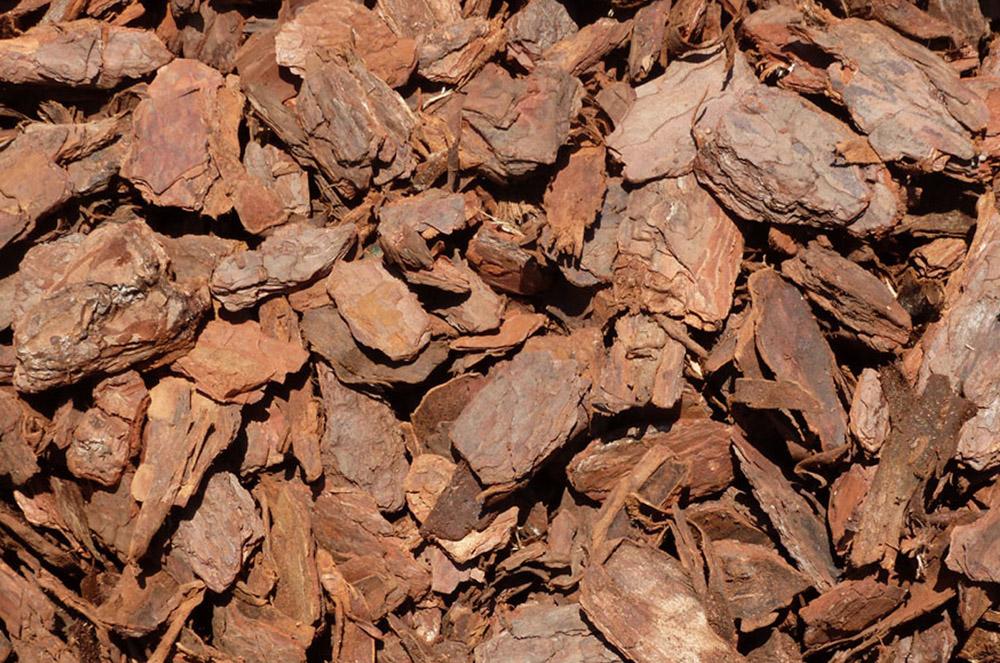
Bark: Large 2”-4” bark pieces are not recommended because they take too long to break down. The mulch made from bark tends to be lighter and can tend to migrate more easily. The bark is naturally water-resistant, so it has minimal value in feeding soil microorganisms and improving soil health.
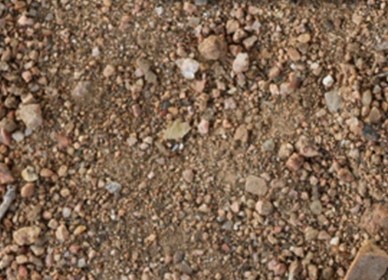
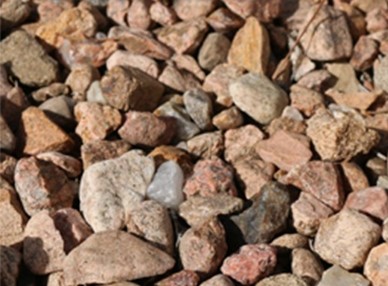
Crushed Stone, Crusher Fines, or Decomposed Granite: Crusher fines come in a variety of aggregate colors. They are recommended for use as pathways and patios or as mulch under plantings for heat-loving, desert-accent plants.
Gravel Rock and Cobble: While you see these used throughout the city in landscapes, they are best used to prevent erosion on steep slopes or in swale areas. They are difficult to maintain without regular weeding or pre-emergent treatments.
Useful tips: Mulch typically packs down over time. Use a 3”-4” layer of mulch, which is about one yard of mulch per 100 square feet. “Spend an hour deepening the organic mulch and save several hours of weeding.” By Judith Phillips
Fall can be a great time to plant, especially if you are planting higher elevation and temperate climate plants that are adapted to cooler, more humid growing conditions. In the fall, the soil is still warm enough to encourage roots to develop so watering properly makes a big difference on preparing them to survive in the winter season. What to plant? Most conifers, shade trees, cool season grass and moisture-loving fruit and ornamental trees, such as crabapples, apples and pears, are a great selection for planting in this autumn.
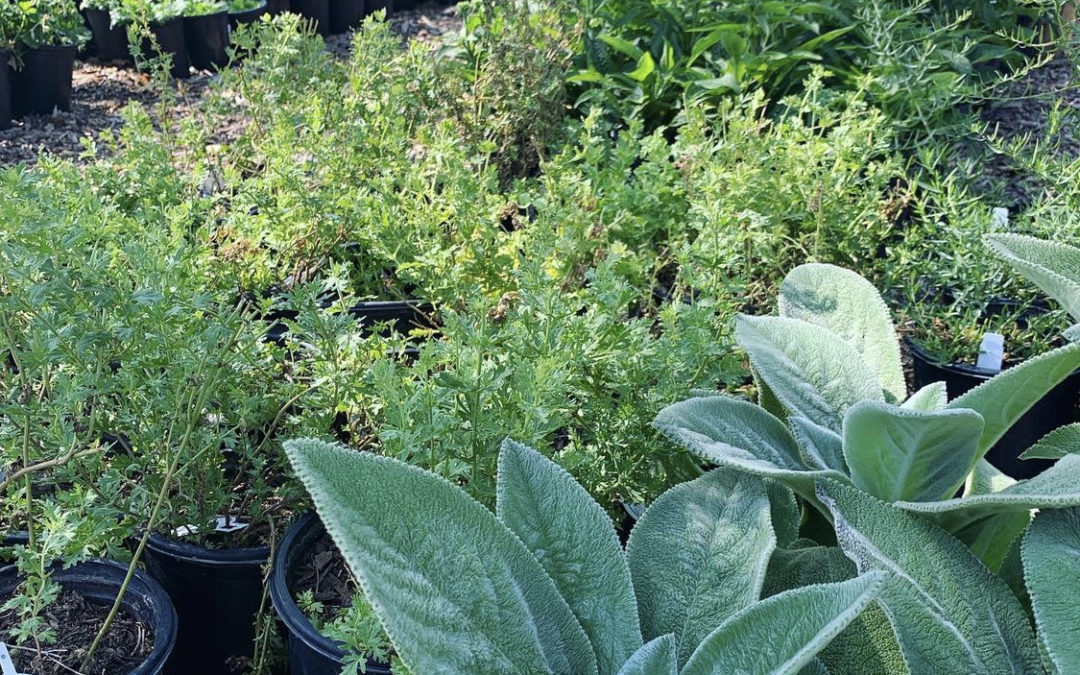
What not to plant this fall? The answer is plants from desert ecosystems like southern New Mexico and the Mediterranean natives. Their newly planted roots are less able to survive our winter cold. The same is true for perennial wildflowers and warm season grasses. These should be planted in the spring through early August. Succulents are another group of plants that thrive after settling into the garden during the warmer part of the growing season, so wait until the spring to plant them.
Knowing what to plant at this time of year will give you that edge you need to grow healthy plants!
Author: Judith Phillips, owner of Design Oasis, landscape designer, and garden writer with 30 years of experience designing arid-adapted and native gardens in the high desert. Photography:Plants of the Southwest. Have a question about the article? AskAnExpert@abcwua.org
Did you know that half of Albuquerque homeowners do not have an irrigation system? We’ve been talking to hundreds of homeowners, and it turns out that the reason they haven’t installed one in their yard is they think an irrigation system for a typical lot (1/8 acre or 10,000 sf) will cost $5,000 or more. The good news is this is a myth! The cost for one fully installed irrigation drip system plus a controller/timer is between $1,350 and $1,900. Prices will vary depending on the size of your yard, the complexity of your water connection and if you want to add additional valves for irrigating plants with different watering needs, such as existing mature trees, vegetable beds, container plants or a turf grass lawn.
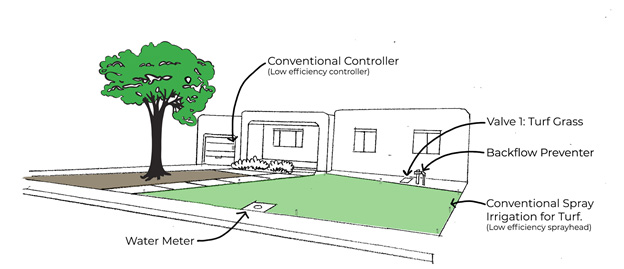
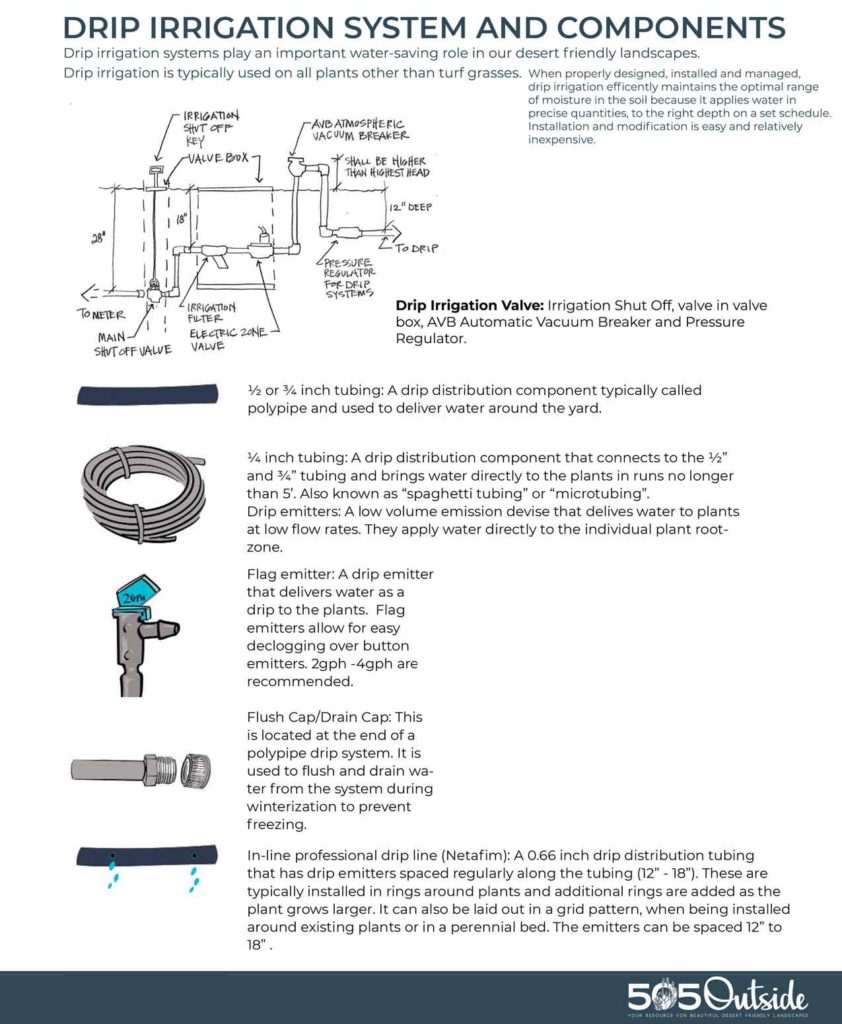
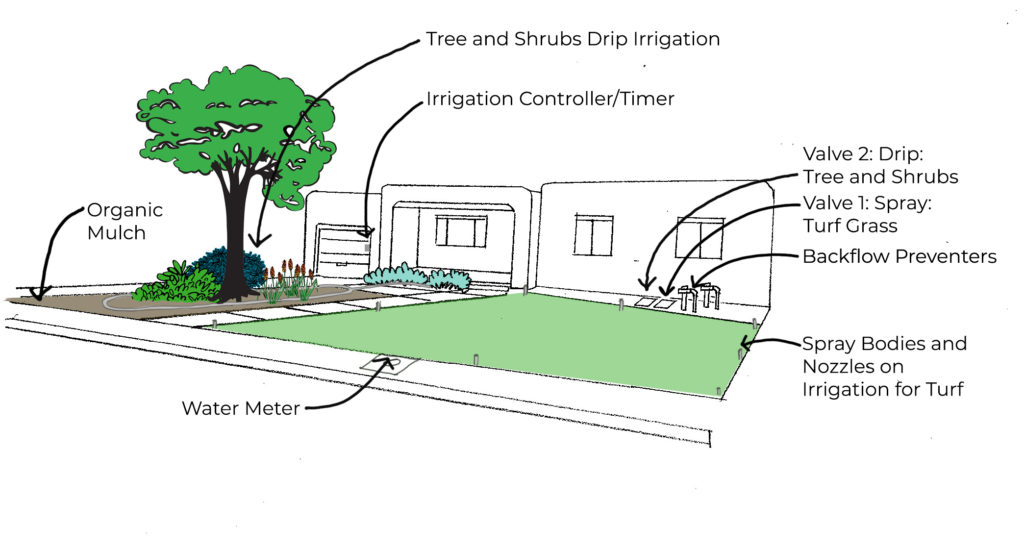
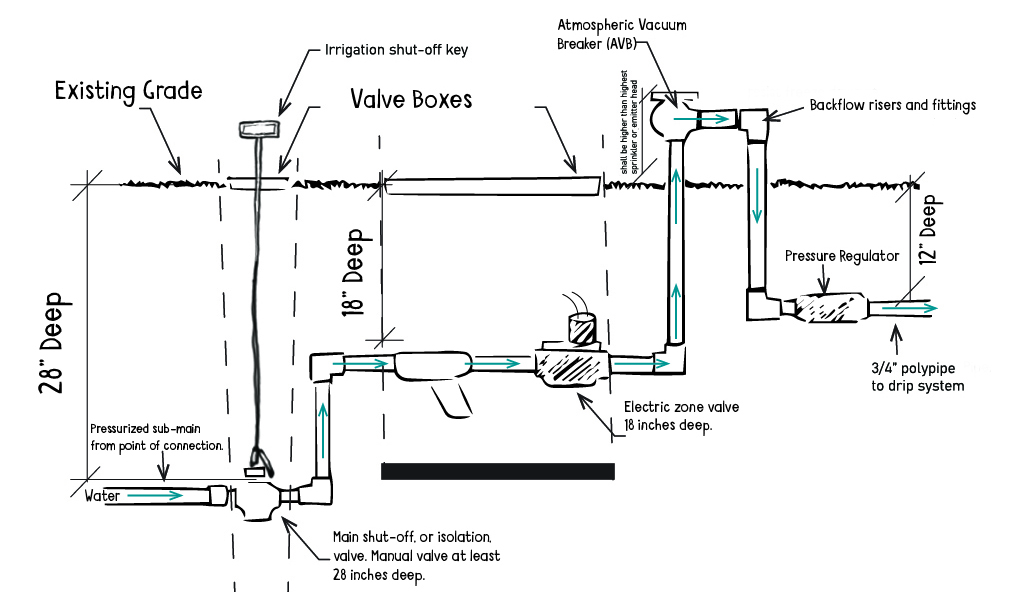
Here is what a typical irrigation system looks like. Do any of these elements look familiar to you? Perhaps you have a residential backflow preventer in your own yard and didn’t realize it or you thought it didn’t work because you’ve turned on the timer in your garage and nothing happens.
Many homes already have one or a couple of residential backflow preventers in the yard that are no longer in use. A local irrigation contractor usually can get those back up and running and include a new stub out for drip irrigation.
For those homes that don’t have any existing irrigation remnants, you’ll need to start from the beginning. One drip irrigation system is generally all you will need in a desert-friendly xeriscape for a 1/8 acre or smaller yard. Drip irrigation is the recommended method of delivering water to all your plants and trees (but not turf grasses).
You’ll want to install one backflow preventer with one valve to run the drip system in the yard. A ¾” distribution polyline is connected to the valve. The polyline, which winds all around the yard, has ¼” spaghetti tubing connected to it so water gets directly to the plants. Due to our typically high water pressure, most drip irrigation systems require a pressure regulator to slow the water pressure, thereby reducing the chance of the drip emitters getting popped off the line.
Here is a breakdown of the costs:
One automatic residential backflow preventer with valve and pressure regulator with stub out to future dripline. $600-800 installed (includes parts and labor).
¾” dripline polyline connects to the stub out of a new valve or from an existing one and winds around the yard. Add ¼” spaghetti tube with drip flag emitters on the end to water each plant in your yard. $400-600 installed (includes parts and labor).
One automatic irrigation controller/timer (Smart Controller that connects to the Internet and your smartphone). $350-$500 (includes parts and labor) (rebates available)
A regular controller costs $350 (includes parts and labor).
Before hiring an irrigation designer and/or contractor, it’s advisable to ask them specific questions so you can make wise choices about design options and the kind of equipment you need.Click on this link to access a helpful guide put together by the Irrigation Association as developed by Cal Poly, San Luis Obispo. Adding an irrigation system (especially a drip system) means watering your plants using the least amount of water to provide optimal health. It is making sure that every drop of water you use goes to where it is needed and can be used most effectively by your plants. An irrigation system conserves water, produces a healthier landscape, saves time and is not as costly as you think!
Author: Jill Brown, ASLA. Landscape Architect and Owner of My Landscape Coach The prices quoted here are based on my experience as a landscape professional in the Albuquerque market. Prices will vary, of course, on size, complexity, and availability. Have a question about the article? AskAnExpert@abcwua.org