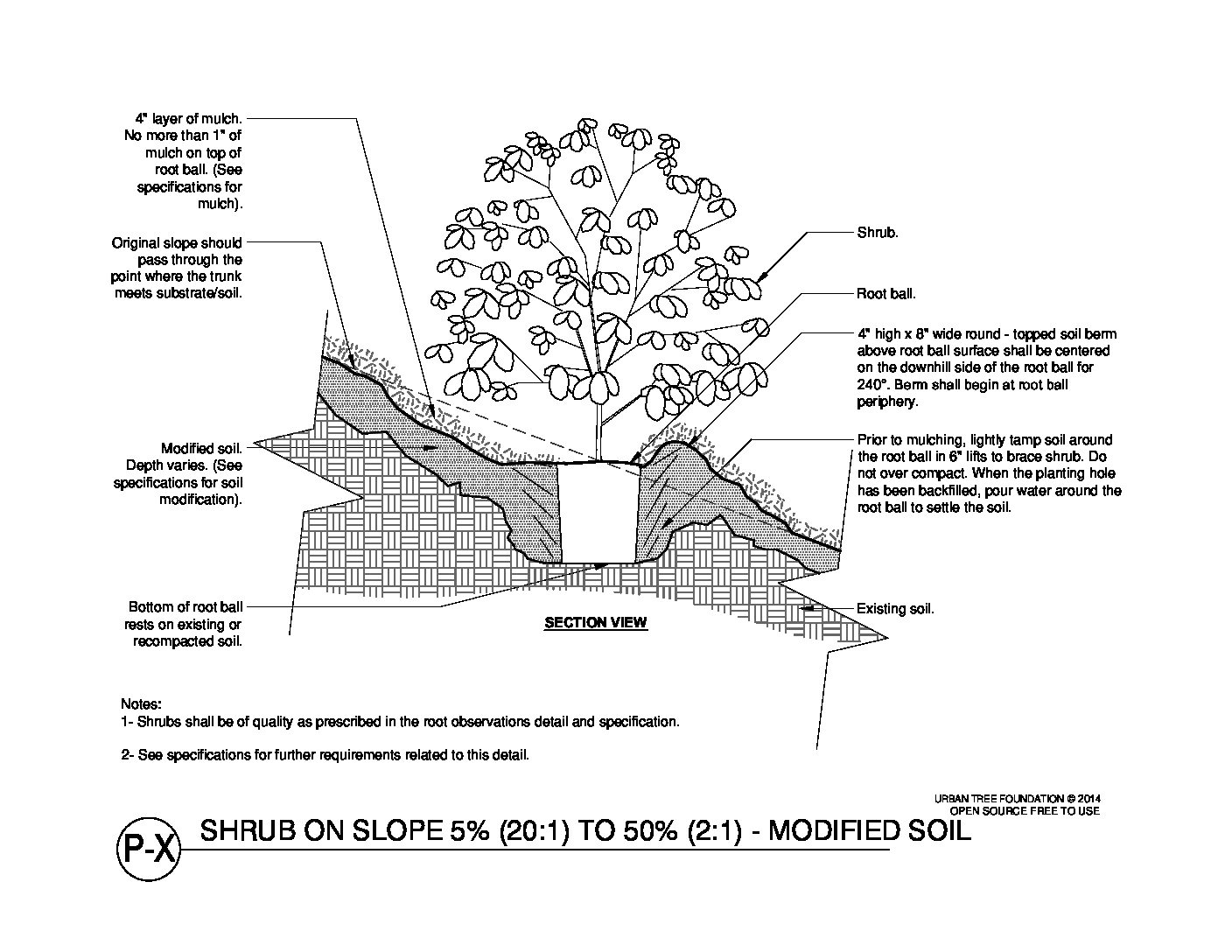
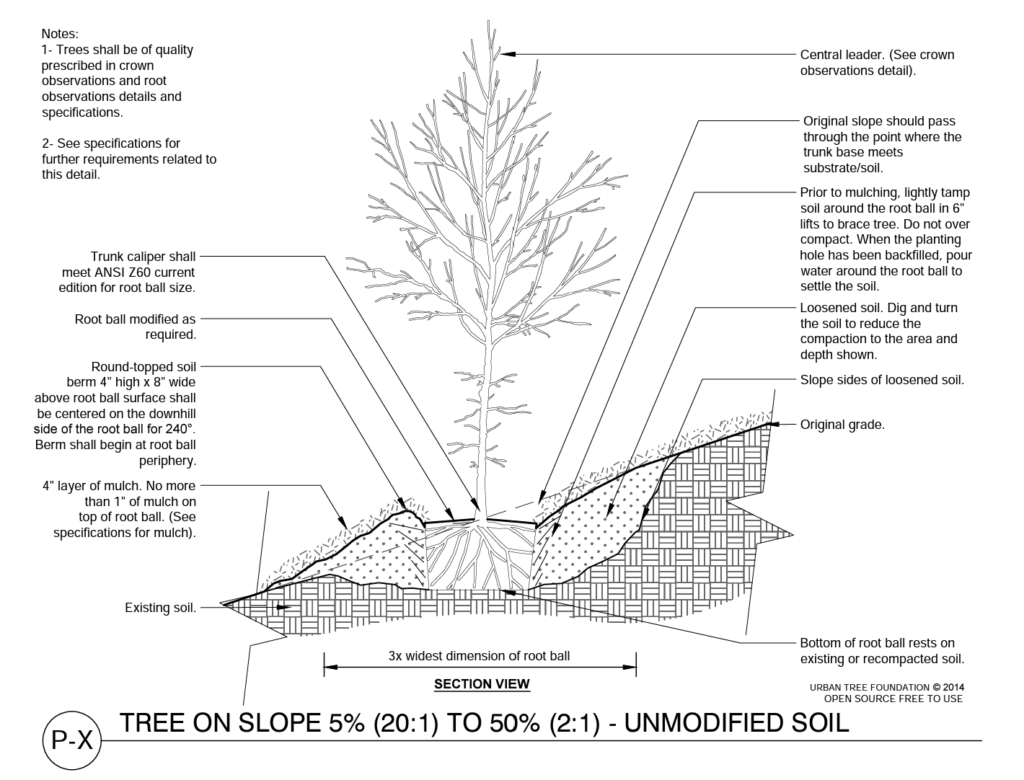
Regardless of how you water, you will want to create a berm, or raised “dam,” on the downside when planting on a slope. This berm captures any rainfall coming down the slope, detaining it long enough to soak in, and also holds water that comes from irrigation or hand-watering. By cutting away part of the slope on the upside of the plant, there’s additional room to capture and retain more water. Our diagram (put the word “above” or “below” here, as is appropriate) shows these methods using a berm with wood mulch. Our preference is to create the berm out of soil and apply shredded wood mulch inside the well created by the berm because shredded wood mulch will help moisture stay longer in the soil.
If you are watering plants by hand, turn down the pressure and place the hose on the uphill side of the plant so the water runs into the well and the berm slowly. By doing it this way, you will have to repair the well and berm less frequently. If you are watering with a bubbler or drip system, always make sure that the bubblers or emitters are placed on the upside of the slope and the plant so the water comes down the slope into the well and has a chance to penetrate the root zone located in the well and bermed area. Finally, if you are watering plants on a slope with Netafim (in-line emitter drip tubing), you can place the loops or grid of tubing throughout the well area, held in by the berm. The water will drip very slowly and be contained within the bermed well.
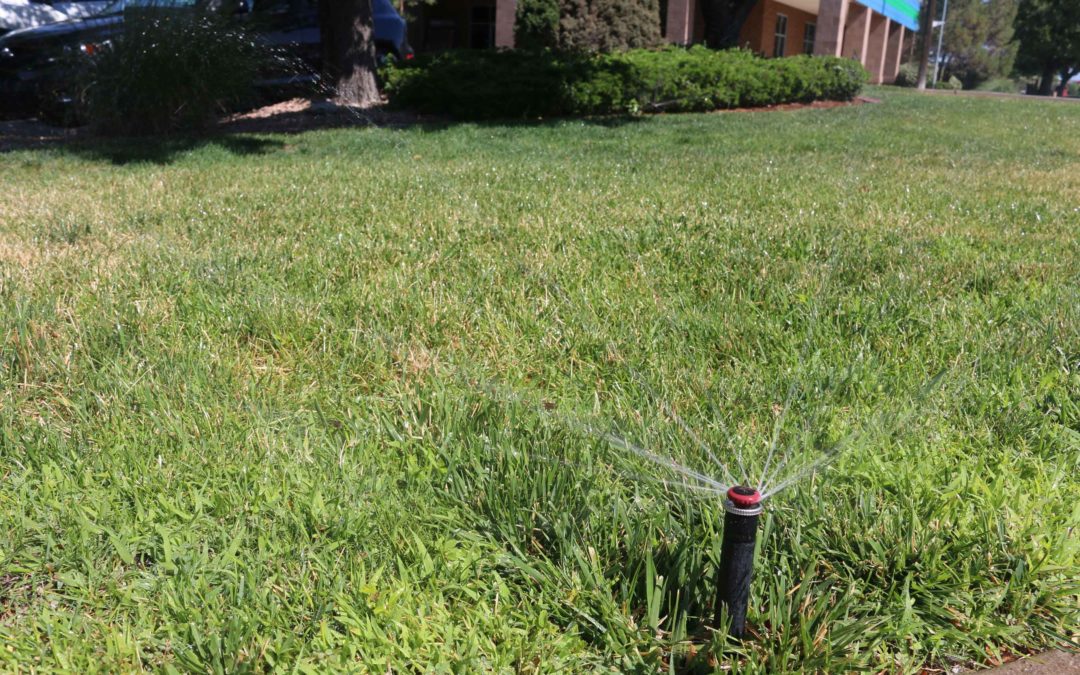
Having grass on slopes is discouraged because it is very difficult to keep your grass healthy without watering inefficiently. If you need to water grass on slopes, please carefully check out the section of our irrigation efficiency guide on cycle and soak.
By following these simple steps, you should be able to efficiently water and successfully plant on a slope.
Are you ready to remove your lawn and create a desert-friendly landscape but worried about the cost? Below are cost-savings tips for transforming your yard.
Plant price tags: For homeowners wanting to transform their yards, it’s easy to feel sticker shock when adding up the cost of buying new plants. Keep in mind that the plants you buy from nurseries started as seedlings and have been nurtured for years before they are ready to sell. Most trees have been growing for 10 years before reaching stores. And remember that these same plants will enhance your yard for decades to come. To save money, buy plants in smaller pot sizes. For example, instead of buying a 5-gallon plant, buy a 1-gallon or 4” pot. Instead of buying a 2” caliper tree, buy a 24” box tree or a 15-gallon tree. Reducing the size of the plant you purchase will save money.
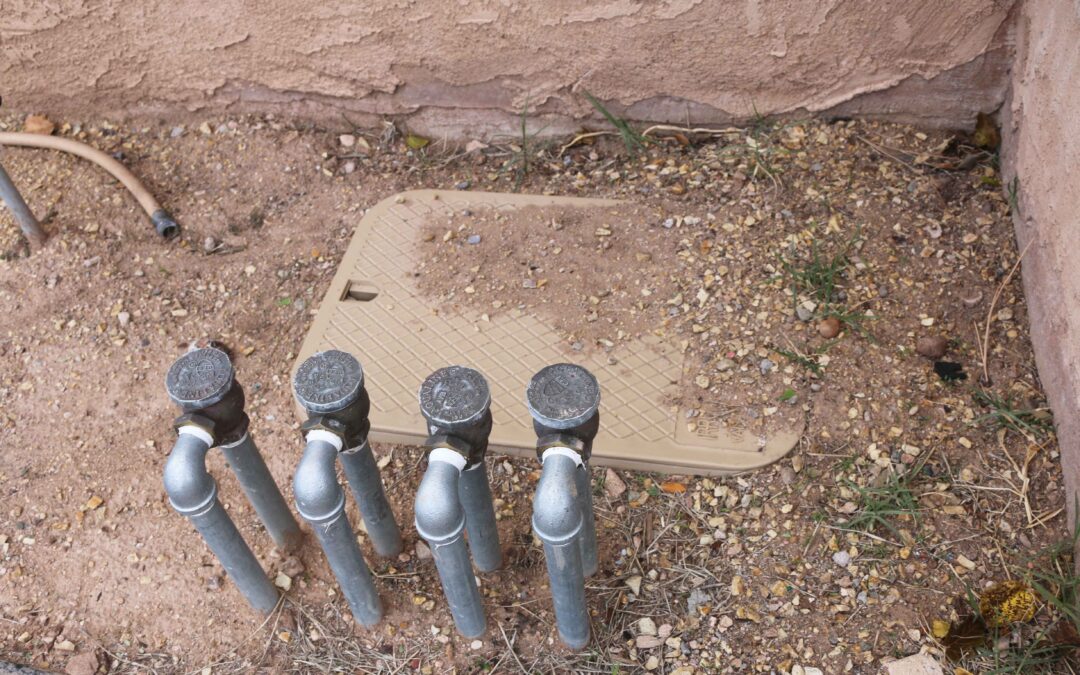
Irrigation woes: Fear of the unknown cost is what usually worries homeowners about installing an irrigation system. No need to worry if you are transitioning from a grass lawn with spray irrigation to drip irrigation when you already have valves in the ground. We recommend spending the money to hire a local irrigation professional to check your valves and convert your valve from spray to drip. Once you’ve done that you can save money by installing the drip polyline yourself.
Mulch madness: Choose organic shredded wood chip mulch over gravel to save money, enrich the health of your soil, eliminate weeds and greatly reduce maintenance. Shredded wood chip mulch can be up to $1 a square foot less expensive than installing gravel. Tree maintenance companies, like Baca’s Trees on Edith Blvd NE, offer mulch free to the local community. You can also visit the East Mountain Transfer station to buy inexpensive loads of mixed-sized organic mulch. This material is perfect to put over bare dirt areas of your yard that need to be covered to eliminate weed growth.
Materials stockpiled: Think outside the box and get creative when sourcing materials so you can save money and resources. Check out re-stores, thrift stores, Facebook Marketplace, Craigslist and even your neighbors, who are a valuable resource. They may have landscaping materials available for free or at a small cost. Your neighbors’ properties may have stockpiles of materials sitting around that may not be useful to them but could be put to great use in your yard. When in doubt, ask for what you are looking for. Pop onto your neighborhood’s text thread, knock on doors or even utilize the app Nextdoor.com. Someone’s trash is another person’s treasure.
Water Authority’s Rebates: Did you know you get $2.00 back for every square foot of lawn you convert? Water Authority residential customers who convert their landscapes to desert-friendly xeriscapes and use drip irrigation can qualify for a $2.00 per square foot rebate. The rebate area of your new landscape must have 50 percent coverage (at maturity) of qualifying low to medium water use plants, and the soil between and beneath all plants must be covered with at least three inches of mulch (organic mulch, gravel, etc.). If you are interested in participating in the Desert Friendly Xeriscape Conversion Rebate, be sure you don’t start your turf removal project until you have applied online to the program and received an official notice to proceed. Several conditions must be met in order to qualify for the desert-friendly xeriscape rebate.
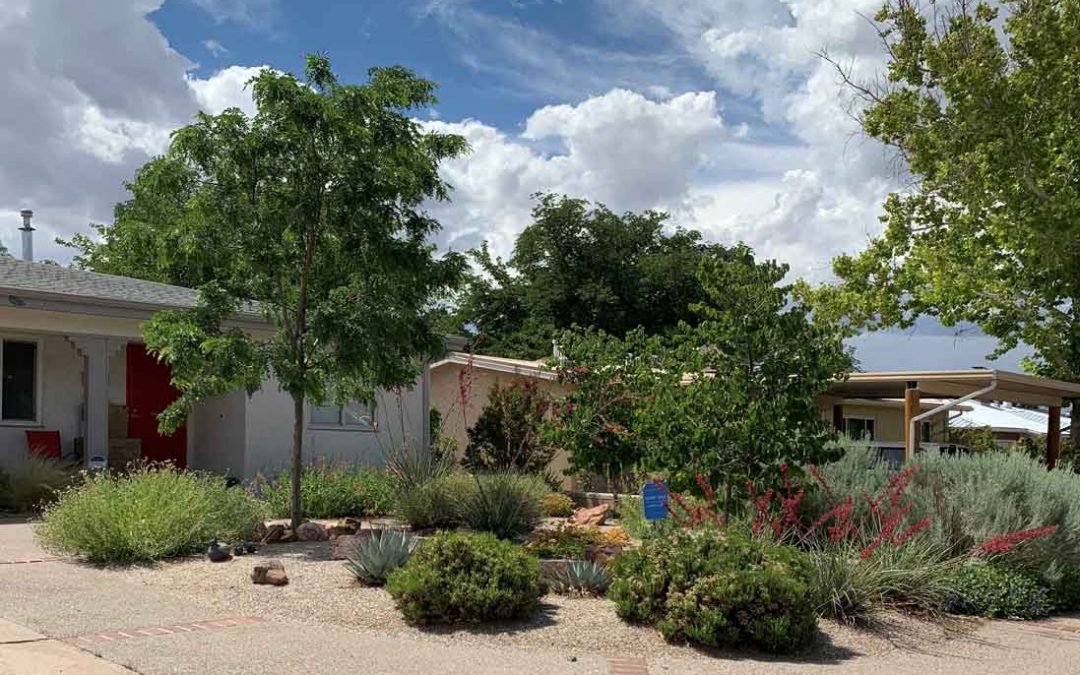
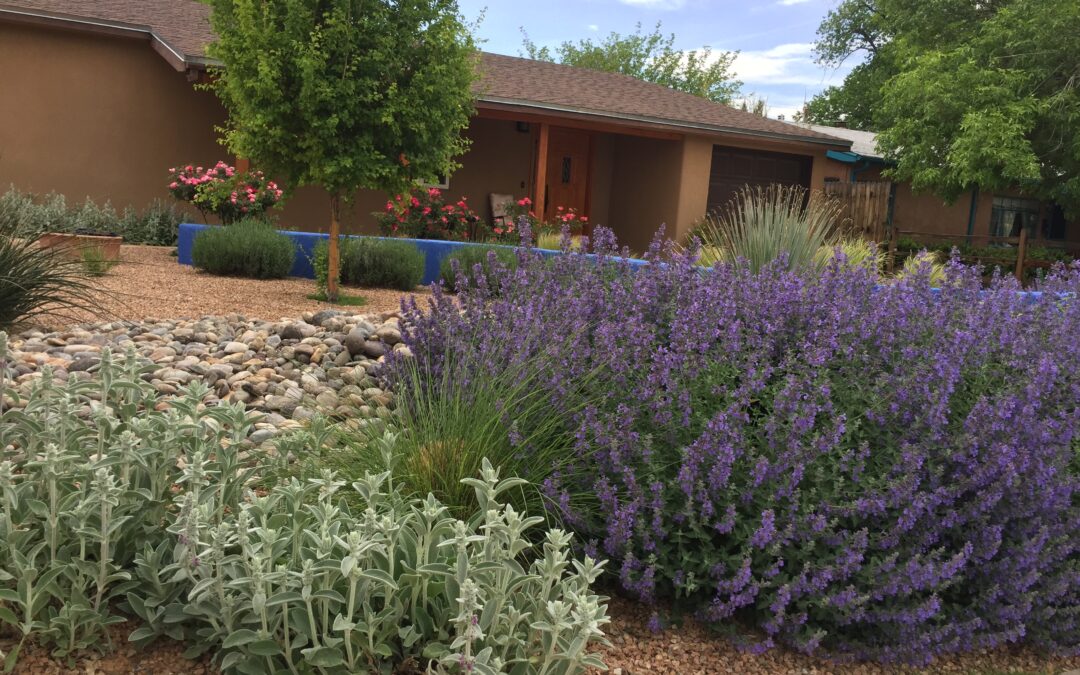
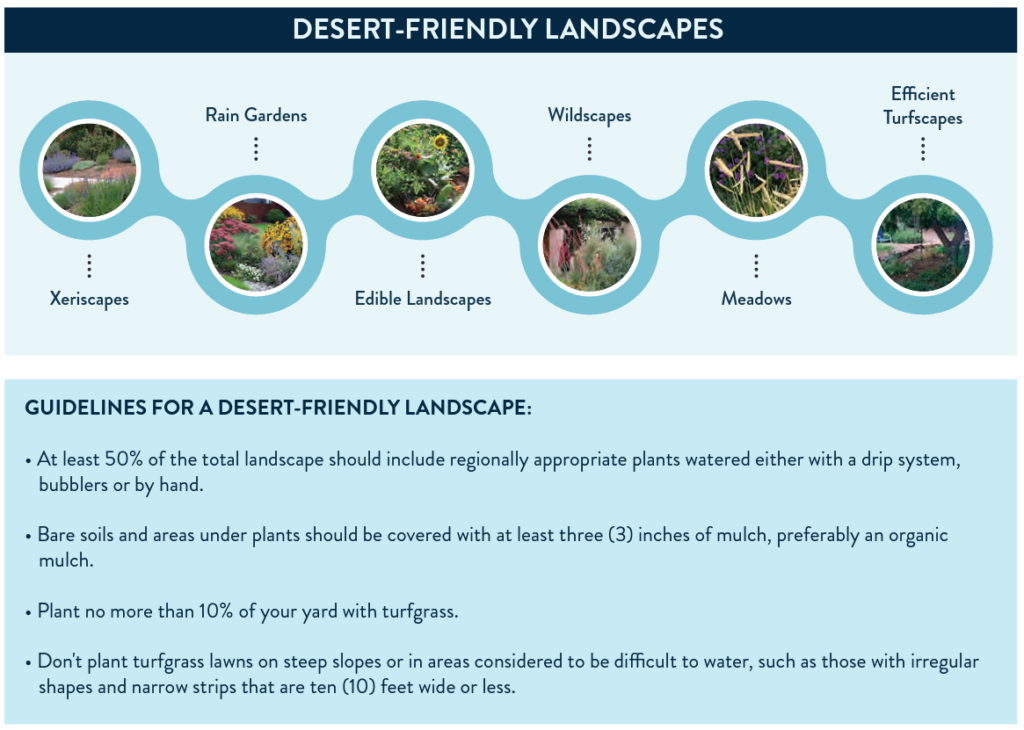
The Albuquerque metro area has a variety of landscapes. These include desert-friendly landscapes, such as lush, pollinator-friendly xeriscapes, and wildscapes or prairie plantings, where native grasses and wildflowers bring the feel of a prairie to a yard. Rain gardens are specifically designed to make the most of natural precipitation, while edible landscapes have garden beds or edible plants interspersed throughout them. Efficient turfscapes have smaller areas of turfgrass and diverse plantings. Conventional turfscapes with large areas of cool-season grass and high-water foundation shrub plantings are no longer considered desert-friendly landscapes. Desert-friendly landscapes describe a variety of landscapes that include beautiful, diverse plantings with increased resiliency achieved through efficient watering.
A sea of gravel may require little water, but it does not create a healthy environment. Weed fabric doesn’t prevent weeds from growing on top of the fabric and has been proven to be detrimental to soil and tree health in the long term. Trees struggle if they have been part of a yard that was once heavily irrigated and has been converted to a gravelscape. We do not recommend gravelscapes for reducing water use. Instead, transform those landscapes into cooler, healthy environments by adding appropriate plants and irrigation.
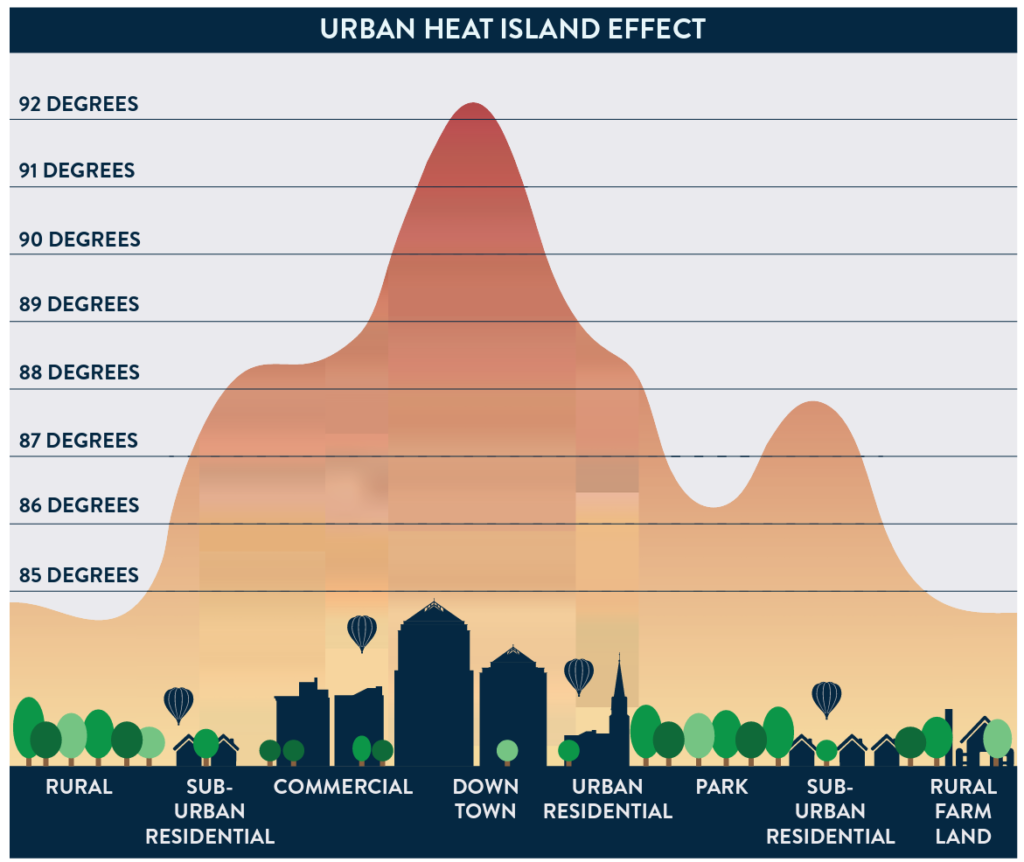
Desert-friendly landscapes make a positive contribution to lowering the urban heat-island effect, which is caused by heat emitted off surfaces including gravel, concrete and asphalt. This heat causes an updraft within an urban setting, which changes the weather patterns over a city and decreases the chances of precipitation and cooling. Plants, especially trees, help decrease or eliminate this heat island effect.
Desert-friendly landscapes help reduce noise pollution by absorbing sound. Desert-friendly plantings also increase biodiversity in your yard and in our community, generating much-needed pollinator habitat. Xeriscapes, particularly once they are established, use significantly less water than a conventional turfgrass lawn. Did you know that Albuquerque is a designated Bee City USA? To find out more, go to: Burque Bee City USA (beecityusa.org). For more information on pollinator gardens, go to ABQ Backyard Refuge Program (https:// www.505outside.com/2021/05/31/backyard-refug-es-for-people-and-wildlife/). To find out about rebates that help homeowners transform their yards into desert-friendly xeriscapes, visit: https://www.505outside.com/residential-desert-friendly-conversion-rebates-xeriscape-conversion/
Xeriscapes have been largely misrepresented and misunderstood over the past 30 years, often being mistaken for zeroscape (a.k.a. no plants). What xeriscape really means is a native, desert-adaptive or desert-friendly landscape that often feels lush and vibrant and has plants that are appropriate for the Albuquerque climate. It attracts all kinds of wildlife and changes with the seasons.
Pro Tips for Using Drip Emitters in Xeriscapes:
• Always have more than one emitter per plant in case one becomes clogged. • Switch from adjustable micro sprayers and “shrubblers” to individual emitters or in-line emitted drip lines to know exactly how much water is being provided to your plants. • When using drip or other low-flow irrigation, accommodate plant needs by adjusting the flow rate (larger or smaller gph) and number of emitters per plant. • Drip irrigation is the best way to water plants that do not like getting their leaves wet. With drip emitters and ¼” spaghetti tubing, water can be placed exactly where it is needed.
Xeriscapes often include trees, shrubs, flowering “pollinator-friendly” perennials, desert accents, groundcovers, ornamental grasses and vines. They also can contain small functional turf areas, vegetable beds and other edible plants. Xeriscape plants are medium or low-water usage plants. Some can survive with rainwater alone after an establishment period of at least three full irrigation seasons. Adding trees to a desert-friendly xeriscape increases shade and habitat, creates favorable microclimates and reduces the urban heat island effect in Albuquerque. When deciding which tree to use in a particular place, refer to our Xeriscaping Guide or The Nature Conservancy’s Climate Ready Tree List.
HOW MUCH WATER IS NEEDED TO KEEP UP A BEAUTIFUL XERISCAPE?
This budget is only for outdoor use. Please include your winter averages to complete your TOTAL usage on your billing. For typical xeriscape landscapes with 500 square feet of NATIVE grass lawn (warm-season grasses) and two medium trees
Most irrigation work can be done by the homeowner, except for one component. Tapping into your home's main water line needs to be done by a licensed contractor to ensure it is completed safely. To help homeowners know how to select and work with a contractor, we have provided the Irrigation Association's Irrigation Consumer Bill of Rights in the Appendix.
To make sure you have an efficient system, we highly recommend that you hire a professional irrigation designer to create a custom plan. Having a custom plan minimizes water waste and the chance of problems in the future and also helps ensure an efficient distribution of water, which reduces water usage. We also recommend asking a designer to produce a "call-out" list of all the parts required for the installation or renovation. This helps homeowners decide whether to DIY or hire a contractor.
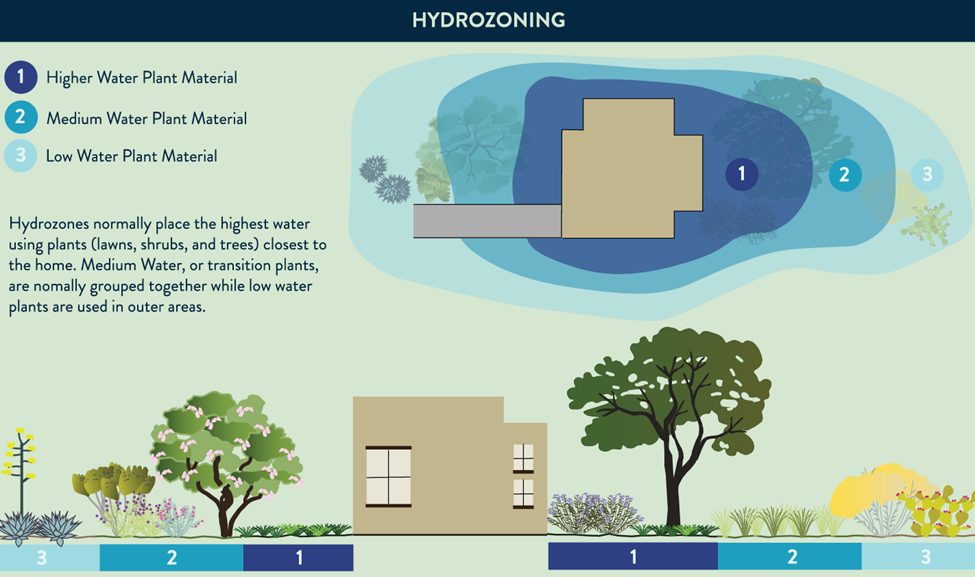
SEPARATINGIRRIGATIONZONES&HYDROZONING
When you begin to plan a drip system, whether you’re installing a new system or retrofitting an existing system, it is imperative to design it so the drip valves are separate from your lawn valves. If you plan to grow a vegetable garden or water annual beds with a drip system, those areas also need to be on separate valves.
The next thing to do is organize your drip zones by plant watering needs. This means that higher water plants and lower water plants should be on separate valves (hydrozoning) whenever possible, so watering is much more efficient. Hydrozoning is not always possible when retrofitting an established landscape. In that case, you can adjust your water delivery with various sized drip emitters so plants with higher water needs receive more water per hour.
Check out our New Irrigation Efficiency Guide: Beautiful Landscapes with Less Water. Download the guide here.
Does the thought of making changes to your yard seem costly? Can you still get reasonable benefits from just changing a few things instead of your whole yard? Do you feel overwhelmed because you don't know where to start? Do you feel like you don't know enough about irrigation systems to know what to do?
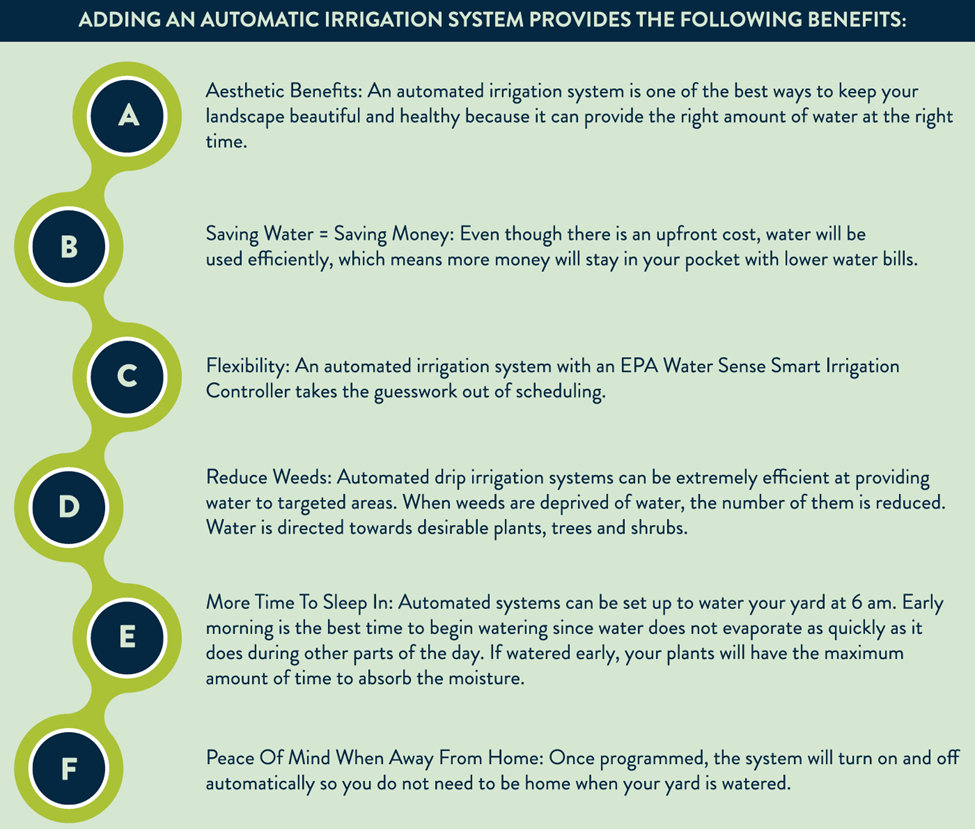
Having an efficient automatic irrigation system can be financially affordable for homeowners, especially with help from our rebates. Homeowners can choose to install or update a spray or drip irrigation system. To figure out your budget using our rebates, consider the following questions: How much can I spend on irrigation updates this year? It's important to be realistic about what you can spend and stick to your budget. You don't necessarily need to spend thousands of dollars to begin saving water. We offer rebates to help you cover some of the costs. Upgrades don’t have to be completed all at once. They can be done in phases.
Check out our New Irrigation Efficiency Guide: Beautiful Landscapes with Less Water. Download the guide here.
We all love the feeling of cool shade on a hot summer day, whether it comes from a dense tree canopy growing above the yard or from our home as it shades different areas throughout the day. Quite a few plants appreciate that cool space. There are many options for adding useful, attractive greenery to your yard that do well in the shade.
Since there are different levels of shade, watch the progress of the sun across your landscape so you can determine the right plants for each location. The shade cast by trees varies with the size and kind of tree. For example, a large mulberry will cast broad and deep shade, while a honeylocust will provide a more dappled and lighter level of shade. The more upright the tree, the narrower the shade profile. Tree canopies that spread broadly offer a more uniform level of shading. Shade from a building can be a bit problematic in that it is very dense where it falls, but that changes over the course of the day.
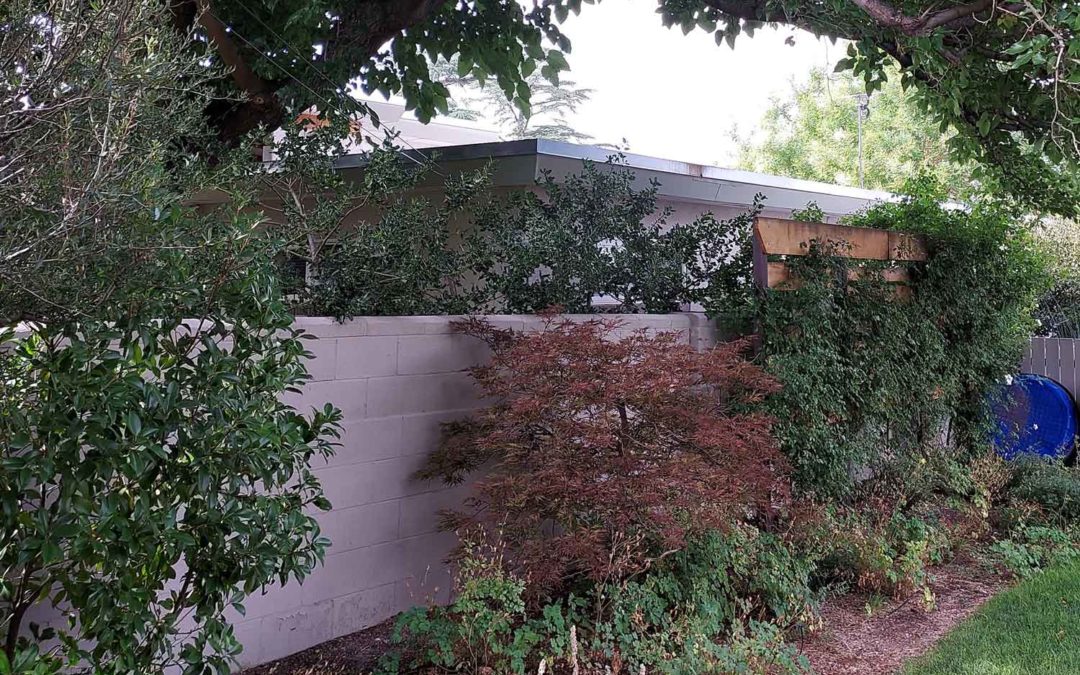
One of my favorite shade plants is something I hardly ever recommend in Albuquerque: Japanese maple trees. These small trees thrive in all-day dappled shade, although they do take a bit of water. Due to their small size, however, they don’t need that much extra water. These lovely little trees deserve a nice setting where you can see and enjoy them all year round. They may be a good choice for the oasis zone of your xeriscaped landscape. The caveat is that these little trees will not do well in strong sun, so pick your spot with care!
There are a couple of shrubs favored by nurseries that do much better with some shade than in the full-sun situations where they are often found. Both nandina (heavenly bamboo) and India hawthorn will look much better with some relief from scorching sun and suffocating heat. Native barberry (Berberis fendleri to the plant nerds) takes deep shade well, while the native three-leaf sumac and gro low sumac will tolerate moderate shade very nicely. The latter tends to get taller and leggier in shade than it does in sun, but it’s happy either way and doesn’t need much water. Other locally-common shrubs/sub-shrubs that do well in dappled shade are autumn sage, cliff fendlerbush, and even blue mist spirea.
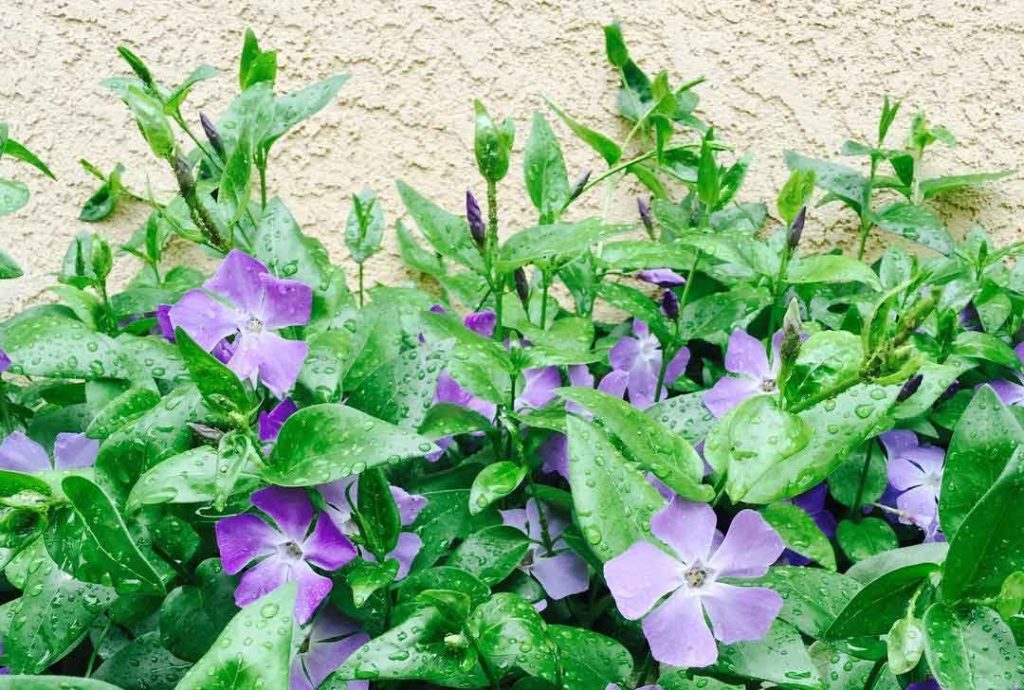
I’m a real fan of ground covers in shady areas, especially under trees and planted into organic mulch like shredded wood chips. Kinnikinnick (a.k.a bear berry) is a Montana native that too often is placed in full sun and doesn’t like it, but in a shadier spot it really shines. The periwinkles, Vinca major and Vinca minor, also do well in a shadier setting, attractively rambling through the mulch. Dwarf plumbago likes similar conditions to the vincas. Yerba mansa and creeping mahonia are native plants that also do well as ground cover.
Vinca Major
Mints are good in light shade. There are many types, from chocolate mint to spearmint to orange mint. I let them grow and bloom. Since bees of all types and sizes love the blossoms, the mint is a great addition to the landscape from the beneficial insect perspective. Many tiny wasps use mint flowers as adult food, while their offspring are busy parasitizing aphids and caterpillars. One thing to remember is to make room for the mint to spread, which it will happily do.
Related to mints, and likely to spread like mints, is dead nettle. Despite it’s name, it’s a great plant that uses little water and has blooms that attract good small insects. Other good flowering plants for light shade areas include the native columbines, lavender, and catmint.
What about turf grass? Most turf grasses like full sun and will get thin under shade, however I’ve had great results with creeping red fescue. This Eurasian native needs regular water to do well but can tolerate deep shade.
By establishing irrigation for shade plants, the trees above them also receive water, which is a great way to make sure those trees get water. Some shade plants are available only as seed (red fescue, for example), but most of them can be found as containerized plants at our local nurseries.
Author: Joran Viers, Senior Partner at Root to Shoot Urban Forestry, Inc. find him at [email protected] Have a question about the article? [email protected]